
Visualization Techniques for Enhancing Defensive Performance and Reflexes

Welcome to Martial Arts Mastery, your gateway to unlocking the profound depths of martial arts knowledge! Delve into the ancient traditions and cutting-edge techniques that shape warriors and build character. Ever wondered how elite martial artists anticipate and neutralize threats with seemingly effortless grace? This article explores the powerful role of mental imagery martial arts defense, revealing how visualization can dramatically sharpen your reflexes and defensive capabilities. Prepare to unlock a new dimension of your training and discover the secrets to proactive defense.
- Visualization Techniques for Boxing Defense
-
Frequently Asked Questions
- What is mental imagery, and how does it relate to martial arts defense?
- How can visualization improve my reflexes in a self-defense situation?
- What types of defensive scenarios should I visualize to maximize the benefits for martial arts?
- How often should I practice mental imagery for martial arts defense to see noticeable improvements?
- Are there any specific techniques or tips for effective mental imagery practice in martial arts defense?
- Final Reflection: The Mind's Shield
- Unleash Your Inner Warrior: Visualize Victory Now!
Visualization Techniques for Boxing Defense
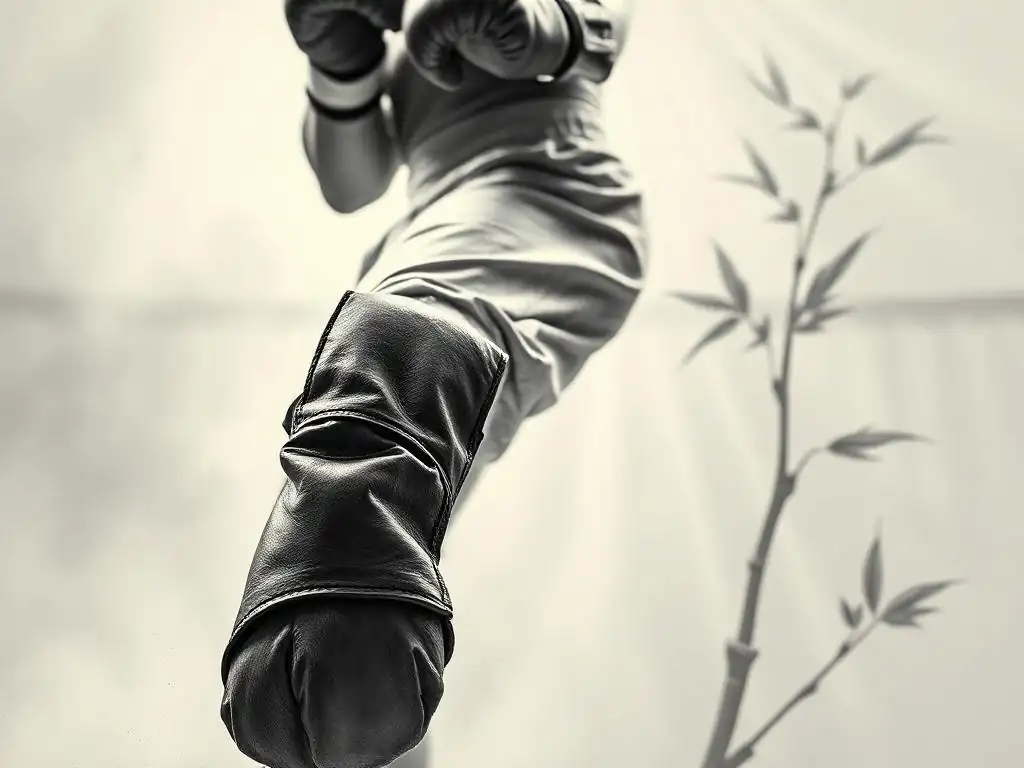
Boxing defense is a complex interplay of blocking, slipping, weaving, and intelligent footwork, all executed with split-second timing. While physical drills are indispensable, adding mental imagery martial arts defense techniques can significantly sharpen these skills. Visualization allows boxers to rehearse defensive maneuvers repeatedly in their minds, improving reaction time, anticipation, and overall ring awareness without the physical wear and tear of live sparring. This mental rehearsal can help internalize movements and strategies, making them more automatic when faced with real punches.
Integrating mental imagery martial arts defense specifically into boxing training focuses on simulating the dynamic environment of the ring. It involves not just picturing the movements but also the spatial relationships, the timing of punches, and the feeling of executing defensive actions under pressure. This targeted mental practice complements physical training by reinforcing proper technique and building confidence in defensive capabilities, ultimately leading to a more robust and less hittable fighter.
Specific Visualization Drills for Blocking Punches
Blocking is a fundamental defensive tactic in boxing, requiring precise timing and proper guard positioning. A valuable visualization drill involves seeing an opponent throw a specific punch, such as a straight right hand, and mentally executing the correct block, like bringing the left glove firmly against the side of the head or shoulder. Focus on the tactile sensation – the imaginary impact of the glove, the solidity of your guard, and maintaining your balance. Repeat this for various punches, visualizing blocking jabs, hooks, and uppercuts, ensuring your mental block is sharp and tight each time.
An advanced blocking visualization involves simulating a rapid-fire combination from an opponent. Picture a jab-cross-hook sequence coming towards you. Mentally respond instantly by seeing yourself parrying the jab, blocking the cross with your lead arm, and catching the hook on your rear guard. Pay attention to the seamless transition between blocks and maintaining vision of the opponent throughout the sequence. This mental imagery martial arts defense practice helps improve the flow and efficiency of defensive reactions against complex attacks, building a mental database of responses to common combinations.
Mental Imagery Exercises for Slipping and Weaving
Slipping and weaving are evasive movements that require excellent timing and body control to avoid punches entirely. For slipping, visualize an opponent throwing a straight punch directly at your head. Mentally see yourself making a small, controlled head movement to the side, allowing the punch to pass harmlessly by your ear. Focus on keeping your eyes on the opponent and maintaining a balanced stance, ready to counter. Practice slipping left and right, visualizing punches coming from different angles, such as slipping inside a jab or outside a cross.
Weaving involves larger, pendulum-like movements under punches, particularly hooks. A powerful mental imagery martial arts defense exercise for weaving is to picture two hooks coming at you sequentially. Visualize dipping low and moving your head in a semicircular motion, passing under the first hook, and continuing the movement to evade the second. Focus on the fluidity of the motion, the feeling of the weight shift, and emerging from the weave in a strong position. Mentally rehearse weaving under combinations, picturing yourself moving smoothly and efficiently through the path of incoming punches, conserving energy while effectively avoiding damage.
Mastering Footwork Through Visualization: The "Ghost Step" Drill
Footwork is the foundation of boxing defense, allowing fighters to control distance, escape danger, and create angles. The "Ghost Step" drill, performed mentally, involves visualizing yourself moving around the ring with perfect defensive footwork without an opponent. Picture the dimensions of the ring and see yourself executing controlled steps backward to create distance from pressure, lateral steps to circle away from power, or pivot steps to change angles defensively. Focus on staying light on your feet, maintaining balance, and always being in a position to defend or move further.
Expand the "Ghost Step" drill by visualizing defensive scenarios requiring specific footwork. Picture an opponent rushing forward; mentally see yourself taking quick, precise steps backward while keeping your guard high. Visualize being backed into a corner; mentally rehearse using a pivot or sidestep to escape to open space. This mental imagery martial arts defense practice reinforces the importance of intelligent movement and helps internalize defensive footwork patterns. By repeatedly visualizing perfect execution, you build neural pathways that translate into smoother, more effective movement in live situations, allowing you to "ghost" out of trouble.
Frequently Asked Questions
What is mental imagery, and how does it relate to martial arts defense?
Mental imagery is the act of creating vivid mental pictures of scenarios. In martial arts defense, it allows you to practice defensive techniques mentally, improving reaction time and decision-making.
How can visualization improve my reflexes in a self-defense situation?
By consistently visualizing various attack scenarios and your defensive responses, you can prime your nervous system for action. This mental rehearsal translates to faster and more instinctive reactions in real-world situations.
What types of defensive scenarios should I visualize to maximize the benefits for martial arts?
Focus on visualizing common attacks relevant to your chosen martial art. Include scenarios with different attackers, environments, and potential weapons. Varying the scenarios challenges you to adapt mentally.
How often should I practice mental imagery for martial arts defense to see noticeable improvements?
Consistency is key. Aim for short, regular sessions (10-15 minutes daily) rather than infrequent long sessions. This allows for better neural pathway development and retention.
Are there any specific techniques or tips for effective mental imagery practice in martial arts defense?
Ensure your visualizations are vivid and realistic. Engage all your senses – sight, sound, touch, even smell. Combine mental practice with physical practice to reinforce the mind-body connection.
Final Reflection: The Mind's Shield
The power of visualization, as explored throughout this article, isn't merely a theoretical concept; it's a tangible tool for enhancing defensive capabilities and reflexes in martial arts, and indeed, in life itself. In a world that demands quick thinking and decisive action, the ability to mentally rehearse and refine our responses becomes an invaluable asset, bridging the gap between intention and execution.
The impact of mental imagery extends far beyond the dojo, influencing how we approach challenges and overcome obstacles in all aspects of our lives. This understanding has profoundly shifted my perspective on the potential of the human mind, revealing the untapped power we possess to shape our reality through focused intention. The mind is everything. What you think you become.
- Buddha. This quote resonates deeply, underscoring the fundamental connection between our thoughts and our actions, and highlighting the transformative potential of mental discipline.
Now, I invite you to consider how you can integrate these visualization techniques into your own life. Whether you're a martial artist striving for peak performance or simply seeking to sharpen your mental acuity, embrace the power of your imagination. Visualize success, rehearse your responses, and cultivate a mindset of unwavering confidence. The mind is a powerful ally; learn to harness its potential, and you'll unlock a world of possibilities.
Unleash Your Inner Warrior: Visualize Victory Now!
Thank you for diving into the art of visualization and its power to sharpen your defensive prowess. Now that you've unlocked the secrets to mental rehearsal, it's time to put them into action and transform your training.
Ready to elevate your game? Here’s how:
- Begin implementing daily visualization exercises for at least 15 minutes, focusing on successful defensive maneuvers and rapid response to attacks. This is your key to unlocking superior reflexes.
- Record your visualization experiences in a journal. Note any mental obstacles, and explore how you can adjust your techniques to overcome them.
- Share your visualization insights and challenges with fellow martial artists in our community forum. Learning from others will boost your progress and deepen your understanding.
What specific defensive scenario are you most excited to visualize conquering, and how will you measure your progress?