
Countering Punches in Sanda: Turning Defense into Offense Legally


Welcome to Martial Arts Mastery, your portal to the captivating world of combat disciplines!
Delve into the intricacies of Sanda, the dynamic Chinese kickboxing system, and discover how to transform defensive maneuvers into powerful offensive opportunities. This article explores essential Sanda punch defense techniques, offering insights into how to legally and effectively counter strikes. Are you ready to elevate your Sanda game? Let's begin your journey to mastery...
- Introduction to Sanda Punch Defense and Counter-Attacking
- Mastering Fundamental Sanda Punch Defense Techniques
- Advanced Sanda Punch Counter-Attack Strategies
- Specific Punch Defense Scenarios and Counter-Attacks in Sanda
- Drills and Training Methods for Sanda Punch Defense
- Legal Considerations and Ethical Conduct in Sanda Counter-Attacking
- Conclusion: Elevating Your Sanda Game Through Effective Punch Defense
-
Frequently Asked Questions
- What is Sanda and why is punch defense important in it?
- What are some fundamental Sanda punch defense techniques?
- How can Sanda practitioners legally turn punch defense into offense?
- What is the role of footwork in Sanda punch defense?
- Besides physical techniques, what other factors contribute to good Sanda punch defense?
- Final Reflection: Mastering the Art of Adaptive Defense
- Transform Defense: Unleash Your Sanda Potential Now!
Introduction to Sanda Punch Defense and Counter-Attacking
Sanda, also known as Sanshou, is the official Chinese full-contact fighting sport, combining striking techniques (punches, kicks) with grappling and takedowns. While powerful kicks and dynamic throws often capture attention, effective Sanda punch defense techniques are absolutely fundamental to success and longevity in competition. A solid defense against hand strikes not only protects the fighter but also creates crucial openings for legal and effective counter-attacks, transforming defensive actions into offensive opportunities.
Mastering Sanda punch defense involves a combination of technical proficiency in blocking, parrying, and evading, alongside strategic footwork and timing. It's not merely about avoiding being hit; it's about using the opponent's attack as a setup for your own offense. This principle is central to high-level Sanda competition, where exchanges happen rapidly, and the ability to transition seamlessly from defense to offense often dictates the outcome of a round or match.
The Importance of Effective Punch Defense in Sanda Competition
In the fast-paced environment of a Sanda match, punches are often the most frequent attack. While kicks might score higher points or throws might end a round, a constant barrage of effective punches can overwhelm an opponent, accumulate points, and set up other techniques. Therefore, robust Sanda punch defense techniques are non-negotiable.
Consider a typical Sanda bout: fighters spend a significant portion of the time within punching range. Statistics, while varying by fighter style, suggest that punches can account for anywhere from 40% to 60% of all strikes attempted in a round. Without effective defense, a fighter is constantly exposed to scoring blows, which can quickly lead to a points deficit or even a knockout.
Moreover, absorbing punches drains stamina and can compromise balance, making subsequent offensive actions less effective. A fighter confident in their Sanda punch defense can stay composed under pressure, analyze the opponent's patterns, and wait for the right moment to counter.
Legality of Counter-Strikes in Sanda: Understanding the Rules
Sanda rules are designed to encourage a dynamic fight that integrates striking and grappling while prioritizing fighter safety. Legal strikes include punches (straight punches, hooks, uppercuts) to the head and body, and kicks to the head, body, and legs. Takedowns are also legal and highly scored. Counter-striking, by definition, is a legal and integral part of Sanda strategy.
The key is that the counter-strike itself must be a legal technique delivered to a legal target area. For example, after successfully parrying a jab, responding immediately with a legal straight punch to the head or body is a textbook legal counter. Similarly, slipping a hook and answering with a leg kick is perfectly within the rules.
Illegal actions include striking a downed opponent, striking the back of the head or spine, kneeing or elbowing (generally), and various forms of fouling. As long as your counter-attack utilizes approved Sanda techniques against approved targets, it is a legitimate tactic for turning defense into offense. Understanding the nuances of what constitutes a scoring strike (clean contact with sufficient force) is also vital for effective counter-attacking.
Mastering Fundamental Sanda Punch Defense Techniques
Effective Sanda punch defense starts with solid fundamentals: proper stance, guard, and basic defensive movements. These techniques form the foundation upon which more advanced strategies are built. Without a reliable basic defense, attempting complex counters becomes risky and often unsuccessful.
The defensive stance in Sanda typically involves keeping hands high to protect the head and body, elbows tucked in, and a balanced distribution of weight to allow for quick movement. This ready position is crucial for executing basic defensive actions like blocking, parrying, slipping, and weaving, which are the first lines of defense against incoming punches.
Blocking and Parrying: Basic Sanda Defensive Movements
Blocking involves using a part of your body, typically the forearms, shoulders, or gloves, to stop an incoming punch from reaching its target. For example, bringing the forearm up to protect the side of the head against a hook or using the gloves to block straight punches to the face are common blocking techniques. While effective, blocking absorbs impact and can sometimes obscure vision or leave other areas vulnerable if not executed precisely.
Parrying, on the other hand, involves deflecting an incoming punch with a slight movement of the hand or forearm, redirecting its trajectory away from the target. A common parry involves using the lead hand to brush away an opponent's jab. Parrying requires less force than blocking and allows the defender to maintain better vision and balance, making it an excellent setup for immediate counter-attacks.
For instance, a quick parry of a jab can set up a counter cross or a lead hook. Mastering the subtle difference between absorbing a block and deflecting a parry is key to efficient Sanda punch defense techniques.
Slipping and Weaving: Evading Punches with Footwork and Head Movement
Slipping is a defensive technique where the fighter moves their head slightly to the side, allowing the punch to pass harmlessly by. This is typically used against straight punches like jabs and crosses. Slipping to the outside of an opponent's punch (e.g., slipping to your left against an opponent's right cross) is often safer and positions you for a counter. Weaving involves moving the head in a 'U' shape under incoming hooks or combinations.
These evasion techniques require excellent timing and understanding of the opponent's rhythm. Successfully slipping or weaving not only avoids the impact entirely but also often puts the defender in a superior angle or range for a counter-attack. For example, slipping an opponent's jab to your outside can immediately set up a counter hook or a powerful cross as they extend. Evading punches with skilled head movement is a hallmark of advanced Sanda punch defense.
Utilizing Footwork for Optimal Punch Defense and Offensive Positioning
Footwork is the silent partner in all Sanda punch defense techniques. Proper movement allows a fighter to manage distance, change angles, and create opportunities. Against punches, footwork can be used to:
- Step back out of range: The simplest defense against any strike.
- Pivot: Change your angle relative to the opponent, making you a harder target and setting up side attacks.
- Step to the side: Evade a punch and gain a dominant angle.
- Step in or forward: Jam an opponent's punch or initiate a clinch after defense.
Effective footwork ensures that when you defend a punch, you are already moving into a position from which you can launch a powerful and accurate counter-attack. For instance, a fighter might use a slight step back combined with a parry to create just enough space for a counter leg kick, or a lateral step to defend a hook and immediately counter with a cross from a better angle. Consistent drilling of footwork patterns is essential for integrating movement with your Sanda punch defense.
Advanced Sanda Punch Counter-Attack Strategies
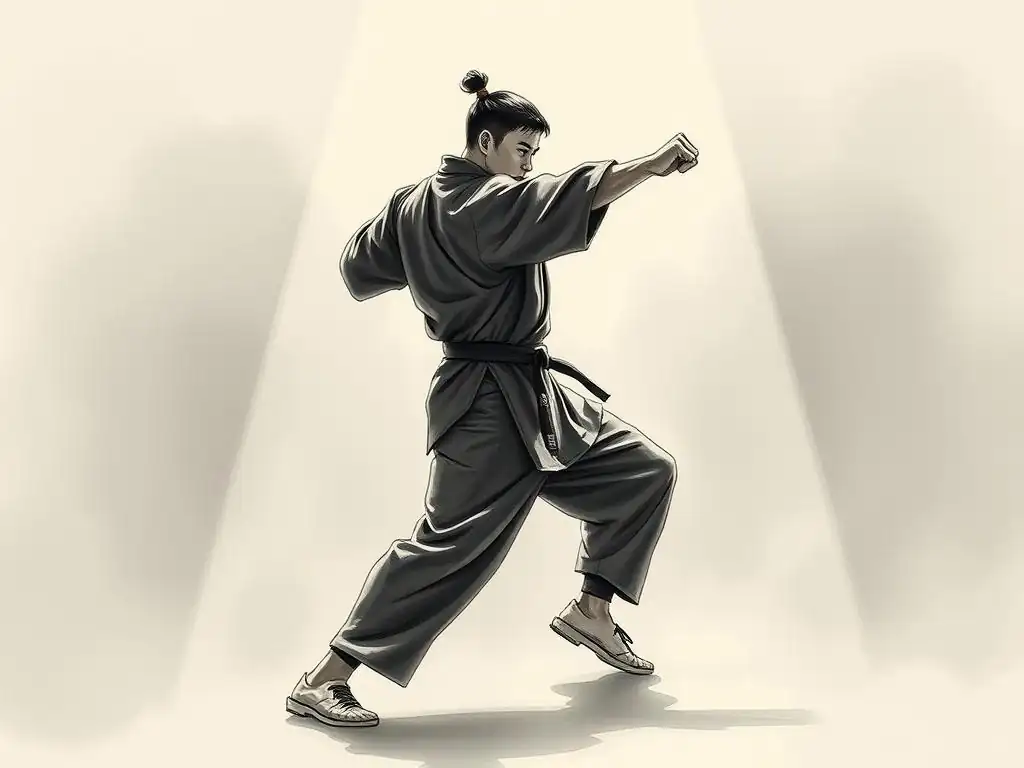
Once the fundamental Sanda punch defense techniques are solid, fighters can develop more advanced counter-attack strategies. These involve timing, anticipation, and the seamless transition from defensive action to offensive strike or takedown attempt.
Advanced counters often exploit the opponent's commitment to their strike. When an opponent throws a punch, they are momentarily off-balance or have exposed an opening. A well-timed counter capitalizes on this vulnerability. This requires not just reacting to the punch, but often reading cues and anticipating the attack before it fully develops.
The Art of the Intercepting Strike: Meeting the Attack Head-On
An intercepting strike is a counter-attack launched simultaneously with or slightly before the opponent's attack lands, aiming to disrupt, deter, or land a scoring blow while the opponent is exposed. This is a high-level Sanda punch defense technique that requires exceptional timing and bravery.
A classic example is the intercepting jab. As an opponent begins to launch their own attack (say, a cross), a fighter might fire a sharp, fast jab directly down the center line, aiming to hit the opponent before their punch reaches its target or to disrupt their balance and power. This strategy can be risky if mistimed, potentially leading to a double-KO scenario or simply getting hit cleanly.
However, when executed correctly, it can neutralize the opponent's offense and land a clean counter, often surprising them. Another example is stepping slightly forward while parrying a jab and immediately throwing a cross – the forward movement helps the cross land with more power and speed.
Countering with Kicks: Using Leg Techniques After a Punch Defense
Sanda is known for its powerful kicks, and using leg techniques as a counter to punches is a highly effective strategy, leveraging the unique ruleset. After defending a punch, the opponent is often momentarily off-balance or vulnerable at a different range.
For example, after slipping a cross, a fighter is often positioned to land a powerful low kick to the opponent's lead leg. This scores points and can degrade the opponent's mobility over time. Similarly, defending a combination of punches might create an opening for a quick side kick to the body or even a head kick if the opponent's guard is dropped after their flurry.
Studies in combat sports suggest that switching planes of attack (e.g., countering a high punch with a low kick) can significantly increase the chances of landing a successful counter because it forces the opponent to adjust their defense rapidly across different levels. Utilizing kicks effectively after implementing Sanda punch defense techniques is a hallmark of a complete Sanda fighter.
Combining Clinch Work with Punch Defense for Takedown Opportunities
Sanda's inclusion of throws and takedowns provides another layer of counter-attacking strategy, particularly when defending punches at close range. If an opponent commits to a series of punches and closes the distance, effective Sanda punch defense can transition directly into a clinch and a takedown attempt.
For instance, if an opponent steps in aggressively with punches, using blocks or parries can lead directly into establishing an over-under clinch. From this position, the fighter can work for trips, sweeps, or throws. Successfully defending punches while simultaneously gaining control of the opponent's body is a potent combination. Approximately 30-40% of points in a Sanda match can come from successful takedowns, making this a vital counter-option. Transitioning from defending a hook to securing a body lock, for example, is a common and effective tactic that utilizes Sanda punch defense techniques as the entry point for grappling offense.
Specific Punch Defense Scenarios and Counter-Attacks in Sanda
Different types of punches require different defensive reactions and open up specific counter-attack opportunities. Understanding these specific scenarios is crucial for developing a comprehensive Sanda punch defense.
Just as a boxer analyzes the jab vs. the cross, a Sanda fighter must understand how to defend against the common punches thrown in competition and what counters are best suited for each. This requires specific training and sparring practice focused on reacting correctly to different types of hand strikes.
Defending Against the Jab: Common Counters and Setups
The jab is often the most frequently used punch, used for range finding, setting up other attacks, and scoring points. Effective defense against the jab is paramount. Common Sanda punch defense techniques against a jab include:
- Parrying the jab with the lead hand.
- Slipping the jab to the outside or inside.
- Stepping back out of range.
- Blocking the jab with the lead glove or shoulder roll.
After parrying a jab to the outside, a common counter is a straight cross down the center line. If you slip the jab to the inside, a lead hook or an uppercut can be effective counters. Stepping back defensively can create space for a counter leg kick or a long-range side kick. A well-timed intercepting jab or cross thrown simultaneously with the opponent's jab is also a potent, though higher risk, counter. For example, a fighter might drill specifically parrying 100 jabs followed immediately by 100 counter crosses to build muscle memory and speed.
Responding to the Cross: Effective Blocks and Counter-Punches
The cross (thrown with the rear hand) is often the most powerful punch and a primary knockout threat. Defense against the cross must be solid. Common Sanda punch defense techniques for the cross include:
- Blocking with the rear glove, keeping the elbow tight.
- Slipping to the outside (away from the punch).
- Stepping back quickly.
- Using a shoulder roll if timing is precise.
Slipping a cross to the outside is an excellent setup for a counter lead hook or an uppercut, as you are positioned on the opponent's blind side. Blocking a cross can lead to a counter straight punch or a hook if the opponent leaves their guard open after the punch. Stepping back to avoid the cross can create distance for a counter kick. A common drill involves a partner throwing crosses while the fighter practices slipping and immediately countering with a lead hook, aiming for speed and accuracy.
Dealing with Hooks: Evasion, Blocking, and Offensive Retaliation
Hooks are powerful punches thrown in an arc, often targeting the head or body. They are particularly dangerous at close to medium range. Sanda punch defense techniques against hooks involve:
- Blocking with the forearms or gloves, ensuring elbows are tight.
- Weaving under the hook.
- Stepping back or pivoting out of the arc of the punch.
- Using an inside block to parry the hook.
Weaving under a hook puts you in a prime position to counter with uppercuts or body shots as you come back up, or to initiate a clinch. Blocking a hook can sometimes stun the opponent's hand, creating a brief moment for a counter straight punch. Pivoting away from the hook can set up a side kick or a rear-hand strike.
A powerful counter to a wide hook, if you can get inside it, is a short, straight punch down the middle. Training often includes drills where partners throw hooks at varying speeds and angles, requiring the defender to choose the appropriate Sanda punch defense technique and follow up with a designated counter.
Adapting Your Defense Against Southpaw Stances
Fighting a southpaw (left-handed stance) presents unique challenges for a conventional (right-handed stance) fighter, and vice versa. The angles and distances are different, and the most dangerous punches (rear hand) are on the opposite side. Effective Sanda punch defense techniques against a southpaw require specific adjustments.
The jab vs. jab exchange becomes critical, with both fighters' lead hands closer. Parrying or slipping the southpaw jab requires adjusting the angle of movement. The southpaw cross becomes a major threat coming from the opposite side, often crossing the center line more directly. Slipping the southpaw cross usually means slipping to your right (their left), which can set up a counter hook or cross depending on the angle.
Leg kicks become prime targets, with the southpaw's lead leg exposed to the conventional fighter's rear leg kick. Adapting your footwork to control the angle and distance, often fighting for the outside angle, is key to both defending punches and setting up counters against the mirrored stance. This requires specific sparring practice with southpaw partners.
Drills and Training Methods for Sanda Punch Defense
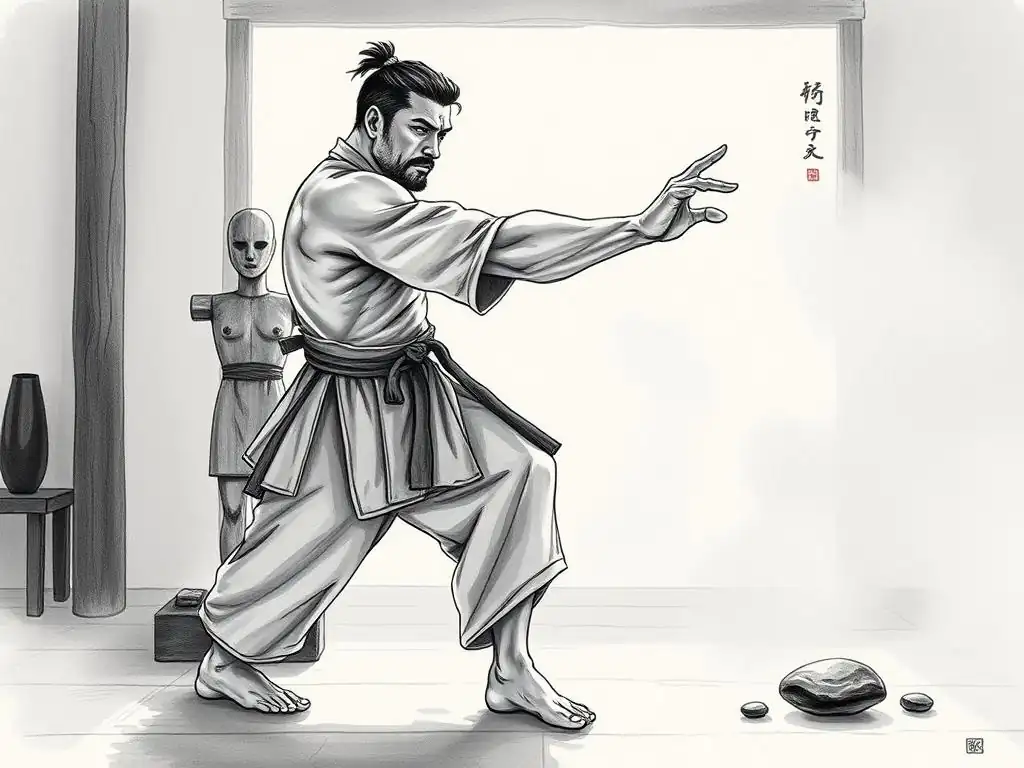
Consistent, focused training is essential to embed Sanda punch defense techniques and transition smoothly into counter-attacks. Drills should simulate the speed and unpredictability of a real match.
Training methods should progress from basic, slow repetitions to faster, more reactive exercises, and finally integrate techniques under the pressure of sparring. Repetition is key to developing the muscle memory and reaction time needed for effective defense and counter-striking in Sanda.
Shadow Boxing Drills for Improved Reaction Time and Footwork
Shadow boxing is an invaluable tool for practicing Sanda punch defense techniques and counter-attacks without a partner. Fighters can visualize an opponent throwing punches and practice the appropriate defensive movements (slipping, weaving, blocking, parrying) followed immediately by counter-strikes or footwork.
Specific shadow boxing drills can focus on reacting to different types of punches or combinations. For instance, a fighter might visualize an opponent throwing a jab-cross-hook combination and practice slipping the jab, blocking the cross, and weaving under the hook, then immediately throwing a counter combination like a cross-low kick. Adding movement, such as stepping or pivoting after each defensive action, enhances the realism and effectiveness of the drill. Regularly incorporating defensive reactions into shadow boxing helps build the instinctive responses needed in a live situation.
Partner Drills for Practicing Blocks, Parries, and Counter-Strikes
Working with a partner allows for more realistic practice of Sanda punch defense techniques. Drills can start slowly, with the partner throwing specific punches at a moderate speed, allowing the defender to focus on executing the technique correctly.
Examples of partner drills include:
- Jab Defense & Counter: Partner throws slow jabs, defender parries/slips and immediately counters with a cross. Increase speed gradually.
- Cross Defense & Counter: Partner throws slow crosses, defender slips/blocks and immediately counters with a lead hook or straight punch. Increase speed.
- Hook Defense & Counter: Partner throws hooks, defender weaves/blocks and immediately counters with uppercuts or body shots.
- Combination Defense: Partner throws simple combinations (e.g., jab-cross), defender practices defending both and countering after the final punch.
These drills emphasize proper technique, timing, and the seamless transition from defense to offense. Recording sessions can help identify technical flaws in Sanda punch defense techniques.
Sparring Strategies: Implementing Defensive Techniques Under Pressure
Sparring is the ultimate test of Sanda punch defense techniques and counter-attacking strategies. It allows fighters to apply techniques against a resisting, unpredictable opponent under conditions that simulate a real match.
During sparring, fighters should focus on implementing the defensive and counter-attacking principles practiced in drills. This might involve:
- Consciously focusing on slipping or parrying the opponent's jab rather than just blocking.
- Looking for opportunities to counter punches with kicks.
- Using punch defense to set up clinch entries.
Starting with light sparring allows fighters to focus on technique without the pressure of power. As skill and confidence grow, the intensity can increase. Analyzing sparring footage with a coach is invaluable for identifying strengths and weaknesses in Sanda punch defense techniques and counter-attacking timing. For instance, a fighter might discover they consistently get hit by the opponent's second punch in a combination, indicating a need to improve defense against follow-up strikes.
Reaction Drill: Partner Feeds Punches for Immediate Counter
A specific and effective drill for developing reaction time is the reaction feed drill. One partner acts as the feeder, throwing specific punches or combinations, while the other partner focuses solely on reacting with the correct Sanda punch defense technique and immediate counter.
The feeder can call out the punch beforehand initially, then transition to throwing punches randomly. The defender's goal is to react instantly and execute the counter. For example, the feeder might throw a hook, and the defender must weave and immediately counter with an uppercut or body shot. This drill hones the fighter's ability to recognize incoming punches quickly and trigger the appropriate defensive and offensive response almost simultaneously, which is crucial for effective counter-attacking in Sanda.
Task List for Punch Defense Training:
- [ ] Daily: 10 minutes shadow boxing focusing on defensive movements and counters.
- [ ] Weekly: Partner drills focusing on specific punch defenses (jab, cross, hook) for 30 minutes.
- [ ] Weekly: Partner drills transitioning defense to kicks/clinch for 20 minutes.
- [ ] Weekly: Reaction feed drill for 15 minutes.
- [ ] Weekly: Light to medium sparring with focus on implementing defensive counters.
- [ ] Monthly: Review sparring footage to analyze punch defense effectiveness.
Legal Considerations and Ethical Conduct in Sanda Counter-Attacking
While the primary goal is to score points and win, Sanda is built on principles of martial ethics and sportsmanship. Effective Sanda punch defense techniques and counter-attacks must always be executed within the legal framework and spirit of the rules.
Illegal techniques not only result in penalties (warnings, point deductions, disqualification) but also pose unnecessary danger to opponents. A skilled fighter achieves victory through superior technique and strategy, not through fouls.
Maintaining Control and Avoiding Illegal Techniques
In the heat of competition, especially when transitioning from defense to offense, it is crucial to maintain control. This means ensuring that your counter-attacks are legal strikes to legal targets. For example, after defending punches and entering the clinch, resisting the urge to knee or elbow (which are generally illegal in Sanda) is vital.
Similarly, if an opponent is falling from a throw attempt, striking them while they are down is strictly prohibited. Maintaining spatial awareness and control of your body and techniques during rapid exchanges, particularly when applying Sanda punch defense techniques and countering, is a mark of a disciplined and skilled Sanda practitioner. Referees are vigilant about illegal actions and will penalize fighters accordingly.
Respecting Your Opponent While Defending Yourself
Martial arts tradition emphasizes respect for one's opponent. While Sanda is a full-contact sport, this respect should underpin all actions, including defense and counter-attacking. This means avoiding unnecessary force after a clear stop command, not continuing to strike a downed opponent, and generally conducting oneself with sportsmanship.
Successfully defending yourself and counter-attacking effectively is a display of skill, not aggression beyond the scope of the rules. A fighter who demonstrates excellent Sanda punch defense techniques and counters while maintaining composure and respect for their opponent embodies the true spirit of Sanda.
Understanding the Referee's Role in Enforcing Sanda Rules
The referee is the ultimate authority in the Sanda ring, responsible for enforcing the rules, ensuring safety, and scoring the bout. Fighters must understand the referee's signals and commands (e.g., "Kai!" to begin, "Ting!" to stop) and obey them instantly.
If there is confusion about whether a defensive action or counter-attack was legal, the referee makes the final decision. Fighters should trust the referee's judgment and avoid arguing. Understanding the rules regarding legal targets, striking force, and prohibited actions is part of being a responsible competitor and ensuring that your Sanda punch defense techniques and counter-attacks contribute to a fair match. Referees are trained to recognize common fouls that might occur during defensive transitions, such as accidental headbutts or strikes to the groin during clinch entries initiated after punch defense.
Conclusion: Elevating Your Sanda Game Through Effective Punch Defense
Effective Sanda punch defense techniques are not merely a means of survival in the ring; they are a powerful offensive weapon. By mastering defense, fighters create the opportunities needed to launch legal, high-percentage counter-attacks that score points and control the narrative of the match.
From fundamental blocks and slips to advanced intercepting strikes and defensive transitions into throws, a comprehensive approach to defending punches is crucial for any serious Sanda competitor. It requires dedication to training, a deep understanding of the rules, and a commitment to applying techniques with precision and timing.
The Synergy of Defense and Offense in Sanda
Sanda is a dynamic sport where striking and grappling are intertwined. The most successful fighters seamlessly blend these elements. Effective Sanda punch defense techniques are the catalyst for this synergy. A well-executed slip under a hook can transition directly into a body lock and a throw attempt. A parried jab can set up a powerful counter leg kick.
This constant interplay between defending incoming strikes and launching your own offense is what makes Sanda exciting and challenging. By viewing defense not as a passive act but as the first step in an offensive sequence, fighters unlock their full potential in the ring. Mastering Sanda punch defense is mastering a significant portion of Sanda offense.
Continuous Improvement: Refining Your Sanda Punch Defense Skills
Like all martial arts skills, Sanda punch defense techniques require continuous refinement. Opponents evolve, strategies change, and fighters must constantly adapt. This involves regular drilling, sparring with different partners, analyzing performance (both wins and losses), and seeking feedback from experienced coaches.
Setting goals for improving specific aspects of punch defense – perhaps reducing the number of clean punches absorbed per round by a certain percentage, or increasing the success rate of a particular counter-attack – can help guide training. The journey to mastering Sanda punch defense techniques is ongoing, promising continuous growth and improvement for the dedicated Sanda practitioner.
Frequently Asked Questions
What is Sanda and why is punch defense important in it?
Sanda, also known as Chinese Kickboxing, is a full-contact combat sport. Effective punch defense is crucial because it allows fighters to avoid damage and create opportunities for counter-attacks.
What are some fundamental Sanda punch defense techniques?
Key defenses include blocking, parrying, slipping, and weaving. These techniques aim to deflect or evade incoming punches, minimizing impact and maintaining balance.
How can Sanda practitioners legally turn punch defense into offense?
By using successful blocks or parries to disrupt the opponent's balance and create openings. This allows for immediate counter-attacks using punches, kicks, or takedowns, within the Sanda ruleset.
What is the role of footwork in Sanda punch defense?
Footwork is essential for maintaining distance, creating angles, and executing effective blocks or evasions. Good footwork allows a fighter to be elusive and responsive, making it difficult for opponents to land clean punches.
Besides physical techniques, what other factors contribute to good Sanda punch defense?
Mental focus, anticipation, and strategic positioning are also crucial. Understanding an opponent's tendencies and reacting accordingly can significantly enhance a fighter's ability to defend against punches effectively.
Final Reflection: Mastering the Art of Adaptive Defense
The exploration of Sanda punch defense techniques reveals more than just methods of evasion; it unveils a philosophy of adaptive resilience applicable far beyond the ring. The ability to seamlessly transition from defense to offense, legally and strategically, mirrors the challenges we face in everyday life, where adaptability and quick thinking are paramount to overcoming obstacles.
The principles of Sanda punch defense, rooted in timing, precision, and leveraging an opponent's momentum, resonate deeply within the broader context of conflict resolution and personal growth. This journey into understanding and mastering these techniques has underscored the importance of not just reacting to adversity, but actively shaping it to our advantage. The best defense is a good offense
- a sentiment that, while often oversimplified, captures the essence of Sanda's approach to punch defense, emphasizing proactive engagement rather than passive resistance.
Now, as you step away from these pages, consider how you can apply the lessons of Sanda punch defense to your own life. Embrace the challenge of turning defensive postures into opportunities for growth and advancement. Cultivate the awareness, timing, and strategic thinking necessary to not only withstand the punches life throws your way, but to transform them into powerful catalysts for positive change.
Transform Defense: Unleash Your Sanda Potential Now!
Thank you for exploring the art of countering punches in Sanda with us! We hope this article has provided you with valuable insights and techniques to elevate your defensive game. Now, let's put that knowledge into action.
Here are some steps you can take right away:
- Master one of the key counter-punching techniques discussed, focusing on proper form and timing. Practice this technique repeatedly until it becomes second nature.
- Share this article with your training partners to spark discussion and collaborative practice at your next Sanda session.
- Explore our other articles on martialartsmastery.org to broaden your understanding of Sanda strategy and training.
Ready to start incorporating these techniques into your sparring sessions and see your defense transform into a powerful offense?