
The Evolution of Kendo Bogu: From Samurai Battlefield to Modern Dojo

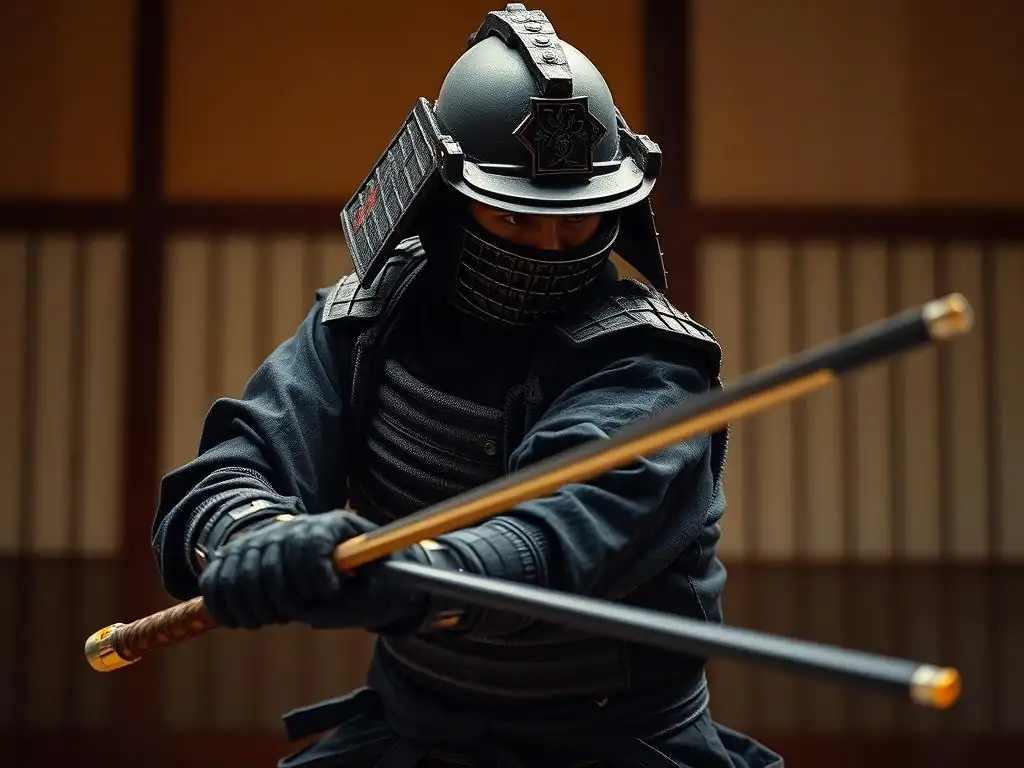
Welcome to Martial Arts Mastery, your portal to unlocking the secrets of combat traditions worldwide. Delve into the fascinating world where discipline meets artistry, and history shapes every movement. Ever wondered how the iconic armor of Kendo came to be?
Prepare to embark on a journey through time as we unravel the Kendo bogu evolution history, tracing its transformation from the brutal battlefields of feudal Japan to the modern dojo. Discover the ingenuity and resilience behind each piece of equipment, and gain a deeper appreciation for this captivating martial art. Read on to uncover the secrets hidden within the protective layers of Kendo!
- Kendo Bogu: A Historical Overview of Protective Equipment
- Early Influences: Armor on the Battlefield
- The Development of Modern Kendo Bogu
- Kendo Bogu Components: A Detailed Examination
- Kendo Bogu Materials: A History of Innovation
- The Impact of Kendo Bogu Evolution on Training and Safety
- Maintaining Your Kendo Bogu: A Guide to Longevity
- Kendo Bogu and the Spirit of Budo
-
Frequently Asked Questions
- What was the original purpose of kendo bogu before it became used in modern Kendo?
- How has the material used in kendo bogu changed throughout its history?
- What were some of the key design modifications that led to the bogu we see in modern Kendo?
- How did the standardization of kendo bogu impact the development of Kendo as a sport?
- Where can I learn more about the specific historical details of kendo bogu evolution history?
- Final Reflection: Honoring the Warrior's Path
- Ignite Your Kendo Journey Now!
Kendo Bogu: A Historical Overview of Protective Equipment
Understanding the Role of Bogu in Kendo Practice
Kendo bogu, the protective equipment worn by practitioners of Kendo, is far more than just padding; it is a fundamental element that enables the safe and effective execution of training and competition. Its primary role is to absorb the impact of strikes from the shinai (bamboo sword), allowing participants to practice techniques at full speed and power without incurring serious injury.
Without bogu, the dynamic and intense nature of Kendo, which involves targeting specific areas like the head ( men), wrists ( kote), torso ( do), and throat ( tsuki), would be impossible to practice realistically. Bogu transforms the training environment from a potentially dangerous encounter into a controlled space for skill development.
Beyond physical protection, bogu also plays a crucial role in the psychological and philosophical aspects of Kendo. Donning the bogu is often seen as a transition ritual, preparing the practitioner mentally for the rigors of training. It instills a sense of readiness and discipline, requiring careful assembly and proper wear, which reflects the attention to detail inherent in martial arts practice. The various components of the bogu also symbolize the targets and the commitment required to strike them effectively or defend against them, reinforcing the strategic and tactical elements of Kendo.
Kendo Bogu Evolution History: A Journey Through Time
The history of Kendo bogu is a fascinating narrative intertwined with the evolution of Japanese swordsmanship itself. Tracing the Kendo bogu evolution history reveals a continuous process of adaptation, driven by changes in training methods, available materials, and the ultimate goal of enabling safe, full-contact practice. Early forms of protective gear were rudimentary, often improvised, reflecting the need for safety as swordsmanship transitioned from battlefield necessity to a formalized discipline during periods of relative peace.
Over centuries, this protective equipment underwent significant transformations. From simple padded coverings used in early Edo period training to the highly standardized and specialized gear worn today, the Kendo bogu evolution history is a testament to ingenuity aimed at balancing safety with the demands of intense swordsmanship practice. Each stage of development addressed specific challenges, whether it was increasing durability, improving impact absorption, reducing weight, or enhancing mobility, leading to the sophisticated and effective bogu we see in modern dojo around the world.
Early Influences: Armor on the Battlefield
Samurai Armor as Precursor to Kendo Bogu
Samurai armor ( yoroi or gusoku) served as an undeniable precursor to Kendo bogu. Designed for the brutal realities of medieval warfare, samurai armor provided protection against cuts, thrusts, and blunt force trauma from various weapons, including swords, spears, and arrows. It typically consisted of multiple components made from iron or hardened leather plates, laced together with silk or leather cords, offering comprehensive coverage to the head, torso, arms, and legs. While its primary function was battlefield survival, the concept of compartmentalized protection for vital areas directly influenced the development of early training gear.
The segmented design of samurai armor, with specific pieces for the head ( kabuto), torso ( do), and limbs ( kote, suneate, hai-date), provided a model for targeting and protection that would later be adapted for swordsmanship practice. The emphasis on protecting vulnerable points that were likely targets in combat – the head, wrists, and torso – carried over into the design of early Kendo protective equipment. Although the materials and construction methods differed significantly due to the change in purpose from combat to training, the fundamental idea of shielding key areas remained consistent.
The Transition from Combat Armor to Training Gear
The transition from heavy, rigid combat armor to specialized training gear occurred primarily during the Edo period (1603-1868), a time of prolonged peace in Japan. With the cessation of large-scale warfare, the focus of samurai swordsmanship shifted from battlefield effectiveness to philosophical discipline and technical refinement within the dojo. Practicing with live blades was inherently dangerous, and even training with wooden swords ( bokken) could result in serious injury. This necessitated the development of protective equipment specifically designed to mitigate the impact of practice weapons, particularly the newly developed shinai, a flexible sword made of bamboo slats.
Early attempts at protective gear were often rudimentary, involving padded coverings made from layers of cloth or cotton. These early forms aimed to allow practitioners to strike each other with some force without causing severe harm, a stark contrast to the life-or-death stakes of battlefield combat. This period marked the crucial shift where the function of protective equipment evolved from preventing fatal wounds in war to enabling safe, repetitive practice of techniques in a training environment. The Kendo bogu evolution history truly begins its distinct path here, diverging from its armored ancestor.
Key Differences: Battlefield Armor vs. Early Kendo Protection
The differences between battlefield armor and early Kendo protection were profound, reflecting their distinct purposes. Battlefield armor was built for maximum protection against sharp, deadly weapons, often weighing upwards of 20-30 kilograms (44-66 lbs) for a full set. Its construction prioritized rigidity and defense, often sacrificing mobility for survivability. Materials like iron, steel, and thick hardened leather were standard.
Early Kendo protection, in contrast, was designed to absorb or dissipate the impact of blunt or semi-blunt training weapons like the shinai. It was significantly lighter, typically made from layers of cloth, cotton, and possibly some softer forms of leather. While offering protection to key targets, it did not aim to be impenetrable like battle armor.
The focus was on allowing movement and facilitating the repetitive strikes and footwork essential for swordsmanship training, rather than warding off fatal blows. This fundamental difference in design and material selection highlights the specialized nature of early Kendo gear compared to its heavy combat predecessor, marking a clear step in Kendo bogu evolution history.
The Development of Modern Kendo Bogu
The Emergence of Standardized Kendo Equipment
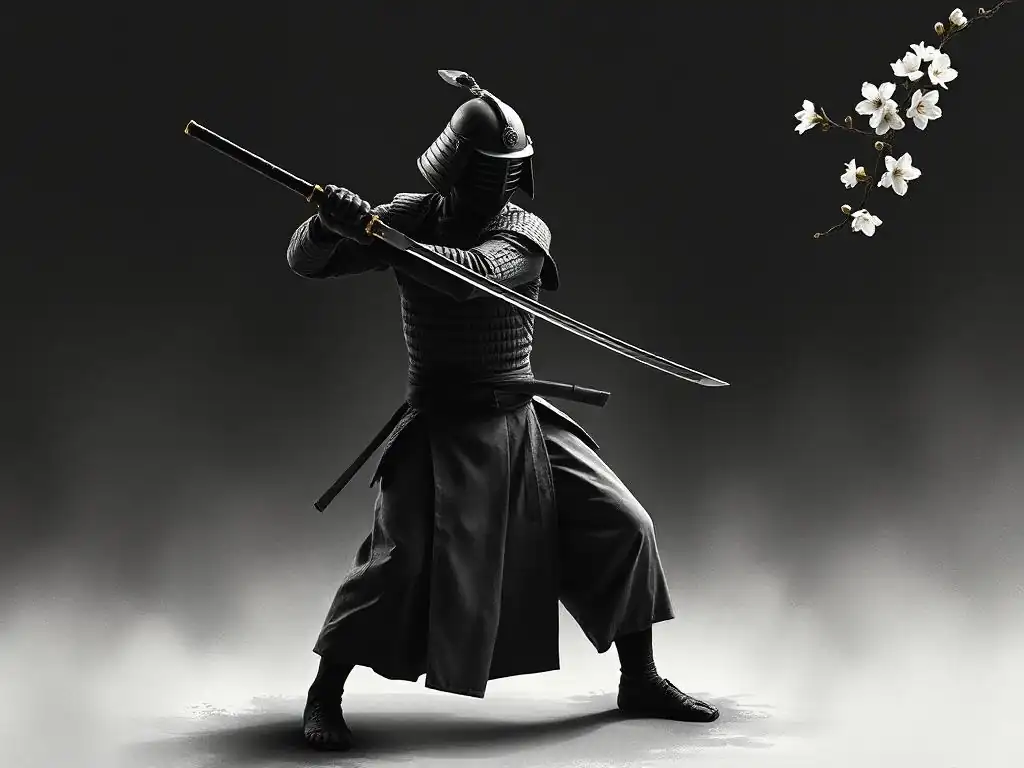
The late 19th and early 20th centuries saw significant steps towards standardizing Kendo equipment, including bogu. As Kendo became institutionalized, particularly with its introduction into police training and later public schools, there arose a need for consistent and reliable protective gear. This period marked a move away from varied, often improvised, forms of bogu towards designs that were more uniform in construction, materials, and level of protection. Organizations dedicated to promoting and regulating Kendo began to influence bogu design, establishing de facto, and later explicit, standards.
The establishment of the All Japan Kendo Federation (AJKF) in 1952 played a crucial role in further standardizing Kendo practice and equipment worldwide. The AJKF set specific guidelines for bogu dimensions, materials, and construction, ensuring a baseline level of safety and fairness in competition. This standardization was vital for the growth of Kendo globally, allowing practitioners from different dojo and countries to train and compete safely using compatible equipment. This phase is a critical chapter in Kendo bogu evolution history, professionalizing the gear.
Materials and Construction: A Shift in Design
The 20th century witnessed a significant shift in the materials and construction techniques used for Kendo bogu. While traditional materials like cotton, felt, and indigo-dyed cotton fabric ( aizome) remained central, advancements in manufacturing processes and the introduction of new materials began to influence design. Layers of felted cotton were meticulously stitched together ( sashi) to create dense, protective padding, often covered with durable leather ( deerskin or cowhide) in high-impact areas like the kote palms and men trim.
Later innovations included the use of synthetic materials, initially for cost and durability, but increasingly for enhanced protection and comfort. Synthetic leathers and fabrics began to appear, and the stitching methods evolved, including machine stitching which allowed for faster production and different levels of stiffness or flexibility depending on the sashi pitch (distance between stitches).
The core structure of the men face grill ( men-gane) also saw evolution, moving from steel to lighter, stronger alloys and even titanium in high-end models, significantly impacting the weight and balance of the men. This continuous material and construction innovation is a key aspect of the Kendo bogu evolution history.
Examples of Early Bogu Components and Their Evolution
Looking at specific early bogu components provides insight into the practical aspects of Kendo bogu evolution history. Early men (head protectors) were often less structured than modern versions, sometimes resembling padded hoods with minimal or rudimentary face protection. The face grill ( men-gane) might have been simpler, possibly using fewer bars or less robust materials compared to the complex, multi-bar grills required today to withstand significant impact.
Early kote (gloves) might have been bulkier and less articulated than modern designs, potentially limiting wrist flexibility. Some historical accounts mention single kote being used in certain schools. The do (chest protector) could have been less contoured and potentially made from fewer layers or less rigid materials than the lacquered bamboo or fiber do common today. These early examples highlight the functional improvements made over time, refining the gear to better protect practitioners while allowing for the dynamic movements necessary in Kendo.
Kendo Bogu Components: A Detailed Examination
The Men (Head and Face Protector): Evolution and Functionality
The men is arguably the most critical component of Kendo bogu, protecting the head, face, throat, and shoulders – primary targets in Kendo. Its evolution traces back to early padded head coverings, gradually incorporating more structured elements. Modern men consist of a sturdy frame ( men-gane) covering the face, a padded crown, and extensive padding extending down to cover the shoulders and throat ( tare). The padding is traditionally made of layers of felted cotton, covered with aizome cotton fabric and leather. The design must balance protection, visibility, and ventilation.
The functionality of the men is multifaceted. It must absorb the impact of strikes to the head and face, prevent the shinai from penetrating the grill and causing eye or facial injury, and protect the throat area. The shoulder padding distributes the force of strikes to the top of the head. The continuous refinement of the men, from the materials used in the men-gane to the density and stitching patterns of the padding, reflects centuries of effort to optimize safety and performance, making it a central piece in the narrative of Kendo bogu evolution history.
The Tare (Throat Protector) and Its Historical Significance
Within the men, the tare refers specifically to the padded flap that extends downwards from the chin area to protect the throat. Historically, the throat has always been a vulnerable point in combat, and protecting it was essential. While the tsuki (a thrust to the throat) is an advanced technique in Kendo and heavily regulated for safety, the tare provides a vital layer of protection against accidental or glancing blows in this sensitive area.
Its historical significance lies in acknowledging and specifically addressing a critical vulnerability that dates back to the concerns of battlefield armor. The incorporation and refinement of the tare within the men structure demonstrate the commitment in Kendo bogu evolution history to comprehensive protection, ensuring that practitioners can train with confidence, knowing that even highly vulnerable areas are shielded.
The Men-gane (Face Grill): Design Changes Over Time
The men-gane, the metal grill that protects the face, has seen significant design changes over the course of Kendo bogu evolution history. Early versions might have been simple or made from basic iron. Over time, the design evolved into the complex grid patterns seen today, typically featuring horizontal bars across the eyes and vertical bars elsewhere. The number and spacing of these bars are crucial for both protection and visibility.
Materials have also evolved. From potentially heavy iron, men-gane moved to steel, then to lighter and stronger alloys like duralumin. More recently, titanium has become an option for high-end bogu, offering exceptional strength-to-weight ratio, significantly reducing the overall weight of the men. The shape and curvature of the men-gane have also been refined to improve peripheral vision and fit, reflecting a continuous effort to enhance both safety and the practitioner's ability to see and react during practice.
The Kote (Gloves): Protecting the Hands and Wrists
The kote are the gloves worn to protect the hands and wrists, another primary target area in Kendo. Strikes to the kote are frequent and can be powerful, requiring substantial padding. Kote typically feature heavily padded cuffs that extend up the forearm to protect the wrist joint, and padded sections covering the back of the hand and fingers. The palm area is usually made of durable leather to provide grip on the shinai.
The evolution of kote design has focused on improving protection without sacrificing dexterity. Early kote might have been quite bulky, potentially hindering grip and movement. Modern kote aim for a balance, using layered padding and careful stitching to absorb impact while allowing sufficient flexibility in the wrist and fingers for complex shinai manipulation. The shift in materials for the palm (from potentially less durable leathers to treated deerskin or synthetic alternatives) also represents an important part of Kendo bogu evolution history.
Single Kote vs. Modern Kote Design
Historically, some schools of swordsmanship practiced with a single kote, protecting only the dominant hand used for striking. This practice was rooted in earlier forms where one hand might have been prioritized for defense or other tasks. However, as Kendo evolved into a two-handed discipline focused on simultaneous striking and defense, the need for protection on both hands became apparent.
Modern Kendo universally requires the use of two kote, one for each hand. This shift reflects the standardized techniques and targets of contemporary Kendo, where both wrists ( kote) are valid targets. The transition to double kote is a clear marker in Kendo bogu evolution history, demonstrating the adaptation of protective gear to match the evolving technical requirements of the art.
The Evolution of Kote Materials
The materials used in kote have evolved considerably. Early kote were likely made from layers of cotton and cloth, possibly with some rudimentary leather reinforcement. Over time, the use of felted cotton padding became standard for impact absorption. The outer covering traditionally used aizome cotton fabric, known for its durability and antibacterial properties.
The palms, requiring durability and grip, transitioned through various types of leather. High-quality kote traditionally use deerskin ( shika-gawa) for its softness, durability, and grip properties. More affordable or modern kote may use cowhide or synthetic leathers. The padding itself has also seen innovation, with some modern kote incorporating additional protective inserts or utilizing different densities of foam alongside traditional felt, contributing to the ongoing Kendo bogu evolution history.
The Do (Chest Protector): From Simple to Sophisticated
The do, protecting the torso, is a vital component, particularly against strikes to the sides of the body. Its evolution reflects a move from potentially simple padded vests to the rigid, lacquered protectors seen today. Early do might have offered less rigid protection, perhaps relying more on padding layers.
Modern do are typically constructed from molded fiber-reinforced plastic or, in higher-end models, multiple strips of bamboo ( take-do) laminated together. These materials provide a hard, impact-resistant shell designed to absorb and dissipate the force of a shinai strike. The do is then covered with leather and lacquered, often in traditional black or decorative colors. The shape is contoured to fit the body, and it is secured with ties. This evolution from simple padding to rigid shell is a significant step in Kendo bogu evolution history, drastically improving torso protection.
The Early Do: Construction and Materials
The construction of early do likely involved simpler methods and materials compared to the sophisticated techniques used today. Imagine layers of thick fabric or padded cloth sewn together to form a protective layer over the chest and sides. While providing some cushioning, these early forms would not have offered the rigid protection necessary to fully deflect or absorb the impact of a strong shinai strike without significant discomfort or bruising.
Materials would have been limited to readily available textiles like cotton and possibly some less rigid forms of leather. These materials, while offering basic protection, lacked the structural integrity to prevent the chest area from flexing significantly under impact, highlighting the functional improvements achieved later in Kendo bogu evolution history.
Modern Do Materials and Impact Absorption
Modern do construction primarily relies on lightweight yet rigid materials. Molded fiber do are common, offering good protection at a reasonable cost. Higher-quality do, particularly those favored by experienced practitioners, are made from bamboo strips ( take-do), often numbering 50 or 60 strips laminated together. Bamboo offers excellent impact absorption and durability while being relatively lightweight.
The lacquering process applied to both fiber and bamboo do not only provides a durable finish but also adds a layer of rigidity. The internal structure and materials are designed to distribute the force of a strike over a larger area and absorb the shock, significantly reducing the impact felt by the wearer. This focus on advanced materials and construction techniques for superior impact absorption is a hallmark of modern Kendo bogu evolution history.
The Tare (Waist Protector): Protecting the Lower Abdomen
The tare is the waist protector, consisting of a series of heavy flaps that hang from a belt-like section. It protects the lower abdomen and groin area. While not a primary target in the same way as the men or kote, the lower abdomen can be struck, and the tare provides essential protection. It also serves a symbolic role and provides a place to attach the zekken (name tag).
The tare typically consists of a large central flap, two smaller flaps on either side, and sometimes additional smaller flaps. The padding is created by layers of felted cotton, covered with aizome cotton fabric and often trimmed with leather. The construction involves meticulous stitching, similar to the men and kote. The weight and stiffness of the tare can vary depending on the amount of padding and the stitching density.
Tare Design and Its Role in Kendo Safety
The design of the tare, with its overlapping flaps, allows for flexibility and movement while still providing protection to the lower torso. The heavy padding absorbs glancing blows and protects against accidental strikes below the do. While perhaps less directly involved in absorbing direct targeted strikes compared to the men or kote, the tare plays a crucial role in overall safety, covering an area not protected by the do.
Furthermore, the tare contributes to the overall aesthetic and traditional appearance of Kendo bogu. Its design has remained relatively consistent compared to the more dramatic changes seen in the men or kote, highlighting its functional and symbolic stability within Kendo bogu evolution history. Its presence ensures comprehensive protection for the lower body during the dynamic movements of Kendo.
Kendo Bogu Materials: A History of Innovation
The Use of Leather in Early Bogu Construction
Leather played a significant role in early Kendo bogu construction, primarily for reinforcement and durability. While the main padding might have been cloth or cotton, areas subject to wear and tear, like the palms of the kote or the trim of the men and do, were often covered or reinforced with leather. This provided a tougher outer layer that could withstand repeated friction and impact better than fabric alone.
The type of leather used would have varied, likely depending on availability and cost. As bogu developed, specific types of leather became preferred for their properties. Deerskin became highly valued for kote palms due to its combination of softness, grip, and durability, showcasing an early understanding of material science applied to protective gear within Kendo bogu evolution history.
The Introduction of Cotton and Hemp
Cotton and hemp were foundational materials in the padding of early and traditional Kendo bogu. Layers of cotton fabric and felted cotton were stacked and stitched together to create the dense, impact-absorbing padding that forms the core of the men, kote, do, and tare. Hemp fibers were also used, sometimes mixed with cotton, contributing to the padding's structure and durability.
The indigo dye ( aizome) traditionally applied to the cotton fabric covering the bogu had practical benefits beyond its distinctive blue color. It was believed to have antibacterial properties and helped to strengthen the fabric. The painstaking process of layering and stitching these natural fibers was the primary method of providing protection before the advent of modern synthetic materials, representing a significant era in Kendo bogu evolution history.
Modern Materials: Synthetic Fabrics and Advanced Protection
The latter half of the 20th century and the early 21st century have seen the integration of modern synthetic materials into Kendo bogu construction. Synthetic fabrics like polyester and nylon are now used for outer coverings, offering increased durability, moisture resistance, and colorfastness compared to traditional cotton. Synthetic leathers provide more affordable alternatives to genuine deerskin or cowhide for kote palms and trim.
Furthermore, advanced materials are being incorporated for enhanced protection. High-density foams are sometimes used alongside or in place of traditional felted cotton in padding for improved impact absorption. Carbon fiber and advanced alloys are used in men-gane construction for lighter weight and increased strength. These material innovations continue to push the boundaries of Kendo bogu evolution history, aiming for gear that is lighter, more protective, more durable, and easier to maintain.
The Impact of Kendo Bogu Evolution on Training and Safety
Reducing Injury Rates in Kendo Practice
The evolution of Kendo bogu has had a profound impact on reducing injury rates in Kendo practice. Before the development of effective protective gear, practicing realistic swordsmanship techniques carried a high risk of serious injury, including broken bones, severe bruising, and even death with sharper practice weapons. The introduction and continuous improvement of bogu components like the robust men, padded kote, and rigid do transformed Kendo into a relatively safe martial art for full-contact training.
While minor injuries like bruises or chafing can still occur, severe injuries are significantly less common thanks to modern bogu. The ability to withstand full-power strikes to the head, wrists, and body allows practitioners to focus on speed, power, and technique without the constant fear of debilitating injury, directly contributing to both the safety and the technical development of Kendo. This improvement in safety is a major outcome of Kendo bogu evolution history.
Enhancing Training Techniques with Improved Protection
Improved bogu has directly enhanced the scope and intensity of Kendo training techniques. With reliable protection, practitioners can engage in ji-geiko (free practice) and shiai (competition) at high speeds and with significant force. This allows for the realistic application and testing of techniques that would be too dangerous to attempt with less protective gear.
For example, the development of a strong men-gane and dense men padding enabled the safe practice of men-uchi (strikes to the head) as a core technique. Similarly, robust kote protection allowed for the development of rapid-fire kote strikes. The confidence provided by effective bogu encourages practitioners to execute techniques with commitment and spirit, leading to more dynamic and effective training sessions. The technical evolution of Kendo is inextricably linked to Kendo bogu evolution history.
The Future of Kendo Bogu: Potential Innovations and Developments
The future of Kendo bogu likely involves continued innovation in materials science and potentially the integration of technology. We might see further development in lightweight, high-strength materials for men-gane and do construction, perhaps utilizing advanced composites. Padding could become even more effective at impact absorption while reducing bulk and weight, possibly through the use of advanced foams or gel inserts.
There is also potential for integrating technology, such as sensors to measure the force of strikes for training analysis, or materials with enhanced breathability or moisture-wicking properties for increased comfort. While Kendo traditions are strong, the drive for improved safety, performance, and comfort suggests that the Kendo bogu evolution history is far from over, with ongoing developments likely in the coming years.
Maintaining Your Kendo Bogu: A Guide to Longevity
Proper Cleaning and Storage Techniques
Proper maintenance is crucial for extending the life of your Kendo bogu and ensuring it remains hygienic and effective. Bogu absorbs a significant amount of sweat during practice, which can lead to odor and deterioration if not managed.
- Immediately after practice, hang your bogu to air dry thoroughly. Avoid direct sunlight, which can fade the indigo dye and damage materials.
- Use a fan to circulate air around the bogu for faster drying.
- Wipe down the men-gane and do surface with a dry cloth to remove sweat.
- Occasionally, you can use a specialized bogu cleaner or a mild disinfectant spray (test in an inconspicuous area first), but airing is the most important step.
- Store bogu in a well-ventilated bag or storage case, ideally one designed for bogu, which allows air circulation. Avoid sealing it in plastic bags.
Repairing and Replacing Worn Components
Regular inspection of your bogu is important to identify wear and tear early.
- Check stitching ( sashi) on the men, kote, do, and tare for signs of fraying or breakage.
- Inspect leather parts, especially kote palms and men trim, for cracks or holes.
- Examine the men-gane for any dents or damage that could compromise safety.
- Check the do for cracks or structural damage.
Minor repairs, such as restitching small areas, can sometimes be done yourself or by a skilled repair person. However, significant damage to critical components like the men-gane or structural cracks in the do usually necessitate professional repair or replacement of the component. Kote palms are a common area of wear and can often be replaced by a bogu repair specialist. Investing in timely repairs can prevent small issues from becoming major problems, extending the useful life of your bogu.
Investing in Quality Bogu for Optimal Performance and Safety
The quality of Kendo bogu directly impacts both performance and safety. While entry-level bogu provides basic protection suitable for beginners, higher-quality bogu often uses superior materials and construction techniques that offer enhanced safety, durability, comfort, and flexibility. For example, higher-grade men may have a lighter, stronger men-gane and denser, more protective, yet flexible padding.
Investing in quality bogu, commensurate with your level of practice and financial ability, is advisable. Better quality bogu tends to fit better, offer superior protection, and last longer, potentially saving money on repairs and replacements in the long run. While the Kendo bogu evolution history shows advancements across all levels, the materials and craftsmanship in higher-end gear often represent the pinnacle of current protective technology, providing optimal conditions for safe and effective training.
Kendo Bogu and the Spirit of Budo
Bogu as a Symbol of Respect and Discipline
In Kendo, the bogu is more than just protective equipment; it is deeply intertwined with the spirit of budo (the martial way). The act of carefully donning and securing each piece of bogu before practice is a ritual that fosters respect for the equipment, the dojo, fellow practitioners, and the art itself. It requires patience and attention to detail, cultivating discipline.
The condition and cleanliness of one's bogu are often seen as reflections of a practitioner's attitude towards their training. Maintaining bogu meticulously demonstrates discipline, humility, and respect for the tools that enable the practice of Kendo. Thus, the bogu serves as a tangible symbol of the practitioner's commitment to the discipline and etiquette central to Kendo.
The Connection Between Bogu and the Warrior Ethos
While modern Kendo is a sport and a spiritual discipline, its roots lie in the martial traditions of the samurai. The bogu serves as a direct link to this warrior ethos. Although different in form and function from battlefield armor, the bogu covers the same vital points that samurai sought to protect. Wearing the bogu evokes the seriousness and commitment required of the ancient warriors.
The intensity of training in bogu, with full-force strikes and the spirit ( kiai) of the practitioner, connects back to the courage and determination of the samurai. The bogu allows practitioners to experience a controlled simulation of combat intensity, fostering mental fortitude, courage, and the willingness to face an opponent squarely – qualities central to the warrior ethos and perpetuated through the practice of Kendo. The Kendo bogu evolution history, from armor to modern gear, mirrors the transformation of swordsmanship from battlefield art to spiritual discipline.
The Importance of Bogu in Kendo
The importance of bogu in Kendo cannot be overstated. It is the essential equipment that makes modern Kendo practice possible, enabling safety, intensity, and technical development. Without bogu, the core techniques involving strikes to specific targets could not be practiced realistically at speed and power.
Beyond its functional role in protection, bogu is integral to the cultural and spiritual aspects of Kendo. It symbolizes the transition into the training mindset, embodies respect and discipline, and connects the practitioner to the historical legacy of Japanese swordsmanship. From its origins in samurai armor to its current sophisticated form, the Kendo bogu evolution history underscores its fundamental and enduring importance to the art of Kendo.
Frequently Asked Questions
What was the original purpose of kendo bogu before it became used in modern Kendo?
Originally, kendo bogu was a form of armor used by samurai on the battlefield. It was designed for real combat scenarios, providing protection during warfare.
How has the material used in kendo bogu changed throughout its history?
Early bogu used iron and leather, while modern bogu incorporates lighter, more durable materials like high-impact plastics and synthetic fabrics. This allows for greater mobility and protection.
What were some of the key design modifications that led to the bogu we see in modern Kendo?
Key changes included the simplification of the helmet (men) and the introduction of the tare (apron) to protect the waist. These changes were driven by the need for safety and maneuverability in a training environment.
How did the standardization of kendo bogu impact the development of Kendo as a sport?
Standardization allowed for fair competition and ensured a baseline level of safety for all practitioners. This helped Kendo transition from battlefield practice to a formalized martial art.
Where can I learn more about the specific historical details of kendo bogu evolution history?
MartialArtsMastery.org provides in-depth articles and resources, specifically looking at the evolution of Kendo equipment. You can find information on the historical development and training techniques within Kendo.
Final Reflection: Honoring the Warrior's Path
The journey through the evolution of Kendo bogu, from its origins on the samurai battlefield to its refined form in the modern dojo, reveals a powerful truth: tradition is not static, but a living, breathing entity constantly shaped by purpose and progress. Understanding this evolution allows us to appreciate not just the protective gear itself, but the dedication and spirit it represents.
The enduring legacy of Kendo bogu speaks volumes about the values it embodies: discipline, respect, and perseverance. Witnessing its transformation underscores the importance of honoring the past while embracing the future. The way of the warrior is to master the duality of strategy and compassion.
- Miyamoto Musashi. This quote encapsulates the essence of Kendo, a martial art that demands both rigorous training and a profound understanding of human nature, reflected in the very equipment we use.
As we reflect on the history of Kendo bogu, let us not merely admire its craftsmanship, but also internalize the lessons it teaches. Consider how you can embody the spirit of continuous improvement and unwavering dedication in your own life, whether on the dojo floor or in your daily endeavors. Embrace the challenge, honor the tradition, and strive to become the best version of yourself, just as Kendo bogu has evolved to protect and empower generations of practitioners.
Ignite Your Kendo Journey Now!
Thank you for exploring the fascinating evolution of Kendo Bogu with us! We hope this article has deepened your appreciation for the rich history and craftsmanship behind this essential equipment. Ready to connect more deeply with Kendo?
Here are a few ways to take your passion to the next level:
- Schedule a practice bout focusing on maintaining proper Bogu technique and care - pay extra attention to Men-gane alignment.
- Explore online forums to share your insights on Bogu maintenance and learn from other Kendo practitioners' experiences.
- Research unique or historical Bogu designs. Who knows, you might discover a new appreciation for a forgotten style!
What aspect of Bogu construction intrigues you the most, and how might you incorporate that knowledge into your next practice?