
From Flow to Ferocity: The Spectrum of Expression in Regional Indonesian Silat


Welcome to Martial Arts Mastery, your gateway to the world's fighting arts. Ever wondered how a single martial art can embody both graceful flow and devastating power? Delve into the captivating world of Indonesian Silat expression techniques, where tradition meets innovation. Discover how regional variations shape unique fighting styles, and prepare to unlock the secrets behind this dynamic and deeply rooted martial art. Are you ready to explore the spectrum, from fluid movements to ferocious strikes?
- Historical Background of Regional Indonesian Silat and Its Expressive Forms
-
Frequently Asked Questions
- What are the primary goals when learning Indonesian Silat expression techniques?
- How does Indonesian Silat differ from other martial arts in its expressive forms?
- What role does the "flow" aspect play in Indonesian Silat expression techniques?
- How do the various regional styles of Indonesian Silat influence its expressive techniques?
- Where can I find reliable resources to learn more about Indonesian Silat expression techniques?
- Final Reflection: Embracing the Art of Indonesian Silat
- Ignite Your Inner Warrior: Embrace the Silat Spirit!
Historical Background of Regional Indonesian Silat and Its Expressive Forms
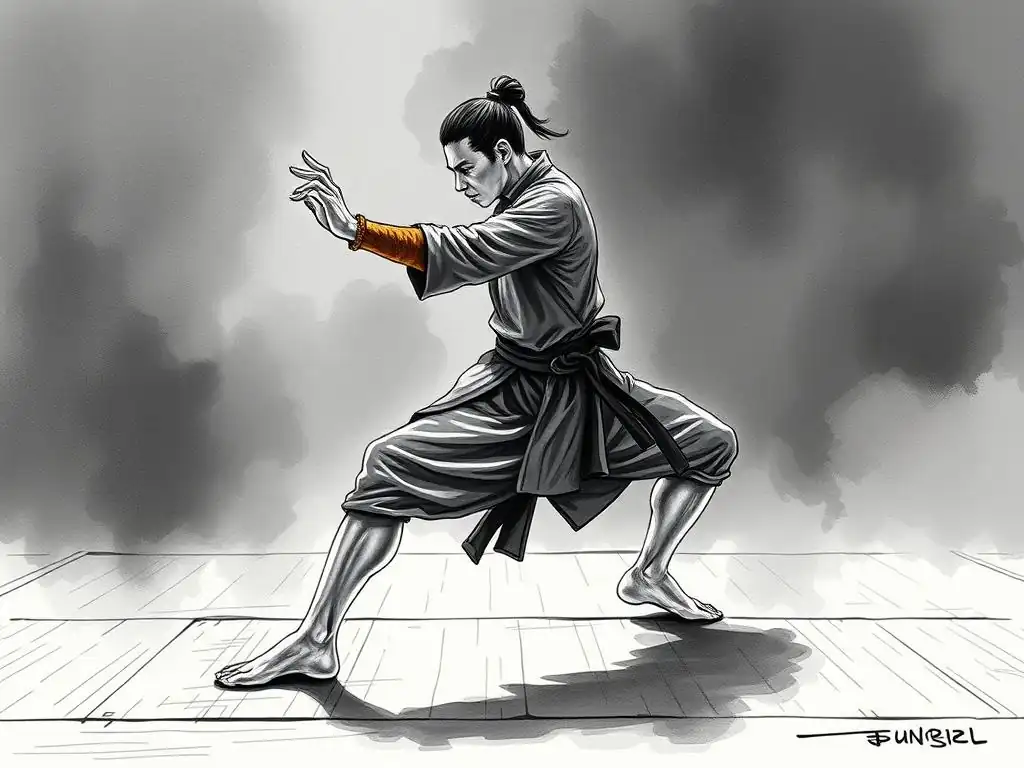
Origins and Evolution of Silat Across Different Indonesian Regions
The roots of Silat stretch back centuries, deep into the Malay Archipelago, long before the modern nation of Indonesia was formed. Early forms of self-defense and martial arts likely emerged from tribal warfare, hunting practices, and the need for protection against both human and animal threats. As trade routes flourished and various empires rose and fell across the islands—from the Srivijaya Empire (7th-13th centuries) to Majapahit (13th-16th centuries)—Silat absorbed influences from Indian, Chinese, and later, Arabic cultures, integrating new concepts of strategy, weapon use, and spiritual discipline. This long period of organic development led to a rich diversity of Indonesian Silat expression techniques, each adapted to specific geographical and societal contexts.
Geographical isolation, particularly among the vast network of islands and diverse ethnic groups, played a crucial role in the proliferation of distinct Silat styles. For instance, the mountainous terrain of West Sumatra fostered the agile and evasive movements of Minangkabau Silat (like Silek Harimau), while the bustling port cities of Java saw the development of more direct and practical combat forms. Each region, often a kingdom or a collection of villages, independently refined its own unique Indonesian Silat expression techniques, creating a tapestry of martial arts that reflected local challenges, available resources, and prevailing philosophies. This regionalization ensured that Silat was not a monolithic art but a dynamic collection of traditions.
Influence of Local Culture and Environment on Silat Movement Styles
The profound influence of local culture and environment on Silat movement styles is undeniable, shaping the very essence of Indonesian Silat expression techniques. For example, the natural environment often inspired animal-based movements; the Harimau (tiger) style from Sumatra, known for its low stances and powerful clawing techniques, directly mimics the movements of its namesake jungle predator. Similarly, the fluid, deceptive movements of certain Javanese styles can be seen to reflect the subtle, often indirect communication patterns prevalent in Javanese court culture, where overt confrontation was often avoided.
Beyond animal mimicry, daily life, traditional ceremonies, and social structures also profoundly impacted the Indonesian Silat expression techniques. The Pencak aspect of Silat, which refers to the performance or artistic side, often incorporates elements from traditional dances, rituals, and even agricultural movements. In Bali, Silat movements might be intertwined with religious ceremonies, lending them a spiritual grace, while in urban centers like Jakarta (Betawi culture), the Silat developed a more direct, rhythmic, and sometimes theatrical expression suited for street encounters and community protection. This deep cultural integration ensures that Silat is not just a fighting system but a living cultural artifact.
Key Historical Figures Shaping the Spectrum of Silat Expression
While many of the earliest founders of regional Silat styles are shrouded in legend, their attributed contributions significantly shaped the Indonesian Silat expression techniques we see today. These figures, often referred to as Pendekar (master warrior) or Guru (teacher), were not just skilled fighters but often spiritual leaders and community protectors. For instance, the legendary figure of Datuk Suri Diraja is often cited in Minangkabau lore as one of the earliest proponents of Silek Minangkabau, emphasizing the importance of adaptability and strategic evasion, which became hallmarks of its flowing expression. Their teachings were often passed down orally and through direct physical instruction, preserving the unique character of each style.
The evolution of Indonesian Silat expression techniques was also heavily influenced by figures who adapted and refined existing styles in response to historical events, such as colonial occupation. During the Dutch colonial period, Silat often went underground, becoming a clandestine art practiced in secret. Masters like Ki Hajar Dewantara, though not solely a Silat master, were part of a broader movement to preserve Indonesian culture, including martial arts, fostering a sense of national identity through these distinct expressions. Their efforts ensured that the diverse spectrum of Silat, from its most graceful to its most ferocious forms, continued to evolve and thrive, becoming a symbol of resilience and cultural heritage.
Frequently Asked Questions
What are the primary goals when learning Indonesian Silat expression techniques?
The primary goals involve developing fluid movement, understanding regional variations, and mastering self-defense applications.
How does Indonesian Silat differ from other martial arts in its expressive forms?
Silat emphasizes cultural context and spiritual connection, often incorporating dance-like movements that are distinct from more linear combat styles. The spectrum of expression is broader.
What role does the "flow" aspect play in Indonesian Silat expression techniques?
"Flow" enables seamless transitions between defensive and offensive movements, enhancing adaptability and unpredictability in combat. It is a key part of effective expression.
How do the various regional styles of Indonesian Silat influence its expressive techniques?
Each region has unique cultural influences that shape its Silat style, resulting in diverse movements, stances, and weapon usage techniques. This directly impacts expressive styles.
Where can I find reliable resources to learn more about Indonesian Silat expression techniques?
Websites like MartialArtsMastery.org offer historical overviews, training tips, and profiles of practitioners specifically focused on Indonesian Silat disciplines.
Final Reflection: Embracing the Art of Indonesian Silat
The journey through the diverse Indonesian Silat expression techniques reveals more than just a collection of fighting styles; it uncovers a profound cultural tapestry woven with threads of history, spirituality, and artistic interpretation. Today, as globalization threatens to homogenize cultural practices, understanding and preserving these unique expressions of Silat becomes increasingly vital, not just for Indonesia, but for the world's understanding of human potential.
This exploration has profoundly impacted my own perspective, highlighting the importance of recognizing and celebrating the nuances within any art form. It's easy to categorize and simplify, but true appreciation lies in understanding the subtle variations and the stories they tell. As Bruce Lee so eloquently stated: Absorb what is useful, discard what is not, add what is uniquely your own.
This sentiment resonates deeply with the spirit of Silat, where tradition and individual expression intertwine to create something truly remarkable.
Now, consider the spectrum of expression we've explored, from the flowing grace to the fierce power. How can you apply this understanding of nuance and individuality to your own life? I challenge you to look beyond the surface, to delve deeper into the traditions and art forms that resonate with you, and to find your own unique expression within them. Embrace the flow, harness the ferocity, and let your own spirit shine through.
Ignite Your Inner Warrior: Embrace the Silat Spirit!
Thank you for exploring the diverse world of Indonesian Silat with us! We hope you’ve gained a deeper appreciation for its rich traditions and dynamic expressions. Now, it's time to translate that knowledge into action.
Here's how you can connect with Silat and its spirit:
- Delve Deeper: Research and identify the Silat style that resonates most with your personal philosophy and martial aspirations.
- Engage the Community: Seek out local Silat practitioners or online forums to connect with experienced individuals and learn more about specific techniques.
- Share the Passion: Spread the word about the artistry and depth of Indonesian Silat by sharing this article with friends and family on social media, helping to preserve this living tradition.
Which aspect of Silat's expressive range—from graceful flow to explosive power—most captivates your imagination and inspires you to learn more?