
Reconstructing Tomarite: A Modern Quest for Ancient Techniques

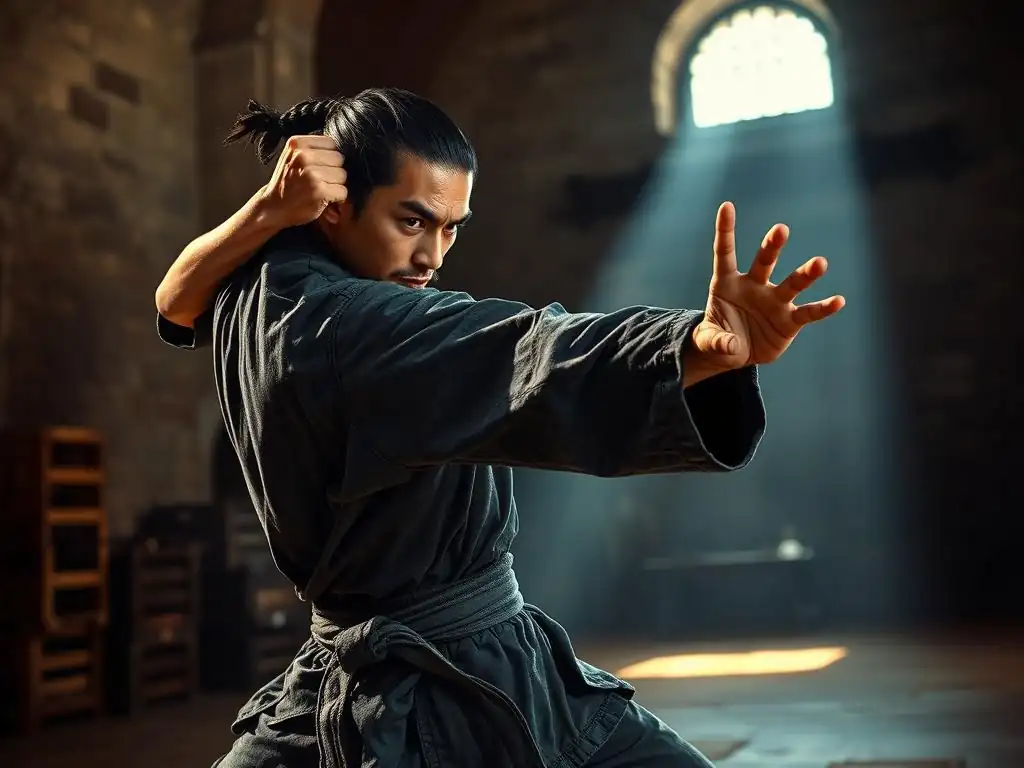
Welcome to Martial Arts Mastery, where history meets technique and philosophy intertwines. Ever wondered how ancient martial arts can inform modern self-defense? Our journey begins with an exploration into Tomarite reconstruction, a fascinating quest to revive lost traditions and integrate them into contemporary martial arts. Dive in and discover how we're bridging the gap between past and present, unlocking powerful techniques for the future of martial arts. What secrets will you uncover?
- Introduction: Unveiling Tomarite Karate and Its Significance
- The Historical Context of Tomarite
- The Techniques and Principles of Tomarite
- The Challenges of Tomarite Reconstruction
- Modern Approaches to Tomarite Reconstruction
- Case Studies: Modern Martial Artists Reconstructing Tomarite
- Tomarite's Relevance to Contemporary Karate and Self-Defense
- The Future of Tomarite: Preservation and Innovation
- Conclusion: Tomarite's Enduring Impact on Martial Arts Mastery
-
Frequently Asked Questions
- What is Tomarite and why is there a need for reconstruction?
- What are the primary sources used in the "Tomarite reconstruction modern martial arts" effort?
- How does the modern reconstruction of Tomarite relate to other Okinawan martial arts like Shuri-te and Naha-te?
- What are some of the challenges in reconstructing Tomarite, given the limited historical information?
- What practical self-defense applications might be derived from a successful "Tomarite reconstruction modern martial arts" project?
- Final Reflection: Embracing the Legacy of Tomarite
- Rediscover Your Inner Warrior: Embrace Tomarite Today!
Introduction: Unveiling Tomarite Karate and Its Significance
Tomarite: A Cornerstone of Okinawan Karate Heritage
Tomarite, often considered one of the foundational pillars of Okinawan karate, alongside Shuri-te and Naha-te, represents a distinct lineage that originated in the port village of Tomari. This style developed from the unique cultural and historical context of the area, influenced by both local Okinawan traditions and interactions with travelers and merchants from mainland China.
Unlike the styles that developed in the royal capital (Shuri) or the bustling port of Naha, Tomari had its own specific blend of influences, leading to a unique approach to movement, body mechanics, and technique application. The techniques passed down through generations in Tomari form a critical part of the overall Okinawan karate tapestry.
The historical significance of Tomarite cannot be overstated. It provided a crucial branch in the evolutionary tree of karate, contributing principles and kata (forms) that were later integrated or adapted by practitioners of other styles. While perhaps less widely known globally than some derivatives, understanding Tomarite is essential for anyone seeking a deep appreciation of karate's origins and development. The Tomarite reconstruction effort in modern martial arts aims to preserve this vital heritage, studying its unique characteristics to inform contemporary practice and historical understanding.
The Allure of Tomarite in Modern Martial Arts
In the contemporary martial arts landscape, where many styles have evolved significantly or even become sport-oriented, there is a growing interest in returning to the roots of karate. This is where the allure of Tomarite lies for modern martial arts practitioners. It offers a glimpse into a potentially more direct, practical, and less codified form of self-defense that existed before the widespread systematization and popularization of karate in the 20th century. Practitioners are drawn to its purported emphasis on close-range fighting, practical applications, and unique body conditioning methods.
The quest for Tomarite reconstruction modern martial arts is driven by a desire for authenticity and a deeper connection to traditional Okinawan training methodologies. Many feel that exploring styles like Tomarite can unlock lost knowledge or provide alternative perspectives on familiar techniques found in mainstream karate. This pursuit is not merely academic; it often involves rigorous physical training, historical research, and cross-referencing with other martial arts to piece together a functional and representative system from fragmented historical evidence.
The Historical Context of Tomarite
Origins and Development of Tomarite in Tomari Village
Tomarite's origins are deeply rooted in the specific environment of Tomari village, a small port town located between Shuri and Naha. Its development was likely influenced by the martial arts practiced by individuals who passed through the port, including sailors, merchants, and possibly even diplomatic envoys from China.
Unlike the more formal martial arts training that might have occurred within the royal court in Shuri, Tomarite likely developed in a more pragmatic, self-defense oriented context, reflecting the needs of ordinary villagers and fishermen. The techniques that emerged were shaped by the local geography and the physical demands of life in a coastal community.
Historical accounts suggest that martial arts were practiced in Tomari as early as the late 18th or early 19th century. While concrete, documented evidence from this early period is scarce, oral traditions and the lineages of later masters point to a distinct martial tradition existing there.
The relative isolation of Tomari compared to Shuri and Naha may have allowed for the preservation of certain techniques and principles that evolved differently or were integrated into other styles elsewhere. This makes the process of Tomarite reconstruction particularly challenging yet rewarding, as researchers piece together clues from various sources to understand its formative period.
Key Figures in Tomarite's History: Kosaku Matsumora
One of the most prominent figures associated with the history of Tomarite is Kosaku Matsumora (1829-1898). Matsumora is widely recognized as a central figure in the transmission and preservation of Tomarite techniques during the 19th century. He reportedly studied under various local masters, including possibly Teruya Kishin and others whose names are less widely known today. Matsumora's influence was significant, and several important kata are attributed to his lineage, such as Passai (variations exist in many styles, but the Tomari version has unique characteristics) and Wankan.
Matsumora's legacy is crucial for the Tomarite reconstruction modern martial arts practitioners undertake today. His teachings and the kata associated with him provide some of the most tangible links to historical Tomarite. While direct, detailed records of his training methods are rare, studying the movements, applications (bunkai), and underlying principles within the kata passed down through his students offers valuable insights. His dedication helped ensure that the core elements of Tomarite were not completely lost during a period of significant social and political change in Okinawa.
Tomarite's Influence on Shuri-te and Naha-te
Despite often being listed alongside Shuri-te and Naha-te as a separate pillar, Tomarite did not develop in isolation. There was considerable interaction and cross-pollination among practitioners from different villages and regions of Okinawa. Masters from Shuri or Naha might train with masters in Tomari, and vice-versa. This exchange led to mutual influence, where techniques, principles, and even entire kata were shared, adapted, and integrated into different lineages.
For example, variations of kata like Passai and Wankan, often strongly associated with Tomarite, are found in styles derived from both Shuri-te and Naha-te lineages. This suggests that Tomarite techniques and forms were recognized for their effectiveness and incorporated by masters outside of Tomari. Understanding these interconnections is vital for the Tomarite reconstruction process, as comparing variations of the same kata across different styles can help identify core Tomarite elements and trace their evolution. This historical interplay highlights the dynamic nature of Okinawan karate's development.
The Techniques and Principles of Tomarite
Core Stances and Body Mechanics in Tomarite Karate
Tomarite is characterized by stances that are often described as natural and dynamic, emphasizing rootedness combined with mobility. While it shares common Okinawan stances like sanchin (though potentially with variations in application or feeling) and zenkutsu dachi (front stance), there is a notable emphasis on stances that facilitate quick transitions and close-range power generation. These stances are typically not as deep or exaggerated as some later sport-oriented stances, prioritizing stability and immediate action over extreme flexibility.
The body mechanics in Tomarite are said to focus on using the entire body as a cohesive unit, generating power from the ground up through efficient weight transfer and core engagement. There is a strong emphasis on the concept of chinkuchi (rooted power) and muchimi (sticky, heavy power). Techniques are often delivered with a 'whipping' motion, utilizing relaxation and sudden tension. The Tomarite reconstruction modern martial arts effort pays close attention to these subtle but crucial details, trying to replicate the internal feeling and power generation methods described in traditional accounts or observed in the movements of older practitioners.
Tomarite Hand Techniques: Striking and Blocking Methods
Tomarite's hand techniques encompass a wide range of strikes and blocks, often emphasizing practicality and efficiency in close quarters. Striking methods include various punches, open-hand strikes (such as palm heel, knife hand, and ridge hand), and joint manipulations or controls. Blocks are typically direct and powerful, designed not just to deflect but often to simultaneously control or counter an opponent's limb. There is less emphasis on purely defensive, withdrawing blocks and more on integrated defense-and-offense actions.
A notable characteristic often associated with Tomarite-based styles is a strong focus on te nagashi (flowing hand), where defensive movements smoothly transition into offensive ones, and on grappling or joint manipulation techniques integrated within striking sequences. This pragmatic approach reflects a system designed for real-world self-defense. The process of reconstructing Tomarite involves analyzing kata bunkai (application) to discern the intended use of specific hand movements, differentiating them from similar techniques in other styles based on subtle variations in angle, timing, or body usage.
Footwork and Movement Strategies in Tomarite
Footwork in Tomarite is characterized by agility and efficient movement, designed to close distance quickly, evade attacks, and position the practitioner for effective strikes or throws. It often involves short, shuffling steps ( tsugi ashi), stepping and sliding movements, and pivots. The emphasis is on staying grounded and connected to the floor while moving, maintaining balance and the ability to generate power instantly. Evasive footwork is often combined with simultaneous blocking or countering techniques.
Movement strategies in Tomarite are geared towards managing distance in close-to-medium range and exploiting opportunities for decisive action. There is less emphasis on sparring footwork designed for ring fighting and more on practical movement for self-defense scenarios. The Tomarite reconstruction modern martial arts requires careful study of kata movement patterns and historical descriptions to understand the intended applications of these footwork techniques, often contrasting them with the movement principles found in more widely practiced karate styles.
Unique Characteristics of Tomarite's Kata (Forms)
Tomarite is associated with several distinct kata, some of which have variations found in other styles, while others are relatively unique to its lineage. Key kata often linked to Tomarite include Passai (Tomari version), Wankan, Wanshū, Rohai, and possibly others like Ananku and Seisan. The performance of these kata in Tomarite lineages often exhibits specific characteristics compared to their Shuri-te or Naha-te counterparts.
These unique characteristics can include:
- Different opening or closing sequences.
- Variations in the order or execution of techniques.
- Subtle differences in stances, timing, and power generation.
- Emphasis on specific types of techniques, such as joint locks or throws integrated within striking movements.
Studying these variations is fundamental to the Tomarite reconstruction effort. For instance, comparing different versions of Passai from Tomari, Shuri, and Naha lineages can reveal core Tomarite principles and how they were interpreted or modified over time and across different schools. Analyzing the bunkai (applications) associated with these kata within specific Tomarite lineages is crucial for unlocking the practical intent behind the movements.
The Challenges of Tomarite Reconstruction
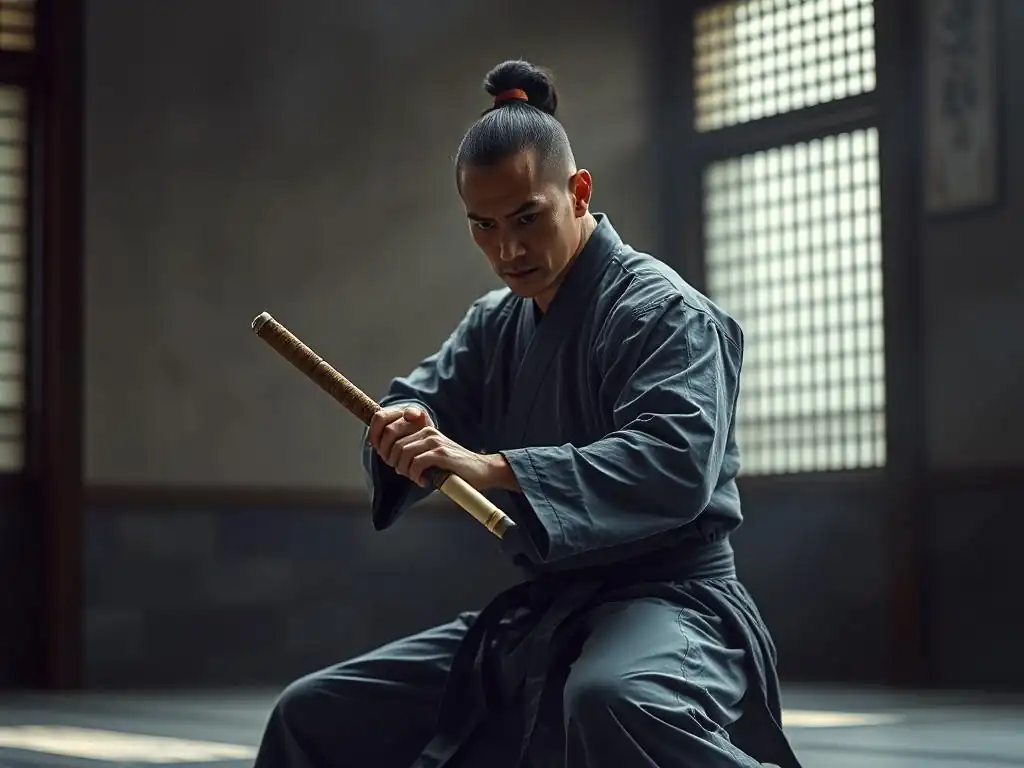
Fragmentation and Loss of Traditional Knowledge
One of the most significant challenges in Tomarite reconstruction modern martial arts is the fragmentation and loss of traditional knowledge. Unlike some styles that were systematically taught and documented extensively as they spread globally, Tomarite remained relatively localized in its early history. Much of the transmission occurred through direct, personal instruction between master and student, often without detailed written records. The social upheavals in Okinawa over the past century, including World War II, led to the displacement of people and the disruption of traditional lineages, resulting in the loss of practitioners and their accumulated knowledge.
Consequently, what remains today are often different interpretations of kata passed down through various students of the same master, or even fragments of techniques and principles held by different families or individuals. Piecing together these scattered elements to form a coherent understanding of historical Tomarite is a complex task. Researchers must contend with incomplete information, differing accounts, and the challenge of distinguishing authentic historical elements from later modifications or misunderstandings.
Interpreting Historical Texts and Oral Traditions
Interpreting historical texts and oral traditions poses another major hurdle for Tomarite reconstruction. While some historical documents exist, they are often cryptic, using terminology that is difficult to translate accurately or understand in its original context. Older Okinawan martial arts terminology can be nuanced, referring to specific body mechanics, feelings, or applications that are not easily captured in modern language.
Oral traditions, passed down through generations of practitioners, are invaluable but also subject to variation, interpretation, and potential loss of detail over time. Different masters may have emphasized different aspects or held slightly different understandings of certain techniques or kata applications. Reconciling these various accounts requires careful cross-referencing, critical analysis, and often, practical experimentation to test hypotheses about the intended movements and principles. Distinguishing core Tomarite elements from personal interpretations or later additions is an ongoing process.
The Role of Lineage and Authenticity in Tomarite Revival
The concept of lineage plays a crucial role in traditional Okinawan martial arts, and this is particularly true for the Tomarite reconstruction effort. Authenticity is often judged, at least in part, by one's connection to a recognized historical line of transmission. However, given the fragmentation of knowledge, establishing clear, unbroken lineages back to figures like Kosaku Matsumora can be difficult. Different modern groups or individuals may claim connection to a Tomarite lineage, sometimes with conflicting interpretations of techniques or kata.
Determining what constitutes "authentic" Tomarite in the modern era is a complex philosophical and practical question. Is it strictly adhering to the presumed techniques of a specific master from the 19th century? Or is it preserving the core principles and spirit while adapting to modern understanding and practical application? The Tomarite reconstruction modern martial arts community grapples with these questions, balancing respect for tradition with the need for practical application and the reality of incomplete historical information.
Modern Approaches to Tomarite Reconstruction
Research and Analysis of Existing Tomarite Kata
A fundamental modern approach to Tomarite reconstruction involves rigorous research and analysis of the kata that are believed to originate from or be strongly associated with Tomari. This includes studying different versions of kata like Passai (Tomari), Wankan, Wanshū, and Rohai as they are practiced in various lineages today that claim a connection to Tomari. This analysis goes beyond simply learning the sequence of movements; it involves:
- Detailed comparison of movement patterns across different versions.
- Examination of subtle differences in stances, hand positions, and body mechanics.
- Analysis of the rhythm, timing, and feeling of the kata.
- Research into the historical context and potential applications (bunkai) associated with specific movements within these forms.
This comparative study helps identify common threads that might represent core Tomarite principles and techniques, as well as highlighting where variations or later adaptations have occurred. For example, comparing the Tomari Passai with the Shuri Passai can illuminate distinct structural or energetic differences that are key to understanding the unique character of Tomarite.
Given the historical interaction between Okinawan karate styles, cross-referencing Tomarite elements with related styles from Shuri-te and Naha-te lineages is a crucial part of the Tomarite reconstruction modern martial arts process. Many techniques and principles found in Tomarite have counterparts in Shuri-te or Naha-te, but often with subtle differences in execution or emphasis.
By comparing how a specific strike, block, or body movement is performed and applied in different styles, researchers can gain a deeper understanding of the unique characteristics of the Tomarite version. For instance, examining the Sanchin kata as practiced in Naha-te provides a point of comparison for understanding the internal body mechanics and conditioning principles that might have been present in Tomari, even if a distinct Tomari Sanchin is not universally recognized or practiced today. This comparative approach helps fill gaps in knowledge and provides context for interpreting fragmented information.
Integrating Modern Martial Arts Principles with Tomarite Foundations
While the goal is Tomarite reconstruction, modern practitioners often integrate contemporary understanding of biomechanics, physiology, and training methodologies to enhance the learning and application of traditional techniques. This is not about changing the core principles but about using modern knowledge to train more effectively and safely, and to understand the underlying mechanics of the ancient techniques.
For example, understanding concepts from sports science can help practitioners improve their power generation based on the principles of chinkuchi or optimize their body alignment in stances. Similarly, incorporating modern understanding of self-defense principles can help in interpreting the bunkai of Tomarite kata for practical application. This integration allows for a more robust and effective approach to modern Tomarite practice, ensuring that the reconstructed art is not just a historical curiosity but a living, functional martial art.
Case Studies: Modern Martial Artists Reconstructing Tomarite
Richard Kim: A Tomarite Reconstruction Project
Richard Kim (1917-2001) was a highly respected martial artist and historian known for his extensive research into the history and techniques of various Asian martial arts, including Okinawan karate. While not exclusively focused on Tomari, Kim dedicated significant effort to studying and documenting the techniques and kata associated with the Tomarite lineage, particularly those attributed to Kosaku Matsumora. His work, based on studies with various masters, contributed significantly to bringing awareness of Tomarite to a wider audience outside of Okinawa.
Kim's approach involved collecting information on kata like Wankan, Passai (Tomari version), and Rohai from different sources and attempting to identify their core elements and historical context. His writings and teachings often highlighted the unique characteristics he perceived in the Tomari methods. While his work represents one interpretation based on the information available to him, it stands as an important early example of a dedicated effort towards Tomarite reconstruction and historical preservation in the modern era. His efforts helped lay groundwork for subsequent generations interested in this lineage.
Okinawa Karate Kobudo Rensei-kai: Blending Tomarite with Contemporary Training
The Okinawa Karate Kobudo Rensei-kai, an organization based in Okinawa, represents one example of a contemporary group dedicated to preserving and practicing traditional Okinawan martial arts, including elements of Tomarite. While they may not focus exclusively on Tomarite reconstruction as a singular goal, their curriculum often includes kata and techniques strongly associated with the Tomari lineage, passed down through their specific line.
Groups like the Rensei-kai often blend the study of historical forms with practical application and conditioning drills. They might emphasize the unique body mechanics or principles found in their version of Tomari kata and integrate them into sparring or self-defense exercises. This approach represents a living tradition that incorporates historical elements into a modern training methodology, demonstrating how Tomarite principles can remain relevant and functional in contemporary martial arts practice.
Successes and Challenges Faced in Modern Tomarite Practice
Modern Tomarite reconstruction modern martial arts efforts have achieved notable successes in preserving kata and raising awareness of this important lineage. Researchers and practitioners have managed to collect and analyze various versions of Tomari-based kata, providing valuable insights into their potential historical forms and applications. The dedicated work of individuals and organizations has ensured that knowledge of figures like Kosaku Matsumora and the unique aspects of Tomari training are not lost to history.
However, significant challenges remain. The inherent difficulty in definitively verifying the "authenticity" of reconstructed techniques against a complete historical record is a persistent issue. Differing interpretations among various groups claiming Tomarite connections can lead to fragmentation within the modern revival movement. Furthermore, attracting a wide base of practitioners to a style that requires significant historical research and often deviates from mainstream karate expectations can be difficult. Despite these hurdles, the ongoing efforts continue to deepen understanding and keep the spirit of Tomarite alive.
Tomarite's Relevance to Contemporary Karate and Self-Defense
Applying Tomarite Principles in Sparring and Kumite
While historical Tomarite may not have practiced formalized sport sparring (kumite) in the way it is done today, the principles embedded within its techniques and kata are highly applicable to realistic combat and even modern sparring contexts. The emphasis on close-range power generation, efficient body mechanics, and integrated defense/offense actions translates well to practical self-defense scenarios.
In a controlled sparring environment, practitioners exploring Tomarite reconstruction can apply principles like using minimum movement for maximum effect, generating power from a rooted stance, or transitioning smoothly between blocking and striking. The focus on controlling the opponent's structure and exploiting openings, evident in the bunkai of Tomari kata, can be practiced and refined in partner drills and controlled sparring. This demonstrates that the ancient principles are not just historical relics but possess practical utility for modern Tomarite practice.
Tomarite's Contribution to a Well-Rounded Martial Arts Education
Studying Tomarite offers a unique perspective that can significantly contribute to a well-rounded martial arts education, regardless of a practitioner's primary style. It provides a deeper understanding of the diversity and complexity within Okinawan karate's historical development. Exposure to Tomarite's distinct body mechanics, movement strategies, and interpretations of kata can broaden a practitioner's technical repertoire and theoretical understanding.
For students of styles influenced by Tomarite (which includes many mainstream styles), exploring the roots can illuminate the origins and intended applications of techniques they already practice. For those in unrelated styles, it offers insights into alternative approaches to fundamental martial arts challenges like generating power, managing distance, and integrating different types of techniques. The Tomarite reconstruction modern martial arts effort thus serves as a valuable resource for historical research and practical cross-training.
The Mental and Philosophical Aspects of Tomarite Training
Like all traditional Okinawan martial arts, Tomarite is more than just physical technique; it encompasses significant mental and philosophical dimensions. Training in Tomarite, particularly through the rigorous practice of kata and their applications, fosters discipline, perseverance, and a deep focus on self-improvement. The emphasis on efficient movement and rooted power encourages practitioners to develop internal awareness and control.
The quest for Tomarite reconstruction itself embodies a philosophical commitment to preserving heritage, seeking truth through diligent study, and connecting with the legacy of past masters. It promotes humility in the face of incomplete knowledge and encourages a spirit of inquiry. Modern Tomarite practice often involves wrestling with ambiguity and making informed decisions based on available evidence, which cultivates critical thinking and adaptability – qualities valuable both in martial arts and in life.
The Future of Tomarite: Preservation and Innovation
Ensuring the Legacy of Tomarite for Future Generations
Ensuring the legacy of Tomarite for future generations requires dedicated efforts in both preservation and dissemination. This involves continuing the historical research, documenting existing knowledge from various lineages, and making this information accessible to interested practitioners worldwide. Preservation also means the active, physical practice of Tomari-based kata and techniques, passed down through consistent training and teaching.
Modern technology plays a role in this preservation, allowing for the recording and sharing of kata performances and instructional material, although direct, in-person transmission remains paramount in traditional martial arts. Encouraging dialogue and collaboration among different groups involved in Tomarite reconstruction can help consolidate knowledge and promote a more unified understanding of this diverse tradition. The goal is to prevent this unique branch of Okinawan karate from fading into obscurity.
Balancing Traditional Techniques with Modern Adaptations
A key challenge for the future of Tomarite is finding the right balance between preserving traditional techniques as they were historically practiced and making necessary adaptations for modern understanding, training, and application. Strict adherence to potentially outdated or inefficient methods based solely on historical accounts might hinder practical development, while excessive modernization could dilute or erase the unique characteristics that define Tomarite.
The path forward for Tomarite reconstruction modern martial arts likely lies in a dynamic approach: deeply understanding the historical context and original principles, rigorously training the traditional forms, and then intelligently applying that knowledge using modern pedagogical methods and biomechanical understanding. This allows practitioners to respect the past while ensuring the art remains functional and relevant in the present. It's about preserving the essence while being open to how that essence can be most effectively embodied and applied today.
The Importance of Respect and Humility in Tomarite Practice
Central to the practice and preservation of any traditional martial art, including Tomarite, are the values of respect and humility. Respect for the history, the masters who developed and transmitted the art, and fellow practitioners is fundamental. Humility is essential because the process of Tomarite reconstruction is inherently challenging and incomplete; no single individual or group possesses the entire truth.
Approaching the study of Tomarite with respect for its complex history and humility regarding the limits of current knowledge fosters a collaborative and open-minded environment conducive to genuine learning and preservation. These values are not just ethical guidelines; they are integral to the philosophical foundation of martial arts and crucial for the successful continuation of the Tomarite reconstruction modern martial arts journey. They remind practitioners that the pursuit of mastery is a lifelong path of learning and refinement.
Conclusion: Tomarite's Enduring Impact on Martial Arts Mastery
The Ongoing Quest for Understanding Tomarite's Depth
The quest for understanding Tomarite's depth is an ongoing journey, not a destination. It involves continuous research, dedicated training, and critical reflection. As new historical information comes to light or as practitioners gain deeper insight through physical practice, our understanding of this ancient Okinawan style evolves. The process of Tomarite reconstruction is a dynamic one, fueled by passion for history and a desire to uncover the practical wisdom embedded in these traditional forms.
This pursuit benefits not only those specifically focused on Tomari lineages but the broader martial arts community by enriching the collective knowledge base of karate history and technique. It highlights the diversity and adaptability of Okinawan martial arts and provides alternative perspectives on fundamental principles. The dedication required for this modern Tomarite practice exemplifies the spirit of diligent study and perseverance that is the hallmark of true martial arts mastery.
Tomarite as a Living Tradition: A Call to Exploration
Ultimately, Tomarite is not merely a historical artifact; through the efforts of dedicated practitioners, it remains a living tradition. The Tomarite reconstruction modern martial arts movement ensures that the techniques, principles, and spirit of this unique Okinawan style continue to be studied, practiced, and evolved. It serves as a call to exploration for anyone interested in the deeper roots of karate and the practical wisdom contained within its older forms.
For those seeking a martial art that emphasizes pragmatic self-defense, unique body mechanics, and a rich historical context, exploring Tomarite offers a compelling path. Its enduring impact lies in its contribution to the foundational techniques of karate and its continued ability to challenge and educate practitioners in the present day, fostering a deeper level of martial arts mastery.
Frequently Asked Questions
What is Tomarite and why is there a need for reconstruction?
Tomarite is an ancient martial art from Okinawa. Reconstruction is necessary because its techniques were largely lost over time due to secrecy and integration with other styles, leaving only fragmented knowledge.
What are the primary sources used in the "Tomarite reconstruction modern martial arts" effort?
Reconstruction efforts rely on a combination of oral traditions, historical documents (like Bubishi), and analysis of related martial arts that may have incorporated Tomarite elements.
How does the modern reconstruction of Tomarite relate to other Okinawan martial arts like Shuri-te and Naha-te?
Tomarite is considered a precursor to both Shuri-te and Naha-te. The reconstruction aims to understand its unique characteristics and how it influenced the development of these later styles.
What are some of the challenges in reconstructing Tomarite, given the limited historical information?
Challenges include authenticity, interpreting fragmented knowledge, and differentiating Tomarite techniques from those of other styles that influenced it.
What practical self-defense applications might be derived from a successful "Tomarite reconstruction modern martial arts" project?
The reconstruction could reveal effective self-defense techniques based on Tomarite's principles, potentially providing new insights and strategies for modern martial artists focused on practical application and survival.
Final Reflection: Embracing the Legacy of Tomarite
The journey of Tomarite reconstruction in modern martial arts is not merely an academic exercise in historical recreation, but a vibrant testament to the enduring power of tradition. It's about breathing new life into forgotten techniques, adapting them to the challenges of the present, and ensuring that the wisdom of the past continues to inform our future. The resurgence of interest in Tomarite speaks volumes about our innate desire to connect with our roots and find deeper meaning in our practice.
This quest for authenticity and effectiveness has profoundly impacted the martial arts landscape. The rediscovery and application of Tomarite principles offer practitioners a richer, more nuanced understanding of combat, fostering a deeper appreciation for the art form itself. The past is never dead. It's not even past.
- William Faulkner. This quote resonates deeply with the spirit of Tomarite reconstruction, reminding us that the lessons learned by our predecessors are eternally relevant, waiting to be rediscovered and applied.
Now, as you contemplate the principles and techniques explored within this article, consider how you can integrate the spirit of Tomarite into your own life. How can you honor the legacy of those who came before you while forging your own unique path? Embrace the challenge of reconstruction, not just in martial arts, but in all aspects of your life, and discover the transformative power of connecting with the wisdom of the past to build a brighter future.
Rediscover Your Inner Warrior: Embrace Tomarite Today!
Thank you for delving into the fascinating world of Tomarite! We hope you've gained valuable insights into this ancient martial art and its potential for modern practitioners. Now, it's time to take your understanding a step further and integrate these principles into your training.
Here are some actionable steps you can take right now:
- Commit to incorporating one Tomarite principle, like 'fluid adaptation,' into your next training session and observe the impact on your movements.
- Explore resources at your local library or online archives to uncover more historical documents related to Tomarite. Perhaps you'll unearth a forgotten kata or technique!
- Share this article with fellow martial artists and spark a discussion about the relevance of ancient techniques in contemporary training.
Ready to infuse your practice with the wisdom of Tomarite? Which principle resonates most with you, and how will you begin to integrate it into your training this week?