
The Shikiri: Stance, Strategy, Breathing, and Psychological Warfare Before the Clash

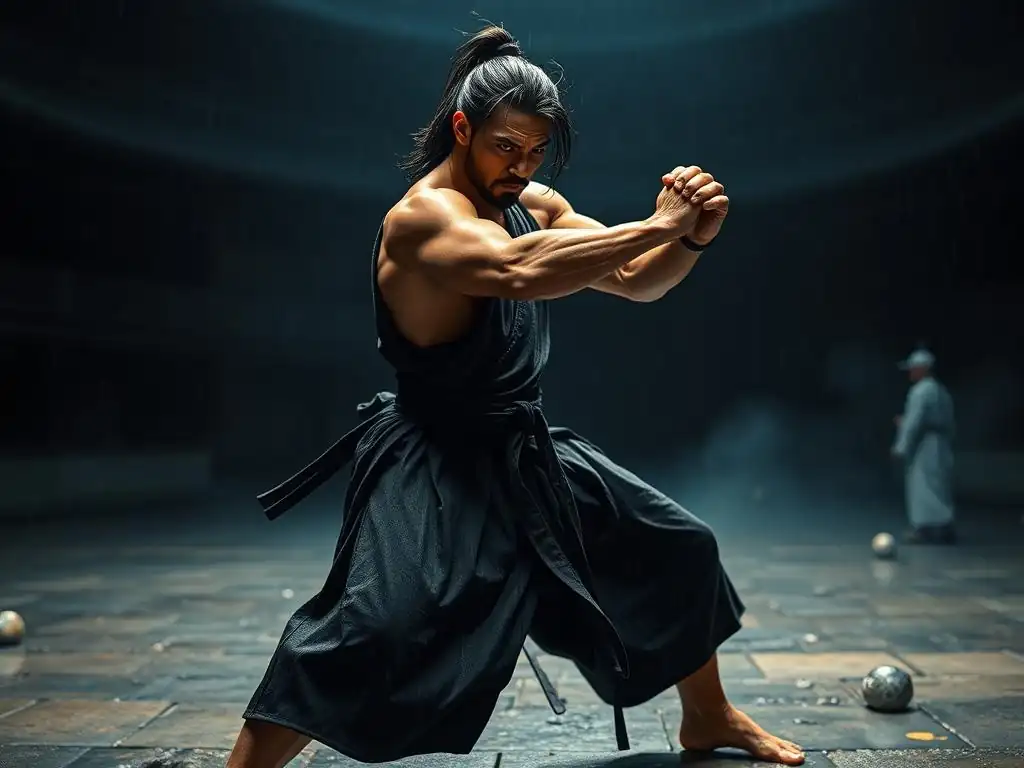
Welcome to Martial Arts Mastery, where we delve into the heart of combat traditions from around the world. Ever wondered what goes on in the mind of a warrior before the first blow lands? Today, we explore precisely that with an in-depth look at the Shikiri stance martial arts: its strategic implications, breathing techniques, and the powerful psychological warfare it embodies. Discover the secrets behind this ancient practice and how it can elevate your understanding of martial arts. Read on, and unlock its potential.
- The Shikiri: Stance, Strategy, Breathing, and Psychological Warfare Before the Sumo Clash
- The Shikiri in Sumo: Ritual and Preparation
- Shikiri Stance: Physical and Mental Preparation
- Strategic Deployment: Tactical Assessment and Control
- Breathing Techniques: Focus and Power
- Psychological Warfare: Mental Dominance
- Shikiri Time: Ritual and Strategic Time Management
- Advanced Techniques and Variations
- Evolution in Modern Sumo
- Key Principles Summary
- Frequently Asked Questions
- Final Reflection: The Enduring Power of the Shikiri
- Unleash Your Inner Warrior: Begin Your Shikiri Journey!
The Shikiri: Stance, Strategy, Breathing, and Psychological Warfare Before the Sumo Clash
The Shikiri in Sumo: Ritual and Preparation
Before the explosive clash of two rikishi (Sumo wrestlers), a period of intense ritual and preparation unfolds. This critical phase, known as the shikiri, involves a series of deliberate actions and mental conditioning performed within the dohyo (Sumo ring). It is far more than just getting ready; it is a fundamental component of the bout itself, deeply rooted in tradition and strategy, highlighting the unique nature of the Shikiri stance martial arts practice in Sumo.
The Significance of the Shikiri Lines (Shikiri-sen)
The dohyo features two white lines, the shikiri-sen, positioned approximately 70 centimeters apart. These lines serve as the designated starting points for the rikishi. Each wrestler must place both fists on the ground behind their respective line before initiating the tachi-ai (initial charge). The ritualistic act of kneeling and placing the fists down on or behind these lines is a moment of final commitment and focus, a physical declaration of readiness that marks the culmination of the Shikiri stance martial arts preparation.
Beyond their practical function as starting markers, the shikiri-sen hold symbolic weight. They represent the boundary between preparation and action, the threshold over which the rikishi steps into combat. The time spent facing each other across these lines, engaging in the Shikiri, is a psychological battleground where intent is communicated and assessed. The precise placement of the body and hands relative to these lines is a fundamental skill honed through years of practicing the Shikiri stance martial arts.
Shikiri as Reflection of Tradition and Mental Fortitude
The shikiri ritual is steeped in centuries of Sumo history and tradition. It involves specific movements like the shio-maki (salt tossing) for purification and the chiri-chozu (clapping and hand movements) to show the hands are empty of weapons.
These traditional elements are not merely performative; they serve to ground the rikishi, connect them to the lineage of the sport, and help them achieve a state of profound mental focus. The repetitive nature of these actions aids in clearing the mind and steeling the resolve before engaging in the physical and mental demands of the bout, embodying the disciplined practice of the Shikiri stance martial arts.
Furthermore, the shikiri is a direct test of a rikishi's mental fortitude. The time spent staring down the opponent, feeling the tension build, requires immense self-control and inner strength. A rikishi who appears hesitant or unfocused during the shikiri may reveal a weakness that the opponent can exploit. Mastering this phase is as crucial as physical conditioning, demonstrating that the Shikiri stance martial arts in Sumo is as much about the mind as it is the body.
Shikiri Stance: Physical and Mental Preparation
The core of the shikiri ritual involves adopting a specific low, powerful stance. This Shikiri stance martial arts position is not static but is subtly adjusted as the rikishi prepares for the tachi-ai. It is a dynamic equilibrium designed for maximum stability, power generation, and psychological impact.
Body Alignment: Stability and Power Generation
The ideal Shikiri stance in martial arts like Sumo involves a low center of gravity with bent knees and hips, keeping the back relatively straight. The feet are typically spread wide, roughly shoulder-width or slightly wider, providing a broad base of support. This alignment allows the rikishi to absorb the shock of the opponent's charge effectively and transition instantly into forward momentum. The angle of the joints—knees bent deeply, hips lowered—is critical for storing potential energy, ready to be unleashed in the initial burst of the tachi-ai, a key element of the Shikiri stance martial arts training.
Maintaining proper body alignment also protects the rikishi from being easily unbalanced or thrown off course during the initial impact. The core muscles are engaged, and the shoulders are relaxed yet ready. The head is typically kept level, with eyes focused intently on the opponent. This alignment is practiced thousands of times, becoming second nature, ensuring that the Shikiri stance martial arts principles are perfectly executed under pressure.
Balance and Center of Gravity: Maintaining Stability
Exceptional balance is paramount in the Shikiri stance martial arts. The low posture naturally lowers the center of gravity, making the rikishi more difficult to push over. However, maintaining this low center of gravity requires significant muscular control, particularly in the legs and core. The rikishi constantly makes micro-adjustments to their weight distribution, shifting subtly to feel grounded and stable on the unpredictable surface of the dohyo clay.
The ability to maintain perfect balance while poised on the shikiri-sen is a direct indicator of a rikishi's readiness. Any wobble or sign of instability can be perceived by the opponent as a vulnerability. The Shikiri stance martial arts emphasizes finding this point of absolute stability, where the body feels rooted, yet ready to spring into action. This balance isn't just physical; it reflects a calm and centered mental state.
Leg Strength and Endurance: Sustaining the Stance
Holding the low Shikiri stance martial arts position for the potentially extended duration of the shikiri requires immense leg strength and endurance. Rikishi spend countless hours performing exercises like shiko (leg stomping) and suri-ashi (sliding steps) to build the powerful quadriceps, hamstrings, and glutes necessary to sustain this posture without fatigue. The strain on the leg muscles is significant, especially for larger rikishi.
The ability to remain in the deep, stable Shikiri stance without showing signs of strain is both a physical and psychological advantage. A rikishi whose legs are visibly tiring during the shikiri reveals a potential weakness that the opponent can target. Conversely, a rikishi who holds the stance effortlessly projects an image of power and readiness, reinforcing the importance of leg strength in the Shikiri stance martial arts.
Strategic Deployment: Tactical Assessment and Control
The shikiri is a period of intense strategic assessment. It is the final opportunity for rikishi to gather information about their opponent and formulate their immediate plan for the tachi-ai. This phase of the Shikiri stance martial arts is a chess match played out with subtle movements and unwavering gazes.
Assessing Opponent's Weaknesses: Reading Intentions
During the shikiri, a rikishi carefully observes their opponent. They look for subtle cues: how the opponent places their hands, the angle of their body, their breathing pattern, and their eye contact. Does the opponent seem eager or hesitant? Is their weight slightly forward or back? These observations help the rikishi anticipate the opponent's likely strategy for the initial charge—whether they plan a strong forward push, a sidestep, or another tactic. This reading of intentions is a crucial element of the Shikiri stance martial arts strategy.
Experienced rikishi are masters of reading these signs. For example, a slight forward lean might indicate an intent for a powerful frontal charge, while a more upright posture could suggest a defensive or sidestepping strategy. Gathering this information during the Shikiri allows the rikishi to adjust their own tachi-ai plan in real-time, seeking to exploit any perceived weakness or predictable movement, showcasing the tactical depth of the Shikiri stance martial arts.
Controlling the Tempo: Dominating the Pace
One of the most significant strategic elements of the shikiri is controlling its tempo. The rules allow a certain amount of time (typically up to four minutes total, though this can vary slightly depending on the ruleset and division) for the shikiri ritual before the gyoji (referee) calls for the bout to start.
Within this time, the rikishi can choose when to stand up, perform the rituals, and finally adopt the final Shikiri stance behind the lines. By controlling the pace of their own preparation, a rikishi can try to rush a nervous opponent or deliberately slow down to test their patience.
A rikishi who dictates the rhythm of the shikiri asserts dominance even before the physical contact begins. If an opponent wants to start quickly but is forced to wait, it can be frustrating and disruptive to their focus. Conversely, if a rikishi is ready but the opponent is taking their time, it tests the ready rikishi's patience and ability to maintain peak focus. Mastering this tempo control is a subtle but powerful aspect of the Shikiri stance martial arts strategy.
Psychological Disruption: Imposing Mental Pressure
The shikiri is a prime opportunity for psychological warfare. Rikishi use intense stares, confident posture, and deliberate, powerful movements (like the shiko stomp) to project strength and intimidate their opponent. The goal is to make the opponent doubt themselves, feel rushed, or become unsettled before the tachi-ai. This mental pressure is a cornerstone of the Shikiri stance martial arts preparation.
Some rikishi are known for their particularly imposing shikiri. Yokozuna Hakuho, for instance, was renowned for his unwavering gaze and powerful presence during the shikiri, often appearing utterly dominant and focused. This psychological pressure can sometimes be enough to cause an opponent to make a mistake during the tachi-ai or enter the bout feeling less confident, demonstrating the potent mental game inherent in the Shikiri stance martial arts.
Breathing Techniques: Focus and Power
Integral to the physical and mental preparation of the Shikiri stance martial arts is conscious control of breathing. Proper breathing techniques enhance focus, manage stress, and help generate explosive power for the tachi-ai.
Kokyu-ho: Diaphragmatic Breathing for Stability
Rikishi often employ kokyu-ho, or deep diaphragmatic breathing, during the shikiri. This technique involves breathing deeply into the abdomen rather than shallowly into the chest. Diaphragmatic breathing helps to calm the nervous system, reduce anxiety, and promote a sense of groundedness and stability while holding the low Shikiri stance martial arts position.
Deep, controlled breaths also help to oxygenate the muscles, preparing them for the intense, short burst of activity that is the tachi-ai. By focusing on their breath, rikishi can shut out external distractions and center themselves, achieving a state of calm readiness essential for executing the Shikiri stance martial arts effectively.
Breath Control: Enhancing Power and Concentration
Beyond just calming, breath control is used to synchronize the rikishi's internal state with the impending action. Holding a breath briefly or exhaling powerfully during specific movements can help brace the core and generate tension necessary for the initial impact. Timing the final exhalation with the initiation of the tachi-ai can aid in delivering maximum force.
Concentrating on the breath also serves as a powerful anchor for mental focus. In the high-pressure environment of the dohyo, surrounded by noise and expectation, the simple act of focusing on inhaling and exhaling provides a point of concentration that helps the rikishi remain present and committed to the task at hand, reinforcing the mental discipline intrinsic to the Shikiri stance martial arts.
Composure Under Pressure: Maintaining Calmness
The ability to maintain calm and composure during the intense period of the shikiri is a mark of a seasoned rikishi. The controlled breathing techniques are fundamental to achieving this state. By regulating their breath, rikishi can prevent adrenaline from causing them to become overly tense or rush their preparation.
A rikishi who appears calm and collected during the shikiri, despite the opponent's attempts at intimidation or the mounting tension, projects an image of strength and confidence. This composure is not a lack of intensity but a demonstration of controlled power and mental discipline, a core outcome of mastering the breathing aspects of the Shikiri stance martial arts.
Psychological Warfare: Mental Dominance
The shikiri is a battle of wills fought before any physical contact occurs. Rikishi employ various tactics to gain a psychological edge over their opponent. This mental component is a vital, often underestimated, aspect of the Shikiri stance martial arts.
Projecting Strength: Displaying Confidence
Every movement during the shikiri is an opportunity to project strength and confidence. The powerful shiko stomps, the deliberate movements of the shio-maki, the steady, unwavering gaze, and the solid, unyielding Shikiri stance itself all serve to communicate readiness and power. Rikishi aim to appear physically imposing and mentally unshakable.
This projection of strength is intended to make the opponent feel intimidated or inadequate. If a rikishi can make their opponent doubt their own abilities or feel a sense of unease during the shikiri, they have already gained a significant advantage. This psychological display is a deliberate part of the Shikiri stance martial arts strategy.
Maintaining Mental Focus: Eliminating Distractions
While attempting to disrupt the opponent, the rikishi must simultaneously maintain their own absolute mental focus. This means ignoring the crowd, the calls of the gyoji until the appropriate time, and the opponent's attempts at intimidation. The rituals of the shikiri help in this regard, providing a structured routine that centers the mind.
Achieving this state of focused concentration requires years of training and mental discipline. It's about entering a 'flow state' where the only thing that matters is the impending tachi-ai. This ability to shut out distractions while simultaneously processing information about the opponent is a high-level skill within the Shikiri stance martial arts.
Testing of Will: Dominating the Mindset
Ultimately, the shikiri is a direct test of willpower. Both rikishi are trying to impose their presence and mental state on the other. Who can remain calmer? Who can project more confidence? Who will blink first or show a sign of weakness? The subtle back-and-forth of the shikiri is a continuous probing of the opponent's mental defenses.
Winning the psychological battle during the shikiri can significantly influence the outcome of the physical bout. A rikishi who enters the tachi-ai feeling mentally superior and focused is far more likely to succeed than one who feels unsettled or intimidated, underscoring the importance of mental dominance in the Shikiri stance martial arts.
Shikiri Time: Ritual and Strategic Time Management
The time allocated for the shikiri is a fixed, yet strategically flexible, period. The way this time is used is a critical part of the ritual and the strategy of the Shikiri stance martial arts.
Strategic Use of Time: Fatigue and Opportunity
The four-minute shikiri period begins after the rikishi enter the dohyo. Within this time, they perform their rituals and position themselves behind the shikiri-sen. They can stand up and return to their corner multiple times. This flexibility allows for strategic time management. A rikishi might use most of the allocated time if they feel it benefits them, perhaps to tire an opponent who is eager to start or to gather more information. Conversely, a rikishi might be ready quickly if they see an opportunity or prefer a faster pace.
However, using the full four minutes also carries risks. It requires maintaining peak focus and physical readiness for an extended period while in the low Shikiri stance martial arts position, which can be fatiguing. A rikishi must balance the potential strategic advantage of using time with the risk of losing focus or physical readiness.
The Gyoji's Role: Ensuring Fair Preparation
The gyoji, the referee, plays a crucial role in managing the shikiri time. They announce the time remaining at intervals (e.g., "nokotta, nokotta" meaning "remaining, remaining," often called out with the time). As the four-minute mark approaches, the gyoji signals the rikishi to prepare for the final tachi-ai. They ensure that both rikishi place their fists down simultaneously on or behind the shikiri-sen before giving the signal to start.
The gyoji's management ensures fairness and prevents one rikishi from deliberately delaying or rushing the process unfairly. Their presence and calls add to the structured tension of the shikiri, guiding the rikishi through the final moments of their Shikiri stance martial arts preparation.
Advanced Techniques and Variations
While the basic Shikiri stance martial arts principles are universal, experienced rikishi develop subtle variations and techniques during the shikiri to gain an edge.
Subtle Shifts and Feints: Disrupting Opponent's Balance
During the final moments in the Shikiri stance behind the lines, some rikishi employ subtle shifts in weight or small, almost imperceptible feints. These are not intended to initiate the tachi-ai but rather to gauge the opponent's reaction or potentially cause them to flinch or slightly adjust their own stance, disrupting their balance or focus.
These subtle movements require exquisite body control and timing. A slight forward lean that is quickly retracted, or a small shift of weight to one foot, can be enough to test the opponent's readiness and reaction speed. This level of nuance is part of the advanced practice of the Shikiri stance martial arts.
Personalization: Adapting the Stance to Individual Strengths
While the low, wide-based Shikiri stance is standard in martial arts like Sumo, individual rikishi will subtly adapt it based on their body type, strengths, and preferred tachi-ai strategy. A rikishi with particularly strong legs might adopt a slightly deeper squat. One who favors a hand-to-hand grip (tsuppari) might position their hands slightly differently.
These personalizations are not deviations from the core principles but refinements that optimize the Shikiri stance martial arts for the individual rikishi's physics and fighting style. They are developed over years of training and self-awareness.
Adapting to Opponents: Countering Specific Strategies
An experienced rikishi will also adapt their Shikiri stance and timing based on their specific opponent. If facing an opponent known for a lightning-fast tachi-ai, the rikishi might focus on being ready slightly earlier. If facing a much heavier opponent, they might adjust their weight distribution to prepare for a more powerful impact.
This ability to adapt the Shikiri stance martial arts preparation on the fly, based on the opponent's known tendencies or the cues observed during the shikiri itself, is a hallmark of a truly skilled and strategic rikishi.
Evolution in Modern Sumo
While deeply traditional, the practice of the shikiri in modern Sumo has seen subtle influences from contemporary training methodologies.
Influence of Modern Training: Strength and Conditioning
Modern strength and conditioning programs have undoubtedly impacted the physical execution of the Shikiri stance martial arts. Rikishi today benefit from scientific approaches to building leg strength, core stability, and overall explosive power. This enhanced physical conditioning allows rikishi to hold the demanding Shikiri stance with greater ease and for longer periods, potentially increasing the intensity of the psychological battle.
Advanced training techniques also help rikishi develop greater body awareness and control, refining the subtle adjustments and feints used during the shikiri. While the ritual remains traditional, the physical capabilities brought to the Shikiri stance martial arts performance are potentially higher than in previous eras due to improved training methods.
The Future of Shikiri: Innovation and Tradition
The shikiri ritual is unlikely to change fundamentally due to its deep cultural and historical significance in Sumo. However, the strategic and psychological nuances within the four-minute window will continue to evolve as rikishi and their stables develop new ways to gain an edge. The focus on the Shikiri stance martial arts as a critical phase of the bout, rather than just a preamble, will likely intensify.
Future innovations may lie in how rikishi use observation and mental preparation, perhaps incorporating sports psychology more explicitly into their training for the shikiri phase. The core elements of stance, strategy, breathing, and psychological warfare in the Shikiri stance martial arts will remain, but their application will continue to be refined within the traditional framework.
Key Principles Summary
The shikiri is a multifaceted ritual and strategic preparation phase in Sumo, embodying the essence of the Shikiri stance martial arts.
- Stance: A low, stable physical posture (the Shikiri stance martial arts position) is crucial for absorbing impact and generating power.
- Strategy: The period is used for assessing the opponent, controlling the tempo, and planning the tachi-ai.
- Breathing: Controlled breathing techniques are employed for focus, calm, and physical readiness.
- Psychological Warfare: Rikishi engage in a battle of wills, projecting strength and attempting to disrupt the opponent's mindset.
- Time Management: Strategic use of the allocated shikiri time is a key tactical element.
- Tradition: Deeply rooted rituals provide structure and mental grounding.
- Adaptation: Skilled rikishi personalize their approach and adapt to specific opponents.
- Evolution: Modern training enhances the physical execution within the traditional framework.
Mastering the Shikiri stance martial arts is essential for success in Sumo, demonstrating that victory is often decided before the physical clash even begins.
Frequently Asked Questions
What is the Shikiri stance in martial arts?
The Shikiri stance is a pre-engagement posture used in some martial arts. It involves a specific body position and mental focus before initiating combat.
Which martial arts disciplines commonly utilize the Shikiri stance?
While not exclusive, the Shikiri is most prominently associated with Sumo wrestling. Some related or influenced arts may adapt similar preparatory stances.
How does the Shikiri stance contribute to strategy in martial arts?
The Shikiri allows for observing the opponent, assessing their weaknesses, and establishing a position of dominance before the actual fight begins.
What role does breathing play within the Shikiri stance?
Breathing techniques within the Shikiri aim to calm the mind, center the body, and maximize power generation for the initial attack.
How does the Shikiri stance incorporate psychological warfare?
By projecting confidence and control, the Shikiri can intimidate the opponent and gain a psychological advantage before any physical contact is made.
Final Reflection: The Enduring Power of the Shikiri
The principles of the Shikiri, seemingly confined to the sumo ring, resonate far beyond its boundaries. The deliberate stance, the calculated strategy, the controlled breathing, and the psychological game – these are not just elements of a pre-bout ritual, but fundamental pillars of success in any endeavor requiring focus and resilience. Understanding the Shikiri is understanding the power of preparation and mental fortitude in the face of challenge, a lesson profoundly relevant in today's fast-paced and demanding world.
The Shikiri, more than just a physical posture, is a testament to the enduring human quest for mastery and control. It reminds us that true strength lies not only in physical prowess, but also in the cultivation of inner calm and strategic thinking. The ritualistic nature of the Shikiri underscores the importance of mindful preparation, a concept that transcends the martial arts and applies to every aspect of our lives. As the legendary samurai Miyamoto Musashi eloquently stated, Perception is strong and sight weak. In strategy it is important to see distant things as if they were close and to take a distanced view of close things.
This quote encapsulates the essence of the Shikiri: seeing beyond the immediate, anticipating the future, and controlling the present.
Now, consider the Shikiri not just as a technique, but as a philosophy. How can you apply its principles of stance, strategy, breathing, and psychological preparation to your own life? What challenges are you facing where a more deliberate and focused approach could yield better results? Embrace the spirit of the Shikiri, cultivate your inner strength, and step into your own arena with unwavering confidence. The power to shape your destiny lies within you; take your stance, breathe deep, and prepare to conquer.
Unleash Your Inner Warrior: Begin Your Shikiri Journey!
Thank you for exploring the art of Shikiri and delving into its fascinating blend of physical stance and mental strategy. Now, it's time to translate knowledge into action and experience the power of Shikiri firsthand.
Here's how you can continue your journey:
- Master the Core: Practice the foundational Shikiri stance for just 5 minutes each day. Focus on proper posture, balance, and controlled breathing.
- Engage the Mind: Research historical examples of psychological warfare in martial arts and reflect on how Shikiri embodies these principles.
- Share the Insight: Discuss your insights on Shikiri with fellow martial arts enthusiasts. What is one unique element of Shikiri that most intrigues you?