
Sode Tsurikomi Goshi: Mastering the Sleeve Lifting Pulling Hip Throw

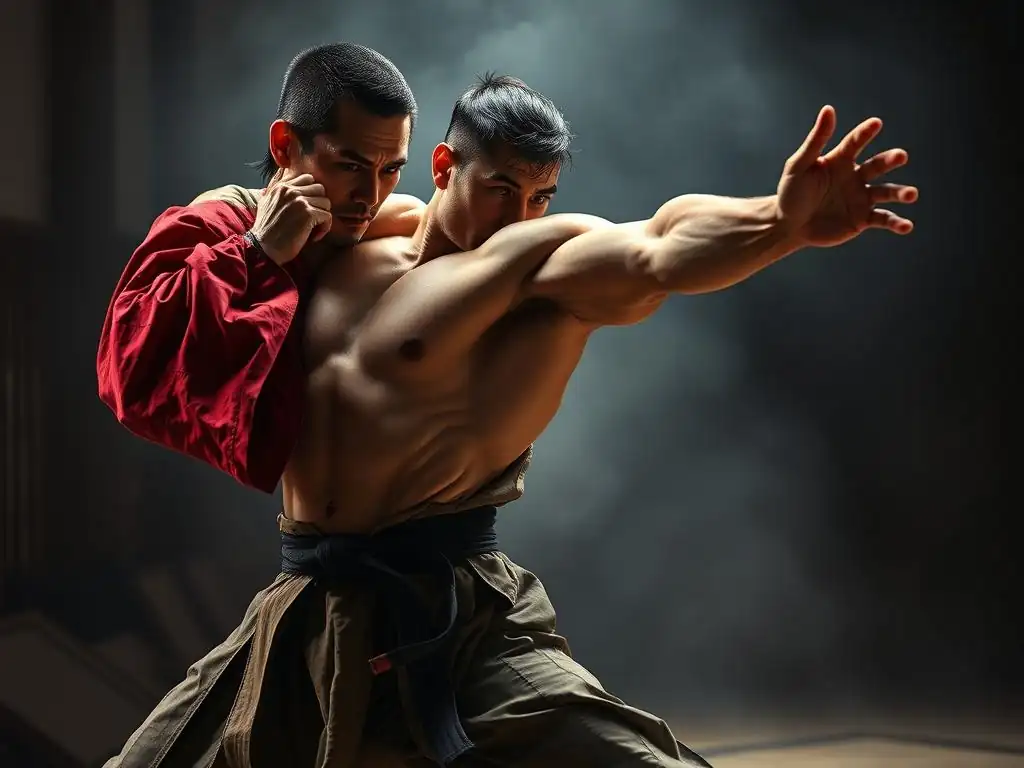
Welcome to Martial Arts Mastery, your gateway to the world's fighting arts! Delve into the rich tapestry of martial arts history, philosophy, and practical application. Are you ready to unlock the secrets behind powerful throws? This time, we're untangling the complexities of Judo, specifically the Sode Tsurikomi Goshi Technique. Discover how this seemingly simple sleeve lifting pulling hip throw can become a devastating weapon in your arsenal. Intrigued? Keep reading to master the nuances of this classic technique and elevate your grappling game!
- Understanding Sode Tsurikomi Goshi: The Judo Sleeve Lift Hip Throw
- The Mechanics of the Sode Tsurikomi Goshi Technique
- Sode Tsurikomi Goshi: Step-by-Step Execution Guide
- Drills and Training Exercises for Sode Tsurikomi Goshi Mastery
- Strategic Applications of Sode Tsurikomi Goshi in Judo Competition
- Common Mistakes and How to Correct Them in Sode Tsurikomi Goshi
- Advanced Sode Tsurikomi Goshi Variations and Setups
- The History and Evolution of Sode Tsurikomi Goshi in Judo
- Mastering Sode Tsurikomi Goshi: A Path to Judo Excellence
-
Frequently Asked Questions
- What is Sode Tsurikomi Goshi?
- What are the key elements of the Sode Tsurikomi Goshi technique?
- How does Sode Tsurikomi Goshi differ from other hip throws in Judo?
- What are some common mistakes to avoid when practicing Sode Tsurikomi Goshi?
- What are the benefits of mastering the Sode Tsurikomi Goshi technique?
- Final Reflection: Embracing the Art of Connection
- Unlock Your Throwing Potential Now!
Understanding Sode Tsurikomi Goshi: The Judo Sleeve Lift Hip Throw
What is Sode Tsurikomi Goshi? Defining the Judo Throw
Sode Tsurikomi Goshi is a fundamental and highly effective throwing technique (nage-waza) in the martial art of Judo. It translates roughly to "sleeve lifting pulling hip throw," which accurately describes its core mechanics.
The technique involves Kuzushi (breaking the opponent's balance) primarily by lifting and pulling on one of their sleeves (sode), combined with Tsurikomi (a lifting and pulling motion, often associated with the lapel grip but here focused on the sleeve), and using one's hip (goshi) as a fulcrum to project the opponent (uke) over. It is categorized as a Koshi-waza, or hip technique, due to the central role the thrower's hips play in the execution.
Mastering the Sode Tsurikomi Goshi Technique requires precise timing, coordination, and a deep understanding of leverage and balance. While seemingly simple, its effectiveness relies on subtle movements and powerful off-balancing. Unlike some other hip throws that might rely more on brute strength, Sode Tsurikomi Goshi heavily emphasizes the intricate action of the hands on the sleeve and lapel to disrupt uke's posture and center of gravity before the hip engagement. This makes it a versatile technique applicable against opponents of varying sizes, provided the Kuzushi is executed correctly.
Sode Tsurikomi Goshi within Nage-waza: A Koshi-waza Breakdown
Nage-waza, Judo's throwing techniques, are broadly divided into Tachi-waza (standing techniques) and Sutemi-waza (sacrifice techniques). Tachi-waza is further classified into Te-waza (hand techniques), Koshi-waza (hip techniques), and Ashi-waza (foot/leg techniques). Sode Tsurikomi Goshi belongs firmly in the Koshi-waza category, alongside techniques like O Goshi, Harai Goshi, and Uchi Mata. This classification highlights the primary role of the thrower's hip as the main point of contact and projection for uke. However, it's distinct from many other Koshi-waza because of its unique hand grips and the significant emphasis placed on the Tsurikomi (lifting-pulling) action, particularly on the sleeve.
Within the Koshi-waza family, Sode Tsurikomi Goshi stands out for its requirement of dynamic movement and sophisticated off-balancing using the sleeve and lapel grips simultaneously. While O Goshi might focus on a strong belt or lapel grip and a deep hip entry, Sode Tsurikomi Goshi necessitates a powerful upward and forward pull on the sleeve grip to lift uke's weight and break their forward-backward and sideways balance.
This strong vertical component, combined with the rotational hip movement, creates a powerful parabolic trajectory for the throw. Data from competitive Judo shows that Koshi-waza techniques, including variations of Sode Tsurikomi Goshi, account for a significant percentage of successful throws resulting in Ippon or Waza-ari, estimated to be around 30-40% in high-level competition, though specific numbers vary by weight class and era.
The Mechanics of the Sode Tsurikomi Goshi Technique
Grip and Stance for Effective Sode Tsurikomi Goshi
The standard grip for Sode Tsurikomi Goshi involves tori (the thrower) taking a strong grip on uke's opposite sleeve and their near-side lapel. For example, if tori is right-handed, they will typically grip uke's left sleeve with their left hand and uke's right lapel with their right hand. The sleeve grip should be high up, near the elbow or even higher, allowing for maximum leverage to lift and control uke's arm.
The lapel grip provides control over uke's upper body and neck, facilitating the pulling and turning motion. A common mistake is a weak or shallow grip, which significantly reduces the effectiveness of the Kuzushi and the subsequent throw. Developing powerful grip strength is paramount for mastering the Sode Tsurikomi Goshi Technique.
The stance should be balanced and ready for dynamic movement. Tori typically stands in a natural posture (Shizen-tai) initially. As they prepare for the throw, their stance will transition into a more aggressive, lower posture to facilitate entry and hip engagement.
The feet should be positioned to allow for a smooth pivot and penetration towards uke's center. The distance between tori and uke is critical; being too far away makes entry difficult, while being too close limits the space needed for the hip turn. Practicing grip fighting specifically tailored to establishing these Sode Tsurikomi Goshi grips is a necessary part of training, with many Judoka spending dedicated time drilling grip sequences.
Kuzushi: Breaking Balance for a Successful Throw
Kuzushi is the art of breaking uke's balance, and it is perhaps the most crucial element for a successful Sode Tsurikomi Goshi Technique. Without effective Kuzushi, attempting the throw becomes a struggle against uke's full weight and stability, often resulting in failure or even being countered. For Sode Tsurikomi Goshi, Kuzushi is achieved primarily through a powerful lifting and pulling action using both the sleeve and lapel grips, combined with tori's body movement.
The goal is to pull uke onto the balls of their feet, disrupting their base of support and making them light and unstable. This off-balancing can be directed forward, forward-sideways, or even slightly upward and forward, depending on uke's reaction and posture.
Effective Kuzushi for Sode Tsurikomi Goshi often requires pulling uke into the space where tori intends to place their hips. This isn't just a static pull; it's a dynamic motion that anticipates uke's reactions. For instance, if uke resists by pushing forward, tori can use that forward momentum to facilitate a backward or sideways pull.
If uke pulls back, tori can use a sharp forward pull. The timing of the Kuzushi must perfectly synchronize with the entry (Tsukuri) into the throw. Data from studies on Judo biomechanics suggest that achieving a significant tilt angle (e.g., 30-45 degrees off vertical) in uke's posture before hip engagement dramatically increases the probability of a successful throw, compared to attempts made with minimal off-balancing.
The Importance of Sleeve Control in Kuzushi for Sode Tsurikomi Goshi
The sleeve grip is arguably the most critical component for generating the necessary Kuzushi in Sode Tsurikomi Goshi. The high grip on uke's sleeve allows tori to control uke's arm and shoulder, which in turn controls a significant portion of their upper body weight and balance. By lifting and pulling the sleeve upward and forward, tori can effectively 'unweight' uke's stance, making them vulnerable to being thrown. This sleeve control prevents uke from posting or using that arm to regain balance once tori begins their entry.
Furthermore, the sleeve control dictates the direction of uke's movement. A strong upward pull on the sleeve lifts uke's center of gravity, while a forward or sideways pull directs their momentum. Combining the sleeve pull with the lapel pull creates a rotational force on uke's upper body, twisting them and further disrupting their stability. Studies observing elite Judoka executing the Sode Tsurikomi Goshi Technique show that the peak force applied through the sleeve grip during the Kuzushi phase is substantial, often exceeding the thrower's body weight for a brief moment, demonstrating the power generated through this seemingly simple action.
Pulling and Lifting: Achieving Optimal Balance Break
The 'Tsurikomi' aspect of Sode Tsurikomi Goshi specifically refers to the lifting and pulling motion, and mastering this is key to optimal balance breaking. The lapel hand typically performs a strong pulling action downwards and inwards, drawing uke's upper body towards tori. Simultaneously, the sleeve hand executes a powerful upward and slightly forward pull. This combined action creates a diagonal tension that lifts uke's weight onto their toes and pulls them off their stable base. The timing and coordination of these two pulls are paramount.
Achieving the optimal balance break isn't just about strength; it's about timing uke's reaction. As uke resists the pull, they often commit their weight in a certain direction. The skilled Judoka exploits this commitment, redirecting their pull to where uke is weakest. For instance, if uke pulls back hard, a sharp forward-upward pull on the sleeve can send them reeling forward.
This dynamic interaction requires sensitivity and experience. Training drills focusing solely on the pulling and lifting mechanics, often using resistance bands or a partner providing subtle resistance, are crucial for developing the necessary feel and power. Competitive analysis suggests that failed Sode Tsurikomi Goshi attempts are frequently due to insufficient or mistimed Kuzushi, with uke still having a stable base when tori attempts the hip entry.
Tsukuri: Entering and Positioning for the Hip Throw
Tsukuri is the entry phase, where tori moves their body into position to execute the throw after the Kuzushi has been initiated. For Sode Tsurikomi Goshi, this typically involves a swift pivot on one foot, bringing the hips close to uke's body. The pivot foot turns inwards, and the other foot steps around, allowing tori to turn their back towards uke, with their hips positioned below uke's center of gravity.
The depth of the entry is important; tori needs to get their hips deep enough to act as a solid fulcrum, but not so deep that they lose balance or control. The action of the hands continues during Tsukuri, maintaining the off-balance created during Kuzushi.
The entry for Sode Tsurikomi Goshi must be fluid and rapid, ideally happening in one continuous motion following the Kuzushi. As tori turns, the pulling and lifting actions on uke's sleeve and lapel continue to keep uke off-balance and drawn onto tori's hips. The non-pivoting leg steps around, and the body rotates, bringing the hips into contact with uke's lower abdomen or upper thigh.
The knees are bent to lower tori's center of gravity relative to uke's. Practicing this entry repeatedly through Uchikomi (entry practice without completing the throw) is fundamental. A typical training session might involve hundreds of Uchikomi repetitions for the Sode Tsurikomi Goshi Technique, focusing specifically on smooth footwork and proper hip placement.
Proper Body Alignment for Sode Tsurikomi Goshi
Proper body alignment during Tsukuri is critical for generating power and safely executing the Sode Tsurikomi Goshi Technique. Tori's body should be turned fully towards the direction of the throw, with their back relatively straight and knees bent. The hips should be deeply engaged, positioned just below uke's belt line. The contact point on the hips should be solid, providing a stable platform for uke to rotate over. The head should ideally look in the direction of the throw, helping to lead the body's rotation.
Incorrect alignment, such as not turning the hips enough, bending too far forward at the waist, or not getting the hips deep enough, will significantly reduce the throw's effectiveness and can lead to injury or being countered. For instance, bending at the waist instead of bending the knees puts strain on the back and prevents the hips from being an effective fulcrum.
Maintaining the connection and tension through the grips throughout the entry ensures that uke remains off-balance and connected to tori's movement. Biomechanical analysis indicates that efficient hip rotation and proper vertical alignment of the spine relative to the hips during the lift phase are key predictors of successful execution of hip throws like Sode Tsurikomi Goshi.
Footwork Drills for Seamless Entry
Seamless entry is built on precise and efficient footwork. Specific drills are used to develop the muscle memory required for the rapid pivot and step that characterize the Sode Tsurikomi Goshi Tsukuri. One common drill involves standing in a natural stance and repeatedly practicing the pivot and step motion without a partner, focusing on speed and accuracy of foot placement. Another drill involves a partner holding passively, while tori practices the entry, focusing on getting the hips into the correct position relative to the partner.
These footwork drills are often performed in sets of 10-20 repetitions, with multiple sets per training session. The goal is to make the entry movement automatic and subconscious. Variations of the footwork exist depending on the specific setup or uke's reaction, such as stepping in directly or using a sweeping motion with the pivot foot. Consistent practice of these fundamental footwork patterns underpins the ability to execute the Sode Tsurikomi Goshi Technique effectively in dynamic situations, allowing the thrower to enter quickly before uke can regain balance or react defensively.
Kake: Execution and Completion of the Throw
Kake is the execution phase, where tori applies the final power to project uke through the air and onto the mat. In Sode Tsurikomi Goshi, this involves a combination of powerful hip rotation, extension of the legs, and continued pulling/lifting action with the hands. With uke loaded onto tori's hips and off-balance, tori extends their legs and rotates their hips sharply, using the hips as a pivot point. The sleeve hand continues its upward-forward pull, while the lapel hand pulls downwards and around, guiding uke's trajectory.
The Kake must be explosive and committed. Hesitation at this stage often results in a failed throw or uke escaping. As tori rotates and extends, uke is lifted and projected over tori's hips in a parabolic arc.
The direction of the throw is typically forward and slightly to the side, depending on the initial off-balance and the specific angle of the hip engagement. Successful execution results in uke landing flat on their back, ideally scoring Ippon. Studies on throwing power show that the peak force generated during Kake in techniques like Sode Tsurikomi Goshi can be several times the thrower's body weight, resulting from the coordinated extension and rotation of the entire kinetic chain.
Utilizing Hip Rotation for Maximum Impact
Hip rotation is the engine of the Sode Tsurikomi Goshi Technique during the Kake phase. Once tori's hips are properly positioned beneath uke's center of gravity, a powerful, snapping rotation of the hips provides the primary lifting and turning force. This rotation should be initiated from the core and driven by the legs extending. The faster and more complete the hip rotation, the more momentum is transferred to uke, resulting in a more powerful throw.
The hip rotation works in conjunction with the hand actions. As the hips rotate, the sleeve hand continues to lift and guide uke over the hip, while the lapel hand assists the rotation and controls uke's upper body. Thinking of the hips as the axle and the body as the wheel can help visualize the motion.
Drills focusing on explosive hip rotation, such as turning drills with resistance bands or weighted implements, can help develop the necessary power. Analysis of elite Judoka shows that the angular velocity of the hips during the Kake of throws like Sode Tsurikomi Goshi is extremely high, peaking just before uke leaves the thrower's back.
Maintaining Control Throughout the Throw
Maintaining control throughout the throw, from Kuzushi through Kake and even into the landing, is a hallmark of a skilled Judoka performing the Sode Tsurikomi Goshi Technique. This control ensures that the throw is completed effectively and safely for both tori and uke. During Kake, tori must maintain tight control with their grips, preventing uke from slipping off or attempting to counter. The sleeve grip is crucial here, as it prevents uke from posting their arm to break their fall or push away.
After uke is projected, tori should maintain their grips momentarily to guide uke safely to the mat and ensure they land cleanly. This follow-through is part of the technique's completion. Maintaining balance after the throw is also important, preventing tori from falling with uke or being rolled over. Practicing Nagekomi (throwing practice) with a cooperative partner who knows how to fall (Ukemi) safely is essential for developing this control and follow-through. Coaches often emphasize finishing the throw "standing tall" and maintaining grip contact until uke is clearly down.
Sode Tsurikomi Goshi: Step-by-Step Execution Guide
Here is a simplified breakdown of the Sode Tsurikomi Goshi Technique:
- Step 1: Establishing the Sleeve and Lapel Grip
- Assume a standard grip fighting stance (e.g., right vs. left or right vs. right).
- Secure a high grip on uke's opposite sleeve (e.g., left hand on uke's left sleeve if you are right-handed).
- Secure a grip on uke's near-side lapel (e.g., right hand on uke's right lapel if you are right-handed).
- Ensure grips are firm and allow for strong pulling and lifting actions.
- Step 2: Off-Balancing Uke (Your Opponent)
- Using the sleeve grip, pull uke's arm upward and forward.
- Simultaneously, use the lapel grip to pull uke's upper body downwards and inwards.
- Combine these pulls with your body movement (e.g., stepping back or to the side) to break uke's balance, pulling them onto the balls of their feet or forward.
- Key: The timing of this pull is crucial, often coinciding with uke's movement or reaction.
- Step 3: Entering the Throw (Tsukuri)
- While maintaining the off-balance, pivot on one foot (e.g., your right foot if right-handed), turning your body inwards.
- Step the other foot (e.g., your left foot) around, bringing your hips close to uke's body, ideally below their center of gravity.
- Your back should be turned towards uke.
- Keep your knees bent and back relatively straight.
- Continue the pulling and lifting actions with your hands throughout the entry.
- Step 4: Executing the Hip Throw (Kake)
- With uke loaded onto your hips and off-balance, extend your legs powerfully.
- Simultaneously, rotate your hips sharply, using them as a fulcrum.
- Continue the upward-forward pull with the sleeve hand and the guiding pull with the lapel hand.
- Project uke over your hips in a controlled motion.
- Step 5: Following Through and Maintaining Control
- Maintain your grips momentarily as uke is thrown to guide their landing.
- Stay balanced and on your feet after the throw.
- Release grips only after uke has landed safely on the mat.
Drills and Training Exercises for Sode Tsurikomi Goshi Mastery
Uchikomi: Repetitive Practice for Muscle Memory
Uchikomi is the cornerstone of mastering any Judo throwing technique, including the Sode Tsurikomi Goshi Technique. It involves repetitive entry practice without completing the throw. The purpose is to build muscle memory for the complex coordination required between footwork, body turning, hip placement, and hand actions. Tori practices the sequence up to the point where uke would be loaded onto the hips, pausing briefly, and then returning to the starting position. This allows for high-volume repetitions, focusing on the mechanics of Tsukuri and the initial Kuzushi.
Training sessions often dedicate significant time to Uchikomi. A common practice is to perform 50-100 repetitions of Sode Tsurikomi Goshi Uchikomi on each side (left and right grips) in a single session. This volume is critical for developing the speed, precision, and efficiency needed for the technique to become instinctive. Partners can provide varying levels of resistance during Uchikomi, from passive cooperation to slight resistance, helping the thrower adapt to different situations. Coaches frequently correct minute details in foot placement, hip depth, and hand timing during Uchikomi sessions.
Nagekomi: Practicing the Throw with a Partner
Nagekomi is the practice of completing the throw with a partner who is trained in Ukemi (breakfalling). This drill is essential for practicing the full execution (Kake) of the Sode Tsurikomi Goshi Technique, including the final projection and follow-through. Unlike randori (free practice), Nagekomi allows tori to focus on the specific technique in a controlled environment, ensuring safety while developing power and timing. It also helps the thrower learn to maintain control throughout the entire motion.
Nagekomi sessions typically involve fewer repetitions than Uchikomi, perhaps 10-20 full throws per side. This is due to the higher physical demand on both tori and uke. Practicing Nagekomi against partners of different sizes and weights helps the thrower understand how to adapt the Sode Tsurikomi Goshi Technique to various opponents. It also allows for practicing transitions into and out of the technique from various grip fighting scenarios. While Uchikomi builds the entry, Nagekomi builds the completion and power delivery.
Resistance Training for Enhanced Throwing Power
While technique is paramount, developing functional strength significantly enhances the effectiveness of the Sode Tsurikomi Goshi Technique. Resistance training should focus on movements that mimic the actions of the throw. Exercises targeting grip strength (e.g., gi pull-ups, towel pulls), pulling muscles (e.g., rows, pull-ups), leg strength (e.g., squats, deadlifts), and core rotation (e.g., medicine ball twists) are particularly beneficial.
Specific drills using resistance bands attached to a partner or a stationary object can simulate the pulling and lifting action required for Kuzushi and Kake. For example, practicing the Sode Tsurikomi Goshi entry while pulling against a band helps build the explosive power needed to break uke's balance and load them onto the hips.
Incorporating plyometric exercises like box jumps or jump squats can also improve the explosive leg extension used during Kake. Judoka often integrate 2-3 strength and conditioning sessions per week into their training schedule, complementing their technical Judo practice, with many dedicating specific exercises to improve the power generation for throws like Sode Tsurikomi Goshi.
Strategic Applications of Sode Tsurikomi Goshi in Judo Competition
Recognizing Opportunities for Sode Tsurikomi Goshi
In competitive Judo, recognizing the right moment to attempt the Sode Tsurikomi Goshi Technique is crucial. This technique is often most effective when uke is moving, particularly when they are stepping forward or are momentarily off-balance due to their own actions or tori's Kuzushi attempts. Uke's posture is also a key indicator; an upright posture is generally more susceptible to Sode Tsurikomi Goshi than a heavily bent-over defensive posture.
Skilled Judoka constantly look for these opportunities during grip fighting and movement. For instance, if uke pushes forward, tori can capitalize on that momentum by pulling them sharply upwards and entering for Sode Tsurikomi Goshi. If uke is pulling strongly on tori's lapel, creating tension, this tension can be used to facilitate the Tsurikomi action on the sleeve.
The ability to read uke's subtle shifts in weight and posture in real-time is developed through extensive randori and competitive experience. Data from high-level matches indicates that successful throws are disproportionately executed during transitions or moments of opponent instability, highlighting the importance of timing and opportunity recognition.
Combining Sode Tsurikomi Goshi with Other Techniques
One of the strengths of the Sode Tsurikomi Goshi Technique is its versatility in combinations. It can be effectively set up by other techniques or used as a feint to open opportunities for different throws. Combinations exploit uke's defensive reactions. For example, if tori attempts a foot sweep (Ashi-waza) like Ouchi Gari or Kosoto Gari and uke pulls their leg back to defend, this backward movement can create the perfect off-balance for an immediate entry into Sode Tsurikomi Goshi.
Conversely, a convincing feint of Sode Tsurikomi Goshi can draw a defensive reaction from uke, such as stiffening their posture or pulling back. This reaction can then be exploited for a forward throw or another technique. The key is to link techniques together seamlessly, forcing uke to constantly react and preventing them from establishing a stable defense. Successful competitive Judoka rarely rely on a single technique; they build a repertoire of interconnected throws and transitions, with Sode Tsurikomi Goshi often serving as a powerful primary attack or a dangerous follow-up.
Setups and Combinations: O Goshi, Uchi Mata
Sode Tsurikomi Goshi combines particularly well with other Koshi-waza and Ashi-waza. A common strategy involves attempting a technique like O Goshi (Major Hip Throw) or Uchi Mata (Inner Thigh Throw) first. If uke defends by pulling back or stiffening their posture to avoid the forward hip throw, this creates tension and off-balance that can be immediately transitioned into a Sode Tsurikomi Goshi entry. The sleeve pull becomes even more effective against a backward-resisting opponent.
Another example is using Ashi-waza as a setup. A strong attack with Ouchi Gari (Major Inner Reaping) can force uke to shift their weight back onto the non-reaped leg. As they do this, their balance becomes vulnerable to a forward-pulling Sode Tsurikomi Goshi. The combination works because the defensive reaction to one technique creates the ideal condition for the other. Elite Judoka like Kosei Inoue were masters of such combinations, seamlessly flowing from one technique to another based on their opponent's reactions, often setting up their devastating Sode Tsurikomi Goshi with subtle Kuzushi or feints.
Countering Opponent's Defenses against Sode Tsurikomi Goshi
Opponents will naturally attempt to defend against the Sode Tsurikomi Goshi Technique. Common defenses include stiff-arming to prevent tori from getting close, pulling their sleeve away to break the grip, or bending over to lower their center of gravity and prevent the hip entry. Recognizing and countering these defenses is essential. If uke stiff-arms, tori can use specific grip breaks or apply downward pressure on the arm to collapse their posture before attempting the entry.
If uke tries to pull their sleeve away, tori must maintain a strong, deep grip and continue the Tsurikomi action with increased intensity, often combined with a sharp step and pull to prevent the grip from being broken. Against a bent-over opponent, Sode Tsurikomi Goshi becomes much harder.
In this situation, tori might transition to a different technique, such as a sacrifice throw (Sutemi-waza) or an Ashi-waza, or attempt to force uke back upright through posture control before re-attacking with Sode Tsurikomi Goshi. Learning to read uke's defensive reactions and having alternative attacks ready is key to successfully applying the Sode Tsurikomi Goshi Technique in competition.
Common Mistakes and How to Correct Them in Sode Tsurikomi Goshi
Troubleshooting Balance Issues
One of the most common mistakes in Sode Tsurikomi Goshi is tori losing their own balance during the entry or execution. This often happens when tori doesn't achieve sufficient Kuzushi on uke before entering, forcing them to use excessive strength and compromising their own stability. Entering too deeply or not turning the hips completely can also lead to being off-balance. If tori is unstable, uke can easily resist, counter, or the throw will simply lack power and direction.
Correction involves returning to basics: focus intensely on achieving clear and powerful Kuzushi before initiating the Tsukuri. Practice Uchikomi with an emphasis on maintaining a stable base throughout the entry. Ensure the pivot and step bring the hips into the correct deep position without over-committing or leaning excessively. Slowing down the technique during practice to focus on balance and then gradually increasing speed can help. Analyzing video footage of one's own attempts can also reveal specific balance issues.
Grip Weakness and Solutions
Weak grips are a major impediment to effective Sode Tsurikomi Goshi. If the sleeve or lapel grip is not strong enough, tori cannot generate the necessary pulling and lifting force for Kuzushi, nor can they maintain control of uke during the throw. Uke will easily break free or prevent the initial off-balance. A grip that is too shallow on the sleeve (e.g., gripping the cuff instead of the elbow area) also limits leverage.
The solution is dedicated grip strength training. Incorporate exercises like gi pull-ups, towel pulls, and using grip strengtheners into your training regimen. Spend extra time in randori focusing on maintaining strong grips despite uke's attempts to break them. Practice grip fighting drills specifically aimed at establishing and securing the high sleeve and deep lapel grips required for the Sode Tsurikomi Goshi Technique. Many top Judoka dedicate significant off-mat time to grip-specific conditioning.
Incomplete Hip Rotation
Another frequent error is incomplete hip rotation during the Kake phase. If tori's hips do not rotate fully and powerfully, they cannot act as an effective fulcrum, and the throw becomes a mere lifting and pulling effort, which is inefficient and less likely to succeed. Incomplete rotation often results in uke landing on their side or front, or even being able to step out of the throw.
To correct this, focus on the hip turn during Uchikomi, ensuring the body rotates completely to face the direction of the throw. Practice drills that emphasize explosive hip rotation, such as turning with a resistance band around the waist. During Nagekomi, consciously focus on driving the rotation from the legs and core. Sometimes, incomplete rotation stems from poor initial entry; if the hips aren't positioned correctly below uke's center, full rotation is difficult. Revisit Tsukuri mechanics if hip rotation is a persistent issue.
Advanced Sode Tsurikomi Goshi Variations and Setups
Drop Sode Tsurikomi Goshi
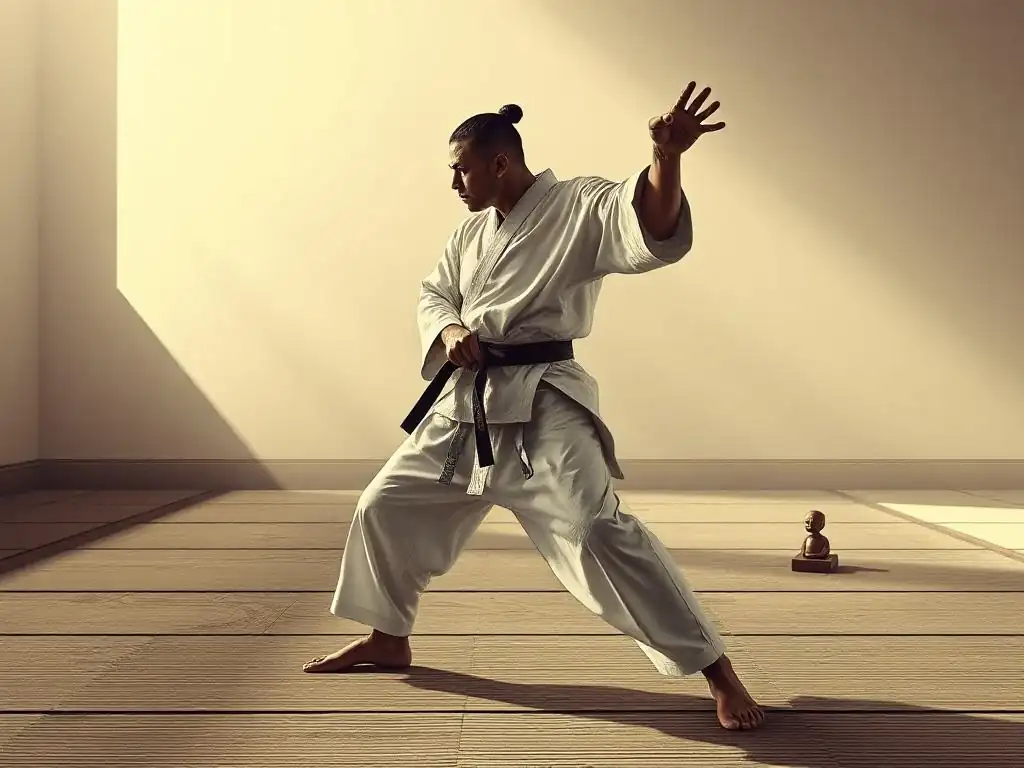
The Drop Sode Tsurikomi Goshi (Seoi Tsurikomi Goshi in some classifications, or a variation sometimes called Sode Seoi Nage) is a powerful variation where tori drops to one or both knees during the entry. This lowers tori's center of gravity dramatically, allowing them to get their shoulder and back deeper under uke's armpit and chest, while still utilizing the strong sleeve lift and lapel pull. It is particularly effective against opponents who are bent over or have a strong defensive posture.
Executing the Drop Sode Tsurikomi Goshi requires precise timing and commitment. The drop must be synchronized with the pulling and lifting action to load uke onto the thrower's back. This variation generates significant power and can be very difficult to defend once the entry is complete. However, it carries a higher risk of being countered if the entry is blocked or mistimed, as tori is left in a vulnerable kneeling position. Elite competitors often use this variation when traditional standing Sode Tsurikomi Goshi is being successfully defended.
Kenka Yotsu Sode Tsurikomi Goshi
Kenka Yotsu refers to the opposite stance situation in Judo grip fighting (e.g., right-handed tori vs. left-handed uke). Executing the Sode Tsurikomi Goshi Technique from Kenka Yotsu requires adapting the standard grip and entry. In this scenario, tori typically grips uke's opposite sleeve (their dominant side sleeve) with their dominant hand and uke's dominant lapel with their non-dominant hand. For a right-handed tori against a left-handed uke, this would be right hand on uke's left sleeve and left hand on uke's right lapel.
The mechanics of the throw remain similar – lifting and pulling with the sleeve, pulling with the lapel, and entering with the hips. However, the footwork and angles of attack are different compared to Ai Yotsu (same stance). Tori must navigate the opposing grip setup to achieve the necessary control and off-balance. Mastering Sode Tsurikomi Goshi from both Ai Yotsu and Kenka Yotsu is essential for a well-rounded Judoka, as opponents will invariably present different grip challenges. Successful adaptation to Kenka Yotsu scenarios is a mark of advanced technical skill.
Combining with Ashi-waza: Ouchi Gari, Kosoto Gari
As mentioned earlier in the strategic applications, combining Sode Tsurikomi Goshi with Ashi-waza is a highly effective strategy. Specifically, using Ouchi Gari (Major Inner Reaping) or Kosoto Gari (Minor Outer Reaping) as a setup is common. When tori attempts Ouchi Gari, uke often instinctively pulls their leg back to avoid the reap, shifting their weight onto their other leg. This backward shift and momentary instability create an excellent opportunity for a forward, lifting hip throw like Sode Tsurikomi Goshi.
Similarly, a strong attack with Kosoto Gari can momentarily unbalance uke to their rear-corner, and as they recover forward, the timing can be perfect for the Sode Tsurikomi Goshi entry. The key is the seamless transition; the attack with the foot technique must immediately flow into the Sode Tsurikomi Goshi entry without pause. This requires extensive drilling of the specific combination, practicing the footwork and hand actions as one continuous movement. Analyzing match footage of elite Judoka frequently shows these types of Ashi-waza to Koshi-waza combinations being used to great effect.
The History and Evolution of Sode Tsurikomi Goshi in Judo
The Origins of Sode Tsurikomi Goshi
Sode Tsurikomi Goshi is one of the original 40 throws (Gokyo) established by the founder of Judo, Kano Jigoro, in 1895. It was included in the first formal curriculum of the Kodokan Judo Institute. Its inclusion reflects its fundamental importance as a hip technique that utilizes dynamic off-balancing through the hands. The technique likely has roots in older forms of Jujutsu, from which Kano adapted and systematized the techniques to create Judo.
Kano's emphasis on Kuzushi (breaking balance) is perfectly embodied in Sode Tsurikomi Goshi. The technique is a prime example of applying the principle of "maximum efficiency with minimum effort" (Seiryoku Zenyo), as the power of the throw comes less from brute strength and more from exploiting uke's off-balance and using leverage. Its presence in the original Gokyo signifies its status as a core technique every Judoka should strive to understand and master from the early stages of their training.
Notable Practitioners of Sode Tsurikomi Goshi: Kosei Inoue, Toshihiko Koga
Throughout Judo history, certain practitioners have become synonymous with mastery of specific techniques. For Sode Tsurikomi Goshi, two names stand out prominently: Kosei Inoue and Toshihiko Koga.
Kosei Inoue, the 2000 Olympic Champion and multiple World Champion in the -100kg category, was renowned for his dynamic and powerful Sode Tsurikomi Goshi. He utilized its unique grip and lifting action to throw much larger opponents with spectacular Ippons. Inoue's execution was characterized by his incredible timing, explosive entry, and deep hip engagement, often throwing opponents high through the air. His mastery demonstrated the technique's effectiveness at the highest levels of competition and against larger opponents.
Toshihiko Koga, the 1992 Olympic Champion and multiple World Champion in the -71kg and -78kg categories, was a technician of incredible skill. While perhaps more famous for his Ippon Seoi Nage, Koga also employed a highly effective Sode Tsurikomi Goshi, particularly from a transitional or combination context. His application emphasized the subtle Kuzushi and seamless entry, often catching opponents by surprise.
Koga's example showed how the Sode Tsurikomi Goshi Technique could be integrated into a fluid, dynamic style focused on timing and precision. Studying footage of these two masters provides invaluable insight into the potential of the Sode Tsurikomi Goshi Technique.
Mastering Sode Tsurikomi Goshi: A Path to Judo Excellence
Mastering the Sode Tsurikomi Goshi Technique is a significant step on the path to Judo excellence. It is a technique that encapsulates many core Judo principles: Kuzushi, Tsukuri, Kake, timing, leverage, and the effective use of grips. Its versatility, both as a primary attack and in combinations, makes it a valuable asset in any Judoka's repertoire. While challenging, dedicated practice can lead to a high level of proficiency.
Achieving mastery requires not just physical repetition but also mental understanding – learning to read your opponent, recognize opportunities, and adapt the technique to different body types and defensive reactions. It also involves continuous refinement, seeking feedback from coaches and senior practitioners, and analyzing one's own performance. The journey to mastering Sode Tsurikomi Goshi, like any complex Judo technique, is ongoing, demanding patience, persistence, and a passion for the art.
Consistent Training and Dedicated Practice
Consistent training is non-negotiable for mastering the Sode Tsurikomi Goshi Technique. Irregular practice leads to skill fade and prevents the development of the necessary muscle memory and timing. Ideally, training should occur multiple times per week, incorporating a mix of Uchi Komi, Nage Komi, and Randori. Dedicating specific portions of training sessions solely to Sode Tsurikomi Goshi drills is highly beneficial.
Dedicated practice means focusing on quality over quantity in some drills, ensuring correct form and understanding the underlying principles. It also means pushing through the difficulty and frustration that inevitably arise when learning a complex technique. Setting specific goals, such as performing a certain number of perfect Uchikomi repetitions or successfully executing the throw in Randori a set number of times, can provide structure and motivation. Judoka who achieve mastery in techniques like Sode Tsurikomi Goshi typically spend thousands of hours on the mat over many years, refining every detail of the execution.
Frequently Asked Questions
What is Sode Tsurikomi Goshi?
Sode Tsurikomi Goshi is a Judo throw classified as a hip throw (koshi-waza). It involves lifting the opponent's sleeve while pulling them onto your hip to execute the throw.
What are the key elements of the Sode Tsurikomi Goshi technique?
The key elements include a strong kuzushi (breaking balance), effective grip on the sleeve, proper hip positioning, and a coordinated pulling motion to lift and throw your opponent. Timing and balance are crucial.
How does Sode Tsurikomi Goshi differ from other hip throws in Judo?
Unlike many hip throws, Sode Tsurikomi Goshi heavily relies on a strong grip on the sleeve and pulling the opponent upwards. This creates a unique lifting action that sets it apart from throws like O Goshi or Uki Goshi.
What are some common mistakes to avoid when practicing Sode Tsurikomi Goshi?
Common mistakes include a weak grip, improper hip placement, failing to break the opponent's balance effectively, and hesitation during the throw. Focus on fluidity and a strong pulling motion.
What are the benefits of mastering the Sode Tsurikomi Goshi technique?
Mastering this technique adds a powerful and versatile throw to your Judo arsenal. It can be particularly effective against opponents who rely on a strong stance, offering a unique method of breaking their balance.
Final Reflection: Embracing the Art of Connection
The journey through the intricacies of Sode Tsurikomi Goshi Technique reveals more than just a judo throw; it unveils a profound understanding of connection, balance, and leverage. In a world increasingly dominated by individual pursuits, the principles embodied in this technique – the precise grip, the calculated pull, the harmonious blend of movement – offer a powerful metaphor for successful interaction and collaboration, both on and off the mat.
The enduring appeal of Sode Tsurikomi Goshi lies not only in its effectiveness as a throwing technique but also in its elegance and efficiency. It reminds us that true strength comes not from brute force, but from understanding and utilizing the forces around us. Judo is the way to the most effective use of both physical and spiritual strength. By training you in attacks and defenses it refines your body and your soul and helps you make the spiritual essence of Judo a part of your very being.
- Jigoro Kano. This quote perfectly encapsulates the deeper meaning embedded within the mastery of this technique, a meaning that transcends the physical realm and touches upon the very essence of self-improvement.
As you continue your journey, whether as a judoka or simply as an individual navigating the complexities of life, remember the lessons learned from the Sode Tsurikomi Goshi. Embrace the art of connection, seek balance in all that you do, and leverage your understanding to create positive change. Let the principles of this technique guide you towards a more harmonious and fulfilling existence, both on and off the mat.
Unlock Your Throwing Potential Now!
Thank you for diving into the art of Sode Tsurikomi Goshi! We hope you've gained valuable insights into mastering this dynamic throw. Now, let's put that knowledge into action and elevate your judo game.
Here's how you can continue your journey:
- Commit to 15 minutes of daily practice focusing on the sleeve grip and pulling motion – feel the difference in just one week!
- Share your newfound understanding! Teach a training partner the key details of Sode Tsurikomi Goshi and refine your own technique through teaching.
- Explore related throws. Research Osoto Gari and Uchi Mata to uncover how they share common principles that can enhance your overall throwing skills.
Ready to step onto the mat and transform your Sode Tsurikomi Goshi?