
Sumo: Why It's More Than Just Japan's National Sport – A Cultural Deep Dive

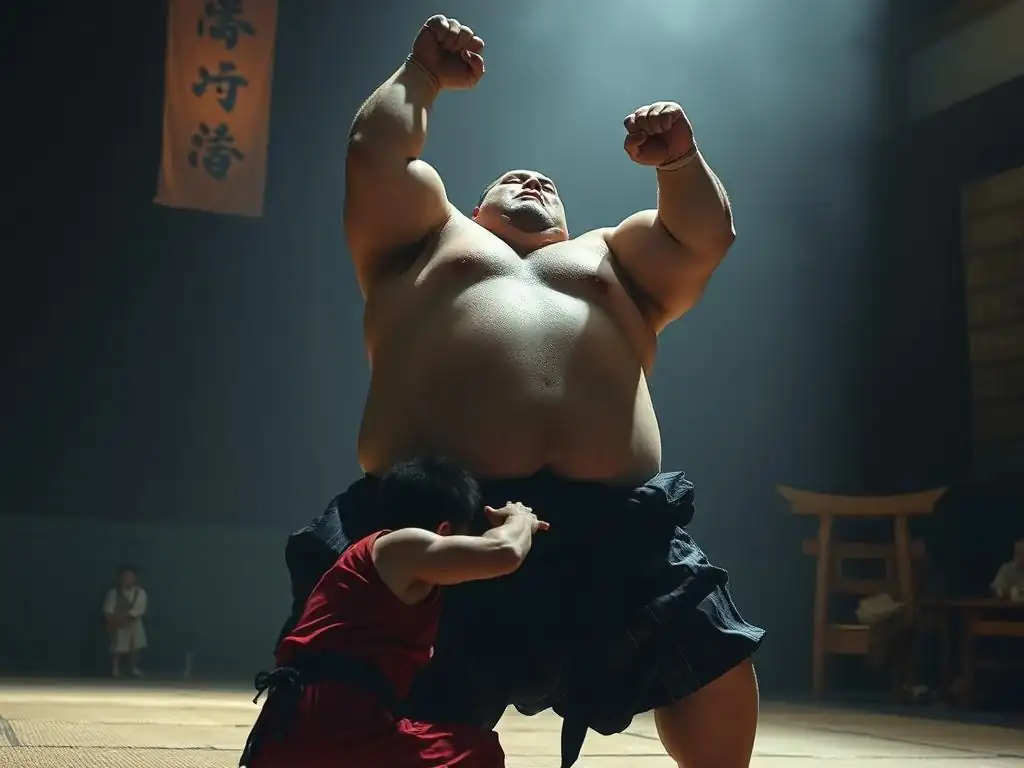
Welcome to Martial Arts Mastery, where we delve into the rich tapestry of combat traditions worldwide. Ever wondered why Sumo wrestling is revered as more than just a sport in Japan? Prepare to unravel the captivating story behind this ancient discipline. This deep dive into the cultural significance of Sumo will reveal its profound connection to Japanese history, religion, and national identity, leaving you eager to explore the depths of this fascinating martial art. Let's begin!
The Dohyo: Sumo's Sacred Ring and its Symbolism
The dohyo, the raised ring where sumo bouts take place, is far more than just a wrestling surface; it is a sacred space steeped in Shinto tradition, embodying the profound sumo wrestling cultural significance. Constructed meticulously from clay and sand, the dohyo stands typically 34-60 centimeters high, with a diameter of 4.55 meters (approximately 15 feet).
This specific size and construction method have remained remarkably consistent for centuries, reflecting the sport's deep historical roots and its resistance to modernization that would dilute its spiritual essence. Before each tournament and even before the first match of the day, elaborate purification rituals are performed on the dohyo, including offerings of sake, salt, and rice, highlighting its status as a consecrated arena where divine spirits are believed to be present.
At the center of the dohyo is the tawara, straw bales that form the inner circle where the wrestlers begin. The boundary of the ring is also marked by tawara, slightly embedded in the clay. Above the dohyo hangs the yakata, a roof resembling a Shinto shrine, further emphasizing the sacred nature of the space.
This roof, previously supported by four pillars, is now typically suspended from the arena ceiling in modern venues, though the four colored tassels representing the four directions and seasons (green for east/spring, red for south/summer, white for west/autumn, black for north/winter) are retained. The dohyo's construction and the rituals surrounding it are integral to understanding the sport's connection to Japan's spiritual landscape and the deep cultural significance of sumo wrestling.
Shiko: The Stomping Ritual and its Purifying Purpose
Before a sumo bout begins, and often throughout a wrestler's training day, the powerful ritual of shiko is performed. This involves the wrestler lifting one leg high into the air, holding it for a moment, and then bringing it down with immense force, stomping the ground. This action is then repeated with the other leg. While shiko is a fundamental exercise for building leg strength and balance, its origins and primary purpose are deeply spiritual, reflecting the ritualistic core of sumo wrestling cultural significance.
In ancient times, shiko was believed to purify the dohyo and the surrounding area, driving away evil spirits that might interfere with the sacred contest. The stomping is symbolic of crushing negativity and ensuring the ground is clean and safe for the divine presence and the pure execution of the match.
Wrestlers perform shiko with great seriousness, often multiple times during the preparatory phase before a bout ( shikiri). This ritualistic movement is not just a warm-up; it is a vital part of the spiritual cleansing process that precedes the physical confrontation, underscoring the profound cultural significance embedded within every aspect of sumo wrestling.
Salt Throwing: Exorcising Evil Spirits from the Ring
Another highly visible and iconic ritual in sumo is the throwing of salt onto the dohyo. Before each match, the wrestlers approach the ring and, often multiple times during the shikiri period, scoop up handfuls of salt from wooden boxes and scatter it across the clay surface. The amount of salt thrown can vary, with higher-ranked wrestlers often throwing larger quantities, creating a dramatic visual effect. This practice is not merely ceremonial; it is a potent act of purification and warding off evil, central to the sumo wrestling cultural significance.
The act of throwing salt is rooted in Shinto beliefs, where salt is traditionally used for purification and protection against malevolent forces. By scattering salt, the wrestlers are symbolically cleansing the dohyo, making it a sacred and safe space for the contest to unfold without spiritual interference.
This ritual highlights the belief that sumo is not just a test of physical strength but also a spiritual endeavor, conducted under the watchful eyes of the gods. The visual spectacle of salt raining down onto the ring is a constant reminder to the audience and the participants of the deep spiritual and cultural significance that underpins the sport of sumo wrestling.
The Mawashi: The Symbolic Belt of the Sumo Wrestler
The mawashi, the thick silk or cotton belt worn by sumo wrestlers, is the sole garment permitted during a bout and holds considerable symbolic and practical importance. Weighing between 8 to 11 kilograms (approximately 18-24 pounds) when dry, and significantly more when wet with sweat, the mawashi is wrapped tightly around the wrestler's waist and groin multiple times.
Its proper tying and wearing are crucial, as losing one's mawashi results in disqualification. Beyond its function in grappling, the mawashi is deeply symbolic of the wrestler's status, discipline, and connection to the traditions of sumo wrestling, adding another layer to its cultural significance.
For sekitori (wrestlers in the top two divisions), the mawashi is made of silk and can come in various colors, chosen by the wrestler. The highest-ranked wrestlers, the yokozuna and ozeki, wear a special ceremonial mawashi called a shimekomi for their ring-entering ceremony ( dohyo-iri).
This elaborate belt is even heavier and more rigid, signifying their elevated status. The mawashi is more than just athletic gear; it is a traditional garment that links the modern rikishi to the generations of wrestlers who came before them, embodying their dedication to the sport and serving as a visible representation of their journey and commitment within the world of sumo, reinforcing the profound cultural significance of this unique form of wrestling.
- The Dohyo: Sumo's Sacred Ring and its Symbolism
- Shiko: The Stomping Ritual and its Purifying Purpose
- Salt Throwing: Exorcising Evil Spirits from the Ring
- The Mawashi: The Symbolic Belt of the Sumo Wrestler
- What is the primary cultural significance of Sumo wrestling in Japan?
- How does Sumo wrestling reflect Shinto beliefs?
- What are some of the key traditions that highlight Sumo's cultural importance?
- Beyond the sport itself, what aspects of Japanese society does Sumo represent?
- How has Sumo wrestling evolved while maintaining its cultural relevance?
Frequently Asked Questions
What is the primary cultural significance of Sumo wrestling in Japan?
Sumo wrestling is deeply embedded in Japanese culture, serving as a living link to ancient Shinto rituals and embodying values like discipline and respect. It's more than a sport; it's a cultural performance.
How does Sumo wrestling reflect Shinto beliefs?
The dohyo (ring) is considered a sacred space, purified before each tournament. Rituals like throwing salt and the shiko (leg stomping) are performed to ward off evil spirits and ensure a safe contest.
What are some of the key traditions that highlight Sumo's cultural importance?
The elaborate ceremonies, the traditional attire of the rikishi (wrestlers), and the strict hierarchy within the Sumo world are all traditions that reinforce its cultural significance and historical roots.
Beyond the sport itself, what aspects of Japanese society does Sumo represent?
Sumo embodies Japanese values such as perseverance, honor, and respect for elders. It reflects the hierarchical nature of Japanese society and emphasizes the importance of tradition.
How has Sumo wrestling evolved while maintaining its cultural relevance?
While facing challenges from modern entertainment, Sumo has adapted by increasing accessibility through television and online platforms, while still upholding its core traditions and cultural significance for future generations.
Final Reflection: The Enduring Spirit of Sumo
The journey through the world of Sumo wrestling reveals it to be far more than just a sport; it's a living embodiment of Japanese culture, tradition, and philosophy. This cultural significance resonates deeply even today, offering a powerful connection to the past while simultaneously reflecting the evolving identity of Japan in the modern world. The rituals, the discipline, and the sheer spectacle of Sumo continue to captivate audiences worldwide, demonstrating its enduring power to transcend mere athletic competition.
The impact of Sumo extends far beyond the dohyo, influencing art, literature, and even the Japanese psyche. Witnessing the dedication and respect inherent in every aspect of Sumo, from the training to the ceremonies, inspires a profound appreciation for tradition and the pursuit of excellence. Sumo is not just about physical strength; it's about mental fortitude, discipline, and respect for tradition.
This quote encapsulates the essence of Sumo's cultural weight, highlighting its role as a moral compass and a symbol of national identity.
As we conclude this exploration of Sumo's cultural significance, I invite you to consider the lessons it offers. How can we, like the rikishi, embrace discipline, respect tradition, and strive for excellence in our own lives? Let the spirit of Sumo inspire you to find strength in tradition, honor in dedication, and a deeper understanding of the cultural tapestry that shapes our world.
Embrace the Spirit: Unlock Your Inner Sumo!
Thank you for diving deep into the captivating world of Sumo! We hope you now appreciate the rich history and cultural significance woven into every bout. Ready to connect with this ancient art on a deeper level?
Here are a few ways to get started:
- Take Action: Find a local Sumo demonstration or workshop to experience the power and tradition firsthand. Immerse yourself in the energy and connect with the community.
- Explore: Research the lives and training regimens of modern Sumo wrestlers. Discover the dedication and discipline required to reach the top.
- Share: Discuss your favorite aspects of Sumo – the rituals, the wrestlers, the history – with friends and family. Help spread awareness of this incredible art form.
What resonated most with you about Sumo’s blend of sport, tradition, and personal discipline? We would love to hear in the comments!