
Troubleshooting Your Relaxation: Common Barriers in Systema


Welcome to Martial Arts Mastery, where we delve into the profound depths of combat traditions worldwide.
Are you finding Systema relaxation techniques more challenging than expected? Many practitioners struggle to unlock the full potential of this powerful Russian martial art. This article, "Troubleshooting Your Relaxation: Common Barriers in Systema," tackles the most common pitfalls, offering insights and practical solutions to help you overcome those Systema relaxation techniques difficulties and deepen your understanding. Curious to know what's holding you back? Read on to unlock the secrets to achieving true relaxation under pressure.
- Introduction to Systema Relaxation and Common Difficulties
- Identifying the Root Causes of Tension in Systema Practice
- Practical Solutions for Overcoming Relaxation Difficulties in Systema
- Addressing Specific Systema Relaxation Technique Difficulties
- Conclusion: Achieving Mastery Through Overcoming Relaxation Barriers
-
Frequently Asked Questions
- How does Systema relaxation differ from other relaxation methods?
- What are some common physical difficulties people encounter when learning Systema relaxation techniques?
- Why is psychological resistance considered a barrier to Systema relaxation?
- What role does proper breathing play in overcoming Systema relaxation difficulties?
- What are some practical tips for addressing difficulties with Systema relaxation techniques?
- Final Reflection: Embracing the Struggle for Serenity
- Rediscover Your Inner Calm: Start Your Systema Journey Now!
Introduction to Systema Relaxation and Common Difficulties
Understanding the Core Principles of Systema Relaxation Techniques
Systema, a Russian martial art, places profound emphasis on relaxation as a fundamental principle, distinct from mere passivity. It is viewed as an active state of being, crucial for maintaining functionality, adaptability, and resilience under stress. The core idea is that a relaxed body and mind can move more freely, absorb impact more effectively, and respond intuitively to dynamic situations.
This state allows for efficient use of energy, preventing unnecessary fatigue and enabling sustained performance. Mastery of relaxation in Systema is not an end in itself, but a pathway to enhanced movement, breathing, posture, and striking, forming the bedrock upon which all other skills are built.
The principles often revolve around releasing unnecessary muscular tension, maintaining natural breathing patterns, and cultivating mental calm. Practitioners learn to identify and consciously release tension held in various parts of the body, from the jaw and shoulders down to the feet. This process is often facilitated by specific breathing exercises designed to calm the nervous system and promote oxygenation.
Unlike some martial arts that emphasize rigid structure, Systema encourages a fluid, yielding quality, which is directly linked to the ability to remain relaxed even when facing pressure or impact. Achieving this state is one of the most frequently cited Systema relaxation techniques difficulties.
Why Relaxation is Crucial in Systema Training
Relaxation is not merely a supplement to Systema training; it is the engine that drives its core mechanics. In combative or stressful scenarios, the natural human response is often tension – muscles brace, breathing becomes shallow, and movement becomes restricted. Systema posits that this bracing actually makes one more vulnerable to injury and less effective in action.
A relaxed body, conversely, can absorb strikes with less damage, move with greater speed and efficiency, and adapt instantly to unexpected changes in the environment or opponent's actions. Consider the difference between hitting a rigid board versus a loose sack; the latter absorbs the force, while the former breaks.
Beyond physical resilience, relaxation is vital for mental clarity and emotional control. Fear and anxiety, common reactions under pressure, manifest physically as tension. By training relaxation, practitioners learn to mitigate these physiological responses, allowing them to think clearly, make sound decisions, and maintain composure. This mental aspect is particularly challenging for many, contributing significantly to Systema relaxation techniques difficulties. The ability to remain calm and relaxed while simultaneously executing complex movements or receiving forceful contact is a hallmark of advanced Systema practice and a constant focus throughout one's training journey.
Common Challenges Faced When Learning Systema Relaxation Techniques
New practitioners often encounter significant hurdles when attempting to integrate relaxation into their Systema practice. One of the most prevalent Systema relaxation techniques difficulties is the ingrained habit of tensing up under any form of physical or psychological stress. Decades of conditioning, modern sedentary lifestyles, and the body's natural defense mechanisms all contribute to chronic tension patterns that are difficult to consciously override, especially when asked to move dynamically or absorb force. The concept of "relaxing into contact" or "relaxing during movement" often feels counterintuitive.
Another common barrier is the mental aspect. Many individuals struggle with the anxiety associated with partner drills, particularly those involving impact or unpredictable movement. This fear triggers the sympathetic nervous system, leading to involuntary muscle bracing, shallow breathing, and a racing mind – the antithesis of relaxation. Furthermore, the subtle nature of relaxation makes it hard to gauge progress; unlike mastering a specific technique, feeling truly relaxed is subjective and requires deep self-awareness, which takes time and consistent effort to develop. These combined physical and psychological factors represent the core Systema relaxation techniques difficulties practitioners must navigate.
Identifying the Root Causes of Tension in Systema Practice
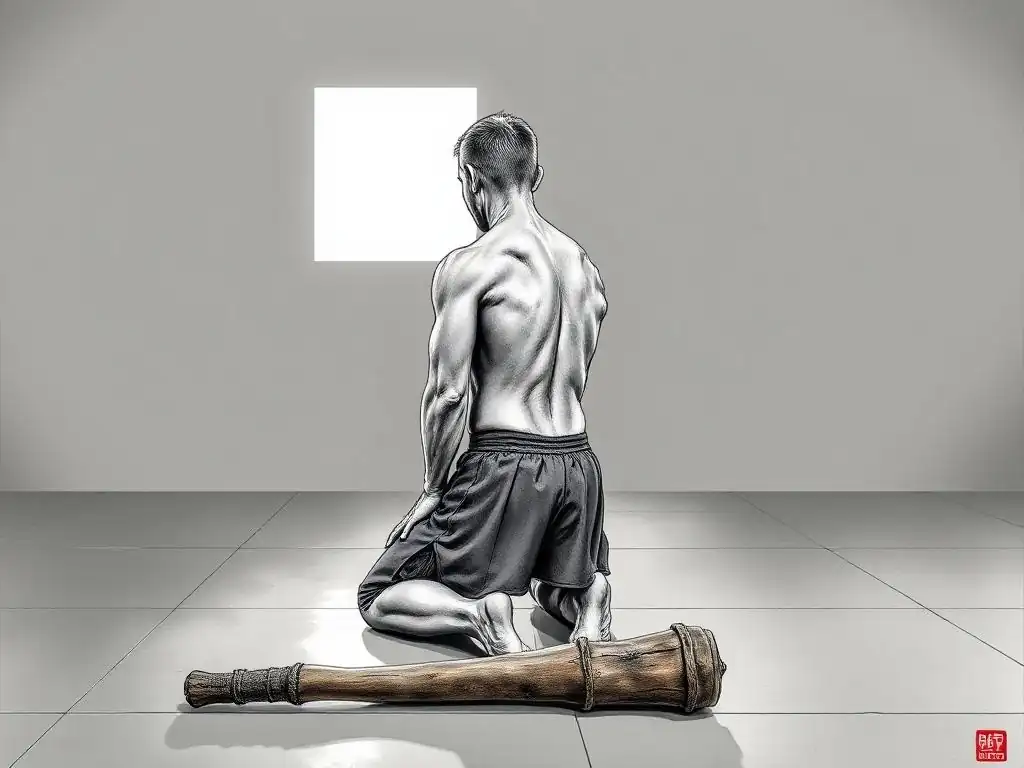
Physical Tension: Addressing Muscle Tightness and Restricted Movement
Physical tension in Systema practice often stems from chronic holding patterns developed over years due to posture, activity, or injury. For instance, many individuals carry significant tension in their upper trapezius muscles and shoulders, often exacerbated by desk work or stress. When asked to move their arms freely or absorb a light push, this ingrained tension restricts mobility, making fluid motion difficult and increasing susceptibility to strain.
This physical bracing is a primary source of Systema relaxation techniques difficulties, as it directly counteracts the desired state of effortless movement and resilience. Identifying these specific areas of tightness is the first step towards releasing them.
Moreover, limited joint mobility, particularly in the hips, spine, and shoulders, forces compensatory tension in other muscle groups. If the hips are tight, the lower back may tense up excessively during bending or twisting movements. Similarly, restricted shoulder mobility can lead to neck and upper back tension. Systema training often reveals these limitations starkly during exercises that require full range of motion or the ability to yield to external force. Overcoming these physical barriers requires dedicated work on flexibility, mobility, and conscious release, directly addressing the physical component of Systema relaxation techniques difficulties.
Identifying Physical Tension Patterns in Systema
Identifying physical tension patterns in Systema requires heightened body awareness, often developed through specific drills and partner feedback. Common areas where practitioners unconsciously hold tension include the jaw, neck, shoulders, upper back, lower back, hips, and even the hands and feet. During basic movements like walking or squatting, tension might manifest as stiffness or jerky motion rather than fluid transition. For example, a practitioner might visibly brace their neck and shoulders when receiving a light tap to the chest, or hold their breath during a simple stretching exercise, indicating underlying tension.
Partner work is particularly effective for revealing hidden tension. A training partner applying gentle pressure or performing simple joint mobility drills can often feel where the recipient is resisting or bracing unnecessarily. For instance, during a rolling drill, a partner might notice the individual's back or shoulders are rigid instead of pliable, preventing smooth movement. Observing others and receiving specific feedback, such as "Your jaw is tight," or "You're holding your breath in your stomach," provides crucial information about one's own specific Systema relaxation techniques difficulties related to physical bracing.
Drills to Release Physical Tension and Improve Mobility
Systema employs numerous drills specifically designed to identify and release physical tension, thereby mitigating Systema relaxation techniques difficulties. Groundwork exercises, such as rolling, crawling, and various forms of push-ups and squats, are fundamental. For example, spending 15-20 minutes rolling slowly on the ground allows practitioners to feel where their body is stiff or resisting movement. The goal is to move smoothly and continuously, breathing naturally, which forces the release of bracing.
Joint mobility exercises are also critical. Simple, gentle rotations of the neck, shoulders, elbows, wrists, hips, knees, and ankles, performed slowly with conscious breathing, help increase range of motion and identify areas of restriction. Partner-assisted drills, where a partner gently moves a limb or applies light, sustained pressure while the other person focuses on releasing tension, are highly effective.
For instance, a partner might gently lift and rotate an arm for several minutes, with the recipient focusing solely on letting the arm be heavy and relaxed, consciously releasing any gripping or bracing. Regularly dedicating 10-15 minutes per session to these types of release drills significantly improves mobility and reduces chronic tension.
Psychological Barriers to Systema Relaxation
Psychological factors are arguably the most significant contributors to Systema relaxation techniques difficulties. Fear is a primary culprit. The inherent nature of martial arts training involves confronting potential discomfort, pain, or the unknown, which triggers the body's fight-or-flight response. This response manifests physically as tension, rapid heart rate (e.g., increasing from 70 bpm to 130+ bpm), shallow breathing, and mental distraction. Even in controlled training environments, the anticipation of contact or pressure can be enough to cause significant bracing, preventing the practitioner from achieving the desired relaxed state.
Anxiety about performance, fear of looking awkward or incompetent, and past negative experiences can also create mental blocks. If a practitioner has previously experienced pain or injury when tensing up, they might paradoxically tense up more to try and protect themselves, exacerbating the issue. Overcoming these deep-seated psychological patterns requires not just physical drills but also dedicated mental training, focusing on managing thoughts and emotional responses under perceived threat. Addressing these internal states is essential for resolving Systema relaxation techniques difficulties rooted in the mind.
Overcoming Fear and Anxiety in Systema Training
Overcoming fear and anxiety in Systema training is a gradual process that involves desensitization, building trust, and developing mental resilience. Exposure to controlled stress is key. Drills start gently, perhaps with simple pushing or yielding exercises where the intensity is minimal and the focus is purely on maintaining relaxation and natural breathing. As comfort levels increase, the intensity or complexity can be gradually increased. For example, starting with 5 minutes of gentle, continuous pushing where the goal is to remain relaxed, before progressing to more dynamic or impactful drills.
Building trust with training partners is equally vital. Knowing that a partner is focused on safety and your learning allows you to relax more deeply. Communication is encouraged – practitioners are often asked to verbally acknowledge when they feel tension or fear. Mental strategies like focusing on the present moment, accepting discomfort without fighting it, and reframing challenging situations as learning opportunities help manage anxious thoughts. Consistent exposure to low-level stress, coupled with conscious relaxation efforts, helps retrain the nervous system to respond with composure rather than bracing, directly tackling psychological Systema relaxation techniques difficulties.
The Role of Mental Focus in Achieving Deep Relaxation
Mental focus plays a critical role in achieving deep relaxation in Systema. It's not about emptying the mind, but rather directing attention deliberately – often towards the body, breath, or the task at hand. When the mind is scattered, jumping from anxious thoughts ("What if I get hurt?") to distractions, it becomes difficult to maintain a relaxed physical state. Conversely, focusing attention inwards, noticing where tension is held or how the breath is flowing, allows for conscious intervention and release. This directed awareness is a powerful tool against Systema relaxation techniques difficulties.
Practitioners are often instructed to focus on sensations within the body, such as the feeling of weight distribution, the movement of joints, or the subtle vibrations of impact being absorbed. Maintaining awareness of the breath is perhaps the most fundamental mental focus point. By consciously focusing on slow, deep, continuous breathing, the practitioner anchors their attention and signals the nervous system to remain calm, even amidst chaos. This intentional direction of mental energy away from fear-inducing thoughts and towards internal processes is a cornerstone of Systema's approach to overcoming psychological barriers to relaxation.
Breathing Issues: Correcting Breathing Patterns for Optimal Relaxation
Inefficient or restricted breathing patterns are a major source of Systema relaxation techniques difficulties, directly impacting both physical and psychological states. Many people habitually breathe shallowly, using only the upper chest, especially when stressed. This limits oxygen intake, contributes to upper body tension (neck, shoulders), and keeps the nervous system in a state of heightened alert. Conversely, deep, diaphragmatic breathing promotes relaxation by stimulating the parasympathetic nervous system, slowing the heart rate, and increasing oxygen flow to the muscles and brain.
Holding the breath, another common issue, is particularly detrimental in Systema. Any form of bracing or anticipation often leads to an involuntary breath hold. This instantly creates rigidity, prevents fluid movement, and makes the practitioner vulnerable to impact. Systema emphasizes continuous, natural breathing throughout all movements and under all levels of pressure. Learning to breathe deeply and continuously, even when being struck or thrown, is a challenging but essential skill for achieving true relaxation and mitigating Systema relaxation techniques difficulties.
Understanding Systema Breathing Mechanics
Systema breathing mechanics emphasize natural, relaxed, and continuous respiration, primarily utilizing the diaphragm. The breath should ideally be deep, filling the lower abdomen, rather than shallow and chest-based. This allows for a greater volume of air exchange (potentially increasing vital capacity by 10-20% with consistent practice) and promotes a calmer physiological state. The inhale is typically relaxed, and the exhale is a gentle release, never forced. The focus is on maintaining a constant flow of air, avoiding pauses or holding the breath at any point in the respiratory cycle.
The key principle is that breathing should support movement and relaxation, not hinder it. During exertion, the breath may become faster or deeper, but it should remain natural and continuous. When absorbing impact, an exhale is often used to help dissipate force and prevent internal bracing.
Understanding how to coordinate breathing with movement and impact is fundamental. For instance, during a push-up, exhaling on the effort phase (pushing up) and inhaling on the release (lowering) is common, but Systema encourages finding a natural rhythm that maintains relaxation throughout the entire movement. Mastering these mechanics is crucial for addressing Systema relaxation techniques difficulties related to respiration.
Troubleshooting Common Breathing Problems During Systema Practice
Troubleshooting breathing problems in Systema practice often begins with simple awareness drills. Practitioners might lie on the ground with a hand on their abdomen and chest to feel where the breath is going. If only the chest is rising, it indicates shallow breathing. The goal is to feel the abdomen rise and fall with each breath. A common exercise involves simply focusing on extending the exhale, making it slightly longer than the inhale, which helps calm the nervous system and encourages deeper breathing.
Holding the breath is often identified during partner drills. A partner might notice the practitioner's body tensing just before contact, accompanied by a visible pause in breathing. The correction involves consciously reminding oneself to exhale through the moment of impact or pressure. Practicing simple movements like squats or arm raises while deliberately focusing on continuous, relaxed breathing can help break the habit of holding. For example, performing 50 slow squats, focusing solely on maintaining a steady, relaxed breath, can highlight breathing interruptions. Consistent practice and gentle reminders are key to overcoming these significant Systema relaxation techniques difficulties.
Practical Solutions for Overcoming Relaxation Difficulties in Systema
Specific Drills and Exercises for Enhanced Relaxation
Systema training incorporates a wide array of specific drills aimed at cultivating relaxation and addressing common Systema relaxation techniques difficulties. These exercises are designed to challenge the practitioner to maintain a relaxed state under various conditions, from static positions to dynamic movement and partner interaction. The emphasis is always on breathing and releasing tension. Many drills start slow and gentle, gradually increasing in intensity or complexity as the practitioner develops the ability to stay relaxed.
These drills often involve the entire body, promoting integrated movement and release. They are not just physical exercises but moving meditations that require constant self-awareness and adjustment. The effectiveness of these drills lies in their ability to reveal where tension is held and provide immediate feedback on the success of relaxation efforts. Consistent, deliberate practice of these specific methods is far more effective than simply trying to "think" oneself into a relaxed state.
Grounding Exercises for Systema Practitioners
Grounding exercises are fundamental in Systema for promoting stability, connection to the earth, and deep relaxation, directly countering Systema relaxation techniques difficulties related to feeling unstable or disconnected. Simple standing or sitting postures become powerful tools when the focus is placed entirely on feeling the connection with the ground and allowing the body's weight to sink downwards, releasing tension. For example, standing for 5-10 minutes, focusing on feeling the soles of the feet pressing into the floor and allowing tension to drain down the legs, can be surprisingly challenging for those accustomed to holding tension.
More active grounding involves movement. Basic walking drills, focusing on feeling the weight shift from one foot to the other while remaining relaxed and upright, help integrate grounding into locomotion. Groundwork itself, such as rolling or crawling slowly for 15-20 minutes, is a form of dynamic grounding, teaching the body to remain relaxed and connected to the surface under various orientations. These exercises build proprioception and body awareness, essential for identifying and releasing tension that prevents effective grounding and contributing to Systema relaxation techniques difficulties.
Flow Drills to Cultivate Relaxation in Motion
Flow drills in Systema are designed to teach practitioners how to maintain relaxation, natural breathing, and continuous movement under dynamic conditions, addressing Systema relaxation techniques difficulties that arise during activity. These drills often involve sequences of movements performed smoothly and continuously, without pauses or unnecessary tension. Examples include continuous rolling, seamless transitions between different body positions (e.g., standing to squatting to lying down and back up), or fluid locomotion patterns like various forms of crawling or animal movements.
Partner flow drills add another layer of complexity, requiring relaxation and adaptability in response to an external force. Light, continuous pushing or yielding exercises, where partners move each other around without resistance, teach the body to absorb and redirect force while remaining relaxed. The focus is not on power or speed, but on maintaining a smooth, unbroken flow of movement and breath, even as the external input changes. Practicing these drills for sessions lasting 20-30 minutes helps cultivate the ability to stay relaxed and responsive in dynamic situations.
Mental Strategies for Improved Relaxation
Beyond physical drills, Systema emphasizes mental strategies to overcome psychological barriers and enhance relaxation, tackling Systema relaxation techniques difficulties originating in the mind. These techniques focus on managing thoughts, emotions, and internal states to promote a calm and focused mind, which in turn supports physical relaxation. They require conscious effort and consistent application, particularly when faced with stressful training scenarios.
Developing mental resilience is key. This involves learning to observe thoughts and feelings without judgment, accepting the presence of fear or anxiety without letting them dictate physical reactions. It's about cultivating an inner stillness that can coexist with external activity or pressure. These mental skills are integrated into physical practice, making the mind-body connection a central focus of Systema training.
Mindfulness Techniques for Systema Training
Mindfulness, the practice of paying deliberate attention to the present moment without judgment, is highly relevant to Systema relaxation techniques difficulties. In training, mindfulness involves bringing awareness to bodily sensations (tension, pressure, impact), breath, thoughts, and emotions as they arise, without reacting habitually (like tensing up). During a drill, a practitioner might focus solely on the feeling of their feet on the ground, the movement of their joints, or the rhythm of their breath, anchoring their attention in the present rather than getting lost in anxious thoughts about the outcome.
Simple mindfulness exercises, such as spending 5 minutes before a training session focusing on the breath or body sensations, can build the capacity for present-moment awareness. During partner work, consciously observing the impulse to tense up when touched or pushed, and then deliberately releasing that tension while maintaining awareness of the sensation, is a practical application of mindfulness. This practice helps practitioners identify their specific tension triggers and develop the ability to consciously choose relaxation over bracing.
Visualization and Mental Rehearsal for Stress Reduction
Visualization and mental rehearsal are powerful tools for overcoming psychological Systema relaxation techniques difficulties by preparing the mind for stressful situations and reinforcing positive responses. Practitioners can visualize themselves remaining calm and relaxed while performing challenging drills or receiving impact. This mental practice creates neural pathways that support the desired physical and psychological state. For example, spending 10-15 minutes daily visualizing a successful training session where you remain relaxed and breathe naturally throughout various exercises can significantly improve performance when the actual situation arises.
Mental rehearsal involves mentally running through specific scenarios, focusing on maintaining relaxation and proper breathing. If a practitioner struggles with a particular drill, they can mentally practice it, visualizing themselves executing the movements smoothly and remaining calm even under pressure. This technique helps desensitize the mind to potential stressors and builds confidence. By mentally reinforcing the desired state of relaxed readiness, visualization and mental rehearsal help to dissolve the psychological barriers that contribute to Systema relaxation techniques difficulties.
Refining Breathing Techniques for Deeper Relaxation
Mastering breathing is fundamental to achieving deep relaxation and overcoming Systema relaxation techniques difficulties. While basic continuous breathing is the starting point, refining breathing techniques involves exploring different patterns and depths of respiration to optimize relaxation, energy management, and resilience. The goal is not just to breathe continuously, but to breathe in a way that actively supports the body's ability to release tension and remain calm under duress.
This refinement often involves specific exercises designed to increase lung capacity, improve diaphragmatic control, and link breath more effectively with movement and impact absorption. Consistent attention to breath quality throughout all aspects of training is essential.
Diaphragmatic Breathing Exercises for Systema
Diaphragmatic breathing, or "belly breathing," is a cornerstone technique for promoting deep relaxation and mitigating Systema relaxation techniques difficulties. This involves inhaling deeply into the lower abdomen, allowing the diaphragm to contract and the belly to expand, rather than lifting the chest and shoulders. To practice, lie on your back with one hand on your chest and the other on your abdomen. Inhale deeply, focusing on making the hand on your abdomen rise while the hand on your chest remains relatively still. Exhale slowly, feeling the abdomen fall.
Regular practice of diaphragmatic breathing, even for just 5-10 minutes daily, increases efficiency of oxygen exchange and calms the nervous system. Integrating this breath into movement – for example, performing push-ups or squats while consciously maintaining diaphragmatic breathing – helps make it automatic. When facing pressure or impact in Systema, the ability to instantly revert to deep, diaphragmatic breathing helps prevent the onset of tension and bracing, providing a powerful tool against physiological stress responses.
Rhythmic Breathing Patterns to Promote Calmness
Exploring rhythmic breathing patterns can further enhance relaxation and help overcome Systema relaxation techniques difficulties. While Systema emphasizes natural, non-forced breathing, conscious rhythmic patterns can be used as a tool to induce a state of calm, particularly during less intense moments or as preparation for stressful drills. Simple patterns like inhaling for a count of four and exhaling for a count of four, or extending the exhale slightly (e.g., inhale for four, exhale for six), can help regulate the nervous system.
Some practitioners find benefit in coordinating breath with specific movements or pulses, creating a natural rhythm that promotes flow and relaxation. For example, during continuous rolling, establishing a gentle inhale/exhale pattern that matches the rhythm of the movement. The key is that the rhythm should feel natural and supportive, not restrictive. Experimenting with different ratios and finding what promotes a sense of ease and continuity in breath helps refine this crucial aspect of Systema practice.
Addressing Specific Systema Relaxation Technique Difficulties
Difficulty Relaxing Under Pressure: Simulation and Adaptation
One of the most significant Systema relaxation techniques difficulties is maintaining relaxation when the stakes are raised – under physical pressure, unexpected events, or perceived threat. In training, this often manifests when the intensity increases, such as during sparring, receiving strikes, or dealing with unpredictable partner actions. The natural tendency is to tense up as a protective measure, which is precisely what Systema aims to counter. Overcoming this requires specific training methodologies that simulate pressure in a controlled environment.
Simply understanding the importance of relaxing under pressure is not enough; the body and mind must be trained to do it. This involves gradually exposing oneself to increasing levels of stress while consciously focusing on maintaining relaxation and natural breathing. It's about rewiring the innate survival response from bracing to yielding and adapting.
Simulating Stressful Situations in Training
Systema training incorporates various methods to simulate stressful situations and challenge the practitioner's ability to remain relaxed, directly addressing Systema relaxation techniques difficulties under pressure. These methods start gently and progress incrementally. Examples include:
- Light, continuous pushing: Partners push or pull each other gently and continuously for several minutes (e.g., 5-10 minutes), with the focus solely on yielding, remaining relaxed, and breathing naturally.
- Receiving light taps or strikes: Starting with very light, open-hand taps to the body (chest, abdomen, back, limbs), gradually increasing intensity. The practitioner focuses on exhaling slightly upon impact and allowing the body to absorb the force without bracing. Practicing receiving 10-20 light taps to the abdomen while exhaling can be a starting point.
- Movement under pressure: Drills where a partner applies light, constant resistance while the other person performs simple movements like walking, squatting, or standing up from the ground. The goal is to move efficiently while remaining relaxed against the resistance.
- Unpredictable input: Introducing elements of surprise, such as unexpected pushes or changes in direction, in a controlled manner to train adaptability while staying relaxed. These drills might last for short bursts (e.g., 30-60 seconds) initially.
These simulations, performed consistently, help the nervous system become accustomed to functioning effectively without defaulting to tension.
Adapting Relaxation Techniques to High-Pressure Scenarios
Adapting relaxation techniques to high-pressure scenarios involves learning to apply the principles of relaxation and breathing instantly and intuitively, even when conscious thought is difficult. This is where consistent practice of the fundamentals pays off, mitigating Systema relaxation techniques difficulties in dynamic situations. The deep, continuous breathing and the ability to release tension must become automatic responses.
During high-pressure drills, the focus shifts from learning relaxation to applying the relaxation that has been cultivated in less stressful situations. If receiving heavier impact, the exhale becomes more pronounced. If moving rapidly, the breath becomes faster but remains natural and continuous.
The mental focus narrows to the immediate task and the sensations in the body, cutting out extraneous thoughts. Practitioners learn to quickly scan their body for tension and release it on the fly. This adaptation is not about performing a specific relaxation exercise during the pressure, but about the cultivated state of relaxed readiness becoming the default response.
Overcoming Resistance to Partner Work and Contact
Resistance to partner work and contact is a common psychological barrier contributing to Systema relaxation techniques difficulties, particularly for beginners. The fear of being hurt, judged, or simply being in close proximity to another person in a physically challenging context can trigger significant tension. Overcoming this resistance is crucial, as partner drills are integral to Systema's methodology for developing relaxation under realistic conditions.
This process requires patience, trust-building, and a structured approach that respects individual comfort levels. It's not about forcing oneself into uncomfortable situations but about gradually expanding one's comfort zone in a supportive environment.
Building Trust and Communication with Training Partners
Building trust with training partners is paramount for overcoming resistance to contact and reducing Systema relaxation techniques difficulties in shared drills. Systema training environments typically emphasize safety, mutual respect, and open communication. Partners are encouraged to constantly check in with each other, verbally and non-verbally. Asking "Are you okay?" or "Too much?" is common. This creates a safe space where practitioners feel comfortable expressing discomfort or fear without judgment.
Working consistently with trusted partners allows individuals to relax more deeply, knowing their safety is a shared responsibility. Drills often start with very light contact, such as gentle pushing or holding, allowing partners to feel how the other person responds and adjust accordingly. This gradual increase in intimacy and intensity, coupled with clear communication about boundaries and comfort levels, helps dissolve the psychological tension associated with physical interaction and contact, making it easier to practice Systema relaxation techniques effectively.
Gradual Progression to Contact Drills
Systema training employs a system of gradual progression to introduce contact and pressure, specifically designed to help practitioners overcome Systema relaxation techniques difficulties related to physical interaction. Beginners start with solo exercises and basic movement patterns. Partner work begins with non-contact drills focused on sensitivity and yielding, such as following a partner's movement without touching.
Contact is introduced incrementally. Initial contact drills might involve simple, static holding or light, continuous pushing with minimal force, focusing purely on maintaining relaxation and breathing. Examples include holding hands and gently resisting/yielding for several minutes, or light pushing on the shoulders or chest. As practitioners become comfortable, the intensity and dynamism increase. This might involve receiving light taps, gentle throws, or working against gradually increasing resistance. This structured, step-by-step approach prevents overwhelming the practitioner and allows them to build confidence and maintain relaxation as the level of contact increases.
The Importance of Consistent Practice and Patience
Overcoming Systema relaxation techniques difficulties is not a quick fix but a journey that requires consistent, dedicated practice and immense patience. Relaxation is a skill, like any other, that improves with regular application and conscious effort. Sporadic training sessions are unlikely to yield significant, lasting improvements in the ability to relax under pressure. The body and mind need repeated exposure to the principles and drills to rewire ingrained tension patterns and develop new, more effective responses.
Understanding that progress may be slow and non-linear is crucial. There will be days when relaxation feels effortless, and days when tension seems insurmountable. Patience with oneself and the process is key to staying motivated and continuing the effort required to achieve deeper levels of relaxation in Systema.
Establishing a Regular Relaxation Routine
Establishing a regular relaxation routine is vital for making consistent progress in overcoming Systema relaxation techniques difficulties. This doesn't necessarily mean adding hours to training time, but rather integrating relaxation practices into daily life and training sessions. This could involve:
- Dedicate 10-15 minutes each morning to simple breathing exercises or gentle joint mobility.
- Spend the first 10-15 minutes of every training session focusing specifically on relaxation drills (groundwork, slow movement, partner sensitivity).
- Incorporate short (2-5 minute) relaxation checks throughout the day, noticing where tension is held and consciously releasing it.
- End training sessions with a few minutes of focused, relaxed breathing or light stretching.
Consistency, even in short bursts, is more effective than infrequent long sessions. A study might show that practitioners who spend just 10 minutes daily on focused relaxation drills over a month demonstrate a significant reduction in baseline tension compared to those who do not. Making relaxation a habit is key.
Understanding the Long-Term Benefits of Systema Relaxation
Understanding the long-term benefits provides motivation to persist through the Systema relaxation techniques difficulties. Beyond improved performance in martial arts, cultivating deep relaxation has profound impacts on overall health and well-being. Chronically high tension levels contribute to stress, fatigue, and various physical ailments. Learning to release tension and manage stress through relaxation improves circulation, reduces muscle pain, enhances sleep quality, and boosts the immune system.
Furthermore, the mental resilience developed through overcoming psychological barriers to relaxation translates directly to managing stress in daily life – at work, in relationships, and during challenging situations. The ability to remain calm, think clearly, and act effectively under pressure is a skill invaluable far beyond the training hall. Viewing the struggle with Systema relaxation techniques difficulties not just as a martial arts challenge but as a path to greater physical and mental health provides a powerful incentive for consistent, patient practice over the long term.
Conclusion: Achieving Mastery Through Overcoming Relaxation Barriers
Key Takeaways for Improving Systema Relaxation
Mastering relaxation in Systema is a continuous journey, fraught with common Systema relaxation techniques difficulties, but ultimately achievable through focused effort. Key takeaways include recognizing that tension is often an ingrained habit, not a necessity, and that both physical and psychological factors contribute significantly to this bracing. Breathing is not just for survival but is a primary tool for releasing tension and calming the nervous system.
Practical steps involve identifying specific areas of tension, practicing targeted drills like grounding and flow exercises, and utilizing mental strategies such as mindfulness and visualization. Gradual progression in partner work and contact drills, built upon a foundation of trust and clear communication, is essential for learning to relax under pressure. Most importantly, consistent daily practice and patience are non-negotiable requirements for overcoming relaxation barriers and integrating this core principle into every aspect of Systema.
The Ongoing Journey of Systema Relaxation and Self-Improvement
The pursuit of relaxation in Systema is synonymous with the journey of self-improvement itself. The Systema relaxation techniques difficulties encountered reveal not only physical limitations but also deeply ingrained mental and emotional patterns. Each instance of recognizing and releasing tension, whether physical or psychological, is a step towards greater self-awareness and control. This process is never truly "finished"; even advanced practitioners continue to refine their ability to relax under increasingly complex or intense circumstances.
The skills developed in overcoming Systema relaxation techniques difficulties – body awareness, breath control, mental composure under stress, and the ability to release unnecessary effort – are universally applicable. They contribute to a more resilient body, a clearer mind, and a greater capacity to navigate the challenges of life with fluidity and ease. Thus, the effort invested in mastering relaxation in Systema pays dividends far beyond the realm of martial arts, representing a profound path towards holistic self-mastery.
Frequently Asked Questions
How does Systema relaxation differ from other relaxation methods?
Systema relaxation focuses on releasing physical and psychological tension within the body under stressful conditions. Unlike other methods that might involve quiet environments, Systema emphasizes relaxation in motion.
What are some common physical difficulties people encounter when learning Systema relaxation techniques?
Many beginners struggle with muscle stiffness and holding tension unconsciously. This can manifest as difficulty breathing deeply or an inability to move freely while maintaining a relaxed state.
Why is psychological resistance considered a barrier to Systema relaxation?
Psychological resistance arises from fear, anxiety, or distrust in the process. Overcoming this requires trusting your body and allowing yourself to release control, which can be challenging initially.
What role does proper breathing play in overcoming Systema relaxation difficulties?
Breathing is foundational to Systema relaxation. Consciously focusing on slow, deep diaphragmatic breaths helps to regulate the nervous system and release tension.
What are some practical tips for addressing difficulties with Systema relaxation techniques?
Practice regularly, even in short sessions, to build familiarity. Focus on small movements and gradually increase the intensity. Seek guidance from an experienced instructor for personalized feedback.
Final Reflection: Embracing the Struggle for Serenity
The journey through Systema relaxation techniques, as we've explored, is rarely a straight path to tranquility. The difficulties encountered – tension, mental chatter, and the struggle for breath – are not failures, but rather integral parts of the learning process, reflecting the very real challenges we face in navigating the stresses of modern life. Understanding these barriers is the first step towards truly mastering the art of relaxation, both within the context of Systema and beyond.
This exploration of Systema's approach to relaxation has profoundly influenced my understanding of stress management. It's a reminder that true relaxation isn't the absence of tension, but the ability to navigate it with awareness and control. The ongoing influence of this philosophy is evident in how I approach daily challenges, seeking to find that center of calm amidst the chaos. Relaxation is not the absence of tension, but the conscious management of it.
This quote encapsulates the core principle of Systema, highlighting the active role we play in cultivating inner peace.
Now, I invite you to reflect on your own experiences with relaxation. Consider the specific barriers you face, whether they be physical tension, mental distractions, or emotional anxieties. Embrace the struggle, learn from your challenges, and remember that the path to serenity is a continuous journey of self-discovery. Let the principles of Systema guide you towards a deeper understanding of yourself and a more profound sense of inner peace.
Rediscover Your Inner Calm: Start Your Systema Journey Now!
Thank you for exploring the nuances of relaxation within Systema. We hope you've gained valuable insights into overcoming common barriers and deepening your practice. Now it's time to translate that knowledge into action!
Here are a few steps you can take to further your understanding and application of relaxation in Systema:
- Commit to a Daily Practice: Dedicate just 15 minutes each day to focused relaxation exercises, even amidst your busy schedule. Consistency is key!
- Share Your Challenges: Connect with fellow practitioners on our Martial Arts Mastery forum (martialartsmastery.org) and discuss the specific barriers you face and how you're working to overcome them. Learning from others is invaluable.
- Unexpected Connection: Explore how relaxation techniques in Systema can also benefit seemingly unrelated areas of your life, such as improving your sleep quality or enhancing your creativity.
What small, concrete step will you take today to deepen your Systema relaxation practice and what new area of life you hope to benefit from it?