
Aikido for Injury Prevention and Rehabilitation: Insights from Shihan Donovan Waite

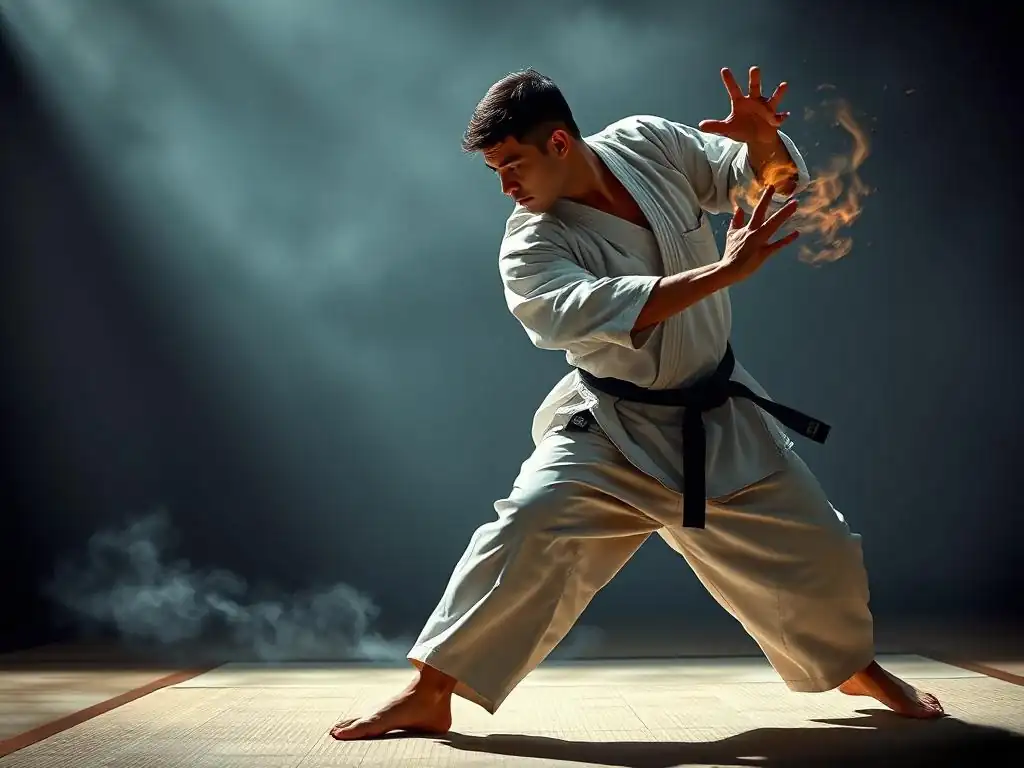
Welcome to Martial Arts Mastery, your gateway to the world's fighting arts! Ever wondered how Aikido, often perceived as graceful and flowing, can also be a powerful tool for injury prevention and rehabilitation? This month, we delve into the expertise of Shihan Donovan Waite, exploring his unique insights and Aikido injury prevention rehabilitation tips that can benefit practitioners of all levels. Uncover the secrets to building resilience and healing through Aikido's principles – your journey to enhanced well-being begins here.
- Introduction: Aikido's Unique Approach to Injury Prevention and Recovery
- Aikido Techniques and Injury Mitigation: A Sensei's Perspective
- Aikido as a Rehabilitation Tool: Recovering from Injuries with Aikido Principles
- Wendy Whited Sensei on the Mind-Body Connection in Aikido and Injury Management
- Practical Aikido Injury Prevention and Rehabilitation Tips from Wendy Whited Sensei
- Integrating Aikido Principles into Daily Life for Enhanced Well-being
- Conclusion: Aikido's Enduring Value in Injury Prevention and Rehabilitation
-
Frequently Asked Questions
- What are the primary Aikido techniques that contribute to injury prevention?
- How does Aikido differ from other martial arts in its approach to rehabilitation after an injury?
- What role does Shihan Donovan Waite play in promoting Aikido for injury prevention and rehabilitation?
- What are some specific exercises or drills recommended in Aikido for building resilience against injuries?
- Can Aikido be practiced by individuals with pre-existing injuries, and if so, what modifications might be necessary?
- Final Reflection: Embracing Harmony for a Healthier Future
- Unlock Your Potential: Embrace Aikido for a Stronger You!
Introduction: Aikido's Unique Approach to Injury Prevention and Recovery
Aikido, often translated as "the Way of harmonious energy," is a modern Japanese martial art developed by Morihei Ueshiba (O-Sensei). Unlike many martial arts that focus on striking or direct force-on-force confrontation, Aikido emphasizes blending with an attacker's energy, using throws, joint locks, and pins to neutralize aggression without causing undue harm.
This inherent philosophy of non-resistance and harmonious movement lays a unique foundation not only for self-defense but also for promoting physical well-being, making it particularly relevant for Aikido injury prevention and rehabilitation tips. Its circular, flowing movements, centered body mechanics, and emphasis on relaxation distinguish it from more linear or high-impact disciplines, offering a pathway to physical mastery that minimizes the risk of injury during practice.
This distinct approach to movement and interaction has led many practitioners and instructors to recognize Aikido's potential benefits beyond combat applications. The principles that make Aikido effective in resolving conflict also contribute significantly to developing a resilient, adaptable body less prone to common physical stresses.
Furthermore, the controlled environment of training, focused on mutual safety and learning, provides an ideal setting for individuals seeking gentle yet effective methods for recovering from past injuries or managing chronic physical conditions. Exploring Aikido injury prevention rehabilitation tips reveals a holistic system that addresses both the physical demands of training and the body's capacity for healing and strengthening.
Martial Arts Mastery Interviews: Wendy Whited Sensei on Aikido's Healing Potential
Wendy Whited Sensei, a highly respected figure in the Aikido community, has dedicated decades to exploring and teaching the profound aspects of this art, including its often-underestimated healing potential. Her extensive experience, rooted in deep technical knowledge and a nuanced understanding of body dynamics, positions her as an authority on how Aikido principles can be applied not just to martial efficacy but also to enhancing physical health, preventing common training injuries, and supporting the body's natural recovery processes.
Through her teaching and personal practice, Sensei Whited exemplifies how diligent Aikido training, when approached mindfully, serves as a powerful tool for lifelong physical maintenance and rehabilitation.
Drawing from years of observing students with various physical challenges and guiding them through safe, progressive training, Sensei Whited offers invaluable insights into leveraging Aikido's unique methodology for therapeutic outcomes. She often highlights how the art's emphasis on relaxation, proper alignment, and core-generated movement contrasts sharply with activities that rely on brute force or isolated muscle groups, which can often lead to strain or injury. Her perspective provides practical Aikido injury prevention rehabilitation tips, underscoring the importance of a personalized approach to training that respects individual physical limitations while fostering gradual improvement and resilience.
Understanding Aikido's Principles for Safe Practice: A Foundation for Injury Avoidance
Aikido's core principles are intrinsically linked to safety and injury prevention. Concepts such as irimi (entering), tenkan (turning), and blending with an opponent's force rather than meeting it head-on are fundamental. These principles teach practitioners to redirect energy and maintain balance, significantly reducing the likelihood of collisions, jarring impacts, or awkward joint positions that are common sources of injury in more confrontational arts. By learning to move with force, practitioners protect their own structure while effectively neutralizing an attack. This focus on harmonious movement is a cornerstone of effective Aikido injury prevention rehabilitation tips.
Another crucial principle is the concept of center or hara. Training to move from one's core, maintaining a stable, grounded posture, ensures that power is generated efficiently and distributed safely throughout the body. This prevents excessive strain on peripheral joints like knees, ankles, and wrists, which are often vulnerable during dynamic movements. A strong, connected center provides stability during throws and falls, and is vital for both executing techniques safely and receiving them without injury. Understanding and embodying these foundational principles is paramount for anyone seeking effective Aikido injury prevention and rehabilitation benefits from their practice.
Aikido Techniques and Injury Mitigation: A Sensei's Perspective
The Role of Ukemi (Breakfalls) in Aikido Injury Prevention
Ukemi, or the art of receiving techniques safely, is arguably the single most critical component of Aikido for preventing injury during practice. Practitioners learn to roll or fall safely from throws, distributing the force of impact across the body rather than absorbing it in a single point like a joint. This includes forward rolls ( mae ukemi), backward rolls ( ushiro ukemi), and side breakfalls ( yoko ukemi), practiced from various heights and speeds. Mastery of ukemi transforms potential injury scenarios into controlled, dynamic movements, essential for any serious discussion on Aikido injury prevention rehabilitation tips.
Sensei Whited emphasizes that diligent ukemi practice is not merely a defensive skill but a fundamental aspect of training that builds body awareness, flexibility, and resilience. While statistics on martial arts injuries vary, some studies suggest that arts with a strong emphasis on breakfalls, like Judo and Aikido, may see different patterns of injury compared to striking arts.
For instance, joint sprains or strains might occur, but severe impact-related injuries from falls are significantly mitigated through proper ukemi. Consistent, focused ukemi training under qualified instruction is paramount; it's a skill that requires continuous refinement and is central to safe Aikido practice across all levels.
Aikido Body Mechanics: Minimizing Strain and Maximizing Efficiency
Aikido training places significant emphasis on using the entire body in a coordinated, relaxed manner, rather than relying on isolated muscular strength. Techniques are executed by moving from the hips and core, allowing the limbs to act as extensions of this central power. This type of integrated body movement minimizes localized stress on joints and muscles, which is a frequent cause of overuse injuries or acute strains in activities that involve sudden, forceful contractions or awkward postures. Applying these principles is key among Aikido injury prevention rehabilitation tips.
According to principles often highlighted by experienced instructors like Sensei Whited, proper Aikido body mechanics involve maintaining good posture, keeping joints supple rather than rigid, and using gravity and momentum effectively. For example, executing a throw like kokyu-nage relies on subtle shifts in balance and core rotation, not brute arm strength, reducing strain on shoulders and elbows. This focus on efficient, low-impact movement not only enhances technique but also serves as a form of functional conditioning that strengthens the body in a balanced way, contributing significantly to long-term physical health and reducing the risk of injury.
Avoiding Common Aikido Injuries: Wendy Whited Sensei's Guidance on Safe Training
While Aikido is generally considered less injury-prone than some contact sports, certain injuries can still occur, particularly if practitioners neglect fundamental safety principles. Common issues might include wrist or finger sprains from improper joint locks, knee strain from poor footwork during turns, or shoulder discomfort from receiving techniques incorrectly. Sensei Whited stresses that most such injuries are preventable through mindful practice, clear communication with training partners ( uke and nage), and a commitment to foundational techniques. These form the basis of practical Aikido injury prevention rehabilitation tips.
Sensei Whited's guidance often centers on the importance of gradual progression, never forcing techniques, and prioritizing safety over performance. She advises students to:
- Maintain open, flexible wrists when taking joint locks, communicating discomfort immediately.
- Ensure knees track over feet during turns, avoiding twisting motions under load.
- Practice ukemi diligently from low levels before attempting falls from throws.
- Listen attentively to their body and their partner's body.
Safety is not a separate concept in Aikido; it is woven into the very fabric of practice. A technique is only truly effective if it can be performed safely by both parties.
- A principle often echoed by Sensei Whited.
By adhering to these principles and fostering a culture of mutual respect and safety on the mat, practitioners can significantly reduce their risk of common Aikido-related injuries.
Aikido as a Rehabilitation Tool: Recovering from Injuries with Aikido Principles
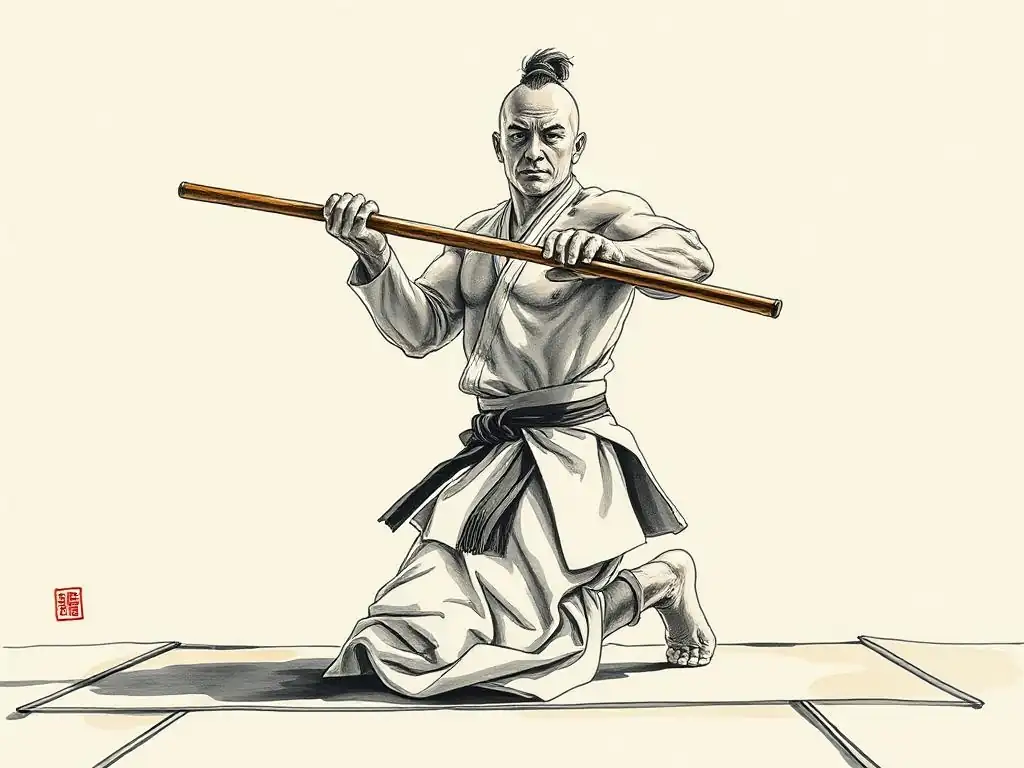
Adapting Aikido Training for Injury Rehabilitation: A Personalized Approach
Aikido's adaptability makes it a surprisingly effective tool for injury rehabilitation, provided training is modified appropriately under qualified guidance. For individuals recovering from injuries such as knee ligament sprains, shoulder impingement, or back issues, standard practice may be too strenuous initially.
However, the core principles and movements can be tailored to facilitate recovery, offering a unique set of Aikido injury prevention rehabilitation tips focused on healing. This might involve focusing solely on seated techniques ( suwari waza) to protect lower body injuries, practicing gentle, slow-motion movements ( ki no nagare) to restore range of motion, or using a partner for support rather than resistance.
A personalized rehabilitation program using Aikido principles might begin with solo exercises focusing on posture, balance, and gentle core engagement. As recovery progresses, adapted partner practice can introduce controlled movement, proprioception training, and gradual load-bearing. For example, someone recovering from a shoulder injury might focus on non-throwing techniques, practicing blending movements and gentle wrist releases at a reduced intensity, carefully monitoring pain levels. This phased approach allows individuals to regain strength, flexibility, and confidence within the supportive structure of Aikido training, making it a valuable part of a comprehensive rehabilitation strategy.
Aikido's Gentle Movements: Promoting Healing and Restoring Mobility
The fluid, circular nature of Aikido movements, emphasizing relaxation and continuous motion, is particularly beneficial for promoting healing and restoring mobility after injury. Unlike linear, repetitive exercises that can sometimes exacerbate inflammation, Aikido encourages smooth transitions and coordinated use of multiple joints and muscle groups. This helps to gently increase circulation to injured tissues, reduce stiffness, and improve synovial fluid production in joints, all of which are vital for the healing process. These qualities are central to utilizing Aikido injury prevention rehabilitation tips effectively.
Practices like funakogi undo (rowing exercise) or torifune undo (bird-felling exercise), common warm-ups, involve broad, flowing arm and body movements that can help restore range of motion in the shoulders and upper back without sudden jolts. Similarly, gentle hip rotations and stepping exercises improve lower body mobility and balance. These movements, performed mindfully and within a pain-free range, provide a therapeutic effect, helping the body remember efficient movement patterns and break cycles of guarding or compensatory movements that can occur after injury.
Aikido and Post-Injury Strength Training: Building Resilience and Preventing Re-injury
While not a traditional strength-training regimen in the bodybuilding sense, consistent Aikido practice inherently builds functional strength, particularly in the core, hips, and stabilizing muscles around joints. This type of strength, focused on coordination, balance, and efficient power transfer, is crucial for building resilience and preventing re-injury. As individuals progress in their rehabilitation, incorporating adapted Aikido movements helps strengthen the integrated kinetic chains used in daily activities, improving overall stability and control. This is a key component of long-term Aikido injury prevention rehabilitation tips.
For instance, maintaining a stable center during dynamic techniques strengthens the deep abdominal and back muscles. Ukemi practice builds strength and resilience in the shoulders, arms, and core. Even the focused grip required for certain techniques strengthens the hands and forearms. By gradually reintroducing these elements as part of a post-injury training plan, individuals can build the necessary physical foundation to return to full activity with reduced risk of the injury recurring. The focus is not on maximal lifts but on coordinated, functional strength that supports dynamic movement and stability.
Wendy Whited Sensei on the Mind-Body Connection in Aikido and Injury Management
The Importance of Mindfulness in Aikido Practice and Injury Prevention
Mindfulness, the practice of being fully present and aware of one's body, mind, and surroundings, is a critical element in Aikido practice and profoundly impacts injury prevention. Training in a state of heightened awareness allows practitioners to perceive subtle cues – their partner's tension, the angle of a joint, their own body's limitations – enabling them to react appropriately and avoid dangerous situations. This contrasts with training mindlessly or mechanically, where the risk of accident increases significantly. Integrating mindfulness is a core principle among effective Aikido injury prevention rehabilitation tips.
Sensei Whited often highlights that mindfulness on the mat extends beyond simply paying attention to techniques. It involves cultivating an internal awareness – listening to how the body feels, recognizing fatigue or discomfort early, and knowing when to modify training or rest. This self-awareness prevents pushing through pain in a way that could lead to injury. A mindful practitioner is also more attuned to their partner's state, ensuring mutual safety and fostering a responsible training environment. This conscious engagement is a powerful preventative measure against many common training mishaps.
Cultivating Awareness: Wendy Whited Sensei's Techniques for Recognizing and Responding to Pain
Cultivating body awareness is an ongoing process in Aikido, and Sensei Whited provides practical techniques for students to develop this crucial skill, especially concerning recognizing and responding to pain signals. She might incorporate exercises focusing purely on sensation, like feeling the connection to the ground or the flow of breath, to sharpen internal perception. Partner exercises might involve slow-motion practice with closed eyes to enhance proprioception and tactile sensitivity. These methods are integral to applying Aikido injury prevention rehabilitation tips effectively.
A key aspect of Sensei Whited's teaching on awareness is distinguishing between the discomfort of physical exertion or stretching and the sharp, warning signal of potential injury. She encourages students to pause, assess, and communicate any pain that feels "wrong" or persistent. Rather than viewing pain as a barrier, she frames it as valuable information from the body that requires a conscious, intelligent response – whether that means adjusting a technique, resting, or seeking advice. This proactive approach to pain management, rooted in heightened awareness, is vital for safe, sustainable training and successful rehabilitation.
Aikido's Mental Discipline: Overcoming Challenges and Promoting Recovery
Aikido practice demands significant mental discipline – focus, perseverance, patience, and the ability to remain calm under pressure. These mental attributes are not only essential for effective technique but are also invaluable when facing the challenges of injury and rehabilitation. Recovering from an injury requires resilience, the discipline to follow a rehabilitation plan, and the patience to accept a slower pace of progress. The mental training inherent in Aikido directly supports these qualities, offering unique Aikido injury prevention rehabilitation tips that extend beyond the physical.
The process of learning and refining Aikido techniques, which often involves repeated practice and overcoming frustration, builds mental fortitude. This resilience translates well to the rehabilitation journey, helping individuals stay motivated through setbacks and maintain a positive outlook. Furthermore, the philosophical emphasis on overcoming conflict through harmonious resolution can be applied internally – learning to work with the injured body rather than fighting against its limitations. This mental approach fosters acceptance and commitment, accelerating the recovery process and building psychological resilience against future physical challenges.
Practical Aikido Injury Prevention and Rehabilitation Tips from Wendy Whited Sensei

Warm-up Exercises for Aikido: Preparing the Body for Training
A thorough warm-up is non-negotiable for preventing injuries in any physical activity, and Aikido is no exception. Sensei Whited stresses the importance of gradually preparing the body for the dynamic movements, throws, and falls involved in practice. A typical Aikido warm-up should focus on increasing core body temperature, mobilizing joints, and activating key muscle groups used in techniques and ukemi. Implementing effective warm-ups is a fundamental aspect of Aikido injury prevention rehabilitation tips.
Recommended warm-up elements often include:
- Light cardiovascular activity (e.g., jogging in place, jumping jacks) for 5-10 minutes.
- Joint rotations (neck, shoulders, wrists, hips, knees, ankles) to increase range of motion.
- Dynamic stretches like leg swings, arm circles, and torso twists.
- Specific Aikido-related exercises such as funakogi undo (rowing), torifune undo (bird-felling), and ikkyo undo (first technique exercise) to engage core and prepare for specific movements.
These exercises ensure that muscles are warm and pliable, joints are lubricated, and the nervous system is prepared for the demands of training, significantly reducing the risk of strains, sprains, or other acute injuries.
Cool-down Techniques for Aikido: Aiding Recovery and Preventing Stiffness
Just as important as warming up is properly cooling down after Aikido practice. A cool-down helps the body transition from a state of high activity back to rest, aiding muscle recovery, reducing stiffness, and promoting flexibility. Neglecting a cool-down can leave muscles tight and sore, potentially increasing susceptibility to injury in subsequent training sessions. Incorporating cool-down routines is among the valuable Aikido injury prevention rehabilitation tips.
Effective cool-down techniques following Aikido training include:
- Gentle, slow movements to bring the heart rate down.
- Static stretching, holding stretches for 20-30 seconds, focusing on major muscle groups used (legs, hips, shoulders, back).
- Breathing exercises to calm the nervous system.
- Quiet reflection or meditation.
Holding stretches during the cool-down phase can improve long-term flexibility, which is crucial for executing Aikido techniques fluidly and safely, as well as for preventing muscle imbalances that can lead to chronic issues. Taking just 5-10 minutes to cool down properly can have a significant impact on recovery and injury prevention.
Aikido Stretches for Flexibility and Injury Prevention: Wendy Whited Sensei's Recommendations
Flexibility plays a crucial role in both performing Aikido techniques effectively and preventing injuries. Adequate range of motion in key joints allows for smoother, less restricted movement, reducing strain on muscles and connective tissues. Sensei Whited often recommends specific stretches targeting areas particularly important for Aikido practitioners. These are practical Aikido injury prevention rehabilitation tips focused on physical preparation.
Key areas to focus on for flexibility in Aikido include:
- Hips and Psoas: Essential for stable stances, turns ( tenkan), and entering movements ( irimi). Stretches like lunges and hip flexor stretches are beneficial.
- Shoulders and Chest: Needed for open posture, receiving techniques, and executing throws without excessive strain. Arm circles, chest stretches against a wall, and shoulder rotations are useful.
- Wrists and Forearms: Crucial for both applying and receiving wrist locks and pins safely. Gentle wrist circles, flexion, extension, and stretches for the forearm flexors and extensors are vital.
- Ankles: Important for stable footwork and kneeling postures. Ankle rotations and calf stretches help maintain mobility.
Regular stretching, ideally incorporated into both warm-up (dynamic) and cool-down (static) routines, helps maintain the flexibility needed for safe and effective Aikido practice, contributing significantly to long-term Aikido injury prevention rehabilitation tips and overall physical health.
Integrating Aikido Principles into Daily Life for Enhanced Well-being
Applying Aikido's Movement Principles to Everyday Activities
The principles of efficient body movement cultivated in Aikido – centeredness, relaxation, using the hips and core, blending with force – are not confined to the dojo. Applying these same principles to everyday activities can significantly reduce physical stress and prevent common aches and pains. This integration of Aikido injury prevention rehabilitation tips into daily routines enhances overall well-being.
Consider lifting a heavy object: instead of bending over from the waist and relying on back muscles (a common cause of injury), applying Aikido principles means lowering your center by bending your knees and hips, keeping your back straight, and lifting using the power of your legs and core. Similarly, standing with a centered, relaxed posture rather than slumping or tensing can alleviate back and neck strain. Even walking can be improved by focusing on smooth, grounded movement from the hips. Consciously applying these learned body mechanics throughout the day transforms mundane tasks into opportunities for mindful, low-impact movement.
Stress Reduction through Aikido: Promoting Physical and Mental Health
Chronic stress is a significant contributor to physical ailments, including muscle tension, headaches, weakened immune function, and increased susceptibility to injury. The physical and mental discipline of Aikido offers powerful tools for stress reduction, thereby promoting overall physical and mental health. This stress management aspect is a often overlooked but crucial element of Aikido injury prevention rehabilitation tips.
The physical exertion of training provides a healthy outlet for releasing tension. The focus required during practice interrupts the cycle of worrying thoughts, bringing the mind into the present moment. The emphasis on deep, controlled breathing in Aikido also helps to calm the nervous system. Furthermore, the supportive community environment often found in dojos provides social connection, another buffer against stress. By regularly engaging in Aikido, practitioners can lower stress levels, which in turn reduces physical tension and makes the body less vulnerable to stress-related injuries or exacerbation of existing conditions.
Aikido's Philosophy of Harmony: Cultivating Resilience and Preventing Future Injuries
Beyond the physical techniques, Aikido embodies a philosophy of harmony, non-resistance, and resolving conflict peacefully. Applying this philosophy to one's relationship with their own body and potential physical challenges cultivates resilience and provides a framework for preventing future injuries. This philosophical depth underpins the long-term effectiveness of Aikido injury prevention rehabilitation tips.
Viewing physical challenges or minor discomforts not as obstacles to be fought against, but as signals to be understood and harmonized with, allows for a more intelligent and sustainable approach to physical activity and recovery. This involves listening to the body's needs, respecting its limitations on any given day, and adjusting training accordingly – blending with the body's current state rather than forcing it into submission. This mindset fosters patience, self-compassion, and a long-term perspective on health and training, reducing the likelihood of pushing too hard or ignoring warning signs, thereby contributing to sustained well-being and injury prevention.
Conclusion: Aikido's Enduring Value in Injury Prevention and Rehabilitation
Through its unique principles of blending, centering, and harmonious movement, coupled with the crucial practice of ukemi and a strong emphasis on mindfulness, Aikido offers a comprehensive system with significant benefits for both preventing training injuries and supporting the rehabilitation process. The insights shared by experienced practitioners like Wendy Whited Sensei underscore that Aikido is more than just a martial art; it is a path to developing a resilient body and a disciplined, aware mind.
The focus on safe, efficient movement and the adaptable nature of its techniques make it particularly valuable for individuals seeking a sustainable approach to physical fitness and recovery, embodying effective Aikido injury prevention rehabilitation tips.
The journey in Aikido is one of continuous learning and refinement, not only of techniques but also of self-awareness and body mechanics. By integrating the physical, mental, and even philosophical aspects of Aikido, practitioners can cultivate a deeper understanding of their bodies' capabilities and limitations, leading to safer practice, more effective recovery from injuries, and enhanced overall well-being. The principles learned on the mat translate into a more harmonious interaction with the physical world, reducing strain and fostering resilience in daily life.
Wendy Whited Sensei's Legacy: Inspiring a Safe and Sustainable Aikido Practice
Wendy Whited Sensei's dedication to teaching Aikido with a strong emphasis on safety, proper body mechanics, and the art's healing potential has left a lasting impact on her students and the wider Aikido community. Her approach highlights that technical proficiency need not come at the expense of physical well-being, and indeed, that a mindful, injury-conscious practice ultimately leads to deeper understanding and greater longevity in the art. Her insights provide a valuable resource for those seeking practical Aikido injury prevention rehabilitation tips rooted in decades of experience.
By championing safe ukemi, emphasizing efficient movement, and fostering a culture of mutual care and awareness in the dojo, Sensei Whited has helped countless individuals train effectively while minimizing risk. Her legacy is one of empowering practitioners to take responsibility for their own safety and that of their partners, demonstrating that Aikido can be a lifelong pursuit that enhances, rather than detracts from, physical health and vitality. Her teachings continue to inspire a generation of practitioners committed to the art's full potential, including its profound benefits for physical maintenance and recovery.
Further Resources for Aikido Training and Injury Management
For those interested in exploring Aikido for injury prevention and rehabilitation, seeking out qualified instruction is paramount. Reputable dojos led by experienced instructors who prioritize safety and foundational principles can provide the necessary guidance to practice effectively and minimize risk. Look for instructors who emphasize proper warm-ups, detailed ukemi instruction, and mindful practice, and who are willing to discuss adapting training to individual needs, especially if you are recovering from a prior injury.
Additional resources that can complement Aikido training include literature on body mechanics, anatomy, and sports science tailored for martial artists. While specific recommendations are beyond the scope here, exploring general resources on safe training practices, flexibility routines, and the principles of functional movement can deepen your understanding of how your body works and how to protect it. Engaging with experienced practitioners and instructors within a supportive dojo environment remains one of the most valuable ways to gain practical knowledge and ensure a safe, beneficial Aikido journey focused on Aikido injury prevention rehabilitation tips.
Frequently Asked Questions
What are the primary Aikido techniques that contribute to injury prevention?
Aikido emphasizes yielding and redirecting force, which can significantly reduce the impact on the body. Proper ukemi (breakfalling) is crucial for absorbing falls and minimizing injury risk.
How does Aikido differ from other martial arts in its approach to rehabilitation after an injury?
Unlike some martial arts that focus on aggressive power, Aikido emphasizes gentle movements and controlled techniques, making it suitable for rehabilitation. It prioritizes restoring range of motion and rebuilding strength without excessive strain.
What role does Shihan Donovan Waite play in promoting Aikido for injury prevention and rehabilitation?
Shihan Waite is a leading figure who champions Aikido's benefits for injury prevention and recovery. He provides specialized training and guidance, emphasizing safe practice and mindful movement.
What are some specific exercises or drills recommended in Aikido for building resilience against injuries?
Aikido training includes exercises that improve flexibility, balance, and coordination. Ukemi drills are essential for learning how to fall safely and distribute impact, reducing the risk of injuries.
Can Aikido be practiced by individuals with pre-existing injuries, and if so, what modifications might be necessary?
Yes, Aikido can often be adapted for individuals with pre-existing injuries. Modifications to techniques and training intensity are made based on individual needs and limitations, often under the guidance of a qualified instructor.
Final Reflection: Embracing Harmony for a Healthier Future
The principles of Aikido, as illuminated by Shihan Donovan Waite, extend far beyond the dojo, offering profound insights into body mechanics, mindfulness, and resilience applicable to everyday life. This is particularly relevant today, as we increasingly seek holistic approaches to injury prevention and rehabilitation, moving beyond reactive treatments to proactive strategies for well-being.
Aikido's emphasis on blending with force, rather than opposing it, has deeply influenced my understanding of movement and its potential for healing. It's a reminder that true strength lies not in brute force, but in adaptability and awareness. The body is your temple. Keep it pure and holy, for the soul resides therein.
This quote, often attributed to B.K.S. Iyengar, resonates strongly with Aikido's philosophy of respecting and nurturing the body through mindful movement and balanced energy.
As we conclude, I invite you to consider how the principles of Aikido – centering, balance, and harmonious movement – can be integrated into your own life. Whether you're seeking to prevent injuries, rehabilitate from existing ones, or simply cultivate a deeper connection with your body, remember that the path to well-being begins with awareness and a commitment to moving with intention. Embrace the harmony within, and unlock your potential for a healthier, more resilient future.
Unlock Your Potential: Embrace Aikido for a Stronger You!
Thank you for diving into the world of Aikido and its incredible benefits for injury prevention and rehabilitation. We hope you found Shihan Donovan Waite’s insights as enlightening and motivating as we did. Now, it’s time to put that knowledge into action!
Here are some ways you can start experiencing the Aikido advantage:
- Find a qualified Aikido instructor near you and book an introductory class. Your journey to improved well-being starts with a single step (or roll!).
- Explore online resources and videos to familiarize yourself with basic Aikido principles and movements. Consider subscribing to related content on Martial Arts Mastery to deepen your learning.
- Share this article with friends or family who might benefit from Aikido's unique approach to movement and well-being – let's build a stronger, healthier community together!
What's one small change you can make this week to incorporate Aikido principles into your daily life, even without stepping onto the mat?