
Kung Fu for Health and Longevity: Sifu Share K. Lew on Ancient Practices for Modern Life

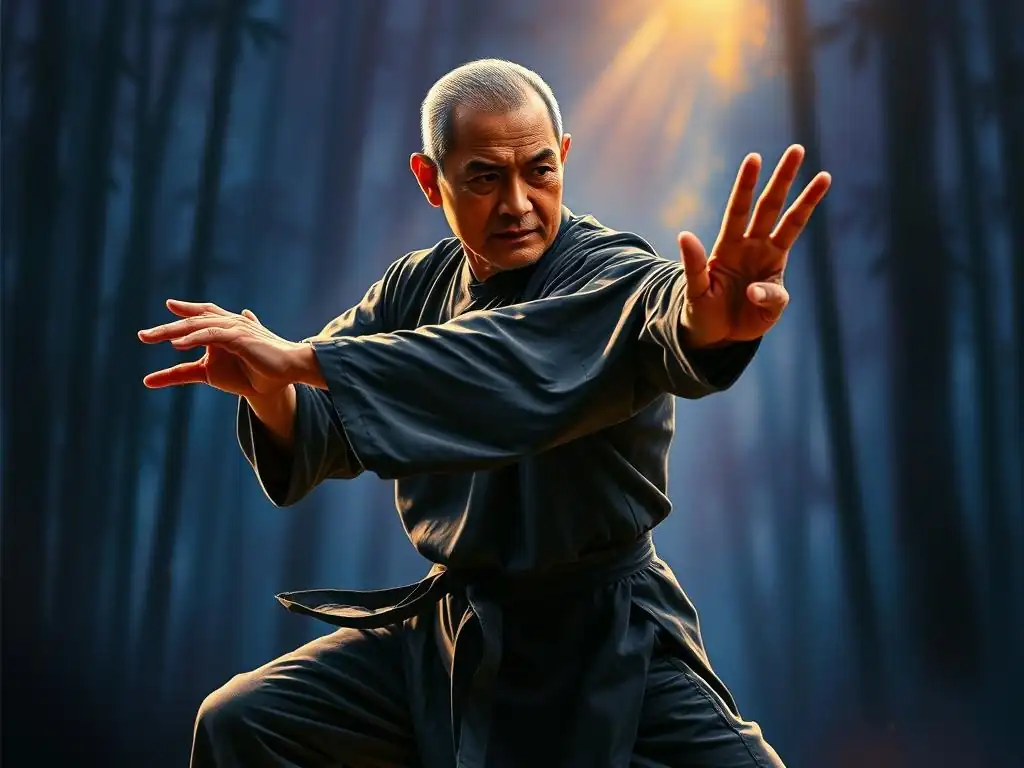
Welcome to Martial Arts Mastery, where the wisdom of ages meets the challenges of today. Ever wondered if the secrets to a longer, healthier life are hidden within the ancient movements of Kung Fu? Dive into our exclusive interview with Sifu Share K. Lew as we unlock the Kung fu health longevity benefits and explore how these time-honored practices can revitalize your modern life. Prepare to be enlightened and inspired to embark on your own journey towards wellness through the art of Kung Fu!
- Tai Chi Chuan for Health and Longevity: Master Li Deyin on Ancient Practices for Modern Life
- Introduction: Master Li Deyin and the Pursuit of Tai Chi Chuan Health Longevity
- The Historical Roots of Tai Chi Chuan and its Health Benefits
- Master Li Deyin's Approach to Tai Chi Chuan for Wellness
- Tai Chi Chuan Training for Enhanced Physical Health
- Tai Chi Chuan and Mental Well-being: Stress Reduction and Mindfulness
- Practical Tai Chi Chuan Exercises for Daily Health and Longevity
- Tai Chi Chuan as a Lifelong Path to Wellness: Master Li Deyin's Advice
- Understanding the Relationship Between Tai Chi Chuan and Longevity
- Conclusion: Embracing Tai Chi Chuan for a Healthier, Longer Life with Master Li Deyin
-
Frequently Asked Questions
- What are some of the key health benefits associated with practicing Kung Fu?
- How does Kung Fu contribute to longevity, according to Sifu Share K. Lew?
- What aspects of Kung Fu training promote mental well-being?
- Does Kung Fu offer practical self-defense benefits in addition to health and longevity?
- Where can I learn more about the historical context of Kung Fu's health and longevity practices?
- Final Reflection: Embracing Kung Fu's Timeless Wisdom
- Unlock Your Inner Warrior: Start Your Kung Fu Journey Today!
Tai Chi Chuan for Health and Longevity: Master Li Deyin on Ancient Practices for Modern Life
Introduction: Master Li Deyin and the Pursuit of Tai Chi Chuan Health Longevity
Tai Chi Chuan, often simply called Tai Chi, is a centuries-old internal martial art that has gained global recognition not only for its self-defense applications but, perhaps even more so in recent decades, for its profound benefits for health and longevity. Originating in China, this practice involves slow, deliberate movements, deep breathing, and focused mental awareness.
It is a discipline that harmonizes the body and mind, offering a holistic approach to well-being that resonates deeply in our fast-paced modern world. The pursuit of Tai Chi Chuan health longevity is a journey embraced by millions seeking a balanced and vital life.
Among the prominent figures championing the health aspects of Tai Chi Chuan is Master Li Deyin. A renowned practitioner and teacher, Master Li Deyin has dedicated his life to preserving and disseminating the art, particularly focusing on its capacity to enhance physical vitality, mental clarity, and emotional balance. His teachings bridge the gap between traditional wisdom and contemporary scientific understanding, making the ancient practice accessible and relevant for achieving Tai Chi Chuan health longevity in the 21st century. His insights offer a valuable perspective on how these time-tested methods can contribute significantly to a longer, healthier life.
The Historical Roots of Tai Chi Chuan and its Health Benefits
Tai Chi Chuan's Origins: More Than Just Martial Art
Tai Chi Chuan's origins are steeped in history, generally traced back to the 17th century in Chen Village, China. While various legends exist, historical evidence points to the Chen family style as the foundational form. Initially, it was primarily developed as a sophisticated martial art, emphasizing principles like yielding, redirecting force, and explosive power (Fa Jin). Its complex techniques included strikes, joint locks, and throws, requiring significant physical prowess and strategic thinking. The focus was undeniably on combat effectiveness, utilizing internal energy (Qi) and specific body mechanics for practical self-defense.
However, even in its earliest forms, aspects of Tai Chi Chuan were recognized for their health-promoting qualities. The practice's emphasis on relaxed movement, deep abdominal breathing, and mental calm naturally fostered improved circulation, reduced stress, and enhanced overall vitality among practitioners. Martial artists often found that consistent training not only honed their fighting skills but also led to better health, faster recovery from injuries, and increased stamina. This early recognition laid the groundwork for the later development of Tai Chi Chuan specifically as a health and wellness practice, highlighting its inherent Tai Chi Chuan health longevity benefits.
The Development of Tai Chi Chuan as a Health Practice
Over centuries, as Tai Chi Chuan spread beyond the Chen family, various styles emerged, including Yang, Wu, Sun, and others. With this evolution came a gradual shift in focus for many practitioners and teachers. While the martial applications remained integral, the health and philosophical dimensions became increasingly emphasized, particularly in the 20th century.
This was partly driven by a desire to make the practice accessible to a broader population, including those not interested in martial combat but seeking health improvements. Standardized forms, like the 24-form Beijing Tai Chi Chuan, were developed specifically for health and public promotion, simplifying complex movements for easier learning.
This period saw extensive study and documentation of Tai Chi Chuan's health benefits. Research began to explore its impact on chronic conditions, stress, balance, and mobility.
For instance, studies published in journals like the New England Journal of Medicine (2010) demonstrated that Tai Chi could significantly improve balance and prevent falls in older adults, showing a 47.6% reduction in falls compared to a control group. This growing body of evidence solidified Tai Chi Chuan's reputation as a powerful tool for wellness, distinct from its martial origins, yet still drawing upon the same core principles of harmony and internal energy cultivation crucial for Tai Chi Chuan health longevity.
Traditional Chinese Medicine Principles in Tai Chi Chuan Training
Tai Chi Chuan is deeply intertwined with the principles of Traditional Chinese Medicine (TCM). At its core, TCM views health as a state of balance and harmonious flow of Qi (vital energy) through meridians in the body. Illness is seen as a blockage or imbalance of this energy.
Tai Chi Chuan practice directly addresses this by promoting smooth and unobstructed Qi flow. The slow, continuous movements, combined with deep, regulated breathing, are designed to cultivate, circulate, and balance Qi, nourishing the internal organs and enhancing overall vitality. This connection to energy cultivation is fundamental to understanding Tai Chi Chuan health longevity.
Furthermore, Tai Chi Chuan movements often correspond to specific meridian pathways and organ systems, according to TCM theory. For example, movements might focus on opening the chest area to benefit the lungs, or gentle twisting motions might stimulate the digestive organs.
The mental component, involving focused awareness and a calm mind, is also considered crucial in TCM for harmonizing the spirit (Shen) and reducing the impact of emotional imbalances, which are believed to disrupt Qi flow. By integrating physical movement, breath control, and mental focus within a framework aligned with TCM, Tai Chi Chuan offers a potent practice for maintaining internal harmony and promoting long-term health.
Master Li Deyin's Approach to Tai Chi Chuan for Wellness
Integrating Traditional Tai Chi Chuan with Modern Health Practices
Master Li Deyin is renowned for his ability to teach traditional Tai Chi Chuan forms while also articulating their benefits in terms understandable within a modern health context. He emphasizes that the ancient principles of Tai Chi Chuan, such as relaxation, rootedness, and smooth movement, are not just abstract concepts but directly translate to tangible physical and mental health improvements. His teaching often incorporates explanations of how specific movements impact posture, joint health, muscle strength, and cardiovascular function, aligning traditional wisdom with contemporary physiological knowledge.
His approach makes Tai Chi Chuan accessible to individuals from diverse backgrounds and fitness levels, including those with pre-existing health conditions. Master Li Deyin's lineage includes simplified and modified forms, making the practice less intimidating while retaining its core health benefits. This integration allows students to understand not just how to perform the movements but why they are beneficial from both a traditional energy perspective and a modern scientific viewpoint, fostering a deeper commitment to the practice for Tai Chi Chuan health longevity.
The Importance of Qigong and Internal Energy in Tai Chi Chuan
For Master Li Deyin, the concept of Qi and the practice of Qigong (energy cultivation exercises) are inseparable from Tai Chi Chuan, especially when focusing on health and longevity. He teaches that Tai Chi Chuan is, in essence, a moving form of Qigong. The slow, continuous flow of movements, coordinated with deep, natural breathing, is specifically designed to cultivate and circulate internal energy. This internal work is what distinguishes Tai Chi Chuan from mere physical exercise; it's about building internal vitality and resilience.
Master Li Deyin often incorporates specific Qigong exercises into his teaching curriculum, either as warm-ups or supplementary practices. These exercises, such as the Eight Brocades (Ba Duan Jin) or the Five Animal Frolics (Wu Qin Xi), focus more explicitly on breath control and static or repetitive movements aimed at specific energy pathways or organ systems. By emphasizing Qigong and the cultivation of Qi, Master Li Deyin guides students towards a deeper understanding and experience of the internal power aspect of Tai Chi Chuan, which he views as crucial for unlocking its full potential for Tai Chi Chuan health longevity.
Master Li Deyin's Philosophy on Longevity Through Tai Chi Chuan
Master Li Deyin views Tai Chi Chuan not just as a set of exercises but as a holistic lifestyle practice that nurtures both the body and the mind, paving the way for longevity. His philosophy centers on the idea that consistent, mindful practice helps to maintain the body's natural state of balance and harmony, thus preventing illness and slowing the aging process. He teaches that the gentle, low-impact nature of Tai Chi Chuan makes it sustainable throughout life, allowing practitioners to remain active and vital well into old age.
He often speaks about the importance of cultivating calmness and reducing stress through Tai Chi Chuan, recognizing the detrimental effects of chronic stress on long-term health. By fostering a peaceful mind and a relaxed body, the practice supports the optimal functioning of all internal systems. Master Li Deyin's teaching embodies the belief that true Tai Chi Chuan health longevity comes from nurturing one's internal energy, maintaining physical flexibility and strength, and cultivating mental tranquility, creating a virtuous cycle of well-being that supports a long and vibrant life.
Tai Chi Chuan Training for Enhanced Physical Health
Improving Cardiovascular Health with Tai Chi Chuan
Regular Tai Chi Chuan practice offers significant benefits for cardiovascular health, despite its low-impact nature. The continuous, flowing movements and emphasis on deep, abdominal breathing help to gently elevate the heart rate and improve circulation without putting excessive strain on the heart or joints.
Studies have shown that Tai Chi can be an effective exercise modality for individuals with cardiovascular conditions, including hypertension. For instance, a meta-analysis of studies published in the Journal of the American Heart Association (2017) found that Tai Chi practice was associated with reductions in systolic blood pressure by an average of 9.12 mmHg and diastolic blood pressure by 5.01 mmHg in hypertensive patients.
This non-strenuous form of aerobic exercise helps to strengthen the heart muscle, improve blood flow, and increase oxygen uptake over time. The meditative aspect also contributes by reducing stress hormones like cortisol, which are known risk factors for heart disease. The gentle, rhythmic nature of the practice makes it an ideal form of exercise for promoting heart health across a wide range of ages and fitness levels, contributing directly to improved Tai Chi Chuan health longevity outcomes.
Strengthening Muscles and Bones Through Tai Chi Chuan Practice
While Tai Chi Chuan movements are slow and gentle, they effectively engage and strengthen major muscle groups throughout the body. The postures often require maintaining a stable, grounded stance with slightly bent knees, which builds strength in the legs, thighs, and core muscles. The coordinated movements of the arms and torso improve strength and endurance in the upper body and back. This form of strength training is particularly beneficial as it works muscles synergistically rather than in isolation, promoting balanced muscular development.
Furthermore, the weight-bearing nature of standing and shifting weight during Tai Chi Chuan helps to improve bone density, which is crucial for preventing osteoporosis, especially in older adults. A study published in the Archives of Internal Medicine (2004) found that postmenopausal women who practiced Tai Chi for 12 months showed significantly slower rates of bone loss compared to a control group. The gentle resistance provided by moving through the air and maintaining postures challenges the musculoskeletal system sufficiently to stimulate bone growth and maintenance, contributing to improved structural integrity and supporting Tai Chi Chuan health longevity.
Enhancing Flexibility and Balance for Overall Well-being
Flexibility and balance are key components of physical health, particularly important for preventing injuries and maintaining mobility as one ages. Tai Chi Chuan excels in improving both. The slow, controlled movements involve large ranges of motion in the joints, gently stretching muscles and ligaments and increasing overall flexibility. The emphasis on relaxation prevents tension that can restrict movement, allowing for a greater ease and fluidity in the body.
Balance is perhaps one of the most widely recognized benefits of Tai Chi Chuan. The practice involves shifting weight deliberately from one leg to the other, maintaining a stable center of gravity, and coordinating upper and lower body movements. This trains proprioception – the body's sense of its position in space – and strengthens the muscles responsible for stability.
Research consistently shows significant improvements in balance among Tai Chi practitioners. For example, a 2017 review in the Journal of Gerontology confirmed Tai Chi's effectiveness in reducing falls risk in older adults. Enhanced flexibility and balance reduce the risk of falls, a major cause of injury and disability, directly contributing to a higher quality of life and supporting Tai Chi Chuan health longevity.
Tai Chi Chuan and Mental Well-being: Stress Reduction and Mindfulness
The Meditative Aspects of Tai Chi Chuan Training
Tai Chi Chuan is often described as "meditation in motion." The practice requires focused attention on the body's movements, breath, and internal sensations, drawing the practitioner's awareness away from daily worries and distractions. This intense focus on the present moment is a core principle of mindfulness meditation. As practitioners move through the forms, they cultivate a state of calm concentration, observing thoughts and feelings without judgment, allowing the mind to settle and become still.
This active form of meditation provides a unique pathway to mental tranquility. Unlike seated meditation, the gentle physical activity can make it easier for some individuals to quiet the "monkey mind." The repetitive, flowing nature of the movements creates a rhythm that can be deeply calming, inducing a state similar to that achieved in traditional meditation practices. This meditative aspect is fundamental to Tai Chi Chuan health longevity, addressing the mental and emotional components of well-being alongside the physical.
Cultivating Mental Focus and Discipline Through Tai Chi Chuan
Practicing Tai Chi Chuan requires significant mental focus and discipline. Learning the intricate sequence of movements, coordinating them with breath, and maintaining awareness of posture and balance demands concentration. This mental engagement helps to sharpen cognitive function, improve memory, and enhance the ability to concentrate. Over time, the discipline required to practice consistently translates into improved self-control and mental fortitude in other areas of life.
Mastering even a short Tai Chi form takes dedication and perseverance. This process builds mental resilience and patience. The practice encourages a state of relaxed alertness, where the mind is focused yet calm, ready to respond without tension. This cultivation of focused discipline is a valuable skill that extends beyond the training hall, contributing to improved mental performance and emotional regulation in daily life, further supporting Tai Chi Chuan health longevity.
Reducing Stress and Anxiety with Tai Chi Chuan Techniques
One of the most immediate and widely reported benefits of Tai Chi Chuan is its effectiveness in reducing stress and anxiety. The combination of gentle movement, deep breathing, and focused mindfulness helps to activate the body's relaxation response, counteracting the physiological effects of stress. Regular practice lowers levels of stress hormones like cortisol and adrenaline, leading to a calmer nervous system.
Studies have consistently demonstrated Tai Chi's positive impact on mood and stress reduction. For example, a review in the Journal of Psychiatric Research (2018) found that Tai Chi significantly reduced symptoms of anxiety and depression. The physical release of tension through movement, coupled with the mental release achieved through meditation, provides a powerful antidote to the pressures of modern life. By providing a reliable method for managing stress and anxiety, Tai Chi Chuan practice directly contributes to improved mental well-being and supports overall Tai Chi Chuan health longevity.
Practical Tai Chi Chuan Exercises for Daily Health and Longevity
Simple Tai Chi Chuan Stretches for Increased Flexibility
Incorporating simple Tai Chi-inspired stretches into a daily routine can significantly improve flexibility and range of motion. These stretches are typically slow, gentle, and focus on relaxing into the stretch rather than forcing it.
- Spinal Twist: Standing with feet shoulder-width apart, gently rotate the torso from side to side, allowing the arms to swing loosely. This helps to release tension in the back and improve spinal mobility.
- Cloud Hands Stretch: While standing, imagine holding a large ball and gently shift weight from one leg to the other, moving the hands in circular patterns in front of the body. This stretches the shoulders, arms, and waist.
- Leg Swings: Holding onto a support, gently swing one leg forward and backward, then side to side. This improves flexibility in the hips and hamstrings.
- Ankle and Wrist Circles: Gentle rotations of the ankles and wrists in both directions improve mobility in these crucial joints.
These simple movements, performed mindfully with coordinated breathing, can take just a few minutes each day but contribute significantly to maintaining flexible joints and muscles, essential for mobility and preventing injuries throughout life and supporting Tai Chi Chuan health longevity.
Qigong Breathing Exercises for Energy Enhancement
Breathing is central to both Tai Chi Chuan and Qigong, considered the primary way to cultivate and regulate Qi. Practicing specific breathing exercises can enhance energy levels, calm the mind, and improve overall vitality.
- Abdominal Breathing (Diaphragmatic Breathing): Inhale deeply through the nose, allowing the abdomen to expand. Exhale slowly through the mouth or nose, allowing the abdomen to contract. Focus on making the breath smooth, deep, and continuous. Aim for 6-8 deep breaths per minute.
- Reverse Breathing: Inhale, drawing the abdomen slightly inward while expanding the chest. Exhale, allowing the abdomen to relax outward. This technique is more advanced and is often used in martial applications, but can also help cultivate internal pressure and energy.
- Coordinating Breath with Movement: As you practice Tai Chi Chuan movements, inhale during expansive or rising movements and exhale during contracting or sinking movements. This synchronization harmonizes breath with action, enhancing Qi flow.
Regular practice of these breathing techniques improves lung capacity, calms the nervous system, and cultivates a sense of internal energy and peace, vital components for achieving Tai Chi Chuan health longevity.
Basic Tai Chi Chuan Movements for Strength and Coordination
Even learning just a few basic Tai Chi Chuan movements can provide substantial benefits for strength, balance, and coordination. These movements emphasize slow, controlled execution and precise weight shifts.
- Ward Off (Peng): A foundational movement involving stepping forward and extending an arm with a slight outward curve, accompanied by a corresponding shift of weight. This builds leg strength and teaches proper weight distribution.
- Roll Back (Lu): Following Ward Off, this movement involves yielding backward while redirecting an imaginary force. It trains balance and the ability to neutralize energy.
- Press (Ji): A two-handed pushing movement, often following Roll Back. It strengthens the arms, shoulders, and core while teaching coordinated power generation from the legs and waist.
- Push (An): A final pushing movement, often with open palms. It further develops leg strength, balance, and the ability to project energy forward.
Practicing these four basic movements (often called the "Four Primary Techniques" or "Four Gates") teaches core Tai Chi principles, builds foundational strength and balance, and provides a tangible starting point for experiencing the physical benefits that contribute to Tai Chi Chuan health longevity.
Tai Chi Chuan as a Lifelong Path to Wellness: Master Li Deyin's Advice
Maintaining a Consistent Tai Chi Chuan Practice for Long-Term Health
Master Li Deyin emphasizes that the key to unlocking the full Tai Chi Chuan health longevity benefits is consistency. While even occasional practice can offer some stress relief, the cumulative effects on physical strength, flexibility, balance, cardiovascular health, and mental well-being are realized through regular, dedicated training over time. He often advises students to aim for daily practice, even if only for 15-20 minutes.
Establishing a routine helps to integrate Tai Chi Chuan into one's lifestyle, making it as natural as eating or sleeping. This consistent effort allows the body and mind to gradually adapt and improve, reinforcing positive health changes. Master Li Deyin teaches that the benefits deepen with years of practice; what begins as simple movement evolves into a profound cultivation of internal energy and harmony, laying a strong foundation for long-term health and vitality.
Adapting Tai Chi Chuan Training to Different Age Groups
One of the remarkable aspects of Tai Chi Chuan is its adaptability, making it suitable for people of all ages and physical conditions. Master Li Deyin's teachings reflect this, offering variations that can be modified to suit different needs. For children, it can be a fun way to develop coordination and focus. For younger adults, it provides a low-impact method for stress reduction and fitness.
For older adults or those with limited mobility, modified or seated versions of Tai Chi Chuan are widely practiced and highly beneficial. These adaptations retain the core principles of slow movement, deep breathing, and mental focus, providing significant improvements in balance, flexibility, and strength, reducing the risk of falls, and maintaining cognitive function. Tai Chi Chuan's gentle nature ensures it can be a safe and effective practice for maintaining health and supporting Tai Chi Chuan health longevity throughout the entire lifespan.
While often practiced individually, Tai Chi Chuan also has a strong community component, which Master Li Deyin recognizes as contributing to overall well-being. Practicing in groups, whether in parks, community centers, or online classes, provides social interaction and a sense of belonging. This social connection is increasingly recognized as vital for mental and emotional health, particularly in preventing isolation and loneliness in older populations.
Learning and practicing together fosters mutual support, shared experience, and motivation. Students can learn from each other and their instructor, creating a positive and encouraging environment. This community aspect adds another layer to the Tai Chi Chuan health longevity equation, demonstrating that the practice nourishes not just the individual body and mind, but also connects individuals within a supportive social fabric, enhancing psychological well-being alongside physical health.
Understanding the Relationship Between Tai Chi Chuan and Longevity
Tai Chi Chuan's Impact on Cellular Health and Aging
The connection between Tai Chi Chuan and longevity extends beyond visible physical improvements to potentially influence cellular health and the aging process itself. Research is beginning to explore how the practice might impact biological markers associated with aging. Chronic inflammation, for example, is a key contributor to age-related diseases. Studies suggest that regular Tai Chi practice can help reduce inflammatory markers in the body. A 2014 study published in the journal Psychoneuroendocrinology found that Tai Chi reduced inflammatory responses in older adults.
Furthermore, the stress reduction achieved through Tai Chi may help preserve telomere length. Telomeres are protective caps on chromosomes, and their shortening is associated with aging and disease. By mitigating the effects of stress, which is known to accelerate telomere shortening, Tai Chi Chuan could potentially play a role in maintaining cellular vitality. While research in this area is ongoing, these findings hint at the possibility that Tai Chi Chuan's benefits for Tai Chi Chuan health longevity operate at a fundamental biological level.
The Role of Diet and Lifestyle in Maximizing Tai Chi Chuan's Benefits
Master Li Deyin and other masters often emphasize that Tai Chi Chuan is most effective when integrated into a healthy lifestyle. While the practice itself offers significant benefits, its effects are amplified when combined with a balanced diet, adequate sleep, and avoidance of detrimental habits like smoking or excessive alcohol consumption. A nutritious diet provides the body with the fuel needed for energy cultivation and repair, while sufficient sleep allows the body to rest and regenerate.
Living a balanced lifestyle supports the body's natural healing processes and optimizes the flow of Qi that Tai Chi Chuan aims to cultivate. For instance, poor diet or lack of sleep can create internal imbalances that even consistent Tai Chi practice may struggle to fully counteract. Therefore, viewing Tai Chi Chuan as one pillar supporting overall wellness, alongside other healthy choices, is crucial for maximizing its potential contributions to Tai Chi Chuan health longevity.
Biomarker Analysis of Tai Chi Chuan Practitioners and Longevity
Biomarker analysis provides objective data on the physiological effects of Tai Chi Chuan. Studies have looked at various biomarkers in practitioners compared to non-practitioners. These include measures of immune function, such as increased T-cell counts, which are vital for fighting off infections and diseases. Research in Medicine & Science in Sports & Exercise (2007) showed that Tai Chi practitioners had improved immune responses to vaccination compared to a control group.
Other biomarkers investigated include indicators of cardiovascular health (like cholesterol and blood pressure), bone density markers, and even markers related to brain health and cognitive function. While comprehensive long-term studies directly linking Tai Chi practice to specific longevity biomarkers across large populations are still developing, existing research consistently shows positive impacts on numerous physiological markers associated with good health and reduced risk of age-related diseases. This growing body of evidence from biomarker analysis provides scientific support for the traditional claims of Tai Chi Chuan health longevity.
Conclusion: Embracing Tai Chi Chuan for a Healthier, Longer Life with Master Li Deyin
Tai Chi Chuan, as illuminated by masters like Li Deyin, is far more than just a series of graceful movements; it is a profound practice for cultivating health, balance, and longevity. Its historical roots as a martial art have evolved to embrace a powerful focus on wellness, integrating principles of Traditional Chinese Medicine with gentle physical exercise, deep breathing, and mindful meditation. Master Li Deyin's approach effectively bridges ancient wisdom and modern understanding, making this transformative practice accessible for contemporary life.
From improving cardiovascular health, strengthening muscles and bones, and enhancing flexibility and balance, to significantly reducing stress, anxiety, and cultivating mental focus, the physical and mental benefits of Tai Chi Chuan are well-documented and widely experienced. Simple daily exercises, combined with consistent practice, offer a sustainable path to improved vitality at any age.
When integrated into a healthy lifestyle, Tai Chi Chuan's potential impact on cellular health and its support for positive biomarkers underscore its role as a powerful tool for fostering Tai Chi Chuan health longevity. Embracing Tai Chi Chuan offers a holistic and enjoyable way to navigate the journey towards a healthier, longer, and more vibrant life.
Frequently Asked Questions
What are some of the key health benefits associated with practicing Kung Fu?
Kung Fu offers a range of physical benefits, including improved cardiovascular health, increased strength and flexibility, and enhanced coordination and balance. It can also contribute to weight management and improved posture.
Sifu Lew emphasizes Kung Fu's holistic approach, combining physical exercise with mental discipline and spiritual cultivation. This combination reduces stress, promotes mental clarity, and fosters overall well-being, contributing to a longer, healthier life.
What aspects of Kung Fu training promote mental well-being?
Kung Fu training emphasizes focus and concentration, cultivating mindfulness and reducing stress. The meditative aspects of certain forms and breathing exercises further enhance mental clarity and emotional stability.
Does Kung Fu offer practical self-defense benefits in addition to health and longevity?
Yes, Kung Fu is a highly effective self-defense system. It teaches practical techniques for striking, grappling, and evasion, empowering practitioners to protect themselves in real-world situations.
Where can I learn more about the historical context of Kung Fu's health and longevity practices?
MartialArtsMastery.org provides historical overviews of various Kung Fu styles and their origins. Researching specific styles and lineages can reveal more about the development of their health and longevity practices over time.
Final Reflection: Embracing Kung Fu's Timeless Wisdom
The exploration of Kung Fu's health and longevity benefits, as illuminated by Sifu Share K. Lew, reveals that ancient practices hold profound relevance in our modern lives. The principles of mindful movement, breath control, and holistic well-being, once integral to Kung Fu training, offer a powerful antidote to the stresses and imbalances of contemporary society. This isn't just about physical prowess; it's about cultivating a deeper connection with ourselves and the world around us.
The enduring influence of Kung Fu extends far beyond the martial arts studio. It shapes our understanding of discipline, resilience, and the interconnectedness of mind, body, and spirit. Personally, I've found that the principles of Kung Fu, particularly the emphasis on balance and internal energy, resonate deeply with my own pursuit of a healthier and more fulfilling life. The journey of a thousand miles begins with a single step.
This ancient proverb perfectly encapsulates the essence of Kung Fu's approach to health and longevity: consistent, mindful effort yields remarkable results.
Now, consider how you can integrate these timeless principles into your own life. Whether it's through dedicated Kung Fu training, mindful movement practices like Tai Chi, or simply incorporating moments of stillness and breath awareness into your daily routine, the path to enhanced health and longevity is open to all. Embrace the wisdom of the ancients, and discover the transformative power of Kung Fu for yourself.
Unlock Your Inner Warrior: Start Your Kung Fu Journey Today!
Thank you for diving into the world of Kung Fu and its incredible health benefits. Now that you've discovered how this ancient practice can enhance your modern life, it's time to take action and experience the transformation firsthand.
Here's how to begin:
- Find a qualified Sifu or Kung Fu school near you and schedule an introductory class. This is your most important step towards unlocking the physical and mental benefits of Kung Fu!
- Explore supplemental practices like Qigong and meditation to deepen your understanding of energy flow and mindfulness.
- Share this article with friends and family who might benefit from learning more about Kung Fu's holistic approach to well-being.
What's one small change you can make today to bring the principles of Kung Fu into your daily routine for better health?