
Pain Management Through Mindfulness: A Martial Artist's Secret Weapon

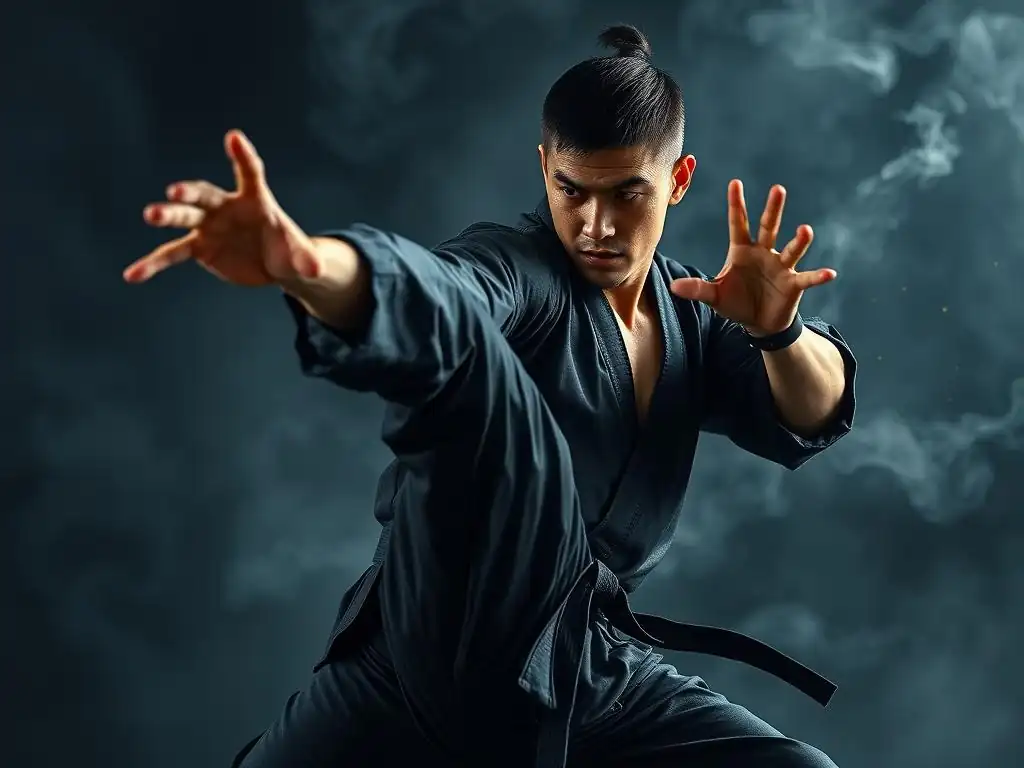
Welcome to Martial Arts Mastery, your gateway to unlocking the profound depths of combat traditions worldwide. Ever wondered how legendary martial artists endure rigorous training and overcome debilitating pain? Dive into our exploration of Mindfulness for martial arts pain, a powerful tool that blends ancient wisdom with modern techniques to enhance performance and resilience. Discover the secret weapon that empowers practitioners to transcend physical limitations and achieve true mastery.
- Introduction: The Martial Artist's Relationship with Pain and Mindfulness
- Understanding Pain: A Deeper Dive for Martial Artists
- Mindfulness Techniques for Martial Arts Pain Relief
- The Benefits of Mindfulness for Martial Arts Performance and Recovery
- Integrating Mindfulness into Your Martial Arts Routine: A Practical Guide
- Case Studies: Martial Artists Who Have Successfully Used Mindfulness for Pain Management
- Overcoming Challenges and Common Misconceptions About Mindfulness for Pain
- Conclusion: Embracing Mindfulness as a Path to Enhanced Well-being and Martial Arts Mastery
-
Frequently Asked Questions
- How can mindfulness help manage pain in martial arts?
- What specific mindfulness practices are beneficial for martial artists dealing with pain?
- Does mindfulness eliminate pain entirely, or does it just help manage it?
- How often should a martial artist practice mindfulness to see results in pain management?
- Can mindfulness also help prevent injuries in martial arts?
- Final Reflection: Embracing Presence in the Face of Pain
- Unlock Inner Peace: Conquer Pain with Mindfulness!
Introduction: The Martial Artist's Relationship with Pain and Mindfulness
Acknowledging Pain as a Constant in Martial Arts Training
Pain is an inherent part of the martial arts journey. From the initial muscle soreness after a rigorous training session to the inevitable bumps, bruises, and sprains that occur during sparring or technical drills, martial artists regularly encounter physical discomfort. This constant exposure to pain is often seen as a rite of passage, a test of one's dedication and resilience. While some level of discomfort is expected and can even be a signal of growth and adaptation, unchecked or poorly managed pain can lead to burnout, injury, and a premature end to one's training.
Understanding this relationship is crucial. For centuries, martial arts traditions have incorporated elements of mental discipline and philosophical study alongside physical training. This holistic approach recognizes that physical prowess is deeply intertwined with mental fortitude. Ignoring or suppressing pain without understanding it can be detrimental. Instead, acknowledging pain as a signal, rather than just an obstacle, opens the door to more effective management strategies, particularly through practices like mindfulness for martial arts pain.
Why Mindfulness is Crucial for Managing Pain in Martial Arts
Mindfulness offers a powerful framework for martial artists to navigate the complex landscape of pain. It is not about eliminating pain entirely, but about changing one's relationship with it. By cultivating present-moment awareness without judgment, martial artists can learn to observe pain sensations with curiosity rather than immediate reaction or aversion. This shift in perspective can significantly reduce the psychological distress associated with pain, such as fear, anxiety, and frustration.
Integrating mindfulness for martial arts pain management can lead to greater control over one's physical and mental responses. Instead of tensing up or panicking when pain arises, a mindful practitioner can learn to breathe through it, assess the situation calmly, and decide on an appropriate response – whether that's modifying a technique, resting, or seeking medical attention. This conscious approach stands in contrast to the often ingrained reaction of fighting or ignoring pain, which can exacerbate issues and hinder recovery.
The Intersection of Philosophy, Mindset, and Physical Well-being in Martial Arts Mastery
True mastery in martial arts extends beyond mere physical technique; it encompasses a profound understanding of oneself – mind, body, and spirit. Many traditional martial arts philosophies, such as those found in Zen Buddhism influencing Karate or the principles of Taoism in Tai Chi, emphasize presence, awareness, and the interconnectedness of all things. Mindfulness directly aligns with these principles, offering practical tools to cultivate the desired mindset.
Developing mental resilience, emotional regulation, and a deep connection to one's physical sensations through mindfulness practices enhances physical well-being. When the mind is calm and focused, the body is less prone to tension and more capable of fluid, efficient movement. Furthermore, a mindful approach to training fosters patience, discipline, and self-compassion, which are vital for long-term adherence and progress, especially when navigating the physical challenges and pain inherent in dedicated martial arts practice.
Understanding Pain: A Deeper Dive for Martial Artists
The Difference Between Acute and Chronic Pain in Martial Arts
Understanding the nature of pain is the first step towards effective management through mindfulness for martial arts pain. Acute pain is typically sudden, sharp, and often directly linked to a specific injury or event, like a sprained ankle during a takedown attempt or the impact from a block. It serves as an immediate warning signal from the body, alerting the martial artist to potential tissue damage. This type of pain is usually temporary and resolves as the underlying injury heals. Ignoring acute pain can lead to further injury, making mindful assessment crucial.
Chronic pain, in contrast, persists for an extended period, usually defined as longer than three to six months, even after the initial injury may have healed. This can manifest as persistent joint aches from years of impact, lower back pain from repetitive movements, or tendinopathy from overuse. Chronic pain is more complex and often involves changes in the nervous system's pain processing.
Unlike acute pain, chronic pain signals may not always indicate ongoing tissue damage but rather a sensitized nervous system. Managing chronic pain in martial arts requires a different approach, often involving long-term strategies like mindfulness, gentle movement, and lifestyle adjustments, in addition to medical evaluation.
The Neurological Basis of Pain Perception and its Modulation
Pain is not simply a direct signal from injured tissue to the brain; it is a complex experience generated by the brain in response to various inputs. Nociceptors, specialized nerve endings, detect potentially harmful stimuli (like pressure, temperature extremes, or chemicals released by damaged cells) and send signals along nerves to the spinal cord and then up to the brain. However, the brain doesn't just passively receive these signals; it interprets them based on context, past experiences, emotions, and even beliefs. This interpretation is what we consciously perceive as pain.
Crucially, the brain also has descending pathways that can modulate or change pain signals. The release of endogenous opioids (like endorphins) and other neurotransmitters can either amplify or dampen the pain signals reaching conscious awareness. Stress, fear, and negative expectations can amplify pain, while relaxation, positive expectations, and focused attention (as cultivated in mindfulness) can activate these descending pathways to reduce pain perception. This neurological flexibility is why techniques like mindfulness for martial arts pain can be so effective; they influence the brain's processing of pain signals, not just the initial signal itself.
The Role of the Mind in Amplifying or Diminishing Pain Signals
As highlighted by the neurological basis, the mind plays a significant, often underestimated, role in the pain experience. Fear of pain, anxiety about future performance, frustration with physical limitations, or negative self-talk ("I'm weak," "I'll never recover") can all heighten the nervous system's sensitivity, effectively turning up the volume on pain signals. This psychological distress creates a vicious cycle where pain leads to negative emotions, which in turn make the pain feel worse, potentially increasing muscle tension and further limiting movement.
Conversely, a calm, focused, and accepting mindset can help diminish pain signals. By practicing mindfulness for martial arts pain, individuals learn to observe the sensations without adding layers of catastrophic thinking or emotional reactivity. This non-judgmental awareness can help decouple the physical sensation from the psychological suffering. Techniques that promote relaxation and focus, such as deep breathing or meditation, activate the parasympathetic nervous system, counteracting the stress response and potentially reducing the perceived intensity of pain. This demonstrates the profound power of the mind in shaping the physical experience of pain.
Mindfulness Techniques for Martial Arts Pain Relief
Breath Awareness Meditation for Immediate Pain Reduction
Breath awareness is a fundamental mindfulness technique that can be particularly effective for immediate pain management during martial arts training or recovery. When pain strikes, the natural reaction is often to hold one's breath or breathe shallowly, which can increase tension and exacerbate the sensation. Focusing on the breath provides an anchor in the present moment, distracting the mind from dwelling on the pain and activating the body's relaxation response.
By simply bringing attention to the inflow and outflow of air, a martial artist can begin to interrupt the pain-tension cycle. This practice doesn't make the pain disappear, but it can change the experience of it, making it feel less overwhelming and more manageable. Consistent practice builds the ability to access this state of calm focus quickly when pain arises, whether it's a sudden impact during sparring or persistent soreness after a tough session, making it a key component of mindfulness for martial arts pain.
Practicing Diaphragmatic Breathing for Pain Management
Diaphragmatic breathing, also known as belly breathing, involves engaging the diaphragm, a large muscle located below the lungs, for deeper, more efficient respiration. Unlike shallow chest breathing, which can signal stress, diaphragmatic breathing promotes relaxation and can help reduce muscle tension, which often accompanies pain. To practice, sit or lie comfortably, place one hand on your chest and the other on your belly. Inhale slowly through your nose, feeling your belly rise while your chest remains relatively still. Exhale slowly through your mouth, gently drawing your belly button towards your spine.
Incorporating diaphragmatic breathing when experiencing pain, whether during training recovery or managing chronic discomfort, can help calm the nervous system. For example, a martial artist dealing with lower back pain might practice this breathing technique for 5-10 minutes daily, and also consciously return to this deep breathing whenever the pain flares up. This deliberate act of focusing on the breath and promoting relaxation can directly influence the body's stress response and modulate pain perception, proving the value of mindfulness for martial arts pain.
Using Breath as an Anchor During Intense Physical Exertion
During intense physical exertion, such as sparring, performing a demanding kata, or conditioning drills, pain and discomfort are common. The tendency is often to push through mindlessly or become overwhelmed by the sensations. Using the breath as an anchor during these moments involves intentionally bringing awareness back to the rhythm of inhalation and exhalation whenever discomfort arises. This isn't about ignoring the pain but acknowledging it while staying grounded in the present moment via the breath.
For instance, during a challenging circuit training session involving high-impact movements that might cause joint discomfort, a martial artist can consciously focus on their breath between exercises or even during less intense phases of a movement. If a kick lands awkwardly causing a jolt of pain, instead of tensing up completely, the practitioner can pause for a moment, take a deep breath, and exhale slowly, using the breath to help release some tension before assessing the situation.
This practice builds mental resilience and the ability to maintain composure under physical duress, a vital skill in mindfulness for martial arts pain.
Body Scan Meditation for Identifying and Releasing Tension
Body scan meditation involves systematically bringing mindful awareness to different parts of the body, noticing sensations without judgment. This technique is particularly useful for martial artists as it enhances interoception – the awareness of internal bodily states – which is crucial for identifying subtle signs of tension, fatigue, or developing injury before they become major problems. It also helps in recognizing how pain manifests physically and where tension might be held in response to it.
Regular body scans can train the martial artist to become more attuned to their physical self, improving proprioception and body control during techniques. When pain is present, a body scan allows the practitioner to explore the sensation with curiosity rather than fear, noticing its qualities (e.g., throbbing, sharp, dull) and location without getting caught up in negative thoughts about it. This objective observation can significantly reduce the emotional suffering associated with pain, reinforcing the benefits of mindfulness for martial arts pain management.
Conducting a Full Body Scan for Pain Awareness
A typical body scan begins by finding a comfortable position, often lying down. The practitioner then systematically brings their attention to each part of the body, starting with the toes and slowly moving up through the feet, ankles, lower legs, knees, thighs, pelvis, abdomen, back, chest, shoulders, arms, hands, neck, face, and finally the top of the head. As attention rests on each area, the goal is simply to notice any sensations present – warmth, coolness, tingling, pressure, comfort, or discomfort, including pain.
During the scan, if a painful area is encountered, the instruction is to simply acknowledge the sensation without trying to fix it or judge it. For example, a martial artist with a sore shoulder might bring awareness to the shoulder, noticing the quality of the ache or stiffness. The practice encourages observing the sensation as it is, perhaps even noticing if it changes from moment to moment.
This non-reactive observation helps to depersonalize the pain, viewing it as a physical sensation rather than a personal catastrophe. Regular practice, even 10-15 minutes daily, can significantly improve body awareness and the ability to manage pain through mindfulness for martial arts pain.
Focusing on Specific Painful Areas with Compassion
While a full body scan provides a broad awareness, sometimes it's helpful to focus mindful attention specifically on a painful area. This isn't about dwelling on the pain or analyzing its cause, but about approaching the area with gentle, compassionate awareness. Imagine shining a soft light on the painful spot. Notice the sensations present without judgment or the urge to make them go away. Can you soften around the sensation? Can you breathe into it?
This focused attention, delivered with compassion, can help reduce the protective tension that often surrounds a painful area. For instance, a martial artist recovering from a knee injury might gently bring mindful awareness to the knee, noticing the ache, stiffness, or throbbing. Instead of tensing the muscles around it, they practice softening and breathing into the area. This compassionate focus, a core element of mindfulness for martial arts pain, can help calm the nervous system's protective response, potentially reducing the perceived intensity of pain and facilitating relaxation, which is vital for healing.
Mindful Movement and Martial Arts Forms (Kata, Tai Chi)
Mindfulness is not limited to seated meditation; it can be integrated directly into physical activity. Mindful movement involves paying deliberate attention to the sensations of the body as it moves, the breath, and the surrounding environment, without judgment. For martial artists, this translates into practicing techniques, forms (kata), or even warm-ups and cool-downs with heightened awareness of every subtle movement, balance shift, and physical sensation.
Integrating mindfulness into movement transforms practice from rote repetition into a dynamic meditation. This deepens the connection between mind and body, improving coordination, balance, and efficiency of movement. When practiced mindfully, even challenging or slightly painful movements can be explored with curiosity and acceptance, allowing the martial artist to understand their body's limits and responses better. This is a powerful way to apply mindfulness for martial arts pain, learning to move with discomfort when appropriate, rather than fighting against it.
Integrating Mindfulness into Daily Martial Arts Practice
Integrating mindfulness into daily martial arts practice means bringing a quality of present-moment awareness to every aspect of training. This starts from the moment you step onto the mat or into the training space. Notice the feeling of your feet on the floor, the air temperature, the sounds around you. During warm-ups, pay attention to the stretching and warming sensations in your muscles and joints.
When practicing techniques, focus on the feeling of your body moving, the tension and release in your muscles, and the connection with your breath. During sparring, stay present to your opponent's movements, your own reactions, and the physical sensations in your body, including any impacts or discomfort, without getting lost in reactivity or frustration. Even simple tasks like wrapping your hands or tying your belt can be done mindfully. This consistent application of mindfulness for martial arts pain and overall practice enhances awareness, reduces the likelihood of injury due to inattention, and builds a more resilient mindset.
Enhancing Body Awareness Through Mindful Practice of Kata
Kata, the pre-arranged forms in many traditional martial arts, provide an excellent opportunity for mindful movement practice. Instead of simply going through the motions, a mindful approach involves paying exquisite attention to each transition, the subtle shifts in weight, the tension and relaxation in muscles, the connection to the earth, and the coordination of breath with movement. This detailed awareness reveals nuances in technique that might otherwise be missed.
When practicing a kata mindfully, a martial artist might notice areas of unnecessary tension, imbalances, or movements that cause specific points of discomfort. For example, a high block might reveal tension in the shoulder, or a low stance might highlight strain in the knees. By observing these sensations without judgment, the practitioner can learn to adjust their movement, release tension, and perform the kata more efficiently and with less discomfort. This enhanced body awareness, cultivated through mindful kata practice, is invaluable for preventing injuries and managing existing pain, embodying the principles of mindfulness for martial arts pain relief.
The Benefits of Mindfulness for Martial Arts Performance and Recovery
Improved Focus and Concentration During Training
Mindfulness training directly cultivates the ability to focus and concentrate, skills that are paramount in martial arts. By practicing bringing the attention back to the present moment whenever the mind wanders, martial artists strengthen their ability to stay focused during drills, sparring, or complex technique instruction. This improved concentration means less distraction from internal chatter or external stimuli, allowing for deeper engagement with the training material.
This enhanced focus translates into better technique execution, faster reaction times, and a greater ability to absorb and retain information from instructors. When the mind is fully present, the martial artist can respond more effectively to their training partners or opponents and more accurately perceive their own body's movements and limitations. This heightened state of focused awareness, fostered by mindfulness for martial arts pain and overall practice, is a significant advantage in both learning and performance.
Reduced Stress and Anxiety Associated with Pain
Pain, particularly chronic pain or pain resulting from significant injury, is often accompanied by stress, fear, and anxiety. Martial artists may worry about their ability to train, compete, or even perform daily activities. This psychological distress can significantly amplify the perception of pain and hinder the recovery process. Mindfulness practices are highly effective at reducing these negative emotional responses.
By teaching individuals to observe thoughts and emotions without getting swept away by them, mindfulness helps break the cycle of pain-induced stress and anxiety. For instance, a martial artist recovering from a knee injury might experience fear about re-injury. Mindfulness allows them to notice this fear as a thought or sensation, rather than getting consumed by it.
This emotional regulation helps calm the nervous system, reducing the fight-or-flight response that can exacerbate pain, thereby proving the efficacy of mindfulness for martial arts pain-related stress. Studies suggest that mindfulness interventions can reduce perceived stress levels by 30-40% in various populations, including those dealing with chronic pain.
Faster Recovery Times and Injury Prevention
Mindfulness contributes to faster recovery by promoting relaxation, reducing stress (which can impede healing), and increasing body awareness. When the nervous system is calm, the body can dedicate more resources to repair and regeneration. Furthermore, by becoming more attuned to subtle bodily signals through practices like body scans and mindful movement, martial artists are better equipped to recognize the early signs of fatigue, overuse, or potential injury.
This heightened awareness allows them to take preventative action – modifying training, resting, or seeking treatment – before a minor issue escalates into a major injury. For example, noticing a persistent ache in a joint during mindful movement practice might prompt a martial artist to reduce intensity or seek advice from a coach or medical professional, potentially preventing a stress fracture or ligament tear. While specific recovery time data is complex and injury-dependent, the stress reduction and increased body awareness facilitated by mindfulness for martial arts pain are widely accepted as beneficial for overall physical health and injury mitigation.
Increased Resilience and Mental Fortitude
Martial arts training inherently builds physical and mental toughness. Mindfulness adds another layer to this by cultivating resilience – the ability to bounce back from adversity, including physical setbacks like injury and pain. By learning to sit with discomfort and challenging sensations without immediate reactivity, martial artists develop greater tolerance for difficulty.
Mindfulness training strengthens the 'observing self,' the part of the mind that can witness thoughts, emotions, and sensations without being identified with them. This allows practitioners to approach challenges, including pain, with a sense of perspective and equanimity. Instead of being defeated by pain, they learn to navigate it with patience and persistence. This increased mental fortitude, fostered by integrating mindfulness for martial arts pain into one's practice, is invaluable for enduring the physical demands of training, overcoming plateaus, and maintaining a long and fulfilling martial arts journey.
Integrating Mindfulness into Your Martial Arts Routine: A Practical Guide
Setting Realistic Expectations and Avoiding Overexertion
Integrating mindfulness for martial arts pain management is a practice, not a quick fix. It's important to set realistic expectations. Mindfulness won't instantly eliminate all pain, but it can change your relationship with it over time. Begin with short, manageable sessions, perhaps 5-10 minutes of seated meditation or a 15-minute mindful body scan daily. Consistency is more important than duration in the beginning.
Equally crucial is avoiding overexertion, especially when dealing with pain. Mindfulness cultivates body awareness, which helps you listen to your body's signals. Learn the difference between discomfort from effort or muscle fatigue and pain that indicates potential harm. Use your mindful awareness to guide your training intensity. If a technique or drill consistently causes sharp or persistent pain, a mindful approach is to modify, rest, or seek professional advice, not push through mindlessly. This mindful self-regulation is key to long-term training sustainability.
[ ] Schedule 10 minutes daily for mindfulness practice (e.g., seated meditation, body scan).
[ ] Choose one martial arts technique or form to practice mindfully this week, focusing on sensations.
[ ] Pay attention to your breath for one minute before starting each training session.
[ ] When experiencing pain during training, pause and take three mindful breaths before reacting.
Creating a Dedicated Mindfulness Practice Space
While mindfulness can be practiced anywhere, having a dedicated space, even a small one, can help establish a consistent routine. This space doesn't need to be elaborate – a quiet corner in your home where you can sit comfortably without distractions is sufficient. Ensure it's tidy and free from clutter, which can be visually distracting.
Having a designated spot signals to your brain that it's time to shift into a mindful state. You might include a comfortable cushion or chair, maybe a small plant or a simple object to focus on if you wish, though these are optional. The key is creating an environment that feels calm and conducive to introspection and focused awareness, supporting your practice of mindfulness for martial arts pain and overall well-being.
Utilizing Mindfulness Apps and Resources for Support
Numerous resources are available to support your mindfulness journey. Smartphone apps like Calm, Headspace, or Insight Timer offer guided meditations of various lengths and styles, including body scans and breath awareness exercises. These can be particularly helpful for beginners who may find it challenging to meditate without guidance.
Many websites and books also provide detailed instructions on mindfulness techniques. Look for resources specifically tailored to pain management or stress reduction if that is your primary focus. While these resources are valuable tools, remember that the core of mindfulness for martial arts pain lies in consistent, personal practice and applying the principles of awareness and non-judgment to your daily life and training.
Seeking Guidance from Experienced Mindfulness Teachers or Therapists
For those seeking deeper understanding or facing significant challenges, such as chronic pain or trauma-related issues, seeking guidance from an experienced mindfulness teacher or a therapist trained in mindfulness-based approaches (like MBSR - Mindfulness-Based Stress Reduction or MBCT - Mindfulness-Based Cognitive Therapy) can be highly beneficial.
A qualified teacher can provide personalized instruction, help you troubleshoot difficulties in your practice, and offer insights tailored to your specific needs as a martial artist managing pain. Therapists can assist in addressing the psychological aspects of pain, such as fear, anxiety, or depression, which often co-occur with chronic physical discomfort. Professional guidance can significantly deepen your practice and enhance the effectiveness of mindfulness for martial arts pain management.
Case Studies: Martial Artists Who Have Successfully Used Mindfulness for Pain Management
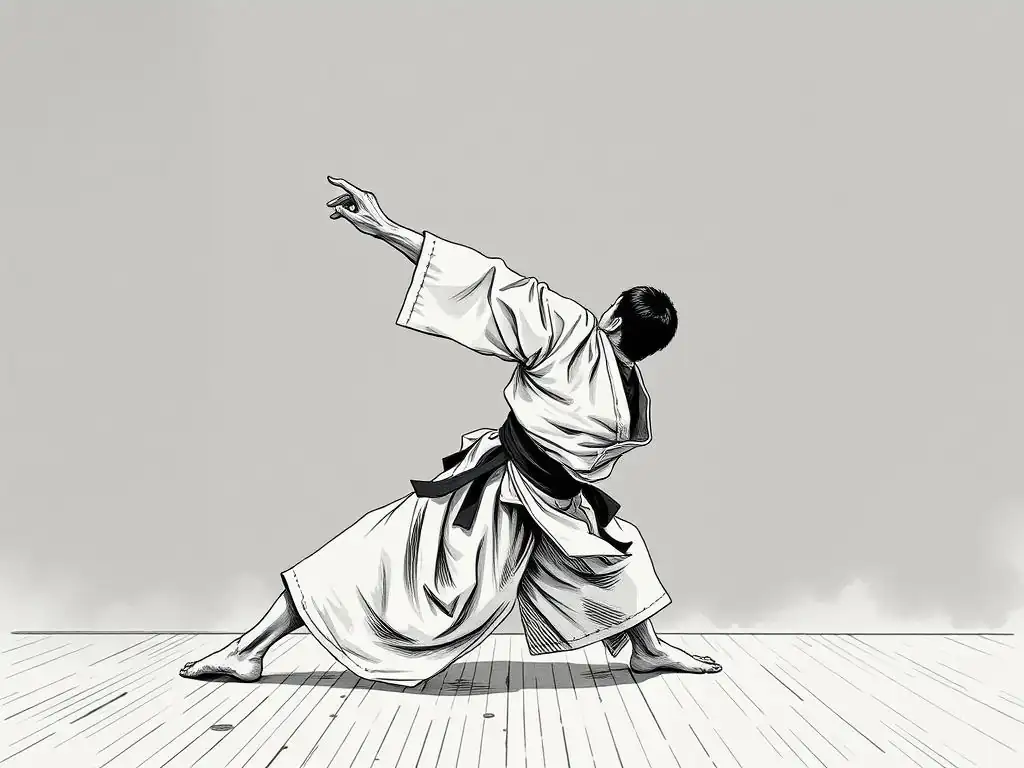
Case Study: Aikido Practitioner's Relief from Chronic Back Pain Through Mindfulness
A 45-year-old Aikido practitioner, who had been training for over 15 years, developed chronic lower back pain likely exacerbated by repetitive ukemi (falls) and throws. The pain limited their ability to train consistently and perform techniques requiring spinal flexibility. Medical evaluations revealed degenerative changes but no acute injury requiring surgery. Frustrated with limited relief from conventional treatments, they began integrating mindfulness for martial arts pain management, specifically focusing on body scan meditation and mindful movement during warm-ups and cool-downs.
After three months of daily 15-minute body scans and conscious attention to back sensations during practice, they reported a noticeable reduction in pain intensity – approximately a 30% decrease on average. More significantly, their relationship with the pain changed. They learned to distinguish between sensations of stiffness and pain, reducing fear of movement. By mindfully adjusting their posture during techniques and practicing ukemi with greater body awareness, they reduced the frequency and severity of flare-ups, allowing them to return to a more consistent training schedule.
Case Study: Muay Thai Fighter's Enhanced Recovery and Pain Tolerance with Meditation
A professional Muay Thai fighter, known for intense training camps, frequently experienced muscle soreness, joint aches, and the cumulative pain from impacts (kicks, punches, elbows). Recovery was often challenging, impacting subsequent training sessions. They incorporated daily breath awareness meditation and short mindful pauses during training breaks, focusing on using mindfulness for martial arts pain tolerance and recovery.
By using breath as an anchor during difficult sparring rounds or conditioning drills, they reported feeling more composed and less overwhelmed by discomfort, potentially increasing their pain tolerance during performance. Post-training, they used focused breath awareness and body scans to help the nervous system calm down faster, which they felt contributed to improved sleep quality and reduced perceived recovery time between sessions – subjectively reporting feeling ready for hard training about 10-15% faster than before starting the practice. This integration of mindfulness helped them manage the high physical toll of their sport.
Case Study: Brazilian Jiu-Jitsu Athlete's Anxiety Reduction and Improved Performance Using Mindfulness
A competitive Brazilian Jiu-Jitsu (BJJ) athlete struggled with significant anxiety before and during training and competition, particularly regarding potential injuries and the discomfort of holds and pressure. This anxiety often manifested as muscle tension and heightened pain perception during grappling exchanges. They began practicing mindfulness meditation, including body scans and mindful breathing, specifically targeting mindfulness for martial arts pain and performance anxiety.
Through consistent practice, they learned to observe their anxious thoughts and physical tension without immediate reaction. During sparring, instead of panicking under pressure or when experiencing discomfort from a submission attempt, they would focus on their breath and the immediate physical sensations, allowing them to think more clearly and react strategically rather than instinctively tensing up. This reduction in anxiety and tension not only made painful situations more manageable but also improved their ability to stay relaxed and fluid, enhancing their technique execution and overall performance on the mats.
Overcoming Challenges and Common Misconceptions About Mindfulness for Pain
Addressing Skepticism and Resistance to Mindfulness Practices
One significant challenge in adopting mindfulness for martial arts pain is skepticism, particularly within cultures that emphasize physical toughness and pushing through discomfort at all costs. Some martial artists may view mindfulness as passive or incompatible with the aggressive nature of combat sports. Addressing this requires reframing mindfulness not as a weakness, but as a sophisticated mental skill that enhances physical capability and resilience.
It helps to emphasize the practical benefits: improved focus, better body control, enhanced recovery, and a more sustainable training path. Sharing personal experiences or the illustrative case studies mentioned earlier can also help. Starting with small, accessible practices like mindful breathing before training or a short body scan after can demonstrate tangible benefits without requiring a significant time commitment or challenging existing beliefs about toughness. The focus should be on mindfulness as a tool for smarter, more effective training, not just relaxation.
Dispelling Myths About Mindfulness Being "Too Soft" for Martial Arts
The misconception that mindfulness is "soft" and inappropriate for the demanding world of martial arts is prevalent. This myth often stems from equating mindfulness solely with gentle relaxation or meditation, overlooking its core tenets of awareness, focus, and non-reactivity under pressure. In reality, mindfulness cultivates mental toughness by training the ability to remain present and clear-headed in the face of physical discomfort, emotional challenge, and stressful situations – precisely the conditions encountered in sparring, competition, or self-defense scenarios.
Mindfulness for martial arts pain isn't about becoming less sensitive to pain; it's about becoming more aware of it without being overwhelmed by the associated fear or panic. It allows a practitioner to distinguish between pain that is a signal of danger and pain that is simply discomfort or fatigue, enabling a more intelligent response. Elite athletes in many high-impact sports utilize mindfulness techniques to enhance performance and manage physical stress, demonstrating its applicability and effectiveness in demanding physical contexts.
Troubleshooting Common Difficulties in Mindfulness Practice
Beginners often encounter common difficulties when starting mindfulness practice, such as a restless mind, falling asleep, or feeling frustrated that they can't "empty their mind." It's important to normalize these experiences. The goal of mindfulness is not to stop thinking, but to notice when the mind has wandered and gently bring it back to the chosen anchor (like the breath or body sensations) without judgment.
If the mind is very active, acknowledge the thoughts without engaging with them, perhaps labeling them ("thinking"). If drowsiness occurs, try practicing in a different posture (seated instead of lying down) or splashing cold water on your face beforehand. Frustration is also normal; notice it mindfully and return to the practice with self-compassion. Consistency, even with imperfect sessions, is key. Remind yourself that every time you notice your mind wandering and bring it back, you are strengthening your capacity for focus and present-moment awareness, building the foundation for effective mindfulness for martial arts pain management.
Conclusion: Embracing Mindfulness as a Path to Enhanced Well-being and Martial Arts Mastery
The Long-Term Benefits of Mindfulness for Pain Management in Martial Arts
Integrating mindfulness for martial arts pain offers profound long-term benefits that extend far beyond temporary relief. Over time, consistent mindfulness practice can rewire the brain's response to pain, reducing its perceived intensity and the emotional distress associated with it. This allows martial artists to train more consistently, recover more effectively, and maintain a higher quality of life both on and off the mats.
Furthermore, the heightened body awareness cultivated through mindfulness can lead to improved movement mechanics, reduced muscle tension, and better injury prevention. By learning to listen to their bodies and respond intelligently to discomfort, practitioners can avoid pushing through pain in ways that cause harm, leading to fewer injuries and a more sustainable training career. This enduring capacity for managing pain through mindfulness is a true secret weapon for lifelong martial arts mastery.
Cultivating a Mindful Approach to Training, Competition, and Life
The principles learned through practicing mindfulness for martial arts pain are transferable to all aspects of life. The ability to stay present, focused, and non-reactive in the face of challenge is invaluable not only in the dojo or ring but also in managing daily stress, navigating difficult conversations, and pursuing personal goals.
Cultivating a mindful approach means bringing intentional awareness and acceptance to every experience – the triumphs and the setbacks, the comfort and the discomfort, the effort and the rest. This holistic perspective fosters resilience, emotional intelligence, and a deeper appreciation for the journey of growth inherent in martial arts and in life itself.
Mindfulness: A Key Component of a Holistic Martial Arts Practice
Ultimately, mindfulness is not just a technique for managing pain; it is a fundamental component of a truly holistic martial arts practice. Just as physical conditioning builds the body and technical drills refine movement, mindfulness cultivates the mind, which is the control center for both performance and well-being.
By embracing mindfulness for martial arts pain and integrating it into their training and daily lives, martial artists can unlock new levels of physical capability, mental fortitude, and emotional resilience. It empowers them to navigate the inherent challenges of the art with greater wisdom, compassion, and effectiveness, paving the way for not just physical mastery, but mastery of the self.
Frequently Asked Questions
How can mindfulness help manage pain in martial arts?
Mindfulness helps by shifting your attention away from the pain sensation and towards the present moment. This can reduce the emotional impact of the pain and improve your ability to cope. It emphasizes acceptance of the present experience.
What specific mindfulness practices are beneficial for martial artists dealing with pain?
Practices like meditation, body scans, and mindful movement (like Tai Chi or Qigong) are highly effective. These techniques help you develop awareness of your body and manage your response to pain signals.
Does mindfulness eliminate pain entirely, or does it just help manage it?
Mindfulness is not a cure for pain, but rather a tool for pain management. It helps you change your relationship with pain, making it more bearable. It can reduce perceived intensity and improve coping mechanisms.
How often should a martial artist practice mindfulness to see results in pain management?
Consistency is key. Aim for daily practice, even if it's just for 5-10 minutes. Over time, the cumulative effect of mindfulness training will lead to noticeable improvements in pain management.
Can mindfulness also help prevent injuries in martial arts?
Yes, mindfulness can enhance body awareness and improve focus. This can lead to better technique, reduced impulsivity, and a greater ability to recognize potential injury risks during training, therefore lowering the risk of incidents.
Final Reflection: Embracing Presence in the Face of Pain
The exploration of mindfulness as a pain management tool, particularly within the rigorous discipline of martial arts, reveals a profound truth: our perception of pain is not fixed, but rather a dynamic interplay between physical sensation and mental interpretation. This understanding is increasingly relevant today, as individuals across all walks of life seek holistic approaches to well-being that extend beyond conventional medicine.
The integration of mindfulness into martial arts training signifies a shift in how we approach physical challenges and personal limitations. This journey resonates deeply, reminding us that true strength lies not only in physical prowess but also in the ability to cultivate inner resilience and self-awareness. The mind is everything. What you think you become.
- Buddha. This quote encapsulates the essence of mindfulness, highlighting its transformative power in shaping our experience of reality, including our experience of pain.
As we conclude this exploration, I invite you to consider the potential of mindfulness in your own life. Whether you are a martial artist, an athlete, or simply someone seeking greater peace and well-being, remember that you possess the inherent capacity to cultivate a more mindful relationship with your body and your pain. Embrace the present moment, breathe deeply, and discover the strength that lies within.
Unlock Inner Peace: Conquer Pain with Mindfulness!
Thank you for delving into the powerful connection between mindfulness and pain management. Now that you've discovered how martial artists harness this ancient practice, it's time to integrate these techniques into your own life for enhanced well-being.
Here's how you can begin:
- Commit to practicing mindful breathing for just 5 minutes each day, focusing on your breath to anchor yourself in the present moment and alleviate discomfort.
- Share this article with a friend or family member who might benefit from learning these pain management techniques.
- Explore our website further and discover resources to help you in your martial arts journey.
What mindful technique are you most excited to incorporate into your daily routine, and how do you anticipate it will improve your well-being?