
How to Combine Speed Drills with Strength Training for Fighters


Welcome to Martial Arts Mastery, where we delve into the heart of combat excellence. Ever wondered how legendary fighters achieve that explosive power and lightning-fast agility? This article unlocks the secrets of speed strength training for fighters, exploring the surprising benefits and practical methods you can integrate into your own regimen. Get ready to discover how to combine speed drills with strength training to elevate your martial arts game and unleash your full potential. Intrigued? Read on to master the techniques that separate the champions from the rest.
- How to Combine Speed Drills with Strength Training for Fighters: Unleash Your Power
- Introduction: The Power of Speed Strength Training for Martial Arts Mastery
- Understanding the Fundamentals: Strength and Speed Defined
-
Designing a Speed Strength Training Program for Fighters: A Step-by-Step Approach
- Step 1: Assessing Your Current Speed and Strength Levels
- Step 2: Prioritizing Exercises for Fighters: Strength Training Foundations
- Step 3: Integrating Speed Drills: Enhancing Reaction Time and Agility
- Step 4: Structuring Your Training Week: Balancing Strength and Speed
- Step 5: Monitoring Progress and Adjusting Your Program
-
The Benefits of Speed Strength Training for Fighters: Unleashing Your Potential
- Enhanced Power and Striking Speed: Knockout Power Unleashed
- Improved Agility and Footwork: Evade, Counter, and Dominate
- Increased Reaction Time and Reflexes: Anticipate and React Faster
- Reduced Risk of Injury: Building a Stronger, More Resilient Body
- Improved Overall Athletic Performance: Elevating Your Fighting Game
- Sample Speed Strength Exercises for Martial Arts
- Avoiding Common Mistakes in Speed Strength Training
- Conclusion: Mastering the Art of Speed Strength for Fighting Success
-
Frequently Asked Questions
- How does combining speed drills and strength training specifically benefit fighters?
- What are some effective speed drills that fighters can incorporate into their training?
- What type of strength training is most beneficial for improving a fighter's speed?
- How frequently should fighters integrate speed drills and strength training into their weekly routine?
- Are there any risks associated with combining speed and strength training, and how can they be mitigated?
- Final Reflection: Unleashing Explosive Potential
- Ignite Your Power: Unleash the Fighter Within!
How to Combine Speed Drills with Strength Training for Fighters: Unleash Your Power
Introduction: The Power of Speed Strength Training for Martial Arts Mastery
Why Speed and Strength Matter for Fighters: Beyond Raw Power
In the realm of martial arts and combat sports, raw strength is only one piece of the puzzle. While the ability to generate force is fundamental, a fighter's effectiveness hinges significantly on their capacity to apply that force quickly. Imagine two fighters of equal strength; the one who can deliver a punch or kick with greater speed and acceleration will land more strikes, create more openings, and inflict more damage.
This isn't just about hitting hard; it's about hitting fast and often, controlling distance, executing rapid transitions, and reacting instantaneously to an opponent's movements. Therefore, focusing solely on lifting heavy weights without considering the speed of execution is a significant oversight for any serious martial artist aiming for mastery.
The practical application of speed in fighting is evident across all disciplines. In boxing, a fast jab can disrupt an opponent's rhythm and set up power shots, while rapid footwork allows for evasive maneuvers and angle creation. In Muay Thai, fast low kicks can accumulate damage quickly, and explosive clinch entries can gain positional advantage.
Grappling arts like Judo or Wrestling rely heavily on explosive power for throws and takedowns, requiring strength applied with immense speed. Even in traditional martial arts like Karate or Taekwondo, the snap and speed of strikes are paramount for effectiveness and scoring points. Recognizing that speed and strength are intrinsically linked, and that training them together yields superior results, is the first step toward unlocking a fighter's full potential.
Understanding Speed Strength: The Key to Explosive Movement
Speed strength, often referred to as explosive strength or power, is the ability to exert maximal force in minimal time. It is not merely the sum of strength and speed but rather their synergistic combination. For a fighter, this translates into the ability to launch a powerful punch with blinding speed, explode off the ground for a takedown, or change direction instantly to evade an attack.
This quality is distinct from maximal strength, which focuses on lifting the heaviest possible weight slowly, or pure speed, which might involve moving limbs quickly against minimal resistance. Speed strength requires the neuromuscular system to recruit a large number of muscle fibers simultaneously and fire them at a rapid rate.
Developing speed strength involves training muscles to contract forcefully and quickly. This is achieved through exercises that require moving moderate loads at high velocity or moving bodyweight explosively. Think of a sprinter pushing off the blocks – they are applying significant force (strength) very rapidly (speed) to accelerate their body.
Similarly, a fighter needs to apply force rapidly to their limbs or entire body to execute techniques effectively. A well-rounded speed strength training program for fighters focuses on improving this rate of force development, ensuring that the power generated can be unleashed in the blink of an eye, which is often the difference between landing a decisive blow and missing an opportunity.
Understanding the Fundamentals: Strength and Speed Defined
Defining Strength for Fighters: Functional Strength vs. Raw Power
For a fighter, strength is best understood not just as the ability to lift a maximum weight in a controlled environment (like a 1-rep max in a powerlifting squat), but as functional strength. Functional strength refers to the ability to apply force effectively and efficiently within the dynamic, unpredictable movements characteristic of fighting.
This includes the strength to maintain posture under pressure, generate torque for rotational strikes, absorb impact, control an opponent's body weight, and transition smoothly between different positions or techniques. It's about strength that is usable and transferable to the specific demands of combat, rather than just impressive numbers in the weight room.
Raw power, while contributing to the potential for functional strength, doesn't automatically translate into fighting prowess. A fighter might be able to deadlift 500 lbs, but if their core is weak during rotation or their stabilizing muscles aren't conditioned for dynamic movement, that raw strength won't fully manifest in the speed and power of their strikes or grappling exchanges. Functional strength training for fighters emphasizes multi-joint movements, core stability, grip strength, and exercises that mimic the planes of motion used in fighting, ensuring that strength gains directly enhance performance in the ring or on the mat.
Defining Speed for Fighters: Reaction Time, Movement Speed, and Agility
Speed in fighting is a multifaceted concept encompassing more than just how fast a punch travels. It includes reaction time, the ability to perceive and respond to an opponent's actions quickly; movement speed, the velocity of executing specific techniques like strikes or steps; and agility, the ability to change direction and accelerate or decelerate rapidly and efficiently. A fighter might have fast hands (movement speed) but slow reflexes (reaction time), or be quick off the line but lack the ability to pivot rapidly (agility). True fighting speed requires a harmonious development of all these components.
Reaction time is often measured in milliseconds; elite athletes can react to a visual stimulus in around 150-200 ms, while untrained individuals might take 250-300 ms or longer. Improving this can mean the difference between blocking a strike and getting hit. Movement speed relates to the velocity of a limb or the entire body during a technique; a punch traveling at 10-15 m/s is significantly harder to block than one traveling at 5-7 m/s.
Agility is crucial for footwork, evading attacks, and setting up angles; drills focusing on rapid changes of direction over distances of 5-10 meters are key indicators of this attribute. Developing fighting speed requires targeted drills that challenge the nervous system to process information and initiate movement with maximum efficiency.
The Interplay: How Strength Training Impacts Speed and Vice Versa
The relationship between strength and speed is not simply additive; it is synergistic. Increased strength, particularly functional strength, provides the potential for greater speed and power. A stronger muscle can generate more force.
When this increased force can be applied rapidly, the result is higher velocity and acceleration of movements. For instance, stronger legs allow a fighter to push off the ground with more force during a kick, leading to a faster, more powerful strike. Similarly, a stronger core enables more efficient transfer of force from the lower body through the torso to the upper body for punches, increasing striking speed.
Conversely, training for speed, particularly through methods like plyometrics or resistance band exercises focused on velocity, can improve the rate of force development and enhance neuromuscular efficiency. This means the nervous system becomes better at recruiting muscle fibers quickly and coordinating their action, which can, in turn, make existing strength more usable in dynamic movements.
However, attempting to train for maximal speed without a foundational level of strength can be ineffective and even increase injury risk. The goal of speed strength training for fighters is to find the optimal balance, where strength provides the engine and speed training refines the delivery system, ensuring that raw power is converted into explosive, fight-specific movement.
Designing a Speed Strength Training Program for Fighters: A Step-by-Step Approach
Step 1: Assessing Your Current Speed and Strength Levels
Before embarking on any training program, it's crucial to understand your starting point. Assessing your current speed and strength levels provides a baseline against which you can measure progress and identify specific areas that require the most attention. This isn't about comparing yourself to others but about establishing your personal metrics. Common assessments might include measuring the speed of specific strikes (e.g., using velocity trackers), timing agility drills (e.g., pro-agility shuttle run), or testing explosive power (e.g., vertical jump height).
Strength assessment for fighters should focus on functional movements relevant to their sport. This could involve tests of core stability (e.g., plank hold duration), lower body power (e.g., maximum repetitions of bodyweight squats in 30 seconds), or upper body pressing/pulling strength (e.g., pull-ups or push-ups to failure). By performing these tests regularly, perhaps every 6-8 weeks, you can objectively track improvements in speed strength training fighters benefits and make informed decisions about adjusting your program.
Identifying Weaknesses: Where Are You Slowest and Weakest?
The assessment process is key to pinpointing specific weaknesses. Is your reaction time slow, causing you to get hit more often? Is your punch speed lacking, making it hard to land clean shots? Do you struggle with explosive movements off the line or changing direction quickly? Similarly, are you weak in your core, limiting your ability to transfer power? Do your legs lack the explosive strength needed for takedowns or powerful kicks? Identifying these specific deficits allows you to tailor your speed strength training for fighters program to address your most pressing needs.
For example, a fighter might discover their punch speed is good, but their footwork agility is poor based on cone drill timings. Or perhaps their vertical jump is high, indicating good leg power, but their medicine ball throw for rotational power is low, suggesting a core weakness. These insights are invaluable for prioritizing exercises and drills. A fighter with slow reaction time might incorporate more partner reaction drills, while someone with weak lower body power might focus on squat variations and plyometrics. This targeted approach is far more efficient than a generic program.
Establishing Baseline Metrics: Testing Your Speed and Strength
Setting clear baseline metrics involves recording the results of your initial tests. This provides a quantifiable starting point. For speed, you might record your average reaction time to a visual cue (e.g., 260 ms), your time for a 10-meter sprint (e.g., 1.8 seconds), or your pro-agility shuttle time (e.g., 5.2 seconds). For explosive power, you could record your vertical jump height (e.g., 24 inches) or broad jump distance (e.g., 7 feet).
For strength baselines, record metrics relevant to functional movements. This could be the maximum number of pull-ups (e.g., 8 reps), your performance on a core stability test (e.g., maintaining a perfect plank for 90 seconds), or the weight you can lift for a specific number of repetitions in a relevant exercise (e.g., trap bar deadlift 250 lbs for 5 reps).
These numbers serve as benchmarks. When you re-test in the future, comparing new results (e.g., reaction time down to 220 ms, vertical jump up to 27 inches, deadlift 280 lbs for 5 reps) directly shows the effectiveness of your speed strength training fighters program and helps you track the tangible benefits.
Step 2: Prioritizing Exercises for Fighters: Strength Training Foundations
Building a solid foundation of strength is a prerequisite for developing explosive speed strength. Without sufficient force production capabilities, attempts to train for speed will be limited. Strength training for fighters should focus on movements that build overall power and resilience, particularly in muscle groups critical for fighting. The goal is to increase the potential for force generation, which can then be expressed quickly through speed drills.
This phase emphasizes exercises that work multiple joints and muscle groups simultaneously, mimicking the integrated movement patterns used in combat. It also includes targeted work to strengthen specific muscles that are heavily utilized and often vulnerable in fighting, such as the muscles of the neck, shoulders, and hips. A balanced approach ensures that strength gains are not isolated but contribute to a more powerful and stable athletic structure, ready to handle the dynamic demands of martial arts.
Compound Exercises for Overall Strength: Squats, Deadlifts, Bench Press
Compound exercises are the cornerstone of any effective strength program for fighters. Movements like squats, deadlifts, and bench presses work large muscle groups and build foundational strength throughout the body. Squats develop powerful legs and hips, crucial for kicks, takedowns, and generating force from the ground. Deadlifts build posterior chain strength (hamstrings, glutes, back), essential for posture, pulling, and overall power transfer. Bench press strengthens the chest, shoulders, and triceps, contributing to punching power and clinch strength.
While maximal lifts are not the sole focus for fighters, building strength with challenging weights (e.g., working in the 3-6 or 5-8 repetition range for main lifts) increases the capacity for force production. For instance, increasing your squat 5-rep max from 1.5 times your body weight to 2 times your body weight provides a significantly stronger base from which to launch explosive movements like jumping or kicking. These foundational strength gains are directly transferable and enhance the potential benefits of speed strength training for fighters.
Targeted Exercises for Fighting Muscles: Core, Legs, and Shoulders
Beyond the major lifts, fighters need to target specific muscle groups that are vital for performance and injury prevention. The core (abdominals, obliques, lower back) is the body's powerhouse, transferring force between the upper and lower body. Exercises like planks, rotations (medicine ball twists), and anti-rotation drills are critical. Strong legs and hips are essential for movement, kicks, and grappling; exercises like lunges, step-ups, and hip thrusts complement squats and deadlifts.
Shoulder health and strength are paramount due to the repetitive impact and rotational forces involved in striking and grappling. Exercises like overhead presses, rows, face pulls, and external rotations build resilient shoulders capable of generating fast, powerful movements and withstanding impact. Neglecting these targeted areas can lead to imbalances and increased risk of injury, undermining the benefits of speed strength training for fighters despite gains in major lifts.
Step 3: Integrating Speed Drills: Enhancing Reaction Time and Agility
Once a foundation of strength is established, or alongside foundational strength work, integrating speed drills is crucial for developing explosive power and refining fight-specific movement qualities. These drills are designed to improve the speed at which force can be applied and enhance the nervous system's ability to react and move quickly. They bridge the gap between pure strength and dynamic fighting actions.
Speed drills often involve rapid, explosive movements against low or moderate resistance. The focus is on the velocity of movement and the rate at which force is generated, rather than the total amount of force. This phase of training directly targets the ability to translate strength into speed, making power usable and effective in the unpredictable environment of combat.
Plyometric Exercises for Explosive Power: Box Jumps, Depth Jumps
Plyometrics are exercises designed to produce fast, powerful movements, and they are essential for developing explosive speed strength. They involve rapid stretching and shortening of muscles (the stretch-shortening cycle) to generate force quickly. Box jumps, where you jump onto a raised surface, build explosive power in the legs and hips, vital for kicks, takedowns, and dynamic footwork.
Depth jumps involve stepping off a box and immediately jumping vertically or horizontally upon landing. This emphasizes the reactive strength needed for quick, powerful responses. Other plyometrics like bounding, jump squats, and clapping push-ups also contribute to this explosive capability. Performing these exercises with a focus on maximal effort and speed is key to maximizing their benefits for speed strength training fighters performance. Aim for high intensity but relatively low volume to avoid burnout and maintain quality of movement.
Agility Ladder Drills for Footwork and Coordination
Agility ladder drills are excellent for improving foot speed, coordination, and the ability to change direction quickly. They train the nervous system to process information and control movement rapidly through complex patterns. Drills like the Ickey Shuffle, In-Outs, and Lateral Shuffles force quick, precise foot placements, mimicking the rapid adjustments needed in fighting.
While they don't build significant strength, agility ladder drills enhance the efficiency and speed of footwork, allowing fighters to move in and out of range faster, pivot more smoothly, and react to an opponent's movement with greater dexterity. Spending 10-15 minutes on agility ladder work several times a week can significantly improve a fighter's ability to control distance and angles, directly contributing to the benefits of speed strength training fighters receive in terms of evasiveness and positioning.
Reaction Drills: Partner Work and Sparring Simulations
Directly training reaction time is crucial for fighting speed. This involves drills that simulate the unpredictable nature of combat and require rapid responses. Partner drills where one person provides a visual or auditory cue (e.g., a specific hand signal, a spoken command) that the other person must react to with a predetermined movement (e.g., a block, a step, a strike) are highly effective.
Sparring simulations, even light or technical sparring, are the ultimate reaction drill. They force fighters to react to live, unpredictable movements under pressure. Incorporating drills where partners feint and attack, or where fighters work on reacting to specific types of entries or exits, directly improves the speed of cognitive processing and physical response. These drills combine the physical attributes developed through strength and speed training with the mental processing needed for real combat speed.
Step 4: Structuring Your Training Week: Balancing Strength and Speed

Effectively combining speed drills with strength training requires careful planning to avoid overtraining and ensure adequate recovery. It's generally not advisable to perform maximal strength training and high-intensity speed/plyometric work on the same day, especially for the same muscle groups, as both place significant demands on the nervous system. A well-structured program separates these types of training or schedules them with sufficient recovery time in between.
Periodization, the systematic planning of training over time, is a valuable concept here. Training cycles can be structured to emphasize different qualities at different times, perhaps focusing more on strength during an off-season and shifting towards speed strength and power closer to a competition. However, for ongoing development, a balanced weekly structure is often effective, ensuring consistent work on both strength and speed attributes.
Sample Weekly Schedule: Strength Days vs. Speed Days vs. Rest Days
A common approach is to designate specific days for different types of training. A sample week might look like this:
- Monday: Strength Training (Lower Body Focus - Squats, Deadlifts, Lunges)
- Tuesday: Speed/Agility Drills (Plyometrics, Ladder Drills, Short Sprints)
- Wednesday: Rest or Active Recovery (Light stretching, foam rolling)
- Thursday: Strength Training (Upper Body/Core Focus - Bench Press, Rows, Overhead Press, Core Work)
- Friday: Speed/Reaction Drills (Partner Drills, Shadow Boxing with Speed Focus, Light Sparring Simulations)
- Saturday: Sport-Specific Training (Sparring, Technique Class)
- Sunday: Rest
This structure allows for dedicated focus on each quality while providing recovery time. For example, Monday's heavy lower body strength work is followed by a day focused on explosive lower body speed/agility, with Wednesday providing a crucial rest day before the next training block. This separation helps maximize the benefits of speed strength training for fighters by allowing muscles and the nervous system to recover between demanding sessions.
Periodization: Optimizing Training Cycles for Peak Performance
For fighters, periodization is key to peaking for competition while building long-term athleticism. A typical periodization model might move from a general preparation phase (focus on building foundational strength and aerobic capacity) to a specific preparation phase (increasing speed strength, power, and anaerobic conditioning) to a pre-competition phase (reducing volume, increasing intensity, focusing on speed and fight-specific drills) and finally a competition phase (maintenance, rest).
Within a year, a fighter might cycle through periods emphasizing strength (e.g., 4-6 weeks focusing on heavier weights, lower reps), followed by periods emphasizing power/speed strength (e.g., 4-6 weeks focusing on explosive movements, moderate weights/resistance, higher velocity), and then periods focusing purely on speed, agility, and reaction time closer to a fight. This cyclical approach prevents plateaus, reduces injury risk, and ensures that the speed strength training fighters undergo is specifically tailored to their competition schedule, allowing them to peak at the right time.
Step 5: Monitoring Progress and Adjusting Your Program
Consistent monitoring is essential to determine if your speed strength training program is effective and to make necessary adjustments. Simply following a program without tracking results is like navigating without a map – you don't know if you're heading in the right direction. Regular testing, as mentioned in Step 1, is the most objective way to measure progress.
Beyond formal testing, pay attention to how you feel during training and sparring. Are your movements feeling faster and more explosive? Are you reacting quicker? Is your power output increasing? Subjective feedback combined with objective data provides a comprehensive picture of your progress. This continuous evaluation allows you to refine your approach, ensuring you continue to see the desired benefits of speed strength training for fighters.
Tracking Your Performance: Measuring Improvements in Speed and Strength
Maintain a training log to record your performance in both strength and speed drills. For strength exercises, note the weight lifted, sets, and repetitions. Track personal bests (PBs) or improvements in your working weights over time. For speed and agility drills, record times, distances, or the number of repetitions completed with good form within a set time. For example, tracking your 10-meter sprint time decreasing from 1.8 seconds to 1.7 seconds or your vertical jump increasing from 24 inches to 26 inches are concrete measures of improved speed strength.
For reaction drills, quantify performance where possible, perhaps by tracking the number of correct responses within a set time frame or measuring reaction time using simple online tools or apps if available. This data provides tangible evidence of progress and helps maintain motivation. Seeing your numbers improve confirms that your speed strength training fighters program is working and highlights the positive changes in your athleticism.
Adapting to Plateaus: Adjusting Volume, Intensity, and Exercise Selection
Inevitably, you may hit plateaus where progress slows or stops. When this happens, it's a sign that your body has adapted to the current stimulus and the program needs to be adjusted. Common strategies include:
- Increase Intensity: Lift slightly heavier weights for strength exercises (while maintaining form) or perform speed drills with greater effort or slightly increased resistance (e.g., resistance bands).
- Increase Volume: Add an extra set to some exercises or increase the duration/number of repetitions for speed drills.
- Change Exercise Selection: Swap out some exercises for variations or entirely new movements to challenge your muscles and nervous system in a different way (e.g., switch from barbell squats to front squats or incorporate hill sprints instead of flat ground sprints).
- Adjust Frequency: Slightly increase the number of strength or speed sessions per week, provided recovery is adequate.
- Deload: Sometimes a brief period of reduced volume and intensity (a "deload week") is necessary to allow the body to fully recover and supercompensate, after which you can often break through a plateau.
By actively monitoring your performance and making strategic adjustments when needed, you can ensure that your speed strength training fighters program remains challenging and continues to drive progress towards greater explosiveness and overall fighting capability.
The Benefits of Speed Strength Training for Fighters: Unleashing Your Potential
Integrating speed drills with strength training offers a multitude of advantages that directly enhance a fighter's performance in the ring or on the mat. These benefits extend beyond simply hitting harder or moving faster; they contribute to improved technique execution, greater efficiency, increased resilience, and ultimately, a higher likelihood of success. Understanding these specific benefits reinforces the value of a comprehensive speed strength program.
The cumulative effect of these improvements is a fighter who is not only physically powerful but also explosively dynamic, capable of reacting instantly, moving fluidly, and delivering force with maximum velocity. This combination of attributes is a hallmark of elite martial artists across disciplines.
Enhanced Power and Striking Speed: Knockout Power Unleashed
One of the most direct benefits of speed strength training for fighters is the significant increase in striking power and speed. By training muscles to generate maximal force rapidly, punches, kicks, elbows, and knees become faster and more forceful. This isn't just about adding weight to your frame; it's about improving the efficiency with which your body can convert muscular force into kinetic energy delivered through a strike.
Consider a punch. The speed of the punch is determined by the acceleration of the hand, which is a function of the force applied by the muscles over a given distance and time.
By increasing the rate of force development in the muscles involved in punching (shoulders, chest, triceps, back, and crucially, the core and hips for rotation), speed strength training allows a fighter to accelerate their hand faster, resulting in a punch that lands with greater velocity and impact. Anecdotal evidence and biomechanical studies often show that even a modest increase in striking speed (e.g., a 10-15% increase) can dramatically increase the impact force, potentially leading to knockout power.
Improved Agility and Footwork: Evade, Counter, and Dominate
Speed strength training significantly enhances a fighter's agility and footwork. Explosive lower body strength and power, developed through exercises like squats, deadlifts, and plyometrics, provide the force needed for rapid acceleration, deceleration, and changes of direction. Agility drills further refine the neuromuscular coordination required to execute these movements quickly and efficiently.
Improved agility allows fighters to move in and out of striking range faster, making them harder targets and creating opportunities to attack. It enables quicker pivots and lateral movements to cut off the ring or escape dangerous positions. For grapplers, explosive leg power and agility are vital for shooting for takedowns, sprawling effectively, and transitioning positions quickly. A fighter with superior footwork can control the distance, dictate the pace of the fight, and evade incoming attacks more effectively, directly contributing to improved performance and safety.
Increased Reaction Time and Reflexes: Anticipate and React Faster
Speed strength training, particularly when incorporating reactive drills, sharpens a fighter's reaction time and reflexes. While pure strength training focuses on muscular force, speed drills and partner work train the nervous system to process visual and auditory cues more quickly and initiate a rapid motor response. This means a fighter can see an opponent's movement (like a twitch before a punch or a shift in weight before a takedown attempt) and react milliseconds faster.
Even a seemingly small improvement in reaction time (e.g., reducing reaction time by 50-100 milliseconds) can be the difference between successfully blocking a punch or getting hit, or between stuffing a takedown or ending up on your back. This improved speed of response is crucial for defense, countering, and capitalizing on fleeting opportunities during a fight. The speed strength training fighters undertake directly translates into faster decision-making and execution under pressure.
Reduced Risk of Injury: Building a Stronger, More Resilient Body
While intense training always carries some risk, a well-designed speed strength program can actually reduce the overall risk of injury for fighters. Strength training builds stronger muscles, tendons, ligaments, and bones, making the body more resilient to the stresses and impacts of training and competition. Stronger joints are more stable, reducing the likelihood of sprains and strains.
Furthermore, training for speed and power often involves controlled, explosive movements that improve neuromuscular control and body awareness. This can help fighters move more efficiently and absorb impact better, reducing the risk of acute injuries from awkward landings or collisions. A body that is strong and capable of producing and absorbing force quickly is better equipped to handle the physical demands of martial arts, making speed strength training fighters undergo a critical component of long-term career longevity.
Improved Overall Athletic Performance: Elevating Your Fighting Game
Ultimately, the benefits of speed strength training for fighters extend to overall athletic performance. This integrated approach doesn't just improve isolated qualities; it enhances the synergistic function of the body as a whole. Improved speed strength translates into better endurance for explosive bursts, greater efficiency of movement (meaning less wasted energy), and enhanced mental toughness developed through high-intensity training.
Fighters who combine speed drills with strength training often exhibit better balance, coordination, and body control. They are more adaptable to different opponents and situations because their physical capabilities are more robust and versatile. This holistic improvement in athleticism elevates a fighter's entire game, making them a more formidable, dynamic, and resilient competitor. The speed strength training fighters integrate into their routine builds a superior athletic foundation for martial arts mastery.
Sample Speed Strength Exercises for Martial Arts
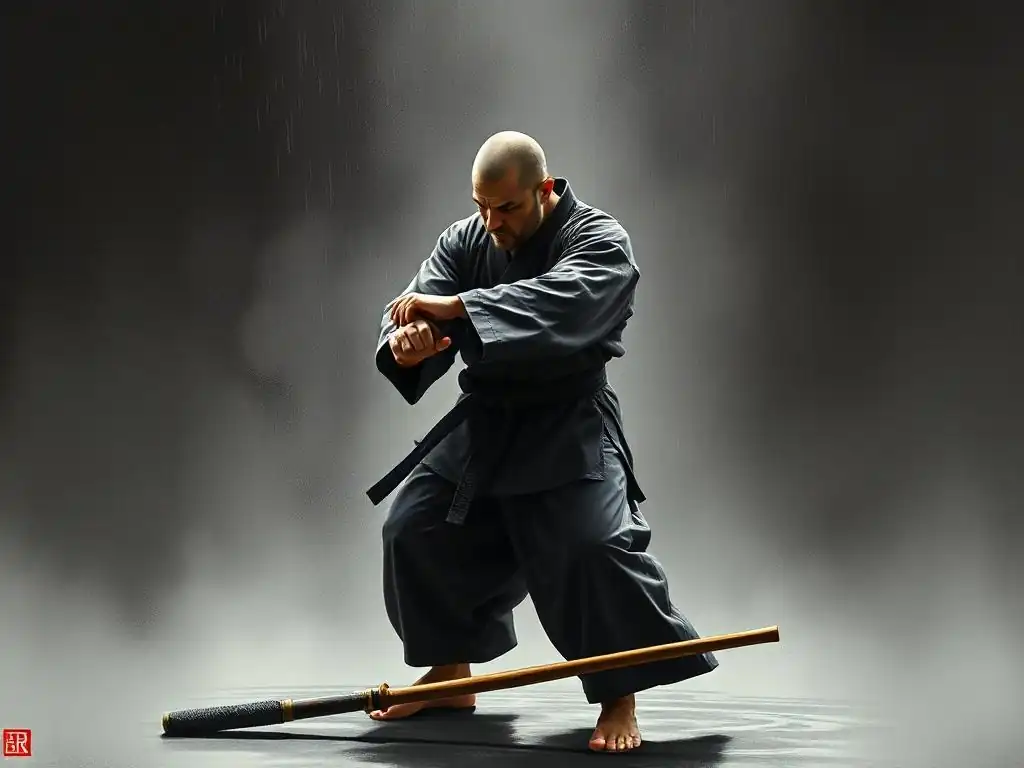
Incorporating a variety of exercises that target both strength and speed is key to a comprehensive speed strength training program for fighters. The following are examples of exercises that can be included, categorized by their primary focus, though many blend elements of both. Remember to prioritize proper form over weight or speed, especially when first learning new movements.
Plyometric Exercises
These exercises focus on explosive power and the stretch-shortening cycle, crucial for translating strength into speed.
Box Jumps for Explosive Leg Power
Box jumps are a fundamental plyometric exercise for developing explosive power in the legs and hips. Starting from a standing position, the athlete jumps explosively onto a sturdy box, landing softly and absorbing the force. This movement mimics the powerful leg drive needed for generating force from the ground for kicks, takedowns, or jumping techniques.
To perform effectively, focus on a quick dip and immediate powerful drive upwards, using the arms for momentum. Landing softly and controlling the descent off the box (stepping down rather than jumping down repeatedly) is important for safety and recovery. Aim for 3-5 sets of 3-6 repetitions, focusing on maximal height and quickness off the ground for each jump.
Depth Jumps for Reactive Strength
Depth jumps involve stepping off a low box (starting with 12-18 inches) and immediately performing an explosive jump (either vertical or horizontal) upon landing. This exercise trains the body to absorb force quickly and redirect it into an explosive movement, developing reactive strength crucial for rapid changes in direction and powerful responses.
The key is a minimal ground contact time upon landing from the step-off box before initiating the jump. This short amortization phase is what makes the exercise effective for developing reactive power. Start with low heights and focus on technique before increasing box height. Perform 3-4 sets of 4-6 repetitions, ensuring each jump is maximal effort.
Medicine Ball Throws for Core Power and Rotational Speed
Medicine ball throws, particularly rotational variations, are excellent for developing explosive core power and rotational speed, vital for powerful punches and kicks. Exercises like rotational throws against a wall or partner, overhead throws, and chest passes train the core and upper body to generate and transfer force rapidly.
For rotational throws, stand sideways to a wall or partner, hold the medicine ball, and explosively rotate your torso to throw the ball. This mimics the torque generated during striking. Perform 3-4 sets of 6-10 throws per side, focusing on maximal speed and power with each throw. Use a ball that is heavy enough to require force but light enough to be moved quickly (typically 6-12 lbs for speed-focused throws).
Speed Drills
These drills focus on improving movement speed, agility, and coordination.
Agility Ladder Drills for Footwork and Coordination
Agility ladder drills, such as the Ickey Shuffle, In-Outs, and Two Feet In Each Square, are simple yet effective for enhancing foot speed, coordination, and rhythm. They train the ability to quickly and precisely move the feet through defined patterns, improving the efficiency and speed of footwork.
Perform each drill for 1-2 sets, focusing on moving as quickly as possible while maintaining clean foot placement within the ladder squares. The goal is speed and accuracy, not just speed. Incorporate 5-10 minutes of various ladder drills into your speed training sessions.
Cone Drills for Change of Direction Speed
Cone drills, such as the Pro-Agility Shuttle (5-10-5) or L-Drill, measure and train the ability to change direction rapidly while maintaining speed and control. These drills require accelerating, decelerating, and re-accelerating quickly over short distances, mimicking the lateral and diagonal movements common in fighting.
Set up cones in the required pattern and time yourself or focus on beating previous times. Perform 3-5 repetitions of each drill, focusing on sharp cuts around the cones and explosive acceleration out of the turns. These drills directly improve the speed strength fighters need for evasive maneuvers and closing distance.
Shadow Boxing with Focus on Speed
Shadow boxing is a fundamental martial arts drill, but it can be specifically used to train speed. Instead of focusing on power or endurance, dedicate rounds to throwing techniques as fast as possible with perfect form. Focus on the snap and acceleration of punches and kicks.
Perform 2-3 rounds of shadow boxing (e.g., 2-3 minutes per round) with the specific intention of maximizing speed. Visualize an opponent and react quickly to imagined openings or attacks. This application-specific speed drill translates general speed strength into fighting technique speed.
Strength Training Exercises
These exercises build the foundational strength necessary for explosive power.
Kettlebell Swings for Explosive Hip Power
Kettlebell swings are a dynamic exercise that builds explosive power in the posterior chain (glutes, hamstrings, lower back), which is critical for hip extension – the driving force behind many powerful strikes and takedowns. The movement is a rapid hinge at the hips, driving the kettlebell forward with force.
Focus on generating power from the hips, not lifting the kettlebell with the arms. The bell should float at the top of the swing due to the force generated by the hips. Perform 3-4 sets of 8-12 repetitions, focusing on the explosive hip drive. Choose a weight that allows for powerful, controlled movement.
Olympic Lifts (Cleans and Snatches) for Full-Body Power
Olympic lifts like Cleans and Snatches are arguably the most effective exercises for developing full-body speed strength. They require rapidly moving a heavy weight from the floor to an overhead position (Snatch) or to the shoulders (Clean), demanding high levels of strength, speed, coordination, and mobility.
These lifts train the ability to generate force from the ground and transfer it explosively through the entire body. They are complex and require coaching to learn proper technique, but the benefits in terms of speed strength training fighters receive are immense. Start with light weights and perfect your form. Perform 3-5 sets of 1-3 repetitions, focusing on perfect execution at high speed.
Resistance Band Exercises for Speed and Agility
Resistance bands can be used to add resistance to movements specifically trained for speed, enhancing speed strength. Attaching a band to a fighter during sprints or agility drills forces them to generate more force to move quickly, overloading the muscles and nervous system at higher velocities.
Bands can also be used for resisted punches or kicks, allowing fighters to train the specific movement pattern with added resistance, improving the speed and power of the technique. Perform 3-4 sets of 6-10 repetitions or short sprints (5-10 meters) with moderate band resistance, focusing on maximal speed against the resistance.
Avoiding Common Mistakes in Speed Strength Training
While the benefits of speed strength training for fighters are numerous, several common mistakes can hinder progress, increase injury risk, and lead to burnout. Being aware of these pitfalls allows you to optimize your training and ensure you are safely and effectively working towards your goals. Proper planning, attention to detail, and listening to your body are crucial.
Avoiding these mistakes requires discipline and a focus on quality over quantity. Rushing the process or neglecting fundamental principles like recovery and nutrition will ultimately limit the speed strength training fighters can effectively integrate into their routine.
Overtraining: The Importance of Rest and Recovery
One of the most significant risks in combining high-intensity strength and speed training is overtraining. Both types of training place considerable stress on the muscles, nervous system, and connective tissues. Without adequate rest and recovery, the body cannot repair and rebuild, leading to decreased performance, increased susceptibility to illness, mood disturbances, and a higher risk of injury. Signs of overtraining include persistent fatigue, decreased strength or speed, difficulty sleeping, loss of motivation, and chronic muscle soreness.
It is crucial to schedule dedicated rest days and ensure sufficient sleep (7-9 hours per night is often recommended for athletes). Active recovery activities like light stretching, foam rolling, or walking can also aid in the recovery process. Periodization helps manage training load over time, preventing prolonged periods of excessive stress. Prioritizing rest is not laziness; it is a non-negotiable component of effective speed strength training for fighters, allowing the body to adapt and grow stronger and faster.
Neglecting Proper Form: Prioritizing Technique Over Weight
In the pursuit of lifting heavier or moving faster, it's easy to compromise proper form. However, poor technique in both strength exercises and speed drills dramatically increases the risk of injury and reduces the effectiveness of the training. Lifting weights with incorrect form can strain joints and muscles, while performing plyometrics or agility drills sloppily can lead to awkward landings or movements that predispose you to sprains or tears.
Always prioritize perfect technique over lifting maximal weight or moving at maximal speed if form breaks down. It is better to lift a slightly lighter weight with perfect form, recruiting the target muscles effectively and safely, than to struggle with a heavier weight using compensatory movements. Similarly, focus on controlled, precise movements during speed and agility drills before attempting to perform them at top speed. Investing time in learning and maintaining proper form ensures that the speed strength training fighters perform is both effective and safe.
Ignoring Nutrition: Fueling Your Body for Optimal Performance
Training is only half the equation; proper nutrition is essential for fueling high-intensity workouts and supporting recovery. Insufficient calorie intake or inadequate macronutrient distribution (proteins, carbohydrates, fats) will impair performance, slow down recovery, and limit the body's ability to adapt and build speed strength. Fighters have high energy demands, and these are amplified by intense strength and speed work.
Ensure you are consuming enough calories to support your training volume and intensity. Prioritize protein intake to aid muscle repair and growth (often recommended at 1.6-2.2 grams per kilogram of body weight). Consume sufficient carbohydrates to fuel your muscles and nervous system for high-intensity efforts. Don't neglect healthy fats, which are important for hormone production and overall health. Staying well-hydrated is also critical for performance and recovery. Proper nutrition maximizes the benefits of speed strength training for fighters by providing the necessary building blocks and energy.
Skipping Warm-up and Cool-down: Preventing Injuries and Improving Recovery
Often overlooked, a proper warm-up and cool-down routine are vital components of any training session, especially one involving speed and strength. A dynamic warm-up prepares the muscles, joints, and nervous system for the demands of the workout, increasing blood flow, improving mobility, and activating the target muscles. This reduces the risk of muscle pulls, strains, and other acute injuries during intense movements. A typical warm-up might include light cardio, dynamic stretching, and movement-specific drills performed at lower intensity.
A cool-down helps the body transition from a state of high activity back to rest. This might include light static stretching to improve flexibility and range of motion, foam rolling to address muscle tightness, and gentle movement to promote blood flow and aid in clearing metabolic byproducts. Skipping these phases increases injury risk and can impede recovery, limiting your ability to perform optimally in subsequent training sessions. Integrating consistent warm-up and cool-down routines is a simple yet effective way to enhance the safety and effectiveness of speed strength training fighters incorporate into their regimen.
Conclusion: Mastering the Art of Speed Strength for Fighting Success
Combining Speed and Strength: The Ultimate Advantage for Fighters
In the demanding world of martial arts and combat sports, physical attributes are paramount, and the ability to apply force with speed is arguably the most critical. The combination of strength training and speed drills creates a synergistic effect, developing speed strength – the power to execute movements with maximum force in minimum time.
This capability translates directly into faster strikes, more explosive takedowns, quicker reactions, and superior agility, providing fighters with a significant edge over opponents who focus on only one aspect of physical development. The speed strength training fighters commit to is an investment in their overall athletic potential.
By systematically assessing current levels, building foundational strength through compound and targeted exercises, integrating specific speed and agility drills, structuring training intelligently with adequate recovery, and continuously monitoring and adjusting the program, fighters can unlock new levels of performance. The benefits of speed strength training for fighters are clear: enhanced power, improved agility, faster reaction times, reduced injury risk, and elevated overall athleticism. This integrated approach is not just about physical development; it's about training the body and nervous system to work together seamlessly under the unique pressures of combat, enabling more effective technique execution and strategic movement.
Continuing Your Journey: Resources for Further Learning and Development
Mastering speed strength for fighting is an ongoing process that requires dedication, intelligent training, and continuous learning. While this article provides a comprehensive overview and framework, delving deeper into specific training methodologies, exercise techniques, and program design principles can further optimize your results. Seek out qualified strength and conditioning coaches with experience working with combat athletes, study the training methods of elite fighters in your discipline, and stay informed about the latest research in sports science as it applies to power and speed development.
Remember that consistency is key. Small, incremental improvements over time accumulate into significant gains in speed strength. Be patient, listen to your body, and remain committed to the process. By diligently applying the principles of speed strength training, you are not just building a better physique; you are forging a more powerful, faster, and more formidable fighting machine, setting yourself on the path towards martial arts mastery and fighting success. The journey of speed strength training fighters embark upon is one of continuous growth and the relentless pursuit of peak performance.
Frequently Asked Questions
How does combining speed drills and strength training specifically benefit fighters?
Combining these training methods creates a more well-rounded athlete. It enhances both power output and reaction time, crucial for success in combat.
What are some effective speed drills that fighters can incorporate into their training?
Examples include plyometrics, agility ladder drills, and shadow boxing with a focus on quick, explosive movements. These improve footwork and reaction time.
What type of strength training is most beneficial for improving a fighter's speed?
Focus on explosive movements like power cleans, kettlebell swings, and medicine ball throws. These enhance muscle power and force production.
How frequently should fighters integrate speed drills and strength training into their weekly routine?
A balanced approach involves 2-3 strength training sessions and 2-3 speed-focused drills per week, allowing for adequate recovery and adaptation.
Are there any risks associated with combining speed and strength training, and how can they be mitigated?
Overtraining and injury are potential risks. Proper warm-up, cool-down, and progressive overload are crucial for prevention and safe progression.
Final Reflection: Unleashing Explosive Potential
The principles outlined in this article, detailing the synergistic combination of speed drills and strength training, are not merely theoretical exercises; they represent a fundamental shift in how fighters can optimize their performance. In today's competitive landscape, where milliseconds can determine victory or defeat, understanding and implementing speed strength training is no longer a luxury, but a necessity for achieving peak athletic potential.
The integration of speed and strength training has profoundly impacted the evolution of combat sports, moving away from reliance on brute force towards a more nuanced and explosive approach. Witnessing this transformation firsthand has solidified my belief in the power of intelligent training methodologies. The successful warrior is first a strategist, and only then a fighter.
- Miyamoto Musashi. This quote encapsulates the essence of combining speed and strength; it's about strategic application of power, not just raw strength.
Now, I urge you to consider how these principles can be applied not only in the ring or on the mat, but also in your own life. Embrace the concept of explosive potential in all your endeavors. Cultivate the ability to react quickly, to adapt swiftly, and to harness your inner strength to overcome any challenge. The journey to unlocking your full potential begins with a single step – a commitment to continuous learning and a willingness to push beyond your perceived limitations.
Ignite Your Power: Unleash the Fighter Within!
Thanks for delving into the science of speed and strength! Now that you understand how to combine speed drills with strength training to elevate your martial arts prowess, it's time to put that knowledge into action and witness the transformation firsthand.
Here’s how to start:
- Prioritize incorporating one new speed drill into your weekly regimen. Experiment and track your progress – feel the power ignite!
- Share your newfound knowledge! Inspire your training partners by forwarding this article and spark a discussion about optimizing your shared workout routines.
- Dive deeper into the world of fight science by exploring related articles on Martial Arts Mastery, and consider contributing your own experiences in the comments.
Ready to step into the gym and unleash your amplified power and agility?