
Listen to Your Body: Navigating Pain and Discomfort in Martial Arts Flexibility Training

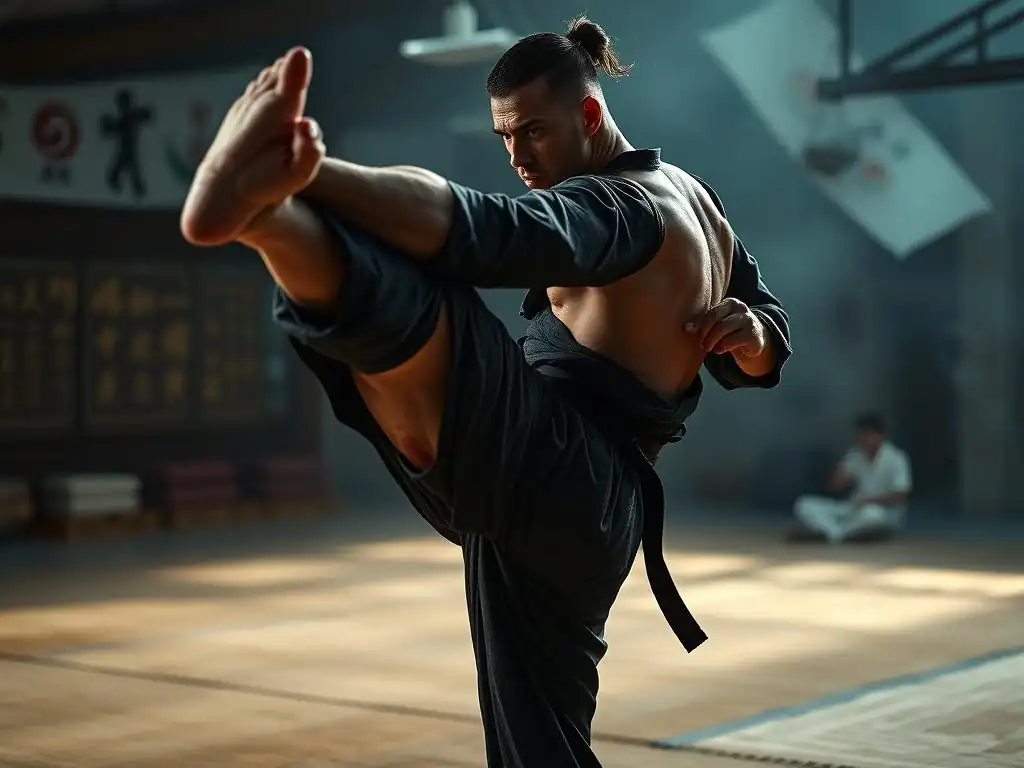
Welcome to Martial Arts Mastery, your ultimate resource for delving into the rich tapestry of martial arts! Ever wonder why achieving peak flexibility in your martial arts journey sometimes feels like a battle against your own body? This week, we tackle a crucial aspect of training: martial arts flexibility pain. Discover the difference between productive discomfort and harmful pain, and learn how to listen to your body for optimal progress and injury prevention. Are you ready to unlock your full potential, pain-free? Let's dive in!
- Understanding Pain Signals in Martial Arts Flexibility Training
- Common Causes of Pain During Martial Arts Stretching
- Strategies for Managing Pain and Discomfort in Martial Arts Flexibility
- Optimizing Your Flexibility Training for Injury Prevention
-
Recognizing Red Flags: When to Stop and Seek Professional Help
- Warning Signs of Serious Injuries During Flexibility Training: Sharp Pain, Instability, and Numbness
- Consulting with a Physical Therapist or Sports Medicine Professional for Accurate Diagnosis and Treatment
- Long-Term Pain Management Strategies for Martial Arts Practitioners: Addressing Underlying Imbalances
- Beyond Pain: Maximizing Flexibility for Martial Arts Performance
-
Frequently Asked Questions
- What are the common causes of pain during martial arts flexibility training?
- How can I differentiate between good pain (discomfort) and bad pain (injury) during stretching?
- What role does listening to my body play in preventing injuries during flexibility training?
- What are some effective strategies for managing pain and discomfort during martial arts flexibility exercises?
- How does understanding the philosophical underpinnings of martial arts relate to managing pain during flexibility training?
- Final Reflection: Embracing the Body's Wisdom
- Ignite Your Flexibility Journey Now!
Understanding Pain Signals in Martial Arts Flexibility Training
Navigating pain and discomfort is a critical aspect of any physical training, and flexibility work in martial arts is no exception. Achieving optimal range of motion is vital for executing techniques effectively, from high kicks to deep stances. However, pushing boundaries without understanding the body's signals can lead to injury, setting back progress significantly. Recognizing the difference between the necessary discomfort of stretching and the warning signs of potential damage is paramount for any serious practitioner.
Differentiating Between Productive Discomfort and Injury Pain in Stretching for Martial Arts
Productive discomfort in flexibility training is often described as a deep pulling or stretching sensation within the muscle belly or connective tissue. It's typically a dull ache that subsides when the stretch is released and doesn't persist long after the session. This type of sensation indicates that the tissues are being safely elongated and adapted.
For instance, during a deep split stretch, you might feel significant tension in the hamstrings and adductors, but it should feel like a stretch, not a sharp, localized pain. This feeling is the body's natural response to being taken slightly beyond its current resting length, prompting adaptation.
In stark contrast, injury pain is usually sharp, sudden, and often localized to a specific point, frequently near a joint or tendon insertion. Unlike productive discomfort, it tends to worsen with movement or pressure and may linger or intensify after the stretch is released. A common example in martial arts flexibility training is a sudden pop or tear sensation followed by immediate, intense pain in the groin during a butterfly stretch, which could indicate a muscle tear.
Another sign of injury pain is instability in a joint or an inability to bear weight comfortably. Learning to distinguish these sensations is the first line of defense against significant injury and essential for safe progress in martial arts flexibility.
The Importance of Self-Awareness and Body Feedback During Flexibility Workouts
Developing acute self-awareness is perhaps the most valuable skill a martial artist can cultivate when pursuing flexibility. It means actively listening to your body's subtle signals, not just the obvious ones. During flexibility exercises, pay close attention to how your muscles and joints feel. Are they warming up properly? Is one side significantly tighter than the other? Does a specific movement elicit an unusual sensation? This constant internal dialogue allows you to adjust your intensity, duration, or even technique on the fly, preventing potential issues before they become injuries.
Body feedback provides real-time information about your physical state. If a stretch feels wrong, too intense, or causes pain that isn't the familiar stretch sensation, your body is giving you crucial feedback. Ignoring this feedback is a common cause of martial arts flexibility pain.
Instead of pushing through sharp pain, ease out of the stretch, assess the situation, and modify or stop if necessary. For example, if a hamstring stretch causes pain behind the knee rather than in the hamstring belly, it might indicate nerve tension or improper form, requiring immediate modification or cessation. Honoring this feedback loop is key to sustainable progress and avoiding setbacks in your martial arts flexibility journey.
Common Causes of Pain During Martial Arts Stretching
Pain in martial arts flexibility training can stem from various sources, ranging from expected physiological responses to acute injuries. Understanding these common causes helps practitioners identify the nature of their discomfort and take appropriate action. Pinpointing the source is crucial for effective management and preventing recurrence of martial arts flexibility pain.
Muscle Soreness (DOMS) After Flexibility Training: Understanding Delayed Onset Muscle Soreness
Delayed Onset Muscle Soreness (DOMS) is a frequent experience after intense flexibility training, especially when introducing new stretches or increasing intensity. It typically manifests as stiffness, tenderness, and aching in the muscles, usually appearing 24 to 72 hours after the activity. DOMS is believed to be caused by microscopic tears in muscle fibers and the subsequent inflammatory response as the muscle repairs itself.
While uncomfortable, it's generally considered a normal part of the adaptation process. For instance, after a session focused on deep splits or backbends, martial artists might experience significant DOMS in their hamstrings, hip flexors, or core muscles a day or two later.
Managing DOMS involves patience and gentle recovery. While it can cause significant discomfort and temporarily limit range of motion, DOMS is not indicative of serious injury. Light activity, such as gentle walking or very light, dynamic stretching, can help improve blood flow and alleviate symptoms. Hydration, proper nutrition, and adequate sleep also play a significant role in muscle recovery. Typically, DOMS subsides within 3 to 5 days. If pain is severe, localized, or persists much longer than this timeframe, it's wise to consider other potential causes beyond standard DOMS and seek advice.
Joint Pain vs. Muscle Pain: Identifying the Source of Discomfort and Implementing Corrective Measures
Distinguishing between joint pain and muscle pain is vital when experiencing discomfort during martial arts flexibility work. Muscle pain, as discussed, often feels like a deep ache or pulling sensation within the muscle belly and typically improves with rest or gentle movement.
Joint pain, however, tends to be more localized, sometimes sharp or grinding, and can feel worse with specific movements that load or articulate the joint. For example, pain felt inside the hip joint during a pancake stretch might be joint-related, possibly indicating impingement or cartilage issues, whereas a burning or pulling sensation along the inner thigh muscle is more likely muscle pain.
Corrective measures depend entirely on the source of the pain. For muscle pain caused by tightness or overuse, targeted stretching, foam rolling, and rest can be effective. However, if the pain is clearly originating from a joint, pushing through the stretch can exacerbate the issue. Joint pain often requires cessation of the offending movement, potentially modified exercises, and professional evaluation to rule out structural problems. For instance, if a butterfly stretch causes pain in the knee joint rather than the groin muscles, it might suggest issues with knee alignment or ligament stress, necessitating a different approach or professional assessment.
Overstretching Injuries: Prevention, Recognition, and Initial Management Strategies
Overstretching occurs when a muscle or connective tissue is stretched beyond its capacity, resulting in a strain or tear. These injuries are a significant source of martial arts flexibility pain and often happen when pushing too hard, too fast, or with inadequate warm-up. Symptoms can range from a mild pull (Grade 1 strain) to a complete rupture (Grade 3 strain).
Recognition is key: look for sudden, sharp pain during a stretch, often accompanied by a popping or tearing sensation, followed by immediate weakness, swelling, bruising, and significant pain with movement. A common area for this is the hamstring or groin during explosive kicks or deep static stretches.
Preventing overstretching involves gradual progression, proper warm-up, and listening to your body's limits. Never force a stretch or bounce into positions. Initial management for a suspected overstretch injury typically involves principles similar to RICE (Rest, Ice, Compression, Elevation) though current recommendations often emphasize early gentle movement over complete rest.
Immediately stop the activity, apply ice to reduce swelling (15-20 minutes at a time), gently compress the area if possible, and elevate the injured limb. Avoid heat, alcohol, running, and massage (HARM) in the first 48-72 hours. For anything beyond a very mild, quickly resolving strain, seeking professional medical advice is crucial for accurate diagnosis and a proper rehabilitation plan.
Strategies for Managing Pain and Discomfort in Martial Arts Flexibility

Effectively managing pain and discomfort is essential for consistent progress in martial arts flexibility training and minimizing martial arts flexibility pain. While some discomfort is unavoidable in the pursuit of greater range of motion, smart strategies can mitigate excessive pain and accelerate recovery.
Dynamic Warm-up Techniques to Minimize Stretching Pain and Prepare the Body
A thorough dynamic warm-up is non-negotiable before engaging in any significant flexibility work or intense martial arts training. Dynamic movements, unlike static stretches, involve controlled movements through a range of motion, increasing blood flow to the muscles, elevating core body temperature, and activating the nervous system. This preparation makes muscles more pliable and less susceptible to strain during deeper stretches or explosive techniques.
Examples include leg swings (forward/backward and side-to-side), hip circles, torso twists, arm circles, and light lunges or squats. Spending 10-15 minutes on a dynamic warm-up significantly reduces initial resistance in muscles and joints, making subsequent stretching more comfortable and effective, thereby reducing the likelihood of discomfort and martial arts flexibility pain.
Research suggests that dynamic warm-ups can improve performance and reduce injury risk compared to static stretching before activity. For instance, studies on athletes have shown improved power output and agility after a dynamic warm-up. By preparing the specific muscle groups used in martial arts flexibility, such as the hip flexors before a split stretch or the shoulders before bridge work, you ensure they are warm and ready to elongate safely. This proactive approach is a cornerstone of preventing pain and optimizing your flexibility training session from the outset.
The Role of Diaphragmatic Breathing in Pain Management and Increased Flexibility
Diaphragmatic breathing, or deep belly breathing, is a powerful tool often overlooked in flexibility training. When we experience discomfort or pain, our natural tendency is to tense up and hold our breath, which ironically increases muscle rigidity and pain perception. Consciously practicing slow, deep breaths that expand the abdomen helps to activate the parasympathetic nervous system, promoting relaxation throughout the body. This relaxation response can significantly reduce muscle guarding and make stretches feel less intense and more tolerable.
During a deep stretch, focus on inhaling slowly through your nose, allowing your belly to rise, and exhaling even more slowly through your mouth, visualizing the tension leaving your muscles. On each exhale, you may find you can sink slightly deeper into the stretch without increased pain.
For example, holding a deep hamstring stretch while focusing on slow, controlled breathing can help relax the muscle and allow for greater depth than holding your breath or breathing shallowly. Integrating this breathing technique into your flexibility routine can transform challenging stretches into more manageable ones and help you navigate martial arts flexibility pain more effectively.
Active Recovery and Pain Relief Methods for Martial Artists: Foam Rolling and Light Cardio
Active recovery methods are crucial for managing post-training soreness and promoting muscle repair, which in turn helps reduce persistent martial arts flexibility pain. Foam rolling is a popular self-myofascial release technique that involves using a foam cylinder to apply pressure to specific points on the body, helping to release muscle tightness and trigger points. By rolling slowly over areas like the hamstrings, quadriceps, glutes, and adductors, martial artists can break up adhesions, improve blood flow, and reduce muscle soreness, making subsequent flexibility sessions less painful.
Light cardio, such as a brisk walk, cycling at a low intensity, or swimming, also aids recovery. These activities increase circulation without adding significant stress to the muscles, helping to deliver nutrients and oxygen while removing metabolic waste products. Engaging in 20-30 minutes of light cardio on rest days or after intense training can help flush out lactic acid and reduce overall stiffness. Combining techniques like foam rolling (perhaps 10-15 minutes targeting key areas) with light cardio promotes faster recovery and makes the pursuit of martial arts flexibility a less consistently painful process.
Optimizing Your Flexibility Training for Injury Prevention
Preventing injuries is paramount when aiming for long-term progress in martial arts flexibility. Many instances of martial arts flexibility pain are preventable with careful planning and execution. Optimizing your training involves understanding how to challenge your body safely and effectively.
Gradual Progression: Avoiding Overtraining and Premature Intensity Increases
One of the most common mistakes leading to martial arts flexibility pain is attempting too much, too soon. The body adapts to stretching over time, but this is a slow process. Pushing for dramatic increases in range of motion in a single session or week is a recipe for strains and tears.
Gradual progression means incrementally increasing the duration, depth, or frequency of your stretches. For instance, if you can comfortably hold a split stretch for 30 seconds, aim for 35 or 40 seconds next week, rather than immediately trying to hold it for 90 seconds or go significantly deeper.
Overtraining flexibility can manifest as chronic soreness, decreased range of motion (due to muscle guarding), and persistent pain. It's better to consistently train flexibility for shorter durations (e.g., 20-30 minutes) several times a week than to have one marathon session that leaves you debilitated for days. A sustainable approach involves listening to your body on a daily basis and making minor adjustments. If your muscles feel particularly tight or fatigued one day, reduce the intensity or focus on gentler movements. Patience and consistency, not brute force, are the keys to avoiding martial arts flexibility pain caused by overtraining.
The Importance of Proper Form and Alignment in Martial Arts Stretches
Correct form and alignment are just as critical in flexibility training as they are in executing martial arts techniques. Improper positioning during a stretch can place undue stress on joints, ligaments, or tendons, leading to pain and potential injury rather than effective muscle elongation. For example, rounding your back excessively during a forward bend intended to stretch the hamstrings puts strain on the lumbar spine instead of effectively targeting the leg muscles. Ensuring the pelvis is tilted correctly, joints are stacked appropriately, and the stretch is felt in the intended muscle group is essential.
Learning and maintaining proper form often requires guidance, either from a qualified instructor or through careful study of anatomical principles related to the stretch. Using mirrors or having a training partner observe can help you check your alignment.
Correct form ensures that the stretching force is applied to the target tissues, maximizing effectiveness while minimizing the risk of pain and injury. For instance, in a seated straddle stretch (leading towards a pancake), focusing on sitting on your sit bones and tilting your pelvis forward from the hips protects the lower back and ensures the stretch hits the adductors and hamstrings correctly.
Pancake Stretch and Avoiding Pain Points in the Hip Joint
The pancake stretch, a deep seated straddle forward bend, is a staple for improving hip adductor and hamstring flexibility, crucial for wide stances and side kicks in martial arts. However, it's a common source of martial arts flexibility pain, often felt in the inner thighs, hamstrings, or, problematically, the hip joint itself. Pain within the hip joint during this stretch can indicate hip impingement or other structural issues.
The primary pain point to avoid in the hip joint is a sharp, pinching sensation deep within the socket, especially as you lean forward. This is distinct from the pulling sensation in the muscles.
To avoid hip joint pain and focus the stretch on the muscles, ensure you are sitting directly on your sit bones, not slumping backward. If you cannot tilt your pelvis forward from the hips while keeping your back relatively straight, elevate your hips by sitting on a folded mat or block. This allows for better pelvic alignment and reduces stress on the hip joint capsule.
Focus on initiating the forward lean from the hips, maintaining a long spine, rather than rounding the back. If pinching pain persists despite these adjustments, reduce the depth or consult a professional, as forcing this stretch with improper mechanics or underlying hip issues can lead to chronic martial arts flexibility pain.
Butterfly Stretch and Common Mistakes that Cause Pain in the Groin and Knees
The butterfly stretch targets the hip adductors and is fundamental for techniques requiring open hips, like certain guards or ground positions. While effective, it commonly causes martial arts flexibility pain in the groin or, worryingly, the knees. Pain in the groin (inner thigh near the pelvis) is often the target muscle stretch sensation.
However, sharp or pinching pain can indicate an adductor strain or tendon issue. Pain in the knees, on the other hand, is typically a sign of improper form, specifically forcing the knees towards the floor by pushing down on them or bouncing. This puts rotational stress on the knee joint ligaments, which are not designed for this type of stretch.
To perform the butterfly stretch safely and minimize pain, sit tall with the soles of your feet together, allowing your knees to fall outwards naturally. Bring your heels as close to your body as comfortable, feeling a stretch in your groin. Avoid bouncing your knees. Instead, use slow, gentle pulses or simply hold the stretch.
Do not push down on your knees with your hands, as this bypasses the hip joint's natural range and stresses the knees. If your knees are significantly higher than your hips and you feel strain, place blocks or cushions under them for support. Focus on relaxing the inner thigh muscles with deep breaths. If knee pain occurs, stop the stretch immediately and assess your form or consider professional advice if pain persists, as knee pain in flexibility work is a significant red flag for potential issues.
Recognizing Red Flags: When to Stop and Seek Professional Help
While managing expected discomfort is part of the journey, certain types of pain signal that something is wrong and requires immediate attention. Ignoring these red flags can turn a minor issue into a chronic problem or serious injury, severely impacting your martial arts training. Knowing when to stop and seek professional help is a critical skill in preventing long-term martial arts flexibility pain.
Warning Signs of Serious Injuries During Flexibility Training: Sharp Pain, Instability, and Numbness
Several warning signs should prompt you to immediately stop stretching and consider seeking medical evaluation. Sharp, intense, or sudden pain is a primary indicator of acute tissue damage, such as a muscle or ligament tear. Unlike the diffuse ache of muscle soreness, this pain is often localized and feels like something has snapped or ripped. Another significant red flag is joint instability – if a joint feels loose, gives way, or seems unable to support itself after a stretch. For instance, a knee feeling wobbly after a deep split attempt.
Furthermore, any sensation of numbness, tingling, or radiating pain (like sciatica running down the leg) during or after a stretch could indicate nerve compression or irritation. Significant swelling or bruising that appears rapidly after a stretch also suggests underlying tissue damage beyond simple muscle fatigue. Experiencing a loud pop or click originating from a joint during a stretch is another serious sign that warrants investigation. These symptoms are not typical martial arts flexibility pain and should not be pushed through.
Consulting with a Physical Therapist or Sports Medicine Professional for Accurate Diagnosis and Treatment
If you experience any of the red flag symptoms, or if martial arts flexibility pain is chronic, worsening, or doesn't improve with rest and basic self-care, it is crucial to consult a qualified healthcare professional. A physical therapist or a sports medicine physician is best equipped to accurately diagnose musculoskeletal injuries related to flexibility training. They can assess your range of motion, strength, and identify the specific tissues involved using clinical tests, and potentially imaging like X-rays or MRIs if needed.
Attempting to self-diagnose or push through significant pain based on guesswork can lead to further injury and delay recovery. A professional can provide a precise diagnosis – confirming if it's a muscle strain, tendonitis, joint issue, nerve entrapment, or something else. Based on the diagnosis, they can develop a tailored treatment plan, which may include manual therapy, specific rehabilitation exercises, pain management techniques, and guidance on modifying your training to prevent recurrence. Seeking expert help ensures you get back to your martial arts training safely and effectively.
Long-Term Pain Management Strategies for Martial Arts Practitioners: Addressing Underlying Imbalances
For martial artists dealing with persistent martial arts flexibility pain or recurrent issues, long-term management often involves addressing underlying physical imbalances rather than just treating symptoms. Muscle imbalances (where some muscles are too tight and others too weak), poor posture, and faulty movement patterns can all contribute to chronic flexibility pain and injury risk. For example, weak core muscles can lead to improper pelvic tilt during leg stretches, causing lower back or hip pain.
A comprehensive approach involves not only flexibility work but also strengthening exercises, particularly for stabilizing muscles around the hips, core, and shoulders. A physical therapist can perform an assessment to identify specific imbalances unique to your body and your martial arts discipline. Corrective exercises, ergonomic adjustments (even outside of training), and consistent application of proper technique are vital for addressing the root causes of pain. This holistic strategy ensures that your pursuit of flexibility enhances, rather than hinders, your overall martial arts performance and longevity.
Beyond Pain: Maximizing Flexibility for Martial Arts Performance
While managing pain is a critical aspect of flexibility training, the ultimate goal for a martial artist is to leverage improved flexibility to enhance their performance. Flexibility is not just about performing splits; it's a functional component that directly impacts technique, power, and injury resilience. Moving beyond the focus on pain management allows practitioners to see flexibility as an integral part of martial arts mastery.
Flexibility as a Key Component of Martial Arts Mastery: Improved Range of Motion and Power
Flexibility grants a martial artist a greater range of motion, enabling techniques that are otherwise difficult or impossible. Consider the difference in a high kick executed with limited hamstring flexibility versus one with excellent range. The flexible martial artist can lift their leg higher with less strain, allowing for better hip extension and snap at the point of impact, potentially generating more power. Similarly, flexibility in the hips and ankles is crucial for deep, stable stances used in many traditional martial arts, providing a stronger base for generating force.
Beyond just reaching positions, functional flexibility allows muscles to work efficiently throughout a wider range. Muscles that can lengthen and shorten effectively can generate force more powerfully. Think of the whip-like motion in a punch or kick – this requires muscles to stretch and contract rapidly. Improved flexibility reduces internal resistance, allowing for faster, more fluid movements. For example, a flexible shoulder girdle allows for a greater range of motion in striking techniques, potentially increasing reach and speed. Thus, flexibility is not merely passive stretching but an active contributor to dynamic power and efficiency in martial arts.
Integrating Flexibility Training into Your Overall Martial Arts Regimen: Creating a Balanced Training Plan
For optimal results and to minimize martial arts flexibility pain, flexibility training should not be an isolated activity but seamlessly integrated into your overall martial arts regimen. A balanced training plan considers strength, conditioning, technique practice, and flexibility as interconnected components. Flexibility training can be performed after warm-up (dynamic stretching) and after the main training session when muscles are warm (static stretching). It can also be a dedicated separate session, perhaps on a rest day or in the morning.
A typical weekly plan might involve martial arts technique classes several times a week, incorporating flexibility specific to the discipline's movements. Dedicated flexibility sessions targeting major areas like hips, hamstrings, shoulders, and spine could be scheduled 2-3 times a week for 20-40 minutes. Cross-training activities like yoga or Pilates can also serve as excellent flexibility and core strengthening work. The key is consistency and finding a schedule that fits your body's recovery needs and training goals, ensuring flexibility supports, rather than detracts from, your overall martial arts development.
High Kicks and the Importance of Targeted Flexibility in the Hamstrings and Hip Flexors
High kicks are a signature technique in many martial arts styles, demanding significant flexibility, particularly in the hamstrings and hip flexors. The ability to lift the leg high and extend it requires the hamstrings (at the back of the thigh) to lengthen considerably, while the hip flexors (at the front of the hip) need to be both flexible to allow the leg to lift and strong enough to control the movement. Tight hamstrings are a primary limitation for kick height and a common source of martial arts flexibility pain during kicking drills or stretching.
Targeted flexibility work for these muscle groups is essential for improving high kicks. This includes stretches like seated or standing hamstring stretches, psoas stretches (a key hip flexor), and variations of split stretches. Incorporating dynamic stretches like controlled leg swings specifically targeting the kicking plane also helps. For example, dedicating 10-15 minutes per session to hamstring and hip flexor stretches, perhaps holding each stretch for 30-60 seconds, multiple times a week, can lead to noticeable improvements in kick height and comfort. Addressing specific limitations with targeted flexibility work is a direct path to enhancing key martial arts techniques.
Frequently Asked Questions
What are the common causes of pain during martial arts flexibility training?
The most common causes are pushing beyond your current limits, inadequate warm-up, and improper technique leading to muscle strain or joint stress. Ignoring early warning signs can exacerbate these issues.
How can I differentiate between good pain (discomfort) and bad pain (injury) during stretching?
Good pain is typically a mild stretching sensation that subsides quickly. Bad pain is sharp, localized, persistent, and may be accompanied by swelling or restricted movement, signaling a potential injury.
What role does listening to my body play in preventing injuries during flexibility training?
Listening to your body involves paying attention to pain signals, recognizing your limitations, and adjusting your training accordingly. This proactive approach helps prevent overexertion and potential injuries.
What are some effective strategies for managing pain and discomfort during martial arts flexibility exercises?
Effective strategies include proper warm-up, gradual progression, using correct form, and incorporating rest and recovery days. Active recovery, like light cardio or foam rolling, can also help.
How does understanding the philosophical underpinnings of martial arts relate to managing pain during flexibility training?
Martial arts philosophies often emphasize mindfulness and self-awareness, encouraging practitioners to be attuned to their bodies. This awareness helps in recognizing pain signals early and practicing controlled and sustainable training.
Final Reflection: Embracing the Body's Wisdom
The journey through martial arts flexibility training, as we've explored, is not merely about achieving impressive splits or high kicks. It's about cultivating a profound connection with our physical selves. This connection, this ability to listen to the subtle whispers of pain and discomfort, is more crucial now than ever in a world that often prioritizes pushing limits over mindful movement. The lessons learned on the mat – patience, self-awareness, and respect for boundaries – transcend the physical realm and offer invaluable guidance in navigating the challenges of everyday life.
The impact of understanding and respecting our body's signals extends far beyond the dojo. It fosters a deeper sense of self-compassion and empowers us to make informed choices that prioritize long-term well-being. This mindful approach to training, and to life in general, is beautifully captured by the words of Joseph Pilates: Physical fitness is the first requisite of happiness. Our interpretation of physical fitness is the attainment and maintenance of a uniformly developed body with a sound mind fully capable of naturally, easily, and satisfactorily performing our many and varied daily tasks with spontaneous zest and pleasure.
So, as you step off the mat and back into the world, remember the lessons learned about navigating pain and discomfort. Let the principles of mindful flexibility training – awareness, patience, and respect – guide your actions, both physical and mental. Listen to your body, honor its limitations, and celebrate its strengths. Embrace the journey of continuous learning and growth, knowing that true strength lies not in pushing beyond your limits, but in understanding and respecting them.
Ignite Your Flexibility Journey Now!
Thanks for diving into the world of mindful flexibility! We hope this article has empowered you to listen to your body and train smarter, not harder. Ready to take the next step?
Here’s how you can deepen your understanding and practice:
- Immediately after your next training session, dedicate 5 minutes to focused breathing and gentle stretching targeting areas that felt particularly tight during the workout.
- Explore complementary practices! Research and try one session of Yoga, Pilates, or Tai Chi this week to see how it enhances your flexibility and body awareness.
- Share your biggest takeaway from this article with a fellow martial artist and encourage them to prioritize listening to their body.
What's one small change you're committing to make in your next flexibility session to prioritize comfort and prevent injury?