
Periodizing Your Recovery: Aligning Rest and Activity with Your Martial Arts Training Cycles


Welcome to Martial Arts Mastery, your definitive guide to the world's fighting arts. Ever wondered how to truly optimize your training and avoid burnout? This week, we delve into the often-overlooked but crucial science of martial arts training recovery periodization. Discover how strategically planned rest can unlock peak performance and accelerate your journey to mastery. Intrigued? Read on to learn how to align your rest and activity with your training cycles for optimal results.
- Periodizing Your Recovery: Aligning Rest and Activity with Judo Training Cycles
- Understanding Periodization for Optimal Judo Performance
- The Science Behind Judo Training Recovery Periodization
-
Implementing Judo Training Recovery Periodization: A Step-by-Step Guide
- Step 1: Assessing Your Current Judo Training Load
- Step 2: Identifying Peak Performance Times in Your Judo Training Calendar [e.g., Competitions, Belt Promotions]
- Step 3: Planning Your Macrocycle: Annual Judo Training and Recovery Schedule
- Step 4: Designing Mesocycles: Monthly Judo Training and Recovery Blocks
- Step 5: Structuring Microcycles: Weekly Judo Training and Recovery Plans
- Types of Recovery to Integrate into Your Judo Training Periodization
- Sample Judo Training Recovery Periodization Schedules
- Common Mistakes to Avoid in Judo Training Recovery Periodization
- Maximizing the Benefits of Judo Training Recovery Periodization
- Advanced Judo Recovery Techniques and Periodization Strategies
- Conclusion: The Key to Sustainable Judo Mastery Through Periodized Recovery
-
Frequently Asked Questions
- How does periodization apply to recovery in martial arts training?
- Why is active recovery important in a martial arts training program?
- What are some signs that I might be overtraining and need to adjust my recovery periodization?
- How often should I incorporate deload weeks into my martial arts training schedule?
- What types of recovery strategies are most effective for martial arts practitioners?
- Final Reflection: Embracing the Rhythm of Recovery
- Ignite Your Recovery: Maximize Your Martial Arts Potential!
Periodizing Your Recovery: Aligning Rest and Activity with Judo Training Cycles
Understanding Periodization for Optimal Judo Performance
What is Periodization in Judo Training?
Periodization in Judo training is a systematic approach to planning training intensity, volume, and specific exercises over predetermined cycles to achieve peak physical and technical performance at specific times, such as major competitions or belt promotions. It involves breaking down the training year into distinct phases, or cycles – macrocycles (typically annual), mesocycles (monthly or several weeks), and microcycles (weekly) – each with specific goals, training focuses, and, crucially, recovery requirements. This structured planning prevents overtraining, minimizes injury risk, and ensures consistent progress towards long-term goals in the demanding sport of Judo.
This structured approach moves away from random training efforts towards a scientifically grounded method. For a Judoka aiming for national championships, for example, a macrocycle might involve initial phases focused on building strength and conditioning (e.g., 6-8 weeks), followed by phases emphasizing technical refinement and mat time (e.g., 8-12 weeks), and finally a tapering phase leading into the competition (e.g., 1-2 weeks). Each phase necessitates different training loads and, consequently, different recovery strategies, making the concept of martial arts training recovery periodization vital for sustained progress and competitive success.
The Importance of Recovery in Periodized Judo Training
Recovery is not merely the absence of training; it is an active and essential component of the periodization process in Judo. During intense training sessions, muscle fibers are broken down, energy stores are depleted, and the nervous system is taxed. Recovery allows the body to repair damaged tissues, replenish glycogen stores, adapt to the training stimulus (supercompensation), and restore hormonal balance. Without adequate recovery, the body cannot adapt effectively, leading to diminished performance, increased fatigue, and a higher susceptibility to injuries.
Integrating recovery strategically within a periodized Judo plan ensures that the Judoka is adequately rested and prepared for the demands of subsequent training blocks or competitive events. For instance, a mesocycle focused on high-intensity randori (sparring) requires significantly more structured recovery time, perhaps incorporating active recovery sessions or extended rest days, compared to a mesocycle focused on low-intensity technical drills. Effective martial arts training recovery periodization acknowledges that the body's ability to train hard is directly limited by its ability to recover effectively.
Why Periodize Your Judo Training Recovery?
Periodizing your Judo training recovery is crucial for several reasons. Firstly, it optimizes adaptation. The physiological improvements from training occur during the recovery period, not during the training itself. By aligning recovery strategies with specific training phases, you ensure that the body has the necessary time and resources to build stronger muscles, improve cardiovascular capacity, and enhance neurological efficiency in response to the training stress. This systematic approach prevents the common pitfall of accumulated fatigue.
Secondly, it significantly reduces the risk of injury and burnout. High-intensity Judo training places considerable stress on joints, ligaments, tendons, and muscles. Without planned recovery, these tissues do not have time to repair and strengthen, making them vulnerable to overuse injuries. Furthermore, chronic fatigue can lead to mental burnout, reducing motivation and adherence to the training plan. A well-structured martial arts training recovery periodization plan proactively addresses these risks, ensuring longevity and consistency in training.
The Science Behind Judo Training Recovery Periodization
The Body's Response to Judo Training Stress
Judo training, characterized by explosive movements, isometric holds, throws, and groundwork transitions, imposes significant physiological stress on a Judoka's body. This stress manifests in several ways: micro-tears in muscle fibers, depletion of muscle and liver glycogen stores, accumulation of metabolic byproducts like lactate, and fatigue of the central nervous system. The body's immediate response is catabolic, breaking down tissues and utilizing energy reserves.
The recovery period is where the body shifts into an anabolic state, initiating repair and adaptation processes. This involves synthesizing new muscle proteins, replenishing energy stores, clearing metabolic waste, and restoring homeostasis. The degree of stress dictates the required recovery time; a session involving intense randori will demand more recovery than a session focused solely on kata practice. Understanding this stress-recovery cycle is fundamental to effective martial arts training recovery periodization.
Hormonal Influences on Recovery
Hormones play a critical role in the body's recovery and adaptation processes. Hormones like testosterone and growth hormone are anabolic, promoting muscle protein synthesis and tissue repair. Cortisol, often referred to as the "stress hormone," is catabolic and is released in response to intense or prolonged training stress. While a transient increase in cortisol after training is normal, chronically elevated levels dueating to insufficient recovery can inhibit muscle growth, suppress the immune system, and increase fat storage.
Effective martial arts training recovery periodization aims to balance these hormonal responses. Adequate rest, proper nutrition (especially protein intake), and stress management techniques help optimize the balance between anabolic and catabolic hormones, facilitating efficient recovery and maximizing adaptation. For instance, studies have shown that sufficient sleep (7-9 hours) is crucial for optimizing growth hormone release, which predominantly occurs during deep sleep stages.
The Role of Sleep in Judo Recovery Periodization
Sleep is arguably the single most important component of recovery for any athlete, including Judoka. During sleep, particularly in the deeper stages, the body releases growth hormone, which is vital for tissue repair and muscle growth. The brain also processes information, consolidates motor skills learned during training, and clears metabolic waste products. Lack of sufficient, quality sleep impairs muscle repair, reduces glycogen synthesis, negatively impacts hormonal balance (increasing cortisol and decreasing anabolic hormones), and degrades cognitive function, reaction time, and pain tolerance – all critical factors for Judo performance.
Integrating sleep optimization into a martial arts training recovery periodization plan involves scheduling sufficient sleep duration (typically 7-9 hours per night for athletes), maintaining a consistent sleep schedule, and creating a conducive sleep environment. During periods of high-volume or high-intensity training, increasing sleep duration or incorporating naps can significantly enhance recovery and improve subsequent performance. Prioritizing sleep is not a luxury; it is a non-negotiable element for maximizing training gains and preventing injury in Judo.
Implementing Judo Training Recovery Periodization: A Step-by-Step Guide
Step 1: Assessing Your Current Judo Training Load
The first step in periodizing your Judo training recovery is to honestly assess your current training load. This involves evaluating the frequency, duration, and intensity of your Judo sessions, including technical drills, randori, strength and conditioning, and any other physical activities. Keep a training log for a week or two to get a realistic picture. Note the type of training, its perceived difficulty (e.g., on a scale of 1-10), and how you felt afterwards (fatigue levels, muscle soreness).
Consider external stressors as well, such as work, school, or personal commitments, as these also contribute to your overall recovery demands. A Judoka training intensely while also working a physically demanding job will require a different recovery approach than a full-time athlete. This initial assessment provides the baseline data needed to understand the current demands on your body and informs the subsequent steps in developing a tailored martial arts training recovery periodization plan.
Step 2: Identifying Peak Performance Times in Your Judo Training Calendar [e.g., Competitions, Belt Promotions]
Next, identify the key events in your Judo year where you want to perform at your best. These are typically major competitions, important belt promotion tests, or specific training camps. These peak performance times serve as the anchors around which your entire periodization plan, including recovery, will be built. For a competitive Judoka, this might be the national championships in six months, followed by a regional tournament three months later. For a recreational practitioner, it might be an annual belt promotion test.
Once peak events are identified, work backward from these dates to structure your training and recovery cycles. The phases leading up to a peak event will gradually shift focus and intensity, and consequently, the recovery strategies implemented during these phases will also change. This forward-looking perspective is essential for effective martial arts training recovery periodization, ensuring that recovery is planned proactively rather than reactively.
Step 3: Planning Your Macrocycle: Annual Judo Training and Recovery Schedule
The macrocycle represents your overall plan for the year (or longer). Based on your peak performance times, divide the year into distinct phases: preparatory phase (building base fitness), specific preparation phase (increasing Judo-specific intensity), pre-competition phase (tapering), competition phase, and transition/off-season phase (active rest). Each phase will have overarching goals for both training and recovery.
For example, the transition phase after a major competition might involve significantly reduced Judo training volume and intensity, focusing instead on active recovery like swimming or light cycling, and prioritizing sleep and mental relaxation for 2-4 weeks. The preparatory phase might involve higher strength and conditioning volume but lower Judo intensity, with recovery focusing on muscle repair and adaptation. This annual framework provides the big picture for your martial arts training recovery periodization.
Step 4: Designing Mesocycles: Monthly Judo Training and Recovery Blocks

Within the macrocycle, mesocycles are shorter blocks, typically 3-6 weeks, that focus on specific training objectives derived from the macrocycle phase. Each mesocycle will have a defined training load pattern and corresponding recovery strategies. A common pattern is 3 weeks of progressive overload followed by 1 week of reduced load (deload) for recovery.
During a high-intensity mesocycle focused on randori volume, recovery strategies might include planned extra rest days, increased focus on nutrition timing, and dedicated mobility work. During a deload mesocycle, training volume is significantly reduced (e.g., by 40-60%), and recovery activities like yoga, light physical therapy, or massage might be emphasized to allow for supercompensation and regeneration before the next block. This monthly planning refines the martial arts training recovery periodization outlined in the macrocycle.
Step 5: Structuring Microcycles: Weekly Judo Training and Recovery Plans
Microcycles are the shortest planning units, usually one week. This is where the day-to-day scheduling of training sessions, recovery activities, and rest days occurs. A typical Judo microcycle might involve 2-4 Judo sessions, 1-2 strength and conditioning sessions, and specific recovery slots. The structure of the microcycle is highly dependent on the goals of the current mesocycle.
For example, a microcycle during a high-intensity randori mesocycle might schedule intense randori sessions followed immediately by active recovery (cool-down, stretching) and then prioritize a full rest day or light active recovery the following day. A microcycle during a deload week might replace intense sessions with light technical practice and dedicate more time to passive recovery like extended sleep or relaxation techniques. This weekly planning is the most granular level of implementing martial arts training recovery periodization.
Types of Recovery to Integrate into Your Judo Training Periodization
Active Recovery Strategies for Judoka
Active recovery involves low-intensity physical activity performed during the recovery period. It helps increase blood flow, which can aid in clearing metabolic byproducts and delivering nutrients to muscles, and can also help reduce muscle stiffness. These strategies are typically incorporated on days between harder training sessions or during deload weeks.
Light Cardio for Muscle Recovery
Engaging in light cardiovascular exercise, such as gentle cycling, swimming, or walking, for 20-30 minutes at a low intensity (e.g., below 60% of maximum heart rate) can be beneficial for active recovery. This type of activity promotes circulation without adding significant stress to the muscles or nervous system. For a Judoka, this might be a brisk walk the day after an intense randori session to help work out soreness.
Dynamic Stretching and Mobility Drills
Performing dynamic stretches and mobility drills helps maintain range of motion and reduce muscle tightness that can result from intense Judo training. Exercises like leg swings, arm circles, torso twists, and hip circles, done smoothly and controlled, prepare the body for movement and can alleviate stiffness. This is particularly useful for areas heavily taxed in Judo, such as hips, shoulders, and spine.
Foam Rolling and Self-Massage Techniques
Using a foam roller or other self-massage tools can help release muscle knots (trigger points) and improve tissue elasticity. By applying pressure to specific areas, Judoka can target tight or sore muscles, potentially improving blood flow and reducing post-exercise soreness. Focusing on common problem areas like quadriceps, hamstrings, glutes, and upper back can be very effective.
Passive recovery involves methods that require minimal to no physical activity, focusing instead on rest, repair, and regeneration through physiological processes and external interventions. These are foundational elements of any martial arts training recovery periodization plan.
Prioritizing Sleep and Rest
As discussed earlier, sleep is paramount. Aim for 7-9 hours of quality sleep per night. During periods of high training load or stress, increasing sleep duration or incorporating naps (e.g., 20-30 minutes or 90 minutes) can significantly enhance recovery. Rest days, where no formal training occurs, are also critical components of passive recovery, allowing the nervous system and musculoskeletal system to fully regenerate.
Nutrition for Recovery: Fueling Muscle Repair
Adequate and timely nutrition is essential for recovery. Consuming a combination of carbohydrates and protein within a reasonable timeframe after training (e.g., within 1-2 hours) helps replenish glycogen stores and provides the building blocks (amino acids) for muscle repair and synthesis. Specific focus on hydration and micronutrients (vitamins and minerals) also supports various recovery processes. For example, consuming about 20-40 grams of high-quality protein post-training is a common recommendation to optimize muscle protein synthesis.
Stress Management Techniques: Meditation and Mindfulness
Mental and psychological stress can significantly impede physical recovery by elevating cortisol levels and disrupting sleep. Incorporating stress management techniques such as meditation, deep breathing exercises, mindfulness, or even enjoyable leisure activities can help lower stress hormones and promote relaxation, contributing to overall recovery and well-being. Reducing mental fatigue is just as important as recovering physically in a demanding sport like Judo.
Sample Judo Training Recovery Periodization Schedules
Example 1: Periodization for Competitive Judoka
A competitive Judoka targeting a major championship might structure their macrocycle like this:
- Off-Season (4 weeks): Active rest, cross-training (swimming, hiking), very light Judo (1-2 technical sessions/week). Recovery focus: Mental break, tissue healing, low-stress activities. Sleep 8-9 hours.
- Preparatory Phase (8 weeks): Higher volume S&C (3x/week), moderate Judo volume (3x/week, focus on technique/conditioning). Recovery focus: Nutrition for muscle growth, mobility work, managing overall fatigue. Planned deload week every 4th week with reduced volume and increased passive recovery.
- Specific Preparation Phase (10 weeks): Increased Judo intensity and randori volume (4-5x/week), reduced S&C volume but higher intensity (2x/week). Recovery focus: Aggressive nutritional recovery post-randori, daily mobility, prioritizing sleep (min 8 hours), active recovery sessions (light cardio) on non-Judo days.
- Pre-Competition/Taper Phase (2 weeks): Significantly reduced Judo volume and intensity, minimal S&C. Recovery focus: Maximal passive recovery, sleep optimization (aiming for 9+ hours), mental preparation, light active recovery.
- Competition Week: Maximal rest, light activation, mental focus.
- Transition (1 week post-competition): Complete rest or very light activity.
This martial arts training recovery periodization example shows how recovery intensity and focus shift with the training demands throughout the year.
Example 2: Periodization for Recreational Judo Practitioners
A recreational Judoka attending class 2-3 times per week might not follow such rigid periodization but can still benefit from the principles. Their "macrocycle" might be the year between belt promotions.
- Weekly Microcycle (Standard): 2-3 Judo sessions. Recovery Focus: Ensure a full rest day after the most intense session (e.g., randori night). Prioritize 7-8 hours of sleep nightly. Ensure adequate protein intake daily. Incorporate 1-2 active recovery sessions (e.g., light walk, stretching) throughout the week.
- Week Before Belt Promotion: Slightly reduce intensity in classes if possible, focus on technique. Recovery Focus: Increase sleep duration, reduce overall stress, ensure good hydration and nutrition.
- Week After Belt Promotion: Take an extra rest day or attend lighter classes. Recovery Focus: Allow body and mind to recover from the test's stress.
This simpler martial arts training recovery periodization model focuses on consistent recovery habits integrated into a less demanding schedule, preventing burnout and ensuring consistent enjoyment and progress.
Example 3: Periodization for Injury Prevention and Rehabilitation
Periodization is critical when managing or recovering from injury.
- Acute Injury Phase: Complete rest from Judo (or specific movements). Recovery focus: RICE (Rest, Ice, Compression, Elevation - under medical guidance), passive recovery, pain management, avoiding aggravating activities. Nutrition focus: Supporting tissue repair.
- Rehabilitation Phase (Weeks/Months): Gradually reintroduce controlled movement and specific exercises (physical therapy). Recovery focus: Active recovery within pain limits, targeted stretching/strengthening, managing inflammation, ensuring adequate sleep to support tissue healing. Judo training is highly modified or absent.
- Return to Training Phase: Slowly integrate back into Judo, starting with light technique, then increasing intensity and volume cautiously. Recovery focus: Meticulous monitoring of body's response, increased passive recovery time between limited sessions, proactive mobility/prehabilitation exercises, adjusting training load based on recovery status.
This example highlights how martial arts training recovery periodization is paramount when dealing with injuries, shifting the focus entirely towards healing and controlled reintegration.
Common Mistakes to Avoid in Judo Training Recovery Periodization
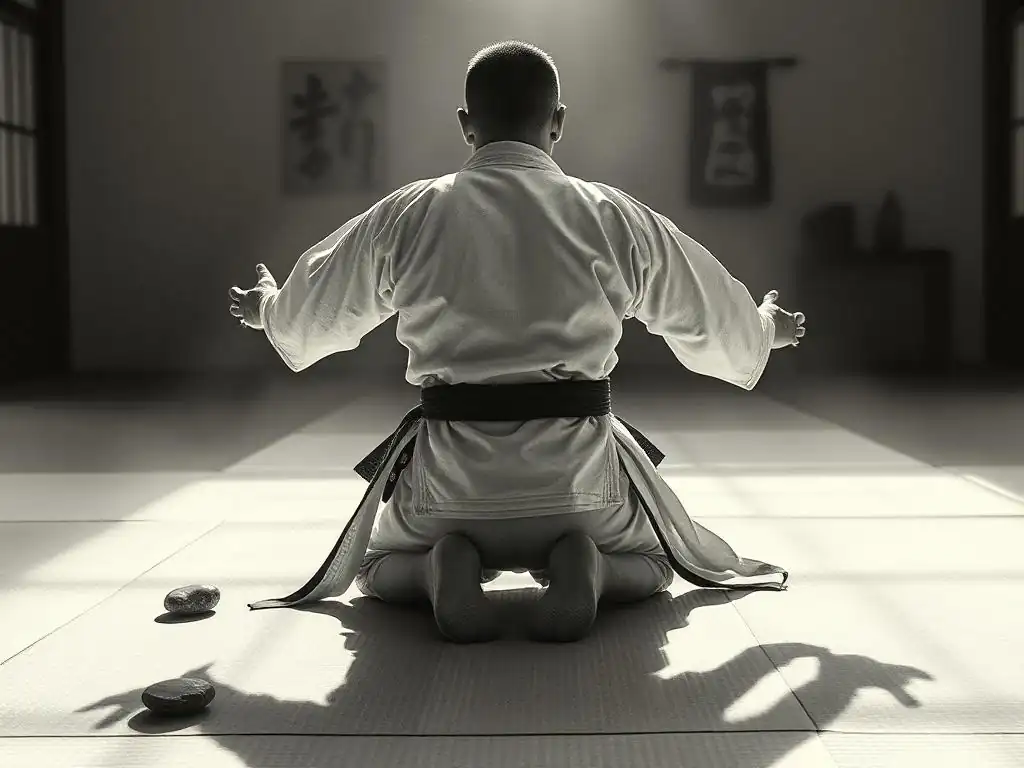
Overtraining and Under-Recovering
The most common mistake is training too hard or too often without sufficient recovery. This imbalance leads to chronic fatigue, decreased performance, increased injury risk, hormonal imbalances, and psychological burnout. Symptoms include persistent muscle soreness, elevated resting heart rate, poor sleep quality, decreased motivation, and increased susceptibility to illness. Effective martial arts training recovery periodization is specifically designed to prevent this by proactively scheduling rest and recovery.
Ignoring Individual Needs and Differences
Periodization plans should be individualized. What works for one Judoka may not work for another due to differences in age, training experience, genetics, lifestyle stress, sleep quality, and recovery capacity. A generic plan will likely be suboptimal. It's crucial to listen to your body, track your responses to training and recovery, and adjust the plan accordingly. This personal adaptation is key to successful martial arts training recovery periodization.
Neglecting Nutrition and Sleep
Often, athletes focus heavily on the training aspect of periodization but fail to give equal importance to the recovery pillars: nutrition and sleep. Skipping post-training meals, consistently getting less than 7 hours of sleep, or having poor sleep quality will severely hamper recovery regardless of how well the training and rest days are scheduled. These passive recovery strategies are fundamental and non-negotiable for optimizing adaptation and performance within any martial arts training recovery periodization plan.
Maximizing the Benefits of Judo Training Recovery Periodization
Monitoring Your Progress and Making Adjustments
A periodization plan is not static; it's a dynamic framework that requires ongoing monitoring and adjustment. Regularly track key indicators such as training performance (e.g., number of rounds, intensity), subjective feelings (fatigue, soreness, mood), sleep quality, and potentially objective measures like resting heart rate or heart rate variability (HRV). If you consistently feel overly fatigued or performance plateaus or declines unexpectedly, it's a sign that recovery needs to be adjusted – perhaps increasing rest days, reducing volume, or enhancing recovery strategies.
The Importance of Listening to Your Body
While structured periodization provides a roadmap, it's essential to remain flexible and listen to your body's signals. Pushing through severe pain or extreme fatigue is counterproductive and increases injury risk. Learn to distinguish between normal training discomfort and signs of excessive stress or impending injury. If your body is screaming for rest, a slight deviation from the plan to prioritize recovery is often the wisest decision for long-term progress and safety within your martial arts training recovery periodization.
Seeking Guidance from Experienced Judo Coaches and Professionals
Developing and implementing an effective martial arts training recovery periodization plan can be complex. Experienced Judo coaches, strength and conditioning specialists, sports scientists, or physical therapists can provide invaluable guidance. They can help assess your needs, design appropriate training and recovery cycles, monitor your progress, and make informed adjustments based on their expertise and your individual responses. Professional guidance ensures the plan is scientifically sound and tailored to your specific goals and circumstances.
Advanced Judo Recovery Techniques and Periodization Strategies
Utilizing Heart Rate Variability (HRV) for Recovery Monitoring
Heart Rate Variability (HRV) is a measure of the variation in time between heartbeats. It is used as a non-invasive indicator of the balance between the sympathetic ("fight or flight") and parasympathetic ("rest and digest") branches of the autonomic nervous system. A higher HRV generally indicates better recovery and readiness to train, while a lower HRV can suggest accumulated fatigue or stress. Tracking daily HRV using a monitor and app can provide objective data to help inform microcycle recovery decisions within your martial arts training recovery periodization plan.
Implementing Cryotherapy and Contrast Therapy
Cryotherapy (cold exposure, e.g., ice baths, cryo chambers) and contrast therapy (alternating hot and cold exposure) are techniques sometimes used by athletes to potentially reduce muscle soreness and inflammation, and enhance recovery. While the scientific evidence for their effectiveness varies and optimal protocols are debated, some Judoka find these methods beneficial for subjective recovery and reducing delayed onset muscle soreness (DOMS) after intense sessions. Their use can be strategically placed within a microcycle, perhaps after the most demanding training day.
Exploring Supplementation for Enhanced Recovery [Disclaimer needed]
Certain supplements are purported to aid recovery by reducing inflammation, supporting muscle repair, or improving sleep quality. Examples include branched-chain amino acids (BCAAs), creatine, omega-3 fatty acids, and magnesium. While some supplements have research backing for specific effects, others have limited evidence. Any decision to use supplements should be made with caution, ideally in consultation with a sports nutritionist or healthcare professional, and with awareness of anti-doping regulations if applicable. Disclaimer: The information provided here is for informational purposes only and does not constitute medical or nutritional advice. Consult with a qualified professional before starting any supplement regimen.
Conclusion: The Key to Sustainable Judo Mastery Through Periodized Recovery
Achieving long-term mastery in Judo requires more than just consistent training; it demands intelligent recovery. Periodizing your recovery, aligning rest and rejuvenation strategies with the varying demands of your training cycles, is a fundamental principle of sports science that is directly applicable to the rigorous practice of Judo.
By systematically planning periods of intense work followed by adequate rest and employing a variety of active and passive recovery methods, Judoka can optimize their physiological adaptations, minimize the risk of injury and burnout, and consistently progress towards their technical and competitive goals. Embracing martial arts training recovery periodization is not about training less; it's about training smarter, ensuring that every training session contributes effectively to your development while safeguarding your body and mind for a long and successful journey in the art of Judo.
Frequently Asked Questions
How does periodization apply to recovery in martial arts training?
Periodization for recovery involves structuring your rest periods to align with your training cycles. This means planning for deliberate rest and active recovery phases throughout the year. It prevents overtraining and promotes long-term progress.
Why is active recovery important in a martial arts training program?
Active recovery, such as light stretching or low-intensity cardio, enhances blood flow to muscles. This helps remove metabolic waste and promotes faster healing. It also prevents stiffness and maintains flexibility.
What are some signs that I might be overtraining and need to adjust my recovery periodization?
Signs of overtraining include persistent muscle soreness, decreased performance, and increased fatigue. Sleep disturbances and changes in mood are also common indicators. Listening to your body is crucial for effective recovery.
How often should I incorporate deload weeks into my martial arts training schedule?
The frequency of deload weeks depends on the intensity and volume of your training. Generally, incorporating a deload week every 4-8 weeks is recommended. This allows for complete recovery and prevents burnout.
What types of recovery strategies are most effective for martial arts practitioners?
Effective recovery strategies include adequate sleep, proper nutrition (especially protein intake), and techniques like massage and foam rolling. Focusing on stress management is also beneficial for overall recovery.
Final Reflection: Embracing the Rhythm of Recovery
The principles of periodization, so vital to optimizing martial arts training, extend far beyond the dojo mat. Understanding the cyclical nature of exertion and restoration is not merely a technique for physical enhancement, but a fundamental approach to sustainable well-being in all aspects of life. By recognizing the ebb and flow of energy, we can cultivate resilience and prevent burnout, not just in martial arts, but in our careers, relationships, and personal pursuits.
The concept of periodizing recovery has profoundly shifted my perspective on training and self-care. It's no longer about pushing harder, but about working smarter, listening to my body, and honoring the need for rest. This understanding resonates deeply, especially in a culture that often glorifies constant activity. The best fighter is never angry,
Bruce Lee famously said. This extends to recovery; the best athlete isn't always pushing, but is strategically resting and rebuilding.
Now, I invite you to consider how you can apply the principles of periodization to your own life. Are you allowing yourself adequate time for recovery after periods of intense activity? Are you listening to the signals your body is sending? Embrace the rhythm of recovery, and discover the transformative power of aligning rest and activity to unlock your full potential, both on and off the mat.
Ignite Your Recovery: Maximize Your Martial Arts Potential!
Thank you for investing your time in understanding the importance of periodized recovery. Now that you're equipped with this knowledge, let's put it into action to elevate your martial arts journey.
Here are your next steps:
- Prioritize crafting a detailed recovery schedule that aligns with your training cycles, including specific rest days and active recovery activities. This is your primary focus!
- Experiment with different recovery techniques mentioned in the article, like foam rolling or meditation, and discover what works best for your body and mind.
- Share this article with your training partners and discuss how you can collectively optimize your recovery for peak performance and injury prevention.
What specific recovery strategy are you most excited to implement into your training routine?