
Unlocking Your Inner Warrior: How Rest, Sleep, and Active Recovery Forge Mental Fortitude

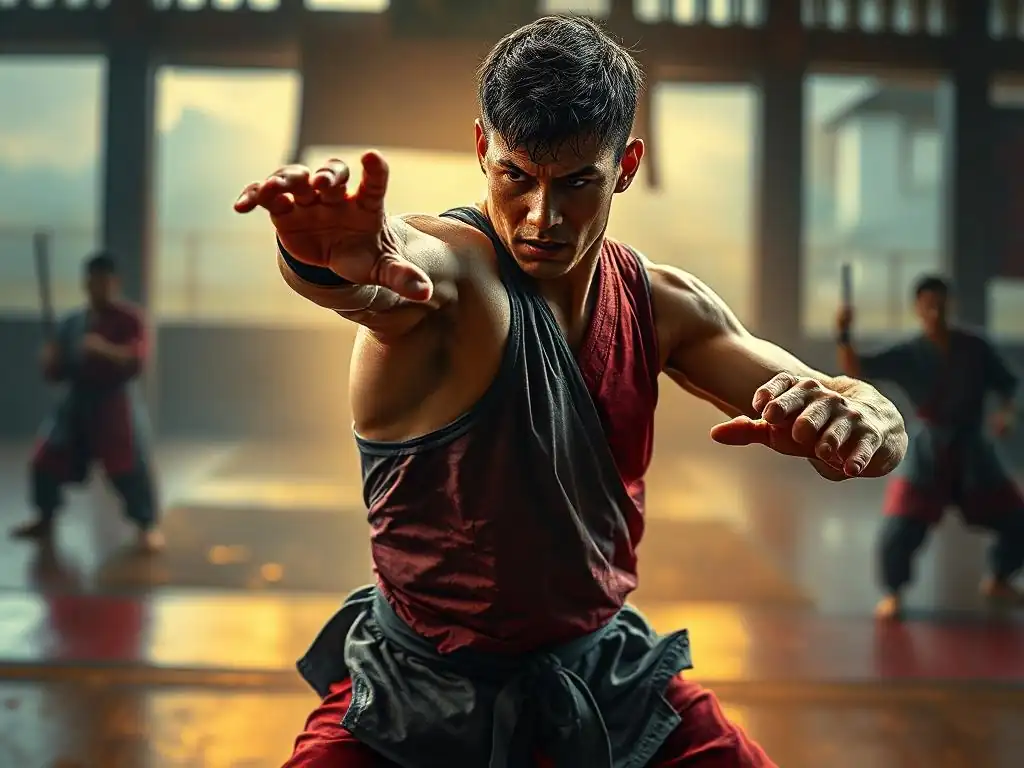
Welcome to Martial Arts Mastery, your ultimate resource for unlocking the secrets of combat and self-discovery! Ever wonder how true martial arts masters achieve unwavering focus and resilience? Dive in to discover how something as simple as rest – particularly as it improves martial arts mental fortitude – can be the key to unlocking your inner warrior. Explore the science behind sleep, the power of active recovery, and how these often-overlooked elements forge a mind as sharp and unbreakable as any blade. Are you ready to elevate your training to the next level?
- Unlocking Peak Performance: How Rest, Sleep, and Active Recovery Forge Mental Fortitude
- The Athlete's Paradox: Why Recovery is Crucial for Mental Strength
- The Power of Sleep: Your Secret Weapon for Mental Resilience
- Active Recovery: Bridging the Gap Between Training Sessions
- Rest, Sleep, and Active Recovery: A Holistic Approach to Mental Fortitude
- Mental Fortitude Beyond the Field: Applying Recovery Principles to Daily Life
- Mastering the Mind-Body Connection: The Ultimate Performance Advantage
-
Frequently Asked Questions
- How does sufficient rest contribute to mental fortitude in martial arts?
- What is the role of sleep in building mental toughness for martial artists?
- What is active recovery, and how does it differ from simply resting?
- Can neglecting rest and recovery negatively impact a martial artist's mental game?
- Are there specific rest and recovery strategies recommended for martial artists with demanding training schedules?
- Final Reflection: The Fortitude Forged in Stillness
- Ignite Your Inner Peace: Embrace Recovery Today!
Unlocking Peak Performance: How Rest, Sleep, and Active Recovery Forge Mental Fortitude
The Athlete's Paradox: Why Recovery is Crucial for Mental Strength
Understanding the Mental Demands of High-Performance Training
Martial arts training is a rigorous discipline that challenges not just the body, but profoundly the mind. Practitioners face constant mental demands, from mastering complex techniques requiring intense focus and spatial awareness to enduring sparring sessions that test courage, strategy, and emotional control under pressure. The mental load includes processing instructor feedback, adapting to unpredictable opponents, and maintaining concentration during prolonged, repetitive drills. This continuous cognitive and emotional engagement depletes mental energy just as physical exertion depletes muscle glycogen.
Beyond the physical exertion, martial artists must manage performance anxiety, overcome frustration with slow progress, and maintain motivation through plateaus. The ability to stay calm under pressure, make split-second decisions, and persevere through fatigue are hallmarks of a skilled practitioner, all of which are heavily reliant on mental resilience. Without adequate recovery, the mind's capacity to handle these stresses diminishes, leading to impaired judgment, reduced learning capacity, and increased irritability, directly impacting performance and safety.
Challenging the "Push Through the Pain" Mentality
The traditional martial arts ethos often emphasizes pushing physical and mental limits, sometimes to the point of exhaustion. While discipline and perseverance are vital, an uncritical adherence to a "push through the pain" or "no days off" mentality can be detrimental. This mindset can lead to overtraining, injury, and significant mental burnout, paradoxically hindering long-term progress and mental fortitude. True strength lies not just in the ability to endure hardship, but also in the wisdom to recognize when the body and mind require restoration.
Rejecting the notion that constant intensity is the only path to mastery is crucial. Elite athletes and martial artists understand that recovery is not a sign of weakness, but a strategic component of training. It's during rest that the body repairs and adapts, and the mind consolidates learning and rebuilds its capacity for focus and resilience. Prioritizing recovery demonstrates self-awareness and a commitment to sustainable, long-term improvement, which are themselves indicators of strong mental discipline.
How Recovery Improves Mental Fortitude: The Science
Scientific evidence strongly supports the link between adequate recovery and enhanced mental function. During rest periods, particularly sleep, the brain processes information, consolidates memories, and clears metabolic waste products that accumulate during intense activity. This biological reset is essential for maintaining optimal cognitive function, including executive functions like planning, decision-making, and impulse control – all critical for martial arts performance. Research has shown that even moderate sleep restriction significantly impairs cognitive performance, sometimes mirroring the effects of alcohol intoxication.
Furthermore, recovery practices help regulate stress hormones like cortisol. Chronic stress, often exacerbated by overtraining and insufficient rest, elevates cortisol levels, which can negatively impact mood, concentration, and emotional regulation. By allowing the body and mind to recover, cortisol levels can normalize, leading to improved emotional stability, reduced anxiety, and a greater capacity to handle the psychological pressures of training and competition. This is a key mechanism by which rest improves martial arts mental fortitude.
The Power of Sleep: Your Secret Weapon for Mental Resilience
Sleep Deprivation's Impact on Focus, Reaction Time, and Decision-Making
Sleep is not merely a period of inactivity but a vital process for physical and cognitive restoration. Sleep deprivation, even just a few hours less than recommended per night, has profound negative effects on mental faculties crucial for martial arts. Studies consistently show that insufficient sleep impairs focus and attention span, making it harder to absorb coaching cues or stay present during sparring. Reaction time slows considerably; one study found that just 24 hours awake can decrease reaction time by up to 11%, a critical deficit in a dynamic combat sport.
Decision-making, especially complex or split-second choices under pressure, is severely compromised by lack of sleep. The prefrontal cortex, responsible for executive functions, is particularly vulnerable to sleep deprivation. This can lead to poor strategic choices, increased risk-taking, and a reduced ability to adapt tactics mid-exchange. For a martial artist, this translates directly to decreased effectiveness, increased vulnerability to opponents, and a higher risk of injury due to impaired judgment and slower physical responses.
Optimizing Sleep for Enhanced Athletic Performance
For athletes, including martial artists, the recommended sleep duration is typically higher than for the general population, often 7-9 hours, and sometimes more during periods of intense training. Optimizing sleep quantity and quality is a powerful, often overlooked, tool for enhancing both physical recovery and mental resilience. Adequate sleep facilitates muscle repair, hormone regulation (including growth hormone and testosterone), and immune function, all of which support consistent training and reduce injury risk.
From a mental perspective, sufficient sleep improves mood, increases motivation, and enhances the ability to manage stress. It sharpens cognitive functions like memory consolidation and learning, making it easier to retain new techniques and strategies. Athletes who prioritize sleep report feeling more alert, focused, and mentally prepared for training sessions and competitions. This improved mental state directly contributes to higher performance and a greater capacity to endure the psychological challenges of martial arts.
Sleep Hygiene Strategies for Athletes: Creating a Restful Environment
Establishing good sleep hygiene is fundamental to optimizing recovery. This involves creating consistent habits and an environment conducive to restful sleep. A regular sleep schedule, going to bed and waking up around the same time each day (even on weekends), helps regulate the body's internal clock. Creating a dark, quiet, and cool bedroom environment minimizes disruptions. Avoiding screens (phones, tablets, TVs) for at least an hour before bed is critical, as the blue light emitted can interfere with melatonin production.
Other effective strategies include avoiding caffeine and alcohol close to bedtime, engaging in relaxing activities before sleep (like reading or gentle stretching), and ensuring your mattress and pillows are comfortable. For martial artists training intensely, incorporating naps (20-30 minutes) during the day can also help supplement nighttime sleep and improve alertness without causing grogginess. Consistent adherence to these practices significantly enhances the quality of sleep, which in turn helps rest improve martial arts mental fortitude.
Active Recovery: Bridging the Gap Between Training Sessions
What is Active Recovery and Why is it Important?
Active recovery involves engaging in low-intensity physical activity during the recovery period between intense training sessions or competitions. Unlike passive recovery (complete rest), active recovery typically involves gentle movement that increases blood flow without causing significant stress or fatigue to the muscles or nervous system. Examples include light jogging, swimming, cycling at a low resistance, or dynamic stretching. The goal is to promote circulation, aid in the removal of metabolic waste products (like lactic acid), and reduce muscle soreness and stiffness.
For martial artists, active recovery is important because it helps maintain mobility and flexibility, prevents excessive stiffness, and can prepare the body for the next training session. It keeps the body moving without the impact or intensity of regular training, allowing for physical restoration while still engaging the muscles and joints. This type of recovery helps the body feel less "locked up" and more ready to perform when it's time for the next high-intensity workout.
Active Recovery Techniques: Low-Intensity Exercise and Mobility Work
A variety of techniques fall under the umbrella of active recovery, tailored to the individual's needs and the intensity of their previous training. Low-intensity aerobic activities are common; a 20-30 minute light cycle or swim can significantly boost circulation. Gentle yoga or Tai Chi sessions are excellent for combining low-impact movement with focus and breath control, aligning well with the mind-body principles in martial arts.
Mobility work, such as dynamic stretching, foam rolling, or using massage balls, is also a crucial component. These practices help release muscle tension, improve range of motion, and address specific areas of tightness developed during martial arts training. For instance, targeting tight hip flexors from kicking or shoulder tension from grappling exchanges through gentle movement and self-myofascial release can significantly enhance recovery and prepare the body for future demands. A 15-minute session focusing on problem areas can make a noticeable difference.
Benefits of Active Recovery for Mental Clarity and Stress Reduction
Beyond the physical benefits, active recovery has notable positive effects on mental well-being and clarity. Engaging in light, non-strenuous movement provides a mental break from the intensity and focus required during regular training. The repetitive, low-impact nature of activities like cycling or swimming can be meditative, helping to reduce mental clutter and promote a sense of calm. This can be particularly beneficial for martial artists dealing with the mental pressure of competition or technical plateaus.
Furthermore, active recovery helps reduce overall stress levels. Gentle exercise releases endorphins, which have mood-boosting effects. It also provides an opportunity to disconnect from training-related anxieties and focus on simple movement and breath. This mental decompression is vital for preventing burnout and maintaining a healthy perspective on training. By facilitating both physical and mental unwinding, active recovery contributes significantly to the overall process by which rest improves martial arts mental fortitude.
Rest, Sleep, and Active Recovery: A Holistic Approach to Mental Fortitude
Integrating Recovery into Your Training Schedule
Viewing rest, sleep, and active recovery not as optional add-ons but as integral components of a training plan is essential for cultivating mental fortitude. Just as you schedule sparring or conditioning, dedicate specific time slots for recovery. This might mean allocating an entire day each week for complete rest, scheduling active recovery sessions on lighter training days, or ensuring you have a consistent, adequate sleep schedule. Failing to plan for recovery often means failing to recover effectively.
Successful integration requires listening to your body and mind. If you feel excessively fatigued, irritable, or notice a dip in performance or concentration, it's a clear signal that more recovery is needed. This might mean adjusting your training volume or intensity, prioritizing an earlier bedtime, or dedicating more time to active recovery techniques. A rigid schedule that doesn't allow for flexibility based on your body's signals is counterproductive to building resilience.
The Mental Benefits of Prioritizing Recovery: Confidence, Resilience, and Focus
Consistently prioritizing rest, sleep, and active recovery yields significant mental benefits that directly enhance a martial artist's performance. Adequate recovery boosts confidence by ensuring you show up to training feeling physically capable and mentally alert. When you're not fighting fatigue or soreness, you can engage more fully, execute techniques with greater precision, and handle challenges with more self-assurance. This positive feedback loop reinforces your belief in your abilities.
Recovery also builds mental resilience. By allowing the nervous system to reset and stress hormones to normalize, you become better equipped to handle the inevitable setbacks, frustrations, and pressures of martial arts. You develop a greater capacity to persevere through difficult moments without becoming overwhelmed. Furthermore, improved sleep and reduced physical stress sharpen focus and concentration, allowing for deeper learning, better tactical awareness, and greater presence during training and competition. This is the core mechanism by which rest improves martial arts mental fortitude.
Avoiding Burnout: Recognizing Overtraining and the Importance of Downtime
Overtraining is a state where the body and mind are pushed beyond their capacity to recover, leading to a plateau or decline in performance, chronic fatigue, increased injury risk, and significant psychological distress. Recognizing the signs of overtraining is crucial for preventing burnout. These signs include persistent muscle soreness, elevated resting heart rate, increased susceptibility to illness, irritability, loss of motivation, difficulty sleeping, and a noticeable decrease in training performance or enjoyment.
Downtime is not wasted time; it is essential for preventing this state. Scheduling complete rest days allows for full physical and mental regeneration. Taking planned breaks from intense training, such as lighter weeks or longer periods off after competition, is vital for long-term sustainability in martial arts. Embracing downtime as a necessary part of the training cycle, rather than a luxury, is a key aspect of developing the self-awareness and discipline required for sustained success and mental well-being in martial arts.
Mental Fortitude Beyond the Field: Applying Recovery Principles to Daily Life
Using Recovery to Manage Stress and Improve Mental Well-being
The principles of recovery learned in martial arts training—prioritizing sleep, incorporating rest, and engaging in activities that promote mental and physical restoration—are directly applicable to managing the stresses of daily life. The demands of work, family, and personal obligations can be just as taxing on mental fortitude as intense physical training. Applying a recovery mindset means recognizing when your mental and emotional resources are depleted and taking deliberate steps to recharge.
This could involve establishing a consistent sleep schedule despite a busy work week, scheduling short breaks throughout the day to decompress, or engaging in activities outside of work or training that you find relaxing and enjoyable. Just as active recovery helps the body clear metabolites, engaging in hobbies, spending time in nature, or practicing mindfulness can help the mind process stress and prevent emotional buildup. This conscious effort to integrate recovery into daily life is fundamental for overall mental well-being, extending the benefits far beyond the dojo.
Cultivating a Mindset of Self-Care for Long-Term Success
Prioritizing recovery cultivates a powerful mindset of self-care. It shifts the focus from relentlessly pushing limits to intelligently managing resources – both physical and mental. This involves developing a deep understanding of your own needs and limits, and having the discipline to honor them. For a martial artist, this might mean skipping an extra training session when feeling run down, choosing a light active recovery session instead of pushing through a tough workout, or simply ensuring you get enough sleep before a demanding day.
This mindset of self-care is not selfish; it is strategic. By taking care of your physical and mental well-being, you ensure you have the energy, focus, and resilience needed to perform at your best consistently, whether in training, competition, or daily life. It's an investment in your long-term success and sustainability, preventing burnout and fostering a healthier, more balanced approach to achieving goals.
The Long-Term Mental and Physical Benefits of Consistent Recovery
The cumulative effects of consistent, prioritized recovery are profound, leading to significant long-term mental and physical benefits. Physically, consistent recovery reduces the risk of chronic injuries, improves adaptability to training loads, enhances immune function, and supports sustained physical performance over years of practice. Mentally, it builds robust resilience, improves emotional regulation, enhances cognitive function, and fosters a positive relationship with training and self.
Over time, a martial artist who consistently prioritizes rest, sleep, and active recovery will likely experience fewer periods of burnout, maintain higher levels of motivation, learn and adapt more effectively, and perform more consistently than one who constantly pushes without adequate rest. This sustainable approach ensures that martial arts remains a source of growth and empowerment, rather than leading to frustration and physical breakdown. Ultimately, consistent recovery is the bedrock upon which long-term mental fortitude and mastery are built.
Mastering the Mind-Body Connection: The Ultimate Performance Advantage
How Recovery Enhances Mindfulness and Body Awareness
Recovery practices, particularly those involving gentle movement or stillness like stretching, yoga, or simply resting, provide opportunities to enhance mindfulness and body awareness. During intense training, the focus is often external – on an opponent, a target, or executing a complex sequence. Recovery allows for an internal focus, paying attention to how the body feels, identifying areas of tension or soreness, and noticing subtle physical sensations.
This heightened body awareness, cultivated during downtime, translates directly back to training. A martial artist with good body awareness can better detect early signs of fatigue or potential injury, adjust technique for optimal efficiency and power, and move with greater control and precision. Mindfulness, fostered by resting the busy mind, improves presence and focus during training, allowing for deeper engagement with the practice and stronger mind-body integration. This is another layer through which rest improves martial arts mental fortitude.
Using Breathwork and Visualization to Promote Relaxation and Mental Clarity
Breathwork and visualization are powerful techniques that can be integrated into recovery routines to further enhance mental fortitude and relaxation. Simple deep breathing exercises, focusing on slow, controlled inhales and exhales, activate the parasympathetic nervous system, counteracting the "fight or flight" response often triggered by intense training or stress. This promotes physiological relaxation and mental calm.
Visualization involves mentally rehearsing techniques, sparring scenarios, or simply picturing a calm, centered state. This can be done during rest periods to reinforce learning, build confidence, and reduce anxiety about future training or competition. For example, visualizing successful execution of a challenging technique while in a relaxed state can strengthen neural pathways. Combining breathwork with visualization during recovery helps to train the mind to be both focused and calm, a critical balance for any martial artist.
The Synergy of Physical and Mental Recovery for Peak Performance
True peak performance in martial arts, and in life, arises from the synergy between physical and mental readiness. Neglecting one aspect compromises the other. A physically recovered body with an exhausted mind will lack focus and strategy. A mentally sharp mind in a physically broken body will lack the capacity to execute. The most effective approach recognizes that physical and mental recovery are two sides of the same coin, each supporting and enhancing the other.
Integrating rest, sleep, active recovery, breathwork, and visualization creates a holistic recovery strategy that addresses both the physical demands placed on the body and the cognitive and emotional load handled by the mind. This comprehensive approach ensures that a martial artist is not just physically prepared, but also mentally resilient, focused, and adaptable. By mastering the art of recovery alongside the art of combat, practitioners unlock their full potential and forge true, enduring mental fortitude. This is the ultimate realization of how rest improves martial arts mental fortitude, leading to sustained excellence and mastery.
Frequently Asked Questions
How does sufficient rest contribute to mental fortitude in martial arts?
Sufficient rest allows the brain to recover, which is crucial for cognitive function and emotional regulation. This, in turn, enhances mental fortitude by improving focus and resilience.
What is the role of sleep in building mental toughness for martial artists?
Sleep is when the body and mind repair themselves. Adequate sleep is directly linked to improved concentration, better decision-making, and greater resistance to stress, all essential for mental toughness.
What is active recovery, and how does it differ from simply resting?
Active recovery involves low-intensity activities like stretching or light yoga, promoting blood flow and reducing muscle soreness. Unlike passive rest, it helps clear metabolic waste and improve flexibility, contributing to overall well-being.
Can neglecting rest and recovery negatively impact a martial artist's mental game?
Yes, absolutely. Insufficient rest leads to increased irritability, impaired judgment, and decreased motivation. This significantly hinders a martial artist's ability to perform under pressure and maintain focus.
Are there specific rest and recovery strategies recommended for martial artists with demanding training schedules?
Martial artists should prioritize consistent sleep schedules, incorporate active recovery days, and utilize mindfulness techniques such as meditation to manage stress and promote mental clarity.
Final Reflection: The Fortitude Forged in Stillness
The journey we've explored, connecting rest, sleep, and active recovery to mental fortitude in martial arts, isn't just about physical performance; it's about cultivating a resilient mind. The profound impact of prioritizing rest on mental clarity and emotional stability is now more crucial than ever, as we navigate an increasingly demanding world that often glorifies relentless activity. This understanding transcends the dojo and applies to every facet of our lives.
The principles of rest and recovery, often overlooked in the pursuit of achievement, are fundamental to sustainable growth and unwavering mental strength. My own experiences have shown me that pushing beyond limits without adequate recuperation leads to burnout and diminished returns, both physically and mentally. The best fighter is never angry,
Bruce Lee famously said, highlighting the importance of a calm and centered mind, a state only achievable through proper rest and recovery. This isn't just about martial arts; it's about cultivating inner peace and resilience in the face of life's challenges.
Now, I invite you to reflect on your own life. Are you truly prioritizing rest and recovery, or are you caught in the trap of constant activity? Embrace the power of stillness, nurture your mind and body, and unlock the inner warrior within you. The fortitude you forge in moments of quietude will empower you to face any challenge with unwavering strength and clarity.
Ignite Your Inner Peace: Embrace Recovery Today!
Thank you for exploring the power of rest and recovery in boosting your mental resilience. Now, let's translate this knowledge into action and truly unlock your potential!
- Prioritize your sleep: Aim for 7-9 hours of quality sleep tonight. Notice how you feel tomorrow.
- Experiment with active recovery: Try a gentle yoga session or a relaxing walk in nature.
- Share this wisdom: Encourage a fellow martial artist to embrace the power of recovery.
What small, consistent change will you commit to this week to prioritize your mental and physical recovery?