
Unlocking Your Potential: Why Rest is as Vital as Training in Martial Arts


Welcome to Martial Arts Mastery, your gateway to understanding the profound world of combat disciplines. But what if we told you the key to unlocking your true potential lies not just in relentless training, but in something far more subtle... Dive into our exploration of how crucial resting improves martial arts performance, and discover the science behind optimizing your recovery for peak power, precision, and endurance. Are you ready to redefine your training regimen?
- The Underestimated Power of Rest for BJJ Practitioners
- Overtraining: The Enemy of Progress in BJJ
- Rest and Recovery Methods for BJJ Practitioners
- Integrating Rest Into Your BJJ Training Regimen
- BJJ Success Through Strategic Rest: A Holistic Approach
- Optimizing Your Performance: The Strategic Advantage of Rest
-
Frequently Asked Questions
- How does resting actually improve martial arts performance?
- What happens if I consistently overtrain without adequate rest?
- How much rest is enough for optimal martial arts performance?
- What are some active recovery techniques I can use on rest days?
- Besides sleep, what other forms of rest are important for martial artists?
- Final Reflection: Embracing the Power of Stillness
- Ignite Your Inner Warrior: Embrace the Power of Rest!
The Underestimated Power of Rest for BJJ Practitioners
Brazilian Jiu-Jitsu, often dubbed the "gentle art," demands incredible physical and mental fortitude. Practitioners spend countless hours on the mats, drilling techniques, sparring, and pushing their limits. While the dedication to training is paramount, there's a critical component often overlooked in the pursuit of BJJ mastery: rest. Many athletes, driven by a desire for rapid improvement, fall into the trap of believing that more training is always better. However, understanding that the body and mind require adequate time to recover is not just beneficial; it's essential for sustainable progress and long-term success in BJJ.
Ignoring the need for rest can lead to plateaus, injuries, and burnout, ultimately hindering the very progress practitioners strive for. Resting improves BJJ performance not by being passive, but by allowing the body to rebuild, adapt, and strengthen in response to the training stimulus. It's during these periods of recovery that the body repairs muscle fibers, replenishes energy stores, and consolidates technical information learned on the mat. Embracing rest as a fundamental part of the training regimen is a strategic choice that separates those who merely train hard from those who train smart and achieve their full potential.
Why Recovery is Crucial for BJJ Mastery
The rigorous nature of BJJ training places significant stress on the musculoskeletal system, nervous system, and energy reserves. Each training session creates micro-tears in muscle fibers and depletes glycogen stores. Recovery is the biological process through which these tissues are repaired, energy is restored, and the body adapts to become stronger and more resilient. Without adequate recovery, the body remains in a state of breakdown, unable to fully benefit from the training stimulus. This limits strength gains, endurance improvements, and overall physical capacity on the mat.
Furthermore, BJJ requires sharp cognitive function, quick decision-making, and the ability to learn and retain complex techniques. The brain, like the body, needs recovery time to process information and consolidate memories. Studies indicate that sleep, a cornerstone of recovery, plays a vital role in motor skill learning and cognitive performance. A well-rested practitioner is more likely to absorb new techniques effectively, react faster during sparring, and maintain focus throughout a demanding session, demonstrating how crucial recovery is for both the physical and mental aspects of BJJ mastery.
Resting Improves BJJ Performance: The Science Behind It
The science behind why resting improves BJJ performance is rooted in the body's physiological response to stress and recovery. During intense physical activity like sparring or drilling, the body experiences catabolic processes – the breakdown of tissues and energy stores. The anabolic processes, which involve building and repairing, primarily occur during rest, especially during sleep. Hormones like growth hormone, essential for tissue repair and muscle growth, are released in higher concentrations during deep sleep cycles. Without sufficient rest, this vital repair process is compromised.
Beyond muscle repair, the nervous system also requires recovery. BJJ is not just physically demanding but also neurologically taxing, requiring constant processing of movement, pressure, and opponent reactions. Overtraining the nervous system without adequate rest can lead to decreased coordination, slower reaction times, and reduced power output.
Research suggests that proper rest allows the central nervous system to recover, leading to improved neural drive and better muscle activation, which directly translates to more efficient movement and increased effectiveness on the BJJ mats. For example, one study on athletes found that extending sleep time led to improvements in sprint times and reaction speed, skills highly relevant to dynamic BJJ exchanges.
Overtraining: The Enemy of Progress in BJJ
In the demanding world of BJJ, the line between pushing your limits for growth and pushing yourself into overtraining can be perilously thin. The "iron sharpens iron" mentality, while valuable for motivating consistent effort, can sometimes lead practitioners to neglect the signs their body is screaming for rest. Overtraining is not simply feeling tired after a tough session; it's a prolonged state of physical and mental fatigue that occurs when the volume and intensity of training exceed the body's capacity to recover. This state actively works against progress, turning dedicated effort into counterproductive stress that erodes performance and well-being.
The pursuit of BJJ mastery requires a smart, long-term approach, not just brute force and endless hours on the mat. Recognizing overtraining as a real and significant threat is the first step in avoiding its pitfalls.
It's a state that can sneak up on even the most disciplined athletes, masking itself as mere fatigue or a temporary dip in performance. Ignoring the signs of overtraining can lead to a cascade of negative consequences that not only halt progress but can force extended periods away from training altogether, making the goal of unlocking your full potential in BJJ significantly harder to achieve.
Recognizing the Signs of Overtraining in BJJ Training
Identifying overtraining requires paying close attention to both physical and psychological cues. Physically, persistent muscle soreness that doesn't resolve after a couple of days is a common indicator. A decreased ability to perform at your usual level, such as feeling weaker during rolls, slower reaction times, or a noticeable drop in endurance, are significant red flags.
Increased resting heart rate or blood pressure, unexplained weight loss, and a higher frequency of minor injuries or illnesses (like catching colds easily) also point towards an overloaded system struggling to recover. For instance, a BJJ athlete might find their usual warm-up leaves them exhausted, or a technique they normally execute smoothly feels clumsy and difficult.
Psychologically, overtraining manifests as irritability, lack of motivation, difficulty concentrating, and disturbed sleep patterns (even if you're spending enough time in bed). The excitement for training might wane, replaced by a sense of dread or obligation. You might feel mentally foggy during class, struggling to follow instructions or strategize during sparring.
Many practitioners report feeling emotionally drained or experiencing mood swings when overtrained. Recognizing these changes early is crucial; for example, noticing that the thought of going to BJJ class feels like a chore for several days in a row, rather than a source of anticipation, could be a sign that you're pushing too hard without adequate recovery.
The Detrimental Effects of Pushing Too Hard: Injury and Burnout
Pushing your body beyond its capacity for recovery significantly increases the risk of injury. Chronic fatigue weakens muscles, tendons, and ligaments, making them more susceptible to tears, sprains, and strains during the dynamic and often unpredictable movements of BJJ. Stress fractures can occur from repetitive impact without sufficient bone density recovery time.
For example, a practitioner who consistently skips rest days might find themselves suffering from nagging joint pain or recurring muscle pulls that sideline them for weeks or months, completely undoing any perceived benefit of extra training sessions. The body simply hasn't had the chance to repair the micro-damage from previous sessions.
Beyond physical injury, overtraining often leads to burnout. This is a state of physical, emotional, and mental exhaustion that can make continuing BJJ feel impossible. Burnout saps motivation, enjoyment, and passion for the art.
It can lead to a complete loss of interest in training, social withdrawal from the BJJ community, and a general feeling of apathy towards goals. Recovering from burnout is often a much longer and more challenging process than recovering from physical fatigue. Stories abound in the BJJ community of dedicated practitioners who, after years of intense training without sufficient rest, suddenly lose all desire to step onto the mats, highlighting the long-term damage that pushing too hard can inflict.
Rest and Recovery Methods for BJJ Practitioners
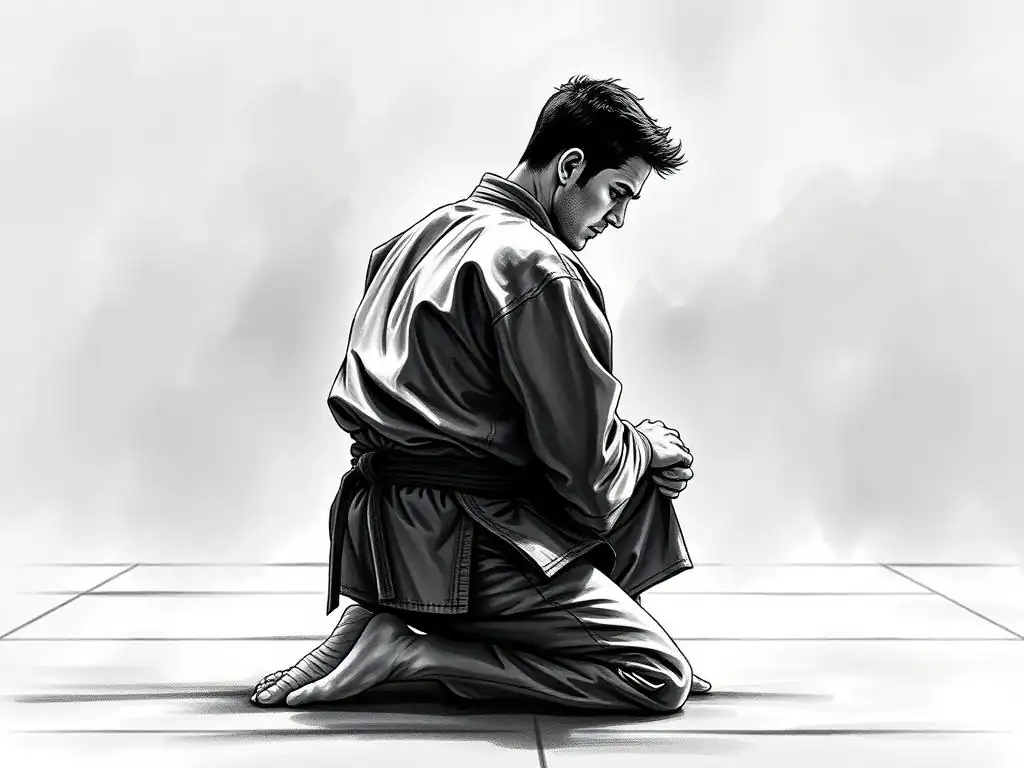
Understanding that resting improves BJJ performance isn't enough; practitioners need actionable strategies to implement effective recovery. Recovery is not a passive state but an active process involving various methods aimed at restoring the body and mind to their optimal state. Incorporating diverse recovery techniques is as important as varying training drills or sparring partners. These methods work synergistically to accelerate physiological repair, reduce muscle soreness, improve flexibility, and enhance mental well-being, all of which contribute directly to better performance and reduced injury risk on the BJJ mats.
Effective recovery protocols for BJJ include prioritizing sleep, engaging in active recovery, implementing targeted stretching and mobility work, and fueling the body with proper nutrition and hydration. Each of these components plays a unique yet interconnected role in the overall recovery process. By consciously integrating these practices into their weekly schedule, BJJ practitioners can significantly enhance their body's ability to adapt to training stress, leading to more consistent progress, higher training intensity when on the mats, and greater longevity in the sport.
Prioritizing Sleep for Optimal BJJ Performance
Sleep is arguably the most critical component of recovery for any athlete, and BJJ practitioners are no exception. It's during sleep that the most significant physical and cognitive repair and consolidation occur. Aiming for 7-9 hours of quality sleep per night is not a luxury; it's a necessity for anyone serious about improving their BJJ. Chronic sleep deprivation, defined as consistently getting less than the required amount of sleep, impairs muscle recovery, reduces glycogen synthesis, negatively impacts hormone production (including growth hormone and testosterone), and decreases immune function.
Furthermore, sleep deprivation severely hampers cognitive functions essential for BJJ. Reaction time slows down, decision-making becomes impaired, and the ability to learn and recall techniques diminishes. Studies have shown that even one night of poor sleep can negatively affect athletic performance by several percentage points. For a BJJ practitioner, this could mean slower guard passes, delayed reactions to submissions, or difficulty remembering drilling details. Prioritizing sleep is a non-negotiable step towards unlocking your full physical and mental potential on the mats.
Establishing a Consistent Sleep Schedule for BJJ Training
One of the most effective ways to prioritize sleep is by establishing and adhering to a consistent sleep schedule. This means going to bed and waking up around the same time each day, even on weekends. A regular schedule helps regulate your body's internal clock, or circadian rhythm, which governs sleep-wake cycles. Consistency improves sleep quality and makes it easier to fall asleep and wake up naturally feeling refreshed. For BJJ practitioners with varying training times, this might require careful planning, but the benefits to recovery are immense.
Creating a relaxing pre-sleep routine can also significantly improve sleep quality. This might include avoiding screens (phones, tablets, computers) for an hour before bed, reading a book, taking a warm bath, or practicing light stretching or meditation. Ensuring your bedroom is dark, quiet, and cool also promotes better sleep. By treating sleep with the same discipline applied to training, BJJ athletes create an environment conducive to optimal recovery, ensuring they are physically and mentally ready for the demands of the next training session.
The Impact of Sleep Quality on BJJ Skill Development
The quality of sleep is just as important as the quantity, particularly concerning BJJ skill development. Deep sleep and REM sleep stages are crucial for physical repair and cognitive functions, respectively. Deep sleep is when most physical restoration occurs, including muscle repair and growth hormone release. REM sleep is vital for memory consolidation, learning, and problem-solving – processes directly involved in mastering complex BJJ techniques and strategies. Poor sleep quality, characterized by frequent awakenings or insufficient time spent in these crucial stages, compromises both physical and mental recovery.
Adequate, high-quality sleep enhances neuroplasticity, the brain's ability to reorganize itself by forming new neural connections. This is the biological basis of learning new BJJ movements and improving motor skills. When you get quality sleep, your brain is better able to process the techniques you drilled and the scenarios you encountered during sparring, making it easier to recall and execute them effectively in future sessions. This demonstrates a direct link between prioritizing quality sleep and accelerating your progress in BJJ, making it a cornerstone of improved performance.
The Benefits of Active Recovery for BJJ Athletes
While passive rest like sleep is essential, active recovery also plays a vital role in the BJJ recovery process. Active recovery involves engaging in low-intensity physical activity after strenuous training. Unlike complete rest, which can sometimes lead to stiffness, active recovery helps promote blood flow to fatigued muscles without adding significant stress. Increased circulation helps remove metabolic waste products, such as lactic acid, and delivers oxygen and nutrients necessary for tissue repair. This can help reduce delayed onset muscle soreness (DOMS) and improve flexibility.
Active recovery sessions are typically shorter and much less intense than regular BJJ training. They are not designed to build strength or endurance but purely to aid in the recovery process. Examples include light cycling, swimming, walking, or gentle flow yoga. Incorporating 1-2 active recovery sessions per week, especially after particularly tough training blocks, can significantly improve how quickly your body bounces back, allowing you to return to intense BJJ training feeling more refreshed and less stiff.
Low-Intensity Exercise for Enhanced Muscle Recovery
Engaging in low-intensity exercise is a key component of active recovery for BJJ athletes. Activities like a leisurely 20-30 minute walk, a light swim, or cycling at a low resistance help keep the body moving without causing further muscle breakdown. The gentle muscle contractions during these activities pump blood more effectively through the recovering tissues. This enhanced circulation facilitates the removal of waste products that accumulate during intense BJJ rolls and delivers oxygen and nutrients needed for muscle repair and glycogen replenishment.
For instance, after a tough Saturday morning BJJ session with lots of sparring, a practitioner might take a gentle bike ride on Sunday afternoon. This helps flush out the muscles and reduces the feeling of stiffness compared to remaining sedentary. It's important that the intensity remains low – you should be able to comfortably hold a conversation throughout the activity. Pushing the intensity too high turns the active recovery into another training session, defeating its purpose. The goal is circulation and mobility, not exertion.
Foam Rolling and Stretching: Essential Tools for BJJ Recovery
Foam rolling and stretching are valuable tools in the active recovery arsenal for BJJ practitioners, focusing on soft tissue health and mobility. Foam rolling, a form of self-myofascial release, involves using a foam roller to apply pressure to specific points on the body. This can help release muscle tightness, reduce knots (trigger points), and improve blood flow to the area. Targeting areas commonly tight in BJJ, such as hips, quads, lats, and shoulders, can significantly alleviate soreness and improve range of motion.
Stretching, both static (holding a stretch for a period) and dynamic (controlled movements through a range of motion), complements foam rolling by improving flexibility and reducing muscle stiffness. Maintaining good flexibility is crucial in BJJ for executing techniques effectively and preventing injuries, especially joint-related ones. Incorporating a dedicated 15-20 minute session of foam rolling followed by stretching several times a week, particularly on rest or active recovery days, can dramatically improve recovery, reduce muscle imbalances, and prepare the body for the next intense BJJ session.
Nutritional Strategies to Support BJJ Recovery
Nutrition plays a fundamental role in supporting the body's recovery processes after demanding BJJ training. Training depletes energy stores (glycogen) and causes muscle tissue breakdown. Consuming the right nutrients in a timely manner provides the building blocks and energy required for muscle repair, growth, and replenishment of energy reserves. Ignoring nutrition can significantly slow down recovery, impacting subsequent training performance and increasing susceptibility to fatigue and injury.
A well-structured nutrition plan for BJJ recovery focuses on adequate protein intake for muscle repair, sufficient carbohydrate intake to replenish glycogen stores, healthy fats for hormonal balance and inflammation control, and a wide array of vitamins and minerals to support overall physiological function. Timing of nutrient intake, particularly consuming protein and carbohydrates within a few hours after training, can optimize the body's ability to initiate the repair process.
Fueling Your Body for Optimal Repair and Growth
After a BJJ session, your muscles are primed to absorb nutrients for repair and growth. Consuming a meal or snack containing both protein and carbohydrates within 1-2 hours post-training is highly beneficial. Protein provides the amino acids necessary to repair and rebuild damaged muscle fibers. Aiming for around 20-40 grams of high-quality protein post-training is a common recommendation. Examples include lean meats, fish, eggs, dairy, or plant-based protein sources like legumes or protein powder.
Carbohydrates are essential for replenishing muscle and liver glycogen stores, which are the primary fuel source for high-intensity activities like BJJ. Consuming 1-1.5 grams of carbohydrates per kilogram of body weight within the post-training window can help accelerate this process. Opt for easily digestible carbohydrate sources like rice, potatoes, fruits, or oats, especially immediately after training. Throughout the day, ensure overall daily caloric and macronutrient intake meets your training demands to support continuous recovery and adaptation.
The Importance of Hydration in BJJ Recovery
Hydration is a critical, yet often underestimated, aspect of recovery for BJJ athletes. Significant fluid and electrolyte losses occur through sweat during intense training sessions. Dehydration, even mild to moderate, can impair physical and cognitive performance, slow down muscle recovery, and increase the risk of cramping and heat-related issues. Rehydrating adequately after training is essential for restoring blood volume, electrolyte balance, and cellular function, all of which are vital for efficient recovery.
Monitoring hydration levels by observing urine color (should be pale yellow) and consistently drinking fluids throughout the day, not just during training, is key. Plain water is sufficient for most training scenarios, but for very long or intense sessions, or in hot environments, consuming fluids with electrolytes (like sodium and potassium) can be beneficial. Aim to replenish fluids lost during training, which can be estimated by weighing yourself before and after a session; for every kilogram lost, consume approximately 1.5 liters of fluid. Proper hydration ensures that all other recovery processes, from nutrient transport to waste removal, function optimally.
Integrating Rest Into Your BJJ Training Regimen
Understanding the theoretical benefits of rest is one thing; successfully integrating it into a practical BJJ training regimen is another. Many practitioners struggle with the perceived trade-off between training time and rest time, fearing that taking days off will hinder their progress. However, viewing rest not as time off, but as a deliberate and necessary component of the training process is crucial. Resting improves BJJ performance by allowing the body and mind to consolidate the gains made during training and prepare for future challenges.
Integrating rest effectively requires planning, discipline, and a willingness to listen to your body. It involves scheduling dedicated rest days, incorporating active recovery sessions, and being flexible enough to adjust your plan based on how you feel. This strategic approach to rest ensures that every training session is productive and that you can maintain consistency over the long term, avoiding the burnout and injuries that plague those who constantly push without adequate recovery.
Creating a Balanced Training Schedule: Rest Days and Active Recovery
A balanced BJJ training schedule should strategically incorporate both full rest days and active recovery days. The optimal frequency of training and rest varies depending on individual factors such as training intensity, experience level, age, sleep quality, nutrition, and overall life stress. However, a common approach for those training multiple times a week is to schedule at least 1-2 full rest days per week where no BJJ or strenuous exercise is performed.
For example, a practitioner training 4-5 times a week might structure their week like this:
- Monday: BJJ Training (Technical/Drilling)
- Tuesday: BJJ Training (Sparring/Live)
- Wednesday: Active Recovery (Light walk, stretching)
- Thursday: BJJ Training (Technical/Sparring)
- Friday: BJJ Training (Positional/Drilling)
- Saturday: Full Rest
- Sunday: Active Recovery or Full Rest
This provides structured time for the body to recover and adapt. Active recovery days can also be strategically placed after particularly demanding training sessions. This structured approach ensures that rest is not an afterthought but a planned element of the path to BJJ improvement.
Listening to Your Body: Recognizing When to Rest
While a structured schedule is helpful, it's equally important to listen to your body's signals and be willing to adjust your plan. Some days, even if it's scheduled as a training day, you might wake up feeling excessively fatigued, sore, or experiencing unusual aches and pains. These can be signs that your body needs more rest than planned. Pushing through significant fatigue often leads to suboptimal training quality, increased risk of injury due to impaired coordination and reaction time, and contributes to overtraining.
Learning to differentiate between normal training fatigue and the deeper exhaustion indicative of needing rest is a skill developed over time. Paying attention to persistent symptoms like elevated resting heart rate, prolonged muscle soreness, irritability, or a sudden drop in performance during warm-ups are crucial. If you consistently feel drained or notice a significant dip in strength or endurance across multiple sessions, it's likely time for an unscheduled rest day or a lighter training load. Honoring these signals prevents small issues from becoming major setbacks.
The Mental Benefits of Rest and Recovery in BJJ
Rest and recovery are not solely about physical repair; they are equally vital for mental rejuvenation, which is indispensable for BJJ. The intense focus, problem-solving, and emotional regulation required during training and sparring can be mentally taxing. Continuously engaging in this high-demand mental activity without breaks can lead to mental fatigue, decreased focus, impaired decision-making, and increased stress levels. Resting improves BJJ performance not just physically but also by sharpening the mind.
Taking planned rest days or engaging in relaxing active recovery activities provides a necessary mental break from the intensity of BJJ. This allows the brain to rest, process information, and return to training with renewed focus and clarity. The mental break can also help maintain motivation and prevent the psychological staleness or burnout that can occur from a relentless training schedule.
Reducing Stress and Enhancing Mental Clarity
The physical stress of BJJ training, combined with daily life stressors, can accumulate if not managed effectively. Adequate rest and recovery help lower cortisol levels, the body's primary stress hormone, which can be elevated by chronic overtraining. By reducing physiological stress, recovery promotes a state of mental calm and reduces anxiety. This reduction in stress is crucial for clear thinking and optimal performance on the mats.
Furthermore, taking time away from the intensity of training allows the mind to decompress. This mental space can lead to enhanced focus and concentration during subsequent training sessions. Instead of feeling overwhelmed or distracted by fatigue, a well-rested mind can fully engage with techniques, strategies, and sparring scenarios. This improved mental clarity directly translates to better learning, faster reactions, and more effective application of BJJ principles.
Cultivating Mindfulness for Enhanced Recovery
Integrating mindfulness practices into your recovery routine can further enhance its benefits. Mindfulness, the practice of being present and aware of your thoughts, feelings, and bodily sensations without judgment, can be cultivated through meditation, deep breathing exercises, or simply by paying full attention during activities like stretching or walking. This practice helps you become more attuned to your body's signals, making it easier to recognize the need for rest and avoid overtraining.
Mindfulness also helps manage the mental chatter and performance anxiety that can sometimes accompany intense training. By practicing mindfulness, BJJ practitioners can learn to observe discomfort or fatigue without reacting negatively, fostering a more positive relationship with the recovery process. This mental discipline complements physical rest, creating a holistic approach that not only improves recovery but also enhances overall well-being and resilience, crucial qualities for a long and successful BJJ journey.
BJJ Success Through Strategic Rest: A Holistic Approach
Achieving true success and longevity in Brazilian Jiu-Jitsu requires more than just physical prowess and technical knowledge; it demands a holistic approach that recognizes the interconnectedness of training, recovery, and mental well-being. Viewing rest not as a passive break but as a strategic component of the training cycle is fundamental to this philosophy. Resting improves BJJ performance by allowing the body to adapt, the mind to process, and the spirit to recharge, ensuring that each training session contributes positively to long-term development rather than leading to breakdown.
Embracing this holistic perspective means integrating rest and recovery seamlessly into your BJJ lifestyle, giving it the same importance as attending class or drilling techniques. It's about building a sustainable practice that allows for continuous growth while minimizing the risks of injury and burnout. This strategic approach to rest is not about training less, but about training smarter, maximizing the return on investment for every hour spent on the mats.
Viewing Rest as a Proactive Component of Your Training
Instead of reacting to fatigue or injury by taking unplanned breaks, successful BJJ practitioners proactively schedule and protect their rest and recovery time. This means planning rest days in advance, scheduling active recovery sessions, and prioritizing sleep as non-negotiable parts of the weekly routine. This proactive approach ensures that recovery happens consistently, preventing the accumulation of fatigue that leads to plateaus and breakdowns.
Think of rest like a critical piece of equipment maintenance. You wouldn't drive a car hard without ever changing the oil; similarly, you shouldn't push your body intensely without scheduled time for repair and regeneration. By making rest a planned component, you ensure your body is always operating closer to its optimal capacity when it's time to train, leading to more effective learning, higher intensity during live rolls, and overall better performance. This shift in mindset is key to unlocking consistent progress.
Building a Sustainable BJJ Practice Through Recovery
Longevity in BJJ, the ability to train consistently and effectively for years or even decades, is heavily dependent on a commitment to recovery. Athletes who neglect rest often face recurring injuries, chronic pain, and eventual burnout that force them to stop training altogether. By prioritizing rest and recovery, practitioners build a more resilient body and mind capable of withstanding the demands of BJJ over the long haul.
A sustainable BJJ practice is one where training intensity and volume are balanced with adequate recovery. This allows for steady, incremental improvement over time, rather than cycles of intense training followed by forced layoffs due to injury or exhaustion. Investing time and effort in recovery methods like sleep, nutrition, and active recovery is an investment in your BJJ future, enabling you to continue learning, growing, and enjoying the art for years to come.
How a Rest Week Improved Guard Retention in BJJ
Consider the hypothetical case of a dedicated BJJ practitioner named Alex, who was training 5-6 times a week, often pushing through fatigue. Alex noticed his guard retention, usually a strong point, was slipping. He felt slow, his reactions were off, and he was getting passed more easily than usual. He attributed it to needing more training, but his coach suggested taking a full rest week. Reluctantly, Alex took seven days off, focusing on sleep, nutrition, and light stretching.
Upon returning to training, Alex felt noticeably different. His body felt lighter, his joints less achy, and his mind was clearer. During sparring, his guard retention was significantly improved.
His reactions were faster, his hip movements were more fluid, and he could maintain pressure and structure more effectively. This single rest week allowed his body to fully recover from accumulated fatigue, his nervous system to reset, and his mind to consolidate techniques, resulting in a tangible improvement in a key aspect of his game. This example, while illustrative, reflects the real-world impact that strategic rest can have on BJJ performance.
Optimizing Your Performance: The Strategic Advantage of Rest
In the competitive landscape of BJJ, where marginal gains can make a significant difference, optimizing every aspect of your preparation is crucial. While technical skill, physical conditioning, and mental toughness are foundational, strategic rest and recovery offer a powerful, often underutilized, advantage. Resting improves BJJ performance not just by preventing regression but by actively enhancing the body's capacity to adapt, learn, and perform at a higher level.
Viewing rest as an integral part of performance optimization shifts the focus from simply enduring training to intelligently managing the stress-recovery cycle. Athletes who master the art of rest are better equipped to push their limits when it matters, maintain consistency over long periods, and achieve peak performance during competition or key training phases. This strategic approach is what separates those who reach their potential from those who are constantly battling fatigue and injury.
The Long-Term Benefits of Prioritizing Rest and Recovery
Prioritizing rest and recovery yields numerous long-term benefits for the BJJ practitioner. Firstly, it drastically reduces the risk of chronic injuries and overuse syndromes, allowing for more consistent training over months and years. This consistent mat time, free from enforced layoffs, is arguably the single biggest factor in long-term BJJ progression. Secondly, consistent recovery prevents burnout, maintaining enthusiasm and motivation for training, which is essential for dedication to the art.
Beyond injury prevention and motivation, prioritizing rest fosters greater adaptability. A well-rested body is more responsive to training stimuli, meaning you get more benefit from each session. Over time, this leads to enhanced strength, endurance, flexibility, and technical proficiency. It also supports cognitive function, improving learning speed and strategic thinking. Ultimately, integrating rest allows for a longer, healthier, and more productive journey in BJJ, maximizing your potential for growth and achievement.
Mastering the Art of Rest: A Key to BJJ Longevity
Mastering BJJ is a lifelong pursuit, and mastering the art of rest is a key skill for ensuring that pursuit can continue for the long term. It requires self-awareness, discipline, and a willingness to challenge the "always be training" mindset when necessary. This involves consistently prioritizing sleep, scheduling and protecting rest days, utilizing active recovery and mobility work, fueling your body intelligently, and being mindful of your physical and mental state.
Resting improves BJJ performance by allowing your body to heal, your mind to sharpen, and your passion to remain vibrant. It's an ongoing practice that requires tuning into your body's needs and making conscious choices that support recovery. By embracing rest as a fundamental pillar of your training, you not only enhance your performance on the mats today but also build a foundation for sustained growth, enjoyment, and longevity in the beautiful and demanding art of Brazilian Jiu-Jitsu.
Frequently Asked Questions
How does resting actually improve martial arts performance?
Rest allows your body to recover and rebuild after intense training. This includes muscle repair, glycogen replenishment, and the reduction of stress hormones. Better recovery leads to improved strength, speed, and endurance.
What happens if I consistently overtrain without adequate rest?
Chronic overtraining can lead to burnout, injuries, and a decline in performance. It also weakens your immune system, making you more susceptible to illness and hindering your progress.
How much rest is enough for optimal martial arts performance?
The amount of rest needed varies depending on the individual and the intensity of training. However, aiming for 7-9 hours of sleep per night, and incorporating rest days into your training schedule is crucial.
What are some active recovery techniques I can use on rest days?
Active recovery involves light activities like stretching, yoga, or walking. These activities promote blood flow and muscle recovery without placing excessive strain on the body.
Besides sleep, what other forms of rest are important for martial artists?
Mental rest is just as important as physical rest. This could include meditation, spending time in nature, or engaging in hobbies that reduce stress and promote relaxation.
Final Reflection: Embracing the Power of Stillness
The journey through martial arts often emphasizes relentless training and pushing boundaries, but as we've explored, true mastery lies in recognizing the profound impact of rest. The insights shared throughout this article serve as a potent reminder that periods of stillness are not signs of weakness, but rather essential components of growth and peak performance, both on and off the mat.
The understanding that rest is not merely inactivity, but a crucial period of recovery and adaptation, has deeply influenced my own perspective on training and life. It's a shift from viewing downtime as wasted time to recognizing it as an investment in future strength and resilience. The body achieves what the mind believes.
This quote, often attributed to Napoleon Hill, resonates deeply because it highlights the interconnectedness of our mental and physical states, underscoring the importance of nurturing both through balanced activity and restorative rest.
Now, I invite you to reflect on your own rhythm of activity and rest. Are you allowing yourself the necessary space to recover, rebuild, and truly unlock your potential? Embrace the power of stillness, integrate mindful rest into your routine, and witness the transformative impact it has on your martial arts journey and your life as a whole.
Ignite Your Inner Warrior: Embrace the Power of Rest!
Thank you for exploring the crucial balance between training and rest! Now that you understand how vital rest is to your martial arts journey, it's time to put that knowledge into action.
Here are some ways to maximize your recovery and unleash your full potential:
- Prioritize a dedicated rest day each week. This is not just about avoiding the dojo, but actively engaging in relaxation activities like meditation or light stretching.
- Explore alternative recovery methods like Epsom salt baths or massage therapy to accelerate muscle repair and reduce stress.
- Share this article with your fellow martial artists on your social media to help them recognize the importance of recovery in martial arts.
What specific rest technique will you incorporate into your routine this week to level up your training?