
The Physiology of Martial Arts Recovery: What Your Body Desperately Needs After a Hard Session

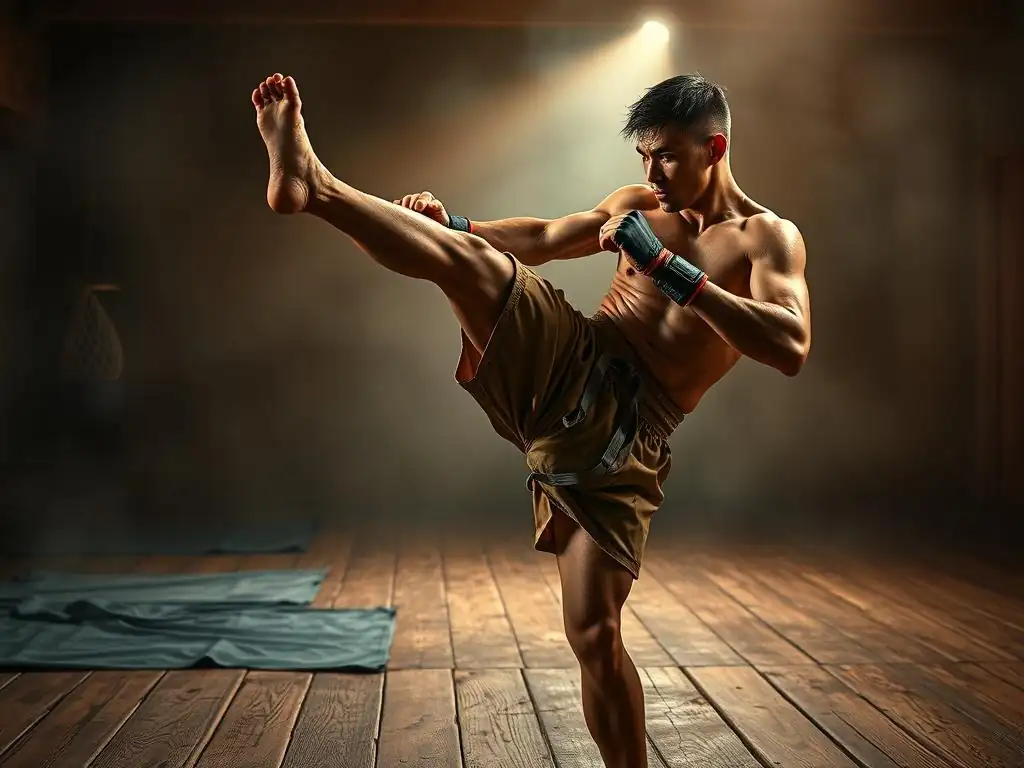
Welcome to Martial Arts Mastery, your ultimate resource for exploring the depth and breadth of martial arts! Ever wondered how to unlock your body's full potential after a grueling training session? This week, we delve into the crucial, often overlooked science of martial arts postworkout recovery. Discover the physiological secrets to rapid healing and peak performance, and learn why this knowledge is just as vital as your katas and sparring sessions. Prepare to optimize your training and elevate your mastery!
- The Physiology of Martial Arts Recovery: Optimizing Performance Through Science
- Understanding Martial Arts Postworkout Recovery: Why It Matters
- The Physiological Processes Involved in Martial Arts Recovery
- Key Strategies for Optimizing Martial Arts Postworkout Recovery
- Monitoring Recovery and Preventing Overtraining
- Sample Martial Arts Postworkout Recovery Routine
- Conclusion: Integrating Recovery for Long-Term Success
-
Frequently Asked Questions
- What are the most important physiological processes that need support after a martial arts workout?
- How does martial arts training differ from other types of exercise in terms of recovery needs?
- What are some effective dietary strategies for post-workout recovery in martial arts?
- What role does sleep play in martial arts post-workout recovery?
- Are there specific recovery techniques, like massage or ice baths, that are particularly beneficial for martial artists?
- Final Reflection: Embracing the Art of Recovery
- Ignite Your Recovery: Reclaim Your Edge!
The Physiology of Martial Arts Recovery: Optimizing Performance Through Science
Understanding Martial Arts Postworkout Recovery: Why It Matters
The Metabolic and Neuromuscular Demands of Martial Arts Training
Martial arts training is inherently demanding, pushing the body across multiple physiological domains simultaneously. A typical session, whether it's sparring, drilling techniques, or conditioning, heavily taxes both aerobic and anaerobic energy systems. For instance, high-intensity intervals common in striking arts like Muay Thai or Taekwondo rely heavily on the phosphagen system (ATP-PC) and anaerobic glycolysis for explosive bursts of energy needed for strikes and evasive maneuvers.
These bursts can lead to significant lactate accumulation, impacting muscle function and causing fatigue. In contrast, the sustained grappling exchanges found in Brazilian Jiu-Jitsu or wrestling often require prolonged muscular endurance and isometric strength, relying more on aerobic metabolism but still involving anaerobic components during scrambles or submissions. Heart rates during intense sparring sessions can frequently climb to 150-180+ beats per minute, indicating high cardiovascular stress.
Beyond metabolic strain, martial arts training imposes substantial neuromuscular demands. The complex coordination required for executing techniques, maintaining balance, absorbing impact, and reacting quickly places significant stress on the central nervous system (CNS). Repetitive high-force contractions, eccentric loading (like controlling a fall or absorbing a punch), and the impact forces inherent in many disciplines cause microscopic damage to muscle fibers.
This damage triggers an inflammatory response, a necessary part of the repair process but also a source of post-exercise soreness, often referred to as Delayed Onset Muscle Soreness (DOMS). The CNS also experiences fatigue, which can manifest as reduced power output, slower reaction times, and decreased coordination, all critical components for effective martial arts performance. Effective martial arts postworkout recovery is therefore crucial to address these multifaceted physiological challenges.
The Consequences of Inadequate Recovery: Injury and Performance Decline
Failing to prioritize martial arts postworkout recovery can have detrimental effects, significantly increasing the risk of injury and leading to a plateau or decline in performance. When muscles and connective tissues are not given sufficient time and resources to repair after training, they remain weakened and susceptible to further damage under stress. Common martial arts injuries such as muscle strains (e.g., hamstring tears in high kicks), ligament sprains (ankles, knees), tendonitis (elbows, shoulders), and contusions are often exacerbated or precipitated by insufficient recovery.
For example, a fighter pushing through intense sparring with unresolved muscle fatigue is far more likely to suffer a strain than one who has adequately recovered. Data from combat sports often shows higher injury rates during periods of intense training or competition with limited recovery windows.
Furthermore, chronic inadequate recovery leads to a state known as overtraining syndrome. This isn't just physical fatigue; it involves hormonal imbalances, suppressed immune function, psychological staleness, and a persistent decline in performance. A martial artist experiencing overtraining might notice a significant drop in power output, reduced endurance during drills, slower reaction times, increased susceptibility to illness, and a general lack of motivation.
Training becomes less effective, and the risk of more serious, long-term injuries increases. For example, a study might show that athletes who consistently log high training volumes without structured recovery protocols exhibit markers of chronic stress and reduced performance capacity compared to those who prioritize rest and recuperation. Optimizing post-training recovery for martial artists is not just about feeling better; it's a critical component of long-term athletic development and injury prevention.
The Physiological Processes Involved in Martial Arts Recovery
Muscle Protein Synthesis and Repair Mechanisms Post-Exercise
Following strenuous martial arts training, muscle fibers undergo microscopic damage. This damage is a necessary stimulus for adaptation, prompting the body to initiate repair processes. Muscle protein synthesis (MPS) is the key physiological mechanism responsible for rebuilding and strengthening these damaged fibers. During MPS, amino acids are incorporated into new muscle proteins, effectively repairing tears and increasing muscle size and strength over time.
The rate of MPS is elevated for up to 24-48 hours post-exercise, making this period crucial for nutrient timing, particularly protein intake. Studies consistently show that consuming adequate protein shortly after training significantly boosts MPS rates compared to delayed intake or insufficient amounts. For instance, consuming 20-40 grams of high-quality protein within a few hours post-workout can maximize the anabolic window and enhance muscle repair.
The repair process also involves the activity of satellite cells, which are muscle stem cells. Activated by exercise and mechanical stress, these cells proliferate, differentiate, and fuse with existing muscle fibers to repair damage and contribute to hypertrophy (muscle growth). Inflammation, while sometimes perceived negatively, plays a vital initial role in clearing cellular debris and signaling repair processes.
However, excessive or prolonged inflammation can hinder recovery. Effective martial arts postworkout recovery strategies, including proper nutrition and rest, support the delicate balance between initiating necessary inflammatory responses and preventing chronic inflammation that impedes repair and adaptation. The body's ability to efficiently carry out these repair mechanisms directly impacts how quickly a martial artist can return to training and perform at their best.
Glycogen Replenishment Strategies for Sustained Energy
Glycogen, the stored form of glucose in muscles and the liver, is the primary fuel source for high-intensity activities characteristic of martial arts, such as explosive strikes, quick transitions, and vigorous grappling. During intense training sessions, muscle glycogen stores can become significantly depleted, sometimes by as much as 50-70% depending on the duration and intensity of the activity. Replenishing these stores is essential for restoring energy availability for subsequent training sessions and preventing fatigue.
The rate of glycogen synthesis is highest in the hours immediately following exercise due to increased insulin sensitivity in muscle cells. Consuming carbohydrates during this 'recovery window' can significantly accelerate the process.
Optimal glycogen replenishment requires consuming sufficient carbohydrates, typically ranging from 1.0 to 1.2 grams per kilogram of body weight per hour for the first 4-6 hours post-exercise, especially if training sessions are closely spaced (e.g., two-a-days). Combining carbohydrates with protein (e.g., in a 3:1 or 4:1 carb-to-protein ratio) can further enhance glycogen synthesis rates by stimulating a greater insulin response. For a 70kg martial artist, this might mean consuming 70-84 grams of carbohydrates within the first hour or two after a demanding session.
Failing to adequately replenish glycogen stores can lead to premature fatigue in the next training session, reduced capacity for high-intensity efforts, and impaired recovery of other physiological systems. Therefore, dietary strategies are a fundamental pillar of martial arts postworkout recovery.
Managing Inflammation and Oxidative Stress After Training
Intense physical activity, particularly the kind involving eccentric contractions and high impact common in martial arts, induces acute inflammation and increases oxidative stress. This acute response is a normal and necessary part of the adaptation process, signaling the body to repair damaged tissues. However, excessive or prolonged inflammation can impede recovery, increase muscle soreness, and potentially contribute to overtraining if not properly managed.
Oxidative stress occurs when there is an imbalance between the production of reactive oxygen species (free radicals) and the body's ability to neutralize them with antioxidants. While some oxidative stress is a training stimulus, excessive levels can damage cellular components and delay recovery.
Strategies for managing inflammation and oxidative stress post-training are crucial for effective martial arts postworkout recovery. Nutritional interventions are particularly effective. Consuming foods rich in antioxidants, such as fruits (berries, cherries) and vegetables (leafy greens), helps combat oxidative damage. Omega-3 fatty acids, found in fatty fish (salmon, mackerel) or supplements, have well-documented anti-inflammatory properties.
For example, studies have shown that consuming cherry juice can reduce markers of muscle damage and inflammation, leading to faster recovery of muscle function after strenuous exercise. While NSAIDs (non-steroidal anti-inflammatory drugs) can reduce pain, their use for routine recovery is debated as they may interfere with the beneficial inflammatory signals required for adaptation. Focusing on dietary strategies and sufficient rest provides a more holistic approach to managing these post-exercise responses.
The Endocrine System's Role in Recovery and Adaptation
The endocrine system, a network of glands that produce hormones, plays a critical role in regulating the body's response to exercise and subsequent recovery and adaptation processes. Hormones like cortisol, testosterone, growth hormone (GH), and insulin are particularly important. Intense training sessions, common in martial arts, trigger the release of cortisol, a stress hormone.
While acute elevations in cortisol are normal and help mobilize energy, chronically elevated cortisol levels due to insufficient recovery can lead to muscle breakdown, suppressed immune function, and impaired recovery, contributing to overtraining syndrome. Conversely, anabolic hormones like testosterone and GH are crucial for muscle repair, growth, and bone density. GH, in particular, is released in pulses, with significant secretion occurring during deep sleep, highlighting the importance of rest for recovery.
Insulin's role in recovery is primarily related to nutrient uptake. As mentioned earlier, insulin facilitates the transport of glucose into muscle cells for glycogen synthesis and also plays a role in amino acid uptake for muscle protein synthesis. The balance and interplay between these hormones are indicative of a martial artist's recovery status.
For example, a high cortisol-to-testosterone ratio can be a marker of overtraining. Ensuring adequate sleep, proper nutrition (including sufficient protein and carbohydrates), and managing psychological stress are all strategies that positively influence the endocrine environment, promoting anabolism and efficient recovery. Monitoring hormonal markers, though typically done in a clinical or research setting, underscores the profound link between systemic hormonal balance and effective martial arts postworkout recovery.
Key Strategies for Optimizing Martial Arts Postworkout Recovery
Prioritizing Sleep: The Cornerstone of Recovery
Adequate sleep is arguably the single most important factor in facilitating martial arts postworkout recovery. During sleep, the body enters a state where it can focus energy on repair, regeneration, and hormonal regulation. Growth hormone (GH), crucial for tissue repair and muscle growth, is primarily released during deep, slow-wave sleep.
Melatonin, a hormone that regulates sleep-wake cycles, also has antioxidant properties that can help combat oxidative stress accumulated during training. Furthermore, sleep is essential for restoring cognitive function, improving reaction time, decision-making, and focus – all critical for martial arts performance. Chronically insufficient sleep (e.g., consistently getting less than 7-9 hours per night for adults) can impair muscle protein synthesis, reduce glycogen storage capacity, disrupt hormone balance (increasing cortisol, decreasing testosterone), and weaken immune function, significantly hindering post-training recovery for martial artists.
Sleep Architecture and its Impact on Performance
Sleep is not a uniform state but cycles through distinct stages: Non-Rapid Eye Movement (NREM) sleep, which includes light sleep and deep (slow-wave) sleep, and Rapid Eye Movement (REM) sleep. Deep sleep is particularly vital for physical recovery, including tissue repair, bone growth, and immune function. It's during this stage that the majority of daily GH secretion occurs.
REM sleep, on the other hand, is crucial for cognitive functions, including memory consolidation, learning, and emotional processing – skills highly relevant to mastering complex martial arts techniques and strategies. Disruptions to sleep architecture, such as frequent awakenings or insufficient time spent in deep or REM sleep, can impair both physical and mental recovery, leading to persistent fatigue, reduced performance, and increased injury risk. Ensuring sufficient total sleep duration and quality allows the body to cycle through these stages effectively, maximizing the benefits for martial arts postworkout recovery.
Strategies for Improving Sleep Quality and Duration
Improving sleep quality and duration involves implementing consistent sleep hygiene practices. Establishing a regular sleep schedule, going to bed and waking up around the same time each day, even on weekends, helps regulate the body's internal clock (circadian rhythm). Creating a conducive sleep environment is also key: the bedroom should be dark, quiet, and cool. Limiting exposure to blue light from electronic devices in the hour or two before bedtime can help promote melatonin production.
Avoiding caffeine and alcohol, especially in the hours leading up to sleep, is also beneficial, as these substances can disrupt sleep cycles. Engaging in relaxation techniques, such as meditation, deep breathing, or gentle stretching, can help calm the mind and prepare the body for rest. For martial artists aiming to optimize their post-training recovery, prioritizing 7-9 hours of quality sleep each night is non-negotiable.
Nutrition for Recovery: Fueling Performance
Proper nutrition is the fuel that drives martial arts postworkout recovery, providing the necessary building blocks and energy substrates for repair, replenishment, and adaptation. The timing and composition of nutrient intake post-exercise significantly impact the speed and effectiveness of recovery processes. A balanced diet rich in macronutrients (protein, carbohydrates, fats) and micronutrients (vitamins, minerals) is essential for supporting overall health and performance. However, specific nutritional strategies post-training can accelerate recovery. Failing to adequately refuel after a demanding session leaves the body in a catabolic state, hindering muscle repair and glycogen replenishment, and delaying subsequent performance readiness.
Protein Intake for Muscle Repair and Growth
Adequate protein intake is paramount for muscle protein synthesis (MPS) and the repair of exercise-induced muscle damage. Martial artists require higher protein intake than sedentary individuals due to the demands of training. Current recommendations for athletes involved in strength and power sports, which encompass many aspects of martial arts, typically range from 1.6 to 2.2 grams of protein per kilogram of body weight per day. Distributing this protein intake throughout the day, including a dose shortly after training, can maximize MPS rates.
Consuming 20-40 grams of high-quality protein (such as whey, casein, or plant-based equivalents like soy or pea protein) within the first few hours post-workout provides the necessary amino acids to kickstart the repair process. For a 75kg martial artist, this translates to a daily target of 120-165 grams of protein. Consistent protein intake is a cornerstone of effective martial arts postworkout recovery nutrition.
Carbohydrate Strategies for Glycogen Restoration
As discussed earlier, carbohydrates are critical for replenishing muscle glycogen stores depleted during training. The amount of carbohydrates needed depends on the duration and intensity of the session and the time available before the next training session. For rapid recovery between sessions spaced less than 24 hours apart, consuming 1.0-1.2 g/kg of body weight per hour for the first 4-6 hours post-exercise is recommended.
This could mean a 70kg athlete consumes 70-84 grams of carbs per hour during this window. If there is more than 24 hours between sessions, a general daily carbohydrate intake of 5-7 g/kg body weight is usually sufficient to restore glycogen, distributed throughout meals.
Choosing easily digestible carbohydrate sources immediately post-workout, such as sports drinks, fruit, or white rice, can speed up absorption and delivery to muscles. Combining carbohydrates with protein has been shown to further enhance glycogen synthesis, making a carb-protein blend an effective post-training recovery drink or meal component for martial artists.
The Role of Anti-Inflammatory Nutrients
While acute inflammation is part of the recovery process, managing excessive inflammation is important. Certain nutrients possess anti-inflammatory properties that can aid in this process. Omega-3 fatty acids, found in fatty fish (salmon, sardines), flaxseeds, chia seeds, and walnuts, can help modulate the inflammatory response. Curcumin (found in turmeric) and ginger are potent natural anti-inflammatories supported by research.
Antioxidant-rich foods, such as colorful fruits (berries, cherries, pomegranates) and vegetables (broccoli, spinach, kale), help combat oxidative stress that contributes to inflammation and muscle damage. Consuming these nutrients regularly as part of a balanced diet, and potentially increasing intake post-training, can support the body's natural recovery mechanisms. For instance, studies on athletes have shown that consuming tart cherry juice can reduce muscle soreness and speed up the recovery of strength after strenuous exercise, highlighting the practical application of anti-inflammatory nutrients in martial arts postworkout recovery.
Hydration and Electrolyte Balance
Proper hydration is fundamental to all physiological processes, including recovery. Water is essential for transporting nutrients to cells, removing waste products, regulating body temperature, and maintaining joint lubrication. Significant fluid loss occurs through sweat during intense martial arts training, leading to dehydration if not addressed.
Dehydration can impair muscle function, reduce cognitive performance, increase perceived exertion, and slow down recovery processes. Electrolytes, such as sodium, potassium, and magnesium, are also lost in sweat and play crucial roles in muscle contraction, nerve function, and fluid balance. Replenishing both fluids and electrolytes is therefore a key aspect of post-training recovery for martial artists.
A simple way to estimate fluid loss is to weigh yourself before and after training; every kilogram of weight lost corresponds to approximately one liter of fluid. Aim to consume 1.25-1.5 liters of fluid for every kilogram of body weight lost over the next few hours.
Water is usually sufficient for rehydration, but for prolonged or very intense sessions, especially in hot environments, consuming electrolyte-containing beverages (like sports drinks or adding electrolyte tablets to water) can be beneficial to restore electrolyte balance and enhance fluid retention. Consistent hydration throughout the day, not just immediately after training, is vital for optimal martial arts postworkout recovery.
Active Recovery Techniques for Enhanced Restoration
Active recovery involves performing low-intensity exercise or movement after a training session or on rest days. Unlike passive recovery (complete rest), active recovery aims to promote blood flow, which can help remove metabolic waste products (like lactate) and deliver oxygen and nutrients to fatigued muscles.
While the evidence for active recovery significantly speeding up physiological recovery markers like muscle protein synthesis or glycogen replenishment is mixed, it can be beneficial for reducing muscle soreness, improving flexibility, and promoting psychological well-being. The key is to keep the intensity low, typically below 50-60% of maximum heart rate, and focus on gentle movement.
Low-Intensity Exercise for Lactate Clearance and Blood Flow
Activities like light cycling, swimming, or a gentle walk are common forms of low-intensity active recovery. The rationale is that increased blood flow facilitates the removal of metabolic byproducts, such as lactate, which can accumulate during high-intensity anaerobic efforts. While lactate itself is not the primary cause of DOMS, its clearance is often associated with improved recovery markers.
More importantly, increased blood flow helps deliver nutrients and oxygen to damaged muscle tissue, potentially supporting repair processes. A 20-30 minute session of light cardio at a conversational pace can be a useful addition to a martial artist's recovery routine, especially if performed a few hours after the main training session or on an off day. It should feel easy and not contribute to further fatigue.
Static and Dynamic Stretching for Flexibility and Range of Motion
Stretching is a common component of martial arts training and recovery routines. Dynamic stretching, performed before training, helps warm up muscles and improve range of motion. Static stretching, holding a stretch for a period, is often performed after training or during recovery.
While static stretching immediately after heavy resistance training might not be ideal for muscle growth, incorporating it into a post-workout cool-down or on recovery days can help maintain or improve flexibility and joint range of motion, which are critical for executing techniques effectively and preventing injuries in martial arts. Focusing on major muscle groups used during training, such as hip flexors, hamstrings, quadriceps, and shoulders, can be beneficial. A typical post-training static stretch might involve holding each stretch for 20-30 seconds.
Self-Myofascial Release Techniques for Muscle Tension Reduction
Self-myofascial release (SMR) techniques, such as foam rolling or using massage balls, involve applying pressure to specific points on the body to release muscle tightness and trigger points. The theory is that these techniques can help break up adhesions in the fascia (the connective tissue surrounding muscles) and improve blood flow, thereby reducing muscle soreness and improving flexibility and range of motion. While the exact physiological mechanisms are still being researched, many athletes report a subjective reduction in muscle soreness and improved mobility after incorporating SMR into their martial arts postworkout recovery.
Spending 5-10 minutes post-training or on a recovery day foam rolling major muscle groups like the quads, hamstrings, glutes, and upper back can be a valuable addition to a recovery protocol. The pressure should be firm but tolerable, focusing on tender areas.
Discipline-Specific Recovery Considerations
While the core principles of martial arts postworkout recovery (sleep, nutrition, hydration, active recovery) apply across all disciplines, the specific demands of different martial arts necessitate some tailored recovery approaches.
Recovery Protocols for High-Impact Striking Arts
Striking arts like Karate, Taekwondo, Muay Thai, and Boxing involve high-velocity movements, explosive power generation, and significant impact forces, both from striking and receiving strikes or checking kicks. This leads to substantial neuromuscular fatigue, potential for muscle contusions, bone bruising, and joint stress. Recovery protocols should heavily emphasize strategies that address impact-related trauma and explosive power recovery.
This includes ample time for soft tissue repair, often aided by techniques like ice application to acute contusions and potentially using compression garments to reduce swelling. Neuromuscular recovery, aided by sufficient sleep and carbohydrate replenishment for high-intensity energy systems, is also critical. For example, a Muay Thai fighter after a hard sparring session might prioritize ice baths or cold showers for localized inflammation control on shins or forearms, alongside aggressive carbohydrate intake to prepare for subsequent explosive training.
Recovery Strategies for Intensive Grappling Arts
Grappling arts such as Brazilian Jiu-Jitsu, Wrestling, and Judo involve prolonged isometric and concentric muscle contractions, high levels of muscular endurance, significant joint stress from holds and submissions, and potential for strains, sprains, and mat burns. Recovery needs in grappling arts often focus on restoring muscular endurance, addressing joint integrity, and managing localized tissue damage from holds and friction.
Strategies might include longer static stretching or mobility work targeting hips, shoulders, and spine to counteract the effects of being in constricted positions. Self-myofascial release on tight areas like the hip flexors or upper back is particularly beneficial.
Adequate protein intake is crucial for repairing the cumulative muscle damage from sustained effort. For a BJJ practitioner after a long rolling session, focusing on active recovery with gentle movements to flush muscles and detailed mobility work to restore joint range of motion might be more prioritized than, say, ice baths for impact, unless a specific injury has occurred.
Supplementation: Evidence-Based Options for Recovery
While a solid foundation of sleep, nutrition from whole foods, and hydration is paramount, certain supplements may offer marginal benefits for enhancing martial arts postworkout recovery in some individuals, provided they are used strategically and based on scientific evidence. It is important to note that supplements should complement, not replace, fundamental recovery practices. The effectiveness of supplements can vary depending on the individual, their diet, and the specific demands of their training. Always consult with a healthcare professional or registered dietitian before starting any new supplement regimen.
One well-researched supplement for recovery is creatine monohydrate. Primarily known for increasing strength and power output, it also aids in replenishing ATP stores, which can be beneficial for the high-intensity, intermittent nature of martial arts. Some studies also suggest it may help reduce muscle cell damage and inflammation post-exercise.
Typical dosing involves a loading phase (e.g., 20g/day for 5-7 days) followed by a maintenance dose (3-5g/day). Another area of interest is branched-chain amino acids (BCAAs), although current research suggests that consuming adequate total protein, especially high-quality protein rich in essential amino acids like leucine, is more effective for stimulating muscle protein synthesis than supplementing with isolated BCAAs. Beta-alanine is a supplement that can help buffer lactic acid, potentially delaying fatigue during high-intensity efforts, which could indirectly support recovery by allowing for higher quality training sessions, though its direct impact on post-workout recovery markers is less clear.
Omega-3 fatty acid supplements are also popular due to their anti-inflammatory properties, which may help manage exercise-induced inflammation. For example, studies using doses of 1-2 grams of combined EPA and DHA per day have shown potential benefits in reducing muscle soreness. While not a substitute for whole foods, carefully selected supplements can play a supportive role in optimizing post-training recovery for martial artists.
Monitoring Recovery and Preventing Overtraining
Effectively monitoring recovery is essential for preventing overtraining, optimizing performance, and ensuring longevity in martial arts training. Simply relying on how you feel can be misleading, as the desire to train hard can sometimes override the body's signals of fatigue. A combination of subjective and objective measures provides a more comprehensive picture of recovery status. Regularly assessing recovery allows a martial artist to adjust their training load, intensity, or recovery strategies proactively, rather than reacting only after performance declines or injury occurs.
Subjective Measures: Listening to Your Body
Subjective measures of recovery rely on self-assessment and paying close attention to how your body feels. This includes monitoring factors like muscle soreness (using a scale, e.g., 1-10), fatigue levels (both physical and mental), sleep quality and duration, mood states (irritability, motivation), appetite, and general energy levels.
Keeping a training diary where you log these subjective feelings alongside your training details (duration, intensity, techniques practiced, sparring rounds) can help identify patterns over time. For example, consistently reporting high muscle soreness and low energy after certain types of training sessions might indicate a need for more focused recovery strategies on those days.
A martial artist might notice that after three consecutive days of hard sparring, their mood becomes more irritable and their motivation to train dips significantly, signaling a need for a lighter day or complete rest. While subjective measures are prone to individual interpretation and external factors (like stress outside of training), they are invaluable as a first-line assessment tool and provide crucial insight into the individual's perception of their recovery status.
Objective Measures: Heart Rate Variability and Biomarkers
Objective measures provide data-driven insights into physiological recovery status. Heart Rate Variability (HRV) is one increasingly popular tool. HRV measures the variation in time between consecutive heartbeats. It is influenced by the autonomic nervous system (ANS), specifically the balance between its sympathetic ("fight or flight") and parasympathetic ("rest and digest") branches.
A higher HRV generally indicates a dominance of the parasympathetic system and suggests better recovery and readiness to train, while a lower HRV can signal accumulated fatigue or stress. Tracking HRV daily (e.g., using a wearable device or app) can reveal trends. A significant drop in HRV from baseline might indicate insufficient recovery and a need for reduced training intensity. For example, an athlete's average morning HRV might be 60ms (RMSSD); if it consistently drops to 40ms after a hard training block, it's a strong indicator of accumulating fatigue.
Biomarkers, measured through blood or saliva tests, can also provide objective data on recovery and training stress. Common biomarkers include creatine kinase (CK), an enzyme released into the bloodstream when muscle fibers are damaged (elevated levels indicate significant muscle breakdown); cortisol (stress hormone); and testosterone (anabolic hormone). Changes in the cortisol-to-testosterone ratio can be indicative of overtraining.
While biomarker testing is often more complex and expensive than HRV monitoring, it can provide valuable insights, particularly for elite athletes or individuals with persistent recovery issues. For instance, a martial artist might undergo blood tests showing chronically elevated CK levels and a poor cortisol-to-testosterone ratio despite feeling subjectively okay, revealing a deeper physiological recovery deficit.
Tracking Training Load and Recovery Metrics
Integrating subjective feelings and objective data with training load tracking provides the most comprehensive approach to monitoring recovery and preventing overtraining. Training load can be quantified in various ways, such as duration and intensity (e.g., RPE - Rate of Perceived Exertion), number of rounds sparred, weight lifted, or distance covered.
By tracking training load alongside recovery metrics (subjective reports, HRV, sleep data), patterns emerge that help predict when recovery is insufficient. For example, a martial artist might notice that their HRV consistently drops and muscle soreness increases significantly whenever their weekly sparring rounds exceed a certain number, indicating a threshold for that specific training stress.
Using tools like training logs (physical or digital), spreadsheets, or dedicated training apps can help visualize this data. Analyzing the relationship between training stress and recovery responses allows for informed adjustments to the training plan. If recovery metrics are consistently poor despite adequate rest and nutrition, it might signal a need to reduce training volume or intensity, incorporate more active recovery, or schedule a deload week.
Conversely, if recovery is consistently good, it might indicate readiness to increase training load. This systematic approach to monitoring ensures that training adaptations are maximized while minimizing the risk of injury and overtraining, making it a crucial element of optimizing martial arts postworkout recovery.
Sample Martial Arts Postworkout Recovery Routine
Implementing a structured recovery routine after training can significantly enhance the body's ability to repair and prepare for the next session. While individual needs vary based on the martial art, training intensity, and personal factors, a sample routine provides a framework. This routine combines several key strategies discussed earlier.
Recovery Protocol Example: Brazilian Jiu-Jitsu
Immediately following a rigorous Brazilian Jiu-Jitsu (BJJ) training session involving multiple rounds of sparring (rolling), a martial artist might follow this protocol:
- Rehydration (0-15 minutes post-training): Begin by consuming 500-750 ml of water or an electrolyte beverage. During a 90-minute BJJ session, an athlete might lose 1-2 liters of sweat depending on intensity and environment. Starting rehydration immediately is crucial.
- Refueling (15-60 minutes post-training): Consume a recovery snack or meal containing a combination of carbohydrates and protein. For a 75kg athlete, this might be 50-75 grams of carbohydrates and 20-25 grams of protein. Examples include a smoothie with fruit and whey protein, Greek yogurt with berries and granola, or a turkey sandwich on whole wheat bread. This helps initiate glycogen replenishment and muscle protein synthesis.
- Active Recovery/Cool-down (60-90 minutes post-training or later in the day): Engage in 10-15 minutes of light, low-intensity movement. This could be a gentle walk, easy cycling, or some light BJJ-specific mobility drills focusing on hips, shoulders, and spine. The goal is to promote blood flow without adding significant stress.
- Stretching and Self-Myofascial Release (Later in the day or on a rest day): Perform 15-20 minutes of static stretching, holding stretches for 20-30 seconds on major muscle groups that feel tight (hip flexors, hamstrings, chest, shoulders). Follow this with 10 minutes of foam rolling or using a massage ball on areas prone to tightness or soreness, such as the glutes, quads, or upper back. This helps improve flexibility and reduce muscle tension, common issues after grappling.
- Prioritize Sleep (Evening): Ensure adequate sleep duration (7-9 hours). Maintain a consistent sleep schedule and create a dark, quiet, cool bedroom environment. This is where significant hormonal regulation, tissue repair, and CNS recovery occur. For a BJJ athlete aiming for optimal martial arts postworkout recovery, prioritizing sleep allows the body to maximize the benefits of the earlier nutritional and physical recovery strategies.
This sample routine illustrates how different components of recovery can be integrated throughout the post-training period and into subsequent rest time, providing a structured approach to optimize the body's repair and adaptation processes after demanding martial arts sessions.
Conclusion: Integrating Recovery for Long-Term Success
Recovery as a Fundamental Component of Training
In the pursuit of mastery in any martial art, the focus is often placed solely on training – the techniques, the conditioning, the sparring. However, true progress and sustainable performance are impossible without equal attention paid to recovery. Martial arts postworkout recovery is not merely an optional add-on; it is a fundamental, non-negotiable component of the training process itself.
Training provides the stimulus for adaptation, but recovery is when that adaptation actually occurs. Without adequate rest, proper nutrition, and strategic recovery practices, the body cannot repair damaged tissues, replenish energy stores, restore hormonal balance, or allow the nervous system to recover. This leads to accumulated fatigue, increased risk of injury, plateaus in performance, and ultimately, burnout.
Viewing recovery through a physiological lens reveals its critical importance. The processes of muscle protein synthesis, glycogen replenishment, inflammation management, and hormonal regulation are complex and require specific conditions and resources to function optimally. By understanding these physiological demands and implementing evidence-based recovery strategies – prioritizing sleep, fueling the body with appropriate nutrients, staying hydrated, and utilizing active recovery techniques – martial artists can significantly enhance their ability to recover faster, train more consistently, perform at higher levels, and reduce their susceptibility to injury.
Just as a martial artist dedicates hours to drilling techniques, they must dedicate conscious effort to their recovery protocols. Integrating these principles into a holistic training approach ensures not only short-term performance gains but also long-term health, resilience, and continued growth in their martial arts journey.
Frequently Asked Questions
What are the most important physiological processes that need support after a martial arts workout?
The most important processes involve muscle repair, glycogen replenishment, and reducing inflammation. These processes are crucial for optimal recovery and future performance.
How does martial arts training differ from other types of exercise in terms of recovery needs?
Martial arts often involves high-impact movements and isometric contractions, leading to unique muscle damage patterns. This necessitates a recovery strategy that addresses both muscle soreness and joint stress.
What are some effective dietary strategies for post-workout recovery in martial arts?
Focus on consuming protein-rich foods to aid muscle repair, and complex carbohydrates to replenish glycogen stores. Hydration with electrolytes is also vitally important.
What role does sleep play in martial arts post-workout recovery?
Sleep is crucial for muscle protein synthesis and hormone regulation, which are essential for recovery. Aim for 7-9 hours of quality sleep to maximize recovery benefits.
Are there specific recovery techniques, like massage or ice baths, that are particularly beneficial for martial artists?
Yes, massage can help reduce muscle soreness and improve blood flow, while ice baths can reduce inflammation. Both can contribute to faster and more effective recovery.
Final Reflection: Embracing the Art of Recovery
The rigorous demands of martial arts training push the body to its limits, and understanding the physiological processes at play is no longer a luxury, but a necessity. Prioritizing post-workout recovery is not just about minimizing soreness; it's about maximizing performance, longevity, and overall well-being. By acknowledging the science behind muscle repair, glycogen replenishment, and hormonal balance, we can transform our recovery strategies from haphazard routines to meticulously crafted plans.
The impact of neglecting proper recovery extends far beyond the training mat. It influences our daily energy levels, mental clarity, and susceptibility to injury, ultimately shaping our relationship with the art itself. The discipline instilled in martial arts should naturally extend to the recovery process. As Bruce Lee wisely stated: Absorb what is useful, discard what is useless, add what is specifically your own.
This applies not only to technique but also to tailoring your recovery to your individual needs and body's signals.
Now, consider the profound impact of integrating these recovery principles into your martial arts journey. Are you truly listening to your body's whispers, or are you pushing through pain and fatigue? Take a moment to reflect on your current post-workout routine and identify areas for improvement. Embrace the art of recovery with the same dedication you bring to your training, and unlock your full potential, both on and off the mat.
Ignite Your Recovery: Reclaim Your Edge!
Thanks for diving into the science of recovery! Now that you understand the vital physiological processes at play, it’s time to put that knowledge into action and optimize your body's ability to bounce back stronger.
- Prioritize Active Recovery: Engage in light activities like dynamic stretching, yoga, or a brisk walk for at least 30 minutes after each training session to flush out metabolic waste and promote blood flow to damaged tissues.
- Explore supplementary strategies. Delve into techniques beyond standard protocols. Discover how contrast therapy or specialized breathing exercises can offer unique benefits for accelerated healing.
- Share your insights. Share your experience in the comments or on your preferred platform to foster collective learning.
What's one small change you'll implement this week to revolutionize your recovery routine and level up your training?