
Chinto (Gankaku) Kata: 'Crane on a Rock' Balance and Unorthodox Techniques

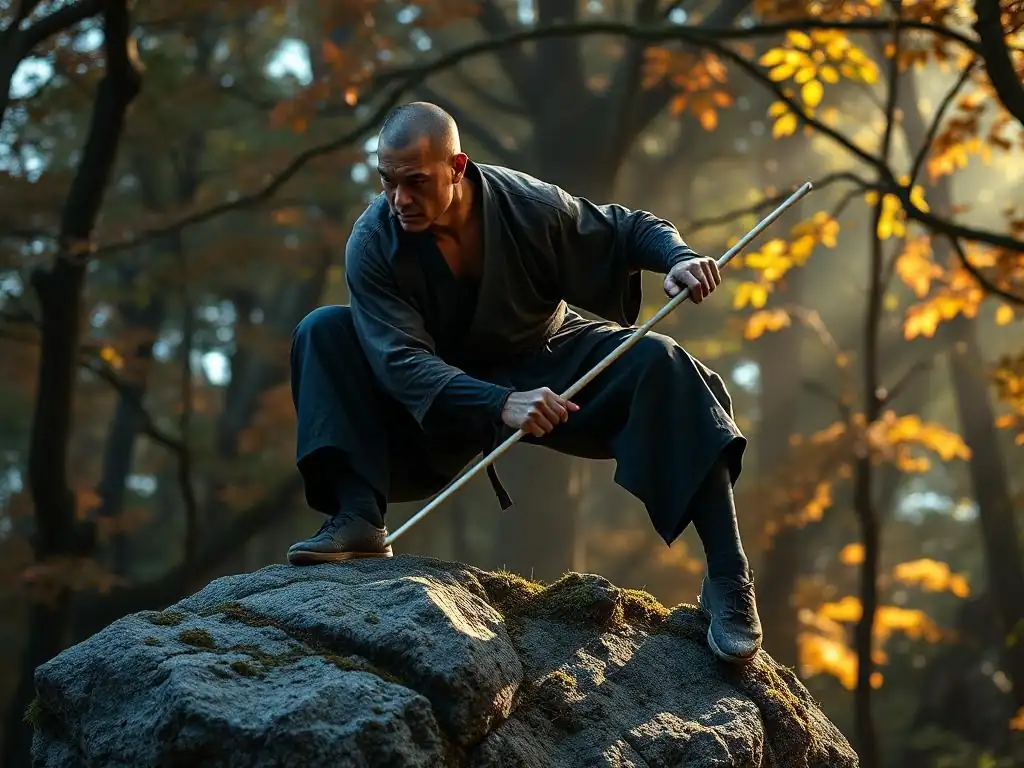
Welcome to Martial Arts Mastery, your gateway to unlocking the secrets of combat traditions worldwide! Ever wondered how a single kata could embody both unwavering balance and surprisingly unorthodox techniques? Dive into our comprehensive analysis of the Chinto (Gankaku) Kata, also known as "Crane on a Rock," and discover how this unique form blends stability with unexpected movements. Prepare to explore the historical context, practical applications, and intricate details that make Chinto kata crane rock a fascinating study in martial arts mastery. What hidden lessons will you uncover?
- Understanding Chinto Kata: The 'Crane on a Rock' Form
- Mastering Balance in Chinto Kata: Key Principles
- Unorthodox Techniques in Chinto: A Detailed Breakdown
- Chinto Kata: Step-by-Step Breakdown and Analysis
- Common Mistakes and How to Correct Them in Chinto (Gankaku)
- Applications of Chinto Techniques in Self-Defense
- The Legacy of Chinto Kata: Influences and Modern Interpretations
-
Frequently Asked Questions
- How does the Chinto/Gankaku kata relate to the "Crane on a Rock" concept?
- What are some unorthodox techniques found in Chinto/Gankaku kata?
- What is the historical significance of the Chinto/Gankaku kata?
- How does Chinto/Gankaku kata improve practical self-defense skills?
- What martial arts disciplines might find Chinto/Gankaku kata beneficial?
- Final Reflection: Embracing Unwavering Balance
- Embrace the Crane: Elevate Your Martial Arts Journey!
Understanding Chinto Kata: The 'Crane on a Rock' Form
Chinto kata, known in some styles as Gankaku (岩鶴), is a distinctive and highly advanced form within the karate curriculum. It is celebrated for its emphasis on balance, particularly through numerous single-leg stances, and its inclusion of unique, often unorthodox techniques not commonly found in other kata.
The name "Chinto" is traditionally associated with a historical figure, possibly a Chinese martial artist, while "Gankaku" directly translates to "Crane on a Rock," vividly depicting the kata's signature posture and its underlying principles of stability amidst precarious positions. Mastering the Chinto kata requires not just physical prowess but a deep understanding of weight distribution, core control, and strategic movement.
This kata challenges practitioners to move dynamically while maintaining perfect equilibrium, shifting from stable two-legged stances to demanding single-leg postures and back again with fluidity and power. The techniques within Chinto kata are often applied at close range, emphasizing rapid transitions and efficient use of minimal movement. Its structure, embusen (movement pattern), and individual techniques offer profound lessons in adaptability and the effective use of balance as both a defensive and offensive tool. Exploring the Chinto kata 'crane on a rock' provides insights into the complex layers of traditional karate training.
Origins and History of Chinto (Gankaku) in Karate
The precise origins of Chinto kata are shrouded in the history of Okinawan martial arts, though it is widely believed to have roots in techniques brought from China. Legend attributes the kata's creation or popularization to Sokon "Bushi" Matsumura (c. 1809–1899), one of the most influential figures in Okinawan karate history.
The narrative suggests Matsumura learned the kata from a mysterious Chinese traveler named Chinto, described as a skilled martial artist living as a hermit on a cliffside – a story that perhaps influenced the "Crane on a Rock" imagery. This historical connection highlights the blending of Okinawan and Chinese martial traditions that formed the bedrock of modern karate.
Later, Anko Itosu (1831–1915), another pivotal figure instrumental in introducing karate into the Okinawan school system, is credited with modifying and standardizing the kata. Itosu's version, which became known as Gankaku in some lineages (particularly those leading to Shotokan), aimed to make the techniques more accessible and suitable for mass instruction, though it retained the core principles of balance and unique movements.
While specific dates of creation or modification are debated, historical records and oral traditions suggest the kata was part of the Okinawan martial arts landscape by the mid-19th century, undergoing evolution as it was passed down through masters like Matsumura, Itosu, and their students who founded various modern karate styles. Understanding this lineage is crucial to appreciating the depth and evolution of the Chinto kata crane rock.
The Significance of "Crane on a Rock" Symbolism in Chinto
The moniker "Crane on a Rock" is perhaps the most evocative description of Chinto kata and points directly to its central theme: achieving perfect balance and stability in an inherently unstable position. The image of a crane standing on a single leg on a precarious rock symbolizes a state of alert readiness, rooted stability despite minimal contact points, and the ability to launch swift, precise movements from a seemingly static pose.
This is directly reflected in the kata's signature Tsuru Ashi Dachi (crane leg stance), where the practitioner balances on one foot, often for extended periods or while executing techniques with the hands.
Beyond mere physical balance, the "Crane on a Rock" symbolism also represents mental fortitude and poise under pressure. Just as a crane remains calm and focused, patiently waiting for the opportune moment to strike, the practitioner of Chinto kata learns to maintain composure and stability both physically and mentally. This mental aspect is critical when executing complex sequences from a single-leg stance or dealing with an opponent's attack. The symbolism underscores that the Chinto kata crane rock is not just a series of movements but a study in cultivating inner stillness and outward control, even in challenging circumstances.
Mastering Balance in Chinto Kata: Key Principles
Mastering the Chinto kata, especially its famous "crane on a rock" posture, hinges on developing exceptional balance. This is not merely about standing on one leg but about controlled stability, the ability to shift weight instantly, and maintaining equilibrium while executing powerful techniques. The kata systematically trains the body's proprioception – the sense of the relative position of one's own parts of the body and strength of effort being employed in movement. Achieving proficiency in Chinto requires dedicated practice focused on core engagement, ankle stability, and precise weight distribution.
The principles of balance in Chinto are applicable beyond the kata itself, translating directly into practical self-defense scenarios where maintaining stability while moving or being attacked is paramount. The constant transitions between two-legged and one-legged stances, often accompanied by strikes or blocks, build functional strength and coordination. Understanding and applying these key principles transforms the Chinto kata from a sequence of movements into a dynamic exercise in controlled power and unwavering stability, embodying the essence of the crane on a rock.
Single-Leg Stance (Tsuru Ashi Dachi) and Weight Distribution in Chinto
The Tsuru Ashi Dachi, or crane leg stance, is a defining feature of Chinto kata and is central to the "crane on a rock" imagery. In this stance, the practitioner stands on one leg while the other foot is drawn up, often with the sole resting against the knee or inner thigh of the supporting leg. Correct execution requires the supporting leg to be slightly bent for shock absorption and dynamic stability, not locked straight. The body's weight must be centered directly over the supporting foot, requiring precise alignment of the hips, torso, and head.
Effective weight distribution in Tsuru Ashi Dachi is not static; it's about dynamic balance. The practitioner must constantly make微 adjustments through the ankle and foot of the supporting leg while keeping the core engaged to stabilize the upper body.
The raised leg, though not bearing weight, is actively used to maintain balance and is often positioned to facilitate subsequent movements or techniques. Mastering the transition into and out of this stance, often while simultaneously blocking or striking, is a significant challenge in Chinto kata, demanding exceptional control over one's center of gravity and understanding how weight shifts influence stability, a core principle of the Chinto kata crane rock.
Developing Core Strength for Superior Balance in Gankaku
Superior balance in Gankaku (Chinto) kata is inseparable from robust core strength. The core muscles – including the abdominals, obliques, lower back, and hip flexors – act as the body's central stabilizing unit. When performing single-leg stances or executing techniques from unstable positions, it is the core that prevents the torso from swaying and allows for controlled movement of the limbs relative to the balanced base. Without a strong core, maintaining the upright posture required for Tsuru Ashi Dachi becomes significantly more difficult, leading to wobbling and loss of balance.
Training for Gankaku kata should include specific exercises targeting core stability. Plank variations, leg raises, and exercises that challenge balance on unstable surfaces (like balance boards, carefully used) can significantly improve the necessary strength and proprioception. A strong core allows the practitioner to hold the "crane on a rock" posture longer and more stably, execute powerful strikes without losing equilibrium, and absorb or redirect force from an opponent more effectively. Developing this internal strength is fundamental to truly embodying the stability symbolized by the Chinto kata crane rock.
Drills and Exercises to Improve Balance for Chinto Performance
Improving balance for Chinto kata requires targeted practice beyond simply running the kata. Specific drills can isolate and strengthen the necessary muscles and improve proprioception. One effective exercise is simply practicing standing on one leg for extended periods, gradually increasing the duration. To increase difficulty, try closing your eyes, which removes visual cues and forces reliance on proprioception and ankle stabilizers. Performing simple tasks while balanced on one leg, such as lifting the opposite arm or turning the head, can also help.
Another useful drill involves transitioning between stances while emphasizing control and balance. Practice moving slowly from a front stance (Zenkutsu Dachi) to a single-leg stance ( Tsuru Ashi Dachi) and back, focusing on smooth weight transfer and maintaining upright posture throughout. Incorporating dynamic balance exercises, such as hopping or controlled landings on one foot, can also build the reactive balance needed for the rapid movements within Chinto. Consistent practice of these drills, perhaps dedicating 10-15 minutes per training session, can dramatically improve a practitioner's ability to perform the Chinto kata crane rock with stability and confidence.
Unorthodox Techniques in Chinto: A Detailed Breakdown
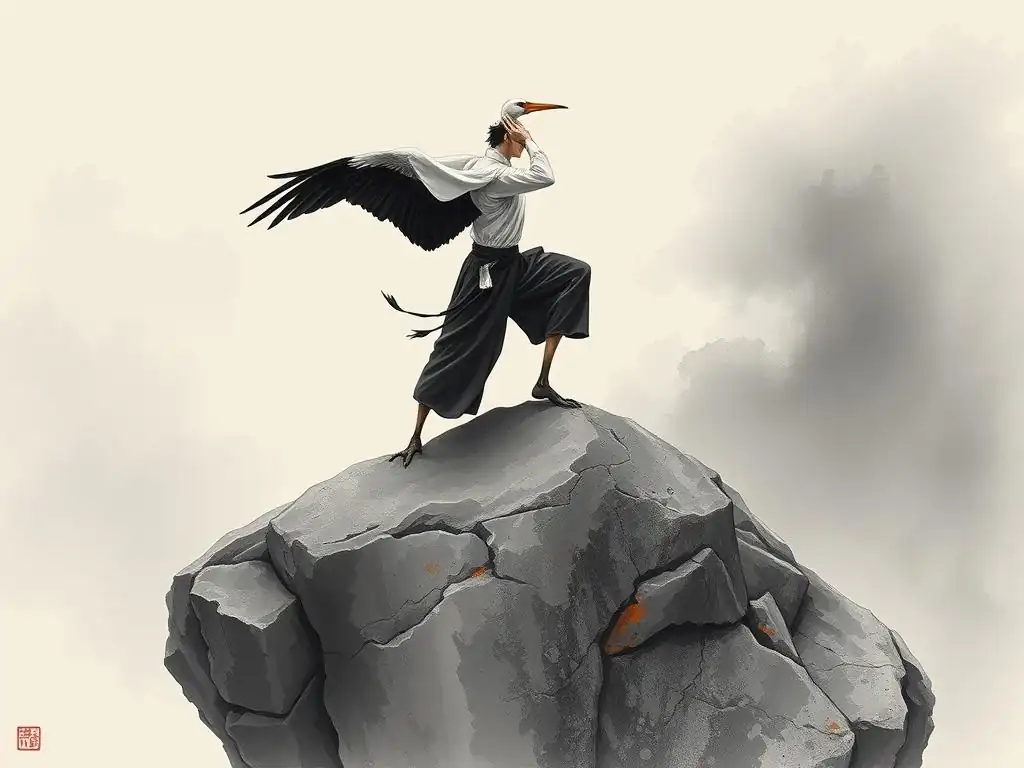
Chinto kata distinguishes itself not only through its emphasis on balance but also through its inclusion of several techniques that are less common in the standard karate kata repertoire. These "unorthodox" techniques often involve unique hand movements, evasive footwork patterns, and strikes delivered from unusual angles or stances. They reflect a sophisticated approach to close-range combat and highlight the kata's strategic depth. Analyzing these techniques provides valuable insights into the practical applications and defensive strategies embedded within the Chinto kata.
Understanding the context and application of these movements is key to mastering Chinto. Techniques like the one-handed push or specific evasive steps might initially seem counter-intuitive compared to more direct, linear movements found in other forms. However, when viewed through the lens of fighting from an unstable base or creating opportunities through unexpected actions, their effectiveness becomes clear. Exploring these unique elements is vital to unlocking the full potential of the Chinto kata crane rock.
Unique Hand Techniques in Chinto: Exploring One-Handed Push (片手突き - Katate-zuki)
Chinto kata features several distinctive hand techniques, with the Katate-zuki (one-handed push or thrust) being a notable example. Unlike the typical two-handed chambering and execution of many karate punches, Katate-zuki is often performed with one hand extending forward, sometimes from a high chamber near the head or shoulder. This technique can be interpreted in multiple ways: as a straight thrust, a pushing block, or a strike aimed at specific targets like the face or collarbone. Its execution often coincides with footwork or maintaining a single-leg stance, requiring significant coordination.
Another unique hand technique found in some versions of Chinto involves simultaneous blocking and striking actions performed with minimal movement. For example, a parrying block might be immediately followed by a quick, short-range strike with the same hand or the other hand from an unusual angle. These techniques often prioritize efficiency and surprise, leveraging the practitioner's balanced, yet dynamic, position. The focus is often on disrupting an opponent's structure or creating an opening with minimal telegraphing, reflecting the practical, close-quarters nature of some of the applications within the Chinto kata crane rock.
Footwork and Evasive Maneuvers Specific to Chinto Kata
The footwork in Chinto kata is highly dynamic and includes several evasive maneuvers designed to avoid direct confrontation while positioning for a counter-attack. Rather than relying solely on solid, rooted stances, Chinto incorporates quick shifts, slides, and circular steps. These movements allow the practitioner to pivot around their stable base (often the supporting leg in Tsuru Ashi Dachi), evade incoming attacks, or change the angle of engagement rapidly. This fluid footwork complements the kata's emphasis on balance and adaptability.
Specific evasive techniques include subtle weight shifts that allow the body to move offline slightly, or larger circular steps that create distance or flank an opponent. These maneuvers are often integrated seamlessly with hand techniques, allowing the practitioner to block or strike while simultaneously moving to a safer or more advantageous position. The ability to move elusively, combined with the stability of the single-leg stances, makes the footwork of Chinto kata particularly challenging and effective. Mastering this intricate footwork is essential for the dynamic flow and practical application of the Chinto kata crane rock.
Understanding and Applying the Embusen (Movement Pattern) of Chinto
The Embusen, or the designated floor pattern, of Chinto kata is relatively linear compared to some other advanced kata, yet it features significant changes in direction and points of focus. The kata typically begins moving forward, but incorporates diagonal shifts and sharp turns, including a distinctive turn executed from a single-leg stance. The Embusen guides the practitioner through various angles of engagement, simulating encounters with multiple opponents or adapting to changes in the combat situation.
Applying the Embusen effectively involves not just following the path but understanding the simulated threats and strategic objectives at each point. Each turn and shift in direction represents a response to an attack or an opportunity to reposition. For instance, the specific turn involving the single-leg stance requires precise timing and balance to maintain stability while reorienting the body to face a new direction.
Analyzing the Embusen helps practitioners understand the flow of the kata and its intended applications, revealing how the various techniques and stances are linked within a dynamic combat scenario. This strategic movement pattern is integral to the execution and understanding of the Chinto kata crane rock.
Chinto Kata: Step-by-Step Breakdown and Analysis
Breaking down Chinto kata into sections facilitates learning and understanding its complex structure. While specific movements may vary slightly between styles, the general sequence and core principles remain consistent. This step-by-step analysis helps practitioners focus on executing each phase correctly, understanding the transitions, and appreciating the cumulative effect of the techniques. Each section builds upon the last, leading towards the kata's dynamic and balanced conclusion.
Analyzing the kata section by section allows for targeted practice on challenging sequences, such as the initial movements with their unique stances or the complex turning blocks and spear hand strikes. It also helps in identifying areas where balance or coordination needs improvement. This detailed approach is crucial for moving beyond simply memorizing the movements to truly understanding and embodying the principles of the Chinto kata crane rock.
Section 1: Initial Movements and Stances of Chinto Kata
The opening sequence of Chinto kata often begins with a unique preparatory movement or stance, setting the tone for the kata's unorthodox nature. Following the initial bow, the practitioner typically moves into a preparatory stance before launching into the first series of techniques. This might involve a specific type of ready stance or a movement that immediately introduces a balance challenge or an unusual posture. The initial movements are designed to grab attention and establish the kata's distinctive character.
A key element of the first section is often the introduction of the single-leg stance ( Tsuru Ashi Dachi) relatively early in the kata. This requires the practitioner to quickly find their balance and stability. The initial techniques performed from or transitioning into this stance might include a block, a strike, or a combination. The focus here is on demonstrating control, poise, and the ability to execute techniques from an unstable base right from the outset, highlighting the central theme of the Chinto kata crane rock. Mastery of these initial movements is foundational for the rest of the form.
Section 2: Executing Turning Block Followed by Spear Hand Strike (Kaiten Uke to Nukite) in Chinto
A particularly distinctive sequence within Chinto kata involves a dynamic turning block ( Kaiten Uke) often followed immediately by a spear hand strike ( Nukite). This sequence typically occurs after a period of movement or a stance change and requires precise timing, coordination, and power generation. The turning block is not a static defense but a circular, often sweeping movement designed to deflect or parry an incoming attack while simultaneously setting up the body for the counter-attack.
The transition from the turning block to the Nukite strike is rapid and fluid. The Nukite, delivered with the fingertips, targets vulnerable areas and requires a stable base and strong core engagement for penetration. This combination exemplifies the Chinto kata's blend of evasive movement and sharp, focused counter-attacks. Executing this sequence effectively demands not only technical precision in the movements themselves but also an understanding of the intended application – defending against an attack from the side or rear and immediately countering with a penetrating strike, a hallmark of the dynamic actions within the Chinto kata crane rock.
Section 3: Completing the Kata - Final Postures and Their Meaning
The final section of Chinto kata brings together the themes of balance, stability, and focused power. It often includes a concluding series of movements that reinforce the kata's core principles before arriving at the final posture ( Zanshin). These concluding techniques might revisit single-leg stances, incorporate final strikes or blocks, and demonstrate a return to a state of controlled readiness after the dynamic sequences. The execution in this final phase should reflect the cumulative learning and mastery developed throughout the kata.
The final posture itself is not merely an endpoint but a statement of Zanshin – remaining awareness and readiness. It signifies that even after the physical performance concludes, the practitioner maintains mental alertness and physical control. The specific final stance varies between styles, but it invariably emphasizes a strong, balanced foundation and focused gaze. This concluding section encapsulates the journey through the Chinto kata, reinforcing the "crane on a rock" ideal of unwavering stability and readiness, leaving the practitioner in a state of alert calm, ready for any further action.
Common Mistakes and How to Correct Them in Chinto (Gankaku)
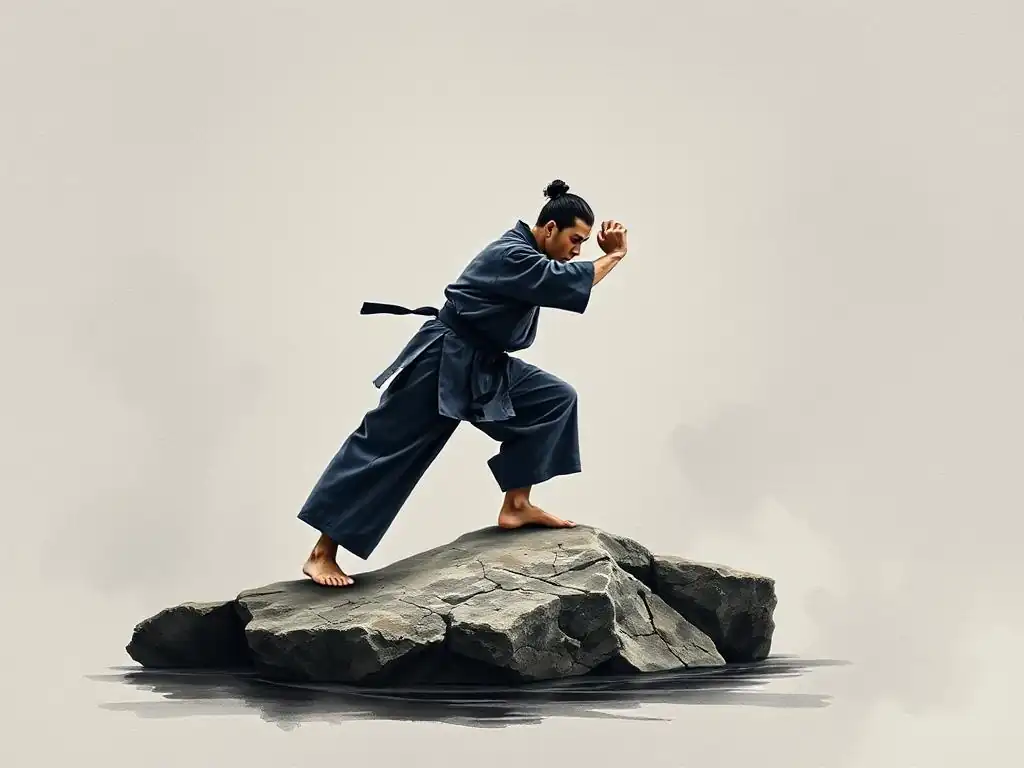
Chinto kata, being a complex and advanced form, presents unique challenges that lead to common mistakes among practitioners. These errors often relate to maintaining balance, executing the unorthodox techniques correctly, and understanding the intended applications. Identifying and correcting these pitfalls is crucial for developing proficiency and gaining the full benefits of training this kata. Addressing these issues systematically improves not only the aesthetic performance but also the practical effectiveness of the movements.
Focusing on specific correction strategies for balance issues, technique execution, and overall kata flow helps practitioners refine their performance. Breaking down the kata and practicing difficult sections repeatedly, often with feedback from an instructor, is key. Understanding the underlying principles behind the movements is just as important as physical repetition. By consciously working to overcome these common mistakes, practitioners can elevate their understanding and execution of the Chinto kata crane rock.
Balance Errors and Corrections in the Crane Stance
Balance errors in the Tsuru Ashi Dachi (crane stance) are arguably the most common difficulty in Chinto kata. Practitioners might sway excessively, lose their footing, or struggle to hold the stance for the required duration. This often stems from insufficient core engagement, weak ankle stabilizers, or improper weight distribution. A common error is locking the knee of the supporting leg, which reduces stability and makes subtle adjustments difficult.
To correct balance errors, focus on strengthening the core and the muscles around the ankle and foot. Practice holding the Tsuru Ashi Dachi stance for increasingly longer times outside of the kata, paying attention to keeping the supporting knee slightly bent and the weight centered over the foot. Engage the lower abdominal muscles consciously to stabilize the torso.
Video recording yourself performing the stance can help identify specific points of imbalance. Working with a partner who can gently try to push you off balance (with caution) can also help develop reactive stability. Consistent, focused practice on just the stance itself, separate from the kata, is highly effective for improving the core balance element of the Chinto kata crane rock.
Misunderstanding Unorthodox Movements - Tips for Proper Execution
The unorthodox techniques in Chinto kata, such as the one-handed push or specific evasive steps, are frequently misunderstood or executed incorrectly. Practitioners might perform them too stiffly, without the intended fluidity, or fail to grasp their practical application. For instance, a Katate-zuki might be performed as a weak flick rather than a focused thrust or push, or an evasive step might be too large or too small to be effective.
Proper execution requires understanding the purpose of each movement. Seek guidance from experienced instructors on the intended application of these unique techniques. Visualize performing the movement against an opponent. Practice the techniques slowly at first, focusing on the correct body mechanics, weight transfer, and muscle engagement.
For Katate-zuki, practice generating power through hip rotation and core engagement, even with one hand. For evasive steps, drill moving around an imaginary obstacle or opponent, focusing on maintaining balance and readiness to counter-attack. Repetition with mindful attention to detail and application is key to mastering the unique elements of the Chinto kata crane rock.
Avoiding Common Pitfalls in Chinto Kata Training
Beyond specific technique errors, several common pitfalls can hinder progress in Chinto kata training. One is rushing through the kata, especially the challenging balance sections, rather than taking the time to achieve stability and control. Another is focusing solely on the physical movements without considering the kata's underlying principles of balance, timing, and application. Practitioners might also neglect foundational training, such as core strengthening or basic stance practice, which are essential prerequisites for mastering Chinto.
To avoid these pitfalls, approach Chinto kata training with patience and a focus on quality over speed. Break the kata into smaller sections and practice each part until it is solid before linking them together. Dedicate specific training time to improving balance and core strength outside of running the kata. Regularly review the kata's intended applications and symbolism (the "crane on a rock") to deepen your understanding. Seek regular feedback from qualified instructors. By training mindfully and addressing foundational weaknesses, practitioners can make significant progress in their mastery of the complex and rewarding Chinto kata crane rock.
Applications of Chinto Techniques in Self-Defense
While Chinto kata is a traditional form, its techniques and principles are highly applicable to practical self-defense situations. The kata's emphasis on balance, evasive movement, and close-range, unorthodox strikes offers a unique toolkit for dealing with real-world confrontations. Understanding how to adapt the movements from the stylized kata to a dynamic, unpredictable environment is key to unlocking their self-defense potential. The Chinto kata crane rock, with its focus on stability from instability, provides valuable lessons for remaining effective under pressure.
The applications often involve using the kata's unique footwork to create distance or change angles, employing the strong balance to absorb impacts or launch counter-attacks, and utilizing the less common hand techniques to surprise or disrupt an attacker. Translating kata movements into practical self-defense requires dedicated practice in applying techniques against different types of attacks and understanding how the principles of the form function in a non-cooperative scenario.
Adapting Chinto's Unorthodox Moves for Practical Combat
Adapting Chinto's unorthodox techniques for practical combat involves modifying the stylized movements for efficiency and effectiveness in a real fight. For example, the formal Katate-zuki (one-handed push/thrust) might be applied as a quick, sharp strike to the face, throat, or solar plexus, or as a disruptive push to create space or break an attacker's balance. The high chamber often seen in the kata might be less pronounced in a real situation, favoring a more direct trajectory.
Similarly, the evasive footwork from Chinto can be used to step off the line of attack, circling away from a strike or grabbing attempt while simultaneously positioning oneself for a counter. The single-leg stances, while rarely held statically in a fight, train the ability to recover balance quickly if knocked off-center or to launch a dynamic kick or knee strike while only briefly supported on one leg. The core principle is using the unique movements to gain an advantage – whether through surprise, disrupting balance, or creating an opening – skills honed through practicing the Chinto kata crane rock.
Using Chinto Principles for Evasion and Counter-Attacks
Chinto kata excels at teaching principles of evasion and counter-attack. The kata's fluid footwork and balance training allow practitioners to move effectively to avoid or redirect an opponent's force rather than relying solely on blocking. By shifting weight or taking a small step offline, a practitioner can cause an incoming attack to miss or lose power, simultaneously creating an opportunity to counter. This principle is evident in the kata's numerous directional changes and evasive steps.
The counter-attacks in Chinto are often launched immediately after or during an evasion, leveraging the momentum and the opponent's disrupted balance. The ability to strike accurately and powerfully while in motion or from a less-than-ideal stance, trained through the kata's complex sequences, is highly valuable. The "crane on a rock" idea is applied here: maintaining your own stability while the opponent is unstable, allowing you to strike effectively. This simultaneous defense and offense, rooted in intelligent movement and balance, is a key self-defense lesson from the Chinto kata crane rock.
Integrating Chinto Techniques into Your Karate Sparring
Integrating Chinto techniques into sparring requires careful adaptation and practice. Direct, stylized movements from the kata are rarely used verbatim in free sparring (Kumite), but the underlying principles and modified applications can be highly effective. For instance, practicing quick, subtle weight shifts to evade punches or kicks, as trained in Chinto's footwork, can improve defensive movement in sparring. Using the stability gained from balance training to absorb a light push or check without losing posture is another direct application.
Specific techniques can be adapted; a quick, unexpected Katate-zuki might be used as a lead hand jab or a disruptive strike to the body. The ability to launch techniques from a slightly off-balance or single-leg stance, developed through Tsuru Ashi Dachi practice, can make kicks or knees more unpredictable. The focus in sparring application is on the functional use of Chinto's principles: maintaining balance under pressure, using movement to create angles, and delivering efficient strikes from varied positions. This practical exploration in sparring helps cement the lessons learned from the Chinto kata crane rock.
The Legacy of Chinto Kata: Influences and Modern Interpretations
Chinto kata holds a significant place in the history and evolution of karate. Its unique characteristics have influenced various styles and masters, contributing to the diversity of modern karate. The kata's enduring relevance lies in its challenging nature and the profound lessons it imparts on balance, coordination, and strategic application. Studying its legacy involves tracing its path through different lineages and observing how its principles are interpreted and emphasized in contemporary training. The Chinto kata crane rock continues to challenge and educate practitioners worldwide.
Despite variations across styles, the core identity of Chinto/Gankaku remains centered on its distinctive stance and unorthodox movements. Exploring these variations reveals the different paths masters took in interpreting and teaching the kata, while the shared emphasis on balance and unique techniques highlights its fundamental contribution to the art. The legacy of Chinto is a testament to the dynamic nature of martial arts evolution and the timeless value of its core principles.
How Chinto Has Shaped Modern Karate
Chinto kata has influenced modern karate in several key ways, primarily through its contribution to balance training and the introduction of less conventional fighting strategies. Its widespread inclusion in lineages stemming from masters like Itosu means its principles have permeated various styles, including Shotokan (as Gankaku), Wado-ryu, Shito-ryu, and others. The emphasis on Tsuru Ashi Dachi has made single-leg balance a recognized component of advanced karate training across these styles.
Furthermore, the kata's incorporation of evasive footwork and techniques from seemingly unstable positions has broadened the tactical scope taught in karate. It moved beyond purely linear, rooted movements to include more dynamic, adaptable responses. While not all modern dojos emphasize the historical applications, the physical conditioning and coordination developed through practicing Chinto kata are universally beneficial, contributing to overall athleticism and body control in karate practitioners. The Chinto kata crane rock has thus left an indelible mark on the physical and tactical training methods within modern karate.
Variations and Adaptations of Chinto Across Different Karate Styles
Chinto kata exists in several variations across different karate styles, reflecting the interpretations and adaptations made by founding masters. The most well-known variations include the Shotokan version (Gankaku), Shito-ryu's Chinto, and Wado-ryu's Chinto. While they share the core elements of single-leg stances and unique techniques, there are differences in the Embusen, specific hand movements, and the emphasis placed on certain applications.
For instance, the Shotokan Gankaku tends to be more linear and powerful, while Shito-ryu's Chinto might incorporate more circular movements and a greater variety of hand techniques, consistent with the style's broader kata repertoire. Wado-ryu's Chinto emphasizes fluidity and evasive body movement characteristic of that style. These variations demonstrate how the core concept of the Chinto kata crane rock has been adapted to fit the specific principles and methodologies of different schools, yet they all retain the central challenge and lessons of balance and unorthodox strategy.
The Enduring Relevance of Chinto's Principles of Balance and Unorthodox Technique
The principles taught in Chinto kata remain highly relevant for contemporary martial artists, regardless of style. In an age where athleticism and functional movement are increasingly recognized as crucial for effective martial arts, the rigorous balance training of Chinto is invaluable. The ability to control one's body weight, maintain stability on one leg, and transition smoothly between stances is fundamental for everything from dynamic kicking to recovering from being pushed.
Moreover, the concept of using "unorthodox" or unexpected movements is a timeless martial strategy. In a world of increasingly standardized fighting sports, techniques that deviate from the norm can be highly effective due to their element of surprise. Chinto kata encourages practitioners to think outside the box and utilize their body in ways that might be unfamiliar to an opponent. The enduring lessons of the Chinto kata crane rock – stability in instability, and effectiveness through unique application – ensure its continued importance in advanced karate training and beyond.
Frequently Asked Questions
How does the Chinto/Gankaku kata relate to the "Crane on a Rock" concept?
The kata's name, Chinto (or Gankaku), directly references the image of a crane standing on a rock. Many of its techniques are designed to emulate this, emphasizing balance and stability in precarious positions.
What are some unorthodox techniques found in Chinto/Gankaku kata?
Chinto/Gankaku incorporates movements not commonly seen in other karate katas. These include techniques performed from a perched or side-facing stance, as well as unique blocks and strikes optimized for close-quarters combat.
What is the historical significance of the Chinto/Gankaku kata?
While the exact origins are debated, Chinto/Gankaku is believed to have originated in Okinawa. It's often associated with Tomari-te and is thought to have been influenced by Chinese martial arts.
How does Chinto/Gankaku kata improve practical self-defense skills?
The kata teaches how to maintain balance and generate power from unusual stances. This can be extremely useful in real-world self-defense scenarios, particularly when dealing with uneven terrain or close-range attacks.
What martial arts disciplines might find Chinto/Gankaku kata beneficial?
While primarily a Karate kata, the principles of Chinto/Gankaku – balance, adaptability, and unorthodox techniques – can be valuable to practitioners of other striking-based martial arts like Kung Fu or Taekwondo.
Final Reflection: Embracing Unwavering Balance
The exploration of Chinto Kata, the "Crane on a Rock," reveals more than just a series of martial arts techniques; it unveils a philosophy of unwavering balance in the face of adversity. Just as the crane finds stability on a precarious rock, we too are constantly challenged to maintain our equilibrium amidst life's unpredictable currents. This kata, with its unorthodox movements and emphasis on centeredness, serves as a potent reminder of the resilience we possess within.
The influence of Chinto extends beyond the dojo, shaping our understanding of adaptability and inner strength. The kata's focus on finding stability in seemingly unstable positions resonates deeply, reminding us that even in moments of chaos, we can find our footing. The ultimate aim of Karate lies not in victory nor defeat, but in the perfection of the character of its participants.
- Gichin Funakoshi. This pursuit of character, honed through the discipline of kata like Chinto, is a lifelong journey of self-discovery and refinement.
Now, consider the lessons of the "Crane on a Rock" in your own life. Where do you feel unsteady? What "rocks" are you navigating? Embrace the spirit of Chinto: find your center, adapt to the unexpected, and cultivate the unwavering balance that allows you to stand strong, no matter the storm. Let this kata inspire you to find your own unique strength and grace in the face of life's challenges.
Embrace the Crane: Elevate Your Martial Arts Journey!
Thank you for exploring the unique balance and techniques of the Chinto Kata. You've unlocked valuable insights into its unconventional movements and strategic applications. Now, it's time to transform this knowledge into action!
Here are a few steps to take your understanding further:
- Master the one-legged stance: Dedicate time to practicing and refining your balance. Even 5 minutes a day can significantly improve your stability and control.
- Explore the applications: Research real-world self-defense scenarios where Chinto's techniques can be effectively used. Think outside the dojo!
- Share your insights: Discuss your interpretations of the Kata with fellow martial artists on forums or in your local dojo and compare views. This helps to build a larger understanding.
What is one unique application of Chinto that you can envision using in your training or self-defense practice? Share your thoughts in the comments below!