
Beyond the Basic Stretch: Innovative Active Recovery Techniques for Modern Martial Artists

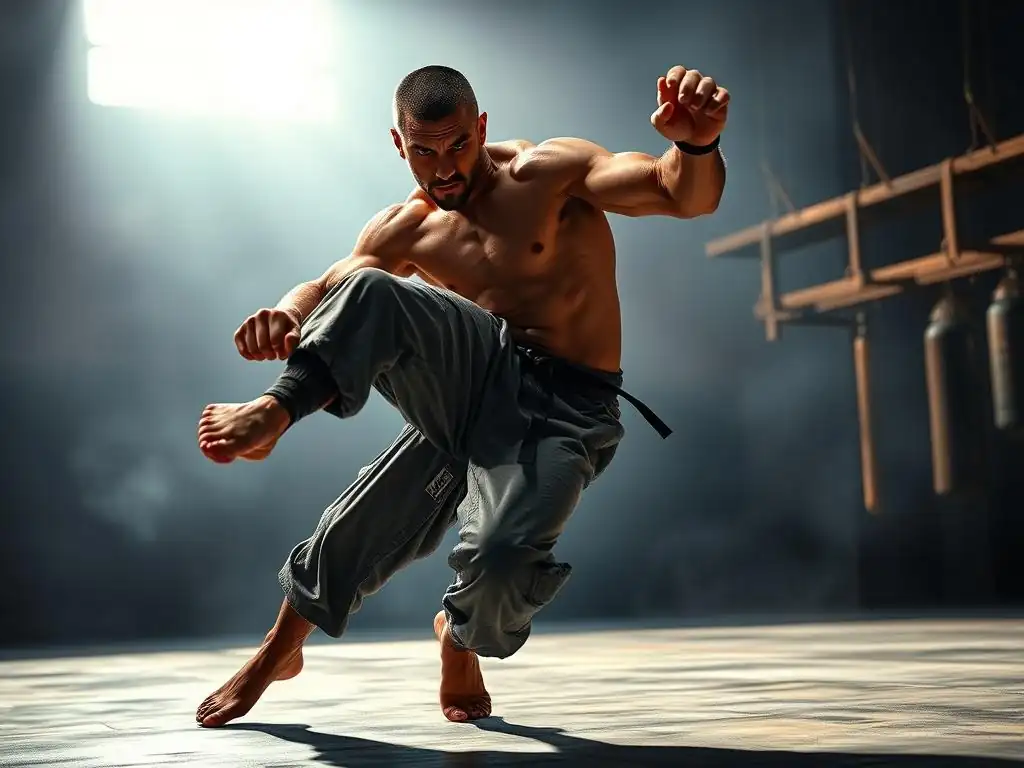
Welcome to Martial Arts Mastery, your gateway to unlocking the profound depths of combat traditions worldwide. Are you pushing your limits in the dojo? Then you need to understand the pivotal role of recovery. Dive into our exploration of active recovery martial artists training and discover cutting-edge techniques that go far beyond static stretching, optimizing your performance and preventing injury. Curious how targeted movements can accelerate healing and enhance your martial arts journey? Read on to unlock the secrets!
What is Active Recovery and Why is it Crucial for Martial Artists?
Active recovery refers to engaging in low-intensity exercise following strenuous physical activity, rather than complete rest. For martial artists, whose training often involves high-impact strikes, explosive movements, and intense sparring, this means performing gentle movements or activities that help the body begin the repair process without adding further stress.
Instead of collapsing on the mat after a tough BJJ session or intense Muay Thai pad work, an active recovery strategy might involve a light walk, some gentle dynamic stretching, or even a short, easy session on a stationary bike. The core principle is to keep the blood flowing to the muscles that have been worked intensely, facilitating the removal of metabolic waste products like lactic acid and delivering essential nutrients needed for repair and regeneration.
This differs significantly from passive recovery, which involves complete inactivity or rest, and while necessary (especially sleep), passive methods alone are often insufficient to optimize the recovery cycle for high-demand activities like martial arts.
The crucial nature of active recovery for martial artists lies in the specific physiological demands placed upon their bodies. A typical martial arts training session, whether it's Karate kata practice, Judo randori, or MMA drills, involves repeated stresses on muscles, joints, and connective tissues.
Without effective recovery, this stress can accumulate, leading to prolonged muscle soreness (Delayed Onset Muscle Soreness or DOMS), increased risk of injury, and diminished performance in subsequent training sessions. Implementing active recovery techniques post-training helps maintain flexibility and range of motion, preventing stiffness that can hinder explosive techniques or evasive movements.
For instance, a study involving athletes showed that active recovery significantly reduced perceived muscle soreness 24 and 48 hours post-exercise compared to passive recovery. While specific large-scale studies focusing solely on active recovery martial artists training are still emerging, the physiological principles apply universally: enhanced blood flow aids healing, reduces inflammation, and prepares the body more effectively for the next challenge, allowing martial artists to train more consistently and at a higher intensity over time.
- How does active recovery differ from traditional stretching for martial artists?
- Why is active recovery considered important for martial arts training?
- What are some examples of active recovery techniques suitable for martial artists?
- How often should martial artists incorporate active recovery into their training schedule?
- Can active recovery help prevent injuries in martial arts?
Frequently Asked Questions
How does active recovery differ from traditional stretching for martial artists?
Active recovery involves low-intensity exercises that promote blood flow and muscle repair, unlike static stretching which focuses primarily on flexibility. It helps clear metabolic waste and reduces post-exercise soreness.
Why is active recovery considered important for martial arts training?
Martial arts training is physically demanding. Active recovery reduces muscle stiffness, prevents injuries, and speeds up recovery time, allowing for more frequent and intense training sessions.
What are some examples of active recovery techniques suitable for martial artists?
Examples include light cardio, such as jogging or cycling, and dynamic stretching that mimics martial arts movements. Foam rolling and gentle mobility drills are also beneficial.
How often should martial artists incorporate active recovery into their training schedule?
Active recovery can be performed immediately after intense training sessions or on rest days. Even 15-30 minutes can make a significant difference in recovery.
Can active recovery help prevent injuries in martial arts?
Yes, by improving blood flow, reducing muscle tension, and increasing joint mobility, active recovery significantly lowers the risk of injury associated with repetitive or high-impact movements.
Final Reflection: Embracing Active Recovery for Peak Performance
The journey through innovative active recovery techniques reveals a profound truth: true mastery in martial arts extends far beyond rigorous training and powerful strikes. It encompasses the wisdom to nurture and restore the body, ensuring longevity and sustained peak performance. The insights shared here, from dynamic stretching to targeted mobility drills, are not mere add-ons but integral components of a holistic training regimen, particularly vital in today's demanding martial arts landscape.
This exploration has underscored the critical role active recovery plays in not only preventing injuries but also in enhancing overall athletic prowess. Personally, witnessing the transformative impact of these techniques on my own training and the training of others has solidified my belief in their indispensable value. The body achieves what the mind believes.
This quote, often attributed to Napoleon Hill, resonates deeply, reminding us that a healthy, well-maintained body is the foundation upon which mental fortitude and unwavering focus are built.
As you step off the mat and back into your daily lives, I urge you to reflect on the principles we've discussed. Consider how you can integrate these active recovery techniques into your own training routine. Don't just train harder; train smarter. By prioritizing recovery, you not only safeguard your physical well-being but also unlock your full potential, allowing you to push your boundaries and achieve new heights in your martial arts journey and beyond.
Unleash Your Peak Performance Now!
Thank you for exploring these cutting-edge active recovery techniques! By incorporating these strategies, you're investing in your long-term martial arts journey. Ready to take your recovery to the next level?
- Immediately integrate at least one new active recovery technique into your next training session. Feel the difference in your performance and recovery time!
- Share your favorite recovery tips and techniques with a training partner. Together, you can optimize your training and prevent injuries.
- Visit our community forum at MartialArtsMastery.org to unveil more about the impact of specific recovery techniques and learn from experienced martial artists across diverse disciplines.
Which recovery technique will you dominate next? Share your plans in the comments below!