
Dojo Entry & Exit: The First Steps in Martial Arts Respect and Discipline

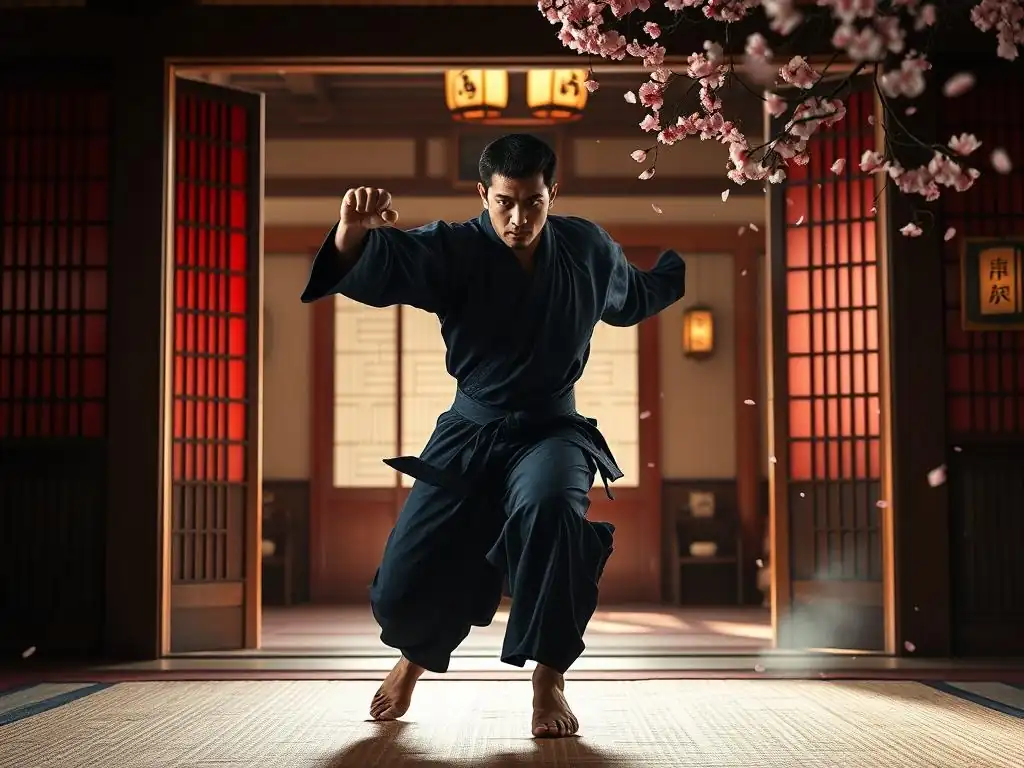
Welcome to Martial Arts Mastery, your gateway to the world's fighting traditions! Beyond powerful techniques and rigorous training, the true essence of martial arts lies in its deeply rooted history and culture. Today, we delve into one of the first and most crucial lessons a martial artist learns: the proper dojo entry and exit. Understanding this seemingly simple act reveals profound insights into respect, discipline, and the very spirit of the dojo. Curious to learn how a single bow can unlock a deeper understanding of your art? Read on and begin your journey!
- Dojo Entry & Exit: Cultivating Respect and Discipline in Martial Arts
- Understanding the Significance of Dojo Entry and Exit Rituals
-
Mastering the Art of Dojo Entry: A Step-by-Step Guide
- Approaching the Dojo Entrance: Preparing Your Mind and Body
- Performing the Formal Bow (Rei): Demonstrating Respect
- Navigating the Dojo Space: Awareness and Consideration
- Preparing to Leave: Reflecting on the Training Session
- Performing the Final Bow (Rei): Expressing Gratitude
- Exiting the Dojo with Humility and Respect
- Common Mistakes to Avoid During Dojo Entry and Exit
- The Psychological Impact of Dojo Etiquette on Martial Arts Practitioners
- Dojo Entry and Exit Across Different Martial Arts Styles
- Integrating Dojo Etiquette into Your Martial Arts Practice
-
Frequently Asked Questions
- What is the significance of proper dojo entry and exit etiquette?
- Why is a bow (rei) typically performed when entering or exiting a dojo?
- What are some common mistakes students make when entering or exiting a dojo?
- Does the specific entry and exit protocol vary between different martial arts?
- Beyond showing respect, what practical benefits does following dojo entry and exit etiquette provide?
- Final Reflection: Stepping Stones to a Disciplined Life
- Embrace the Dojo: Begin Your Journey of Respect!
Dojo Entry & Exit: Cultivating Respect and Discipline in Martial Arts
Understanding the Significance of Dojo Entry and Exit Rituals
Why Proper Dojo Entry and Exit Matters in Martial Arts Training
The practice of proper dojo entry exit is far more than mere formality; it is a foundational element that shapes the entire training experience. Entering the dojo, or place of the Way, is not simply walking into a building. It is stepping into a dedicated space for self-improvement, rigorous training, and mutual respect.
The ritualized entry signifies a transition from the external world, with its daily distractions and stresses, to an internal space focused on the present moment and the pursuit of martial excellence. This deliberate act helps practitioners cultivate mindfulness and prepares them mentally for the challenges ahead, setting a tone of seriousness and dedication from the outset.
Furthermore, mastering proper dojo entry exit reinforces core martial arts principles such as discipline, humility, and respect for the training environment, the instructors ( sensei or shihan), and fellow students ( sempai and kohai). In many traditional dojos, a failure to observe these rituals is seen as a lack of sincerity or commitment. It impacts not just the individual but the collective atmosphere of the training hall.
A well-executed entry and exit, involving a respectful bow and conscious awareness, contributes to a focused and harmonious training environment, essential for effective learning and growth. Studies on group dynamics suggest that shared rituals can significantly enhance cohesion and reinforce group norms, and the proper dojo entry exit serves this crucial function in martial arts communities worldwide.
The Historical Roots of Dojo Etiquette
Dojo etiquette, including the customs surrounding proper dojo entry exit, is deeply rooted in the historical and cultural contexts from which traditional martial arts emerged, particularly in Japan. Many of these rituals trace back to the feudal era and the samurai class, where strict codes of conduct and respect were paramount for social order and military discipline. The dojo was often considered a sacred space, akin to a temple, reflecting the profound spiritual dimension associated with martial training. Entering such a space required a purification of mind and body, symbolized by specific actions and gestures.
The formal bow, rei, for instance, is a core element of proper dojo entry exit and has a long history in Japanese culture as a universal gesture of respect, gratitude, and humility. Its integration into dojo practice emphasizes the hierarchical structure (respect for seniors and instructors) and the mutual respect required among peers.
Historical texts and scrolls from various ryu (schools or styles) often detail specific protocols for entering and leaving the training area, highlighting their importance in maintaining discipline and preserving the integrity of the tradition. These historical roots underscore that proper dojo entry exit is not arbitrary but carries centuries of meaning and purpose.
Mastering the Art of Dojo Entry: A Step-by-Step Guide
Approaching the Dojo Entrance: Preparing Your Mind and Body
The process of proper dojo entry exit begins even before reaching the physical doorway. As you approach the dojo, it is customary to pause for a moment. This pause is not merely a physical halt but a mental one, allowing you to transition from the external world into the dedicated space of training. Use this brief moment to clear your mind of outside distractions – work, errands, personal issues. Focus on the purpose of your visit: to train, learn, and improve. Ensure your uniform ( gi) is tidy and properly tied, symbolizing your readiness and respect for the practice.
This preparation also involves a physical aspect. Take a deep breath, stand tall, and compose yourself. This simple act of preparing your posture and breathing helps align your physical state with the mental readiness required for effective training. It is a small but significant step in the overall ritual of proper dojo entry exit, setting the stage for the respect and discipline that will be demonstrated throughout your time in the dojo. Without this preparatory phase, the subsequent actions can feel rushed or hollow.
Performing the Formal Bow (Rei): Demonstrating Respect
Upon reaching the entrance (or the edge of the training area, depending on the dojo layout), the next crucial step in proper dojo entry exit is performing the formal bow, rei. Facing the interior of the dojo, or sometimes a designated shrine or picture of the founder ( shomen), stand with your feet together or shoulder-width apart, depending on the specific style's custom.
The bow should be performed from the waist, keeping your back straight and eyes lowered. The degree of the bow can vary; a typical respectful bow is about 30 degrees, while a deeper bow (around 45 degrees or more) might be used for very formal occasions or addressing the shomen.
As you bow, it is common practice in many styles to say "Osu," "Onegai shimasu" (please teach me), or simply acknowledge the space mentally with respect. The hands are usually placed at the sides or on the thighs, palms down. The key is that the bow is deliberate and sincere, not a quick nod.
It is a physical manifestation of humility, acknowledging that you are entering a space of learning and that you are open to instruction. This bow is not just a greeting; it is a declaration of your commitment to the principles of the dojo and your respect for all who train within it. Proper dojo entry exit hinges significantly on the sincerity and correctness of this bow.
Once the initial bow at the entrance is complete, entering the dojo space requires continued awareness and consideration, integral parts of proper dojo entry exit. Move into the training area quietly and efficiently. Avoid walking directly in front of the shomen or between the instructor and the students if a class is in progress. If you are late, wait at the edge of the training area until acknowledged by the instructor, perform a bow, and then quickly join the back of the class or a designated spot.
Your movement within the dojo should always be mindful of others. Step over training partners' feet or equipment rather than walking on or kicking them. When moving to take your place in the line-up ( seiza or standing), do so with purpose and minimal disruption.
This constant awareness reflects the martial arts principle of zanshin – a state of relaxed alertness. It shows respect for the training session already underway and contributes to a safe and focused environment for everyone. Proper dojo entry exit extends beyond the initial bow to how you conduct yourself immediately upon entering the training floor.
Preparing to Leave: Reflecting on the Training Session
Just as entry requires preparation, mastering proper dojo entry exit necessitates a thoughtful preparation before leaving. The end of a training session is typically marked by a formal closing ceremony, often involving meditation ( mokuso), a review of principles, and a final bow to the instructor and the shomen. Even after this formal closing, take a moment before physically exiting the training space. This is a time for quiet reflection on the session just completed.
Consider what you learned, what you struggled with, and how you felt. This brief period allows you to internalize the lessons and experiences of the training. It's also a practical time to ensure you haven't left any personal belongings scattered around the training area. This reflective pause is an often-overlooked but important part of proper dojo entry exit, ensuring that you leave not just physically, but also having processed the valuable time spent training.
Performing the Final Bow (Rei): Expressing Gratitude
The final formal act of proper dojo entry exit is performing the bow before leaving the training area. Facing back towards the shomen or the interior of the dojo, perform the same formal bow ( rei) that you did upon entering. This bow serves multiple purposes: it shows gratitude for the training space itself, for the opportunity to train, and for the lessons received. It is a final acknowledgment of the principles and traditions upheld within the dojo walls.
In some dojos, a bow might also be directed towards the instructor again if they are present at the exit point, or towards fellow students as a sign of mutual respect and thanks for training together. The sincerity of this final bow is just as important as the entry bow. It signifies that you are leaving the dedicated training space but carrying the lessons and discipline learned back into the outside world. It completes the ritual cycle of proper dojo entry exit, marking a respectful departure.
Exiting the Dojo with Humility and Respect
After performing the final bow, the physical act of exiting the dojo should be done with the same mindfulness and respect demonstrated upon entry. Walk purposefully and quietly towards the exit. Avoid loud chatter or boisterous behavior immediately upon stepping off the training floor, especially if others are still engaged in cool-down or conversation. The transition back to the external world should be gradual.
Proper dojo entry exit concludes with leaving the premises with a sense of humility and respect for the art and the space. This means maintaining a respectful demeanor until you are well clear of the dojo area. It reinforces the idea that the discipline and principles learned in the dojo extend beyond the training session and into your daily life. Leaving respectfully honors the tradition and prepares you to return with the right mindset for your next training session.
Common Mistakes to Avoid During Dojo Entry and Exit
Rushing or Disregarding the Ritual
One of the most common mistakes practitioners make regarding proper dojo entry exit is rushing through or completely disregarding the rituals. This often happens when people are late, in a hurry to get changed, or simply forgetful. Rushing the entry bow, failing to pause and compose oneself, or skipping the final bow upon leaving sends a message of disrespect and lack of commitment. It undermines the very purpose of the rituals, which is to foster mindfulness and respect.
Disregarding the ritual altogether is an even more significant misstep. Simply walking onto the training floor without any acknowledgment of the space or the shomen breaks with centuries of tradition and disrespects the effort put in by the instructor and fellow students to maintain a focused training environment. Proper dojo entry exit requires conscious effort and consistency, regardless of how rushed one might feel. It's a fundamental discipline that must be practiced diligently.
Improper Bowing Technique
Another frequent error in proper dojo entry exit is performing the bow incorrectly. This can range from a shallow, perfunctory nod of the head to a deep, exaggerated bow that feels insincere. Incorrect posture (slouching), looking up during the bow, or talking while bowing are also considered improper. While the specific angle and hand placement might vary slightly between styles, the core principles of a straight back, lowered eyes, and a deliberate, controlled movement are universal.
An improper bow can dilute the intended meaning of respect and humility. It is not just about the physical action but the intention behind it. Learning and practicing the correct bowing technique is essential. Many instructors will correct students on their bow, emphasizing its importance. Mastering the physical technique enhances the sincerity and effectiveness of the proper dojo entry exit ritual.
Disrupting the Training Environment
Proper dojo entry exit also involves avoiding actions that disrupt the training environment upon entering or exiting. This includes loud talking, slamming doors, walking across the training floor while others are practicing techniques, or drawing attention to oneself unnecessarily. If you arrive late, entering quietly and waiting for the instructor's permission to join is crucial to avoid interrupting the class flow.
Similarly, when leaving early (which should generally be avoided unless necessary), do so with minimal disruption, ideally informing the instructor beforehand and exiting quietly after a final bow. The dojo is a shared space requiring mutual consideration. Actions that break concentration or disturb the peace undermine the training experience for everyone. Adhering to the quiet and respectful conduct expected during proper dojo entry exit is key to maintaining a positive training atmosphere.
The Psychological Impact of Dojo Etiquette on Martial Arts Practitioners
Cultivating Mindfulness and Focus Through Ritual
The repetitive and deliberate nature of proper dojo entry exit rituals plays a significant role in cultivating mindfulness and focus among practitioners. By requiring individuals to pause, compose themselves, and perform specific actions before and after training, these rituals train the mind to transition from external distractions to the present moment. This act of conscious transition helps practitioners leave their daily worries at the door and fully engage with the training session.
This heightened state of awareness, brought about partly by the structure of rituals like proper dojo entry exit, is crucial for effective learning in martial arts. It allows students to pay closer attention to the instructor's teachings, their own body movements, and the actions of their training partners. Over time, consistently practicing these rituals can improve a practitioner's general ability to focus and be present, skills valuable both inside and outside the dojo. The ritual serves as a mental anchor, grounding the practitioner before embarking on the physical and mental demands of training.
Fostering a Sense of Community and Respect
Shared rituals, such as proper dojo entry exit, are powerful tools for building a strong sense of community and reinforcing mutual respect within the dojo. When everyone adheres to the same customs, it creates a shared identity and reinforces the understanding that they are part of something larger than themselves – a community bound by shared goals and principles. Performing the entry and exit bows together, or acknowledging each other respectfully, strengthens the bonds between students and between students and instructors.
This collective adherence to proper dojo entry exit cultivates an environment where respect is not just taught but actively practiced. Students learn to respect the space, the art, the instructor, and their peers. This mutual respect is fundamental to a healthy and productive training environment, fostering trust and cooperation. It reduces ego and encourages humility, essential qualities for personal growth in martial arts. A dojo where proper dojo entry exit is consistently observed often feels more cohesive and supportive.
Reinforcing Discipline and Self-Control
Perhaps one of the most profound psychological impacts of proper dojo entry exit is the reinforcement of discipline and self-control. Adhering to these rituals, especially when one might feel tired, rushed, or distracted, requires a conscious act of will. It teaches practitioners to override immediate impulses and act in accordance with established principles and expectations. This consistent practice of self-discipline in seemingly small actions translates into greater self-control in more challenging aspects of training and life.
The routine of proper dojo entry exit instills a sense of order and structure, which are vital components of discipline. It teaches the importance of doing things correctly, even when no one is watching closely. This internalizes the value of discipline, making it a natural part of the practitioner's character. By consistently practicing proper dojo entry exit, individuals train their minds and bodies to follow protocols, manage impulses, and cultivate the mental fortitude necessary for perseverance in martial arts training and beyond.
Dojo Entry and Exit Across Different Martial Arts Styles
Variations in Etiquette Based on Martial Art
While the core principles of respect and discipline are universal, the specific customs and rituals surrounding proper dojo entry exit can vary significantly between different martial arts styles and even between dojos of the same style. These variations often reflect the cultural origins, historical evolution, and philosophical emphasis of the particular art. For example, the depth of the bow, the specific verbal greetings used, the placement of hands, or whether shoes are worn to the edge of the mat might differ.
In some Okinawan Karate styles, the bow upon entering the training area might be performed directly towards the shomen, followed by a bow towards the instructor. In Judo, there is a specific etiquette for bowing upon entering and leaving the tatami (mat). Even the command to bow ( Rei!) might be pronounced differently or accompanied by specific preparatory commands. Understanding these stylistic nuances is part of respecting the specific tradition you are training in and mastering proper dojo entry exit within that context.
Aikido's Emphasis on Harmony and Flow in Bowing
In Aikido, the practice of proper dojo entry exit, particularly the bow, often emphasizes harmony, connection, and continuity, reflecting the art's focus on blending and non-resistance. The bow might be performed with a sense of flowing energy, connecting with the space and fellow practitioners. The seated bow ( zarei) is very common, performed from the seiza (kneeling) position, which requires balance and control, embodying the Aikido principle of centeredness.
When performing zarei as part of proper dojo entry exit in Aikido, practitioners typically slide their hands forward onto the mat to form a triangle or diamond shape, lowering their head towards their hands while keeping the back straight. This deep, grounded bow signifies deep respect and humility. The emphasis is not just on the physical form but on the feeling of connection and mutual respect shared among those in the dojo, aligning the ritual with Aikido's core philosophy.
The Underlying Principles of Respect and Discipline in All Styles
Despite the variations in specific practices, the underlying principles behind proper dojo entry exit – respect, humility, discipline, and mindfulness – remain consistent across virtually all traditional martial arts styles. Whether it's the sharp, crisp bow of Karate, the grounded bow of Aikido, or the specific protocols of Taekwondo or Kung Fu, the intention is the same: to create a focused training environment built on mutual respect and self-discipline.
These shared principles highlight the universal values that martial arts seek to cultivate. Proper dojo entry exit serves as a constant reminder of these values, integrated into the very fabric of the training routine. It teaches practitioners that even the smallest actions matter and that attention to detail in etiquette reflects attention to detail in technique and character development. Regardless of style, mastering proper dojo entry exit is mastering a fundamental aspect of the martial way.
Integrating Dojo Etiquette into Your Martial Arts Practice
Making Dojo Entry and Exit a Habit
Integrating proper dojo entry exit into your martial arts practice requires conscious effort initially, but the goal is to make it a deeply ingrained habit. Treat the entry and exit rituals with the same seriousness and focus as performing a complex technique or kata. Consistency is key. Even if you're the first one to arrive or the last one to leave, perform the rituals correctly every time.
Making proper dojo entry exit a habit involves mindful repetition. With consistent practice, the pause at the entrance, the sincere bow, and the quiet exit will become second nature. This automatic yet mindful execution is a sign of true discipline – the ability to perform necessary actions correctly without having to consciously think about them each time. It frees up mental energy to focus on the training itself while maintaining the respectful framework.
Respecting Senior Instructors and Fellow Students
A crucial aspect of proper dojo entry exit and overall dojo etiquette is showing consistent respect for senior instructors ( sensei, shihan, etc.) and fellow students ( sempai, kohai). This is demonstrated through your attitude, your language, and your actions, including the way you perform the entry and exit rituals. When bowing upon entering or leaving, be particularly mindful if the instructor or senior students are present.
Beyond the formal bows, respecting others involves listening attentively, following instructions promptly, being mindful of their training space, and assisting them if needed. Proper dojo entry exit sets the tone for this respectful interaction. By showing respect for the dojo and the art through your adherence to etiquette, you are simultaneously showing respect for everyone who is a part of that community.
The Importance of Consistency and Sincerity
Ultimately, the effectiveness of proper dojo entry exit in fostering discipline and respect lies in the consistency and sincerity with which it is practiced. Going through the motions without genuine intention diminishes the ritual's power. It is the heartfelt acknowledgment of the training space and the people within it that gives the rituals their meaning.
Maintain consistency in your practice of proper dojo entry exit, regardless of the day's training intensity or your personal mood. Let your bow be sincere, a true expression of humility and gratitude. This unwavering commitment to etiquette reflects a deeper commitment to the principles of martial arts themselves. It shows that you understand that the journey of martial arts mastery begins and ends with respect and discipline, embodied in these first and last steps in the dojo.
Frequently Asked Questions
What is the significance of proper dojo entry and exit etiquette?
Proper dojo entry and exit etiquette is about showing respect and discipline. It reflects your commitment to learning and acknowledging the dojo as a place of serious training.
Why is a bow (rei) typically performed when entering or exiting a dojo?
The bow, or rei, symbolizes respect for the space, the instructors, and fellow students. It's a gesture of humility and acknowledges the authority of the dojo.
What are some common mistakes students make when entering or exiting a dojo?
Common mistakes include rushing, being noisy, or failing to bow properly. Distracting others with disrespectful behavior is also a common error.
Does the specific entry and exit protocol vary between different martial arts?
Yes, the specific protocol can vary. While the core principle of respect remains, the exact movements and phrases used may differ between disciplines like Karate, Judo, and Aikido.
Beyond showing respect, what practical benefits does following dojo entry and exit etiquette provide?
It cultivates a mindful and focused state, promoting a positive training environment. It also reinforces the importance of discipline and attention to detail, crucial in martial arts.
Final Reflection: Stepping Stones to a Disciplined Life
The principles of proper dojo entry and exit extend far beyond the physical boundaries of the training space. They represent a fundamental commitment to respect, discipline, and mindfulness that resonates deeply in our increasingly chaotic world. These seemingly small actions, when performed with intention, cultivate a mindset that permeates all aspects of life, fostering a sense of order and purpose.
The dojo's teachings, especially those concerning entry and exit, have profoundly shaped the cultural understanding of respect within martial arts and beyond. This emphasis on mindful movement and respectful interaction creates a ripple effect, influencing how we approach challenges, relationships, and personal growth. Respect is not a feeling; it is how we treat others.
This simple truth, embodied in the dojo's rituals, serves as a constant reminder to approach every situation with humility and consideration.
Now, consider how you can apply these lessons of mindful entry and exit to your own life. How can you approach each new endeavor with the same respect and discipline you would show entering the dojo? How can you leave behind negativity and embrace a fresh start with each new day? Let the principles of the dojo guide your steps, not just on the mat, but on the path to becoming a more disciplined, respectful, and mindful individual.
Embrace the Dojo: Begin Your Journey of Respect!
Thank you for delving into the traditions of dojo etiquette! We hope you've gained a deeper appreciation for the profound respect and discipline that form the foundation of martial arts. Now, let's put that knowledge into action.
- Commit to mindful practice: Incorporate a conscious bow upon entering and exiting any training space, visualizing the respect you hold for the art and its practitioners.
- Explore the history of your chosen martial art: Delve deeper into its origins and the philosophies that shaped it.
- Share this article with fellow martial artists: Help spread the importance of respect and discipline within our community.
What small act of respect will you bring to the dojo today?