
The Philosopher of the Fist: [Pioneer's Name]'s Impact on the Intellectual Development of Western Martial Arts


Welcome to Martial Arts Mastery, your gateway to the profound world of combat arts! Dive deep into the historical roots, sophisticated techniques, and philosophical foundations of martial arts worldwide. Are you ready to explore how intellectual thought shaped the warrior's path? This month, we delve into Western martial arts philosophy and uncover the surprising influence of [Pioneer's Name] on its evolution. Prepare to uncover unexpected connections and a deeper understanding of the art behind the action... Let the journey begin!
- The Philosopher of the Fist: Alfred Hutton's Impact on the Intellectual Development of Western Martial Arts
- Early Life and Influences Shaping Alfred Hutton's Martial Arts Journey
- Defining Alfred Hutton's Core Philosophical Principles in Western Martial Arts
- Alfred Hutton's Integration of Historical Research into Martial Arts Practice
- Alfred Hutton's Impact on the Intellectual Evolution of Western Martial Arts
- Case Studies: Examples of Alfred Hutton's Philosophy in Action
- Criticisms and Counterarguments Regarding Alfred Hutton's Approach
- Legacy and Continuing Relevance of Alfred Hutton's Western Martial Arts Philosophy
- Conclusion: Alfred Hutton - A True Philosopher of the Fist
-
Frequently Asked Questions
- What exactly is Western Martial Arts Philosophy?
- Why is understanding the philosophy behind Western Martial Arts important?
- Who is [Pioneer's Name] and what was their contribution to Western Martial Arts Philosophy?
- How does Western Martial Arts Philosophy differ from the philosophies of Eastern martial arts?
- What are some practical ways to incorporate Western Martial Arts Philosophy into my training?
- Final Reflection: The Enduring Wisdom of the Blade
- Ignite Your Inner Warrior: Embrace the Legacy of a True Pioneer!
The Philosopher of the Fist: Alfred Hutton's Impact on the Intellectual Development of Western Martial Arts
Contextualizing Western Martial Arts in the 19th Century
The 19th century in Europe and North America saw a complex interplay of traditional martial practices, military training, and burgeoning interest in historical combat forms. While fencing masters continued to teach classical dueling and self-defense methods, the industrial age brought societal shifts that altered the landscape of personal combat. Military training evolved with new technologies, yet the foundational principles of sword, bayonet, and unarmed combat retained relevance.
This era also witnessed a growing fascination with historical periods, including their martial arts, driven by romanticism and a desire to connect with a perceived noble past. However, this interest was often fragmented, lacking a cohesive approach to reconstructing and understanding the underlying Western martial arts philosophy that guided historical practitioners.
Amidst this backdrop, the formal study and reconstruction of historical European martial arts (HEMA) as we know it today was still in its nascent stages. While some individuals practiced traditional forms or engaged in military drills, there was not yet a widespread, systematic effort to revive and interpret the combat systems documented in historical treatises.
The focus was primarily on practical application for sport, self-defense, or military use, rather than an academic or philosophical exploration of the techniques and principles of older styles. The intellectual framework for understanding the rich history and diverse Western martial arts philosophy embedded within these historical systems was largely undeveloped, awaiting pioneers who could bridge the gap between dusty manuscripts and living practice.
Introducing Alfred Hutton's Unique Contribution to Martial Arts Philosophy
Captain Alfred Hutton (1839–1910) emerged as a pivotal figure who profoundly influenced the intellectual development of Western martial arts. Unlike many contemporaries focused solely on modern fencing or military drills, Hutton possessed a deep scholarly interest in historical swordplay and a practical approach to its reconstruction. His work went beyond mere technique; he sought to understand the philosophy and context of historical combat, bringing a rigorous, research-based methodology to a field previously dominated by fragmented knowledge and anecdotal evidence.
Hutton's contribution lay in his systematic study of historical fencing manuals, primarily from the Renaissance and earlier periods, and his efforts to translate these often-cryptic texts into practical, teachable systems. He not only documented techniques but also attempted to understand the underlying principles of movement, strategy, and mindset that characterized different historical styles. This focus on intellectual reconstruction, combined with his practical experience as a fencer and military man, allowed him to lay foundational stones for what would later become the modern HEMA movement, imbuing it with a sense of history, scholarship, and a distinct Western martial arts philosophy.
Early Life and Influences Shaping Alfred Hutton's Martial Arts Journey
Alfred Hutton's Initial Exposure to Historical European Martial Arts
Alfred Hutton's fascination with historical European martial arts wasn't a sudden revelation but grew from a background steeped in military life and a personal interest in fencing. Born into a family with military connections, he joined the 7th Hussars in 1857. While his early military training would have included standard saber and bayonet drills, it was his personal pursuit of fencing that likely ignited his deeper interest.
He began studying fencing in the 1860s under prominent masters like Maître Pierre Prévost, focusing initially on modern foil and saber. This practical foundation in contemporary swordplay provided him with the physical skills and understanding of biomechanics necessary to later interpret historical texts, offering a crucial bridge between past and present techniques.
His exposure to historical forms specifically began to blossom as he delved into the rich archives of European fencing literature. Recognizing that modern fencing had evolved significantly from its historical roots, Hutton sought out older treatises, driven by a curiosity about the combat methods of previous centuries.
This self-directed research into historical sources became a cornerstone of his approach, setting him apart from contemporaries who focused solely on the prevailing fencing styles of the Victorian era. His early encounters with these historical manuals sparked a lifelong dedication to not just doing martial arts, but understanding their history and the Western martial arts philosophy embedded within them.
Key Historical and Military Influences on Alfred Hutton's Development
Hutton's military career provided him with invaluable practical experience that shaped his understanding of martial arts. Serving for over two decades, including periods in India during the Indian Mutiny (1857-1859), exposed him to the realities of combat and the practical application of weapons. This experience grounded his academic pursuits in a pragmatic understanding of what works under pressure, informing his interpretations of historical fighting techniques. He understood that historical manuals were not just theoretical exercises but practical guides intended for life-or-death situations.
Beyond his military service, Hutton was influenced by the broader historical and cultural context of the late 19th century. The Victorian era saw a revival of interest in medieval and Renaissance history, art, and literature. This romanticized view of the past fueled historical research and reconstruction efforts across various disciplines.
Hutton's work can be seen as part of this larger cultural movement, applying scholarly rigor to the study of historical combat. His military background provided the practical lens, while the intellectual climate of his time encouraged the academic pursuit of historical knowledge, together forming the fertile ground for his unique contribution to Western martial arts philosophy.
Alfred Hutton's Early Training and the Seeds of Historical Reconstruction
Hutton's initial martial arts training was firmly rooted in the contemporary fencing styles of the late 19th century, focusing on the foil, épée, and saber. He trained under respected masters and achieved a high degree of proficiency in these disciplines.
This mastery of modern fencing was crucial because it provided him with a baseline understanding of distance, timing, footwork, and blade mechanics – principles that are fundamental to all swordplay, regardless of the specific weapon or era. It allowed him to physically interpret the movements and descriptions found in historical treatises, which often used terminology or illustrations that required prior practical experience to fully grasp.
The seeds of his historical reconstruction work were sown as he began to compare the techniques and principles of modern fencing with those described in older manuals. He noticed significant differences in guard positions, footwork patterns, and strategic approaches. This comparative analysis led him to hypothesize about the original intent and application of historical techniques.
He started experimenting with these older methods, often in collaboration with fellow enthusiasts, attempting to recreate the movements and understand their effectiveness. This practical, hands-on approach to historical texts was groundbreaking, moving beyond purely academic study to a physical exploration of historical Western martial arts philosophy.
Defining Alfred Hutton's Core Philosophical Principles in Western Martial Arts
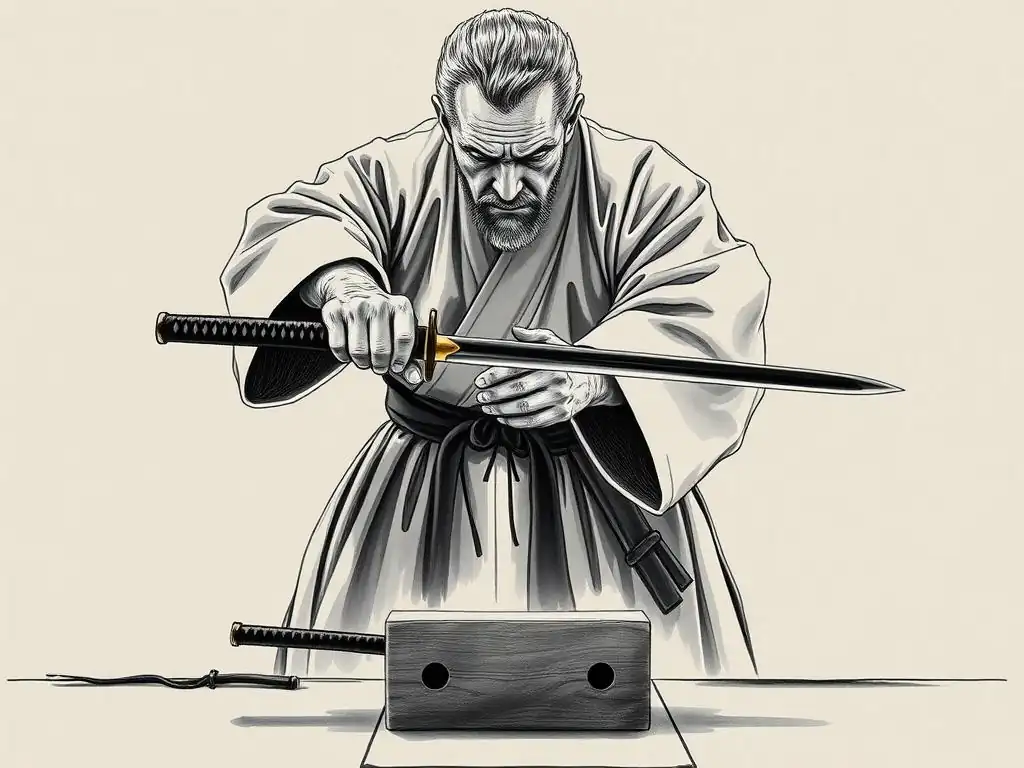
The Foundation of Alfred Hutton's Philosophy of Reconstructed Combat
Alfred Hutton's core philosophy in Western martial arts was built upon the principle of historical reconstruction, driven by a belief that the combat systems of the past held valuable lessons for the present, extending beyond mere historical curiosity. He viewed historical fencing manuals not just as artifacts, but as practical guides to effective fighting.
His approach was fundamentally empirical: study the historical sources, attempt to physically recreate the techniques described, and test their efficacy. This methodology formed the bedrock of his Western martial arts philosophy, emphasizing a return to the roots of European combat to understand its evolution and underlying principles.
He believed that a true understanding of historical combat required more than just reading; it demanded physical practice and experimentation. This perspective challenged the prevailing view of historical martial arts as either obsolete or purely for theatrical purposes. Hutton argued for their study as legitimate, sophisticated fighting systems with a distinct Western martial arts philosophy that could inform contemporary understanding of combat, physical culture, and historical context. His work provided a blueprint for subsequent generations seeking to revive and understand these lost arts.
Key Concepts: Historical Accuracy, Physical Fitness, and Martial Spirit in Hutton's System
Hutton's reconstructed systems emphasized several key concepts. Foremost was historical accuracy, or at least his best attempt at it based on available sources and his practical understanding. He meticulously studied manuals from masters like George Silver (England, late 16th century) and Achille Marozzo (Italy, 16th century), striving to interpret their instructions faithfully. This commitment to textual analysis and practical interpretation was central to his Western martial arts philosophy.
Alongside historical fidelity, Hutton stressed the importance of physical fitness. He recognized that proficiency in historical combat required strength, agility, and endurance. His training methods, while focused on historical techniques, also promoted robust physical conditioning. Finally, he valued the "martial spirit" – a combination of courage, discipline, and determination essential for effective combat. He saw martial arts as a means of developing not just physical skill but also character, a common thread in many Western martial arts philosophy traditions. These three pillars – accuracy, fitness, and spirit – underpinned his entire approach to historical martial arts.
The Role of Tradition and Discipline in Alfred Hutton's Martial Arts Approach
Tradition played a crucial role in Hutton's work, not as blind adherence to outdated methods, but as a source of profound knowledge and proven techniques. He saw the historical manuals as repositories of centuries of accumulated combat wisdom, passed down through generations of masters. His dedication to studying and preserving these traditions was a core component of his Western martial arts philosophy. He believed that by understanding and practicing these historical systems, modern practitioners could connect with a rich lineage and gain insights into fundamental combat principles that transcend specific weapons or eras.
Discipline was equally vital. Reconstructing historical techniques from often ambiguous texts required patience, rigor, and systematic practice. Hutton's military background instilled in him a deep appreciation for discipline, which he applied to his martial arts studies and teaching. He emphasized the importance of diligent practice, attention to detail, and adherence to the principles outlined in historical sources. This disciplined approach was necessary not only for accurate reconstruction but also for developing the physical and mental fortitude required for effective martial arts practice, reinforcing his comprehensive Western martial arts philosophy.
Alfred Hutton's Integration of Historical Research into Martial Arts Practice
Bridging the Gap Between Historical Texts and Practical Application
One of Alfred Hutton's most significant achievements was his ability to bridge the gap between academic historical research and practical martial arts application. Before Hutton, interest in historical fencing was often confined to either scholarly analysis of texts or theatrical performance loosely based on historical styles. Hutton, however, sought to make the techniques described in historical manuals work as functional combat methods. He spent countless hours poring over treatises such as Silver's 'Paradoxes of Defence' (1599) or Marozzo's 'Opera Nova' (1536), deciphering their instructions, illustrations, and terminology.
His method involved translating these historical descriptions into physical actions, experimenting with different interpretations, and testing their efficacy through practical drills and sparring (often modified for safety). This iterative process of research, interpretation, and practical application was revolutionary. It demonstrated that historical European martial arts were not just historical curiosities but viable combat systems with a coherent Western martial arts philosophy that could be understood and practiced in the modern era. His publications, such as 'Cold Steel' (1889), explicitly detailed his interpretations and practical applications of these historical techniques.
Applying Victorian Era Gentlemanly Ideals to Western Martial Arts Training
Alfred Hutton's approach to historical martial arts was also influenced by the prevailing gentlemanly ideals of the Victorian era. While he focused on practical combat effectiveness, his training methods and public demonstrations often reflected the emphasis on honor, decorum, and physical culture characteristic of his time. He viewed martial arts practice as a means of developing not only physical prowess but also moral character, discipline, and self-control – qualities highly valued in a Victorian gentleman.
This integration of social ideals into martial arts training meant that while the techniques themselves were rooted in historical combat, the context and conduct of practice often mirrored contemporary Victorian etiquette. This included elements of formality, respect for opponents, and an emphasis on skillful execution over brutal force, reflecting a specific facet of the Western martial arts philosophy prevalent in his social sphere. His demonstrations were often presented as refined displays of skill and historical knowledge, appealing to a public interested in both physical culture and historical romanticism.
Alfred Hutton's Interpretation of Sword Fighting Through a Historical Lens
Hutton's interpretation of sword fighting was fundamentally shaped by his historical lens, leading him to explore weapons and styles that had largely fallen out of favor by the late 19th century. While modern fencing focused on the foil, épée, and saber, Hutton dedicated significant effort to reconstructing the use of the two-handed sword, the rapier and dagger, and the backsword. His publications detailed techniques and principles for these weapons based on his study of historical masters.
For example, in 'Cold Steel,' he presented a system for the military sword and bayonet, but crucially, he also included extensive sections on the rapier, dagger, and two-handed sword, drawing heavily on his historical research. His interpretations often highlighted the unique characteristics of these historical weapons and the distinct fighting Western martial arts philosophy associated with them – the intricate footwork and body mechanics of the rapier, the power and leverage of the two-handed sword, or the close-quarters tactics of the backsword.
His work provided a practical starting point for anyone interested in learning these historical styles, based on his diligent research and physical experimentation.
Alfred Hutton's Impact on the Intellectual Evolution of Western Martial Arts
Elevating Western Martial Arts Beyond Basic Self-Defense
Prior to figures like Alfred Hutton, the perception and practice of Western martial arts in the modern era were often limited to sport fencing, military drills, or rudimentary self-defense techniques. Hutton's work significantly elevated the field by demonstrating that historical European martial arts constituted complex, sophisticated systems with a rich intellectual heritage. By meticulously researching, reconstructing, and documenting these historical methods, he showcased the depth and breadth of European combat traditions, proving they were far more than just crude fighting.
His publications and demonstrations highlighted the intricate footwork, detailed guard positions, nuanced strategies, and sophisticated principles of timing and distance employed by historical masters. This intellectual rigor challenged the notion that historical combat was simply a matter of brute force. Hutton revealed a detailed Western martial arts philosophy underlying these systems, one that involved strategic thinking, precise technique, and a deep understanding of human anatomy and movement. This shift in perspective was crucial for the intellectual evolution of the field.
Fostering a Deeper Understanding of History, Culture, and Physical Skill
Alfred Hutton's approach fostered a deeper understanding of history and culture through the lens of physical practice. He presented historical martial arts not in isolation, but within their historical context, linking fighting styles to the weapons, armor, and societal norms of their time. This integration of physical skill with historical scholarship encouraged practitioners to become not just fencers, but also amateur historians, seeking to understand the world in which these martial arts flourished.
His work inspired interest in historical weaponry, period clothing, and the social customs surrounding duels, battles, and personal defense. By engaging with historical combat, practitioners gained a tangible connection to the past, understanding historical events and cultural values through the physical experience of using period weapons and techniques. This interdisciplinary approach, combining physical training with historical inquiry, became a hallmark of the burgeoning HEMA movement and a key aspect of the Western martial arts philosophy he helped shape.
Inspiring a New Generation of Western Martial Arts Reconstructors and Scholars
Alfred Hutton's legacy is most evident in the generation of martial artists and scholars he inspired, who continued his work and laid the foundation for the modern Historical European Martial Arts (HEMA) movement. His publications, particularly 'Cold Steel' (1889) and 'The Sword and the Centuries' (1901), became foundational texts for early enthusiasts attempting to revive historical swordplay. His systematic approach to studying manuals, his practical interpretations, and his advocacy for the historical value of these arts provided a roadmap for others.
Figures who followed in his footsteps, such as Egerton Castle, Cyril Matthey, and Captain F.C. Grove, built upon Hutton's research and methodologies. They continued to study historical texts, refine reconstruction techniques, and promote the practice of historical fencing. Hutton's pioneering work demonstrated that the reconstruction of Western martial arts philosophy and practice from historical sources was a viable and rewarding endeavor, directly leading to the formation of early historical fencing societies and ultimately contributing to the global HEMA community we see today.
Case Studies: Examples of Alfred Hutton's Philosophy in Action
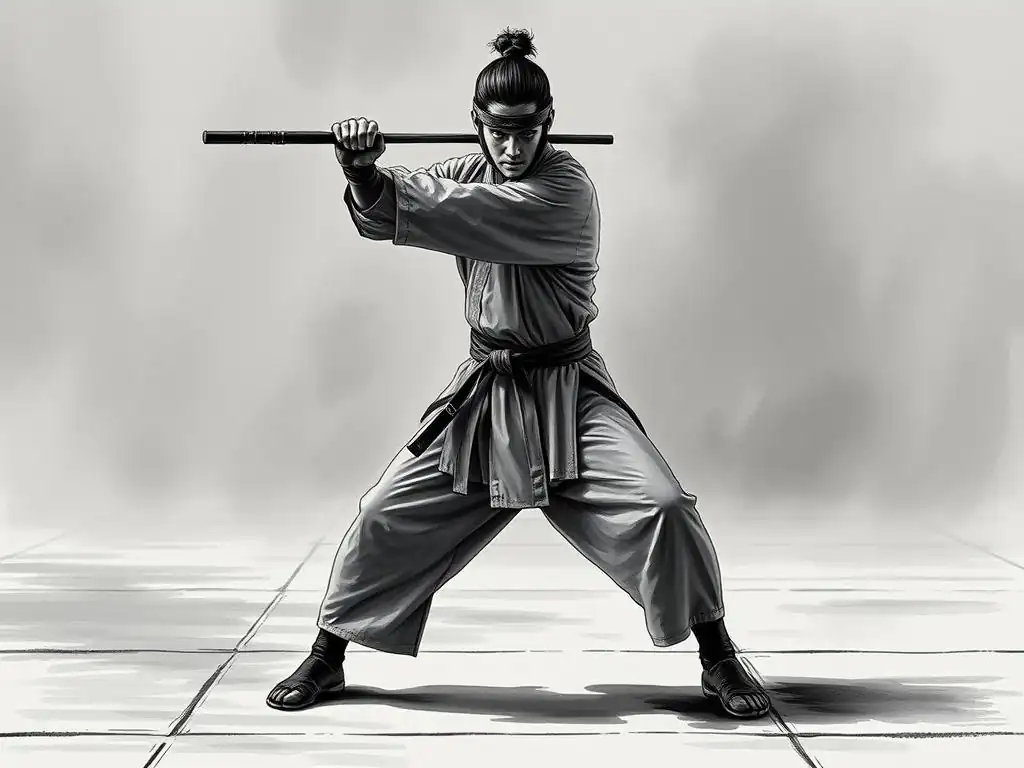
Case Study 1: Hutton's Stage Combat Demonstrations and Public Lectures
Alfred Hutton actively promoted his work through public demonstrations and lectures, often collaborating with theatrical fencing masters like Egerton Castle. These events were not mere exhibitions of skill but educational presentations aimed at showcasing historical combat methods based on his research. A notable example was his involvement in stage productions, where he advised on and performed historical sword fights. For instance, he choreographed and participated in combat scenes for plays like 'Romeo and Juliet,' striving for a level of historical accuracy that was unprecedented at the time.
These public appearances served as practical demonstrations of his Western martial arts philosophy. He showed audiences how the techniques described in centuries-old manuals could be physically executed, explaining the historical context and principles behind them. These demonstrations helped to legitimize the study of historical martial arts in the public eye, moving it beyond niche academic interest or pure theatrical fantasy towards a recognized form of historical physical culture and a valid expression of Western martial arts philosophy.
Case Study 2: Hutton's Manuals and Their Influence on Subsequent Generations
Alfred Hutton authored several influential books that served as practical guides to historical fencing reconstruction. 'Cold Steel: A Practical Treatise on the Sabre, Based on the Old English Backsword Play of the Eighteenth Century' (1889) and 'The Sword and the Centuries; or Old Sword Days and Old Sword Ways' (1901) are perhaps his most well-known works. These manuals provided detailed descriptions of techniques for various weapons, including the military saber, rapier, dagger, and two-handed sword, alongside historical context and illustrations.
These publications became essential resources for the early 20th-century revival of historical fencing. Individuals interested in learning historical swordplay had few other reliable sources that offered practical instruction based on scholarly research. Hutton's manuals provided a structured curriculum and a clear articulation of his Western martial arts philosophy, emphasizing historical fidelity and practical application. They directly influenced figures like Captain F.C. Grove and Walter H. Pollock, who continued to teach and write about historical fencing, ensuring Hutton's methodologies and principles continued to shape the field for decades.
Analyzing the Practical Application of Hutton's Historical Reconstruction Methods
Analyzing the practical application of Hutton's methods reveals a careful balance between historical interpretation and pragmatic adaptation. While he aimed for accuracy, he also recognized the challenges of translating static text and illustrations into dynamic movement. His manuals show him grappling with ambiguities in historical sources, offering interpretations based on his extensive fencing experience and logical reasoning about combat mechanics. For instance, his work on the two-handed sword, based partly on German sources, involved significant practical experimentation to understand leverage, power generation, and body structure described in the texts.
Furthermore, his reconstruction methods were often adapted for safe practice in a non-lethal training environment. While he aimed to understand the techniques as they were originally intended for combat, his practical exercises and sparring methods were designed for teaching and learning without severe injury. This adaptation for pedagogical purposes, while potentially diverging slightly from battlefield reality, was essential for the long-term survival and transmission of the reconstructed arts, reflecting a pragmatic aspect of his Western martial arts philosophy focused on accessibility and continuation.
Criticisms and Counterarguments Regarding Alfred Hutton's Approach
Addressing Common Misconceptions About Hutton's Interpretation of Historical Texts
While Alfred Hutton's work was groundbreaking, it is not without its critics and has been subject to certain misconceptions, particularly from later generations with access to more historical sources and different analytical methods. One common misconception is that Hutton's interpretations were definitive or perfectly accurate representations of historical practice. However, HEMA research has shown that historical manuals can be interpreted in multiple valid ways, and Hutton's understanding was limited by the sources available to him and the prevailing interpretations of his time. His work should be seen as pioneering, not necessarily the final word.
Another misconception is that Hutton's methods were purely academic or theatrical, lacking genuine combat effectiveness. While he did work in stage combat, his primary goal was to reconstruct practical fighting systems. His military background and fencing experience informed his interpretations, aiming for techniques that were functional and effective in a real combat context, within the limitations of safe training. Critiques often stem from comparing his interpretations directly to modern combat sports or different HEMA lineages, overlooking the historical context and purpose of his original work and his foundational Western martial arts philosophy.
Acknowledging Alternative Perspectives on Historical European Martial Arts
It is important to acknowledge that Alfred Hutton's approach represents one significant, but not the only, perspective on reconstructing historical European martial arts. Even within his time, other individuals and schools approached historical fencing with different methods or focused on different periods and masters. For example, some focused more on Italian rapier traditions, while Hutton heavily referenced English and earlier Italian sources.
Today, the HEMA community encompasses a wide variety of interpretations and methodologies, often debating the nuances of historical texts and the most effective ways to reconstruct techniques. Modern HEMA practitioners benefit from a larger body of digitized historical sources, collaborative research across the globe, and advancements in sports science and pedagogical methods. While Hutton provided a crucial starting point, contemporary HEMA scholarship and practice have evolved, offering alternative interpretations and building upon his foundational work, contributing to the ongoing evolution of Western martial arts philosophy within the HEMA field.
The Ongoing Debate Surrounding the Authenticity of Reconstructed Martial Arts
The debate surrounding the "authenticity" of reconstructed martial arts, including Hutton's methods, is ongoing within the HEMA community. The core challenge lies in the fact that historical manuals are often incomplete, use archaic language, and lack the dynamic feedback of live training with historical masters. Reconstructing these arts inherently involves interpretation and educated guesswork. Critics sometimes argue that modern HEMA, including approaches derived from Hutton, cannot truly replicate historical combat due to differences in body mechanics, physical conditioning, equipment, and the absence of real combat pressure.
Hutton himself faced this challenge, acknowledging the difficulty of definitively knowing precisely how historical techniques were performed. His approach was based on the best available evidence and his informed interpretation. The debate continues today: how close can we get to historical authenticity? Is the goal perfect replication, or is it understanding the principles and Western martial arts philosophy to create a functional, effective martial art inspired by history? Hutton's work stands as a testament to the possibility and value of this reconstruction effort, even as the methods and understanding continue to evolve.
Legacy and Continuing Relevance of Alfred Hutton's Western Martial Arts Philosophy
Alfred Hutton's Lasting Influence on Modern HEMA Schools
Alfred Hutton's influence on modern Historical European Martial Arts (HEMA) schools is undeniable and profound. Many foundational HEMA groups and practitioners, particularly in the early days of the modern revival in the late 20th century, relied heavily on Hutton's published works as primary source material and inspiration. His systematic approach to research and reconstruction provided a valuable model for those attempting to decipher historical manuals for the first time. His emphasis on the practical application of techniques, rather than just academic study, resonated with individuals seeking to physically train in these arts.
Numerous HEMA schools today trace their intellectual lineage, in part, back to Hutton's pioneering efforts. While contemporary research has expanded far beyond the sources Hutton had access to, and interpretations have evolved, his work remains a significant part of the HEMA historical canon. His methods for analyzing texts and translating them into physical practice continue to inform pedagogical approaches. His vision of historical martial arts as a comprehensive discipline, combining physical training, historical knowledge, and ethical conduct, remains a guiding principle for many HEMA practitioners and shapes their Western martial arts philosophy.
The Enduring Value of Alfred Hutton's Historical Contributions
The enduring value of Alfred Hutton's historical contributions lies in several key areas. Firstly, his publications preserved and disseminated knowledge about historical fencing systems at a time when they were largely forgotten, ensuring that these traditions were not lost entirely. His books served as vital bridges between the historical sources and future generations of practitioners. Secondly, he established a methodology for historical martial arts reconstruction that combined scholarly research with practical application, setting a standard for the field. This integrated approach remains fundamental to HEMA today.
Furthermore, Hutton's work helped to establish the legitimacy of studying historical European martial arts as a serious discipline, worthy of both academic inquiry and dedicated physical training. He demonstrated that there was a rich Western martial arts philosophy embedded within these historical systems, extending beyond mere techniques to encompass principles of strategy, mindset, and physical culture. His efforts ensured that the legacy of European combat traditions would be explored, understood, and revived, influencing not just HEMA but also historical reenactment and stage combat.
The Future of Western Martial Arts Philosophy: Building Upon Hutton's Foundation
The future of Western martial arts philosophy is being built upon the foundation laid by pioneers like Alfred Hutton. As the HEMA community continues to grow globally, research expands, and access to historical sources improves (e.g., through digitization), our understanding of historical European martial arts deepens. Contemporary practitioners and scholars continue to refine reconstruction methodologies, explore new sources, and engage in vigorous debate about the most accurate and effective interpretations of historical techniques.
The Western martial arts philosophy continues to evolve, incorporating insights from sports science, pedagogy, and comparative martial arts studies. However, the core principles championed by Hutton – the value of historical accuracy, the importance of physical fitness and martial spirit, and the necessity of bridging historical research with practical application – remain highly relevant. The ongoing work in HEMA represents a continuation of Hutton's vision: to understand, revive, and practice the rich and complex martial traditions of the West, ensuring their philosophy and practice thrive in the 21st century.
Conclusion: Alfred Hutton - A True Philosopher of the Fist
Summarizing Alfred Hutton's Profound Impact on Western Martial Arts
Alfred Hutton's impact on the intellectual development of Western martial arts was profound and transformative. As a military man, fencer, and dedicated scholar, he pioneered the systematic research and reconstruction of historical European combat systems from primary source materials. His work elevated the study of Western martial arts beyond fragmented practices and theatrical approximations, demonstrating that they were sophisticated disciplines with a rich history and a discernible Western martial arts philosophy.
Through his meticulous research, practical experimentation, influential publications, and public demonstrations, Hutton provided a crucial bridge between the lost traditions of historical European combat and their modern revival. He championed the integration of historical accuracy, physical fitness, and martial spirit, establishing a framework for understanding and practicing these arts that continues to resonate today. His efforts were instrumental in laying the groundwork for the modern Historical European Martial Arts (HEMA) movement, inspiring generations of practitioners to delve into the history and philosophy of Western combat.
The Importance of Historical Understanding in the Pursuit of Martial Arts Mastery
Alfred Hutton's legacy underscores the critical importance of historical understanding in the pursuit of martial arts mastery, particularly within the context of Western traditions. He demonstrated that a deeper appreciation for the history, culture, and original intent behind martial techniques significantly enhances one's practice and understanding. Studying historical sources provides context, reveals underlying principles, and offers alternative perspectives on combat that may not be apparent in modern interpretations.
For anyone seeking mastery in Western martial arts, engaging with the historical roots, including the Western martial arts philosophy of figures like Hutton and the masters he studied, is invaluable. It provides a connection to a lineage of knowledge and experience, offering insights into the evolution of combat and the timeless principles of strategy, technique, and personal development. Hutton, the "Philosopher of the Fist," showed that true mastery involves not just physical skill, but also intellectual engagement with the rich history and philosophy of the martial arts we practice.
Frequently Asked Questions
What exactly is Western Martial Arts Philosophy?
It refers to the intellectual and ethical frameworks that underpin Western combat traditions, going beyond mere technique to examine morality, strategy, and the nature of conflict. It explores the why behind the how.
Why is understanding the philosophy behind Western Martial Arts important?
Understanding the philosophy provides a deeper appreciation for the art, improves strategic thinking, and enhances the ethical considerations during training and application. It's about more than just fighting.
Who is [Pioneer's Name] and what was their contribution to Western Martial Arts Philosophy?
[Pioneer's Name] was a pivotal figure who articulated key principles of WMA, emphasizing [mention a specific principle, e.g., the importance of directness] and shaping the way future generations approached the art.
How does Western Martial Arts Philosophy differ from the philosophies of Eastern martial arts?
While both emphasize discipline and self-improvement, Western philosophy often focuses on practical application and logical reasoning, whereas Eastern traditions may incorporate more spiritual or meditative elements.
What are some practical ways to incorporate Western Martial Arts Philosophy into my training?
Consider the historical context of techniques, analyze their strategic implications, and reflect on the ethical considerations involved in using martial arts skills. This will enrich your training experience.
Final Reflection: The Enduring Wisdom of the Blade
The journey through [Pioneer's Name]'s contributions to Western Martial Arts philosophy reveals not just a historical account, but a living legacy. The principles of discipline, strategy, and self-knowledge, once forged in the crucible of combat, resonate profoundly in today's world, offering invaluable lessons applicable far beyond the training hall.
This exploration underscores how [Pioneer's Name]'s work continues to shape the cultural understanding and practice of Western Martial Arts. His emphasis on intellectual rigor and ethical conduct elevates the art form from mere physical prowess to a holistic discipline that cultivates both body and mind. The true warrior seeks not only victory, but also understanding; not only strength, but also wisdom.
This quote encapsulates the enduring spirit of [Pioneer's Name]'s philosophy, reminding us that true mastery lies in the harmonious development of all aspects of the self.
As you close this article, consider how [Pioneer's Name]'s teachings can inform your own life. Embrace the challenge of self-improvement, cultivate a spirit of inquiry, and strive for excellence in all that you do. Let the wisdom of the blade guide you towards a more balanced, purposeful, and ultimately, more fulfilling existence.
Ignite Your Inner Warrior: Embrace the Legacy of a True Pioneer!
Thank you for exploring the profound impact of a true pioneer on Western Martial Arts. You've now gained a deeper appreciation for how intellectualism shapes physical mastery. Ready to take your understanding to the next level?
Here are a few ways to continue your journey:
- Deep Dive: Begin researching the pioneer's primary source writings to truly grasp the nuances of their philosophy.
- Join the community: Share this article with fellow martial artists to spark a discussion on the integration of intellect and combat.
- Seek application: Incorporate a concept from the pioneer's teachings into your next training session and reflect on the impact.
How will you translate this intellectual approach into practical application in your martial arts journey?