
Beyond SelfDefense: [Pioneer's Name]'s Exploration of Martial Arts for Holistic Personal Growth in the West

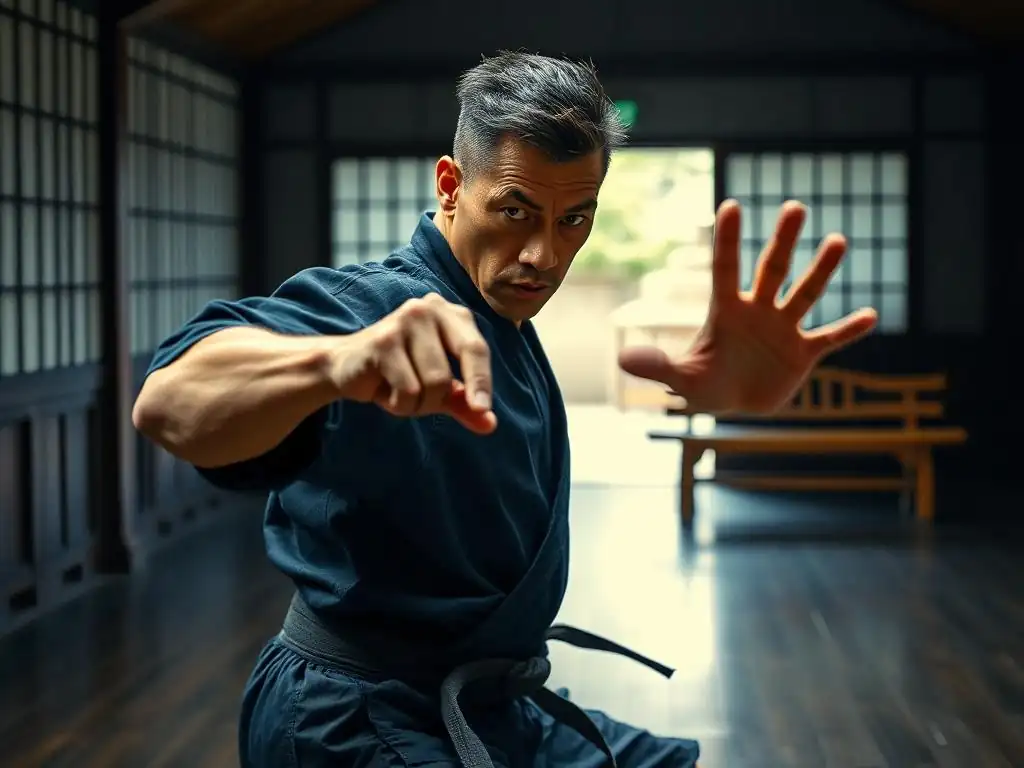
Welcome to Martial Arts Mastery, your gateway to understanding the profound depths of martial arts! Delve into the extraordinary journey of [Pioneer's Name] as we explore how their pioneering spirit unlocked the secrets of martial arts for personal growth in the West. Discover how the discipline and philosophy of these ancient practices can transform not just your fighting skills, but your entire life. Intrigued? The path to mastery begins here...
- Beyond Self-Defense: Jigoro Kano's Exploration of Martial Arts for Holistic Personal Growth in the West
- Introduction: Jigoro Kano - A Western Visionary of Martial Arts Personal Growth
- Jigoro Kano's Unique Approach to Martial Arts Training
- Key Principles of Jigoro Kano's Martial Arts Philosophy
- Jigoro Kano's Impact on Western Martial Arts and Personal Development
- Jigoro Kano's Legacy: Martial Arts as a Path to Self-Mastery
-
Frequently Asked Questions
- What is holistic personal growth in the context of martial arts, as discussed on MartialArtsMastery.org?
- How does MartialArtsMastery.org connect a specific martial arts pioneer's journey with the concept of martial arts personal growth?
- What specific martial arts disciplines does MartialArtsMastery.org feature that contribute to martial arts personal growth?
- Beyond physical training, what non-physical benefits of martial arts are highlighted on MartialArtsMastery.org in relation to martial arts personal growth?
- How does MartialArtsMastery.org address the application of self-defense strategies in contributing to martial arts personal growth?
- Final Reflection: Embracing Martial Arts for Inner Harmony
- Unlock Your Inner Warrior: Embrace Holistic Growth!
Beyond Self-Defense: Jigoro Kano's Exploration of Martial Arts for Holistic Personal Growth in the West
Introduction: Jigoro Kano - A Western Visionary of Martial Arts Personal Growth
The Rise of Martial Arts in the West: A Search for More Than Just Self-Defense
In the late 19th and early 20th centuries, as martial arts began to gain a foothold in Western societies, the initial perception was often limited to their practical applications in combat and self-defense. Techniques from various Eastern disciplines were introduced, primarily valued for their efficacy in physical confrontation. Demonstrations often highlighted spectacular throws, powerful strikes, or effective joint locks, appealing to a pragmatic Western interest in self-protection and physical prowess. This early exposure laid the groundwork, but the deeper philosophical and developmental aspects were largely overlooked, seen perhaps as cultural curiosities rather than integral components of the training itself.
However, beneath this surface-level interest, there was a growing undercurrent of individuals seeking more profound benefits from physical disciplines. The industrial age brought new stresses, and there was an increasing appetite for practices that could offer not just physical fitness but also mental fortitude and discipline.
While early Western martial arts enthusiasts appreciated the physical skills, many felt there was an untapped potential for personal development, a sense that these ancient practices held keys to self-mastery beyond mere fighting ability. This emerging desire created fertile ground for someone who could articulate and demonstrate the broader scope of martial arts practice, particularly focusing on martial arts personal growth.
Introducing Jigoro Kano: Bridging Eastern Wisdom and Western Aspirations
Jigoro Kano (1860-1938), the founder of Judo, emerged as a pivotal figure in bridging the gap between traditional Eastern martial arts and Western aspirations for holistic development. Unlike many contemporaries who focused solely on preserving or adapting combat techniques, Kano envisioned martial arts as a comprehensive path to self-improvement and societal contribution. He synthesized various Jujutsu styles, not just to create a new, efficient grappling art, but to establish a pedagogical system centered on physical education, mental training, and ethical development. His approach was revolutionary, presenting martial arts personal growth as the primary goal.
Kano traveled extensively, including significant time spent introducing Judo and his philosophy in Europe and the Americas. He lectured at prestigious institutions and demonstrated Judo's principles, consistently emphasizing that the ultimate purpose was "the maximum efficient use of energy" ( Seiryoku Zen'yo) and "mutual welfare and benefit" ( Jita Kyoei).
He articulated how the discipline inherent in learning techniques and the physical struggle of practice could forge character, build resilience, and cultivate a spirit of respect and cooperation. This intellectual and philosophical framing resonated deeply with Western thinkers and educators, positioning Judo, and by extension, other martial arts, not just as fighting methods but as valuable tools for personal growth and educational reform.
Jigoro Kano's Unique Approach to Martial Arts Training
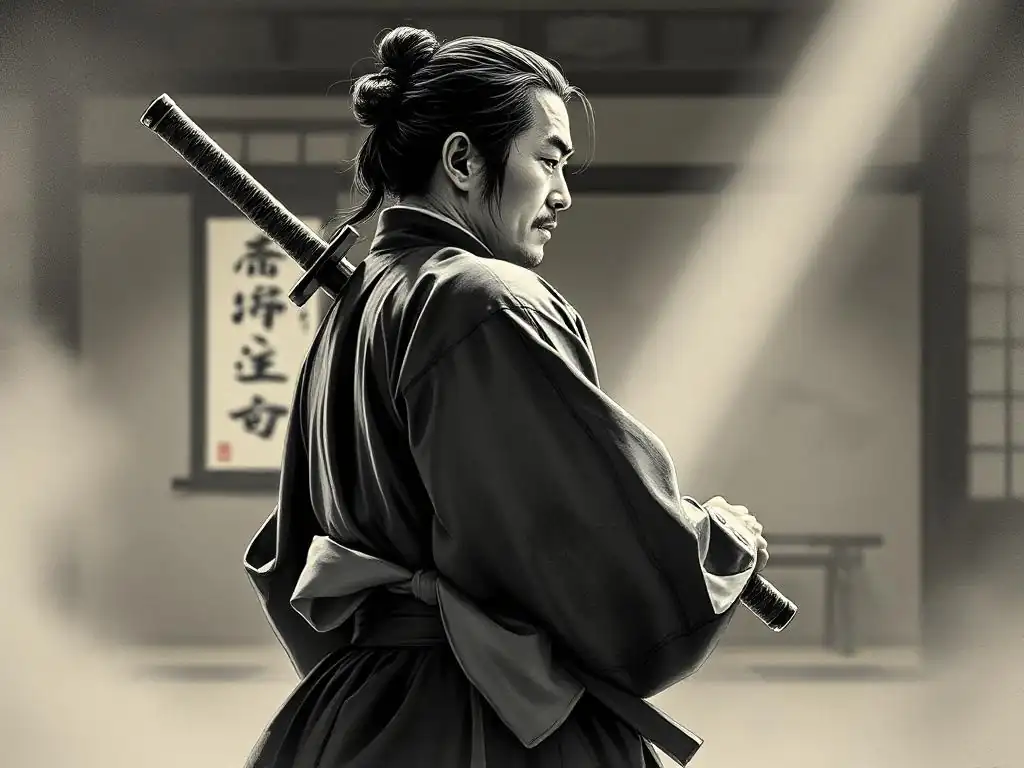
Emphasizing Holistic Development: Beyond Physical Prowess
Jigoro Kano fundamentally shifted the focus of martial arts from purely combat effectiveness to a holistic system for developing the individual. While proficiency in techniques like throws ( nage waza) and grappling ( katame waza) was essential, Kano consistently taught that these skills were merely the means to a greater end: the cultivation of a well-rounded person.
His curriculum at the Kodokan, founded in 1882, included not only rigorous physical training but also lectures on ethics, philosophy, and physical education theory. This integrated approach aimed to develop strength, flexibility, and coordination alongside mental discipline, moral character, and social responsibility, making it a true system for martial arts personal growth.
This emphasis on holistic development was radical at the time, especially when introducing these concepts to a Western audience primarily interested in the exotic fighting techniques. Kano argued that the physical challenges of Judo practice—overcoming resistance, learning precise movements, enduring strenuous randori (free practice)—were designed to build not just a strong body but also a strong mind and spirit.
He saw the dojo as a laboratory for life, where individuals could test their limits, learn humility through defeat, develop perseverance through struggle, and understand the importance of mutual effort and respect. The technical skills were important, but they served as the vehicle for cultivating virtues and capacities applicable far beyond the training mat.
Integrating Mental and Spiritual Discipline in Martial Arts Practice
For Jigoro Kano, the mental and spiritual dimensions were inseparable from the physical in martial arts training. He believed that true mastery involved not just executing techniques flawlessly but also developing keen awareness, strategic thinking, emotional control, and an indomitable spirit. The practice of Judo, particularly through randori, was designed to hone these mental faculties under pressure. Students learned to read opponents, anticipate movements, make split-second decisions, and maintain composure in challenging situations. This constant mental engagement was seen as crucial for developing sharp intellect and practical wisdom.
Beyond the strategic mind, Kano's philosophy deeply incorporated elements of spiritual discipline, though not in a strictly religious sense. It focused on cultivating inner peace, humility, and a strong moral compass. Concepts like seiryoku zen'yo (maximum efficiency) encouraged thoughtful, non-wasteful action, applicable to all aspects of life.
Jita kyoei (mutual welfare and benefit) promoted cooperation, empathy, and the understanding that one's own progress is intertwined with the progress of others. Through disciplined practice, meditation (though not formalized as in some other arts), and adherence to dojo etiquette, students were guided towards self-awareness and ethical conduct, demonstrating how martial arts personal growth encompasses the mental and spiritual realms alongside the physical.
Key Principles of Jigoro Kano's Martial Arts Philosophy
Self-Discipline and Personal Transformation Through Martial Arts
A cornerstone of Jigoro Kano's teaching was the profound link between self-discipline and personal transformation achieved through martial arts practice. He posited that the rigorous demands of learning and executing Judo techniques, adhering to strict dojo rules, and engaging in challenging physical and mental training naturally cultivate discipline. Students had to commit to consistent practice, push past physical and mental fatigue, and control their impulses during randori. This constant exercise in self-regulation was seen as a powerful catalyst for changing habits, building willpower, and fostering resilience that extended far beyond the training environment.
Kano viewed the process of learning Judo as a journey of continuous self-improvement. Mistakes were not failures but opportunities for learning and refinement. Overcoming the frustration of repeated falls or unsuccessful techniques built perseverance. The necessity of controlling one's strength and actions during practice instilled patience and restraint. This daily commitment to discipline, repeated over years, fundamentally reshaped the individual's character, leading to tangible personal transformation. It was this aspect of martial arts personal growth—the development of discipline and character—that Kano believed was the most valuable outcome of training.
Cultivating Inner Peace and Emotional Intelligence Through Practice
Jigoro Kano's philosophy also emphasized the cultivation of inner peace and emotional intelligence as vital outcomes of dedicated martial arts practice. While often perceived externally as a physically aggressive activity, the internal practice of Judo, as taught by Kano, encouraged calmness under pressure and emotional regulation. Learning to react effectively and calmly during the dynamic chaos of randori required significant emotional control, teaching practitioners to manage fear, frustration, and aggression in a controlled environment. This training in maintaining composure translated into greater emotional stability and resilience in daily life.
Furthermore, the principle of Jita Kyoei (mutual welfare and benefit) fostered empathy and understanding, key components of emotional intelligence. Working safely with training partners, respecting their limits while challenging oneself, and understanding that progress is a shared endeavor built a sense of community and mutual responsibility.
The humility gained from being thrown or submitted, and the grace learned in winning or losing, contributed to emotional maturity. Kano believed that by mastering oneself on the mat—controlling emotions, understanding one's own reactions, and interacting respectfully with others—one could achieve a state of inner peace and navigate the complexities of human interaction with greater wisdom and compassion, highlighting the depth of martial arts personal growth possible.
Respect, Humility, and Ethical Conduct: Cornerstones of Jigoro Kano's Teaching
Respect, humility, and ethical conduct were not merely supplementary rules but fundamental cornerstones of Jigoro Kano's martial arts philosophy. The bowing ritual ( rei) at the beginning and end of practice, towards the dojo, the instructor, and training partners, symbolized mutual respect and gratitude, acknowledging the collaborative nature of learning. Humility was fostered through the constant challenges of training; no matter one's skill level, there was always more to learn, and defeat was a constant possibility, teaching practitioners to remain grounded and open to improvement.
Kano instilled a strong sense of ethical responsibility in his students. He taught that the physical power gained through Judo must be wielded responsibly and used for constructive purposes, never for aggression or bullying. The principles of Seiryoku Zen'yo and Jita Kyoei inherently carried ethical implications, guiding practitioners to act efficiently and for the benefit of others. This moral framework ensured that the physical and mental strength developed through martial arts practice contributed positively to society, making ethical conduct an essential element of achieving genuine martial arts personal growth according to Kano's vision.
Jigoro Kano's Impact on Western Martial Arts and Personal Development
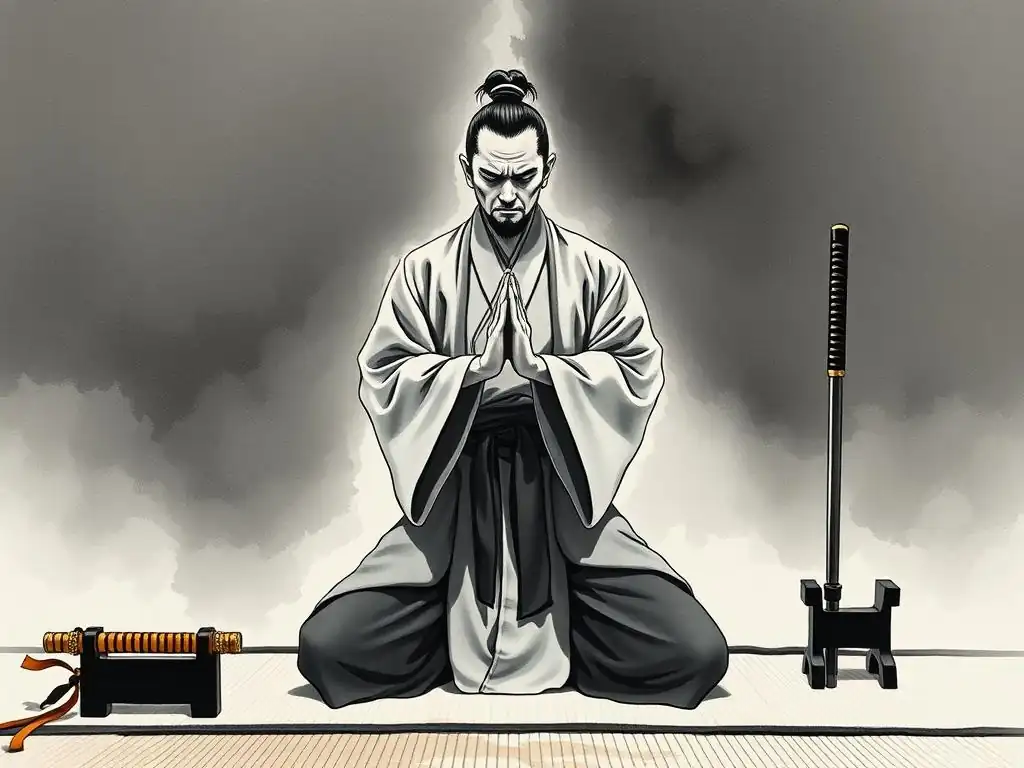
Influencing a Generation of Martial Artists Seeking Self-Improvement
Jigoro Kano's travels and teachings had a profound and lasting impact on a generation of Western martial artists and educators who were seeking more than just combat skills. His articulate explanations of Judo's philosophical underpinnings and its potential for human development resonated with those looking for a discipline that could cultivate character and promote well-being. Early Western students and proponents of Judo, often from academic or military backgrounds, were drawn to the systematic and educational approach Kano championed. They saw in Judo a method for instilling discipline, courage, and ethical values, making it an attractive practice for personal self-improvement.
Through demonstrations, lectures, and the establishment of Judo clubs and organizations across Europe and North America starting in the early 20th century, Kano directly influenced the perception and practice of martial arts. He encouraged the development of instructors who could teach not just the techniques but also the underlying principles, ensuring that the focus on martial arts personal growth was not lost in translation. His vision provided a framework for evaluating other martial arts as well, encouraging practitioners to look beyond the physical form to the potential for mental and moral cultivation inherent in disciplined practice.
Establishing Judo as an Olympic Sport, Promoting Judo for Education, Developing the Kodokan Judo Institute
Jigoro Kano's ambition extended to integrating Judo into mainstream society, particularly within educational systems. He was a highly respected educator in Japan, serving in significant roles including as president of Tokyo Higher Normal School. He successfully introduced Judo into the Japanese school curriculum, believing it was an unparalleled tool for physical, mental, and moral education.
His advocacy for Judo's educational value was instrumental in its spread globally. A major achievement reflecting his global vision was the inclusion of Judo as an official sport in the 1964 Tokyo Olympics, a testament to its recognition as a legitimate and internationally practiced discipline.
The Kodokan Judo Institute in Tokyo, founded by Kano, became the global center for Judo, attracting students and instructors from around the world. It served as the authoritative source for Judo technique, philosophy, and pedagogy. Through the Kodokan, Kano standardized techniques, established ranking systems, and produced generations of teachers dedicated to his holistic principles. These teachers then spread Judo, and Kano's philosophy of martial arts personal growth, across continents. The Kodokan's influence ensured that even as Judo grew as a competitive sport, its roots in educational and personal development principles remained accessible to serious practitioners worldwide.
Promoting the Benefits of Martial Arts for Mental and Emotional Well-being
Long before contemporary psychology fully embraced the mind-body connection, Jigoro Kano explicitly promoted the benefits of martial arts practice for mental and emotional well-being. He understood that the physical exertion, coupled with the mental engagement and ethical framework of Judo, had profound positive effects on practitioners' psychological states. Regular training provided a release for stress, built resilience against adversity, and fostered a sense of accomplishment and self-efficacy. The structured environment of the dojo offered stability and a sense of community, combating feelings of isolation.
Kano's teachings highlighted how overcoming challenges on the mat—whether physical opponents or personal limitations—strengthened mental fortitude and emotional regulation. The emphasis on mutual welfare encouraged positive social interaction and empathy. This early articulation of martial arts' benefits beyond combat paved the way for future recognition of these disciplines as valuable tools for mental health, therapy, and character development. His legacy includes the widespread acceptance of martial arts, particularly Judo, not just as sports or self-defense systems, but as powerful methodologies for enhancing mental and emotional well-being and fostering deep martial arts personal growth.
Jigoro Kano's Legacy: Martial Arts as a Path to Self-Mastery
Inspiring Others to Embrace the Holistic Potential of Martial Arts
Jigoro Kano's vision continues to inspire countless individuals to embrace martial arts not merely as fighting systems but as paths to self-mastery and holistic personal growth. His emphasis on the educational and developmental aspects of training resonated deeply and persists today. Practitioners across various disciplines, whether Judo, Karate, Aikido, or others, often look to Kano's philosophy as a model for how martial arts can shape character, build resilience, and foster ethical conduct. His work provided a compelling argument for the value of dedicated physical and mental training in achieving a balanced and purposeful life.
The enduring appeal of Kano's approach lies in its universality. The principles of maximum efficiency, mutual welfare, discipline, and respect are applicable to all aspects of life, not just the dojo. By demonstrating that martial arts training is fundamentally about perfecting oneself and contributing positively to society, Kano elevated these practices beyond the realm of mere physical technique. He inspired a global movement of individuals who engage in martial arts not just for physical fitness or self-defense, but as a deliberate and ongoing process of martial arts personal growth and ethical development.
The Enduring Relevance of Jigoro Kano's Teachings in Today's World
In the complexities of the 21st century, Jigoro Kano's teachings on martial arts personal growth remain remarkably relevant. The challenges of stress, rapid change, and societal division highlight the need for practices that build mental resilience, emotional intelligence, and ethical grounding. Kano's integrated approach—combining physical discipline with mental and moral cultivation—offers a potent antidote to these modern pressures. His emphasis on mutual welfare and cooperation provides a valuable model for positive social interaction in an increasingly fragmented world.
Today, millions practice Judo and other martial arts influenced by Kano's philosophy globally, seeking the same benefits he articulated over a century ago: physical health, mental clarity, emotional balance, and strong moral character. Educational institutions, therapeutic programs, and leadership training initiatives increasingly recognize the value of martial arts principles for developing discipline, focus, and respect. Jigoro Kano's legacy ensures that martial arts continue to be seen and utilized not just as methods for self-defense or sport, but as powerful, enduring paths towards comprehensive self-mastery and profound martial arts personal growth.
Frequently Asked Questions
What is holistic personal growth in the context of martial arts, as discussed on MartialArtsMastery.org?
Holistic personal growth refers to the development of the whole person, including physical, mental, and emotional aspects. Martial arts, according to the site, can facilitate this through discipline, self-awareness, and overcoming challenges.
How does MartialArtsMastery.org connect a specific martial arts pioneer's journey with the concept of martial arts personal growth?
The site likely profiles how this pioneer, [Pioneer's Name], used martial arts not just for self-defense, but to cultivate inner strength, resilience, and a deeper understanding of themselves, thus achieving personal growth.
What specific martial arts disciplines does MartialArtsMastery.org feature that contribute to martial arts personal growth?
The website probably includes diverse disciplines like Aikido (emphasizing harmony), Tai Chi (promoting mindfulness), and perhaps even more combative arts like Muay Thai (building resilience) – highlighting how each can foster different facets of personal development.
Beyond physical training, what non-physical benefits of martial arts are highlighted on MartialArtsMastery.org in relation to martial arts personal growth?
The site likely emphasizes benefits such as improved self-discipline, increased self-confidence, enhanced focus and concentration, and the development of a strong moral compass, all contributing to personal growth.
How does MartialArtsMastery.org address the application of self-defense strategies in contributing to martial arts personal growth?
The site probably explains how learning self-defense builds confidence and a sense of empowerment, which can positively impact other areas of life, leading to personal growth through increased self-assurance.
Final Reflection: Embracing Martial Arts for Inner Harmony
The journey of [Pioneer's Name], as explored throughout this article, underscores the profound truth that martial arts extend far beyond mere physical self-defense. Their legacy resonates powerfully today, offering a pathway to holistic personal growth in a world increasingly disconnected from inner peace and self-awareness. The principles of discipline, respect, and mindful movement, once primarily associated with combat, are now recognized as invaluable tools for cultivating resilience, focus, and emotional intelligence.
The impact of [Pioneer's Name]'s vision continues to shape the cultural landscape, inspiring countless individuals to seek not just physical prowess, but also a deeper understanding of themselves. This exploration of martial arts as a vehicle for personal transformation has profoundly influenced my own perspective, highlighting the importance of integrating mind, body, and spirit in the pursuit of a more fulfilling life. The ultimate aim of martial arts is not to win battles, but to avoid fighting altogether.
This quote encapsulates the essence of [Pioneer's Name]'s philosophy, reminding us that true strength lies not in aggression, but in self-mastery and inner peace.
As you reflect on the lessons shared in this article, consider how you might integrate the principles of martial arts into your own life. Embrace the challenge of cultivating discipline, fostering respect, and nurturing your inner strength. Let [Pioneer's Name]'s pioneering spirit inspire you to embark on your own journey of self-discovery, using the transformative power of martial arts to unlock your full potential and achieve lasting personal growth.
Unlock Your Inner Warrior: Embrace Holistic Growth!
Thank you for exploring how this martial artist's journey reveals the transformative power of martial arts beyond self-defense. Now, it's time to translate that inspiration into action.
- Embark on your own journey of holistic growth by researching local martial arts schools and scheduling a trial class. This is your chance to experience the mental and physical benefits firsthand!
- Share this article with friends and family who might be interested in exploring the deeper dimensions of martial arts. Let's spread the word about its potential for personal development.
- Reflect on which aspects of this experience resonated most with you, and consider how you can integrate those principles into your daily life, even outside of martial arts training.
What specific area of your life do you hope to improve by exploring the holistic side of martial arts?