
A Noble Lineage: Tracing the Elegant History of the Chinese Jian

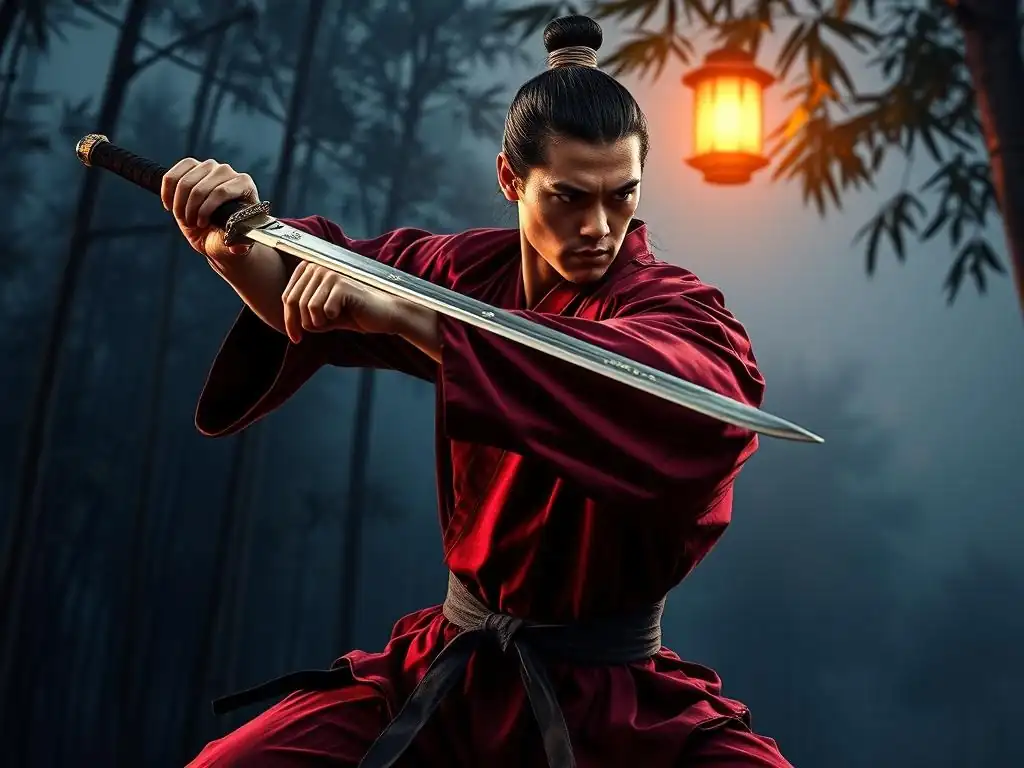
Welcome to Martial Arts Mastery, your gateway to the world's most profound fighting systems.
Delve into the heart of ancient combat and philosophical discipline. Are you ready to uncover the secrets of one of China's most revered weapons? Our exploration begins now with A Noble Lineage: Tracing the Elegant History of the Chinese Jian. Discover the rich tapestry of the Chinese Jian sword history, its evolution, and the legendary figures who wielded it. Prepare to be captivated by a weapon steeped in tradition and artistry. What untold stories will you uncover?
- Origins and Evolution of the Jian
-
Frequently Asked Questions
- What is the Jian and why is it considered "noble"?
- What are the key historical periods in the development of the Jian?
- How does the Jian differ from other Chinese swords like the Dao?
- What are some of the philosophical underpinnings associated with Jian practice?
- Where can I learn more about the Jian and its historical significance?
- Final Reflection: The Enduring Legacy of the Jian
- Embrace the Legacy: Wield the Jian's Wisdom!
Origins and Evolution of the Jian
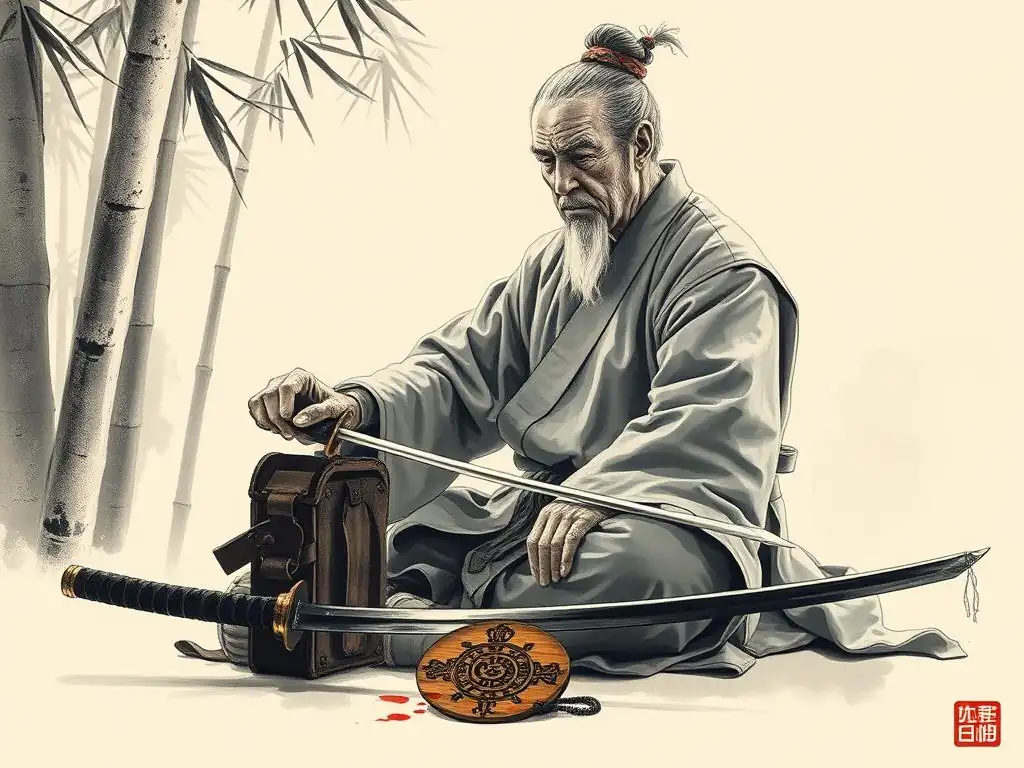
The Bronze Age Jian
The earliest known antecedents of the Chinese Jian sword history emerge from China's Bronze Age, specifically during the Shang Dynasty (circa 1600-1046 BCE). While not yet the refined straight sword we recognize today, bronze daggers and short swords from this period already displayed characteristics that would evolve into the classic jian design. These early blades were typically shorter, often between 20 and 50 cm in length, and featured a narrow, straight blade with a central ridge for rigidity.
Archaeological finds, such as those from the Yin Ruins near Anyang, have unearthed numerous examples of these early bronze weapons, indicating their significance in warfare and ritual during this era. The quality of the bronze casting, particularly the alloying of copper and tin, was crucial, as it determined the strength and sharpness of these nascent jian forms.
As the Bronze Age progressed into the Western Zhou (1046-771 BCE) and Spring and Autumn periods (771-476 BCE), the size and complexity of bronze jian began to increase. Swords grew longer, sometimes exceeding 80 cm, and handles became more sophisticated, often incorporating jade or bone inlays. The Warring States period (475-221 BCE) is particularly significant in the early Chinese Jian sword history, witnessing a peak in bronze sword craftsmanship.
States like Chu and Yue were renowned for their sword-smithing, producing legendary blades through sophisticated casting techniques and potentially early forms of surface treatment. These bronze jian were primary weapons for charioteers and infantry officers, symbolizing status as well as serving a martial purpose.
From Bronze to Iron and Steel
A pivotal transition in the Chinese Jian sword history occurred with the widespread adoption of iron and later steel. While iron appeared in China around the 6th century BCE, it wasn't until the late Warring States period and the subsequent Qin (221-206 BCE) and Han Dynasties (206 BCE – 220 CE) that iron and steel weapons began to supplant bronze on a large scale.
Iron offered several advantages: it was more abundant than copper and tin, and steel (iron with controlled carbon content) could be forged into blades that were significantly stronger, sharper, and more resilient than bronze. This shift allowed for the production of longer, more effective jian swords, fundamentally changing battlefield dynamics and sword design.
The Han Dynasty is a critical period for the evolution of the jian, establishing many features that would become standard. Steel forging techniques, including early forms of pattern welding (though not as sophisticated as later Damascus steel), allowed smiths to create blades with a hard edge and a more flexible core. Jian from this era often measured between 80 and 100 cm, with well-defined points and sometimes multiple fullers (grooves) along the blade to reduce weight without sacrificing strength.
The transition from bronze to steel wasn't instantaneous; for a time, both materials were used, sometimes even combined in a single weapon. However, the superior properties of steel ensured its eventual dominance, solidifying the jian's form and function for centuries to come and marking a significant chapter in the long Chinese Jian sword history.
Frequently Asked Questions
What is the Jian and why is it considered "noble"?
The Jian is a double-edged straight sword traditionally associated with Chinese scholars and officials. Its nobility stems from its association with virtue, discipline, and refined skill, not just brute force.
What are the key historical periods in the development of the Jian?
The Jian's development spans from the Bronze Age to the modern era. Key periods include the Warring States period for early forms, and the Han dynasty for standardization and widespread adoption.
How does the Jian differ from other Chinese swords like the Dao?
The Jian is a double-edged straight sword emphasizing precision and finesse. The Dao is a single-edged curved saber, often associated with more forceful, hacking blows.
What are some of the philosophical underpinnings associated with Jian practice?
Jian practice is often linked to Daoist and Confucian principles, emphasizing balance, harmony, and self-cultivation. It's not just about combat but also about personal development.
Where can I learn more about the Jian and its historical significance?
Websites like MartialArtsMastery.org offer historical overviews, training techniques, and profiles of legendary practitioners related to the Jian and other martial arts.
Final Reflection: The Enduring Legacy of the Jian
The journey through the history of the Chinese Jian, as we've explored, is more than just a chronicle of a weapon; it's a glimpse into the soul of Chinese culture. The Jian's evolution, from a practical tool of war to a symbol of scholarly refinement, resonates even today, reminding us that true strength lies not only in physical prowess but also in wisdom and grace. The echoes of its legacy continue to inspire martial artists, historians, and artisans alike.
The Jian's influence extends far beyond the battlefield, shaping artistic expression and philosophical ideals. Its elegant form and symbolic weight have permeated Chinese art, literature, and even spiritual practices, leaving an indelible mark on the cultural landscape. The sword is a symbol of the warrior's spirit, a reflection of their inner strength and discipline.
This quote, often attributed to ancient masters, encapsulates the profound connection between the Jian and the pursuit of self-mastery, a connection that continues to inspire individuals seeking balance and harmony in their lives.
As we conclude this exploration of the Chinese Jian's history, I invite you to reflect on its enduring message. Consider how the principles of balance, precision, and inner strength, embodied by this elegant sword, can be applied to your own life. Embrace the spirit of the Jian – cultivate your skills, refine your character, and strive for excellence in all that you do. Let the legacy of the Jian inspire you to forge your own path with grace, courage, and unwavering resolve.
Embrace the Legacy: Wield the Jian's Wisdom!
Thank you for exploring the rich history of the Chinese Jian. We hope this journey through its elegant past has deepened your appreciation for this iconic weapon. Now, it's time to connect with that legacy and experience its power firsthand!
Here's how you can continue your Jian journey:
- Find a Qualified Instructor: Begin your practical training under a skilled teacher to learn the fundamental techniques and forms of Jian swordsmanship. This is the most important step!
- Explore the ethical dimensions of martial arts practice. Research the code of conduct ("Wude") traditionally associated with the Jian.
- Share this article with fellow martial arts enthusiasts and spark discussions about the Jian's cultural significance.
What aspect of the Jian's history resonates most with you, and how might you incorporate its principles into your own life or martial arts practice?