
Cultural DNA: Martial Arts as a Key to Understanding a Nation's Heritage.

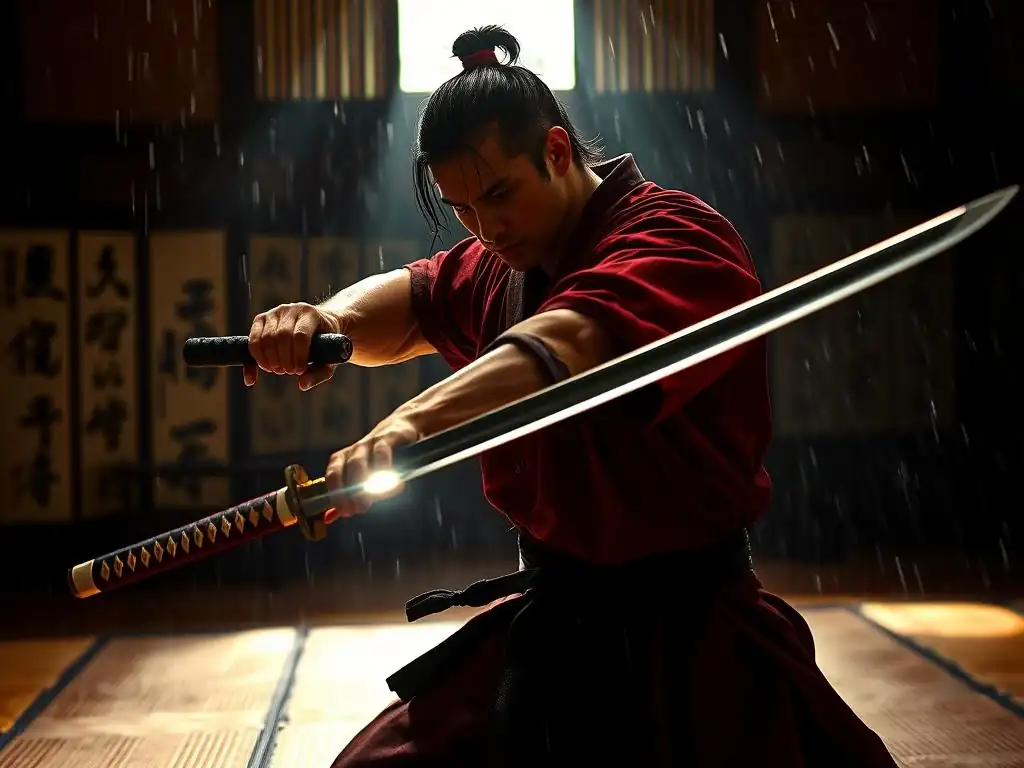
Welcome to Martial Arts Mastery, your gateway to the rich and diverse world of combat traditions. Delve into the captivating history and philosophies that shape these disciplines. Ever wondered how martial arts reflect a nation's soul? Our exploration of Japanese martial arts history uncovers the cultural DNA embedded within each strike and stance. Discover how these traditions evolved, influenced by and influencing the very fabric of society. Read on to unlock the secrets and stories woven into the heart of this ancient art.
- Japanese Martial Arts History: A Reflection of Societal Values
-
Frequently Asked Questions
- How deeply is the history of Japanese martial arts intertwined with Japanese culture?
- What are some key historical periods that significantly shaped Japanese martial arts?
- Can understanding Japanese martial arts history provide insights into the Japanese national identity?
- Where can I find reliable resources to learn more about Japanese martial arts history?
- How did Japanese martial arts evolve from battlefield tactics to modern disciplines?
- Final Reflection: The Enduring Spirit of Bushido
- Uncover Your Inner Warrior: Embrace the Legacy!
Japanese Martial Arts History: A Reflection of Societal Values
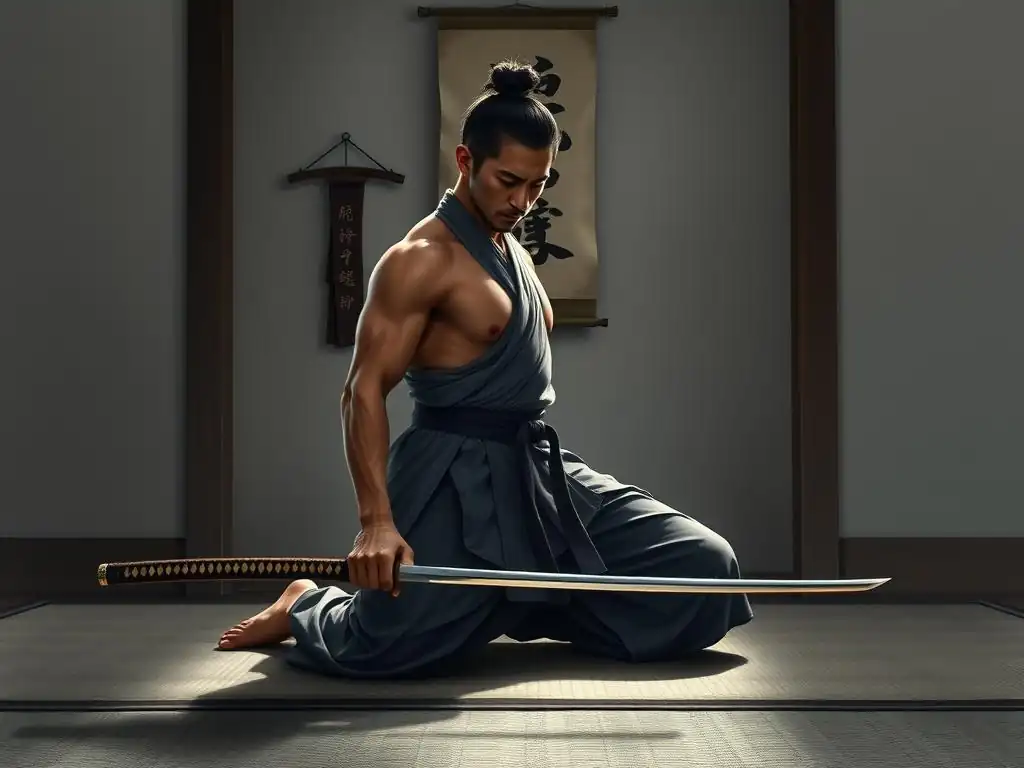
The rich tapestry of Japanese martial arts history is deeply interwoven with the nation's societal evolution, reflecting its changing political landscapes, spiritual beliefs, and ethical codes. From the ancient battlefields where survival hinged on martial prowess to the modern dojo emphasizing self-improvement, the development of Japanese martial arts provides a unique lens through which to understand the country's cultural DNA.
The transition from bujutsu (military techniques) focused on warfare to budo (martial ways) centered on personal discipline and spiritual growth mirrors broader shifts in Japanese society over centuries. This transformation highlights how these practices moved beyond mere combat skills to become profound expressions of philosophical and ethical ideals.
Understanding the history of Japanese martial arts is crucial to grasping the emphasis on discipline, respect, and perseverance found in many facets of Japanese life. These arts were not merely physical training; they were integral to the education and character formation of various societal classes, particularly the samurai.
The principles and values embedded in these traditions permeated society, influencing everything from etiquette to business practices. Exploring this history allows us to trace the roots of core Japanese concepts like wa (harmony) and the importance of fulfilling one's duty, demonstrating how martial arts served as both a practical skill set and a moral compass throughout history.
The Samurai Era: Shaping the Foundations of Japanese Martial Arts
The samurai class, which dominated Japan's political and social structure for nearly 700 years, from the Kamakura period (1185-1333) through the Edo period (1603-1868), was the primary crucible for the development of traditional Japanese martial arts. Arts like Kenjutsu (swordsmanship), Kyujutsu (archery), Sojutsu (spear fighting), and Jujutsu (unarmed grappling) were not leisure activities but essential skills for survival on the battlefield. Training was rigorous and practical, often conducted within specific ryu (schools or traditions) that developed unique techniques and philosophies based on combat experience.
For instance, historical records suggest that during the Sengoku period (Warring States period, 1467-1615), battlefield casualties were significant, driving continuous innovation and refinement in these combat arts to gain even a slight advantage. The sheer volume of ryu that emerged during this era – estimated to be in the hundreds – underscores the intense focus on martial development.
During the long peace of the Edo period, while warfare declined, the samurai remained the ruling class. Martial arts training shifted from purely battlefield application to a greater emphasis on personal discipline, character development, and maintaining martial readiness as a status symbol. While the need for massed combat skills lessened, the individual mastery of arts like Kenjutsu became a path to personal perfection and a demonstration of loyalty and skill within the feudal hierarchy.
Many ryu codified their techniques and philosophies more formally during this time, creating the foundational structures for many modern styles. For example, the Yagyu Shinkage-ryu, a prominent Kenjutsu school, developed a philosophy that emphasized minimum movement and control, influencing swordsmanship for centuries and becoming associated with the Tokugawa Shogunate itself. This period solidified martial arts not just as fighting methods but as integral components of the samurai's identity and social order.
Bushido Code: The Ethical Compass of Japanese Warriors
Bushido, often translated as "the Way of the Warrior," is an unwritten and later codified set of moral principles that guided the samurai class and profoundly influenced Japanese martial arts history. While its formal definition evolved over centuries, its core tenets – including rectitude, courage, benevolence, respect, honesty, honour, and loyalty – were deeply ingrained in samurai training and life. Martial arts practice was seen as a vehicle for cultivating these virtues.
For example, the strict etiquette and bowing rituals in many traditional Japanese martial arts training sessions are direct manifestations of the emphasis on respect ( Rei), teaching practitioners humility and proper conduct both inside and outside the dojo. The courage ( Yū) required to face an opponent was linked to the moral courage needed to uphold one's principles.
The influence of Bushido extended beyond mere battlefield conduct; it shaped the warrior's mindset and approach to training. The concept of Seishin Tanren (spiritual forging) was central, viewing rigorous physical and mental training in martial arts as a means to purify the spirit and strengthen resolve. This philosophical dimension elevated martial arts from simple techniques to a path of self-cultivation.
While the Meiji Restoration (1868) abolished the samurai class, the ideals of Bushido were deliberately integrated into the national education system and military training in the late 19th and early 20th centuries, ensuring their continued relevance and connection to the legacy of Japanese martial arts history, albeit in a new context. These principles continue to inform the philosophical underpinnings of many contemporary Japanese martial arts disciplines.
Frequently Asked Questions
How deeply is the history of Japanese martial arts intertwined with Japanese culture?
The history of Japanese martial arts is profoundly intertwined with the nation's culture. It's not just about fighting; it reflects societal values, philosophical principles, and historical events.
What are some key historical periods that significantly shaped Japanese martial arts?
Periods like the Feudal Era and the Meiji Restoration were crucial. These times influenced the development of various martial arts styles and their associated philosophies.
Can understanding Japanese martial arts history provide insights into the Japanese national identity?
Yes, studying Japanese martial arts history offers valuable insights. It reveals aspects of the Japanese national identity, such as discipline, respect, and perseverance.
Where can I find reliable resources to learn more about Japanese martial arts history?
Websites like MartialArtsMastery.org are great starting points. Look for resources that cover historical overviews, training techniques, and philosophical underpinnings.
How did Japanese martial arts evolve from battlefield tactics to modern disciplines?
Japanese martial arts transformed over time due to changing warfare and societal needs. Battlefield tactics evolved into disciplines emphasizing self-improvement, physical fitness, and mental discipline.
Final Reflection: The Enduring Spirit of Bushido
The echoes of Japanese martial arts history resonate powerfully today, not merely as relics of the past, but as living embodiments of cultural values that continue to shape Japanese identity and influence global perspectives. These disciplines, forged in the crucible of conflict and refined through centuries of dedicated practice, offer a unique lens through which to understand the nation's unwavering commitment to discipline, respect, and perseverance.
The profound impact of martial arts on the cultural landscape is undeniable. From the samurai code of Bushido to the modern-day dojo, these traditions have instilled a deep sense of honor, self-control, and community spirit. This legacy extends far beyond the physical realm, influencing art, philosophy, and even business practices. The way of the warrior is to master the virtue of loyalty, courage, justice, and compassion. It is to live with honor and to die with dignity.
- Inazo Nitobe, Bushido: The Soul of Japan. This quote encapsulates the enduring principles that continue to inspire generations.
As we delve into the rich tapestry of Japanese martial arts history, let us not merely observe from a distance, but rather, embrace the spirit of continuous improvement and self-reflection that lies at its heart. Consider how the principles of discipline, respect, and perseverance can be applied to your own life, fostering resilience, cultivating inner strength, and ultimately, shaping a more meaningful and purposeful existence. Let the legacy of the samurai inspire you to strive for excellence in all that you do, and to embody the timeless virtues that define the soul of Japan.
Uncover Your Inner Warrior: Embrace the Legacy!
Thank you for diving into the fascinating world of martial arts and its deep connection to cultural heritage. We hope you’ve gained a newfound appreciation for the traditions woven into every stance and strike. Now, it’s time to take your understanding to the next level!
Here are a few ways you can continue your journey:
- Immerse yourself: Begin researching the specific martial art styles that originated in your own cultural background or a culture you admire. What stories do they tell?
- Share the Wisdom: Spark a conversation by sharing this article with friends and family who appreciate cultural history or martial arts.
- Explore Local Dojos: Attend a trial class at a dojo specializing in a traditional martial art. Observe not just the techniques, but the values and customs being taught.
Which cultural tradition within martial arts intrigues you the most, and what questions does it raise about your own heritage?