
The Future of Shaolin: Challenges and Triumphs in the 21st Century

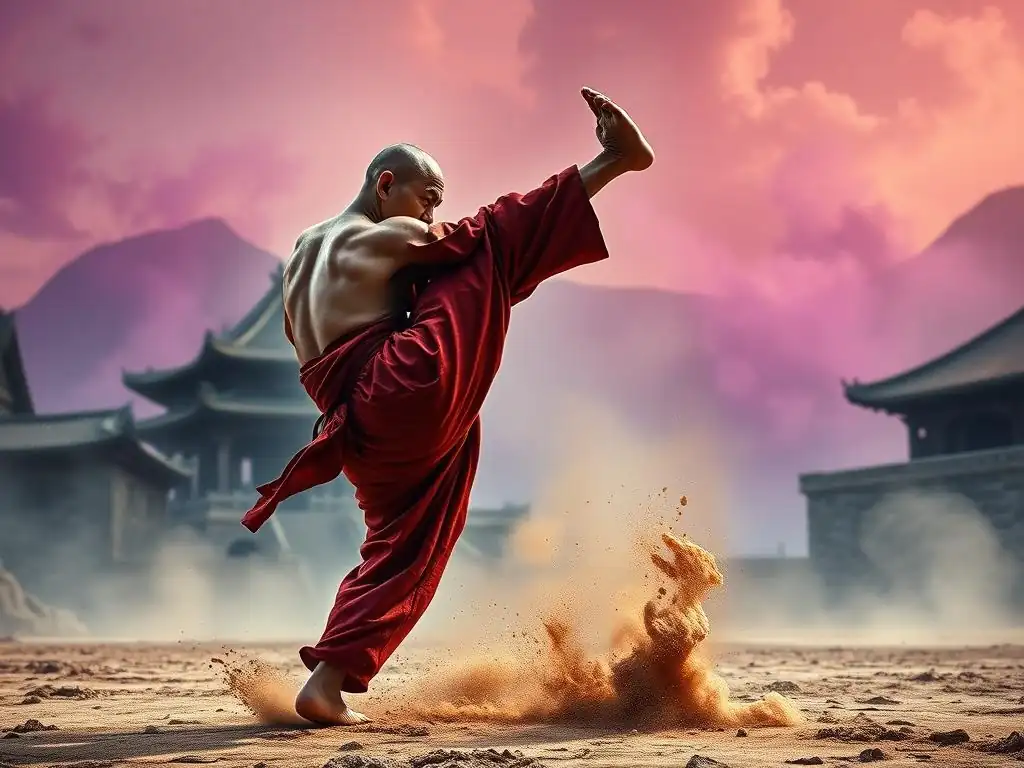
Welcome to Martial Arts Mastery, your gateway to the world's fighting arts!
Delve into the rich tapestry of martial traditions, where history, philosophy, and technique converge. Are you ready to explore the dynamic legacy of one of the most iconic martial arts styles? In this article, we unravel the captivating story of Shaolin Kung Fu evolution today, examining its past, present challenges, and its surprising transformations in the modern era. Discover how this ancient art adapts and thrives, maintaining its spiritual roots while embracing the future. Intrigued? Let's begin!
Maintaining Authentic Shaolin Lineages
The preservation of authentic lineages is paramount for the integrity and continuity of Shaolin Kung Fu in the 21st century. Traditionally, the transmission of Shaolin knowledge occurred through a strict master-disciple relationship, often within the monastic walls, ensuring deep understanding and adherence to established forms and philosophies. However, the global reach and popularization of Shaolin have introduced significant challenges to this traditional model. With countless schools and practitioners worldwide claiming a connection, verifying genuine lines of transmission becomes increasingly difficult. The official Shaolin Temple in Dengfeng, China, serves as the central repository and authority, actively working to document and maintain its historical lineages, recognizing monks and disciples who have undergone rigorous, verifiable training within its system. This effort is crucial for distinguishing the core, authentic teachings from later adaptations or unrelated styles, providing a necessary anchor for understanding the genuine Shaolin Kung Fu evolution today.
Maintaining these authentic links involves more than just tracing names on a chart; it requires adherence to the specific training methodologies, ethical principles, and philosophical underpinnings that define Shaolin. Traditional methods include intensive, long-term study under recognized masters, often involving not just martial arts but also Chan Buddhism practice. Lineage charts, or zupu, play a role in documenting these connections, though their verification outside the temple can be complex. The challenge in the contemporary world lies in ensuring that the explosive growth of interest in Shaolin does not dilute the depth and authenticity of the practice. Many schools operate independently, and while they may teach valuable skills, their direct link to the historical Shaolin lineage is not always clear. This distinction is vital for practitioners seeking the historical and cultural depth inherent in the tradition, highlighting a key aspect of the Shaolin Kung Fu evolution today – the tension between global accessibility and traditional fidelity.
- What are the biggest challenges facing Shaolin Kung Fu in the 21st century?
- How has Shaolin Kung Fu evolved to stay relevant in the modern world?
- What role does technology play in the future of Shaolin Kung Fu?
- How are traditional Shaolin values being preserved in contemporary training?
- What makes Shaolin Kung Fu unique compared to other martial arts in today's world?
Frequently Asked Questions
What are the biggest challenges facing Shaolin Kung Fu in the 21st century?
The biggest challenges include maintaining authenticity in the face of modernization, preserving the traditional teachings while adapting to contemporary training methods, and combating the commercialization that can dilute the true essence of Shaolin.
How has Shaolin Kung Fu evolved to stay relevant in the modern world?
Shaolin Kung Fu has adapted by incorporating modern fitness principles, utilizing digital platforms for instruction and outreach, and embracing scientific approaches to training while retaining its core philosophical values.
What role does technology play in the future of Shaolin Kung Fu?
Technology allows for wider dissemination of Shaolin teachings, provides tools for analyzing and improving techniques, and connects practitioners globally, fostering a sense of community and shared learning experiences.
How are traditional Shaolin values being preserved in contemporary training?
Traditional values like discipline, compassion, and respect are integrated into modern training curricula, emphasizing character development alongside physical skills. The focus remains on cultivating mindfulness and inner peace.
What makes Shaolin Kung Fu unique compared to other martial arts in today's world?
Shaolin Kung Fu's uniqueness lies in its holistic approach, combining physical conditioning, mental discipline, and spiritual cultivation. Its deep historical roots and emphasis on Chan Buddhism distinguishes it from purely combative systems.
Final Reflection: Embracing Tradition, Shaping Tomorrow
The journey of Shaolin Kung Fu, as explored in this article, is not merely a historical account but a living testament to resilience and adaptation. Its ability to navigate the complexities of the 21st century, while preserving its ancient roots, speaks volumes about the enduring power of cultural heritage in a rapidly changing world. The challenges faced and the triumphs achieved highlight the delicate balance between honoring the past and embracing the future.
The ongoing evolution of Shaolin Kung Fu profoundly influences the cultural landscape, offering a powerful example of how tradition can remain relevant and vibrant in the modern era. My own fascination with Shaolin stems from its embodiment of discipline, mindfulness, and the pursuit of excellence, values that resonate deeply in today's often chaotic world. To understand the future, you must first understand the past.
This ancient wisdom underscores the importance of preserving and learning from traditions like Shaolin Kung Fu, ensuring they continue to inspire and guide future generations.
Now, consider how the principles of Shaolin – discipline, perseverance, and adaptability – can be applied to your own life. Just as Shaolin Kung Fu has evolved to meet the challenges of the 21st century, so too can you embrace change, cultivate inner strength, and strive for continuous improvement. Let the spirit of Shaolin inspire you to face your own challenges with courage, grace, and unwavering determination, shaping your own future with intention and purpose.
Embrace the Shaolin Spirit: Begin Your Journey Today!
Thank you for diving into the world of modern Shaolin and its incredible resilience. Now that you've gained a deeper understanding of its challenges and triumphs, it's time to channel that inspiration into action.
Here’s how you can get involved and keep the Shaolin spirit alive:
- Begin your own martial arts journey. Find a local Shaolin Kung Fu school or a related discipline like Tai Chi and experience the physical and mental benefits firsthand.
- Share this article with friends and family to spread awareness of the Shaolin’s ongoing story. Let's amplify their dedication!
- Explore the history further. Delve into documentaries and books about the Shaolin tradition and its profound impact on martial arts and culture.
What aspect of the Shaolin's journey inspires you the most to embrace discipline and perseverance in your own life?