
Teaching SelfReliance: Women Empowering Others Through Martial Instruction

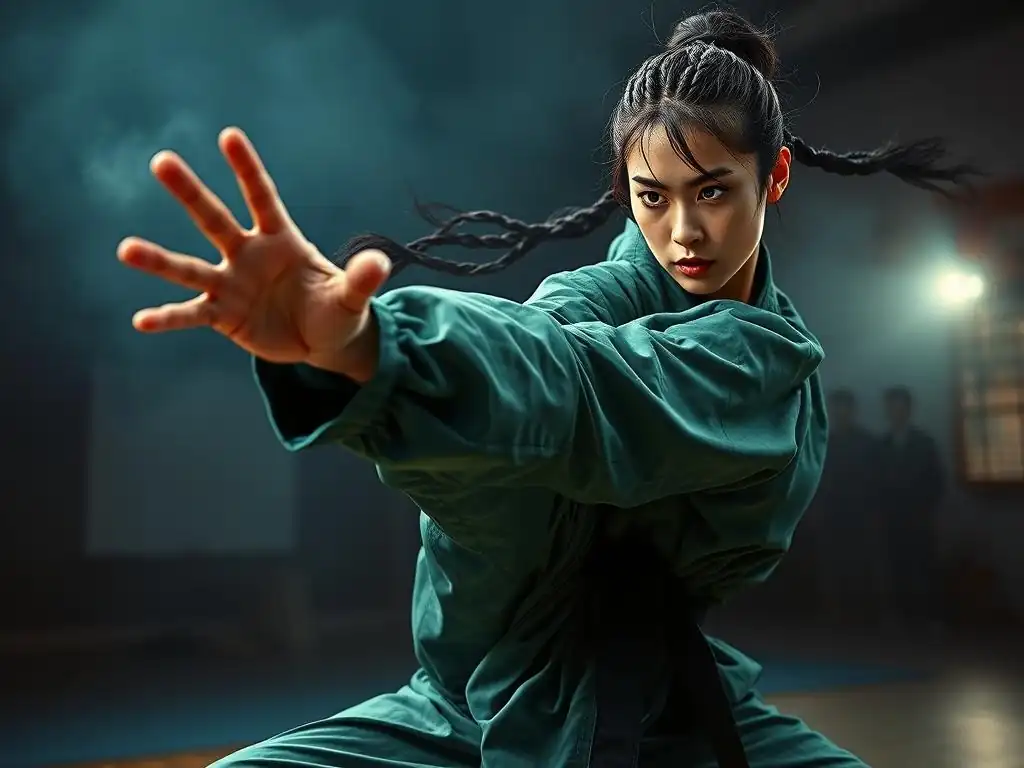
Welcome to Martial Arts Mastery, where we delve into the heart and soul of combat traditions worldwide. Ever wondered how martial arts empowers individuals, especially women, to become pillars of strength and self-reliance? Today, we're exploring precisely that in our profile on Women’s martial arts selfdefense training, examining how female martial arts masters are not only mastering their own skills but also igniting a spark of empowerment in others. Dive in to discover their inspiring stories and the profound impact they're having.
- Introduction: The Rising Tide of Women's Martial Arts Self-Defense Training
- The Historical Context of Women in Martial Arts
- Women's Martial Arts Self-Defense Training: A Modern Movement
- Empowering Others: Women Instructors as Role Models
- Key Martial Arts Disciplines for Women's Self-Defense
- The Importance of Realistic Self-Defense Scenarios in Training
- Beyond Physical Skills: Building Mental Fortitude and Resilience
- Success Stories: Women Transformed Through Martial Arts Training
- Resources for Women Seeking Martial Arts Self-Defense Training
- The Future of Women's Empowerment Through Martial Arts Instruction
- Conclusion: The Enduring Power of Women's Martial Arts Self-Defense Training
-
Frequently Asked Questions
- What are the primary benefits of women’s martial arts self-defense training as discussed on MartialArtsMastery.org?
- How does MartialArtsMastery.org approach the historical context of women in martial arts?
- What type of training tips does MartialArtsMastery.org offer specifically tailored for women's self-defense?
- Does MartialArtsMastery.org emphasize the philosophical underpinnings of martial arts in relation to women's empowerment?
- Beyond physical techniques, what practical self-defense strategies are highlighted on MartialArtsMastery.org for women?
- Final Reflection: Empowering Strength Within
- Empower Yourself: Answer the Call to Lead!
Introduction: The Rising Tide of Women's Martial Arts Self-Defense Training
In an increasingly complex world, the pursuit of personal safety and empowerment has become a paramount concern for many. For women, this often translates into seeking practical skills and confidence to navigate potential threats. This growing awareness has fueled a significant surge in interest in women's martial arts self-defense training, moving it from a niche pursuit to a widely recognized and essential form of personal development. It's not merely about physical techniques; it's a holistic journey building mental resilience, situational awareness, and an unwavering sense of self-worth.
This article explores the multifaceted landscape of women's martial arts self-defense training, examining its historical roots, the motivations behind its modern popularity, the vital role of female instructors, and the specific disciplines that offer effective protection. We will delve into the psychological impact, the importance of realistic practice, and hear (through representative examples) how this training has transformed lives. Understanding the power embedded within martial arts offers a pathway not just to physical safety, but to profound personal empowerment for women everywhere.
The Historical Context of Women in Martial Arts
Overcoming Gender Barriers in Traditional Martial Arts
Historically, martial arts were predominantly male domains, often rooted in military or feudal traditions that excluded women. Access to formal training was severely restricted, and societal norms often discouraged women from engaging in physical combat disciplines. Those few women who did train often did so in secret or within familial traditions, their contributions and skills largely unacknowledged in the broader historical narrative. The perception was that women lacked the necessary physical attributes or temperament for rigorous martial study, a stereotype that took generations to begin dismantling.
Breaking into this male-dominated world required immense perseverance and challenged deeply ingrained cultural biases. Women had to prove their dedication, discipline, and capability repeatedly, often facing skepticism or outright rejection from instructors and peers. The journey involved not just mastering techniques but also fighting for the fundamental right to learn and practice, laying the groundwork for the accessible women's martial arts self-defense training available today. This historical struggle highlights the significant progress made, although challenges regarding inclusivity and representation can still exist in some spaces.
Early Pioneers: Edith Garrud and Keiko Fukuda
The early 20th century saw remarkable women emerge who defied convention and excelled in martial arts, paving the way for future generations engaging in women's martial arts self-defense training. Edith Garrud (1872-1971) was a prominent figure in the British suffragette movement, teaching Jiu-Jitsu for self-defense to her fellow activists. She understood the practical need for women to protect themselves against aggressive policing and public opposition, demonstrating techniques specifically adapted for women wearing contemporary clothing. Her work directly linked martial arts to women's empowerment and safety in a tangible, real-world context.
Another towering figure was Keiko Fukuda (1913-2013), a Japanese American who became the highest-ranked female judoka in history, achieving the tenth dan. A student of Judo's founder, Jigoro Kano, Fukuda dedicated her life to the art, facing significant resistance and discrimination based on her gender throughout her career. She established her dojo in the United States and tirelessly promoted Judo for women, proving that women could reach the pinnacle of technical mastery and understanding. Her perseverance and skill served as a powerful inspiration, demonstrating that gender was no barrier to achieving the highest levels in martial arts.
Women's Martial Arts Self-Defense Training: A Modern Movement
Addressing the Need for Empowerment and Self-Protection
The contemporary focus on women's martial arts self-defense training is a direct response to ongoing concerns about personal safety and the desire for empowerment. Statistics, even approximated ones, paint a stark picture: a significant percentage of women globally will experience some form of physical or sexual violence in their lifetime. This reality drives many women to seek proactive ways to protect themselves, moving beyond passive hope to active preparation. Self-defense training provides tangible skills to deter, de-escalate, or physically resist an attack, offering a crucial layer of security.
Beyond immediate physical safety, the need for empowerment stems from a desire to reclaim agency and confidence. Participating in martial arts challenges feelings of vulnerability and helplessness that can arise from societal anxieties or past negative experiences. It's about building a sense of control over one's own body and personal space. Women's martial arts self-defense training fosters mental toughness and assertiveness, translating into greater confidence in daily interactions and decision-making, whether at work, in social settings, or simply walking down the street.
The Psychological Benefits of Martial Arts for Women
The impact of women's martial arts self-defense training extends far beyond physical capability, profoundly affecting psychological well-being. Regular training builds discipline, focus, and perseverance, qualities that are invaluable in all areas of life. The process of learning complex techniques, facing physical challenges, and overcoming perceived limitations fosters a powerful sense of accomplishment and self-efficacy. This improved self-esteem is a cornerstone of empowerment, helping women feel more capable and confident in their ability to handle difficult situations, both physical and non-physical.
Moreover, martial arts practice provides a healthy outlet for stress and anxiety. The physical exertion releases tension, while the mental focus required during training can be meditative, offering a respite from daily worries. For survivors of trauma, women's martial arts self-defense training can be a therapeutic tool, helping them reconnect with their bodies, rebuild trust in themselves, and regain a sense of safety and control in a supportive environment. The psychological resilience developed on the mats is a critical, often underestimated, benefit of this training.
Empowering Others: Women Instructors as Role Models
Breaking Stereotypes and Inspiring Confidence
The presence of women instructors in martial arts is transformative, particularly within the realm of women's martial arts self-defense training. Seeing a skilled and confident woman leading a class immediately breaks down outdated stereotypes about strength and capability. Female instructors serve as powerful role models, demonstrating through their own expertise and demeanor that women can achieve high levels of proficiency and leadership in martial arts. This visual representation is incredibly inspiring for female students, showing them what is possible and making the path feel more attainable.
Female instructors often possess a unique understanding of the specific concerns and experiences that bring women to self-defense training. They can relate to anxieties about physical strength disparities, potential attack scenarios women are more likely to face, and the emotional aspects of confronting fear. This shared perspective allows them to tailor instruction effectively, creating a learning environment where students feel truly understood and supported. Their ability to embody both strength and empathy is crucial for building student confidence and fostering a deep connection to the training.
Creating Safe and Supportive Training Environments
One of the most significant contributions of women instructors is their ability to cultivate safe and supportive training environments, essential for effective women's martial arts self-defense training. They are often acutely aware of the need for clear boundaries, consent in partner drills, and sensitivity to students who may have past experiences of physical discomfort or trauma. This creates a space where women feel comfortable being physically challenged and vulnerable in a controlled setting, which is critical for learning self-defense techniques effectively.
These instructors often prioritize building a sense of community among students. They encourage mutual support, respect, and collaboration rather than solely focusing on competition. This nurturing atmosphere helps students feel less intimidated and more motivated to attend consistently, fostering long-term engagement with their training. A supportive community environment reinforces the lessons learned on the mat, extending the feelings of empowerment and connection beyond the training sessions themselves.
Key Martial Arts Disciplines for Women's Self-Defense
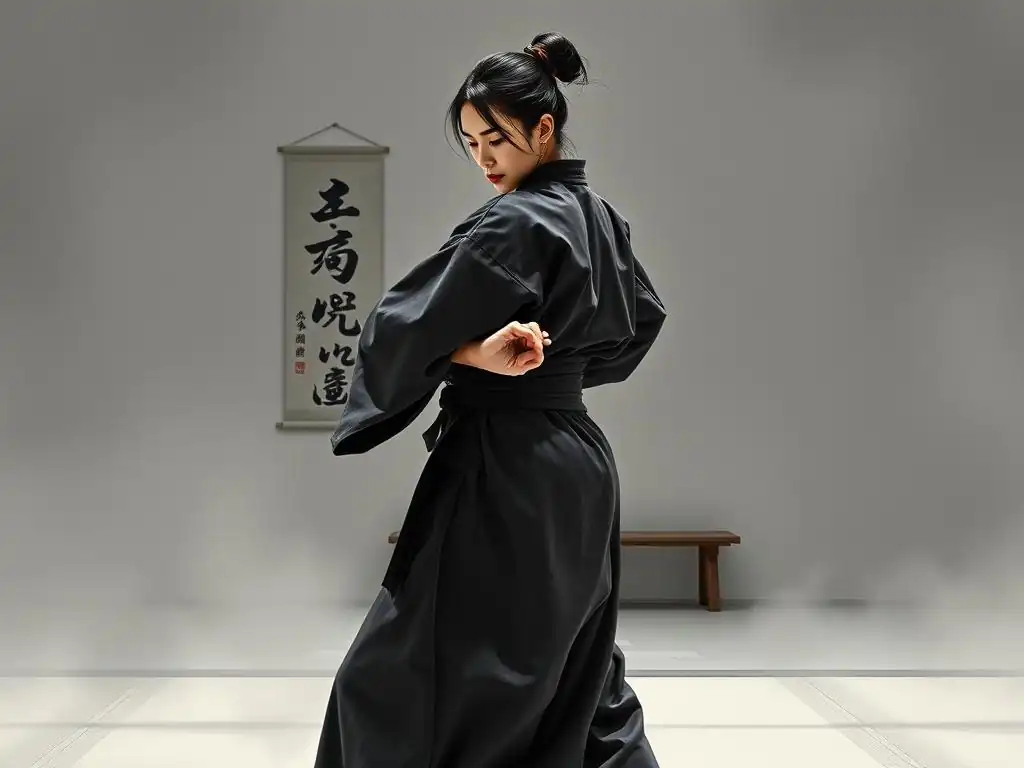
Judo: Leverage and Technique Over Strength
Judo, meaning "gentle way," is an excellent discipline for women's martial arts self-defense training because its core principles emphasize leverage, balance, and timing over brute strength. Founded by Jigoro Kano, Judo teaches how to use an opponent's weight and momentum against them through throws, takedowns, and grappling techniques. This makes it particularly effective for smaller individuals defending against larger, stronger attackers. The focus is on controlling the opponent and rendering them unable to continue an assault.
Training involves learning breakfalls (ukemi) to fall safely, essential for preventing injury during takedowns. Techniques like Osoto Gari (major outer reaping) or Ippon Seoi Nage (one-arm shoulder throw) demonstrate how proper body mechanics can disrupt an attacker's stability. Groundwork (newaza) focuses on pins (osaekomi-waza), joint locks (kansetsu-waza), and chokeholds (shime-waza) to control or incapacitate an opponent once on the ground, providing practical options for ending a confrontation safely.
Aikido: Redirecting Aggression and Maintaining Balance
Aikido, the "way of harmonious energy," is another highly relevant art for women's martial arts self-defense training, focusing on blending with an attacker's energy and redirecting their force. Developed by Morihei Ueshiba, Aikido techniques involve joint locks, throws, and pins derived from traditional Japanese martial arts, but the philosophy is non-violent, aiming to neutralize an attack without causing unnecessary harm to the attacker. This makes it suitable for situations where de-escalation is the primary goal.
Aikido training emphasizes posture, balance, and movement (tai sabaki). Students learn to pivot and move off the line of attack, disrupting the opponent's balance while maintaining their own. Techniques like Kote Gaeshi (wrist twist) or Irimi Nage (entering throw) illustrate how a small movement can control a larger person. The focus on blending and redirection makes Aikido a powerful tool for self-defense, teaching women to use an attacker's momentum against them rather than meeting force with force.
Karate: Striking Power and Defensive Maneuvers
Karate, meaning "empty hand," is a striking-based martial art effective for women's martial arts self-defense training due to its focus on powerful, precise strikes and defensive blocks. Originating in Okinawa, Karate teaches a range of punches, kicks, knee strikes, elbow strikes, and open-hand techniques, alongside blocks and evasive movements. It equips practitioners with the ability to create distance, strike vulnerable targets, and defend against common attacks.
Training involves learning basic stances, blocks (like age uke for rising block or soto uke for outside block), and strikes (such as the straight punch - gyaku zuki, or front kick - mae geri). Kata (forms) help internalize movements and sequences, while kumite (sparring) allows practitioners to test techniques in a controlled environment. Karate provides women with the tools to deliver impactful strikes that can stun or incapacitate an attacker, giving them time to escape, making it a practical component of women's martial arts self-defense training.
Brazilian Jiu-Jitsu: Ground Fighting and Submission Holds
Brazilian Jiu-Jitsu (BJJ) is widely regarded as one of the most effective martial arts for women's martial arts self-defense training, particularly due to its emphasis on ground fighting. Recognizing that many altercations end up on the ground, BJJ teaches techniques to gain dominant positions, escape holds, and apply joint locks or chokeholds to neutralize a larger, stronger opponent. Its core principle is that a smaller, weaker person can defeat a larger, stronger one through leverage and technique.
Training involves extensive drilling of transitions, escapes from various positions (like mount or side control), and applying submissions. Techniques such as the triangle choke, armbar, or rear-naked choke are learned not just for sport but for their practical application in a self-defense scenario. BJJ empowers women by giving them confidence and capability in ground situations, which are often perceived as the most vulnerable, thus providing a critical skill set for women's martial arts self-defense training.
Krav Maga: Practical Self-Defense for Real-World Scenarios
Krav Maga, developed for the Israeli military, is a highly practical and efficient system designed specifically for real-world self-defense situations. It is not a traditional martial art with historical forms or rituals but focuses on intuitive movements, aggression, and addressing common attacks like grabs, holds, and weapons threats. Its directness and focus on rapid neutralization make it extremely popular for women's martial arts self-defense training.
Krav Maga training emphasizes situational awareness, de-escalation where possible, and aggressive counter-attacks to vulnerable targets if physical defense is necessary. Techniques are often based on natural reflexes and are designed to be effective under stress. Drills often simulate realistic scenarios, including defending against multiple attackers or in confined spaces. This focus on practicality and effectiveness in chaotic situations makes Krav Maga a compelling option for women seeking immediate, applicable self-defense skills.
The Importance of Realistic Self-Defense Scenarios in Training
Role-Playing and De-escalation Techniques
Effective women's martial arts self-defense training goes beyond learning isolated physical techniques; it must incorporate realistic scenario training. Role-playing is a crucial element, allowing students to practice applying techniques under simulated pressure. This involves instructors or training partners acting out potential attack scenarios, from verbal harassment to physical confrontation. Practicing in this way helps bridge the gap between drilling a technique and applying it effectively when adrenaline is high.
Furthermore, realistic training includes practicing de-escalation techniques. Not every potential threat requires a physical response. Learning how to use verbal skills, body language, and assertive communication to diffuse a situation is often the safest and most desirable outcome. Role-playing scenarios can include practicing setting boundaries, saying "no" firmly, and attempting to create space or escape before resorting to physical defense, equipping women with a broader range of responses for self-protection.
Simulating Real-World Attacks and Environments
To prepare women for actual self-defense situations, training should simulate the unpredictable nature of real-world attacks. This means practicing techniques against non-compliant partners who resist realistically, not just passively falling. It also involves training in different positions – defending from the ground, against a wall, or while seated – as attacks don't always happen when standing in a perfect stance. Some advanced women's martial arts self-defense training incorporates environmental factors, like practicing in low light or simulating the effects of restrictive clothing.
Training against different types of simulated attacks – grabs, pushes, strikes, chokes – helps students develop versatility and adaptability. Practicing defense against multiple attackers, even in a simplified form, introduces the complexity of managing simultaneous threats. While safety is paramount, gradually increasing the realism in drills, under careful supervision, builds confidence and reaction time, making the physical skills learned far more applicable outside the dojo environment.
Developing Situational Awareness and Reaction Time
A cornerstone of effective women's martial arts self-defense training is the development of situational awareness. This involves teaching students to pay attention to their surroundings, identify potential threats before they escalate, and trust their intuition. Learning to notice suspicious behavior, assess risks in different environments, and plan escape routes is often the first and most important line of defense. Training incorporates discussions and drills focused on recognizing warning signs and avoiding dangerous situations altogether.
Realistic scenario training also significantly improves reaction time. By repeatedly practicing responses to simulated attacks, students develop muscle memory and the ability to react quickly and decisively under pressure. The goal is to move from conscious thought to instinctive action. This reduced reaction time can be critical in a real self-defense situation, allowing a woman to defend herself or escape before an attacker gains full control, enhancing the overall effectiveness of women's martial arts self-defense training.
Beyond Physical Skills: Building Mental Fortitude and Resilience
Developing Confidence and Assertiveness
One of the most profound outcomes of women's martial arts self-defense training is the significant boost in confidence and assertiveness. As women learn physical skills and realize their capability to defend themselves, this newfound physical confidence translates into other areas of their lives. They stand taller, speak more clearly, and are less hesitant to assert their needs and boundaries in personal and professional interactions. This isn't just about physical defense; it's about feeling empowered to navigate all of life's challenges.
The process of setting goals in training, working hard to achieve them, and experiencing tangible progress builds a deep sense of self-efficacy. Successfully executing a technique or overcoming a physical challenge on the mat reinforces the belief in one's own abilities. This internal validation is incredibly powerful, helping women feel more capable and less dependent on external approval, which is a key aspect of the empowerment gained through women's martial arts self-defense training.
Managing Fear and Stress in Confrontational Situations
Fear is a natural response to potential danger, but learning to manage it is crucial in a self-defense scenario. Women's martial arts self-defense training provides tools to understand the physiological effects of fear (like tunnel vision or freezing) and practice functioning effectively despite them. Through controlled exposure to stressful simulations, students learn to recognize their fear response and practice techniques to regain control, such as tactical breathing or focusing on simple, effective movements.
Training under pressure helps desensitize individuals to the panic that can accompany a confrontation. By repeatedly practicing physical responses in a safe, controlled environment that mimics stress, students become more resilient. They learn that they can act even when afraid. This ability to manage fear and stress is a vital mental skill developed through women's martial arts self-defense training, preparing them to react more calmly and effectively if faced with a real threat.
Building a Strong Sense of Self-Worth
Participating in women's martial arts self-defense training fundamentally contributes to building a strong sense of self-worth. The dedication required, the physical and mental challenges overcome, and the community support found in training all reinforce a positive self-image. Learning self-defense teaches women that they are worth protecting and that their safety and well-being are priorities. This internal validation is incredibly empowering.
The focus on personal development and empowerment within many women's self-defense programs fosters a sense of achievement and capability that extends beyond physical techniques. It's about recognizing one's own strength, resilience, and value. This holistic approach ensures that women's martial arts self-defense training not only provides practical skills but also cultivates a deep and enduring belief in oneself.
Success Stories: Women Transformed Through Martial Arts Training
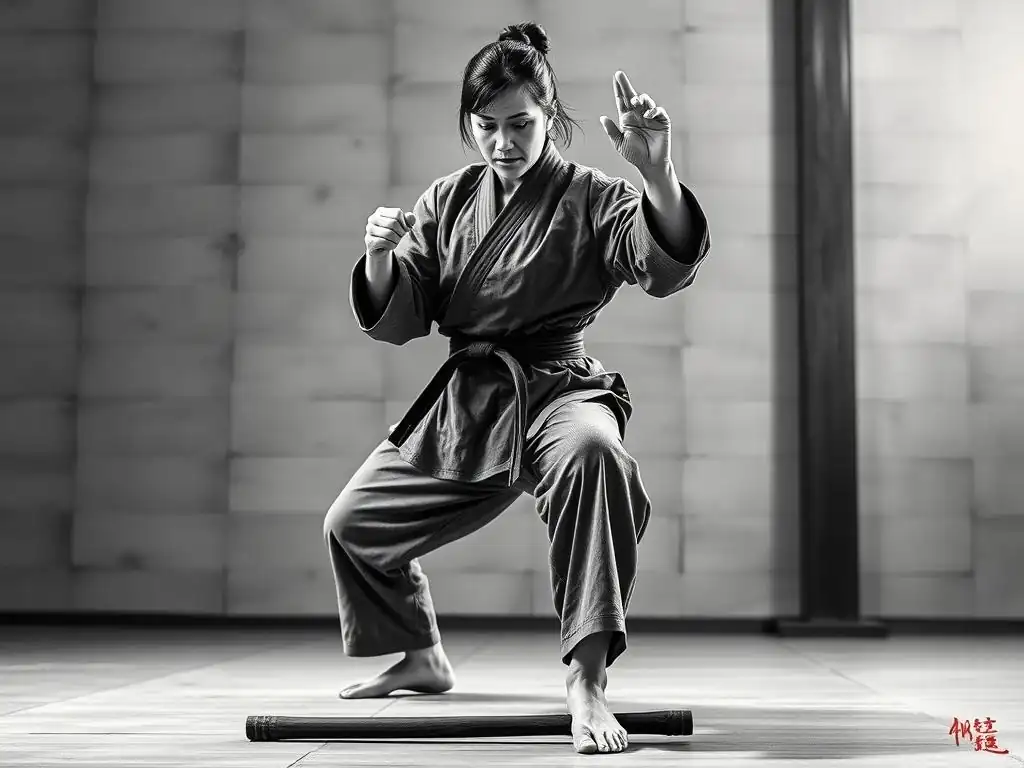
Overcoming Trauma Through BJJ
Consider the story of "Sarah" (a representative example based on common experiences). Sarah had experienced a traumatic event that left her feeling vulnerable and fearful in daily life. Walking alone, being in crowded spaces, or even simple physical contact could trigger anxiety.
Seeking a way to reclaim her sense of safety and control, she enrolled in women's martial arts self-defense training, specifically a Brazilian Jiu-Jitsu program known for its supportive environment. Initially hesitant about the physical contact, she found that the structured, consent-based nature of BJJ training allowed her to gradually become comfortable with touch and proximity in a safe context.
The emphasis on ground control and escaping holds in BJJ was particularly therapeutic. Learning that she could defend herself effectively even from compromised positions, and against larger partners, began to dismantle the feeling of helplessness. The physical exertion helped process stress, and the mental focus required on the mats provided a much-needed escape from intrusive thoughts. Over several months, Sarah not only gained practical self-defense skills but also reported a significant reduction in anxiety, improved sleep, and a renewed sense of confidence and control over her body and life, demonstrating the profound impact of women's martial arts self-defense training.
Increased Confidence in Daily Life Through Karate
Another illustrative example is "Maria," a professional who felt she lacked assertiveness in both her career and personal life. While she wasn't necessarily seeking self-defense skills due to a specific threat, she was drawn to the discipline and confidence-building aspects of martial arts. She joined a Karate dojo that offered women's martial arts self-defense training classes focusing on practical applications of strikes and blocks. The structured environment, clear progression through belt ranks, and emphasis on powerful, focused movements resonated with her.
Through consistent practice, Maria developed physical strength and coordination she hadn't realized she possessed. Learning to deliver a strong punch or block with conviction translated into feeling more physically capable. More importantly, the mental discipline of Karate – focusing on technique, pushing through discomfort, and performing in front of others during belt tests – built significant mental fortitude.
Maria found herself speaking up more confidently in meetings, setting clearer boundaries with others, and feeling generally more empowered and less hesitant in her daily interactions. The physical skills of her women's martial arts self-defense training became a foundation for her increased assertiveness and self-belief.
Resources for Women Seeking Martial Arts Self-Defense Training
Finding Qualified Instructors and Reputable Schools
Finding the right place for women's martial arts self-defense training is crucial for a positive and effective experience. The first step is researching local martial arts schools or dojos. Look for schools that explicitly offer self-defense programs or women-only classes, as these are often tailored to specific needs. Prioritize schools with qualified instructors, ideally those with significant experience teaching self-defense and working with female students. Checking reviews and testimonials can provide insight into the school's atmosphere and teaching style.
Visiting schools, observing classes, and speaking with the instructors are highly recommended. Ask about the curriculum: does it focus on practical, realistic scenarios? Inquire about the instructor's background and philosophy. A good sign is an instructor who emphasizes personal safety, de-escalation, and building confidence alongside physical techniques. Ensure the environment feels welcoming, respectful, and safe, as this is paramount for effective women's martial arts self-defense training.
Online Resources and Training Programs
While in-person training is generally considered the most effective for developing physical self-defense skills due to the need for partner practice and hands-on correction, online resources and programs can serve as valuable supplementary tools or introductory pathways. Many reputable martial artists and self-defense experts offer online courses, tutorials, and educational content covering situational awareness, basic principles of self-defense, and simple techniques that don't require a partner.
These online resources can be helpful for gaining foundational knowledge, practicing movements solo, or staying engaged between classes. Some platforms might offer virtual coaching or community forums. However, it's important to be discerning about the quality and source of online content and to remember that practical application under pressure is best learned in a supervised, in-person setting. Online resources should complement, not replace, hands-on women's martial arts self-defense training when possible.
Building a Community of Support
Connecting with others is a powerful aspect of the women's martial arts self-defense training journey. Many schools foster a strong sense of community among their students, providing a supportive network where women can share experiences, encourage each other, and practice together. Training partners become allies, creating a bond built on shared effort and mutual respect. This community support can be particularly valuable for staying motivated and committed to long-term training.
Beyond the specific school, seeking out women's self-defense workshops, seminars, or online groups can provide additional opportunities to connect and learn. Sharing stories, discussing safety strategies, and practicing together outside of regular classes reinforces the lessons learned and builds a sense of collective empowerment. Building this community is an integral part of the holistic benefits derived from women's martial arts self-defense training.
The Future of Women's Empowerment Through Martial Arts Instruction
Continued Growth and Accessibility of Training Opportunities
The demand for women's martial arts self-defense training is likely to continue growing as awareness of its benefits spreads. This increased demand is driving the expansion of training opportunities, with more schools offering dedicated women-only classes and specialized self-defense workshops. We can anticipate greater accessibility, with programs becoming available in diverse settings, including community centers, universities, and workplaces, making training more convenient for women from all backgrounds.
Technological advancements may also play a role, potentially leading to more sophisticated online resources or virtual reality tools that supplement physical training, although the core of women's martial arts self-defense training will remain rooted in physical practice and interaction. The future holds promise for making effective self-defense skills more widely available and integrated into community safety initiatives.
Promoting Inclusivity and Diversity in the Martial Arts Community
A key aspect of the future involves actively promoting greater inclusivity and diversity within the martial arts community. While progress has been made, efforts are needed to ensure that women of all ages, body types, abilities, and cultural backgrounds feel welcome and represented. This includes encouraging more women to pursue instructor roles and leadership positions within martial arts organizations.
Creating truly inclusive environments means being mindful of potential barriers, such as cost, scheduling, or cultural sensitivities. It involves tailoring women's martial arts self-defense training to meet the diverse needs of different groups, ensuring that the benefits of empowerment and safety are accessible to everyone who seeks them. A more diverse community enriches the art itself and strengthens the collective movement towards empowerment.
Women's Martial Arts Self-Defense: A Lasting Legacy of Empowerment
As women continue to train, teach, and lead in martial arts, they are building a lasting legacy of empowerment. Each woman who gains confidence through self-defense training, each instructor who mentors others, contributes to a ripple effect that extends far beyond the dojo doors. This legacy is not just about physical techniques but about challenging societal limitations, fostering resilience, and asserting the right to safety and autonomy.
The journey of women in martial arts, from overcoming historical barriers to leading modern empowerment movements through women's martial arts self-defense training, is a testament to their strength and determination. The skills and confidence gained are tools not only for physical protection but for navigating life with greater courage and conviction.
Conclusion: The Enduring Power of Women's Martial Arts Self-Defense Training
Women's martial arts self-defense training stands as a powerful force for personal empowerment and safety. It is an evolution of ancient practices adapted to meet contemporary needs, providing women with practical skills to protect themselves while simultaneously building invaluable mental and emotional resilience. From the pioneering efforts of early female practitioners to the thriving community of instructors and students today, the journey reflects a continuous striving for equality, capability, and self-reliance.
The benefits of this training are profound, extending far beyond physical technique to touch every aspect of a woman's life – increasing confidence, reducing fear, and fostering a strong sense of self-worth. As more women discover the transformative power of martial arts, the movement for empowerment through women's martial arts self-defense training will undoubtedly continue to grow, creating a safer and more confident future for women everywhere.
Frequently Asked Questions
What are the primary benefits of women’s martial arts self-defense training as discussed on MartialArtsMastery.org?
The primary benefits include increased self-confidence, enhanced physical fitness, and the acquisition of practical self-defense skills.
How does MartialArtsMastery.org approach the historical context of women in martial arts?
The site provides historical overviews showcasing the contributions of legendary female practitioners and the evolution of women's involvement in various martial art disciplines.
What type of training tips does MartialArtsMastery.org offer specifically tailored for women's self-defense?
Training tips focus on leveraging body mechanics, developing situational awareness, and practicing escape techniques suitable for different threat scenarios.
Does MartialArtsMastery.org emphasize the philosophical underpinnings of martial arts in relation to women's empowerment?
Yes, the site explores how martial arts philosophy promotes self-reliance, mental fortitude, and a proactive approach to personal safety for women.
Beyond physical techniques, what practical self-defense strategies are highlighted on MartialArtsMastery.org for women?
The site emphasizes de-escalation tactics, assertive communication, and the importance of setting boundaries to avoid potentially dangerous situations.
Final Reflection: Empowering Strength Within
The journey through the world of women's martial arts self-defense training reveals a profound truth: it's more than just physical skill; it's about cultivating inner resilience and empowering entire communities. The stories shared throughout this article highlight the transformative power of these programs, demonstrating how they equip women not only to defend themselves but also to become beacons of strength and self-reliance for others. This ripple effect, born from the dojo, is a testament to the enduring impact of women empowering women.
This movement towards self-reliance through martial arts is profoundly shaping the cultural landscape, fostering a sense of agency and challenging traditional power dynamics. Witnessing this shift firsthand has been incredibly inspiring, reinforcing the belief that true strength lies not just in physical prowess, but in the unwavering spirit to protect oneself and uplift others. The best protection anyone can have is courage.
- Robert Frost. This quote perfectly encapsulates the essence of what women's martial arts self-defense training offers: the courage to face adversity and the confidence to navigate the world with unwavering self-assurance.
Now, consider how you can contribute to this empowering movement. Whether it's by supporting local women's martial arts programs, encouraging a friend to explore self-defense training, or simply fostering a culture of respect and empowerment in your own community, remember that every action, no matter how small, can make a difference. Embrace the spirit of self-reliance, cultivate your inner strength, and become a catalyst for positive change in the lives of those around you. The power to empower others starts within.
Empower Yourself: Answer the Call to Lead!
Thank you for exploring how women are shaping the martial arts landscape! Now it's your turn to contribute and inspire. Here's how you can take the next step:
- Begin your instructor journey: Research reputable instructor certification programs near you and take the first step towards sharing your martial arts passion.:
- Share this article with a female martial artist who inspires you – let her know you appreciate her dedication!
- Attend a local martial arts seminar taught by a female instructor to learn and show your support.
What unique perspective can you bring to the martial arts community?