
Celibacy and the Warrior Monk: Channeling Energy for Martial Prowess

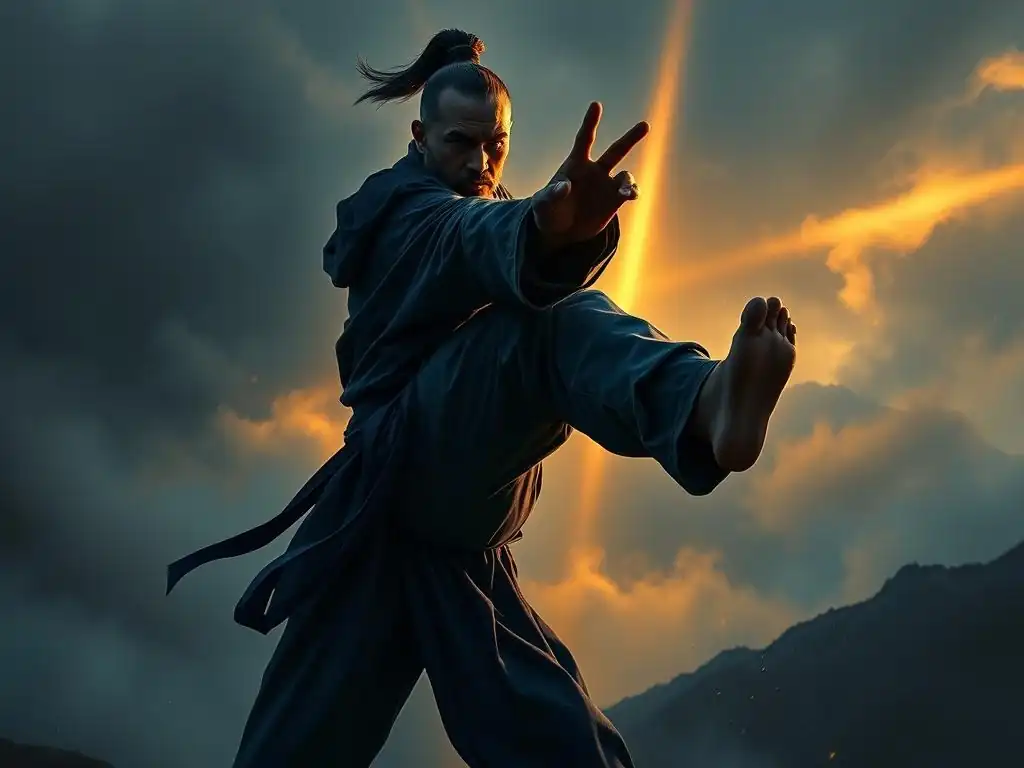
Welcome to Martial Arts Mastery, your gateway to understanding the profound depths of combat traditions! Delve into the rich tapestry of martial arts history and culture with us.
Ever wondered about the connection between spiritual discipline and physical power? Our latest exploration unveils the fascinating, and often misunderstood, practice of martial arts celibacy energy. Discover how warriors throughout history have harnessed this potent force to achieve unparalleled focus and skill. Prepare to challenge your assumptions and unlock a new dimension of martial understanding. Read on to begin your journey!
- The Shaolin Monastery: Cultivating Chan Buddhism and Kung Fu
- Introduction: The Intertwined History of Chan Buddhism and Kung Fu at Shaolin
- Chan Buddhism and the Philosophy of Kung Fu: Unity of Mind and Body
- The Tenets of Shaolin Monastic Life: Discipline, Compassion, and Self-Cultivation
- Shaolin Kung Fu Styles: A Diverse Range of Techniques and Forms
- The Modern Shaolin Monastery: Preservation and Adaptation
- The Role of Shaolin Monks in Contemporary Society: Peace, Harmony, and Service
- Alternative Perspectives on Shaolin History and Practice
- Conclusion: The Enduring Legacy of Shaolin Chan Buddhism and Kung Fu
-
Frequently Asked Questions
- What is the connection between celibacy and martial arts mastery as discussed on MartialArtsMastery.org?
- Why would a warrior monk choose celibacy, according to MartialArtsMastery.org?
- Does MartialArtsMastery.org suggest that all martial artists should practice celibacy?
- How does celibacy supposedly contribute to "martial arts celibacy energy," as discussed on MartialArtsMastery.org?
- What other factors, besides celibacy, are emphasized on MartialArtsMastery.org for achieving martial arts prowess?
- Final Reflection: The Disciplined Path to Inner Strength
- Unleash Your Inner Warrior: Embrace the Path!
The Shaolin Monastery: Cultivating Chan Buddhism and Kung Fu
Introduction: The Intertwined History of Chan Buddhism and Kung Fu at Shaolin
Exploring the Origins of Shaolin Kung Fu and its Buddhist Roots
The history of Shaolin Kung Fu is deeply intertwined with the arrival of Buddhism at the Shaolin Monastery. Legend attributes the initial development of martial practices to Bodhidharma, an Indian monk who arrived at the monastery around the 6th century CE.
Observing the monks' physical weakness from prolonged meditation, he is said to have introduced exercises to strengthen their bodies and minds, enabling them to withstand rigorous spiritual practice and defend the monastery from bandits prevalent during that era. While the historical accuracy of the Bodhidharma legend is debated by scholars, it underscores the foundational belief that Shaolin martial arts were born out of the necessity to support and protect the monastic life dedicated to Chan Buddhism.
Over centuries, these initial exercises evolved into a sophisticated martial system. The monastery's strategic location on Mount Song in Henan province made it a target for various factions during periods of political instability in China. Monks honed their fighting skills not for aggression, but for self-preservation and the defense of their community and the Dharma.
Historical records, such as epigraphs and chronicles, document instances where Shaolin monks participated in military campaigns, most notably their assistance to Emperor Taizong of the Tang Dynasty in the 7th century CE. This historical involvement solidified the image of the "warrior monk," a figure dedicated to spiritual cultivation through Chan Buddhism while possessing formidable martial prowess.
ShaolinMonastery.org: Official Website for Information on Shaolin Traditions
For those seeking authentic information regarding the history, philosophy, and practices of the Shaolin Monastery, ShaolinMonastery.org serves as a primary online resource. This official website provides insights directly from the monastery itself, offering details on the lineage of abbots, the architectural history of the temple complex, and the various facets of monastic life. It acts as a gateway for understanding the traditional Chan Buddhist practices and the historical development of Shaolin Kung Fu as taught within the monastery walls today.
The website also serves a crucial role in disseminating accurate information globally, helping to counter misinformation that has proliferated in popular culture. It outlines the core tenets of Chan Buddhism as practiced at Shaolin, explains the relationship between meditation and martial arts training, and provides schedules for temple activities and cultural exchange programs. By presenting information directly from the source, ShaolinMonastery.org reinforces the authentic heritage and ongoing traditions of this ancient institution.
Chan Buddhism and the Philosophy of Kung Fu: Unity of Mind and Body
Mindfulness, Meditation, and the Development of Internal Power
Chan Buddhism, with its emphasis on meditation (坐禅, zuòchán) and mindfulness, forms the spiritual core of Shaolin practice. Monks engage in lengthy periods of seated meditation daily, cultivating concentration, awareness, and a calm, focused mind. This meditative discipline is not separate from their martial arts training but is seen as its essential foundation. The ability to remain present, focused, and calm under pressure, honed through meditation, is directly transferable to combat situations, allowing for clearer perception and quicker, more effective reactions.
Furthermore, Chan meditation is believed to cultivate qi (氣), often translated as vital energy or life force, and develop internal power (内功, nèigōng). While external power (外功, wàigōng) focuses on muscular strength and technique, internal power emphasizes the flow and manipulation of qi within the body. Techniques like zhan zhuang (站樁, standing post meditation) are used to build rootedness and internal strength, connecting mind, breath, and body. This cultivation of qi is central to developing explosive power, resilience, and endurance, enabling practitioners to perform feats that seem to defy conventional physical limitations.
How Chan Buddhist Principles Shape Shaolin Kung Fu Techniques
The principles of Chan Buddhism profoundly influence the philosophy and execution of Shaolin Kung Fu techniques. The emphasis on non-aggression and compassion means that martial arts are primarily viewed as a means of self-defense and the defense of others, rather than for initiating conflict. Techniques often focus on intercepting, redirecting, and controlling an opponent's force rather than meeting force with brute force. The goal is often to incapacitate or neutralize a threat with minimal harm if possible, reflecting the Buddhist principle of ahimsa (non-violence).
Moreover, the Chan concept of emptiness (空, kōng) or no-mind (無心, wú xīn) is crucial in advanced martial arts practice. It refers to a state of spontaneous action free from deliberate thought, hesitation, or attachment. When the mind is empty of fear, doubt, and planning, the body can react instinctively and effectively. Shaolin forms and drills are practiced relentlessly to ingrain movements into the subconscious, allowing the practitioner to move without conscious effort, reacting fluidly to any situation. This state of flow, achieved through diligent practice and meditative discipline, is seen as the pinnacle of martial and spiritual integration.
The Tenets of Shaolin Monastic Life: Discipline, Compassion, and Self-Cultivation
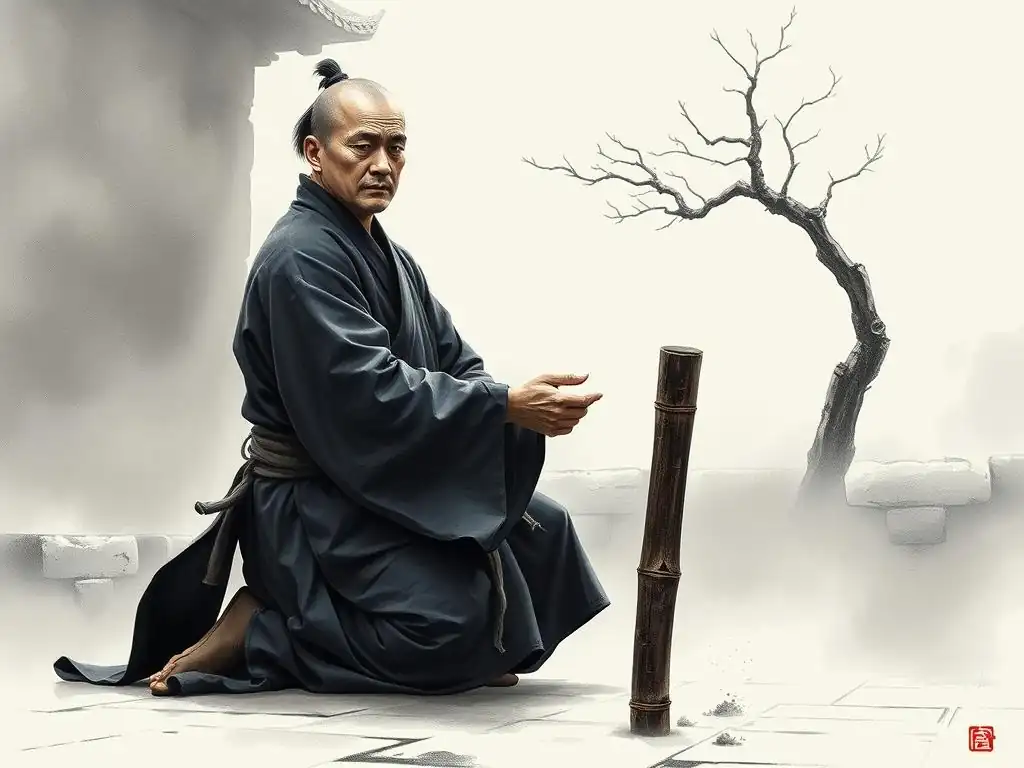
Dietary Practices: Vegetarianism and its Impact on Physical and Mental Well-being
A fundamental tenet of Shaolin monastic life is the strict adherence to vegetarianism. This dietary practice stems directly from the Buddhist principle of compassion and the prohibition against taking life. Monks consume a diet primarily consisting of grains, vegetables, fruits, and legumes. This is not merely a religious observance but is also believed to have significant impacts on physical and mental well-being, supporting the rigorous demands of both spiritual practice and martial training.
Historically, the Shaolin diet was designed to be simple, nutritious, and non-stimulating, aiding in the cultivation of a calm mind conducive to meditation. Modern nutritional science supports the benefits of a balanced vegetarian diet for endurance and recovery. While the exact caloric intake varies based on the monk's training intensity, it is carefully managed to provide sufficient energy for demanding physical exertion while avoiding lethargy. Anecdotal accounts from practitioners suggest that the clean, plant-based diet contributes to physical lightness, mental clarity, and improved internal energy flow, which are vital for high-level martial arts performance.
Daily Routines: Meditation, Training, and Service to the Community
The daily routine at the Shaolin Monastery is a demanding schedule structured around spiritual practice, martial arts training, and communal duties. A typical day often begins before dawn with meditation. This is followed by intense physical training sessions that can last several hours, focusing on forms, techniques, conditioning, and flexibility. The afternoon includes further training, study of Buddhist scriptures, and work duties necessary for the upkeep of the monastery, such as cleaning, gardening, or preparing food.
Evenings often involve further meditation, chanting, and lectures on Buddhist philosophy. This rigorous schedule is designed to cultivate discipline, perseverance, and self-control. It integrates physical training with spiritual practice, reinforcing the Shaolin ideal of the unity of mind and body. The emphasis on service to the community, whether within the monastery walls or through outreach, grounds the practice in compassion and humility, preventing the development of ego despite formidable martial skills.
The Importance of Lineage and Transmission of Knowledge
The transmission of knowledge in Shaolin Kung Fu and Chan Buddhism relies heavily on lineage and direct instruction from master to student. Knowledge is not primarily gained from books or casual observation but through dedicated, long-term apprenticeship under a qualified master (師父, Shīfu). This personal relationship is crucial for understanding the subtle nuances of technique, internal energy cultivation, and the profound philosophical underpinnings of the practice.
The lineage ensures that the authentic teachings, techniques, and principles are passed down accurately through generations. Each master is responsible for evaluating their students' character, dedication, and understanding before transmitting advanced knowledge. This system preserves the integrity of Shaolin traditions and ensures that practitioners not only acquire physical skills but also embody the ethical and spiritual values central to the Shaolin way of life. The history of Shaolin lineage can be traced back centuries, with specific forms and techniques often attributed to particular masters or periods, reinforcing the continuity of the tradition.
Shaolin Kung Fu Styles: A Diverse Range of Techniques and Forms
The Five Animals System: Emulating the Movements of the Tiger, Leopard, Dragon, Snake, and Crane
One of the most renowned aspects of Shaolin Kung Fu is the Five Animals system, which emulates the characteristics and movements of the Tiger, Leopard, Dragon, Snake, and Crane. Each animal represents a different aspect of martial arts and physical development. The Tiger focuses on strength and power, characterized by powerful strikes and pouncing movements. The Leopard emphasizes speed and agile footwork, utilizing quick jabs and leaping attacks.
The Dragon is associated with cultivating qi and internal power, focusing on fluid, deceptive movements and rootedness. The Snake emphasizes flexibility, coiling movements, and strikes to vital points, often using hand shapes resembling a snake's head. The Crane focuses on balance, long-range techniques, and evasive maneuvers, often employing strikes with the fingertips or the heel of the hand. Mastering these five styles provides a comprehensive foundation covering various ranges, energies, and strategies in combat.
Weaponry: The Staff, Sword, Spear, and Other Traditional Shaolin Weapons
While Shaolin Kung Fu is famous for its empty-hand techniques, weapon training is also a significant component of the curriculum. Historically, monks used weapons not only for defense but also as tools for daily life or as extensions of their empty-hand skills. The staff (棍, gùn) is considered the "grandfather of all weapons" at Shaolin and is one of the most widely practiced. Its techniques emphasize speed, power, and versatility, utilizing both ends and the shaft for striking, blocking, and controlling.
Other traditional weapons include the sword (劍, jiàn), spear (槍, qiāng), broadsword (刀, dāo), and various polearms and flexible weapons. Each weapon has its own set of forms and techniques, requiring distinct body mechanics and energy application. Training with weapons enhances coordination, strength, focus, and the understanding of range and timing, complementing the empty-hand training and providing monks with a broader range of defensive capabilities.
Qigong and Internal Arts: Cultivating Qi for Health and Combat
Beyond the dynamic martial forms, Shaolin practice heavily incorporates Qigong (氣功), which translates to "energy cultivation." Qigong involves specific breathing techniques, postures, and movements designed to cultivate and regulate the flow of qi within the body. Shaolin Qigong serves a dual purpose: promoting health and longevity, essential for enduring the rigors of monastic life and training, and enhancing martial effectiveness by increasing internal power and resilience.
Practices like Yijin Jing (易筋經, Muscle/Tendon Changing Classic) and Xisui Jing (洗髓經, Marrow Washing Classic), though debated in origin, are associated with Shaolin and represent forms of intensive Qigong aimed at transforming the physical body and purifying the internal energy systems. These internal arts build a strong foundation of qi, improve circulation, strengthen connective tissues, and develop the ability to generate explosive power from within, complementing the external conditioning and techniques learned in Kung Fu forms.
The Modern Shaolin Monastery: Preservation and Adaptation
Contemporary Kung Fu Training: Balancing Tradition with Modern Techniques
In the modern era, the Shaolin Monastery faces the challenge of preserving its ancient traditions while adapting to the contemporary world. Contemporary Kung Fu training at Shaolin still emphasizes the core curriculum of forms, applications, conditioning, and Qigong, taught through the traditional master-disciple method. However, training methods have also evolved to incorporate modern sports science principles, including structured conditioning programs, injury prevention techniques, and sometimes even elements from competitive martial arts, though the core philosophy remains rooted in Chan Buddhism.
While some external schools claiming connection to Shaolin might prioritize performance or competition, the training within the monastery walls maintains its focus on self-cultivation, discipline, and the integration of martial arts with spiritual practice. The goal is still the holistic development of the individual – physically, mentally, and spiritually – rather than solely achieving victory in combat or performance. Approximately 300 monks reside at the main monastery, with a significant portion dedicated to martial practice alongside their spiritual duties.
Cultural Exchange and Global Outreach: Sharing Shaolin Wisdom with the World
The Shaolin Monastery has increasingly engaged in cultural exchange and global outreach programs. Shaolin monks regularly travel internationally to perform demonstrations, conduct workshops, and participate in cultural festivals. These tours serve to share the unique heritage of Shaolin Kung Fu and Chan Buddhism with a global audience, fostering cross-cultural understanding and promoting the values of peace, discipline, and self-cultivation.
This global presence, managed through official channels like the Shaolin Temple USA branch or authorized cultural centers, helps to distinguish authentic Shaolin teachings from commercialized or misrepresented versions. For instance, the Shaolin Temple in New York City hosts classes rooted in traditional methods, attracting hundreds of students seeking genuine instruction. This outreach allows people from diverse backgrounds to experience aspects of Shaolin culture firsthand, promoting its enduring legacy beyond China's borders.
Addressing Misconceptions and Promoting Authentic Shaolin Culture
The global popularity of Shaolin Kung Fu, fueled by films and media, has unfortunately led to numerous misconceptions and unauthorized schools. The monastery actively works to address these issues and promote authentic Shaolin culture. This involves clearly defining what constitutes genuine Shaolin practice – the integration of Chan Buddhism, martial arts, meditation, and traditional Chinese medicine within the monastic framework – and distinguishing it from purely physical training centers that lack the spiritual depth.
Efforts include publishing official books and materials, maintaining official websites, and establishing authorized centers with certified instructors who adhere to the monastery's standards. For example, official Shaolin cultural centers exist in countries like the UK, Germany, and Australia, operating under the direct guidance of the monastery. These initiatives aim to provide a clearer understanding of the comprehensive nature of Shaolin practice and its true purpose: not just fighting, but achieving harmony of body, mind, and spirit.
The Role of Shaolin Monks in Contemporary Society: Peace, Harmony, and Service
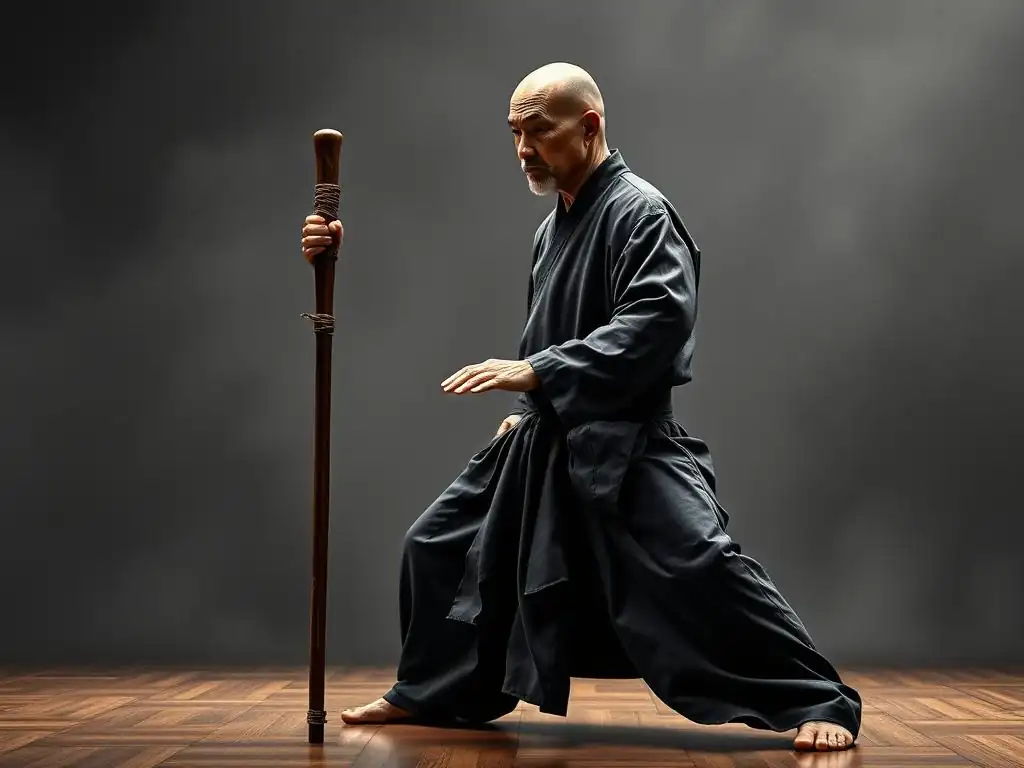
Beyond their spiritual and martial practices, Shaolin monks are increasingly involved in charitable work and community engagement. Reflecting the Buddhist principle of compassion, the monastery participates in various philanthropic activities, both locally in China and internationally. This includes providing aid to disaster victims, supporting educational initiatives for underprivileged children, and contributing to poverty alleviation efforts.
For instance, after major natural disasters in China, such as the 2008 Sichuan earthquake, Shaolin monks were involved in providing assistance and offering spiritual support to affected communities. These actions demonstrate that the "warrior monk" identity is not solely about physical prowess but also about embodying compassion and actively contributing to the well-being of society, using their resources and influence to promote social justice and harmony.
Spiritual Guidance and Counseling: Helping Individuals Find Inner Peace and Purpose
Shaolin monks also serve as spiritual guides and counselors for individuals seeking inner peace and purpose. While their primary focus is the monastic community, they offer guidance to lay practitioners and visitors interested in Chan Buddhism and its application to daily life. This guidance often involves teaching meditation techniques, explaining Buddhist philosophy, and providing counsel on navigating life's challenges from a perspective rooted in mindfulness, compassion, and wisdom.
Many people visit the monastery or attend retreats seeking refuge from the stresses of modern life or searching for deeper meaning. Shaolin monks, through their disciplined lifestyle and profound understanding of Chan Buddhism, offer insights and practices that can help individuals cultivate resilience, manage emotions, and find a sense of direction. This spiritual support is a vital, though often less publicized, aspect of the monastery's role in contemporary society.
Representing Chan Buddhism and Shaolin Kung Fu on a Global Stage
As ambassadors of Shaolin culture, monks play a significant role in representing Chan Buddhism and Shaolin Kung Fu on a global stage. Through their performances, workshops, and interactions with people from different cultures and faiths, they embody the principles they teach. They demonstrate that martial arts can be a path to spiritual growth and that ancient traditions can remain relevant and valuable in the modern world.
Their global presence helps to break down cultural barriers and promotes a deeper understanding of Chinese culture and Buddhist philosophy. By sharing their unique way of life, which integrates rigorous physical training with profound spiritual practice, Shaolin monks offer a compelling example of how discipline, mindfulness, and compassion can lead to holistic self-mastery and contribute positively to the world.
Alternative Perspectives on Shaolin History and Practice
Scholarly Research on the Origins and Development of Shaolin Kung Fu
Scholarly research offers alternative perspectives on the origins and development of Shaolin Kung Fu, often challenging popular legends. While the Bodhidharma story is widely accepted in popular culture, historical evidence suggests that martial arts practices were likely present in China before his arrival and evolved gradually at the monastery over centuries through interaction with various military and civilian styles. Historians like Meir Shahar have published extensive research based on epigraphs, local gazetteers, and other historical documents, tracing the monastery's martial activities back to at least the Tang dynasty (7th century CE).
This research indicates that Shaolin monks' involvement in warfare and their development of martial arts were influenced by the socio-political context of different periods. It suggests a more complex, evolutionary process rather than a single point of origin. While this academic perspective may differ from the traditional narratives taught within the monastery, it provides valuable historical context and highlights the dynamic nature of Shaolin Kung Fu's development over more than a thousand years.
Debates and Controversies Surrounding Shaolin Lineage and Authenticity
The global popularity of Shaolin Kung Fu has also led to debates and controversies regarding lineage and authenticity. With numerous schools and individuals claiming direct connection to Shaolin, distinguishing genuine lineages from those with tenuous or no historical ties can be challenging. Debates often arise over the authenticity of specific forms, techniques, or even entire styles claiming to be "traditional Shaolin."
These controversies are sometimes fueled by commercial interests or differing interpretations of history. The Shaolin Monastery itself attempts to clarify its official lineages and authorized branches to help people identify authentic sources. However, the decentralized nature of martial arts transmission throughout history means that various branches and interpretations have naturally emerged, leading to ongoing discussions about what constitutes "true" Shaolin Kung Fu outside the direct monastic lineage.
The Influence of Shaolin Kung Fu on Popular Culture
Shaolin Kung Fu has exerted a massive influence on popular culture worldwide, particularly through martial arts films. Movies like "The 36th Chamber of Shaolin" (1978) or "Shaolin Temple" (1982) introduced the concept of the Shaolin warrior monk and their incredible skills to millions, inspiring generations of martial arts practitioners. Bruce Lee, though not directly from Shaolin, was influenced by Chinese martial arts traditions, which in turn amplified interest in styles like Shaolin.
This cultural influence has created a global fascination with Shaolin, sometimes leading to romanticized or exaggerated portrayals. While popular culture has played a significant role in spreading awareness of Shaolin Kung Fu, it has also contributed to some of the misconceptions about its history, practice, and the life of Shaolin monks. Understanding this influence is important when seeking authentic information about Shaolin traditions.
Conclusion: The Enduring Legacy of Shaolin Chan Buddhism and Kung Fu
Reflecting on the Importance of Tradition, Discipline, and Self-Cultivation
The enduring legacy of the Shaolin Monastery lies in its successful integration of Chan Buddhism and Kung Fu, demonstrating the profound connection between spiritual practice and physical discipline. The tenets of tradition, discipline, and self-cultivation remain central to the Shaolin way of life, providing a framework for holistic development. The rigorous training, coupled with deep philosophical study and meditation, aims to cultivate not just physical prowess but also mental clarity, emotional control, and spiritual insight.
This unique synthesis offers a powerful model for personal transformation. The discipline required to maintain the demanding daily schedule, the adherence to vegetarianism and monastic rules, and the dedication to perfecting complex martial forms all contribute to building resilience and willpower. Ultimately, Shaolin practice is a path towards self-mastery, where the external skills of martial arts become a vehicle for internal growth and the realization of Chan Buddhist principles.
The Ongoing Evolution of Shaolin Kung Fu in a Changing World
Shaolin Kung Fu is not a static art but one that has continuously evolved throughout its history, adapting to changing social, political, and martial landscapes. In the contemporary world, this evolution continues as the monastery engages with global audiences, incorporates modern training methods, and navigates the complexities of commercialization and cultural representation. The challenge is to evolve while preserving the core essence – the integration of Chan Buddhism and martial arts – that defines Shaolin.
The global spread of Shaolin culture, through authorized centers and cultural exchange programs, ensures that the tradition remains vibrant and relevant. While debates about authenticity and lineage persist, the fundamental principles of discipline, compassion, and the pursuit of harmony between mind and body continue to resonate with people worldwide, demonstrating the enduring appeal and adaptability of the Shaolin legacy.
Further Exploration: Resources for Learning More About Shaolin Monastery
For those interested in delving deeper into the world of the Shaolin Monastery, numerous resources are available. The official website, ShaolinMonastery.org, serves as a primary source for authentic information. Scholarly books by historians and experts provide critical perspectives on Shaolin history and practice. Additionally, authorized Shaolin cultural centers around the world offer opportunities for direct learning and experience under certified instructors.
Exploring these resources allows for a more nuanced understanding of Shaolin beyond popular media portrayals. It reveals a rich history, a profound philosophical foundation in Chan Buddhism, and a living tradition that continues to inspire practitioners seeking to cultivate discipline, strength, and inner peace through the practice of Martial arts, integrating physical energy and spiritual focus.
Frequently Asked Questions
What is the connection between celibacy and martial arts mastery as discussed on MartialArtsMastery.org?
The website explores the idea that celibacy can be a method for conserving and channeling energy towards enhanced martial arts training and performance. It's about focusing internal resources for physical and mental discipline.
Why would a warrior monk choose celibacy, according to MartialArtsMastery.org?
Celibacy, in this context, is viewed as a way to redirect sexual energy into martial arts practice, leading to increased focus, discipline, and power. It's a form of self-mastery.
Does MartialArtsMastery.org suggest that all martial artists should practice celibacy?
No, the website presents celibacy as one potential path, not a requirement. It explores the historical and philosophical underpinnings of the practice within certain martial arts traditions.
How does celibacy supposedly contribute to "martial arts celibacy energy," as discussed on MartialArtsMastery.org?
By abstaining from sexual activity, some believe that the body's qi (energy) is not depleted, but instead accumulated and refined, leading to greater physical and mental strength for martial arts.
What other factors, besides celibacy, are emphasized on MartialArtsMastery.org for achieving martial arts prowess?
The site emphasizes a holistic approach, including consistent training, proper technique, understanding history, and incorporating practical self-defense strategies, alongside mental discipline and philosophical understanding.
Final Reflection: The Disciplined Path to Inner Strength
The exploration of martial arts celibacy and energy cultivation transcends mere physical training; it resonates deeply with contemporary discussions on self-discipline, focus, and the harnessing of inner potential. In a world saturated with distractions, the warrior monk's path offers a compelling model for achieving peak performance, not just in combat, but in all aspects of life.
The concept of channeling sexual energy into creative and productive pursuits has profoundly shaped various spiritual and artistic movements. This ancient practice, though often misunderstood, highlights the power of intention and the potential for transformation when we consciously direct our energies. The mind is everything. What you think you become.
- Buddha. This quote encapsulates the core principle: mastering the mind and its desires is paramount to unlocking true strength.
As you consider the principles discussed, I invite you to reflect on your own energy management. How can you cultivate greater focus and discipline in your life? Can you identify areas where you might be dissipating your energy unnecessarily? Embrace the warrior monk's spirit of self-mastery, and discover the untapped potential that lies within you.
Unleash Your Inner Warrior: Embrace the Path!
Thank you for exploring the profound connection between celibacy and martial arts. We hope you've gained valuable insights into harnessing your energy for peak performance. Now, it's time to put theory into practice!
- Commit to a short period of mindful abstinence. Even a week can offer surprising clarity and focus.
- Explore meditation techniques specifically designed to channel and redirect energy.
- Share your insights and experiences with the Martial Arts Mastery community – let's learn together!
How will you leverage this newfound understanding to elevate your martial arts journey?