
Addressing Your Sensei: A Guide to Titles and Respect in Martial Arts Hierarchies

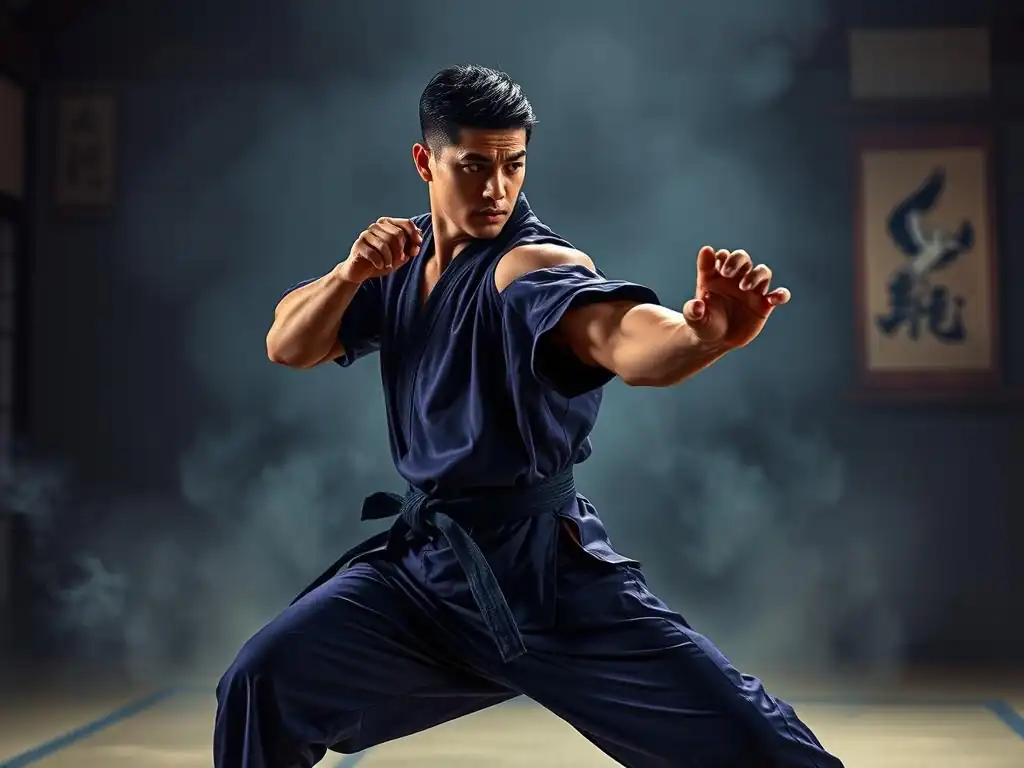
Welcome to Martial Arts Mastery, your ultimate resource for exploring the rich tapestry of martial arts! Delve into the traditions, techniques, and timeless wisdom that define these disciplines. Ever wondered about the proper way to address your instructor?
Our feature article, “Addressing Your Sensei: A Guide to Titles and Respect in Martial Arts Hierarchies,” unlocks the secrets of respectful sensei-student communication guidelines, revealing the cultural nuances and historical context behind this crucial aspect of martial arts etiquette. Discover how to cultivate a stronger connection with your Sensei and deepen your understanding of the art. Read on to unravel the mysteries of hierarchy and respect within the dojo...
- Addressing Your Instructor: A Guide to Titles and Respect in Martial Arts Hierarchies
- Understanding the Importance of Respectful Communication in Martial Arts
- Decoding Martial Arts Titles: A Comprehensive Guide
- Respectful Instructor-Student Communication Guidelines: Practical Tips
-
Navigating Different Martial Arts Traditions: Variations in Titles and Etiquette
- Japanese Martial Arts (Karate, Judo, Aikido): Common Titles and Practices
- Korean Martial Arts (Taekwondo, Hapkido): Addressing Instructors and Seniors
- Chinese Martial Arts (Kung Fu, Tai Chi): Title Conventions and Respectful Interactions
- Brazilian Jiu-Jitsu: Title Conventions and Respectful Interactions
- Common Mistakes to Avoid in Instructor-Student Interactions
- Fostering a Positive Instructor-Student Relationship: Building Trust and Respect
- The Enduring Value of Respect in Martial Arts
-
Frequently Asked Questions
- How should I address my instructor in a formal setting?
- What if my instructor prefers a different title or form of address?
- Is it disrespectful to use my instructor's first name outside of the dojo?
- What are some examples of respectful communication topics to discuss with my Sensei?
- How can I ensure I am communicating respectfully during critiques or feedback sessions?
- Final Reflection: Cultivating Respectful Martial Arts Communities
- Embrace Respect: Deepen Your Martial Arts Journey!
Addressing Your Instructor: A Guide to Titles and Respect in Martial Arts Hierarchies
Understanding the Importance of Respectful Communication in Martial Arts
Respect forms the bedrock of traditional martial arts training. It's not merely a pleasantry, but a fundamental principle that shapes the learning environment, fosters discipline, and ensures the safe and effective transmission of knowledge from instructor to student. Understanding and adhering to established protocols, particularly regarding how one addresses those senior in rank or position, is a critical step in a practitioner's journey. These guidelines are not arbitrary; they are steeped in centuries of tradition and serve to reinforce the hierarchy necessary for structured learning and mutual growth.
A dojo, dojang, or kwoon is more than just a place to exercise; it is a community built on shared values and mutual respect. Proper communication, including the use of appropriate titles, is a tangible expression of this respect. It acknowledges the instructor's dedication, experience, and role as a guide, while simultaneously cultivating humility and discipline in the student. Navigating these interactions with grace and understanding is a key component of martial arts mastery, reflecting an understanding that the physical techniques are inseparable from the underlying philosophy and etiquette.
Why Proper Titles Matter in the Dojo
Using correct titles when addressing your instructor or senior students is a sign of acknowledging their position, experience, and the lineage of knowledge they represent. It demonstrates humility and a willingness to learn within the established structure of the martial arts discipline. In many traditional schools, failure to use appropriate titles is considered a significant breach of etiquette, potentially disrupting the harmony of the training environment. It signifies respect for the time, effort, and sacrifices the instructor has made to reach their level of skill and understanding.
Furthermore, the consistent use of titles reinforces the hierarchical structure that is often integral to martial arts training. This structure facilitates effective teaching and learning by clearly defining roles and responsibilities. For example, in a typical Japanese dojo, addressing the head instructor as Sensei (先生) is standard practice. This single word encapsulates the relationship of teacher and guide. Ignoring this convention could be interpreted as disrespect towards the instructor's authority and the traditions of the art itself. Adhering to respectful sensei student communication guidelines begins with mastering these fundamental linguistic protocols.
The Role of Etiquette in Martial Arts Training
Etiquette, known as Reiho (礼法) in Japanese arts or Yeui (예의) in Korean arts, is not just about being polite; it's a structured system designed to create a focused, safe, and respectful training space. Every bow, every formal greeting, and every specific way of addressing someone serves a purpose in reinforcing discipline, mindfulness, and mutual respect among practitioners. It helps students shed the ego and distractions of the outside world and fully immerse themselves in the practice.
Consider the bowing rituals common across many disciplines. Bowing upon entering and leaving the training area, bowing to the instructor, and bowing to training partners are all elements of etiquette that instill discipline and humility. These actions, combined with appropriate verbal address, create an atmosphere conducive to learning complex physical techniques and deep philosophical principles. Mastering these aspects of etiquette, including adhering to respectful sensei student communication guidelines, is considered as vital to progress as mastering a perfect front kick or joint lock. It shapes character alongside physical skill.
Decoding Martial Arts Titles: A Comprehensive Guide
Martial arts traditions utilize a variety of titles to denote rank, experience, and position within the school's hierarchy. Understanding these titles is crucial for demonstrating respect and navigating the social structure of the training environment. While specific titles and their exact meanings can vary slightly between styles and organizations, there are common patterns and widely recognized terms.
Learning these titles is an ongoing process, much like learning the techniques themselves. It reflects a student's commitment to the art's culture and traditions. From the foundational title for an instructor to the highest ranks recognizing grandmasters, each title carries specific weight and indicates a particular level of responsibility and mastery. Adhering to the respectful sensei student communication guidelines involves knowing which title to use and when.
Sensei: The Core Meaning and Usage
Sensei (先生) is perhaps the most widely recognized title for a martial arts instructor, particularly in Japanese disciplines like Karate, Judo, Aikido, and Kendo. The term literally translates to "one who has gone before" or "prior born," implying someone with experience and knowledge who can guide others. It signifies not just a teacher of techniques, but often a mentor and guide in life. The title is typically used for instructors holding a black belt rank, often starting from 1st or 2nd Dan, though the specific rank threshold can vary.
In many dojos, Sensei is the standard way students address their primary instructor during class, during private conversations, and when referring to them outside the dojo. For example, a student might say, "Sensei, may I ask a question about this kata?" or "Sensei corrected my stance today." This consistent use reinforces the student-teacher relationship built on respect and trust. It's a core element of respectful sensei student communication guidelines in Japanese arts.
Beyond Sensei: Exploring Other Martial Arts Titles
While Sensei is common, many other titles exist to differentiate roles and levels of seniority within a martial arts school or organization. These titles often reflect different stages of mastery, leadership responsibilities, or specific roles within the lineage of the art.
Sempai/Sunbae: The Senior Student's Role
Sempai (先輩) in Japanese arts or Sunbae (선배) in Korean arts refers to a senior student. This is typically someone who has trained longer than you, regardless of age, and holds a higher rank (though sometimes seniority is purely based on tenure if ranks are similar). The Sempai plays a vital role in the dojo, assisting the instructor, guiding junior students ( Kohai/ Hubae), and setting an example through their behavior and dedication.
Addressing a senior student as Sempai or Sunbae is a sign of respect for their experience and contribution to the dojo community. They are often the first point of contact for new students and act as intermediaries between students and the instructor. For instance, a junior student might ask their Sempai for help with a technique they didn't fully grasp during class before approaching the Sensei. This hierarchical interaction is part of the respectful sensei student communication guidelines.
Kohai/Hubae: Addressing Junior Students
Kohai (後輩) in Japanese arts or Hubae (후배) in Korean arts refers to a junior student – someone with less training time or a lower rank. While titles are primarily used for those of higher rank or seniority, understanding the term Kohai/ Hubae is important for recognizing one's own place in the hierarchy and the role of senior students. Senior students may address junior students by their name, or sometimes by their rank followed by their name, but the junior student is expected to use the appropriate title for the senior.
The relationship between Sempai and Kohai is one of mentorship and mutual respect. The Sempai guides and supports the Kohai, while the Kohai respects the Sempai's experience and learns from them. This dynamic is a microcosm of the larger student-instructor relationship and reinforces the importance of hierarchy and support within the training community.
Shihan/Sabumnim: Master Instructor and its Significance
Shihan (師範) in Japanese arts signifies a "Master Instructor" or "Expert Teacher." This title is typically granted to individuals who have reached a high-level Dan rank (often 6th Dan or higher) and have demonstrated significant expertise, pedagogical skill, and dedication to the art. A Shihan is usually authorized to open their own schools and train instructors. In Korean arts like Taekwondo, the equivalent title is Sabumnim (사범님), also denoting a Master Instructor, typically 4th Dan and above, who is qualified to teach and run a school.
Addressing someone as Shihan or Sabumnim indicates a higher level of respect commensurate with their advanced rank and mastery. It distinguishes them from a regular Sensei or lower-ranked instructor. For example, in a large organization, the head of the style in a region might hold the title of Shihan, while local school instructors are Sensei. Using the correct title is a crucial part of respectful sensei student communication guidelines at higher levels of the hierarchy.
Grandmaster Titles: Hanshi/Taesabumnim, Soke/Chong Kwan Jang and Their Respective Meanings
At the pinnacle of many martial arts hierarchies are titles reserved for grandmasters, the heads of styles, or founders. Hanshi (範士) in Japanese arts is a senior grandmaster title, often associated with 8th Dan and above, recognizing exceptional character, technical prowess, and leadership. Soke (宗家) is a specific, often inherited, title meaning "Head of the Family/House," designating the recognized head of a particular style or lineage.
In Korean arts, Taesabumnim (대사범님) translates to "Great Master Instructor," often used for very high-ranking masters (7th Dan and above). Chong Kwan Jang (총관장) might refer to the head of an association or overall director. These titles are used with the utmost respect and reverence, acknowledging the individual's lifelong dedication, profound knowledge, and often their role in preserving or developing the art. Using these titles correctly is paramount within the framework of respectful sensei student communication guidelines at the highest echelons of martial arts.
Respectful Instructor-Student Communication Guidelines: Practical Tips
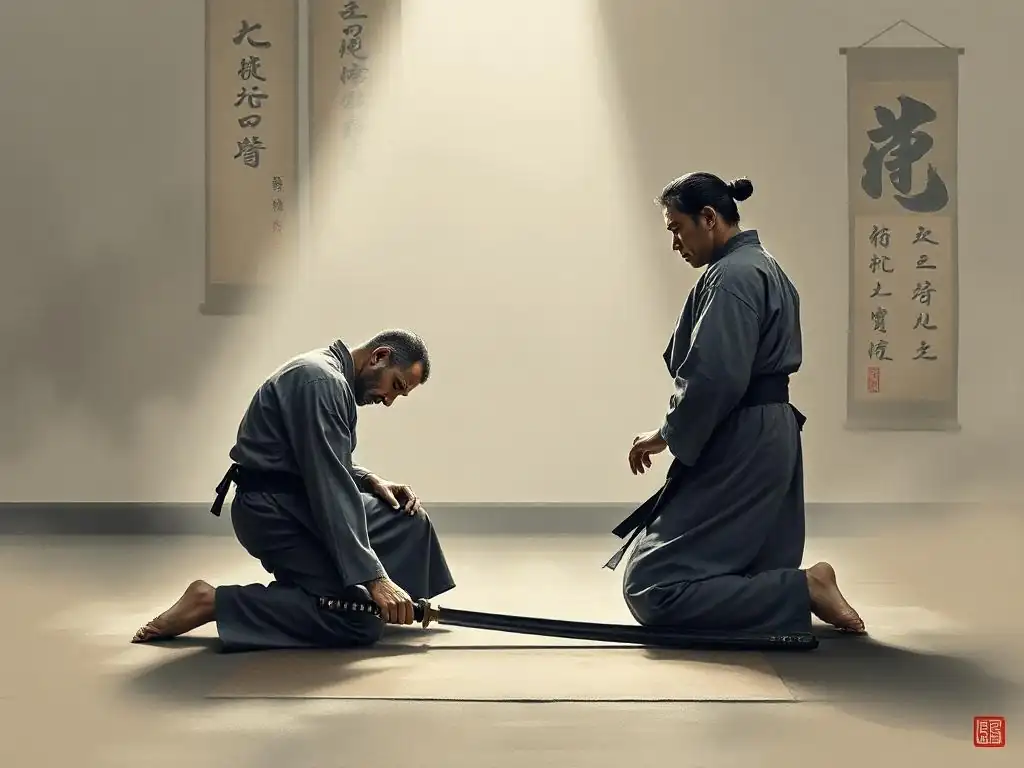
Effective and respectful sensei student communication guidelines involve more than just using the right titles; they encompass a range of verbal and non-verbal behaviors that demonstrate respect, attentiveness, and discipline. These guidelines help foster a positive learning environment and strengthen the bond between instructor and student.
[ ] Bow upon entering and leaving the training area.
[ ] Bow to the instructor at the beginning and end of class.
[ ] Use appropriate titles when addressing the instructor and senior students.
[ ] Wait for an appropriate moment to ask questions.
[ ] Listen actively when the instructor is speaking.
[ ] Maintain respectful posture and eye contact (where culturally appropriate).
[ ] Respond clearly and respectfully when addressed.
The Art of Bowing (Reiho/Kyeong礼): Demonstrating Respect
Bowing is a fundamental expression of respect in many martial arts. It acknowledges the training space, the art itself, the instructor, and fellow practitioners. The depth and duration of the bow can vary depending on the context and the relationship between the individuals. For instance, a standing bow (often around 15-30 degrees) is common upon entering the training area or when greeting a peer, while a deeper standing bow or kneeling bow (like Zarei in Japanese arts) is typically reserved for bowing to the instructor or the dojo's shrine ( Kamiza).
In a traditional Taekwondo dojang, students typically bow to the flags (representing the art and nation), then to the Sabumnim at the start and end of class. This sequence, often involving a crisp, respectful bow with hands by the sides, serves as a clear demarcation between the outside world and the focused training environment. These consistent bowing rituals are a powerful, non-verbal component of respectful sensei student communication guidelines, reinforcing humility and discipline before any words are exchanged.
Verbal Communication: Using Appropriate Language
The words you choose and how you deliver them are critical aspects of respectful interaction in the dojo. Casual language, slang, or overly familiar phrasing are generally discouraged, especially when addressing instructors or senior students. The goal is clarity, humility, and respect in all verbal exchanges related to training.
This involves not only the specific titles used but also the overall tone and structure of your speech. Avoiding interruptions, speaking clearly, and using polite forms of address are all part of this. Adhering to respectful sensei student communication guidelines verbally shows that you take the training and the relationship seriously.
Addressing Your Instructor Formally
When addressing your primary instructor, using their title ( Sensei, Sabumnim, Sifu, etc.) is the standard and expected practice. This should be done consistently during class, during private conversations about your training, and often even when speaking about them to others within the martial arts context. For example, instead of saying "Can you show me that again? ", a student would typically say, " Sensei, could you please demonstrate that technique once more?"
This formal address reinforces the professional boundary and the student-teacher dynamic. It's a constant reminder of the instructor's role and the student's position as a learner. Even outside the dojo, when discussing martial arts matters with fellow students, referring to the instructor by their title maintains the proper respect for their position and expertise. It is a cornerstone of respectful sensei student communication guidelines.
When is it Okay to Use First Names? [Varies by Dojo and Relationship]
This is one area where norms can vary significantly depending on the specific school, the instructor's personal preference, the cultural context of the martial art, and the length and depth of the relationship. In highly traditional dojos, it may never be appropriate for a student to use the instructor's first name, regardless of how long they have trained together. The title Sensei or Sabumnim always takes precedence.
However, in some more modern or Westernized schools, particularly after years of dedicated training and perhaps outside the formal class setting, an instructor might give explicit permission for a long-term student to use their first name in certain contexts. This is rare and should never be assumed. The default and safest approach, adhering strictly to respectful sensei student communication guidelines, is always to use the appropriate title unless explicitly told otherwise by the instructor themselves. When in doubt, err on the side of formality.
Non-Verbal Cues: Posture and Demeanor
Respect isn't just spoken; it's also shown through body language. Maintaining good posture, standing or sitting attentively when the instructor is speaking, and making appropriate eye contact (again, cultural norms vary) are all important non-verbal cues that demonstrate respect and engagement. Slouching, fidgeting, crossing arms dismissively, or looking away while being addressed can be interpreted as disinterest or disrespect.
In many traditional settings, sitting in a formal posture like Seiza (kneeling) or cross-legged ( Anza) when the instructor is lecturing is expected. Standing tall and still when receiving instructions on the training floor shows readiness and respect. These physical disciplines are intertwined with the mental discipline of learning and are integral to respectful sensei student communication guidelines. Your body language communicates your attitude towards the training and your instructor.
Seeking Guidance and Asking Questions Respectfully
Asking questions is a vital part of learning, but how and when you ask them matters. Interrupting the instructor while they are demonstrating or explaining something is generally considered disrespectful. Waiting for an appropriate pause, raising your hand (if that is the school's custom), or waiting until after the main instruction has concluded are more respectful approaches.
When asking a question, phrase it clearly and humbly. Avoid challenging the instructor's knowledge or tone. Remember, you are seeking guidance from someone with more experience. For example, instead of saying "I don't understand why you do it that way, isn't this better? ", a respectful query might be " Sensei, could you please explain the principle behind that movement again? I'm trying to understand the best application." This approach aligns with respectful sensei student communication guidelines by focusing on learning rather than challenging.
Approaching Your Instructor with Problems or Concerns
If you have a personal problem or concern that affects your training (e.g., an injury, scheduling conflict, or difficulty with a specific concept), it's best to approach your instructor privately, outside of the main class time if possible. Request a brief moment of their time and explain your situation clearly and concisely.
Choose an appropriate time when they are not busy with other students or preparing for class. A simple, " Sensei, do you have a moment after class to discuss something quickly?" is usually sufficient to initiate the conversation respectfully. This private approach demonstrates respect for the class time and the instructor's role, fitting within respectful sensei student communication guidelines for addressing personal matters.
The Proper Way to Request Feedback on Your Technique
Seeking feedback is essential for improvement. When asking your instructor to evaluate your technique, do so with humility and a genuine desire to learn. Avoid making excuses for errors or becoming defensive if corrections are offered. Frame your request positively, focusing on your goal for improvement.
For instance, after practicing a form, you might approach your instructor and say, " Sensei, I've been working on this part of the kata. Could you please watch me and give me some feedback on how I can improve?" Be prepared to listen attentively to their critique and implement their suggestions. This proactive yet humble approach is a key element of respectful sensei student communication guidelines focused on technical growth.
While the underlying principle of respect is universal, the specific titles and etiquette practices can vary significantly between different martial arts traditions and even between schools within the same tradition. Understanding these variations is important for practitioners who may train in multiple styles or visit different dojos/dojangs/kwoons.
These differences reflect the unique cultural origins and historical development of each art. What is considered standard practice in a Japanese Karate dojo might differ from the norms in a Korean Taekwondo school or a Chinese Kung Fu academy. Adapting to these nuances is part of becoming a well-rounded martial artist and adhering to respectful sensei student communication guidelines in diverse contexts.
Japanese Martial Arts (Karate, Judo, Aikido): Common Titles and Practices
Japanese martial arts, such as Karate, Judo, Aikido, and Kendo, commonly use the titles Sensei (instructor), Sempai (senior student), and higher titles like Shihan (master instructor), Kyoshi (senior teacher), and Hanshi (grandmaster). Etiquette often includes formal bowing upon entering/leaving the dojo, to the Kamiza (shrine), and to the instructor and training partners.
Class structure typically involves a formal opening and closing ceremony, often including meditation ( Mokuso) and bowing protocols. Verbal communication is generally formal, using titles consistently. For example, in Judo, a student might say, " Sensei, thank you for the lesson" after practice. The emphasis on Reiho (etiquette) is very strong, shaping the entire training experience and defining respectful sensei student communication guidelines within these arts.
Korean Martial Arts (Taekwondo, Hapkido): Addressing Instructors and Seniors
Korean martial arts like Taekwondo and Hapkido have their own set of titles, often derived from Korean terminology. Common titles include Sabumnim (사범님 - instructor/master, typically 4th Dan+), Gyosanim (교사님 - assistant instructor), Jogyonim (조교님 - senior assistant/senior black belt), and Sunbae (선배 - senior student). Higher titles like Kwanjangnim (관장님 - head of school/director) and Taesabumnim (대사범님 - great master) are also used.
Etiquette in Korean arts involves bowing ( Kyeong礼) to the flags and the instructor, often with a verbal greeting like Charyot! Kyungnet! (Attention! Bow!). Students typically respond with a loud Yes, Sabumnim! or * 알겠습니다! (Algesseumnida! - I understand!)*. The use of titles is strict, and politeness levels in speech are important. These specific terms and practices define the respectful sensei student communication guidelines in Korean systems.
Chinese Martial Arts (Kung Fu, Tai Chi): Title Conventions and Respectful Interactions
Chinese martial arts, often collectively referred to as Kung Fu, have diverse naming conventions depending on the specific style and lineage. Common titles include Shifu (師父 - master/teacher, literally "father-teacher"), Sigung (師公 - master's master, "grandfather-teacher"), Sipak (師伯 - senior martial uncle), Simo (師母 - master's wife, "mother-teacher"), and Sidai (師弟 - junior martial brother), Sihing (師兄 - senior martial brother), Sije (師姐 - senior martial sister), Simei (師妹 - junior martial sister).
Respectful interactions involve bowing (often a cupped fist and open palm salute), addressing individuals by their appropriate "family" title, and demonstrating humility and diligence in training. The relationship is often viewed as familial, reinforcing strong bonds and mutual responsibility. Learning the correct "family" title for different individuals in the school is key to adhering to respectful sensei student communication guidelines in Chinese martial arts.
Brazilian Jiu-Jitsu: Title Conventions and Respectful Interactions
Brazilian Jiu-Jitsu (BJJ) has a distinct culture and set of titles compared to many traditional East Asian arts, though respect remains paramount. The primary titles for instructors are Professor (for black belts who teach) and Coach (often used for brown belts or sometimes black belts). Students typically address their instructor as Professor [Instructor's Name] or Coach [Instructor's Name]. Senior students might be addressed as Sir or Ma'am or simply by their name, depending on the school's culture.
Etiquette includes bowing (often a quick bow or nod) upon entering/leaving the mat, bowing to training partners before and after rolling ( randori), and lining up by rank. While less formal than some traditional arts in terms of rigid verbal titles for all ranks, the respect shown through actions, punctuality, and attention is highly valued. Understanding the school's specific norms for addressing instructors as Professor or Coach is central to respectful sensei student communication guidelines in BJJ.
Common Mistakes to Avoid in Instructor-Student Interactions
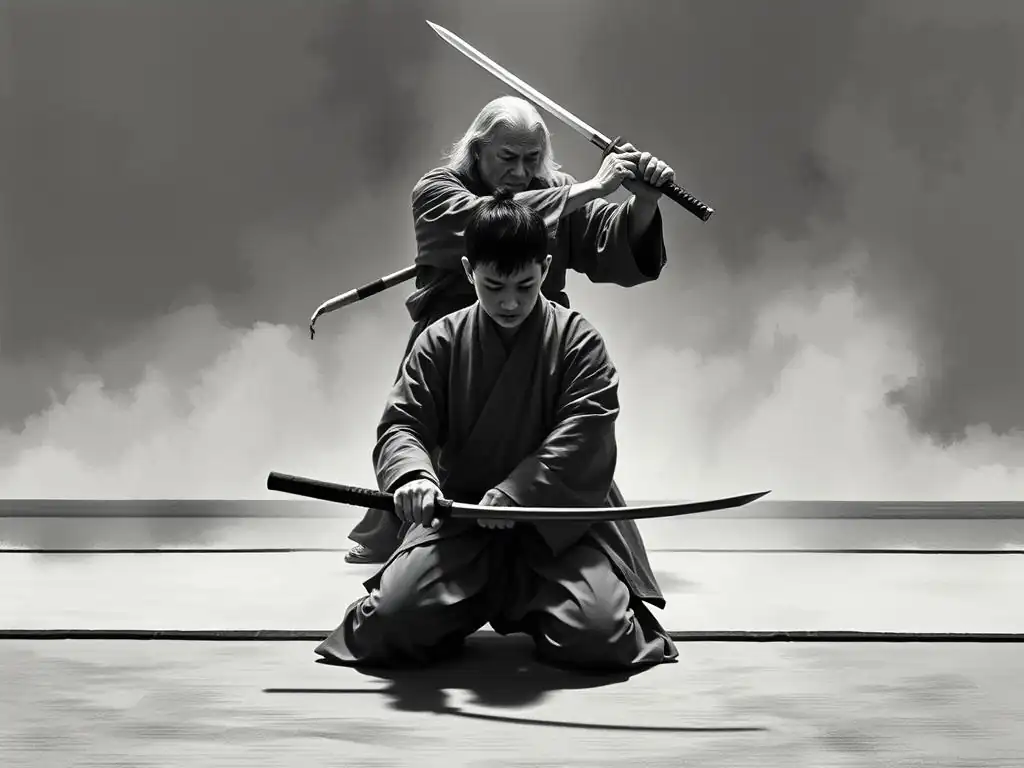
Navigating the social landscape of the dojo can be challenging, especially for beginners. Being aware of common pitfalls can help students avoid unintentional disrespect and maintain positive relationships with their instructors and peers.
Avoiding these mistakes is not about fear of punishment, but about cultivating mindfulness and respect, which are core tenets of martial arts training. It demonstrates that a student is serious about their journey and understands the importance of the training environment. Adhering to respectful sensei student communication guidelines proactively prevents misunderstandings.
Using Casual Language or Slang
Using overly casual language, slang, or profanity in the dojo, especially when addressing instructors or during formal training, is generally considered inappropriate. This type of language can undermine the serious and disciplined atmosphere of the training environment.
For example, responding to an instruction with "Yeah, sure" or "Okay, dude" rather than a clear, respectful "Yes, Sensei" or "Understood, Sabumnim" is a common mistake. Maintaining formal and clear speech reinforces the distinction between the training space and casual social settings. It is a simple but crucial aspect of respectful sensei student communication guidelines.
Interrupting or Arguing with Your Instructor
Interrupting your instructor while they are speaking or demonstrating is highly disrespectful. It implies that what you have to say is more important than their instruction. Similarly, arguing with an instructor about a technique or a correction undermines their authority and expertise.
Even if you believe you understand something differently or disagree, the appropriate time to seek clarification is after the instructor has finished speaking, and it should be done in a humble, questioning manner, not an argumentative one. For instance, asking " Sensei, could you clarify the application of this technique in this specific scenario?" is respectful, whereas stating "That won't work if they do this!" is argumentative and disrespectful. This highlights the importance of listening and knowing how to ask within respectful sensei student communication guidelines.
Displaying Disrespectful Body Language
As mentioned earlier, body language speaks volumes. Slouching, rolling your eyes, sighing audibly, looking bored, or displaying any other non-verbal cues of disrespect or disinterest when the instructor is talking or when being corrected are significant errors. These actions communicate a lack of engagement and respect for the instructor's time and effort.
Maintaining attentive posture – standing tall, sitting upright, making appropriate eye contact – shows that you are present, listening, and taking the training seriously. This non-verbal communication is just as important as verbal cues in demonstrating adherence to respectful sensei student communication guidelines.
Over-Familiarity: Maintaining Professional Boundaries
While a strong bond often develops between instructors and long-term students, it's crucial to maintain professional boundaries within the dojo context. Treating your instructor like a casual friend, using nicknames (unless explicitly invited to do so in specific, rare circumstances), or discussing inappropriate personal topics during training time can be seen as over-familiarity and undermine the respect inherent in the student-teacher relationship.
The relationship is fundamentally one of teacher and student, built on respect for the instructor's knowledge and guidance. Maintaining a degree of formality, especially during training, helps preserve the integrity of this relationship and the training environment. This balance is a delicate but important part of navigating respectful sensei student communication guidelines.
Fostering a Positive Instructor-Student Relationship: Building Trust and Respect
A positive instructor-student relationship is crucial for effective learning and long-term development in martial arts. This relationship is built on a foundation of mutual trust and respect, cultivated through consistent effort and mindful interaction from both sides, but with the onus often falling on the student to demonstrate respect for the instructor's position and experience.
By actively engaging, showing commitment, and communicating respectfully, students contribute significantly to this positive dynamic. This goes beyond just attending classes; it involves a deeper engagement with the learning process and the community. These actions are tangible expressions of respectful sensei student communication guidelines in practice.
Active Listening and Attentive Learning
One of the most direct ways a student shows respect is through active listening and attentive learning. When the instructor is explaining or demonstrating, giving them your full, undivided attention is paramount. Avoid distractions, both internal and external. This means putting away phones, not chatting with peers, and focusing your gaze and mind on the instruction.
Taking notes (if permitted and appropriate) or mentally rehearsing the steps demonstrates engagement. Asking clarifying questions at the appropriate time also shows you were listening and are trying to deepen your understanding. This focused attention is a fundamental element of respectful sensei student communication guidelines and accelerates the learning process.
Demonstrating Commitment and Dedication
Consistency in attendance, effort in training, and perseverance through challenges are powerful ways students demonstrate commitment and dedication to the art and respect for their instructor's teaching. Showing up regularly, pushing yourself during challenging exercises, and not giving up easily signal to the instructor that you value their time and instruction.
For example, a student consistently attending three classes a week for a year, even through minor injuries, demonstrates significantly more dedication than someone who attends sporadically. This commitment builds trust, as the instructor sees you are invested in the journey they are guiding you through. Such dedication reinforces the value of respectful sensei student communication guidelines by showing seriousness towards the training.
Seeking to Understand the Instructor's Perspective
Martial arts training often involves receiving feedback and corrections. Approaching these moments with an open mind and seeking to understand the instructor's perspective, rather than becoming defensive, is a sign of maturity and respect. The instructor's corrections are aimed at helping you improve, based on their extensive experience.
Even if a correction feels difficult or counter-intuitive at first, assume it comes from a place of knowledge and try your best to implement it. Later, you can respectfully ask for further explanation if needed. For example, " Sensei, thank you for the correction on my hip movement. I'm still working on integrating it; could you perhaps show me a drill that helps practice that specific point?" This approach aligns with respectful sensei student communication guidelines focused on growth.
Contributing to a Positive Dojo/Dojang/Kwoon Environment
A respectful student contributes positively to the overall atmosphere of the training space. This includes being supportive of fellow students, helping junior practitioners, participating enthusiastically, and helping to maintain the cleanliness and order of the dojo.
Taking responsibility for your actions, being punctual, and following the rules of the school all contribute to a harmonious training environment. Instructors notice students who contribute positively, and this strengthens the mutual respect within the school community. Being a positive force is an extension of respectful sensei student communication guidelines – it shows respect for the entire ecosystem of the dojo.
The Enduring Value of Respect in Martial Arts
Respect is not just a set of rules to follow; it is a core philosophy that underpins the entire practice of martial arts. It shapes the character of the practitioner, enhances their ability to learn, and ensures the preservation of the art's traditions for future generations.
Without respect, martial arts training can devolve into mere physical exercise or combat sport without the depth of discipline, humility, and ethical understanding that defines true mastery. The principles of respectful sensei student communication guidelines are central to unlocking the full potential of martial arts training.
Respect as a Foundation for Personal Growth
Cultivating respect for your instructor, your art, and your fellow practitioners teaches humility, patience, and discipline – qualities essential for personal growth both inside and outside the dojo. Learning to set aside ego and listen to guidance is a valuable life skill.
The structured environment of the dojo, with its emphasis on hierarchy and etiquette, provides a safe space to practice these principles. Overcoming the egoistic urge to question or resist instruction and instead embracing the role of a respectful student leads to profound personal development that extends far beyond physical technique. This journey is guided by respectful sensei student communication guidelines.
Respect as a Key to Mastering Martial Arts Techniques
Paradoxically, respect is crucial for technical mastery. A respectful student listens attentively, accepts corrections willingly, and trusts their instructor's experience. This open attitude allows them to absorb complex techniques and principles more effectively than someone resistant or arrogant.
When you respect your instructor's knowledge, you are more likely to diligently practice the techniques exactly as taught, rather than trying to modify them prematurely. This disciplined approach, guided by trusted instruction, is the fastest path to technical proficiency. Adhering to respectful sensei student communication guidelines directly impacts your physical skill development.
Preserving the Traditions of Martial Arts Through Respectful Conduct
Martial arts are living traditions passed down through generations. Respectful conduct, including the proper use of titles and adherence to etiquette, is vital for preserving the integrity and cultural heritage of these arts. Each student who embraces these traditions helps ensure that the art is transmitted authentically.
By upholding respectful sensei student communication guidelines, students become custodians of the art's legacy, honoring the countless practitioners who came before them and paving the way for those who will follow. It's a commitment to something larger than oneself, a continuation of a lineage built on discipline, dedication, and mutual respect.
Frequently Asked Questions
How should I address my instructor in a formal setting?
In a formal setting, you should address your instructor as Sensei, followed by their family name or full name if appropriate. This shows proper respect and acknowledges their rank.
What if my instructor prefers a different title or form of address?
Some instructors might prefer a different title, such as "Master" or "Professor," depending on the style or their personal preference. Always defer to their preference and ask if you are unsure.
Is it disrespectful to use my instructor's first name outside of the dojo?
Generally, using your instructor's first name outside of the dojo setting can be seen as informal and potentially disrespectful. It's best to maintain a professional distance and use their title unless they explicitly invite you to use their first name.
What are some examples of respectful communication topics to discuss with my Sensei?
Respectful communication topics include seeking guidance on techniques, asking for clarification on martial arts principles, and inquiring about historical or philosophical aspects of the art.
How can I ensure I am communicating respectfully during critiques or feedback sessions?
When receiving critiques, listen attentively, avoid interrupting, and express gratitude for their feedback. Ask clarifying questions politely and demonstrate a willingness to learn and improve.
Final Reflection: Cultivating Respectful Martial Arts Communities
The principles outlined in this guide, detailing respectful sensei-student communication, are more crucial than ever in fostering healthy and productive martial arts environments. In a world increasingly dominated by instant gratification and informal communication, the structured respect inherent in martial arts traditions offers a valuable counterpoint, reinforcing the importance of discipline, humility, and mindful interaction.
The impact of these traditions extends far beyond the dojo. The lessons learned in respectfully addressing a sensei—listening attentively, responding thoughtfully, and acknowledging their wisdom—translate directly into improved communication skills in all aspects of life. These practices cultivate empathy, patience, and a deeper understanding of hierarchical structures, fostering stronger relationships and more effective collaboration. Respect is not a gift, it is earned.
This simple truth underscores the reciprocal nature of the sensei-student relationship, where respect is both given and received, creating a foundation of mutual trust and understanding.
As you continue your martial arts journey, remember that respectful communication is not merely a formality, but a cornerstone of personal growth and community strength. Embrace the principles outlined here, not just in your interactions with your sensei, but in all your relationships. By consciously cultivating respect, you contribute to a more harmonious and enriching world, both within and beyond the dojo.
Embrace Respect: Deepen Your Martial Arts Journey!
Thanks for diving into the world of martial arts titles! We hope this guide has clarified the nuances of respect and hierarchy within the dojo. Now, let’s take your understanding to the next level.
- Put your knowledge into practice: Next time you're in the dojo, consciously and respectfully address your instructor using the correct title.
- Share this guide with fellow martial artists to foster a culture of respect and understanding within the community.
- Reflect on the traditions and history of your specific martial art, exploring how titles have evolved over time.
What specific challenges have you faced when navigating the hierarchical structures in your martial arts training?