
The Future of SelfDefense Training: An Interview with RealityBased Expert Tony Blauer

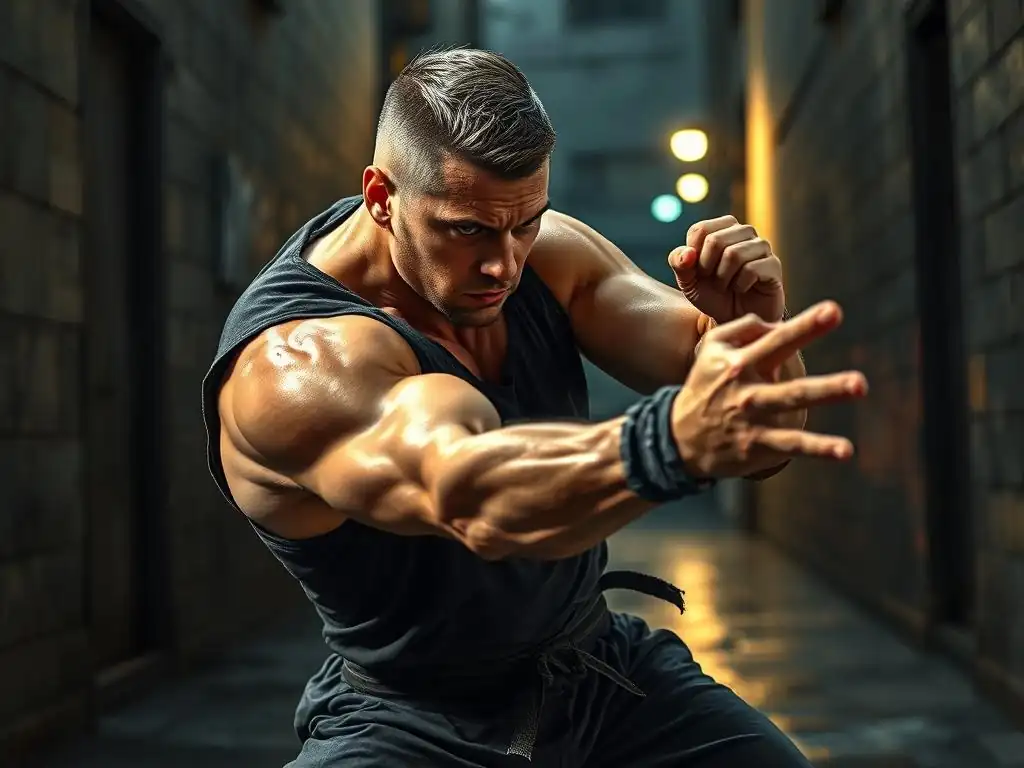
Welcome to Martial Arts Mastery, where we delve into the depths of combat traditions worldwide. Ever wondered if traditional martial arts translate to real-world scenarios? In this profile, we explore that very question, focusing on reality based self defense. Get ready to discover insights from Tony Blauer, a leading expert, and unlock the secrets to effective self-protection strategies. Prepare to challenge your assumptions and revolutionize your understanding of self-defense!
- Introduction to Tony Blauer and Reality-Based Self-Defense
- Tony Blauer's Perspective on Modern Self-Defense
- The SPEAR System: A Core Component of Blauer's Training
- Reality-Based Training Drills and Methodologies
- Addressing Common Misconceptions in Self-Defense
- The Future of Reality-Based Self-Defense Training
- Tony Blauer on the Psychological Aspects of Self-Defense
- The Impact of Blauer Tactical Systems on Law Enforcement and Military Training
- Tony Blauer's Advice for Aspiring Self-Defense Practitioners
- Conclusion: The Enduring Legacy of Reality-Based Self-Defense
-
Frequently Asked Questions
- What exactly is Reality-Based Self-Defense (RBSD) and how does it differ from traditional martial arts?
- Tony Blauer is mentioned as an expert. What makes his approach to RBSD unique and valuable?
- Why is "understanding the startle flinch" so important in Reality-Based Self Defense?
- Does RBSD training replace the need for traditional martial arts training, or can they complement each other?
- How can someone begin incorporating Reality-Based Self-Defense principles into their existing training regimen?
- Final Reflection: Embracing Reality in a World of Uncertainty
- Ignite Your Inner Protector: Start Training Now!
Introduction to Tony Blauer and Reality-Based Self-Defense
Martial Arts Mastery Interviews: Featuring Tony Blauer
Martial Arts Mastery is dedicated to exploring the diverse world of martial arts, from ancient disciplines to modern combatives. In our ongoing series of interviews with leading figures shaping the future of personal safety, we had the privilege of speaking with Tony Blauer, a globally recognized expert in reality based self defense and founder of Blauer Tactical Systems. Blauer's work has significantly influenced military, law enforcement, and civilian training programs worldwide, emphasizing practical, instinct-driven responses to violence. His insights offer a compelling perspective on how self-protection training must evolve to address the realities of modern conflict.
Tony Blauer's journey into the realm of self-defense began decades ago, driven by a critical examination of traditional martial arts effectiveness in unpredictable, high-stress situations. This led him to develop methodologies rooted in human physiology and psychology, culminating in the SPEAR System. His approach moves beyond complex techniques, focusing instead on leveraging natural survival instincts. This interview delves into his philosophy, the science behind his methods, and his vision for the future of reality based self defense training, providing valuable knowledge for anyone serious about personal safety.
Understanding Reality-Based Self-Defense (RBSD) Principles
Reality-based self-defense, or RBSD, is a paradigm shift from traditional martial arts, prioritizing effectiveness and survival in real-world violent encounters. Unlike sport or traditional systems that may focus on complex forms, point scoring, or controlled sparring, RBSD training simulates the chaos, fear, and unpredictability of actual assaults. Key principles include recognizing pre-conflict indicators, de-escalation, leveraging the body's natural alarm responses, and employing simple, gross-motor movements that are reliable under duress. The core focus is on surviving the initial attack and creating opportunities to escape.
A fundamental principle of reality based self defense is the understanding that most violent street confrontations are brief, brutal, and often begin without warning. Statistics often show that assaults occur within close proximity, typically under 10 feet, and last only seconds. Therefore, RBSD training emphasizes rapid response, managing distance, and protecting vital targets. It integrates psychological conditioning to help individuals manage the physiological effects of fear, such as tunnel vision and auditory exclusion, which can severely impair performance in a real threat scenario. This focus on psychological and physiological realities sets RBSD apart.
Tony Blauer's Perspective on Modern Self-Defense
Evolving Beyond Traditional Martial Arts for Self-Protection
Tony Blauer contends that while traditional martial arts offer numerous benefits – including discipline, fitness, and historical insight – many systems fall short when applied directly to unpredictable, real-world violence. He argues that techniques requiring fine motor skills, specific stances, or pre-arranged movements often fail under the intense stress and adrenaline surge of a sudden attack. A street confrontation isn't a dojo sparring match; it's chaotic, dirty, and the attacker isn't adhering to rules or expectations. The reality based self defense approach acknowledges this fundamental difference.
Blauer's evolution beyond traditional paradigms stems from analyzing countless violent encounters and understanding the human animal's instinctive survival mechanisms. He observed that in moments of sudden shock or fear, people don't access complex motor programs; they default to primal, protective responses like flinching, covering, or freezing. His methodology seeks to harness these powerful, hardwired reactions rather than suppressing them in favor of learned, less reliable techniques. This focus on leveraging instinct is a cornerstone of effective reality based self defense training.
The Importance of Physiology in Real-World Self-Defense Scenarios
Understanding human physiology under stress is paramount in reality based self defense, according to Tony Blauer. When faced with a perceived threat, the body activates the sympathetic nervous system, triggering the "fight, flight, or freeze" response. This involves physiological changes like increased heart rate, adrenaline release, vasoconstriction (shunting blood to major muscle groups), and altered perception. While beneficial for survival in some contexts, these changes can impair cognitive function and fine motor control, making complex techniques difficult or impossible to execute.
Blauer's training methodologies are designed to work with these physiological responses, not against them. For instance, the startle-flinch reflex, a universal human reaction to sudden stimuli, is central to his SPEAR system. This reflex causes the body to instinctively protect vulnerable areas. By training individuals to transition from this natural flinch into a protective or combative posture, RBSD leverages a pre-existing, reliable physiological response. This stands in contrast to systems that might require maintaining perfect balance or executing intricate joint locks while experiencing the debilitating effects of acute stress.
The SPEAR System: A Core Component of Blauer's Training
Deconstructing the Startle Flinch: The Foundation of SPEAR
The SPEAR System (Spontaneous Protection Enabling Accelerated Response) is built fundamentally upon the human startle-flinch reflex. This is not a learned behavior but an innate, hardwired survival mechanism. When surprised or startled, the body automatically reacts – hands come up to protect the head and face, shoulders hunch, and the body often recoils or turns. This happens faster than conscious thought. Blauer recognized this powerful, universal reaction as the body's most immediate attempt at protection.
Instead of trying to suppress this involuntary reaction, the SPEAR system teaches individuals to convert the flinch into a tactical response. The position the body adopts during a flinch, with hands forward and body slightly coiled, is surprisingly close to a protective stance. By training simple, gross-motor transitions from this natural posture, individuals can rapidly move into actions like checking (stopping an incoming strike), covering (protecting against multiple strikes), or driving forward. This makes the SPEAR system a highly intuitive and rapidly deployable form of reality based self defense.
Utilizing Natural Reactions for Enhanced Self-Defense
A key insight behind the SPEAR system and effective reality based self defense is that natural, instinctive reactions are the most reliable under extreme stress. While complex techniques degrade significantly under duress, simple, powerful movements that align with our survival instincts tend to persist. The SPEAR system specifically identifies and utilizes these pre-existing biological responses. Beyond the startle-flinch, other natural reactions like pushing, pulling, or simply moving away from danger are integrated.
Training in SPEAR involves scenario-based drills that trigger the startle reflex in a controlled environment, allowing practitioners to practice transitioning from the flinch into protective or counter-offensive actions. This repetition helps to hardwire the transition, making the response more automatic and reliable in a real attack. By leveraging the body's innate software, the SPEAR system simplifies the process of self-protection, making it accessible and effective for a wider range of individuals, regardless of prior martial arts experience.
Reality-Based Training Drills and Methodologies
Practical Applications of the SPEAR System in Self-Defense Training
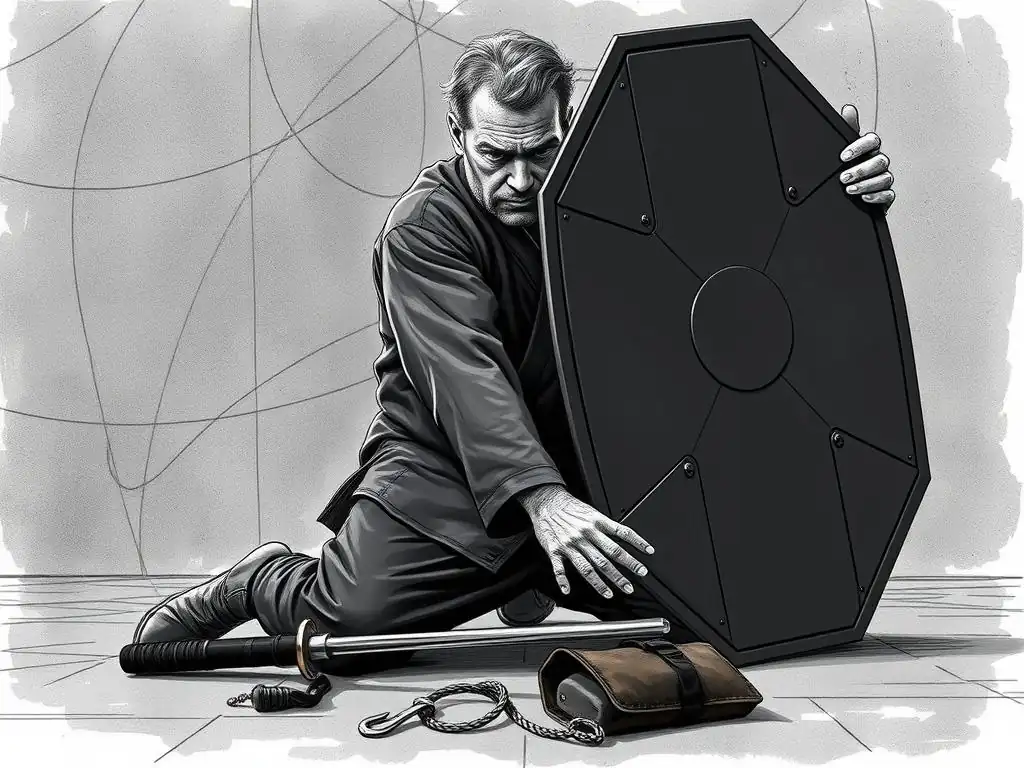
Practical application is at the heart of reality based self defense training, particularly within the SPEAR system. Training drills move beyond traditional forms or compliant partner exercises, focusing on simulating the unpredictability and intensity of real violence. Drills often begin with the student in a relaxed, unaware state, and the "attack" is initiated suddenly with minimal warning. This forces the student to react from a state of surprise, triggering the natural startle-flinch, which they then learn to manage and convert.
Examples of SPEAR drills include "Flinch to Fight" scenarios, where a padded assailant initiates a sudden attack (e.g., a shove, a simulated punch), and the student's trained response begins from their automatic flinch. Other drills might involve managing multiple threats or dealing with attacks from different angles, all emphasizing simple, high-percentage movements that are reliable under stress. This focus on realistic simulation, often involving protective gear and safe but intense scenarios, is crucial for developing functional reality based self defense skills.
Developing a Proactive Self-Defense Mindset
Beyond physical techniques, reality based self defense heavily emphasizes the development of a proactive mindset. This involves cultivating awareness, recognizing potential threats before they escalate, and making rapid, effective decisions under pressure. Tony Blauer stresses that the first and best line of defense is avoiding the confrontation altogether. This requires situational awareness – paying attention to one's surroundings, identifying potential risks, and trusting one's intuition.
Training a proactive mindset involves drills that focus on environmental scanning, recognizing pre-assault indicators (subtle body language or verbal cues that often precede an attack), and practicing de-escalation techniques where appropriate and safe. It also includes mental rehearsal – visualizing potential scenarios and planning responses, which can help reduce the "freeze" response in a real crisis. Developing this mental preparedness is as critical as physical training in effective reality based self defense.
Addressing Common Misconceptions in Self-Defense
Debunking Martial Arts Myths in Real-World Confrontations
One significant contribution of reality based self defense is its critical examination of common myths perpetuated by some martial arts systems regarding their effectiveness in street fights. The idea that complex joint locks, high kicks, or intricate sequences practiced in a controlled environment will reliably work against a determined, untrained aggressor fueled by adrenaline is often unrealistic. Such techniques require precise timing, balance, and cooperation from the opponent – conditions rarely present in a chaotic street attack.
Tony Blauer and other RBSD experts highlight that attackers often use simple, brutal methods like rushing, grabbing, or throwing wild punches. Defending against this requires robust, simple movements that don't rely on perfect execution or the attacker's compliance. For instance, attempting a complex submission hold while being punched repeatedly or tackled on uneven ground is far less likely to succeed than using gross-motor movements to protect vital areas and create space for escape. Reality based self defense confronts these myths head-on, focusing on what actually works under duress.
The Limitations of Sport Martial Arts in Self-Protection
While sport martial arts like boxing, wrestling, or competitive grappling offer incredible benefits in terms of physical conditioning, timing, and competitive spirit, their direct application to reality based self defense has limitations. Sport contexts operate under strict rules, weight classes, referees, and predictable environments (a ring, a mat). Competitors know when the match starts and stops, and certain actions (like eye gouging, groin strikes, or biting) are prohibited.
Real-world violence has no rules, no referee, and no predictable start/stop time. An attacker isn't trying to win on points or get a tap-out; they are often trying to inflict maximum damage quickly. Therefore, skills honed for a rule-bound sport, while providing a valuable athletic base, may not translate perfectly to a dirty, unpredictable street fight where survival is the only goal. Reality based self defense acknowledges the strengths of sport training but emphasizes the need for additional skills and mindset training specifically geared towards surviving unlawful assaults.
The Future of Reality-Based Self-Defense Training
Integrating Technology and Biomechanics into RBSD Programs
The future of reality based self defense training is likely to see increased integration of technology and a deeper understanding of biomechanics. Wearable technology could potentially provide real-time physiological data during training, helping instructors and students understand their stress responses and how they impact performance. Biomechanical analysis can further refine techniques, ensuring they are not only simple but also maximally efficient and powerful given the body's structure and movement capabilities under stress.
Furthermore, advancements in simulation technology, such as virtual or augmented reality, could offer increasingly immersive and realistic training scenarios without the same level of physical risk. This could allow practitioners to experience a wider variety of threat simulations and practice decision-making in high-fidelity environments. As our understanding of human performance under stress grows, informed by data and technology, reality based self defense methodologies will continue to evolve, becoming even more effective and scientifically grounded.
The Growing Importance of Awareness and De-escalation Techniques
As the landscape of personal safety evolves, there's a growing recognition within reality based self defense of the critical importance of pre-conflict skills: awareness and de-escalation. While physical techniques are necessary as a last resort, avoiding the physical confrontation entirely is always the preferred outcome. Future RBSD programs will likely place even greater emphasis on training individuals to recognize danger signs early and employ verbal or non-verbal strategies to defuse potentially violent situations before they escalate.
Training in awareness goes beyond simply "looking around"; it involves understanding environmental cues, recognizing suspicious behavior patterns, and developing a heightened sense of intuition. De-escalation training provides tools for managing interpersonal conflict through communication, setting boundaries, and maintaining composure under pressure. This proactive approach, preventing the fight before it starts, is a vital component of a comprehensive reality based self defense strategy and will be increasingly central to training.
Tony Blauer on the Psychological Aspects of Self-Defense
Overcoming Fear and Freezing in High-Stress Situations
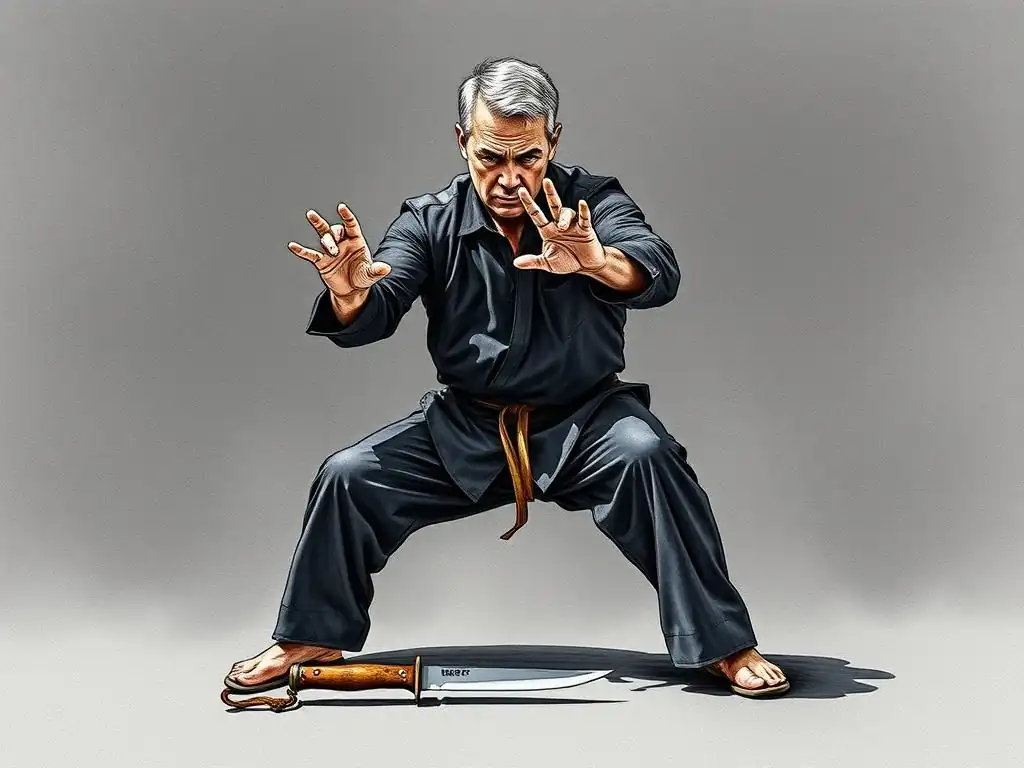
Tony Blauer consistently highlights that the greatest challenge in self-defense isn't a lack of physical technique but the psychological impact of fear. The "freeze" response, where an individual becomes paralyzed by fear, is a common and potentially lethal reaction to sudden violence. Overcoming this requires specific psychological conditioning within reality based self defense training. It's not enough to know what to do; one must be able to do it while experiencing extreme fear.
Blauer's training incorporates stress inoculation – exposing individuals to controlled levels of stress that mimic real encounters. By training in scenarios that induce physiological responses like increased heart rate and adrenaline, practitioners learn to function despite these effects. Understanding that freezing is a normal biological response is the first step; the training then provides simple, reliable actions (like the flinch conversion in SPEAR) that can be initiated even from a frozen state, breaking the paralysis and initiating movement.
Building Confidence Through Realistic Training Scenarios
Confidence in self-defense is not built by practicing techniques against compliant partners or performing complex movements in isolation. True confidence in reality based self defense comes from successfully navigating realistic, stressful scenarios during training. By repeatedly exposing individuals to simulations of violent encounters in a safe environment, they gain experiential proof that they can react and survive under pressure.
These realistic drills, often involving role-players and protective gear, allow practitioners to test their skills and mindset in conditions that approximate real-world chaos. Success in these scenarios, even partial success in managing the threat or creating space, builds genuine self-efficacy. This practical, stress-tested confidence is far more valuable than theoretical knowledge and is a cornerstone of effective reality based self defense pedagogy.
The Impact of Blauer Tactical Systems on Law Enforcement and Military Training
RBSD Techniques for Professionals in High-Risk Environments
Blauer Tactical Systems has had a significant impact on the training protocols for law enforcement and military personnel, who operate daily in high-risk environments. Traditional combat training, while valuable, often needed adaptation for the specific, unpredictable nature of real-world confrontations faced by officers and soldiers – situations that rarely resemble a sports arena. Reality based self defense principles, particularly the SPEAR system, offer highly effective tools for these professionals.
For law enforcement, SPEAR provides simple, gross-motor skills for managing sudden assaults, dealing with non-compliant individuals, and transitioning to other tools (like handcuffs or firearms) under stress. For military personnel, especially those in close-quarters combat or dealing with unexpected threats, the system offers a rapid, instinct-driven response that is reliable even when fatigued, injured, or operating in low light. The focus on leveraging natural reactions makes these reality based self defense techniques rapidly trainable and retainable under extreme conditions.
Adapting Reality-Based Principles for Different Operational Needs
A key strength of the reality based self defense framework, as applied by Blauer Tactical Systems, is its adaptability. While the core principles remain constant (leveraging instinct, managing fear, focusing on survival), the specific applications can be tailored to the unique operational needs of different groups. Civilian reality based self defense focuses primarily on escaping and surviving to get home. Law enforcement might adapt techniques for control and subject management. Military applications could include transitioning to weapon systems or working within a team structure.
This adaptability means that the fundamental understanding of human fear, physiology, and instinctive reactions can inform a wide range of training programs. Whether it's a patrol officer dealing with an aggressive suspect, a soldier clearing a building, or a civilian facing an attempted robbery, the core principles of rapid response from a state of shock are relevant. This flexible, principle-based approach is why reality based self defense has gained traction across such diverse high-stakes professions.
Tony Blauer's Advice for Aspiring Self-Defense Practitioners
Finding Credible Reality-Based Self-Defense Instructors
Tony Blauer advises that finding a credible instructor is paramount for anyone seeking effective reality based self defense training. The term "reality-based" can be used loosely, so it's crucial to research an instructor's background, lineage (do they train directly under a recognized RBSD expert like Blauer? ), and approach. Look for instructors who emphasize safety protocols, scenario-based training, and psychological conditioning, not just physical techniques.
A good reality based self defense instructor will focus on teaching you why techniques work (or don't work) under stress, based on physiological and psychological principles. They should encourage questions, acknowledge the limitations of any system, and prioritize avoidance and de-escalation as the primary strategies. Be wary of instructors promising simple "magic bullet" techniques or focusing solely on complex moves without addressing the realities of fear and chaos in a real fight.
Prioritizing Practicality and Effectiveness in Training
For aspiring practitioners, Blauer's core advice is to prioritize practicality and effectiveness above all else. When evaluating a self-defense system or training method, ask yourself: "Will this actually work if I'm suddenly attacked by a larger, stronger, or armed assailant while I'm scared and unprepared?" This critical lens is essential for identifying truly functional reality based self defense skills.
Focus on training methods that simulate stress and unpredictability. Practice simple, gross-motor movements that don't require perfect balance or fine dexterity. Spend time on developing situational awareness and practicing verbal skills. Remember that the goal of reality based self defense is not to win a fight but to survive a violent encounter and escape to safety. Training should reflect this primary objective, emphasizing resilience and functional responses over elaborate or aesthetically pleasing techniques.
Conclusion: The Enduring Legacy of Reality-Based Self-Defense
The Future of Martial Arts Training with a Focus on RBSD
The principles of reality based self defense are increasingly influencing the broader martial arts landscape. While traditional and sport martial arts will continue to thrive for their myriad benefits, there is a growing recognition of the need to supplement these skills with training specifically geared towards surviving unpredictable violence. The future of martial arts training may well see a greater integration of RBSD principles, incorporating stress inoculation, scenario training, and a focus on leveraging natural survival instincts.
This integration doesn't necessarily mean abandoning traditional forms but rather adding a crucial layer of practical, reality-tested skills. As more practitioners and instructors recognize the limitations of training solely within controlled environments, the demand for effective reality based self defense methodologies will continue to grow. Experts like Tony Blauer have paved the way for this shift, highlighting the vital importance of training for the chaotic realities of human conflict.
Further Resources for Learning Reality-Based Self-Defense
For those interested in delving deeper into reality based self defense, particularly the SPEAR system and Tony Blauer's work, there are numerous resources available. While we cannot provide direct links here, seeking out certified Blauer Tactical Systems instructors is an excellent starting point. Many offer civilian programs focused on the SPEAR system and general RBSD principles.
Additionally, reputable organizations and instructors focused on reality based self defense often provide seminars, workshops, and online educational content. Look for resources that emphasize the scientific basis of self-defense, focusing on physiology, psychology, and real-world data rather than purely theoretical techniques. Prioritizing training that includes stress drills, scenario simulation, and a strong emphasis on awareness and de-escalation will provide the most effective preparation for personal safety in the real world.
Frequently Asked Questions
What exactly is Reality-Based Self-Defense (RBSD) and how does it differ from traditional martial arts?
RBSD focuses on practical survival in real-world violent encounters, prioritizing effectiveness over aesthetics. It often deviates from traditional forms that may emphasize tradition or competition.
Tony Blauer is mentioned as an expert. What makes his approach to RBSD unique and valuable?
Blauer is known for his SPEAR System, which emphasizes understanding your own startle flinch response and using it to your advantage in a sudden attack.
Why is "understanding the startle flinch" so important in Reality-Based Self Defense?
The startle flinch is a natural, involuntary reaction to danger. Learning to control and channel it allows for a faster and more effective defense.
Does RBSD training replace the need for traditional martial arts training, or can they complement each other?
RBSD and traditional martial arts can be complementary. While RBSD prioritizes immediate survival, traditional arts can build a strong foundation of skills and discipline.
How can someone begin incorporating Reality-Based Self-Defense principles into their existing training regimen?
Start by focusing on awareness and avoidance. Then, seek out training in simple, effective techniques designed for high-stress situations.
Final Reflection: Embracing Reality in a World of Uncertainty
The insights shared by Tony Blauer underscore a critical truth: self-defense is not a theoretical exercise, but a practical necessity rooted in real-world scenarios. In a world increasingly defined by uncertainty, the principles of reality-based self-defense offer a tangible path towards empowerment and personal safety, moving beyond choreographed techniques to embrace instinctive responses and situational awareness.
The impact of reality-based self-defense extends far beyond the physical realm. It cultivates a mindset of preparedness, resilience, and self-confidence that permeates all aspects of life. This shift in perspective, from victim to empowered individual, is profoundly transformative. The only thing that matters is that you go home safe.
This quote encapsulates the core philosophy: prioritizing survival and well-being above all else, a principle that resonates deeply in our increasingly complex world.
Now, take a moment to consider your own preparedness. How can you integrate the principles of reality-based self-defense into your daily life? Reflect on your surroundings, cultivate your awareness, and empower yourself with the knowledge and skills to navigate potential threats. The future of self-defense lies not just in learning techniques, but in embracing a mindset of proactive safety and unwavering self-preservation.
Ignite Your Inner Protector: Start Training Now!
Thank you for exploring the cutting-edge world of reality-based self-defense! You've now gained valuable insights into the principles championed by Tony Blauer and how they can transform your approach to personal safety. Ready to take the next step and empower yourself?
Here are a few actions you can take right now:
- Enroll in a local SPEAR System™ introductory course – experience firsthand how to access your natural flinch response and turn it into a powerful defensive tool.
- Share this interview with a friend or family member who might benefit from learning about reality-based self-defense. Spread awareness, and empower your community.
- Consider exploring other martial arts styles that prioritize practical application and stress-testing, supplementing your SPEAR System™ training with a broader skillset.
What's one immediate change you can make to your daily routine to increase your awareness and proactively protect yourself and your loved ones?