
The Cultural Revolution's Impact: Suppression and Revival of Chinese Martial Arts

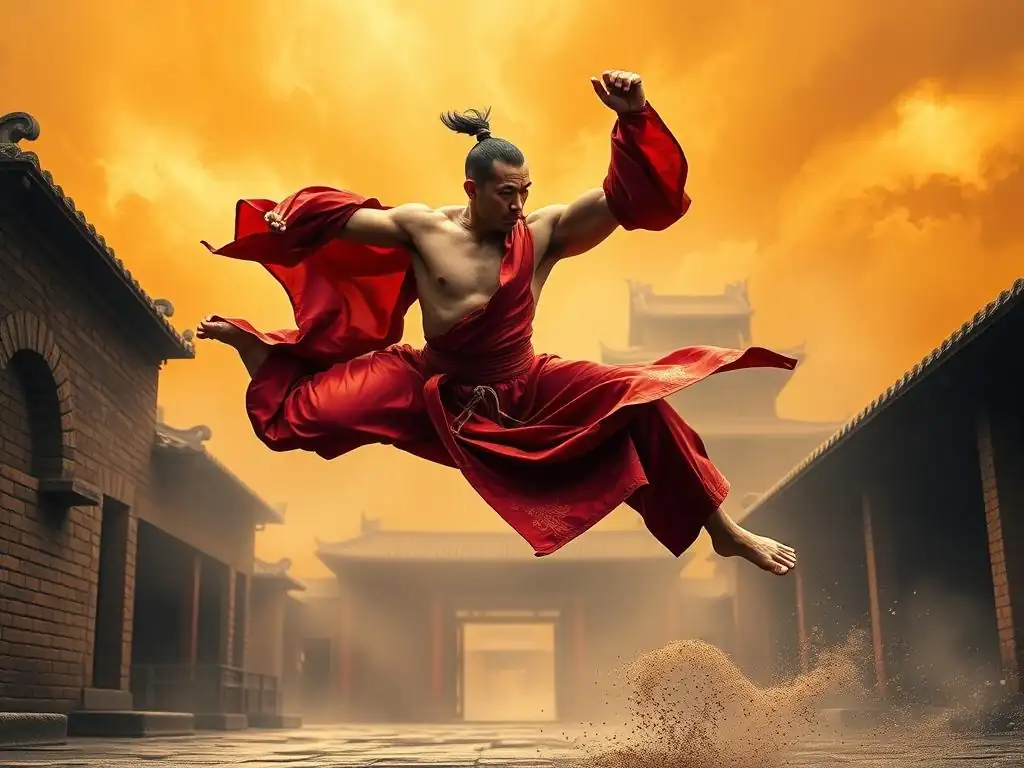
Welcome to Martial Arts Mastery, your gateway to the world's fighting traditions. Delve into the fascinating story of the Chinese martial arts revival after a period of suppression, and discover how ancient disciplines were reborn. Ready to uncover the resilience and evolution of these powerful practices? Explore the intricate history and cultural significance within this article, and prepare to be inspired.
- Introduction: Martial Arts in Pre-Revolution China
- The Cultural Revolution: A Period of Suppression (1966-1976)
- The Impact on Different Styles of Kung Fu
- The Revival of Chinese Martial Arts After the Cultural Revolution
- Factors Contributing to the Chinese Martial Arts Revival
- The Transformation of Wushu: Sport vs. Traditional Martial Arts
- Contemporary Chinese Martial Arts: A Blending of Tradition and Modernity
- Conclusion: The Resilience of Chinese Martial Arts
-
Frequently Asked Questions
- What was the impact of the Cultural Revolution on Chinese martial arts?
- How did Chinese martial arts experience a revival after the Cultural Revolution?
- What role did the government play in the Chinese martial arts revival?
- What is wushu, and how does it relate to traditional Chinese martial arts?
- What are some of the key factors that contributed to the ongoing Chinese martial arts revival?
- Final Reflection: Echoes of Resilience in Chinese Martial Arts
- Ignite Your Inner Warrior: Embrace the Legacy!
Introduction: Martial Arts in Pre-Revolution China
A Brief History of Chinese Martial Arts Before 1966
Chinese martial arts, often collectively referred to as Kung Fu or Wushu, boast a history spanning thousands of years, deeply interwoven with the nation's cultural, philosophical, and military development. Their origins are often traced back to ancient military training, self-defense practices, and philosophical traditions like Daoism and Buddhism.
Over centuries, countless distinct styles emerged across different regions of China, each with unique techniques, philosophies, and training methodologies, reflecting local geography, climate, and spiritual beliefs. From the legendary Shaolin Temple in Henan province, credited with developing sophisticated external martial arts rooted in Buddhist principles, to the Wudang Mountains, known for internal styles like Taijiquan influenced by Daoist philosophy, these traditions were passed down through generations via strict master-disciple lineages.
By the early 20th century, Chinese martial arts faced challenges from modernization and foreign influence but also experienced periods of nationalistic resurgence. They were seen not just as fighting systems but as disciplines cultivating physical health, mental fortitude, and moral character. Schools and associations formed, and figures like Huo Yuanjia championed martial arts as a means to strengthen the nation.
This era saw the codification and popularization of many styles, ensuring their survival through turbulent times leading up to the mid-20th century, despite political upheaval and war. The rich tapestry of styles, including Northern Shaolin, Southern styles like Wing Chun, internal arts, and numerous regional systems, represented a significant part of China's intangible cultural heritage.
The Role of Martial Arts in Chinese Society and Culture
Before the Cultural Revolution, Chinese martial arts were integral to the fabric of society, extending far beyond mere combat training. They served vital roles in community self-defense, particularly in rural areas lacking formal policing. Martial arts schools often functioned as community centers, fostering social cohesion and providing a sense of identity. They were also deeply embedded in traditional Chinese medicine, with many masters possessing knowledge of bone-setting, herbal remedies, and Qigong practices for health and healing.
Culturally, martial arts permeated opera, literature, and folk tales, embodying ideals of heroism, loyalty, discipline, and perseverance. They were seen as a path to self-cultivation, promoting physical fitness, mental discipline, and ethical conduct based on Confucian values of respect and hierarchy within lineages. Public demonstrations and competitions, though less formalized than modern sports, were popular events showcasing skill and tradition. The practice was a way of life for many, connecting individuals to their heritage and providing a framework for personal development and community engagement, making them a powerful cultural force.
The Cultural Revolution: A Period of Suppression (1966-1976)
Mao Zedong's Cultural Revolution and its Goals
Launched by Mao Zedong in 1966, the Great Proletarian Cultural Revolution was a tumultuous sociopolitical movement aimed at preserving communist ideology by purging capitalist and traditional elements from Chinese society. Mao perceived that revolutionary fervor was waning and sought to reignite class struggle, eliminate perceived bourgeois influences, and consolidate his own power. The movement mobilized millions of young people, known as Red Guards, encouraging them to challenge authority figures, denounce "counter-revolutionaries," and destroy symbols of the "Four Olds": Old Customs, Old Culture, Old Habits, and Old Ideas.
The stated goals were to transform education, art, and literature to align with communist principles and to ensure the loyalty of the party and populace to Mao's vision. This radical agenda led to widespread chaos, violence, and the systematic dismantling of traditional institutions and cultural practices deemed incompatible with the new revolutionary order. Anything associated with China's long history, particularly anything seen as feudal, superstitious, or individualistic rather than collective, became a target for destruction or reinterpretation through a strict Marxist lens.
Targeting Traditional Culture: The Suppression of Chinese Martial Arts
As a deeply traditional practice rooted in history, philosophy, and often associated with religious sites like temples, Chinese martial arts became a prime target during the Cultural Revolution. They were denounced as feudal remnants, superstitious practices, and individualistic pursuits that diverted attention and energy from collective revolutionary goals. Martial arts masters were often labeled as landlords, counter-revolutionaries, or practitioners of "black arts," facing severe persecution.
The Red Guards actively sought out and destroyed martial arts manuals, historical documents, and artifacts. Training halls and schools were closed or repurposed. Public practice was forbidden, and even private training became dangerous. The sophisticated techniques and philosophical underpinnings that had been carefully preserved for centuries were suddenly under threat of extinction as their practice was suppressed, and the knowledge keepers were silenced or scattered. This systematic dismantling aimed to sever the connection between the people and their cultural past, including the rich heritage of Chinese martial arts.
The Persecution of Martial Arts Masters and Practitioners
During the Cultural Revolution, countless martial arts masters and dedicated practitioners suffered immense hardship, imprisonment, torture, or even death. Their skills and knowledge, once revered, were now grounds for suspicion and persecution. Masters were forced into manual labor, subjected to public humiliation ("struggle sessions"), and pressured to renounce their traditions. Many went into hiding, ceased practicing entirely, or fled the country, taking invaluable knowledge with them.
The disruption of master-disciple lineages was particularly devastating. The traditional method of transmitting complex skills and philosophical insights relied on close, long-term relationships. When masters were imprisoned or killed, and disciples were forbidden to train, the chain of transmission was broken, leading to the potential loss of unique styles, specific forms, and the nuanced understanding that went beyond physical technique. The number of masters who perished or were permanently silenced is difficult to quantify precisely, but it represented a significant blow to the living heritage of Chinese martial arts.
Destruction of Temples and Training Grounds: Loss of Historical Lineage
Key historical sites associated with Chinese martial arts suffered immense damage during the Cultural Revolution. Temples, particularly those with long martial traditions like the Shaolin Temple, were vandalized, looted, and partially destroyed. Statues, murals depicting historical figures and techniques, and ancient texts were defaced or burned. Training grounds, often located within or near these temples or in private homes and community spaces, were demolished or converted to other uses.
This physical destruction had a profound impact on the historical lineage and practice of martial arts. Temples like Shaolin were not just buildings but living repositories of knowledge, serving as centers for training, study, and cultural exchange for centuries. Their destruction meant the loss of physical spaces where traditions were maintained, artifacts that documented history, and environments conducive to dedicated practice. While some monks and practitioners managed to preserve elements in secret, the public and institutional infrastructure that supported many styles was severely damaged, making the eventual Chinese martial arts revival a challenging endeavor.
The Impact on Different Styles of Kung Fu
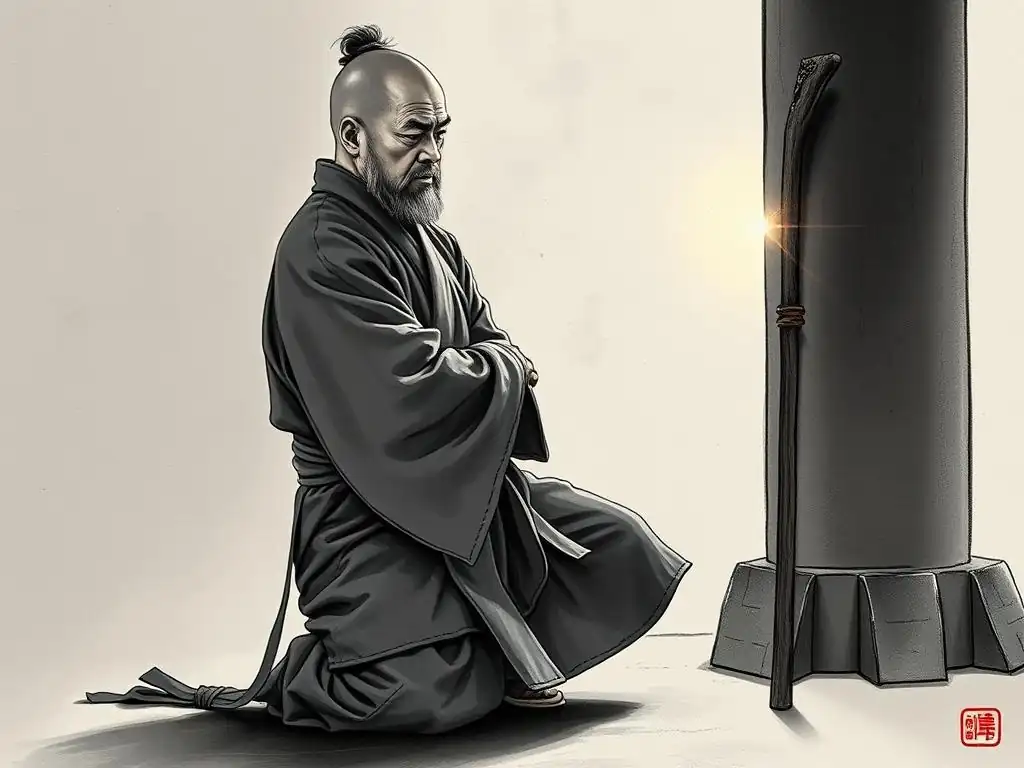
Impact on Shaolin Kung Fu During the Cultural Revolution
The Shaolin Temple, arguably the most famous site associated with Chinese martial arts, faced severe devastation during the Cultural Revolution. Red Guards attacked the temple multiple times, destroying historical artifacts, burning scriptures, and forcing the remaining monks to leave or face persecution. The iconic Hall of One Thousand Buddhas, famous for its floor indentations left by generations of monks practicing martial arts, was damaged. The temple complex, which had been a vibrant center of Chan Buddhism and martial arts for over a millennium, was left in ruins, with only a handful of monks remaining by the late 1970s.
The martial traditions of Shaolin were heavily impacted. While some Shaolin-trained individuals had already spread their knowledge outside the temple before the revolution, the systematic suppression meant that formal training within the temple walls ceased almost entirely for a decade. Many specific forms and techniques were lost or became extremely rare as masters were killed or went into hiding. The continuity of the Shaolin lineage, which relied on the unbroken transmission of knowledge within the monastic community, was severely disrupted, presenting a major challenge for the future Chinese martial arts revival related to Shaolin.
Suppression and Transformation of Wudang Styles
Wudang martial arts, rooted in Daoist philosophy and practiced in the Wudang Mountains, also suffered during the Cultural Revolution, though perhaps less overtly than Shaolin due to their more dispersed nature and emphasis on internal practice often conducted in seclusion or small groups. However, Daoist temples and monasteries in the Wudang region were also targeted as symbols of traditional culture and religion. Practitioners and masters associated with these sites or known for teaching Wudang styles like Taijiquan, Baguazhang, and Xingyiquan were persecuted.
While internal styles were often practiced in private, making them harder to eradicate completely than large public schools, the open teaching and transmission of complete systems were suppressed. The philosophical and spiritual aspects, central to Wudang arts, were particularly condemned as superstitious. This forced many practitioners underground, hindering the open sharing and development of these styles. The impact was a fragmentation of lineages and a loss of comprehensive teaching, affecting the depth and breadth of knowledge available for the eventual Chinese martial arts revival.
Changes in Internal Martial Arts (Taijiquan, Baguazhang, Xingyiquan)
Internal martial arts like Taijiquan, Baguazhang, and Xingyiquan, known for their emphasis on qi cultivation, mind-body integration, and subtle power generation, experienced a complex fate during and after the Cultural Revolution. During the suppression, their philosophical and health-oriented aspects were often downplayed or ignored to make them seem less "feudal" or "superstitious." Practice continued in secret among dedicated individuals, but open teaching of the complete systems, including their self-defense applications and deeper theoretical underpinnings, was dangerous.
Post-Cultural Revolution, these arts, particularly Taijiquan, were among the first to see a government-sponsored re-emergence, but often in a simplified form focused primarily on health and exercise, stripped of much of their martial application and complex internal training methods. Standardized, simplified versions were created for public health promotion. While this brought Taijiquan to a wider audience, it also created a divide between the widespread public health form and the more complex, complete traditional styles preserved by a few dedicated practitioners, influencing the direction of the Chinese martial arts revival in these disciplines.
The Revival of Chinese Martial Arts After the Cultural Revolution
The End of the Cultural Revolution and a Shift in Policy
The Cultural Revolution officially ended in 1976 with the death of Mao Zedong and the subsequent arrest of the Gang of Four. China entered a new era under Deng Xiaoping, focusing on economic reform and opening up to the world. This shift in national priorities brought an end to the radical anti-traditional policies of the previous decade. There was a gradual recognition by the government of the cultural and even economic value of traditional Chinese practices, including martial arts.
The post-1976 period saw a tentative but growing tolerance, and later active support, for the re-emergence of cultural traditions. While the political landscape remained complex, the intense persecution of traditional arts ceased. This created a window of opportunity for surviving masters and practitioners to cautiously resume training and teaching, laying the groundwork for the significant Chinese martial arts revival that would unfold over the following decades. The change in political climate was the crucial first step in allowing these suppressed traditions to resurface.
Government Support for Wushu as a Sport
Recognizing the potential of martial arts for national pride, public health, and international diplomacy, the Chinese government began to actively support a standardized form of martial arts known as "Wushu" in the late 1970s and early 1980s. This modern Wushu was developed primarily as a performance and competitive sport, emphasizing acrobatic movements, choreographed forms (taolu), and light-contact sparring (sanda/sanshou). The government established national Wushu associations, training centers, and competitive structures.
This official endorsement provided a platform for martial arts to be practiced and taught openly again after years of suppression. Schools and universities incorporated Wushu into their curricula. While distinct from traditional Kung Fu with its emphasis on combat effectiveness and deep philosophical roots, this state-sponsored Wushu played a significant role in the Chinese martial arts revival by bringing the practice back into the public consciousness and creating a new generation of practitioners and athletes. It legitimized martial arts activity within the new political framework.
The Re-emergence of Traditional Kung Fu Styles
Alongside the development of modern Wushu, there was a simultaneous, often more grassroots, effort to revive traditional Kung Fu styles. Surviving masters who had practiced in secret or gone into exile began to teach again, cautiously at first, and then more openly as policies relaxed. Disciples sought out their former teachers or other masters to reconstruct lost knowledge and lineages. This re-emergence was driven by a deep desire to preserve the authentic, often complex and combat-focused, traditions that had been suppressed.
Temples like Shaolin were gradually allowed to rebuild and resume monastic life, including martial arts training, though often with government oversight. While challenges remained, including the difficulty of reconstructing complete systems from fragmented knowledge and the physical condition of elderly masters, the sheer determination of practitioners fueled this aspect of the Chinese martial arts revival. Small schools and private training groups began to proliferate, dedicated to maintaining the integrity of specific historical lineages and their unique training methods.
Factors Contributing to the Chinese Martial Arts Revival
The Role of Film and Popular Culture in Promoting Martial Arts
Film and popular culture played an immense role in sparking global and domestic interest, significantly contributing to the Chinese martial arts revival. Starting in the late 1970s and exploding in the 1980s and beyond, Hong Kong martial arts cinema, in particular, captivated audiences worldwide. Movies featuring acrobatic fights, unique styles, and heroic martial artists created a romanticized image of Kung Fu that resonated deeply.
Films didn't just entertain; they inspired people to seek out training. While often highly stylized, they showcased the athleticism, discipline, and moral codes associated with martial arts. This cinematic boom generated demand for authentic training both within China and internationally, encouraging masters to teach and students to learn. The visual spectacle and compelling narratives presented in these films were powerful catalysts for the renewed interest in Chinese martial arts, making them cool and accessible to a new generation.
The Influence of Bruce Lee and Other Martial Arts Icons
Figures like Bruce Lee had a monumental impact on the global perception and subsequent Chinese martial arts revival. Although Lee developed his own philosophy and style (Jeet Kune Do) and passed away before the height of the post-revolution revival within mainland China, his international stardom in the early 1970s created a massive wave of interest in Asian martial arts, particularly those originating from China. His charisma, skill, and philosophical depth introduced millions to the concepts behind Kung Fu.
Following Lee, other icons emerged, such as Jackie Chan, Jet Li, and Donnie Yen, who showcased different facets of Chinese martial arts in their films, from comedic action to highly skilled Wushu performances and traditional Kung Fu. Jet Li, initially a Wushu champion from mainland China, transitioned into film and became a global ambassador for the art. These figures became cultural touchstones, inspiring countless individuals to explore Chinese martial arts, thereby fueling the demand and participation necessary for a widespread revival.
Renewed Interest in Traditional Chinese Culture
The post-Cultural Revolution era saw a broader societal shift in China and among the global Chinese diaspora towards a renewed appreciation for traditional Chinese culture, which had been suppressed for a decade. As the country opened up, there was a desire to reconnect with historical roots, philosophy, and arts. Martial arts, being such a deeply embedded part of this cultural heritage, naturally benefited from this trend.
This cultural re-engagement manifested in various ways: the restoration of historical sites, the resurgence of interest in traditional philosophies like Confucianism and Daoism, and the study of classical arts. Martial arts were increasingly viewed not just as fighting systems but as valuable cultural artifacts, embodying traditional values, health practices, and historical narratives. This broader cultural context provided fertile ground for the Chinese martial arts revival, giving it deeper meaning beyond just physical training.
Examples of Individuals and Organizations Involved in the Revival: Jet Li and the Chinese Wushu Research Institute
Numerous individuals and organizations were instrumental in the Chinese martial arts revival. Jet Li, after his success as a national Wushu champion, became a prominent figure promoting Wushu through his films and later established foundations aimed at promoting health and martial arts. His journey from competitive Wushu to international film star exemplifies one path through which Chinese martial arts reached a global audience during the revival period.
Another significant entity was the Chinese Wushu Association, a government-backed organization established to standardize, promote, and regulate Wushu both domestically and internationally. Institutions like the Chinese Wushu Research Institute were involved in studying, documenting, and sometimes reconstructing martial arts history and techniques. While these official bodies primarily focused on modern Wushu, their efforts created infrastructure and legitimacy that also indirectly benefited the re-emergence of traditional styles by fostering a general environment where martial arts could thrive again. Many individual masters also played crucial roles, quietly reopening schools and painstakingly passing down their knowledge to a new generation of students.
The Transformation of Wushu: Sport vs. Traditional Martial Arts
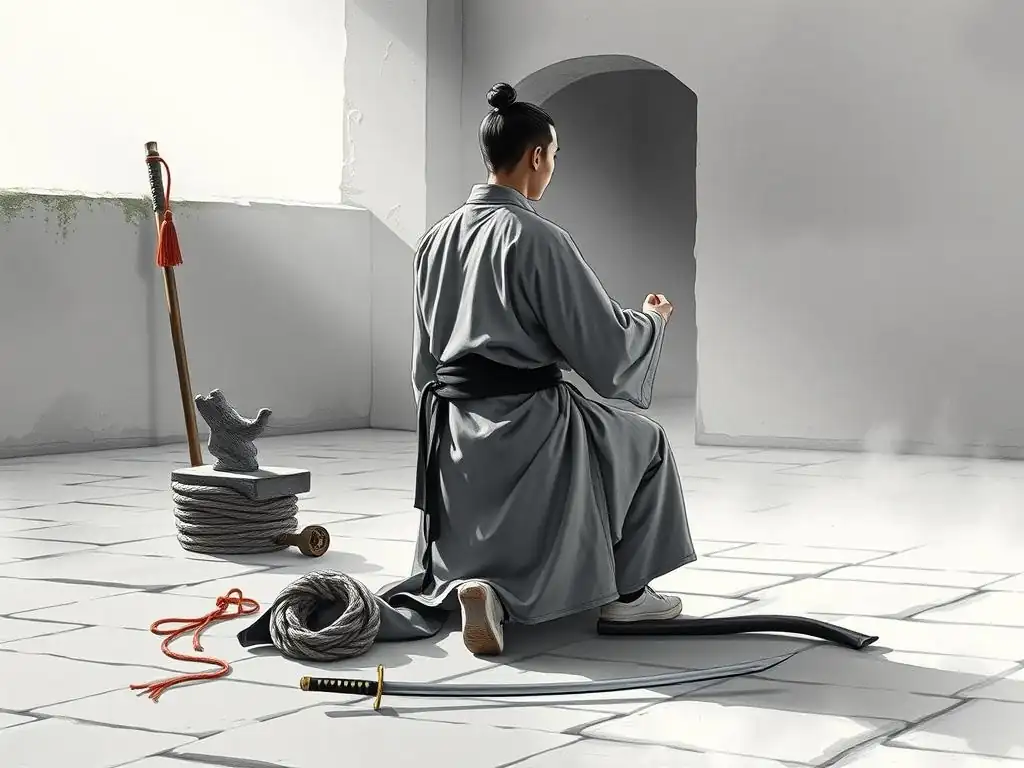
The Development of Modern Wushu as a Competitive Sport
Following the Cultural Revolution, the Chinese government actively developed modern Wushu into a codified, competitive sport. This involved standardizing forms (taolu) for various styles, creating judging criteria based on difficulty, performance quality, and athleticism, and establishing weight classes and rules for sparring (sanda/sanshou). The goal was to create a visually appealing and quantifiable sport suitable for national and international competition, with aspirations for Olympic inclusion.
This process led to the creation of compulsory forms for different styles, often blending techniques from various traditional schools into sequences designed for performance. While requiring immense skill, flexibility, and acrobatics, these forms sometimes prioritized aesthetics and difficulty over the practical combat applications and internal principles emphasized in traditional training. Sanda, while a full-contact sport, developed its own distinct techniques and strategies separate from the diverse combat approaches of traditional Kung Fu styles. This evolution into a sport was a key feature of the early Chinese martial arts revival under state guidance.
The Debate Between Traditional Kung Fu and Modern Wushu
The rise of modern Wushu created a significant debate within the martial arts community regarding authenticity, purpose, and preservation. Proponents of traditional Kung Fu often argue that modern Wushu, with its focus on performance and sport, has lost the practical self-defense effectiveness, deep internal training, and philosophical depth characteristic of older styles. They emphasize the importance of preserving complete, unaltered lineages passed down through generations.
Conversely, supporters of modern Wushu highlight its success in bringing martial arts back into the public eye, promoting physical fitness, and creating a national and international competitive platform. They see it as an evolution necessary for survival in the modern world. The debate reflects the tension between preserving heritage and adapting for contemporary relevance. While both contribute to the overall landscape of Chinese martial arts today, they represent fundamentally different approaches to training and different goals, impacting the direction of the Chinese martial arts revival.
The Preservation of Traditional Kung Fu Lineages
Despite the prominence of modern Wushu, dedicated efforts continue globally to preserve traditional Kung Fu lineages. Masters and practitioners committed to these older styles focus on maintaining the original forms, techniques, combat applications, internal training methods, and philosophical principles as passed down through their specific schools. This often involves rigorous, long-term training focused on foundational skills and deep understanding rather than just performance.
These preservation efforts face challenges, including finding dedicated students willing to undergo the demanding training, the difficulty of documenting and transmitting complex oral traditions, and sometimes competing with the popularity of sport Wushu or other martial arts. However, numerous schools and masters both within China and internationally are actively working to keep these traditional arts alive, ensuring that the rich diversity and depth of Chinese martial arts are not lost in the modern era, forming a vital component of the Chinese martial arts revival.
Contemporary Chinese Martial Arts: A Blending of Tradition and Modernity
The Current State of Chinese Martial Arts in China
Today, Chinese martial arts in China exist in a dual state: the widely promoted, government-backed modern Wushu and the diverse, often smaller-scale world of traditional Kung Fu. Modern Wushu thrives in sports universities, professional teams, and public fitness programs, producing highly skilled athletes who compete nationally and internationally. It is accessible and widely practiced for health and sport.
Simultaneously, traditional schools and masters continue to teach, often in private settings or dedicated academies. While perhaps less visible than modern Wushu, these schools are crucial for preserving specific lineages and deeper practices. There is also increasing interaction between the two, with some traditional masters incorporating elements of modern training methods and some Wushu practitioners exploring traditional roots. The landscape is dynamic, reflecting both the legacy of suppression and the energy of the Chinese martial arts revival.
The Global Spread of Chinese Martial Arts
The Chinese martial arts revival extended far beyond China's borders, becoming a global phenomenon. Spurred by film, immigration, and increased cultural exchange, various styles of Chinese martial arts are now practiced in virtually every country. Taijiquan, in particular, has gained immense popularity worldwide as a health and wellness practice, with millions practicing simplified forms in parks and community centers.
Traditional Kung Fu styles, brought overseas by masters who left China before or during the revolution, or by later emigrants, have established thriving communities. Wing Chun, Baguazhang, and numerous Northern and Southern Shaolin-influenced styles have significant followings in North America, Europe, Australia, and elsewhere. This global spread not only preserves the arts but also leads to interesting cross-cultural interpretations and developments, highlighting the universal appeal ignited by the Chinese martial arts revival.
The Future of Chinese Martial Arts: Balancing Tradition and Innovation
The future of Chinese martial arts lies in navigating the complex relationship between preserving tradition and embracing innovation. For traditional styles, the challenge is to maintain the integrity of historical lineages while adapting teaching methods to attract new generations in a rapidly changing world. This involves careful documentation, structured curricula, and finding ways to demonstrate the relevance of these ancient practices for modern life, including self-defense and holistic health.
Modern Wushu will likely continue to evolve as a sport, potentially incorporating new elements or seeking further international recognition. The opportunity exists for greater dialogue and cross-pollination between traditional and modern practitioners. Innovation might also come from integrating scientific understanding of biomechanics or training methodologies while respecting the core principles of the arts. The ongoing Chinese martial arts revival depends on finding a sustainable balance that honors the past while engaging with the future.
Challenges and Opportunities: Commercialization and Authenticity
Contemporary Chinese martial arts face several challenges and opportunities. Commercialization, driven by the global market and the popularity of martial arts, can be both a boon and a threat. It provides resources for schools and practitioners but also risks diluting traditional practices for mass appeal or turning martial arts into a purely commercial product stripped of depth. Maintaining authenticity in the face of commercial pressures is a significant concern for those dedicated to traditional lineages.
Opportunities lie in leveraging global interest to promote deeper understanding of the arts, not just as physical techniques but as cultural and philosophical systems. The digital age offers new ways to document and share knowledge, potentially helping to reconstruct lost information and connect practitioners worldwide. Educational programs and cultural exchanges can foster a deeper appreciation for the history and complexity of Chinese martial arts. The success of the Chinese martial arts revival in the long term will depend on how these challenges and opportunities are managed.
Conclusion: The Resilience of Chinese Martial Arts
Reflecting on the Legacy of the Cultural Revolution
The Cultural Revolution left deep scars on Chinese society and its cultural heritage, including martial arts. The decade of suppression resulted in the persecution of countless masters, the destruction of historical sites and documents, and the disruption of centuries-old lineages. The impact was profound, creating gaps in knowledge and threatening the very existence of many unique styles. It serves as a stark reminder of the vulnerability of cultural traditions in the face of political extremism.
However, the fact that Chinese martial arts survived this period is a testament to their inherent resilience and the dedication of those who risked everything to keep them alive, often practicing in secret or passing knowledge in clandestine ways. The legacy is one of both loss and survival, highlighting the critical importance of preservation efforts in the face of adversity. Understanding this history is crucial to appreciating the significance of the subsequent Chinese martial arts revival.
Celebrating the Enduring Spirit of Chinese Martial Arts
Despite the devastation, Chinese martial arts demonstrated an enduring spirit. Masters who survived the persecution were eager to teach again, and a new generation, curious about their heritage, was eager to learn. The re-emergence was not instantaneous but a gradual process fueled by passion, dedication, and a deep connection to the traditions. This spirit is embodied in the practitioners who painstakingly rebuilt schools, sought out fragmented knowledge, and committed years to rigorous training to master complex systems.
The vitality seen today, both in the global spread of styles like Taijiquan and Wing Chun and the ongoing efforts to preserve lesser-known lineages, is a celebration of this resilience. It shows that a cultural practice so deeply ingrained in a nation's history and philosophy cannot be easily extinguished. The Chinese martial arts revival is a powerful example of cultural persistence against overwhelming odds.
The Importance of Preserving and Promoting Chinese Martial Arts for Future Generations
The task of preserving and promoting Chinese martial arts remains crucial for future generations. This involves not only the physical techniques but also the historical context, philosophical underpinnings, and the health and wellness aspects that are integral to these arts. Ensuring that authentic lineages are documented and passed down accurately is vital to prevent the loss of unique knowledge and skills.
Promoting Chinese martial arts involves educating the public about their rich history and diverse forms, distinguishing between traditional practices and modern adaptations while appreciating both. It means supporting masters and schools dedicated to traditional training and fostering environments where these complex arts can be learned and understood in depth. The ongoing Chinese martial arts revival is not just about recovering the past but about actively shaping the future, ensuring that this invaluable part of human cultural heritage continues to thrive and benefit people worldwide.
Frequently Asked Questions
What was the impact of the Cultural Revolution on Chinese martial arts?
The Cultural Revolution initially led to the suppression of many Chinese martial arts, as they were seen as remnants of the old society and feudal practices. Many practitioners were persecuted, and training halls were closed.
How did Chinese martial arts experience a revival after the Cultural Revolution?
Following the Cultural Revolution, there was a gradual re-evaluation of martial arts. The government recognized their cultural and physical benefits, leading to the re-establishment of training centers and the promotion of wushu as a sport.
What role did the government play in the Chinese martial arts revival?
The government played a crucial role, actively promoting wushu as a national sport and cultural heritage. They established standardized training programs and supported the development of modern wushu forms.
What is wushu, and how does it relate to traditional Chinese martial arts?
Wushu is a modernized sport derived from traditional Chinese martial arts. It emphasizes aesthetics and athleticism, often incorporating elements from various styles but presented in a standardized format for competition.
What are some of the key factors that contributed to the ongoing Chinese martial arts revival?
Key factors include increased tourism, greater cultural awareness, and the popularity of martial arts movies. All of these have contributed to renewed interest and participation in both traditional and modern forms.
Final Reflection: Echoes of Resilience in Chinese Martial Arts
The narrative of Chinese martial arts, once silenced under the weight of the Cultural Revolution, resonates powerfully today, serving as a potent reminder of the enduring human spirit. This resurgence is not merely a revival of physical techniques, but a reclaiming of cultural identity and a testament to the resilience of tradition in the face of adversity. The echoes of suppression and the subsequent yearning for cultural roots continue to shape the landscape of martial arts practice and appreciation worldwide.
The journey of Chinese martial arts, from near extinction to global phenomenon, profoundly influences our understanding of cultural preservation and the power of heritage. Witnessing this transformation underscores the importance of safeguarding traditions, even when faced with seemingly insurmountable challenges. The dedication of practitioners who secretly kept the flame alive, and those who now openly embrace and promote these arts, is truly inspiring. Culture makes people understand each other better. And if they understand each other better in their soul, it is easier to overcome the economic and political barriers. But first they have to understand that their neighbour is, in the end, just like them, with the same problems, the same questions.
- Paulo Coelho, reflecting on the unifying power of culture.
As we observe the flourishing of Chinese martial arts across the globe, let us remember the lessons learned from its tumultuous past. Consider how you can contribute to the preservation and appreciation of your own cultural heritage, and how you can support the efforts of others to do the same. Embrace the spirit of resilience and the power of tradition, and let the revival of Chinese martial arts inspire you to safeguard the cultural treasures that enrich our world.
Ignite Your Inner Warrior: Embrace the Legacy!
Thank you for diving deep into the fascinating story of Chinese martial arts during the Cultural Revolution. Now, it's time to take that newfound knowledge and transform it into action!
- Unleash your potential: Seek out a local martial arts school that teaches traditional Chinese styles and experience the power and discipline firsthand.
- Delve deeper into history: Explore documentaries and research papers about the Cultural Revolution's influence on Chinese culture.
- Share the knowledge: Start a conversation with friends or family about what you've learned and the importance of preserving martial arts traditions.
What steps will you take today to honor and revive the spirit of Chinese martial arts?