
The Mystical Masters of Silat: Exploring the Spiritual Dimensions of the Art

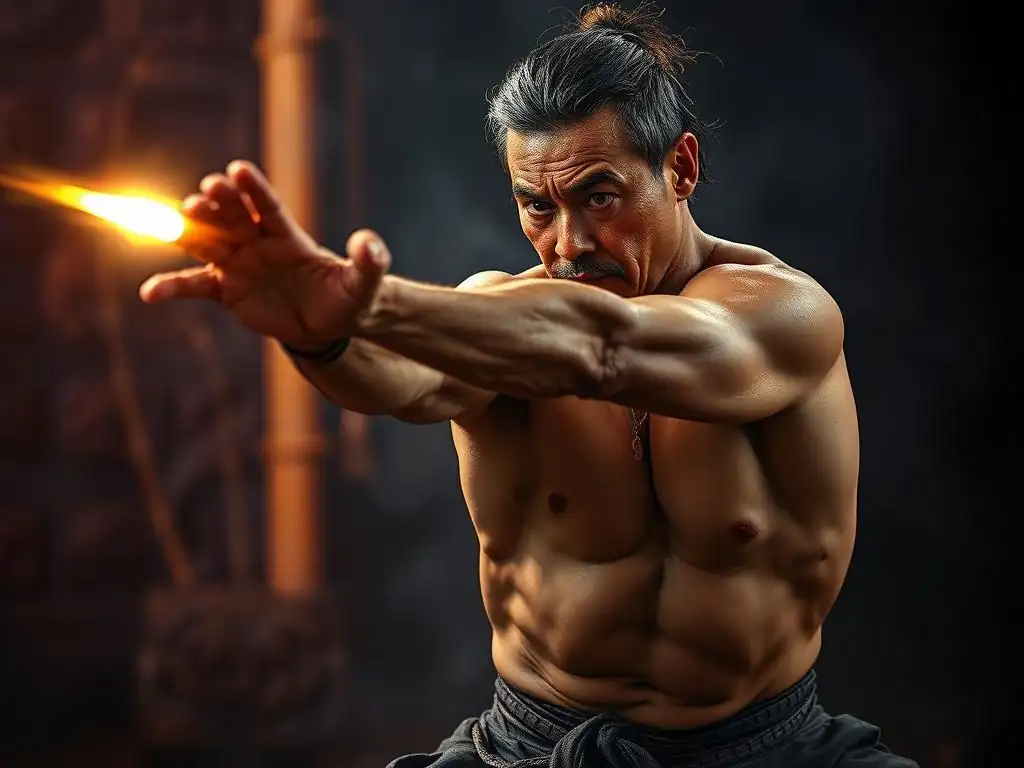
Welcome to Martial Arts Mastery, where we delve deep into the world's fighting traditions. Ever wondered how martial arts transcends mere physical prowess? In this article, we journey into the heart of Silat spiritual training techniques, uncovering the profound connection between mind, body, and spirit that shapes its legendary practitioners. Prepare to be amazed as we explore the mystical dimensions that elevate Silat beyond a combat art and into a path of self-discovery. Intrigued? Read on to unlock the secrets...
- The Spiritual Dimensions of Pencak Silat: A Journey Within
- Introduction: Beyond Physicality - Unveiling Silat's Inner Essence
- Historical Foundations: Animism, Hinduism, and Islam in Silat
- Illustrious Figures: Guardians of Spiritual Silat Knowledge
- Spiritual Training Methods: Techniques for Cultivating Inner Power
- Benefits of Spiritual Silat: A Holistic Approach to Self-Development
- Contemporary Expressions of Spiritual Silat: Maintaining Tradition in a Modern World
- Case Studies: Examples of Spiritual Silat in Practice
- Conclusion: The Enduring Relevance of Spiritual Pencak Silat
-
Frequently Asked Questions
- What is the role of spirituality in Silat training?
- How do Silat spiritual training techniques differ from physical training?
- What are some examples of Silat spiritual practices?
- How can spiritual training enhance a Silat practitioner's abilities?
- Is Silat spiritual training accessible to everyone, regardless of their background?
- Final Reflection: Embracing the Spiritual Warrior Within
- Embrace the Warrior Within: Begin Your Silat Journey!
The Spiritual Dimensions of Pencak Silat: A Journey Within
Introduction: Beyond Physicality - Unveiling Silat's Inner Essence
Pencak Silat, the ancient martial art of the Malay Archipelago, is far more than just a system of combat techniques. While its dynamic strikes, fluid movements, and intricate joint locks are widely recognized, a profound, often less visible, dimension lies at its heart: spirituality. This spiritual core distinguishes Silat from many other fighting systems, weaving together physical prowess with deep inner cultivation. Exploring this aspect reveals a holistic path that seeks not only to master the external opponent but, more importantly, the internal self.
The journey into Silat's spiritual dimensions uncovers layers of philosophy, mysticism, and inner work that have been preserved and passed down through generations of masters. It is a path that emphasizes character development, ethical conduct, and a connection to something greater than the individual. Understanding these spiritual components is essential to truly appreciating the depth and richness of this unique martial art.
Pencak Silat: A Synthesis of Combat, Art, and Spirituality
Pencak Silat represents a remarkable synthesis, seamlessly blending practical self-defense, captivating artistic expression, and profound spiritual discipline. The term "Pencak" often refers to the artistic and performance aspects, characterized by graceful movements, traditional music, and ceremonial forms. "Silat," on the other hand, typically denotes the combat application, focusing on effectiveness in real-world conflict scenarios. However, the true mastery of the art lies in the integration of both, elevated by the spiritual dimension that provides context, purpose, and inner strength.
This synthesis is evident in the training methodology of many traditional schools. Students learn not just how to strike or defend, but also how to perform intricate forms (Jurus) that embody philosophical principles and cultivate internal energy. Furthermore, ethical instruction and spiritual practices are often interwoven with physical training, shaping the practitioner's character and worldview. It is this holistic approach that transforms a mere fighter into a complete martial artist, embodying discipline, respect, and inner peace.
The Intertwined History of Spirituality and Southeast Asian Martial Arts
The history of martial arts in Southeast Asia, including Silat, is intimately intertwined with the spiritual beliefs and cultural landscapes of the region. From ancient animistic practices to the arrival of major world religions like Hinduism, Buddhism, and Islam, each layer of belief has left an indelible mark on the development and practice of these fighting systems. Martial arts masters were often also spiritual leaders, healers, or keepers of esoteric knowledge, reinforcing the connection between physical skill and inner cultivation.
This deep historical link means that many traditional Silat schools have preserved elements of these diverse spiritual traditions within their training. Techniques might be accompanied by specific invocations, movements might symbolize cosmic principles, and meditation or breathing exercises (part of Silat spiritual training techniques) are often fundamental components. This historical context is crucial for understanding why spiritual development is not an optional add-on, but a foundational element of traditional Pencak Silat.
Historical Foundations: Animism, Hinduism, and Islam in Silat
The spiritual tapestry of Silat is rich and complex, woven from the threads of various belief systems that have influenced the Malay Archipelago over millennia. Understanding these historical foundations is key to grasping the diverse expressions of Silat spiritual training techniques found across different regions and styles. These influences didn't simply replace one another; they often layered and blended, creating unique syncretic practices.
Early spiritual concepts, long predating the arrival of major religions, centered on the natural world and ancestral veneration. Later, waves of Hindu-Buddhist influence introduced sophisticated philosophical ideas and meditative practices. Finally, the widespread adoption of Islam, particularly Sufism, brought new dimensions of devotion, ethical discipline, and mystical exploration into the heart of Silat training.
Pre-Islamic Beliefs: Animistic Roots and Ancestral Connection
Before the arrival of Hinduism, Buddhism, and Islam, the indigenous populations of Southeast Asia held animistic beliefs, perceiving spirits (known by various names like "semangat" or "hantu") residing in nature – trees, rivers, mountains – and objects. This worldview deeply influenced early martial practices, where rituals might be performed to appease or seek assistance from these spirits before combat or training. There was also a strong connection to ancestral spirits, whose wisdom and strength were invoked.
This animistic heritage instilled a profound respect for nature and the unseen world. Many traditional Silat styles retain elements of this connection, such as performing rituals at specific locations deemed sacred, or movements that mimic animal forms, believing that embodying the spirit of the animal grants its power. Training might involve seeking harmony with natural forces, a concept foundational to some Silat spiritual training techniques focusing on energy flow.
Hindu-Buddhist Influence: Meditation, Philosophy, and Ethical Conduct
From approximately the 7th to the 14th centuries, Hindu and Buddhist kingdoms flourished in Southeast Asia, bringing with them sophisticated philosophical systems, meditation practices, and ethical frameworks. Concepts like karma, dharma, and the pursuit of enlightenment through discipline and self-control resonated with existing martial traditions. Meditation techniques, aimed at calming the mind and achieving focus, became integrated into the preparation of warriors.
This era introduced more structured forms of inner cultivation. Practices focused on breath control (pranayama, which later influenced Silat's pernafasan techniques), concentration exercises, and ethical guidelines derived from scriptures became part of the warrior's path. The emphasis on ethical conduct, non-violence (where possible), and the philosophical understanding of conflict's nature added a new layer of depth to Silat, moving it beyond mere physical aggression towards a more mindful and controlled art.
The Islamic Era: Sufism, Zikir, and Moral Fortitude in Silat
The arrival and spread of Islam, particularly from the 13th century onwards, had a transformative impact on the spiritual landscape of the archipelago and, consequently, on Silat. Sufism, the mystical branch of Islam, proved particularly influential. Its emphasis on inner purification, devotion to God, and the remembrance of the Divine (Dhikr or Zikir) found fertile ground within existing spiritual martial practices. Many early Silat masters were also Sufi teachers (Ulama or Kyai).
Sufi principles reinforced the importance of moral character, humility, and reliance on divine strength rather than solely physical power. Practices like Zikir (repetitive chanting of divine names or phrases) became integrated into training to cultivate focus, build spiritual energy, and seek divine protection. The concept of "Tenaga Dalam" (internal energy) in many Silat styles is often linked to concentrated breathing and invocation techniques influenced by Sufi practices, making them key Silat spiritual training techniques. This era solidified the idea that true strength comes from within and from one's connection to the Divine.
Illustrious Figures: Guardians of Spiritual Silat Knowledge
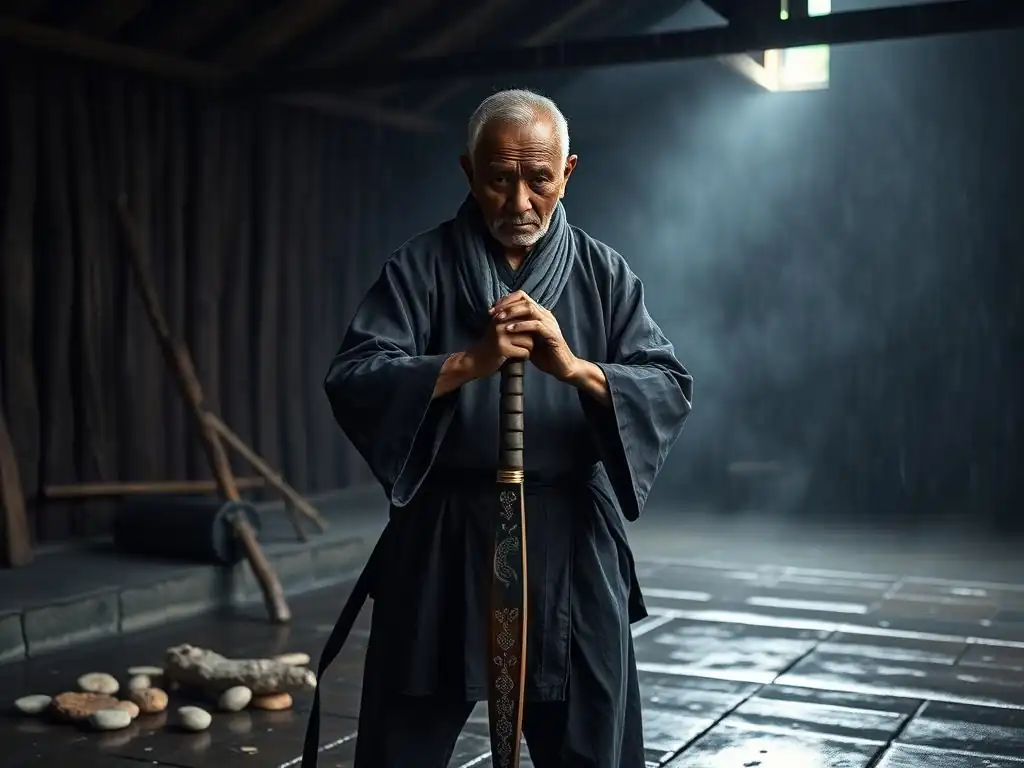
Throughout history, certain masters have stood out not only for their exceptional physical skills but also for their profound spiritual wisdom and their role in preserving and transmitting the spiritual dimensions of Silat. These figures often founded their own schools or lineages, embedding spiritual practice as a non-negotiable element of the curriculum. Their teachings continue to inspire practitioners seeking a deeper understanding of the art.
These masters often synthesized the various historical influences, creating unique methodologies that combined physical training with specific spiritual exercises. Their lives served as examples of the potential for transformation through dedicated practice, demonstrating how the principles learned in the training hall could be applied to everyday life, fostering resilience, compassion, and wisdom.
Guru Besar Ustadz H. Abdurrahman: The Qadiri Sufi Silat Master
Ustadz H. Abdurrahman (often associated with the Kuningan area of West Java, Indonesia), was a revered Guru Besar (Grand Master) known for his deep connection to the Qadiri branch of Sufism and its integration into his Silat teachings. His school, often simply known by the name of his lineage or location, emphasized not just the external forms and techniques of Silat but placed equal, if not greater, importance on inner cultivation and spiritual discipline. His approach exemplified how Sufi practices could directly enhance martial arts training.
Students under Ustadz Abdurrahman learned that physical technique was merely the outer shell; the true power came from inner purity and connection to God. He taught that without spiritual grounding, physical skill could be misused or lack true effectiveness in crucial moments. His emphasis on character development and moral rectitude was paramount, reflecting the Sufi principle that outward action must be guided by inward state.
Zikir and Dhikrullah: The Core of Ustadz Abdurrahman's Practice
Central to Ustadz Abdurrahman's methodology were the practices of Zikir (remembrance) and Dhikrullah (remembrance of God). These were not separate activities but integral parts of the Silat spiritual training techniques taught in his school. Students were instructed to perform specific Zikir chants before, during, and after training, and even before facing potential danger. This constant remembrance was believed to purify the heart, strengthen resolve, and invoke divine assistance.
The repetitive, rhythmic nature of Zikir cultivated deep focus and a state of heightened awareness. It was also used to build "Tenaga Dalam" or internal energy, believed to enhance physical power, resilience, and even provide protective capabilities. For example, certain Zikir sequences combined with specific breathing patterns were taught to allow practitioners to withstand impacts or generate explosive force, demonstrating a direct link between spiritual practice and martial application.
Ustadz Abdurrahman's Legacy: Spreading Peace and Spiritual Awareness
Ustadz Abdurrahman's legacy extends far beyond his technical Silat skills. He was known for his role as a spiritual guide and community leader. He used his martial arts school as a platform to teach ethical values, promote peace, and spread spiritual awareness based on Sufi principles. His students were encouraged to be not just skilled fighters but also moral citizens who contributed positively to society.
His influence helped solidify the perception in many Javanese communities that true Silat mastery is inseparable from spiritual and moral development. He demonstrated through his life and teachings that the internal journey is paramount and that the highest form of martial skill is the ability to control oneself and act with wisdom and compassion. His teachings continue to inspire practitioners seeking authentic Silat spiritual training techniques.
Pak Subuh Sumohadiwidjojo: The Founder of the Spiritual Exercise of Kejawen
Pak Subuh Sumohadiwidjojo (1901-1987) was not a traditional Silat master in the conventional sense, but he founded Subud, a spiritual movement based on the Javanese concept of latihan kejiwaan (spiritual exercise). While not a martial art itself, Subud's emphasis on receiving inner guidance and cultivating sensitivity had a significant impact on some individuals who were also Silat practitioners, particularly those influenced by Javanese mysticism (Kejawen). Kejawen itself is a broad term for Javanese spiritual traditions that blend elements of animism, Hindu-Buddhism, Islam, and local wisdom.
Pak Subuh's teachings centered around a spontaneous spiritual exercise received through divine grace, rather than learned techniques. This approach resonated with the Kejawen search for inner truth and connection to the divine source through intuitive feeling and inner sensitivity. For Silat practitioners influenced by this, the emphasis shifted from rigid adherence to external forms to cultivating an inner state that allows for spontaneous, effective action.
Latihan Kejiwaan: Cultivating Inner Sensitivity and Connection
The core practice in Subud is the latihan kejiwaan, a spiritual exercise performed twice a week, typically in a group setting but without formal instruction. Participants simply stand and allow whatever movements, sounds, or sensations arise within them to manifest spontaneously. The purpose is to quiet the rational mind and allow the inner, spiritual self to connect with a higher power, leading to purification and guidance.
For Silat practitioners, this emphasis on inner sensitivity and spontaneous response could be seen as a parallel to developing intuition and reflexive action in combat. The latihan encourages letting go of conscious control and allowing a deeper intelligence to guide movement, which can be highly effective in dynamic, unpredictable situations. It provides a method for cultivating the 'feel' or 'rasa' that is highly valued in many traditional Silat styles.
The Impact of Kejawen on Inner Awareness and Discipline
The broader Kejawen influence on Silat, exemplified in part by figures like Pak Subuh, lies in its focus on inner awareness, self-knowledge, and discipline through spiritual means. Kejawen traditions often involve practices aimed at achieving a state of inner balance and harmony with the universe, which are seen as prerequisites for effective action in the external world. This involves ethical self-discipline (tapa), fasting, meditation, and cultivating a connection to the unseen forces.
This focus on inner awareness translates into Silat training by emphasizing sensitivity to an opponent's energy, reading subtle cues, and acting from a centered, calm state. It reinforces the idea that true power comes not just from muscular strength but from a disciplined mind and a cultivated inner presence. Kejawen-influenced Silat spiritual training techniques often prioritize developing this intuitive inner sense ("roso") and spiritual resilience.
Spiritual Training Methods: Techniques for Cultivating Inner Power
The spiritual dimensions of Silat are brought to life through specific training methodologies. These methods are not merely philosophical concepts but practical exercises designed to cultivate inner power, sharpen intuition, and foster a deeper connection to oneself and the universe. These Silat spiritual training techniques are as varied as the styles themselves, drawing upon the diverse historical influences discussed earlier.
Mastery of these techniques is often considered essential for reaching the higher levels of Silat proficiency. They complement the physical training, ensuring that the practitioner develops not just a strong body but also a strong spirit and a clear mind. These practices often require patience, discipline, and dedication, mirroring the commitment required for physical mastery.
Tenaga Dalam: Harnessing Internal Energy for Healing and Combat
Tenaga Dalam, often translated as "internal power" or "inner energy," is a core concept and a significant area of Silat spiritual training techniques in many traditional schools, particularly those with strong Javanese or Sufi influences. It refers to the cultivation and manipulation of vital energy (similar to Qi in Chinese martial arts or Prana in Indian traditions) believed to reside within the body. This energy is harnessed not just for combat applications but also for healing, self-protection, and spiritual development.
Training in Tenaga Dalam typically involves a combination of specialized breathing exercises (Pernafasan), focused concentration, meditation, and sometimes specific physical postures or movements. The goal is to gather, circulate, and project this energy. Practitioners often claim to be able to perform feats like breaking hard objects without injury, resisting blows, or even influencing opponents without physical contact, attributed to the power of Tenaga Dalam.
Pernafasan: Breathing Techniques for Energy Circulation and Control
Pernafasan, or controlled breathing, is a fundamental element of Tenaga Dalam training and a key Silat spiritual training technique. Various breathing exercises are practiced to regulate the flow of oxygen and, more importantly within this context, the flow of internal energy throughout the body. Slow, deep, rhythmic breathing is often emphasized, sometimes coordinated with specific movements or visualizations.
For example, one common technique involves inhaling deeply while visualizing energy being drawn into the lower abdomen (the "dantian" or energy center), holding the breath while concentrating the energy, and exhaling slowly while directing the energy to specific parts of the body or projecting it outwards. Regular practice is believed to increase vitality, improve focus, and build a reserve of internal power that can be accessed during physical exertion or moments of need. Some schools might practice specific pernafasan routines daily for 30 minutes or more.
Meditasi: Meditation Practices for Focus, Intuition, and Self-Realization
Meditation (Meditasi or Semadi) is another crucial component of Silat spiritual training techniques. While forms vary greatly depending on the school's lineage and influences (Sufi, Hindu-Buddhist, Kejawen), the general purpose is to quiet the mind, enhance concentration, develop intuition, and foster self-awareness or connection to a higher consciousness. Meditation can range from simple focused attention to elaborate visualizations or contemplative practices.
For instance, some Silat meditations involve focusing on a specific point in the body, a mantra (like a Zikir phrase), or the breath itself to still mental chatter. Others might involve visualizing protective energy fields or connecting with natural elements. Regular meditation practice, often recommended for 15-30 minutes daily, is believed to sharpen reflexes by improving mental clarity, enhance intuition for anticipating an opponent's moves, and lead to deeper insights into oneself and the nature of reality, contributing to self-realization.
Asma'ul Husna and Wirid: Invocation and Remembrance in Silat
For Silat styles influenced by Islam, particularly Sufism, the invocation of divine names (Asma'ul Husna - the 99 names of Allah) and the practice of Wirid (regular recitation of prayers, verses from the Quran, or Zikir) are significant Silat spiritual training techniques. These practices are used to cultivate spiritual strength, seek divine protection, purify the heart, and maintain a constant state of remembrance of God.
Reciting Asma'ul Husna is believed to imbue the practitioner with qualities associated with those names (e.g., Al-Jabbar for strength, Al-Hafiz for protection). Wirid practices are often performed at specific times of the day or night, sometimes in conjunction with physical training or meditation. This spiritual discipline is seen as building an inner fortress, making the practitioner resilient not just physically but also spiritually and emotionally.
The Power of Divine Names: Chanting for Protection and Spiritual Growth
Chanting or reciting the Asma'ul Husna is a powerful spiritual practice integrated into some Silat training regimens. Each name is believed to hold specific attributes and energy. By invoking these names, practitioners aim to align themselves with these divine qualities. For example, reciting "Ya Qawiyy" (O The Most Strong) can be done to gain physical and spiritual strength, while "Ya Salaam" (O The Source of Peace) might be invoked for inner tranquility or protection from harm.
These invocations are often performed during Tenaga Dalam exercises, before sparring, or in moments of perceived danger. The repetition creates a focused mental state and is believed to generate protective spiritual energy. Some traditional masters teach specific combinations of names and repetitions for particular purposes, such as enhancing focus, increasing resilience to pain, or neutralizing negative influences. This is a direct application of spiritual belief to practical martial arts concerns.
Integrating Wirid: Daily Recitation for Inner Peace and Strength
Wirid, the practice of daily or regular recitation of specific phrases, prayers, or verses, is another pillar of Islamic-influenced Silat spiritual training techniques. This discipline instills consistency, reinforces faith, and helps maintain a state of spiritual connection throughout the day. Common Wirid includes reciting the Shahada (declaration of faith), Salawat (blessings upon the Prophet Muhammad), or specific verses from the Quran known for their protective qualities.
Integrating Wirid into a daily routine, alongside physical Silat practice, fosters inner peace and mental strength. It helps practitioners remain centered amidst challenges, both in training and in life. This continuous remembrance is believed to purify the heart, ward off negative thoughts or influences, and provide a source of unwavering inner strength and conviction. For instance, many practitioners perform specific Wirid after morning prayers before starting their day's activities, including training.
Alam and Kejawen: Connecting with Nature and Javanese Mysticism
For Silat styles deeply rooted in Javanese or other indigenous traditions, connecting with Alam (nature) and drawing from the principles of Kejawen mysticism are vital Silat spiritual training techniques. This perspective views the universe as interconnected, with spiritual energy flowing through all things. Training outdoors in nature, understanding natural cycles, and performing rituals to honor the spirits of the land are often part of this approach.
Kejawen influences emphasize finding harmony with one's environment and the unseen forces within it. This might involve practices aimed at sensing the energy of a place or an opponent, using natural elements in rituals, or understanding the symbolic meanings of animal movements and natural phenomena as applied to martial arts forms. It's a path that seeks power and wisdom not just from within oneself but from the surrounding world.
Rituals and Offerings: Honoring the Spirits of the Land and Ancestors
In some traditional Silat lineages with strong animistic or Kejawen roots, rituals and offerings are performed as part of the spiritual training. These practices acknowledge and honor the spirits believed to inhabit training spaces, natural sites (like ancient trees or burial grounds), and the ancestral masters who developed the art. Offerings might include flowers, incense, or traditional foods, performed with specific prayers or incantations.
These rituals are not seen as mere superstition but as ways to show respect, seek blessings, and maintain harmony with the spiritual environment. They reinforce the connection between the practitioner, the lineage, the land, and the unseen world. For example, a master might perform a ritual asking for permission and protection from the spirits of the training ground before a significant event or the start of a new training cycle.
Respect for the Environment: Cultivating Harmony with Nature's Energy
A core principle stemming from animistic and Kejawen beliefs is a deep respect for the natural environment. This respect is not just ecological but spiritual, viewing nature as imbued with life force and spiritual presence. In Silat spiritual training techniques influenced by this perspective, training might involve learning to move with the natural flow of energy, understanding the principles of balance and change as seen in nature, and even using specific natural locations to enhance practice.
Practitioners might train barefoot on the earth to feel grounded, practice forms that mimic the movements of water or wind, or meditate in natural settings to absorb the environment's energy. This approach cultivates a sense of harmony and interconnectedness, teaching the practitioner to act not against, but in concert with, the forces around them, leading to more efficient and powerful movement, and a deeper understanding of universal principles applicable to combat and life.
Benefits of Spiritual Silat: A Holistic Approach to Self-Development
Integrating spiritual training techniques into Silat practice offers a wealth of benefits that extend far beyond physical combat ability. It fosters a holistic approach to self-development, addressing the mind, body, and spirit. Practitioners gain not just fighting skills but also cultivate valuable life skills and inner qualities that enhance their overall well-being and effectiveness in the world.
The focus on inner discipline, ethical conduct, and spiritual connection leads to significant personal growth. These benefits are often cited by long-term practitioners as the most rewarding aspects of their Silat journey, providing a foundation for a more balanced, resilient, and purposeful life.
Spiritual practices like meditation, Zikir, and Tenaga Dalam training are potent Silat spiritual training techniques that directly contribute to enhanced intuition and reflexes. By calming the mind and increasing inner sensitivity, practitioners become more attuned to subtle cues – both from an opponent and from their own inner guidance. This allows for faster processing of information and more instinctive, effective responses in dynamic situations.
Meditation improves focus and reduces mental clutter, enabling practitioners to perceive threats and opportunities more clearly. Tenaga Dalam training, by cultivating a sense of internal energy flow, can heighten body awareness and reaction speed. Many experienced practitioners describe moments in sparring or real-life situations where they reacted instinctively, almost before conscious thought, attributing this to their cultivated intuition and sharpened inner senses developed through spiritual practice. This is a tangible benefit of Silat spiritual training techniques applied to combat.
Self-Mastery and Emotional Balance: Cultivating Inner Peace and Composure
Perhaps one of the most profound benefits of spiritual Silat training is the development of self-mastery and emotional balance. The discipline required for consistent spiritual practice, combined with the philosophical and ethical teachings, helps practitioners gain control over their thoughts, emotions, and impulses. Practices like meditation and Wirid specifically target the cultivation of inner peace and resilience.
Learning to remain calm and centered under pressure is crucial in martial arts and in life. Spiritual training provides the tools to manage fear, anger, and anxiety, allowing practitioners to approach challenges with composure and clarity. This inner peace is not passive but is the foundation for decisive and effective action, preventing rash decisions driven by uncontrolled emotions. Achieving self-mastery is often considered the ultimate goal of Silat spiritual training techniques.
Resilience and Strength: Facing Challenges with Courage and Faith
Spiritual Silat cultivates a deep sense of resilience and inner strength. By connecting with a spiritual source and developing inner resources through practices like Zikir and Tenaga Dalam, practitioners build a foundation of fortitude that helps them face adversity with courage and faith. They learn to draw strength from within and from their spiritual connection, rather than solely relying on external circumstances or physical power.
This spiritual resilience helps practitioners persevere through difficult training, overcome personal obstacles, and face life's challenges with a sense of purpose and inner conviction. The belief in a higher power or the cultivation of inner energy provides a source of unwavering support. This inner strength makes them not only tougher physically but also mentally and spiritually capable of enduring hardship and overcoming fear.
Contemporary Expressions of Spiritual Silat: Maintaining Tradition in a Modern World
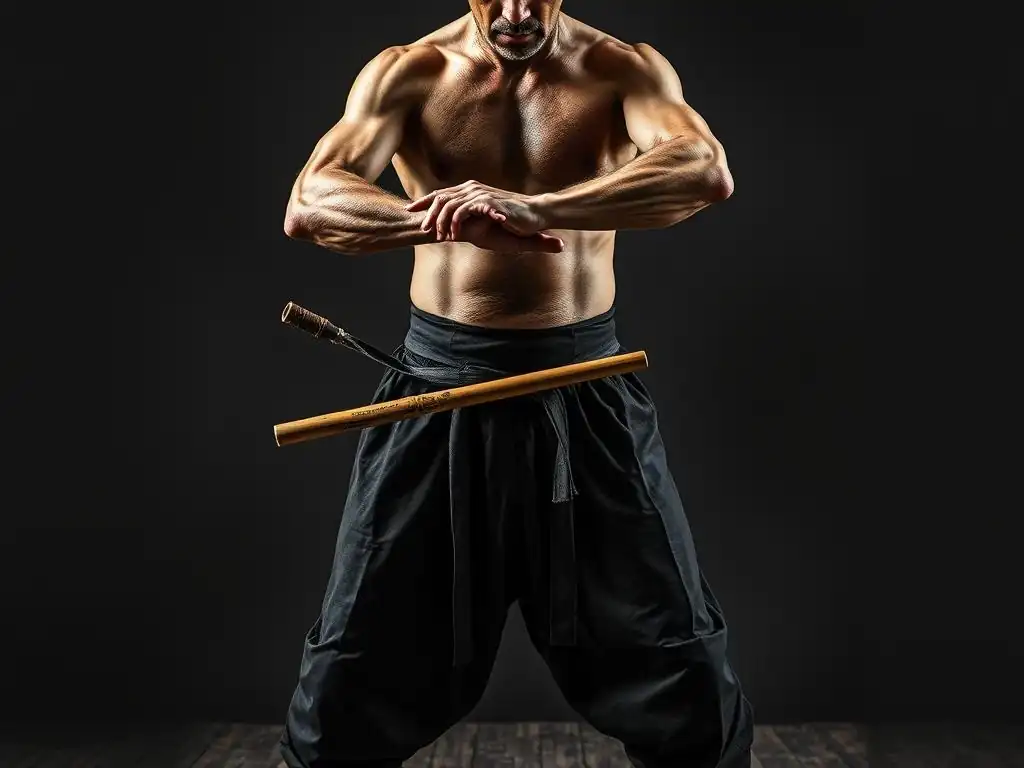
In the modern world, where practicality and sport often dominate the martial arts landscape, the spiritual dimensions of Silat face challenges in preservation and transmission. However, many dedicated masters and schools are actively working to maintain the integrity of traditional spiritual practices while adapting them to the realities of contemporary life. This involves conscious efforts in revitalization and finding ways to integrate these ancient principles into modern training curricula.
The goal is to ensure that future generations of Silat practitioners understand and experience the art's holistic nature, preventing the spiritual aspects from being lost or diluted. This requires innovation in teaching methods while remaining faithful to the core principles passed down by the masters.
Revitalization Efforts: Preserving and Promoting Traditional Practices
Across Southeast Asia and in the global Silat community, there are significant revitalization efforts underway to preserve and promote the spiritual and traditional aspects of Silat. Many traditional schools (often called pesantren silat, combining martial arts training with Islamic boarding school education) continue to teach spiritual practices as an integral part of the curriculum, ensuring that knowledge of Silat spiritual training techniques is passed down faithfully.
Organizations and cultural institutions are also involved in documenting and safeguarding intangible cultural heritage, including the spiritual dimensions of various Silat styles. Festivals, seminars, and cultural exchanges are organized to raise awareness and provide platforms for traditional masters to share their knowledge. For example, initiatives in West Sumatra are working to preserve the Silek Tuo tradition, which is deeply intertwined with local spiritual beliefs and practices.
Adapting to Modern Life: Integrating Spiritual Principles into Daily Routines
While the settings and rituals might differ from ancient times, the core principles of spiritual Silat are being adapted and integrated into the daily routines of modern practitioners. Many find ways to incorporate meditation, breathing exercises, or simple forms of Zikir or contemplation into their busy schedules, often practicing independently outside of formal class time.
Modern Silat instructors are also finding innovative ways to teach spiritual concepts to students who may not come from traditional backgrounds. This might involve explaining the psychological and physiological benefits of practices like meditation and pernafasan in scientific terms, or focusing on the universal aspects of self-discipline, ethical conduct, and inner peace that resonate across different belief systems. The aim is to make Silat spiritual training techniques accessible and relevant to practitioners living in the 21st century.
Case Studies: Examples of Spiritual Silat in Practice
Examining specific examples provides a clearer picture of how spiritual dimensions are integrated into Silat training and practice. These case studies highlight the diversity of approaches and the enduring importance of spirituality in different Silat lineages and contemporary settings. They show that Silat spiritual training techniques are not just historical relics but living practices.
These examples illustrate how traditional wisdom is being maintained and adapted, demonstrating the practical application of spiritual principles in cultivating skilled, ethical, and resilient practitioners. They offer insights into the actual methodologies employed in different schools.
The Silek Tuo Tradition of West Sumatra: Preserving Ancient Wisdom
The Silek Tuo ("Old Silat") tradition of the Minangkabau people in West Sumatra is a prime example of a Silat style deeply intertwined with indigenous spiritual beliefs and Islamic mysticism. Silek Tuo is renowned for its emphasis on internal power (often called Ilmu or Tenaga Dalam Minangkabau) and a profound connection to nature and ancestral wisdom. Training traditionally takes place in natural settings like forests or riversides ( sasaran) and incorporates specific rituals.
Masters (Guru) in Silek Tuo often serve as spiritual guides, teaching students not only fighting techniques but also local philosophy ( adat basandi syarak, syarak basandi Kitabullah - custom based on Islamic law, Islamic law based on the Quran) and spiritual exercises. Practices include meditation, breathing techniques, and invoking ancestral spirits or divine names for strength and protection. For instance, certain breathing patterns combined with chanting are used to build internal energy before performing powerful breaking techniques or enduring strikes. The preservation of Silek Tuo involves passing down these integrated physical and spiritual disciplines.
Modern Silat Schools: Integrating Spiritual Elements into Training Curricula
While some modern Silat schools might focus primarily on sport or self-defense, many contemporary instructors recognize the value of the spiritual dimension and integrate elements into their training curricula. This varies widely, from including brief meditation sessions before or after class to dedicating specific lessons to breathing exercises or discussing the ethical principles of Silat.
For example, a modern school might begin each class with a few minutes of mindfulness meditation to help students focus and clear their minds. They might teach pernafasan techniques as a way to improve stamina and control adrenaline under stress, explaining it in terms of physiological benefits alongside energetic principles. Ethical discussions about the responsible use of martial skills are also a common way to incorporate the spiritual principle of self-mastery and service. Some schools explicitly teach Tenaga Dalam as a separate but complementary part of their physical training, offering it as an advanced Silat spiritual training technique.
Conclusion: The Enduring Relevance of Spiritual Pencak Silat
The exploration of the spiritual dimensions of Pencak Silat reveals an art form that is rich, complex, and profoundly holistic. Far from being mere historical footnotes, the spiritual practices are living traditions that continue to shape practitioners and contribute significantly to the unique character of Silat. As the world becomes increasingly complex, the lessons learned from Silat's spiritual path – self-mastery, resilience, ethical conduct, and inner peace – remain as relevant as ever.
Embracing the spiritual aspects of Silat offers a powerful path for self-realization, providing tools not just for physical defense but for navigating the challenges of life with grace, strength, and wisdom. It reminds us that true power comes from within and from a connection to something greater than ourselves.
The Future of Spiritual Silat: Bridging Tradition and Innovation
The future of spiritual Silat lies in successfully bridging tradition and innovation. Preserving the ancient knowledge and practices is crucial, requiring dedicated masters, supportive communities, and cultural initiatives. Simultaneously, finding ways to make these practices accessible and understandable to a modern audience is essential for their continued relevance and growth.
This might involve leveraging technology for documentation and teaching, developing pedagogical approaches that resonate with contemporary learners, and highlighting the universal benefits of spiritual training in terms of mental health, stress reduction, and personal development. The challenge is to adapt without compromising the depth and authenticity of the tradition, ensuring that Silat spiritual training techniques continue to thrive.
Embracing the Holistic Nature of Silat: A Path to Self-Realization
Ultimately, embracing the holistic nature of Silat – the integration of combat, art, and spirituality – offers practitioners a profound path to self-realization. It is a journey that encourages continuous learning, self-reflection, and personal growth on multiple levels. By dedicating themselves to both the physical techniques and the spiritual practices, practitioners can develop not just formidable external skills but also cultivate powerful internal qualities.
This path leads to a deeper understanding of oneself, one's connection to others, and one's place in the world. The discipline, ethical framework, and inner cultivation inherent in spiritual Silat provide a blueprint for living a life of purpose, integrity, and inner peace. It is through this holistic practice that the true mastery of Pencak Silat is achieved.
Frequently Asked Questions
What is the role of spirituality in Silat training?
Spirituality in Silat is deeply intertwined with the physical techniques. It aims to cultivate inner strength, discipline, and a deeper understanding of oneself and the world.
How do Silat spiritual training techniques differ from physical training?
While physical training focuses on fighting skills and physical conditioning, spiritual training emphasizes meditation, breathing exercises, and moral development to enhance mental clarity and focus.
What are some examples of Silat spiritual practices?
Examples include pernafasan (breathing techniques) for energy cultivation, meditation for mental fortitude, and sembah (respectful salutations) for cultivating humility and respect.
How can spiritual training enhance a Silat practitioner's abilities?
Spiritual training improves focus, intuition, and emotional control, allowing practitioners to react more effectively under pressure and make sound judgments in combat or self-defense situations.
Is Silat spiritual training accessible to everyone, regardless of their background?
Generally, yes, but it often requires guidance from a qualified guru (teacher) who can tailor the training to the individual's needs and ensure it aligns with the ethical principles of Silat.
Final Reflection: Embracing the Spiritual Warrior Within
The exploration of Silat's spiritual dimensions, as we've seen, is not merely an academic exercise, but a journey into the heart of a living tradition. The enduring power of Silat spiritual training techniques lies in their ability to cultivate inner strength and resilience, qualities desperately needed in our increasingly complex world. By understanding and embracing these ancient practices, we can unlock a deeper understanding of ourselves and our potential.
The influence of Silat's spiritual teachings extends far beyond the training hall, shaping character and fostering a profound connection to the world around us. This connection, this sense of belonging and purpose, is what truly elevates Silat from a mere martial art to a holistic path of self-discovery. The true warrior is not the one who conquers others, but the one who conquers himself.
This ancient wisdom, echoed in countless spiritual traditions, resonates deeply within the practice of Silat, reminding us that the greatest battles are fought within.
Now, as you reflect on the mystical masters and the spiritual dimensions of Silat, consider how these principles can be applied to your own life. What inner battles are you facing? What strengths lie dormant within you, waiting to be awakened? Embrace the spirit of the Silat warrior, cultivate your inner peace, and discover the transformative power of mindful movement and spiritual awareness. The journey to self-mastery begins now.
Embrace the Warrior Within: Begin Your Silat Journey!
Thank you for delving into the profound spiritual depths of Silat! We hope this exploration has ignited your curiosity and respect for this ancient martial art. Now, it's time to translate that knowledge into action.
- Find a Qualified Silat Guru: Seek out a reputable Silat instructor in your area or explore online resources to begin learning the fundamental movements and principles. This is your primary step toward mastering the art.
- Meditate on Movement: Dedicate time each week to mindfulness practices focusing on the connection between mind, body, and spirit as you explore Silat's forms.
- Share the Wisdom: Discuss the spiritual dimensions of Silat with fellow martial arts enthusiasts or on our forum at martialartsmastery.org, expanding the community's knowledge and appreciation.
What resonates most deeply with you about Silat's spiritual dimensions, and how might you integrate these principles into your own training or daily life?