
The Impact of the Meiji Restoration on Traditional Ninjutsu Practices

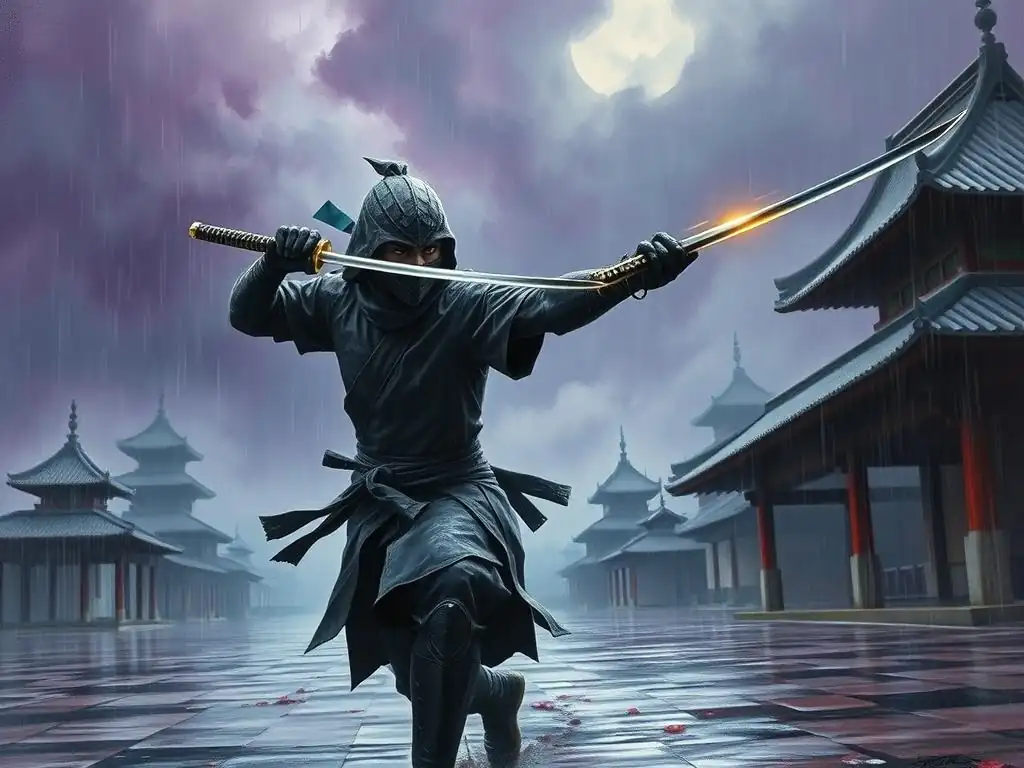
Welcome to Martial Arts Mastery, your portal to the world's fighting arts!
Delve into the fascinating evolution of martial arts, exploring not just techniques, but also the rich histories and philosophies that shape them. Today, we unravel a compelling chapter in ninja history: How did the sweeping reforms of the Meiji Restoration irrevocably alter traditional Ninjutsu practices? Prepare to uncover the hidden influences that shaped this enigmatic art, and discover how those changes resonate even today.
MartialArtsMastery.org: Exploring Ninjutsu's Transformation
Welcome to MartialArtsMastery.org, where we delve into the rich history and complex evolution of martial arts across the globe. Today, we turn our focus to Ninjutsu, the legendary art of the ninja, and examine a pivotal period in Japanese history that profoundly reshaped its trajectory: the Meiji Restoration. This era marked a dramatic shift from feudalism to a modern, industrialized nation, and its effects rippled through every facet of society, including the secretive world of the shinobi. Understanding this transformative period is crucial for appreciating how Ninjutsu survived and adapted, leading to the forms practiced today.
The Meiji Restoration's influence on traditional Ninjutsu practices was multifaceted and often challenging. As Japan rapidly modernized and embraced Western ideologies and technologies, the traditional roles and skills associated with ninja became increasingly obsolete or even viewed as relics of a bygone, less civilized era. This forced practitioners to either fade into obscurity, find new applications for their skills, or adapt their teachings to a changing world. Exploring this complex history helps us understand the resilience and adaptability inherent in the art itself, highlighting the Meiji Restoration Ninjutsu impact as a critical turning point.
- How did the Meiji Restoration affect the social standing of ninjas?
- What specific skills became less relevant after the Meiji Restoration?
- Did the Meiji Restoration lead to a complete disappearance of ninjutsu?
- How did the government of the Meiji Restoration view ninjutsu?
- What is the legacy of ninjutsu after the Meiji Restoration?
Understanding the Meiji Restoration and its Societal Shifts
A Brief Overview of the Meiji Era (1868-1912)
The Meiji Restoration, beginning in 1868, was a political revolution that ended the Tokugawa shogunate's rule and restored imperial power to Emperor Meiji. This period, lasting until his death in 1912, saw Japan undergo unprecedented modernization and Westernization. The new Meiji government implemented radical reforms aimed at strengthening the nation to resist Western colonial powers. These included the abolition of the feudal class system, the establishment of a national military based on conscription, rapid industrialization, and the adoption of Western political and legal structures.
Key policies included the Charter Oath of 1868, outlining the new government's principles, and the abolition of the han system (feudal domains) in 1871, centralizing political power. Economically, Japan invested heavily in infrastructure like railways and telegraph lines, and established modern industries. This rapid transformation, often referred to as the "Meiji Revolution," fundamentally altered the social fabric, economic landscape, and political structure of Japan, moving it from an isolated feudal society to a burgeoning world power in just a few decades. This seismic shift inevitably had a significant Meiji Restoration Ninjutsu impact.
The End of the Samurai Era and its Repercussions
One of the most significant changes brought about by the Meiji Restoration was the dismantling of the samurai class, which had been the ruling military elite for centuries. The samurai's privileges, including their right to wear swords in public and receive stipends from their lords, were systematically revoked. The official abolition of the samurai class occurred in 1876 with the Sword Abolition Edict ( Haitōrei), which prohibited carrying swords except for former daimyo (feudal lords), and the commutation of samurai stipends into government bonds, often leaving them in precarious financial situations.
This had profound repercussions for all traditional martial arts, including Ninjutsu. Many martial arts schools ( ryū) were tied to specific samurai clans or domains, serving their military needs. With the samurai class dissolved and their traditional roles eliminated, the patronage and demand for these martial skills plummeted.
Former samurai, who were often the primary practitioners and teachers of various martial disciplines, had to find new ways to earn a living, and their martial skills, honed over generations for feudal warfare, lost their primary purpose in the new national conscript army equipped with modern firearms. This societal upheaval was a major component of the Meiji Restoration Ninjutsu impact, forcing the art underground or towards adaptation.
Beyond the abolition of the samurai, the Meiji government's emphasis on Western models extended to military organization and training. The new Imperial Japanese Army and Navy were modeled after European forces (initially French, then German for the Army; British for the Navy), focusing on modern weaponry, tactics, and discipline. Traditional Japanese martial arts were not incorporated into this new military structure, effectively rendering battlefield-oriented arts like classical swordsmanship ( kenjutsu), spearmanship ( sōjutsu), and indeed, Ninjutsu, obsolete in a national military context.
Furthermore, the government promoted a narrative of national unity and loyalty to the Emperor, discouraging regional loyalties and the secrecy often associated with feudal-era practices like Ninjutsu. Some traditional arts were even viewed with suspicion as potential centers of dissent or remnants of the old order.
While some martial arts like Jujutsu later found a place in law enforcement or educational systems (evolving into Judo), arts primarily focused on espionage, sabotage, and unconventional warfare, like traditional Ninjutsu, faced significant challenges in finding a legitimate role in the new, centralized, and modernizing state. This shifting political and social landscape was a direct cause of the decline in overt Ninjutsu practice, marking a significant Meiji Restoration Ninjutsu impact.
Pre-Meiji Ninjutsu: A Foundation of Stealth and Espionage
The Historical Role of Ninjutsu in Feudal Japan
Before the Meiji Restoration, Ninjutsu served a crucial, albeit often clandestine, role in the complex feudal landscape of Japan. Ninja were not simply assassins, as often portrayed, but highly skilled operatives employed by daimyo and samurai lords for a variety of tasks essential to intelligence gathering and unconventional warfare. Their activities included espionage, reconnaissance, infiltration, sabotage, psychological warfare, and sometimes, assassination, though this was not their sole or primary function. They operated in the shadows, gathering information on enemy troop movements, castle defenses, and political alliances.
During the turbulent Sengoku period (Warring States period, c. 1467-1615), the demand for ninja skills was particularly high as competing warlords vied for control of Japan. Ninja from regions like Iga and Kōka became renowned for their expertise.
Even during the more peaceful Edo period (1603-1868) under the Tokugawa shogunate, ninja continued to be employed, often by the Shogunate itself, for covert surveillance and intelligence gathering to maintain stability and monitor potential threats. Their value lay in their ability to operate undetected behind enemy lines or within secure compounds, providing vital information that could turn the tide of conflict or prevent uprisings.
Core Principles and Techniques of Traditional Ninjutsu
Traditional Ninjutsu was far more than just fighting; it was a comprehensive system encompassing a wide array of skills needed for covert operations and survival. The core principles revolved around deception, adaptability, information gathering, and effective escape. Techniques included intōjutsu (art of invisibility/stealth), hensojutsu (disguise), shinobi-iri (entering skills), kayakujutsu (firearms and explosives), suijutsu (water skills), bōryaku (strategy), chōhō (espionage), and various forms of unarmed combat ( taijutsu), weapons handling ( bujutsu), and escape methods ( tonpō).
Training was rigorous and often began in childhood within specific ninja families or communities. It involved mastering not only physical skills but also mental discipline, endurance, knowledge of poisons and medicines, meteorology, geography, and communication codes. The emphasis was on practicality and survival in hostile environments, utilizing whatever tools were available, from specialized ninja weapons like the shuriken and kama to everyday farming implements adapted for combat or infiltration. This holistic approach was designed to create operatives capable of fulfilling diverse missions, a stark contrast to the specialized military roles that emerged post-Meiji.
Ninjutsu Clans and Their Secret Knowledge
Pre-Meiji Ninjutsu knowledge was primarily preserved and transmitted within specific family lineages and regional clans, most famously those from the Iga province (modern-day Mie Prefecture) and Kōka district (modern-day Shiga Prefecture). These areas, located in mountainous terrain near the power centers of Kyoto and Nara, provided ideal bases for covert operations and training. Clans like the Hattori, Fujibayashi, and Momochi were prominent Iga families, while the Kōka region had numerous smaller, interconnected families known collectively as the Kōka-ryū.
This knowledge was highly secretive, passed down orally or through cryptic scrolls ( densho) within the clan. Each clan often had unique techniques, specialties, and methods of operation developed over generations based on their experiences and the specific demands of their employers. The decentralized nature of feudal Japan allowed these distinct traditions to flourish relatively independently. However, this also meant that Ninjutsu was not a single, unified style but a collection of diverse, often closely guarded, family or regional traditions. The Meiji Restoration Ninjutsu impact would severely test the survival of these isolated, secretive lineages.
The Meiji Restoration Ninjutsu Impact: A Period of Decline and Adaptation
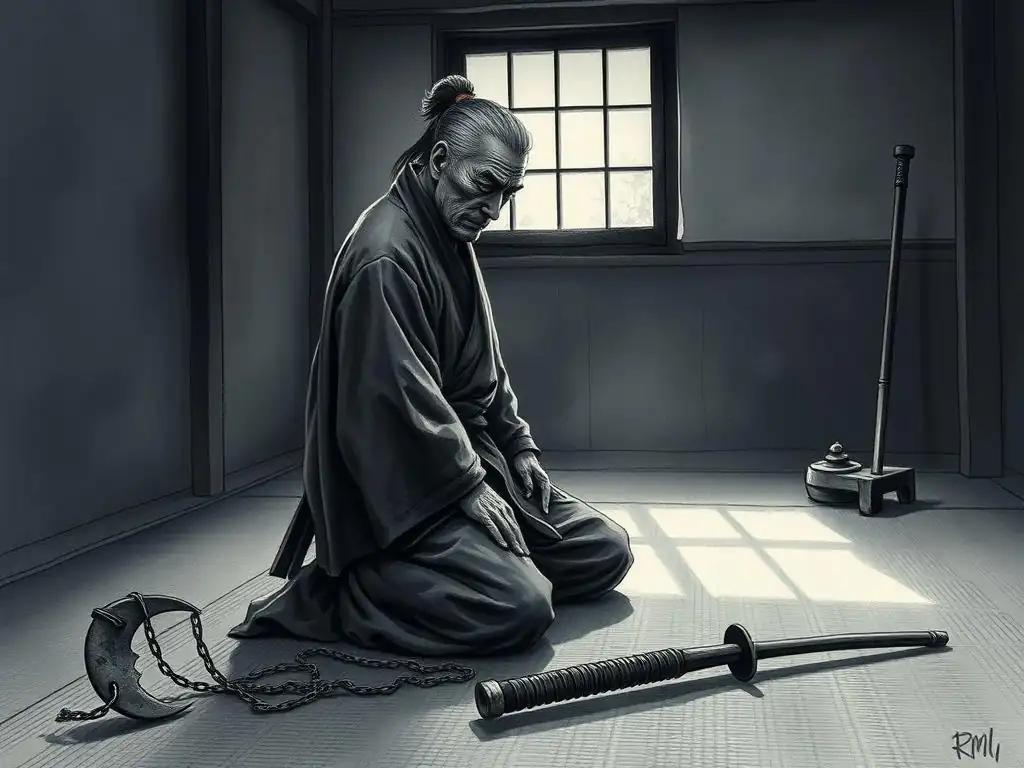
How the Meiji Restoration Affected Ninjutsu Clans
The abolition of the samurai class and feudal domains directly undermined the traditional employment base for ninja. The daimyo who had previously hired ninja for intelligence and covert operations were no longer in power. The new centralized Meiji government had little need for feudal-era spies or saboteurs; its focus was on building a modern military and police force based on Western models. This left many ninja families and practitioners without their traditional patrons and means of livelihood.
Furthermore, the increased transparency and modernization of Japanese society made the secretive, decentralized nature of Ninjutsu practice difficult to maintain. The government's push for national identity and control meant that groups operating outside the established order were viewed with suspicion.
Some historical accounts suggest that ninja families either integrated into other professions, such as farming, trade, or even the new police or military forces (though often in non-Ninjutsu roles), or they went further underground, practicing their skills in extreme secrecy, fearing persecution or simply irrelevance. This drastic shift in societal structure was perhaps the most immediate Meiji Restoration Ninjutsu impact.
The Suppression of Martial Arts and the Loss of Traditional Skills
While not all martial arts were suppressed equally, the Meiji government's focus on modernization and Westernization led to a general decline in the practice of many traditional Japanese martial arts. Some ryū struggled to adapt, their techniques designed for a type of warfare that no longer existed. The emphasis shifted towards sports-oriented arts like Judo (derived from Jujutsu) or sword arts adapted for spiritual discipline ( kendō) rather than battlefield effectiveness. Ninjutsu, with its emphasis on clandestine operations and unconventional tactics, was particularly ill-suited for integration into the new public or military spheres.
As a result, many traditional Ninjutsu schools likely ceased to exist, their masters dying without successors willing or able to continue the secretive, demanding training in a world that no longer valued their skills. The oral transmission of knowledge within families was disrupted as younger generations sought modern education and careers. Specific techniques, training methods, and historical knowledge unique to individual lineages were potentially lost forever during this period of rapid societal change and the effective suppression of the need for ninja skills. The loss of these specific traditions is a tangible Meiji Restoration Ninjutsu impact.
Economic Hardship and the Disappearance of Ninjutsu's Need
Beyond the political and social factors, economic hardship also played a significant role in the decline of traditional Ninjutsu. As mentioned, the abolition of samurai stipends and the disruption of the feudal economy left many families, including those with historical ties to ninja practices, in difficult financial situations. Maintaining the rigorous training and lifestyle associated with Ninjutsu required resources and dedication that became increasingly difficult to afford.
Moreover, the very need for traditional ninja skills diminished rapidly. Espionage and information gathering were increasingly handled by modern police and intelligence agencies. Sabotage and unconventional warfare were not part of the new national military doctrine. The skills of infiltration and disguise, while still potentially useful, did not offer a viable career path in the new industrial economy. Without patrons, without a military or societal need, and facing economic challenges, the functional practice of traditional Ninjutsu as a profession or a vital military art waned dramatically, illustrating a profound Meiji Restoration Ninjutsu impact on its very existence.
Adaptation and Evolution: The Survival of Ninjutsu in the Modern Era
The Shift from Espionage to Self-Defense and Personal Development
Despite the severe challenges posed by the Meiji Restoration, Ninjutsu did not completely disappear. Its survival depended on adaptation. One key shift was moving away from its traditional role as an art of espionage and warfare for feudal lords towards applications relevant to the modern individual: self-defense and personal development. While the historical context and battlefield techniques remained part of the curriculum for some practitioners, the emphasis in training began to include scenarios relevant to civilian life, such as dealing with street confrontations or developing physical and mental resilience in a rapidly changing world.
This adaptation allowed Ninjutsu to find a new purpose, attracting individuals interested in practical self-protection, physical fitness, and the unique philosophical aspects of the art, rather than those seeking skills for covert feudal missions. The secretive nature, once essential for espionage, became a point of mystique and attraction for those seeking something outside the mainstream martial arts that were becoming popularized (like Judo and Karate). This reorientation was a necessary adaptation following the significant Meiji Restoration Ninjutsu impact on its original function.
The Role of Fujita Seiko in Preserving Ninjutsu
Fujita Seiko (1888-1964) is a crucial figure often cited in the history of modern Ninjutsu. He is known as the 14th headmaster of Kōga-ryū Ninjutsu and was one of the few individuals publicly associated with Ninjutsu practice during the early to mid-20th century. Fujita worked for the Japanese government during World War II, reportedly teaching specialized skills related to espionage and unconventional warfare to military personnel, demonstrating a temporary resurgence of interest in certain ninja capabilities for modern conflict.
After the war, Fujita was one of the few who openly taught aspects of what he claimed was traditional Ninjutsu. While the extent to which his teachings represented complete, unaltered historical lineages is debated among scholars and practitioners, his efforts were significant in keeping the idea and practice of Ninjutsu alive during a period when many other traditional arts were fading. His public profile and association with Kōga-ryū provided a link, however controversial, between the historical past and the potential for future development, helping to mitigate the Meiji Restoration Ninjutsu impact on its visibility.
The Development of Modern Ninjutsu Styles: Bujinkan and Genbukan
The most prominent examples of Ninjutsu's survival and evolution post-Meiji are the modern organizations founded by Masaaki Hatsumi and Shoto Tanemura. Masaaki Hatsumi founded the Bujinkan organization, claiming to be the inheritor of nine different ryū, including three Ninjutsu lineages (Togakure-ryū, Kumogakure-ryū, Gyokushin-ryū) and six samurai martial arts ryū. Shoto Tanemura, a former student of Hatsumi and others, founded the Genbukan and Kokusai Jujutsu Kenpo Taijutsu (KJJT) organizations, also teaching a system based on various traditional schools.
These organizations represent a synthesis of historical teachings adapted for the modern world. While they draw heavily on the principles and techniques of pre-Meiji ryū, their training methodology, structure (dojos, belt ranks, international outreach), and stated goals (self-defense, personal growth) reflect the realities of the 20th and 21st centuries rather than feudal espionage. They have been instrumental in spreading Ninjutsu globally, ensuring its continued existence and evolution long after the original Meiji Restoration Ninjutsu impact threatened its extinction.
The Influence of Meiji Era on Modern Ninjutsu Training
Changes in Training Methods and Curriculum
The influence of the Meiji era's modernization is subtly present even in modern Ninjutsu training. While organizations like the Bujinkan and Genbukan strive to preserve the kata (prearranged forms) and techniques of the historical ryū, the overall training methodology often incorporates elements common to modern martial arts pedagogy. Training is typically conducted in a dojo setting, similar to Judo or Karate, rather than the secretive, often outdoor, or situational training of historical ninja.
The curriculum, while rooted in tradition, is structured for group instruction and progression through ranks (kyu/dan). While historical Ninjutsu training was highly individualized and focused purely on mission requirements, modern training often includes standardized warm-ups, conditioning exercises, and a syllabus that covers a broad range of techniques from different ryū. The emphasis is less on absolute secrecy and more on learning principles and applications, reflecting the shift from a clandestine profession to a public martial art. This evolution in structure and method is a direct, albeit sometimes indirect, result of the societal changes initiated by the Meiji Restoration.
The Incorporation of Western Exercise and Fitness Principles
Another subtle influence stemming from the Meiji era's adoption of Western practices is the incorporation of modern exercise and fitness principles into Ninjutsu training. While historical ninja training was undoubtedly physically demanding, it was geared towards functional strength, endurance, and agility for specific tasks like climbing, running long distances, or surviving in harsh conditions. Modern physical conditioning, influenced by Western sports science and fitness methodologies introduced during and after the Meiji era, often plays a role.
Many modern Ninjutsu dojos include elements like cardiovascular exercises, strength training, flexibility drills, and injury prevention techniques that are common in contemporary athletic training but were not necessarily formalized aspects of traditional shinobi conditioning. This integration reflects a modern understanding of physical health and performance, ensuring practitioners are physically capable of performing the techniques while also promoting general well-being, aligning with the post-Meiji shift towards personal development alongside self-defense.
The Philosophical Shift: From Warfare to Self-Improvement
Perhaps the most significant philosophical shift in Ninjutsu training, influenced by the post-Meiji world, is the emphasis on self-improvement and personal growth. While historical Ninjutsu was a pragmatic art focused on survival and mission accomplishment, modern interpretations often highlight the philosophical underpinnings related to overcoming personal limitations, developing resilience, and achieving harmony with oneself and the environment.
Modern practitioners often speak of the art as a path ( dō) similar to other Japanese martial arts like Judo ("gentle way") or Kendō ("way of the sword"). The physical techniques are seen not just as tools for combat but as vehicles for developing mental discipline, patience, perseverance, and self-awareness.
This focus on internal development and ethical conduct is a marked departure from the amoral pragmatism often associated with historical espionage and reflects the broader societal shift in martial arts philosophy that occurred as they transitioned from battlefield arts to disciplines for personal cultivation in the modern era, a transition initiated by the Meiji Restoration Ninjutsu impact.
Preserving Tradition in a Modern World: The Challenges and Opportunities
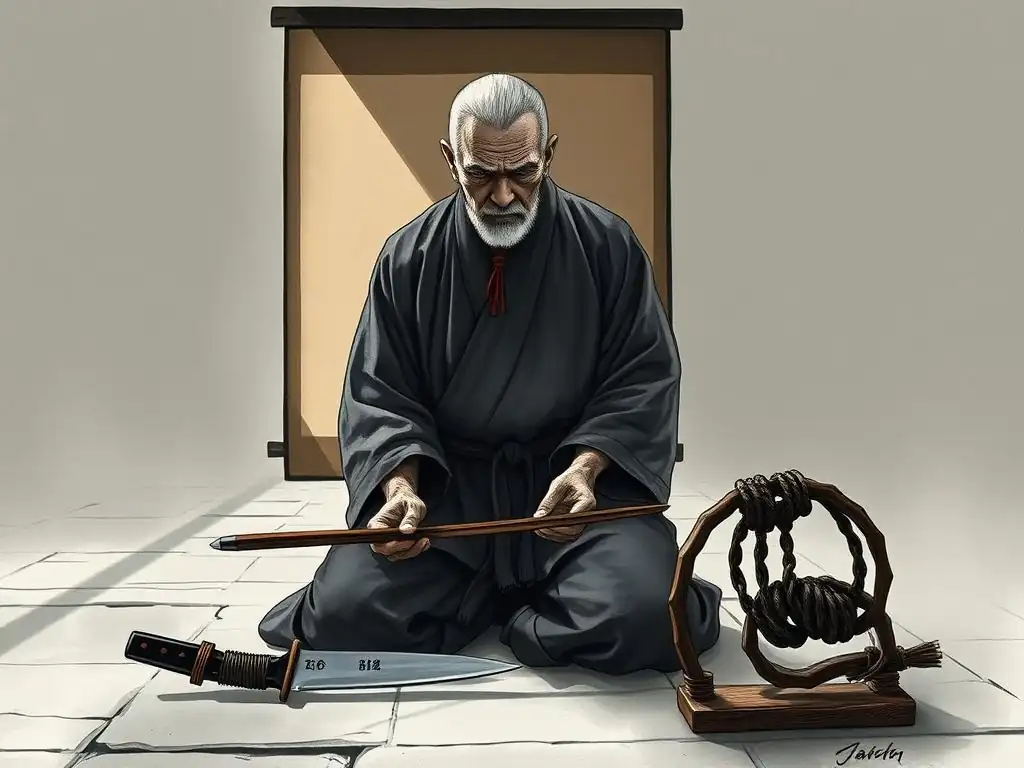
The Importance of Understanding Ninjutsu's Historical Context
For modern practitioners of Ninjutsu, understanding its historical context, particularly the Meiji Restoration Ninjutsu impact, is paramount. Without this historical grounding, the techniques and principles can be misinterpreted or viewed in isolation. Knowing about the challenges faced by ninja families post-Meiji helps explain why the art became so secretive and why historical records are scarce. Understanding the feudal environment in which it flourished provides context for the strategies and tactics employed.
Studying history allows practitioners to appreciate the art's adaptability and resilience. It highlights that Ninjutsu has always been a dynamic system that evolved to meet the needs of its time. This perspective is crucial for navigating the challenges of practicing a historical art in the 21st century. It encourages a deeper appreciation for the why behind the techniques, connecting modern training to the rich, complex heritage of the shinobi.
The Ongoing Debate About Authenticity in Modern Ninjutsu
The Meiji Restoration Ninjutsu impact on the continuity of lineages has led to significant debate regarding the authenticity of modern Ninjutsu. Given the secretive nature of the art, the disruption caused by the Restoration, and the scarcity of verifiable historical documents, proving an unbroken, direct line of transmission from feudal-era ninja to modern masters is extremely difficult. Scholars and some martial artists question whether modern styles truly represent the complete, unaltered traditions of historical Ninjutsu ryū.
This debate centers on issues like the verifiable lineage claims, the differences between historical accounts of ninja activities and modern training curricula, and the synthesis of multiple ryū into single systems. While modern organizations provide a framework for practice and learning, the question remains: how much of the original, pre-Meiji Ninjutsu survived the tumultuous transition? This ongoing discussion is a direct consequence of the historical disruption and the challenge of preserving secretive traditions in a modern, documented world.
The Future of Ninjutsu: Balancing Tradition and Innovation
The future of Ninjutsu lies in navigating the tension between preserving historical tradition and adapting to the modern world. Organizations like the Bujinkan and Genbukan face the challenge of honoring the legacy of the historical ryū while making the art relevant and accessible to contemporary students. This involves deciding which aspects of the tradition are essential to maintain, which can be adapted, and how to interpret historical teachings for modern application.
Opportunities exist in utilizing modern research methods to better understand the historical art, collaborating with historians and scholars, and leveraging technology to disseminate knowledge (while still respecting necessary levels of privacy). The global interest in Ninjutsu presents an opportunity to share the art's unique principles of strategy, adaptability, and resilience. The challenge is to do so without diluting the core teachings or making unsubstantiated historical claims, ensuring that Ninjutsu continues to evolve authentically, carrying forward the spirit of survival and adaptation demonstrated in the face of the Meiji Restoration Ninjutsu impact.
Case Studies of Ninjutsu Schools and their Adaptation to the Meiji Era
Togakure-ryū - Their Response to the Restoration
Togakure-ryū is one of the most widely known, albeit historically debated, Ninjutsu lineages associated with modern Ninjutsu organizations like the Bujinkan. According to the lineage claimed by Masaaki Hatsumi, Togakure-ryū traces its origins back over 800 years.
The response of this specific ryū (or the families associated with it) to the Meiji Restoration is difficult to definitively document due to the inherent secrecy and lack of public records. However, based on the general Meiji Restoration Ninjutsu impact and the claimed transmission, it's plausible that its practitioners faced similar challenges: loss of patrons, societal irrelevance, and the need to practice in extreme secrecy.
The survival narrative, as told within the Bujinkan, suggests that the knowledge was passed down through a very small number of individuals, often in isolation, preserving the forms and principles despite the lack of a functional need in the new society. The techniques, originally designed for battlefield and espionage scenarios in feudal Japan, would have needed reinterpretation or careful preservation as historical kata rather than active vocational training.
The very fact that a lineage claiming to be Togakure-ryū emerged publicly in the mid-20th century, decades after the Meiji era, speaks to a period where the art was likely dormant or practiced by only a handful, waiting for a time when it could re-emerge, albeit in a different form.
Iga-ryū - Their Evolution and Legacy
Iga-ryū is a historical collective of Ninjutsu traditions originating from the Iga province. Unlike a single ryū, Iga-ryū represents the methods and knowledge base of numerous families and schools in the region, renowned throughout the feudal period. The Meiji Restoration Ninjutsu impact on Iga was significant. With the end of the feudal system, the demand for Iga ninja services from powerful lords vanished. The community, which had thrived on its specialized skills, faced economic decline and the pressure to integrate into the new national structure.
While no single, publicly verifiable "Iga-ryū" lineage in its historical, collective form is widely recognized today as having a direct, unbroken transmission from the feudal era, the legacy of Iga-ryū persists. Historical records, such as the Bansenshūkai (a 17th-century compilation of ninja knowledge from Iga and Kōka), provide valuable insights into their methods. Furthermore, many modern practitioners and researchers delve into these historical texts to reconstruct or understand the techniques and principles of the Iga ninja.
The area itself, particularly the city of Iga (formerly Ueno), has embraced its ninja heritage as a cultural and historical identity, maintaining museums and historical sites dedicated to the Iga ninja. While the functional, professional practice of Iga-ryū as it existed pre-Meiji likely did not survive the Restoration intact, its historical influence and recorded knowledge continue to inform and inspire modern interpretations and studies of Ninjutsu.
Conclusion: The Enduring Legacy of Ninjutsu Post-Meiji Restoration
Summarizing the Transformative Impact of the Meiji Restoration
The Meiji Restoration (1868-1912) represented a period of immense upheaval and transformation for Japan, and its Meiji Restoration Ninjutsu impact was profound and arguably nearly fatal for traditional practices. The abolition of the samurai class, the shift to a modern military, rapid industrialization, and the centralization of government eliminated the traditional roles and patronage that Ninjutsu relied upon.
Secrecy became a liability rather than an asset, and economic hardship further strained the ability of practitioners to maintain the art. This era forced Ninjutsu into a period of decline and extreme secrecy, potentially leading to the loss of many specific lineages and techniques.
However, the story of Ninjutsu post-Meiji is also one of resilience and adaptation. While the historical art of espionage and warfare faded, the underlying principles of strategy, adaptability, survival, and the diverse range of skills found new relevance. The transition, facilitated by figures like Fujita Seiko and later masters like Masaaki Hatsumi and Shoto Tanemura, saw Ninjutsu evolve from a clandestine profession into a martial art focused on self-defense, physical fitness, and personal development for the modern individual. The core knowledge, though perhaps fragmented and synthesized, was preserved and transmitted, finding a new life in a dramatically different world.
The Importance of Studying Ninjutsu's History for Modern Practitioners
For anyone practicing Ninjutsu today, a deep understanding of its history, including the critical Meiji Restoration Ninjutsu impact, is indispensable. History provides the essential context for the techniques and strategies being taught. Knowing the environment in which these skills were developed helps practitioners grasp their original intent and understand how they can be adapted for contemporary situations. It moves the practice beyond mere physical movements to an appreciation of the strategic thinking, resourcefulness, and philosophy that underpinned the art of the ninja.
Studying history also fosters a connection to the lineage and the individuals who preserved the art through challenging times. It highlights the dedication and adaptability required to keep Ninjutsu alive. This historical perspective enriches training, provides a deeper sense of purpose, and helps practitioners navigate the complexities and debates surrounding the art's authenticity in the modern era. It transforms physical training into a journey through time, connecting the modern dojo to the shadowy past of the shinobi.
Ninjutsu's Continued Relevance in the 21st Century
Despite the fact that the feudal Japan that necessitated the traditional ninja no longer exists, Ninjutsu continues to hold relevance in the 21st century, precisely because of its history of adaptation, particularly its survival through the Meiji Restoration Ninjutsu impact. The core principles of Ninjutsu—situational awareness, strategic thinking, adaptability, resilience, deception, and self-preservation—are universally applicable skills. In a world that is constantly changing and often unpredictable, the ability to assess threats, adapt plans, and overcome obstacles remains invaluable.
Modern Ninjutsu, as taught in organizations today, offers practical self-defense skills relevant to contemporary urban environments. Furthermore, the physical training enhances fitness, coordination, and mental toughness. The philosophical aspects encourage self-awareness, perseverance, and a unique perspective on navigating challenges.
While no one is practicing espionage for a feudal lord today, the skills and mindset cultivated through Ninjutsu training—the ability to survive and thrive in difficult circumstances by being resourceful and adaptable—are perhaps more relevant than ever in the complexities of modern life. Ninjutsu's endurance through periods like the Meiji Restoration is a testament to the timeless value of its underlying principles.
Frequently Asked Questions
The Meiji Restoration led to the abolishment of the feudal system, which directly impacted the need for ninjas. Their traditional roles as spies and assassins became less relevant in the new, centralized government, leading to a decline in their social standing.
What specific skills became less relevant after the Meiji Restoration?
Skills related to espionage and sabotage, previously crucial for feudal lords, were less in demand. The focus shifted towards modern military tactics, rendering traditional ninjutsu skills largely obsolete.
Did the Meiji Restoration lead to a complete disappearance of ninjutsu?
No, while traditional roles diminished, ninjutsu did not disappear entirely. Instead, it evolved and adapted, with some aspects being incorporated into other martial arts or preserved in secret lineages.
How did the government of the Meiji Restoration view ninjutsu?
The Meiji government generally viewed ninjutsu with suspicion and disdain, seeing it as a relic of the past and potentially subversive. This led to its suppression and forced many practitioners underground.
What is the legacy of ninjutsu after the Meiji Restoration?
Despite its decline, ninjutsu has left a lasting legacy. It has influenced modern martial arts, popular culture, and continues to be studied as a historical and unique martial art form with rich cultural significance.
Final Reflection: The Enduring Shadow of Change
The Meiji Restoration, while ushering in an era of modernization and progress for Japan, cast a long and complex shadow over its traditional arts. The suppression and transformation of ninjutsu practices during this period represent a profound loss, but also a testament to the resilience of cultural heritage in the face of sweeping societal shifts. Understanding this impact is crucial for appreciating the nuanced history of ninjutsu and its evolution into the modern era.
The legacy of the Meiji Restoration continues to shape our understanding of ninjutsu today. The romanticized image of the ninja often overshadows the historical realities of their decline and adaptation during this turbulent period. This historical context is essential for a more complete and accurate appreciation of the art. The past is never dead. It's not even past.
- William Faulkner. This quote resonates deeply when considering the enduring influence of the Meiji era on ninjutsu, reminding us that the past continues to inform the present.
As we reflect on the Meiji Restoration's impact on ninjutsu, let us not only mourn what was lost, but also celebrate the spirit of adaptation and perseverance that allowed the art to survive. Consider how this story of cultural transformation resonates with your own life. What traditions do you cherish, and how can you ensure their survival in a rapidly changing world? Embrace the lessons of the past, and become a guardian of the cultural heritage that enriches our lives.
Ignite Your Inner Ninja: Embrace the Legacy!
Thank you for diving into the fascinating evolution of ninjutsu! You've now uncovered how the Meiji Restoration reshaped these ancient practices. Ready to channel that knowledge into action?
Here’s how you can deepen your understanding and connection to ninjutsu:
- Seek out a reputable ninjutsu dojo and begin your own training journey. Experience firsthand the techniques and philosophy that have endured through history.
- Delve deeper: Research lesser-known ninja clans of the era and share your findings on martialartsmastery.org's forum.
- Connect with fellow martial artists! Start a discussion on social media about how historical events influence modern martial arts.
Which aspect of ninjutsu's evolution during the Meiji Restoration resonates most with you, and how will you explore it further?