
Advanced Muay Thai Regimens: Honing the Elite Fighter's Edge

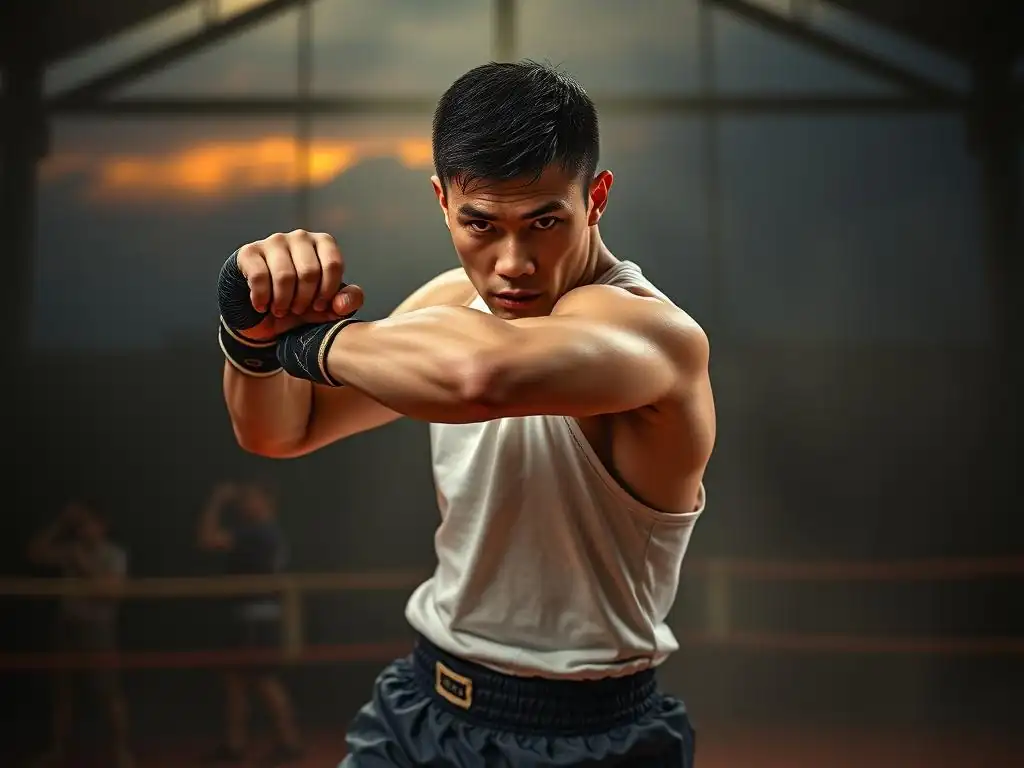
Welcome to Martial Arts Mastery, your portal to unlocking the secrets of combat and self-discovery. Delve into the rich tapestry of martial arts traditions from across the world, where history, technique, and philosophy converge. Are you ready to elevate your game? This month we explore Advanced Muay Thai Regimens, a deep dive into the training secrets that forge elite fighters. Discover the cutting-edge drills and strategies that separate champions from contenders, and unlock the next level of your martial arts journey. But how do these advanced techniques truly differ? Keep reading to find out!
- Introduction to Elite Muay Thai Training
- Phase 1: Strength and Conditioning for Advanced Muay Thai
- Phase 2: Refining Muay Thai Striking Techniques
- Phase 3: Mastering the Muay Thai Clinch
- Phase 4: Advanced Muay Thai Sparring Strategies
- Phase 5: Mental Fortitude and Strategic Fight Preparation
- Sample Advanced Muay Thai Training Schedule
- Nutrition and Supplementation for Peak Muay Thai Performance
- Conclusion: Achieving Elite Status Through Dedicated Training and Advanced Techniques
-
Frequently Asked Questions
- What are some examples of Muay Thai advanced training techniques?
- How does Muay Thai advanced training differ from beginner training?
- What role does mental conditioning play in Muay Thai advanced training?
- How important is nutrition and recovery for Muay Thai fighters using advanced training regimens?
- Where can I find resources to learn more about advanced Muay Thai techniques?
- Final Reflection: Forging the Warrior's Spirit
- Elevate Your Fight: Embrace the Warrior Within!
Introduction to Elite Muay Thai Training
Understanding the Demands of High-Level Muay Thai Competition
Competing at the elite level in Muay Thai, often referred to as the "Art of Eight Limbs," requires a physical and mental conditioning unparalleled in most combat sports. Fighters face brutal five-round bouts, typically three minutes per round with a two-minute rest, demanding peak aerobic and anaerobic capacity.
The constant exchange of powerful strikes – including punches, kicks, knees, and elbows – alongside grueling clinch work, necessitates exceptional muscular endurance, explosive strength, and resilience to absorb and deliver impact. A fighter's ability to maintain high output throughout the fight, especially in the championship rounds, is often the deciding factor, setting elite practitioners apart from skilled amateurs.
Beyond the physical toll, high-level Muay Thai competition places immense psychological pressure on athletes. Fighters must possess unwavering focus, the ability to read opponents, adapt strategies on the fly, and maintain composure under duress. The strategic nuances, such as controlling ring space, managing distance, and exploiting opponents' weaknesses, are honed over years of dedicated practice and application of advanced Muay Thai training techniques. Furthermore, the weight cutting process inherent in professional fighting adds another layer of complexity, requiring careful management of diet, hydration, and recovery to ensure peak performance on fight night.
The Evolution of Muay Thai Training Methodologies
Traditional Muay Thai training regimens, often developed in rural camps across Thailand, historically focused heavily on repetitive technique drilling, pad work, bag work, sparring, and extensive road work (running). While these foundational elements remain critical, modern elite Muay Thai training has evolved significantly, incorporating principles from sports science to optimize performance and longevity. This includes structured strength and conditioning programs, advanced plyometrics, sophisticated recovery protocols, and detailed nutritional planning.
The integration of sports science allows fighters and coaches to tailor advanced Muay Thai training techniques more precisely to individual needs, addressing specific physical imbalances or weaknesses. For example, a fighter with less natural explosive power might dedicate more time to targeted weightlifting and plyometric exercises, while a fighter struggling with ring control might focus on advanced footwork drills and strategic sparring simulations.
This scientific approach complements the traditional emphasis on technique and toughness, creating a more holistic and effective preparation strategy for the demands of contemporary competition. The evolution reflects a global exchange of knowledge, where traditional wisdom meets modern athletic principles.
Phase 1: Strength and Conditioning for Advanced Muay Thai
Developing Explosive Power for Muay Thai Clinch and Strikes
Explosive power is paramount for elite Muay Thai fighters, enabling devastating strikes and dominant clinch control. Training for this quality focuses on generating maximal force in minimal time. Exercises like power cleans, snatches, and weighted box jumps are staples, typically performed for low repetitions (1-5) with high intensity, focusing on perfect form and speed of execution. A typical session might involve 3-5 sets of 3 repetitions of power cleans, aiming for rapid concentric movement. Another key component is plyometric push-ups or medicine ball throws, which mimic the explosive nature of punching and elbow strikes.
Furthermore, rotational power is crucial for generating force in kicks and body shots. Exercises such as medicine ball rotational throws against a wall or cable wood chops help build strength through the core and hips, the engine of powerful strikes. Integrating these movements into a weekly regimen, perhaps 2-3 times per week on non-sparring days, allows fighters to translate raw strength into functional power relevant to advanced Muay Thai techniques. For instance, a fighter aiming to increase roundhouse kick power might incorporate heavy kettlebell swings or rotational medicine ball work alongside their regular bag work and pad sessions.
Advanced Plyometrics for Muay Thai Agility and Speed
Advanced plyometrics are essential for enhancing the agility, speed, and reactive strength required for quick footwork, evasive movements, and rapid-fire combinations in Muay Thai. Drills often include variations of box jumps (e.g., depth jumps, lateral box jumps), bounds, and hurdle hops, focusing on minimizing ground contact time to improve elasticity and power transfer. For example, a fighter might perform depth jumps off a 20-inch box, immediately followed by a maximum vertical jump upon landing, for 3-4 sets of 6-8 repetitions.
Ladder drills, cone drills, and reactive agility drills (responding to visual or auditory cues) further develop foot speed and change-of-direction ability, crucial for controlling distance and angles in the ring. Incorporating these drills at the beginning of a training session, after a thorough warm-up but before fatigue sets in, maximizes their effectiveness. A typical agility circuit could involve zigzag sprints, T-drills, and reactive shuttle runs, repeated for several rounds. These advanced Muay Thai training techniques build the quickness needed to land strikes and evade incoming attacks effectively.
Integrating Weight Training for Functional Muay Thai Strength
Weight training for elite Muay Thai is not about bodybuilding; it's about building functional strength that directly translates to performance in the ring. Compound movements form the foundation: squats (back squats, front squats), deadlifts, bench press, and overhead press. These exercises build overall strength and stability, crucial for absorbing impact, maintaining balance during exchanges, and generating force. Lifts are often performed with moderate to heavy weights for moderate repetitions (5-8), focusing on controlled movements and proper form.
Beyond the main lifts, supplementary exercises target specific muscle groups used heavily in Muay Thai, such as the posterior chain (glutes, hamstrings) for kicking power, core for stability and force transfer, and shoulders/back for clinch strength. Exercises like pull-ups, rows, Romanian deadlifts, and various plank variations are incorporated. A typical strength session might include heavy squats followed by Romanian deadlifts and weighted pull-ups, focusing on building resilient, injury-resistant strength vital for sustaining the rigorous advanced Muay Thai training techniques. The goal is strength that enhances power and endurance without adding excessive, non-functional mass.
The Importance of Recovery and Injury Prevention in Intense Training
At the elite level, recovery is as crucial as the training itself. Intense Muay Thai regimens push the body to its limits, making adequate recovery essential for muscle repair, nervous system recuperation, and preventing overtraining syndrome. This includes prioritizing 7-9 hours of quality sleep per night, as growth hormone and testosterone production peak during deep sleep, aiding muscle recovery and regeneration. Nutritional recovery, discussed later, also plays a vital role in replenishing glycogen stores and providing building blocks for tissue repair.
Injury prevention strategies are integrated throughout the training week. This involves proper warm-ups and cool-downs, consistent stretching and mobility work to maintain range of motion (especially in hips and shoulders), and addressing any minor aches or pains before they escalate. Regular soft tissue work, such as foam rolling or massage, helps alleviate muscle soreness and improve blood flow. Furthermore, incorporating low-impact activities like swimming or cycling on active recovery days aids circulation and promotes healing without adding undue stress to joints and muscles taxed by the high-impact nature of advanced Muay Thai techniques.
Phase 2: Refining Muay Thai Striking Techniques
Advanced Footwork Drills for Superior Ring Control
Superior footwork is the foundation of effective offense and defense in elite Muay Thai, allowing fighters to dictate distance, create angles, and control the ring. Advanced footwork drills go beyond basic forward/backward movements and lateral shuffling. They include exercises like pivoting to create angles for attacks or escapes, using feints and subtle weight shifts to draw reactions, and developing the ability to quickly cut off the ring or evade pressure. Drills might involve starting from various positions and quickly transitioning into striking range or defensive postures.
Specific drills often involve navigating imaginary or marked areas of the ring, practicing entering and exiting range with speed and precision. For example, a fighter might practice circling while maintaining optimal striking distance from a partner, or rapidly stepping in and out while throwing feints. Another advanced drill involves working against a partner who is actively trying to cut off the ring, forcing the fighter to use agile lateral movement and pivots to escape pressure and find open space. These advanced Muay Thai training techniques build the spatial awareness and agility needed to dominate ring real estate.
Mastering the Teep: Offensive and Defensive Applications
The teep, or front push kick, is a fundamental yet incredibly versatile weapon in Muay Thai. At an advanced level, mastering the teep involves developing precision, speed, and power, as well as understanding its myriad applications. Offensively, a powerful teep can create distance, disrupt an opponent's rhythm, break their guard, or even score points by pushing them off balance or out of the ring. Advanced drills focus on targeting specific areas, such as the solar plexus to wind an opponent, the lead leg to disrupt balance, or the face to create openings.
Defensively, the teep is a primary tool for managing distance, interrupting attacks, and maintaining control. A well-timed teep can shut down an opponent's forward pressure, prevent them from setting up combinations, or push them away to reset. Advanced defensive teep drills involve reacting to various incoming attacks (punches, kicks) with a quick, accurate teep to the body or lead leg. Developing the ability to quickly retract the teep to avoid it being caught is also crucial. Mastery of the teep is a hallmark of elite fighters, showcasing sophisticated understanding of distance and timing within advanced Muay Thai techniques.
Perfecting the Muay Thai Roundhouse Kick: Power and Precision
The Muay Thai roundhouse kick is arguably the most iconic and devastating strike in the arsenal, capable of ending fights. Perfecting it at an advanced level involves maximizing power generation through hip rotation and body mechanics while maintaining pinpoint precision. Advanced drills focus on generating force from the ground up, transferring energy through the core, and snapping the hip at impact. This often involves heavy bag work, focusing on driving through the target, and pad work with trainers who can absorb and provide feedback on power and accuracy.
Precision drills involve targeting specific areas on the pads or bag, such as the liver, ribs, or neck, repeatedly. Developing the ability to land the kick with the shin, not the foot, is fundamental for both power and durability. Furthermore, advanced techniques include setting up the roundhouse with punches or feints, chaining multiple kicks together, and countering incoming attacks with a powerful return kick. Training involves high volume repetitions on the bag (e.g., 50-100 kicks per leg per session) alongside powerful, focused kicks on the pads, integrating these advanced Muay Thai training techniques into flow drills.
Developing Devastating Knee and Elbow Strikes: Advanced Techniques
Knee and elbow strikes are high-percentage weapons in close range and especially in the clinch, often leading to knockouts or cuts that stop fights. Developing devastating knees involves generating power from the hips and driving the knee upwards or forwards, targeting the body or head. Advanced knee drills include practicing various entries (stepping in, jumping knees), chaining multiple knees together, and delivering knees while controlling an opponent in the clinch. Power generation is key, often practiced with weighted vests or resistance bands.
Elbow strikes are sharp, short-range weapons used vertically, horizontally, or in diagonal angles. Developing devastating elbows requires precision, timing, and the ability to create the necessary space. Advanced elbow drills involve practicing different angles of attack, setting up elbows with fakes or feints, and delivering them effectively from punching range or within the clinch. Training often involves hitting focus mitts or specialized elbow pads, focusing on the angle and impact point. Both knee and elbow development are critical components of advanced Muay Thai training techniques for close-quarters combat.
Phase 3: Mastering the Muay Thai Clinch
Advanced Clinch Entries and Exits
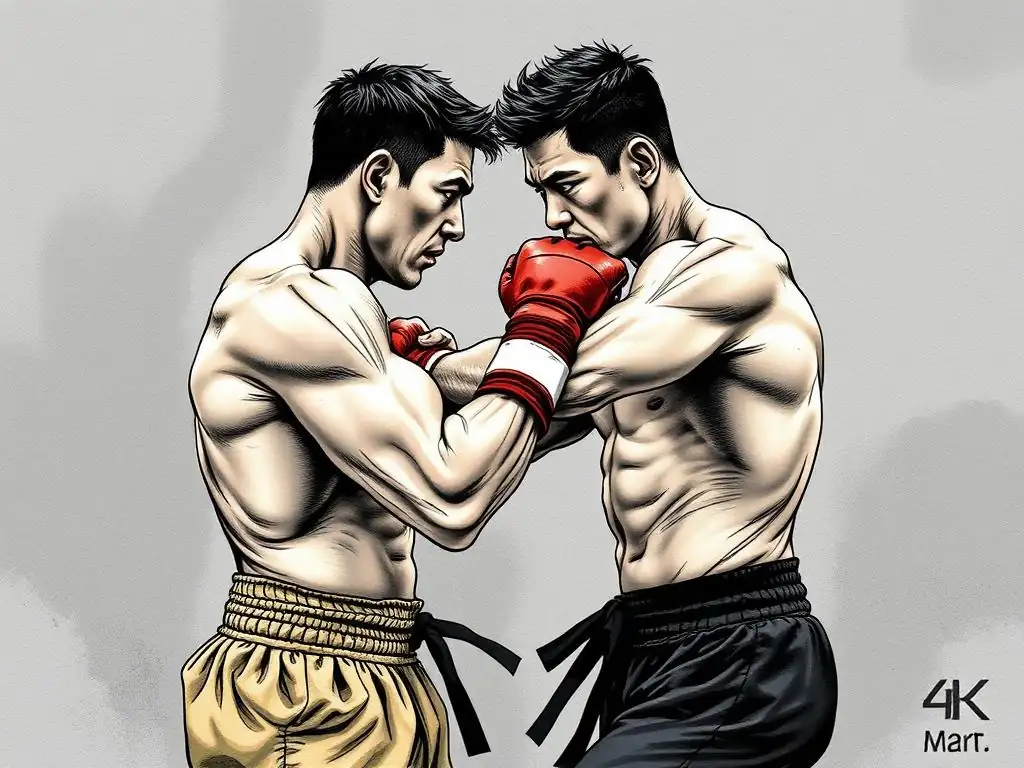
Mastering the clinch is a defining characteristic of elite Muay Thai fighters. Advanced clinch training begins with sophisticated entries and exits, avoiding being locked into disadvantageous positions. Entries involve timing, using strikes or feints to distract and create openings to secure a dominant grip, such as the double collar tie or plum. Drills focus on entering the clinch safely from various distances and angles, often under resistance from a training partner. For example, practicing entering the clinch immediately after landing a body kick or a jab.
Exiting the clinch effectively is equally important, allowing a fighter to disengage when necessary or transition back to striking range. Advanced exits involve using frames, pushing off the opponent, or utilizing sweeps and turns to break the grip and create separation. Drills practice escaping various grips (single collar tie, arm ties) quickly and efficiently. The ability to fluidly transition between striking and clinching, entering and exiting on demand, is a key aspect of advanced Muay Thai training techniques for ring control.
Dominating the Inside Game: Knee and Elbow Control
Once in the clinch, dominating the inside game is achieved through superior control and positioning, enabling the delivery of powerful knees and elbows while minimizing the opponent's ability to strike back. Controlling the opponent's posture and head position is paramount, often achieved through a strong double collar tie, pulling the head down and controlling their balance. Drills focus on maintaining this dominant position against a resisting partner, practicing how to adjust grips and balance as the opponent tries to break free or gain their own control.
Delivering knees and elbows effectively from the clinch requires creating small pockets of space and timing the strikes with the opponent's movements or lack thereof. Advanced drills involve practicing delivering multiple knees while maintaining control, transitioning between body and head targets. Similarly, finding angles for short, sharp elbows from the clinch requires constant adjustment and sensitivity to the opponent's position. This intricate dance of control and striking within close quarters is a significant part of advanced Muay Thai techniques.
Utilizing the Clinch for Sweeps and Throws
Beyond striking, the clinch is a powerful tool for disrupting an opponent's balance and executing sweeps or throws. Elite fighters use their control to off-balance opponents and capitalize on opportunities for trips or dumps. This requires strong base, leverage, and timing. Drills involve practicing various sweeps, such as the side sweep using hip pressure and a pull on the collar tie, or the forward sweep by pulling the opponent forward off balance.
Timing is critical; sweeps are often most effective when the opponent is shifting weight or attempting their own offense from the clinch. Training partners provide resistance, forcing the fighter to feel the opponent's weight distribution and react accordingly. Practicing combinations of strikes followed by sweeps, or using sweeps to create openings for strikes upon separation, are advanced applications. Mastering these techniques turns the clinch into a versatile weapon for both offense and control.
Developing Stamina and Strength in the Clinch
Clinch work is incredibly taxing on the shoulders, neck, back, and core, demanding exceptional muscular endurance and strength. Developing this stamina is crucial for sustaining control and offense throughout a round. Specific conditioning drills for the clinch include prolonged periods of simulated clinch fighting against a partner, focusing on maintaining grips and posture under fatigue. This might involve rounds of 3-5 minutes of continuous clinch work, mimicking fight conditions.
Strength training specifically for the clinch includes exercises like heavy shrugs, neck bridges (with caution), farmer's walks, and various grip strength exercises. Holding heavy weights while maintaining a clinch posture can also build specific endurance. Incorporating these conditioning and strength exercises into the weekly schedule ensures fighters have the physical capacity to dominate the clinch exchanges in the later rounds of a fight, a key differentiator at the elite level applying advanced Muay Thai training techniques.
Phase 4: Advanced Muay Thai Sparring Strategies
Implementing Game Plans and Fight Psychology
Advanced sparring is where theoretical knowledge meets practical application. Elite fighters use sparring to implement specific game plans and develop fight psychology. This involves entering sparring with clear objectives, such as practicing a specific combination setup, working on defensive angles, or testing a new clinch entry against a resistant opponent. It's not just about fighting; it's about executing a strategy under pressure. Fighters learn to stay disciplined, stick to their plan, and make adjustments based on their opponent's reactions.
Developing fight psychology involves managing emotions, staying calm under fire, and maintaining focus throughout the rounds. Sparring partners simulate different styles (e.g., aggressive pressure fighter, elusive out-fighter) to prepare the fighter for various opponent archetypes. This allows the fighter to practice adapting their game plan on the fly, building confidence in their ability to handle diverse challenges. This strategic approach elevates sparring beyond simple practice, making it a crucial component of advanced Muay Thai training techniques.
Partner Drills for Reflex Development and Timing
Partner drills are essential for developing the lightning-fast reflexes, timing, and reaction speed required in elite Muay Thai. These drills isolate specific exchanges or sequences, allowing for high-repetition practice of defensive and offensive reactions. Examples include:
- Catching/Checking Kicks: Partner throws kicks, fighter practices catching or checking them quickly.
- Slip and Counter: Partner throws punches, fighter practices slipping and immediately countering with strikes.
- Pad Holding for Reactions: Trainer holds pads in unpredictable patterns, forcing the fighter to react quickly with appropriate strikes.
These drills are often performed at increasing speeds, pushing the fighter's reaction time. They build muscle memory and sharpen the ability to read an opponent's intentions and respond instantaneously. Incorporating reactive partner drills several times a week significantly enhances a fighter's defensive capabilities and counter-striking effectiveness, vital aspects of advanced Muay Thai training techniques.
Controlled Sparring for Technique Refinement
Controlled sparring, sometimes called "technical sparring," focuses on executing techniques correctly and smoothly without the intensity of full-contact fighting. The emphasis is on precision, flow, and exploring different applications of techniques in a live setting. Volume and power are reduced significantly, allowing fighters to focus on footwork, body mechanics, distance management, and setting up combinations.
This type of sparring is invaluable for integrating newly learned or refined advanced Muay Thai techniques into a dynamic context. For instance, a fighter working on a new elbow entry might practice it repeatedly in controlled sparring until it feels natural. It also allows for experimentation with different strategies and responses without the risk of injury. Controlled sparring sessions might last longer than full-contact rounds, providing more opportunity for repetition and refinement.
Full-Contact Sparring for Fight Simulation
Full-contact sparring simulates the intensity and unpredictable nature of a real fight. It is the ultimate test of conditioning, technique, strategy, and mental fortitude. Sparring rounds typically mimic fight duration (e.g., 5x3 minute rounds) and intensity. This pushes fighters to perform under fatigue, manage adrenaline, and apply their skills when faced with a fully resisting opponent.
While necessary, full-contact sparring is carefully managed to minimize injury risk. Protective gear (large gloves, shin pads, headgear, mouthguard, groin protector) is mandatory. The frequency and intensity are adjusted based on the fighter's phase of training (further from a fight, less intense; closer to a fight, more intense and fight-specific). This is where all the individual components of advanced Muay Thai training techniques come together in a realistic scenario. Post-sparring analysis with coaches is crucial for identifying areas for improvement.
Phase 5: Mental Fortitude and Strategic Fight Preparation
Visualization and Mental Rehearsal Techniques
Mental preparation is just as critical as physical training for elite Muay Thai competitors. Visualization involves mentally rehearsing fight scenarios, picturing oneself executing techniques perfectly, defending against attacks, and ultimately achieving victory. This process helps build confidence, reduces anxiety, and familiarizes the mind with the demands of competition. Fighters might spend 10-15 minutes daily visualizing successful outcomes and precise execution of advanced Muay Thai techniques.
Mental rehearsal goes deeper, involving mentally walking through specific sequences, game plans, and potential challenges. For example, a fighter might mentally rehearse their strategy for dealing with an aggressive southpaw, picturing their footwork, defensive reactions, and counter-attacks. This preparation helps the fighter feel more prepared and less overwhelmed by the unpredictable nature of a fight, improving reaction time and decision-making under pressure.
Developing a Winning Mindset for Muay Thai Competition
A winning mindset in Muay Thai involves cultivating attributes like resilience, perseverance, self-belief, and composure. This is developed through consistent challenging training, overcoming setbacks, and positive self-talk. Fighters learn to embrace discomfort, push through fatigue, and view losses or poor performances as learning opportunities rather than failures. Building mental toughness is an ongoing process reinforced by the demands of advanced Muay Thai training techniques.
Strategies for developing this mindset include setting clear goals, celebrating small victories in training, surrounding oneself with a supportive team, and practicing mindfulness or meditation to manage stress and improve focus. Learning to stay present in the moment, whether during a tough sparring round or in the ring on fight night, is a key skill. Elite fighters possess an unshakeable belief in their preparation and ability, which is nurtured through rigorous physical and mental conditioning.
Analyzing Opponents and Crafting Effective Game Plans
Strategic fight preparation involves thorough analysis of upcoming opponents to identify their strengths, weaknesses, tendencies, and fighting style. This often involves reviewing fight footage, noting preferred techniques, defensive habits, conditioning levels in later rounds, and reactions under pressure. Coaches and fighters work together to dissect the opponent's approach.
Based on this analysis, a tailored game plan is crafted. This plan outlines the primary strategy, key techniques to utilize, potential counters to the opponent's offense, and how to manage distance and ring control. For example, if an opponent is known for strong kicks but weak hands, the game plan might focus on closing distance quickly with punches and working the inside. This strategic planning is then integrated into sparring and drilling, practicing the specific advanced Muay Thai techniques needed to execute the plan effectively on fight night.
Managing Fight-Day Nerves and Pressure
Managing fight-day nerves and pressure is crucial for performing at peak capacity. Even the most experienced fighters experience anxiety before stepping into the ring. Strategies involve developing pre-fight routines that promote calmness and focus, such as listening to music, light stretching, visualization, and reviewing the game plan.
Techniques like deep breathing exercises and mindfulness can help regulate the nervous system and stay present. Trusting in the extensive preparation, including the mastery of advanced Muay Thai training techniques, provides a foundation of confidence. Elite fighters learn to channel nervous energy into focused aggression and heightened awareness once the bell rings, transforming pressure into performance.
Sample Advanced Muay Thai Training Schedule
Sample Weekly Training Plan Focusing on Power and Endurance
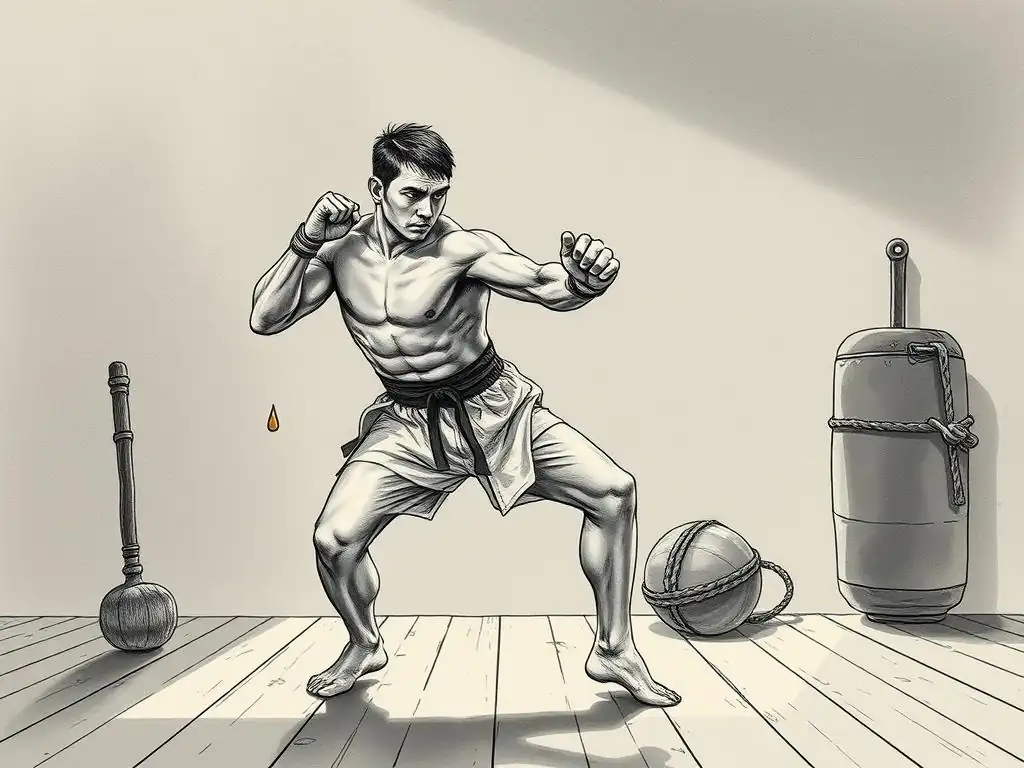
Here is a sample advanced training week for a fighter preparing for competition, illustrating the integration of various components. This is a template and would be heavily individualized.
- Monday: Morning: Road work (8-10 km run). Afternoon: Muay Thai technique drilling (2 hours, focus on specific combinations/entries), Pad work (6-8 rounds), Bag work (4-6 rounds).
- Tuesday: Morning: Strength & Conditioning (Focus on lower body power and core - Squats, Deadlifts, Plyometrics). Afternoon: Sparring (Controlled & Full-Contact, 8-10 rounds), Clinch drilling (30-45 minutes).
- Wednesday: Active Recovery (Light swim or cycle, Stretching/Mobility work, Foam Rolling).
- Thursday: Morning: Road work (Interval sprints or hill runs). Afternoon: Muay Thai technique drilling (2 hours, focus on knees/elbows/clinch entries), Pad work (6-8 rounds), Bag work (4-6 rounds).
- Friday: Morning: Strength & Conditioning (Focus on upper body power and rotational strength - Bench Press, Rows, Medicine Ball Throws). Afternoon: Light Sparring or Partner Drills (Reflexes, Timing), Clinch Sparring (Focused on sweeps/control, 30 minutes).
- Saturday: Long Road Work (10-15 km run) or Active Recovery.
- Sunday: Rest.
This schedule emphasizes dual sessions on peak training days, balancing technical skill work with intense physical conditioning. It incorporates various advanced Muay Thai training techniques across the week.
[ ] Track daily hydration intake (aim for 4-5 liters).
[ ] Record perceived exertion after each training session.
[ ] Dedicate 15 minutes daily to stretching/mobility.
[ ] Perform 10 minutes of visualization/mental rehearsal daily.
[ ] Ensure 7+ hours of sleep nightly.
Considerations for Individualizing Training Based on Fighter Archetype
Advanced Muay Thai training techniques must be tailored to the individual fighter's strengths, weaknesses, body type, and fighting style (archetype).
- The "Muay Khao" (Knee Fighter): This fighter excels in the clinch. Their training would prioritize clinch strength, endurance, and technique, potentially spending more time on clinch-specific drills and conditioning than other archetypes. Strength training would heavily focus on core, back, and grip strength.
- The "Muay Femur" (Technical Fighter): This fighter relies on precision, timing, and intelligence. Their training would emphasize advanced footwork, setting up combinations with feints, counter-striking, and strategic analysis. Sparring would focus on technical execution and game plan implementation.
- The "Muay Mat" (Puncher): This fighter has powerful hands. Training would incorporate boxing-specific drills, developing punching power and combinations, and integrating punches to set up other Muay Thai techniques. Strength training would focus on upper body explosive power and core rotation.
- The "Muay Tae" (Kicker): This fighter has devastating kicks. Training would prioritize kicking power, speed, and endurance, with extensive bag and pad work focusing on roundhouses and teeps. Flexibility and hip mobility would be crucial.
Regardless of archetype, all foundational elements (conditioning, basic techniques) are covered, but the emphasis and volume of specific advanced Muay Thai training techniques are adjusted to leverage strengths and mitigate weaknesses. This personalized approach is key to reaching elite status.
Nutrition and Supplementation for Peak Muay Thai Performance
Optimizing Diet for Energy and Recovery
Nutrition is the fuel for elite Muay Thai performance and recovery. A fighter's diet must be rich in complex carbohydrates to provide sustained energy for intense training sessions and fights. Sources include brown rice, oats, sweet potatoes, and whole grains. Protein intake is crucial for muscle repair and growth, with lean sources like chicken, fish, eggs, and lean beef being staples. A general guideline is 1.6-2.2 grams of protein per kilogram of body weight per day.
Healthy fats, such as avocados, nuts, seeds, and olive oil, are important for hormone production, brain function, and absorbing fat-soluble vitamins. Timing of nutrient intake is also vital; consuming carbohydrates and protein within a window after training aids recovery. Hydration before, during, and after training is non-negotiable, especially in hot climates typical of Muay Thai camps. Electrolyte balance is also important, particularly during periods of heavy sweating or weight cutting.
Supplementation Strategies for Muay Thai Fighters
While whole foods form the foundation, strategic supplementation can support the demanding needs of advanced Muay Thai training techniques. Common supplements include:
- Creatine Monohydrate: Can improve explosive power output and high-intensity performance, beneficial for striking and clinch bursts. Typical dosage is 3-5 grams per day.
- Beta-Alanine: Helps buffer lactic acid, potentially delaying fatigue during high-intensity efforts common in rounds. Dosage often ranges from 2-5 grams per day.
- Branched-Chain Amino Acids (BCAAs) / Essential Amino Acids (EAAs): Can support muscle protein synthesis and reduce muscle soreness, aiding recovery.
- Omega-3 Fatty Acids: Found in fish oil, these have anti-inflammatory properties, which can help manage joint pain and aid recovery from impact.
- Whey Protein: A convenient source of fast-digesting protein for post-training recovery.
Any supplementation plan should be individualized and ideally discussed with a sports nutritionist or healthcare professional, especially given potential interactions or regulations in competitive sports.
The Importance of Hydration in Intense Training
Proper hydration is absolutely critical for maintaining performance, regulating body temperature, and preventing injuries during intense Muay Thai training. Dehydration, even mild, can significantly impair strength, power, endurance, and cognitive function – all essential for executing advanced Muay Thai techniques. Fighters lose significant amounts of fluid and electrolytes through sweat during rigorous sessions, especially in hot and humid environments.
Monitoring hydration status, perhaps through urine color, is a simple yet effective method. Consuming water consistently throughout the day, not just during training, is necessary. Electrolyte drinks or adding a pinch of salt to water can be beneficial during prolonged or particularly sweaty sessions. During weight cutting phases, managing hydration becomes even more complex and requires careful planning to ensure the fighter is rehydrated properly before stepping into the ring to maximize performance potential.
Conclusion: Achieving Elite Status Through Dedicated Training and Advanced Techniques
The Path to Muay Thai Mastery: Dedication and Discipline
Achieving elite status in Muay Thai is a journey marked by unwavering dedication and rigorous discipline. It requires committing to a demanding lifestyle that encompasses not only countless hours in the gym perfecting advanced Muay Thai training techniques but also strict adherence to nutritional guidelines, prioritizing recovery, and cultivating mental fortitude. The path is long and challenging, filled with physical discomfort, mental hurdles, and the occasional setback.
It is the consistent application of effort, showing up for every session, pushing through fatigue, and constantly seeking improvement that defines an elite fighter. Discipline is the bridge between goals and accomplishment in the world of high-level combat sports. Mastery is not an end state but a continuous process of refinement and growth, built on a foundation of hard work and perseverance.
The Future of Muay Thai Training: Innovations and Trends
The future of Muay Thai training is likely to see further integration of sports science and technology, building upon the traditional foundations. Data analytics from wearable technology could provide deeper insights into fighter physiology, training load, recovery status, and performance metrics. This data can inform more personalized and efficient advanced Muay Thai training techniques.
Innovations in strength and conditioning equipment, recovery modalities (like cryotherapy or advanced massage techniques), and nutritional science will continue to evolve. Furthermore, virtual reality and advanced simulation tools might offer new ways to practice reactions, timing, and strategy. While the core principles of hard work, technique, and conditioning will remain timeless, the methods and tools used to achieve peak performance in advanced Muay Thai will undoubtedly continue to adapt and incorporate the best available knowledge from sports performance research.
Frequently Asked Questions
What are some examples of Muay Thai advanced training techniques?
Clinch fighting drills, incorporating knee and elbow strikes, are essential. Advanced pad work focuses on power development and combinations. Sparring scenarios simulate real-fight situations.
How does Muay Thai advanced training differ from beginner training?
Beginner training focuses on basic techniques and conditioning. Advanced training refines these skills, adding complex strategies and specialized drills. It emphasizes fight IQ and adaptability.
What role does mental conditioning play in Muay Thai advanced training?
Mental toughness is crucial at the elite level. Advanced training incorporates techniques to improve focus, resilience, and strategic thinking. Visualization and meditation are common tools.
How important is nutrition and recovery for Muay Thai fighters using advanced training regimens?
Optimal nutrition fuels intense training sessions and promotes recovery. Strategic recovery techniques, like massage and sleep, prevent overtraining and injuries. This directly impacts performance.
Where can I find resources to learn more about advanced Muay Thai techniques?
Websites like MartialArtsMastery.org offer historical overviews, training tips, and profiles of legendary practitioners. Seek out experienced Muay Thai trainers for personalized guidance. Consistent practice is key.
Final Reflection: Forging the Warrior's Spirit
The journey through Muay Thai advanced training techniques reveals more than just physical prowess; it unveils a profound dedication to discipline, resilience, and the pursuit of perfection. The techniques explored, from specialized clinch work to dynamic striking combinations, are not merely exercises, but rather a testament to the unwavering commitment required to reach the elite level. This dedication resonates powerfully today, as the demand for authentic and effective martial arts training continues to grow, inspiring individuals to push their limits and embrace the warrior spirit.
The impact of Muay Thai extends far beyond the ring, shaping character and fostering a deep sense of respect and self-awareness. The discipline instilled through rigorous training transcends the physical realm, influencing all aspects of life. The body achieves what the mind believes.
This ancient wisdom underscores the importance of mental fortitude in mastering Muay Thai and, indeed, in navigating the challenges of life itself. The cultural significance of Muay Thai, its rich history, and its emphasis on honor and respect, continue to inspire generations of practitioners worldwide.
Now, consider the lessons learned. Reflect on the dedication, the discipline, and the unwavering pursuit of excellence that define the elite Muay Thai fighter. How can you apply these principles to your own life, regardless of your chosen path? Embrace the challenge, push your boundaries, and cultivate the warrior spirit within. The journey to mastery is a lifelong pursuit, and the rewards are immeasurable.
Elevate Your Fight: Embrace the Warrior Within!
Thank you for exploring the path to elite Muay Thai. Now that you're armed with these advanced strategies, it's time to transform knowledge into power. Take the leap and redefine your limits.
Here's how to continue your journey:
- Commit to mastering one of the advanced drills outlined in this article for the next 30 days. Track your progress and feel the difference!
- Experiment with shadow boxing, visualizing yourself deploying these advanced techniques in the ring. Feel the flow.
- Share your biggest takeaway from this article on social media, tagging Martial Arts Mastery and inspiring others on their martial arts journey.
Ready to unleash your true potential and become the fighter you were destined to be? What single drill from this article are you most excited to incorporate into your training, and how will you measure your improvement?