
The Unseen Benefits: How Traditional Martial Arts Nurture Mind, Body, and Spirit.

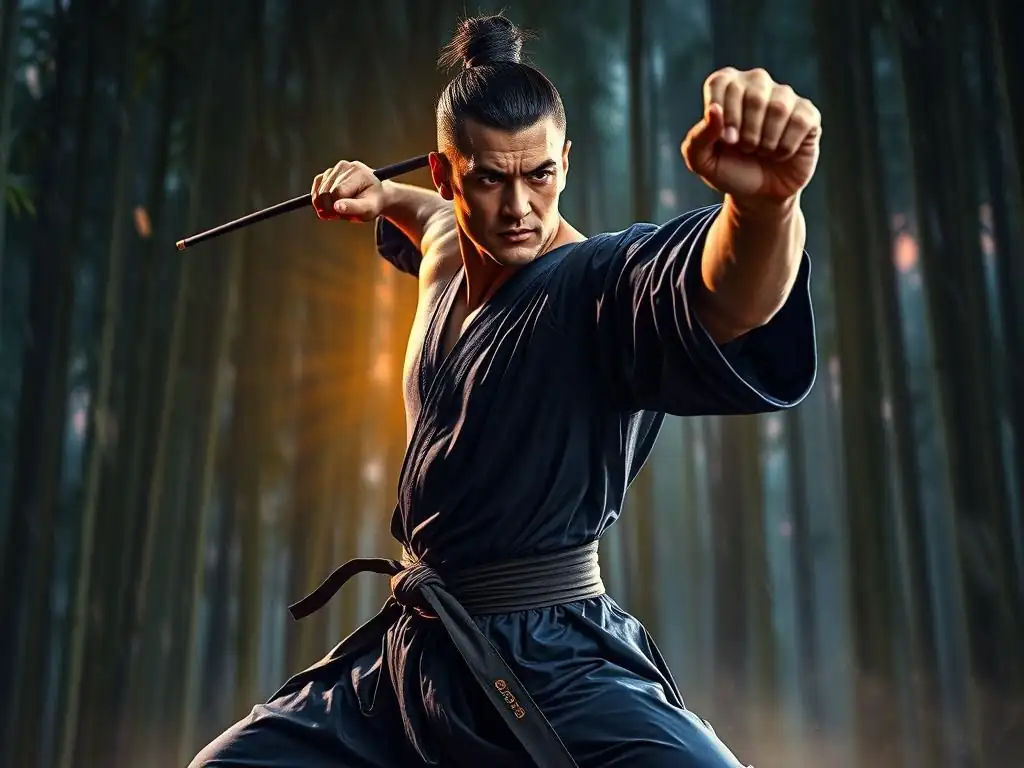
Welcome to Martial Arts Mastery, your gateway to the captivating world of combat disciplines!
Delve into the rich tapestry of martial arts traditions, where physical prowess intertwines with mental fortitude and spiritual growth. Are you ready to uncover the unseen benefits of these ancient practices? This exploration of traditional martial arts holistic benefits will reveal how these disciplines nurture not just the body, but also the mind and spirit. Discover the profound wisdom and enduring legacy waiting within – your journey to mastery starts now.
- Introduction: Unveiling the Holistic Power of Traditional Martial Arts
- Beyond Self-Defense: Exploring the Comprehensive Advantages of Traditional Martial Arts
-
The Physical Benefits: Strengthening the Body Through Traditional Practice
- Enhancing Physical Fitness: Improved Strength, Flexibility, and Endurance in Traditional Martial Arts Training
- Developing Coordination and Agility: The Physical Prowess Gained from Traditional Disciplines
- Injury Prevention and Rehabilitation: The Body Awareness and Recovery Aspects of Traditional Arts
- The Mental Benefits: Sharpening the Mind Through Traditional Practice
- The Spiritual Benefits: Nurturing the Spirit Through Traditional Practice
- Traditional Martial Arts for Overall Well-being: A Holistic Approach to Self-Improvement
- Preserving the Legacy: Why Traditional Martial Arts Matter
-
Frequently Asked Questions
- What are the main holistic benefits of practicing traditional martial arts?
- How do traditional martial arts contribute to mental well-being?
- What is the role of philosophy in traditional martial arts training?
- How can traditional martial arts be used for practical self-defense?
- What makes traditional martial arts different from modern combat sports?
- Final Reflection: Embracing the Holistic Path
- Unlock Your Inner Potential: Embrace the Martial Arts Journey!
Introduction: Unveiling the Holistic Power of Traditional Martial Arts
Traditional martial arts are often perceived primarily as systems of self-defense or combat. While their effectiveness in physical confrontation is undeniable, this view only scratches the surface of their profound impact. For centuries, disciplines like Karate, Judo, Kung Fu, Aikido, Taekwondo, and countless others have served as comprehensive paths to personal development, fostering growth that extends far beyond mere physical prowess. They are, in essence, holistic practices designed to cultivate the individual on multiple levels: physical, mental, and spiritual. This integrated approach is what truly defines the traditional martial arts holistic benefits.
The journey within traditional martial arts is one of continuous self-improvement. It's a path where repetitive physical drills build not just muscle memory but also mental resilience. Where bowing to an instructor teaches not just politeness but deep respect for lineage and knowledge. Where the pursuit of technical perfection is intertwined with the cultivation of inner peace and self-awareness. Understanding these deeper dimensions reveals why these ancient arts remain relevant and powerful in the modern world, offering a unique pathway to overall well-being that addresses the whole person.
Beyond Self-Defense: Exploring the Comprehensive Advantages of Traditional Martial Arts
While the ability to defend oneself is a significant and practical outcome of training, the true value of traditional martial arts lies in their capacity to shape character and instill enduring positive traits. These arts provide a structured environment where individuals learn perseverance, humility, and self-control. They are not merely about fighting; they are about building a better self, equipped to handle life's challenges with grace and strength. The comprehensive advantages derived from consistent training contribute significantly to the holistic benefits of traditional martial arts.
Consider the rigorous training required to achieve proficiency in any traditional style. Hours spent practicing kata, perfecting strikes, or refining throws demand dedication and an unwavering commitment to improvement. This process inherently builds discipline, a trait that translates directly into other areas of life, from academic pursuits to professional responsibilities. It is this systematic development of positive habits and mental fortitude, alongside physical conditioning, that distinguishes traditional martial arts as a truly holistic endeavor.
Traditional Martial Arts and the Cultivation of Inner Strength
Inner strength, often referred to as mental fortitude or resilience, is a cornerstone benefit derived from traditional martial arts training. The demanding nature of practice, the requirement to push past physical discomfort, and the necessity of overcoming frustration when learning complex techniques all contribute to developing a robust inner core. Students learn to face challenges head-on, manage fear, and maintain composure under pressure, skills invaluable both inside and outside the dojo or kwoon. This deliberate cultivation of mental toughness is a critical component of the traditional martial arts holistic benefits.
For example, a student learning a complex pattern or form (like a Karate kata or a Tai Chi form) must repeat movements hundreds, if not thousands, of times to achieve mastery. This repetitive, often frustrating process teaches patience, perseverance, and the ability to maintain focus even when fatigued or discouraged. Similarly, sparring or grappling practice, while physical, also tests one's ability to think strategically under duress, control emotional responses, and learn from failure. These experiences build a deep-seated confidence rooted not in arrogance, but in the proven ability to overcome obstacles through effort and discipline.
The Physical Benefits: Strengthening the Body Through Traditional Practice
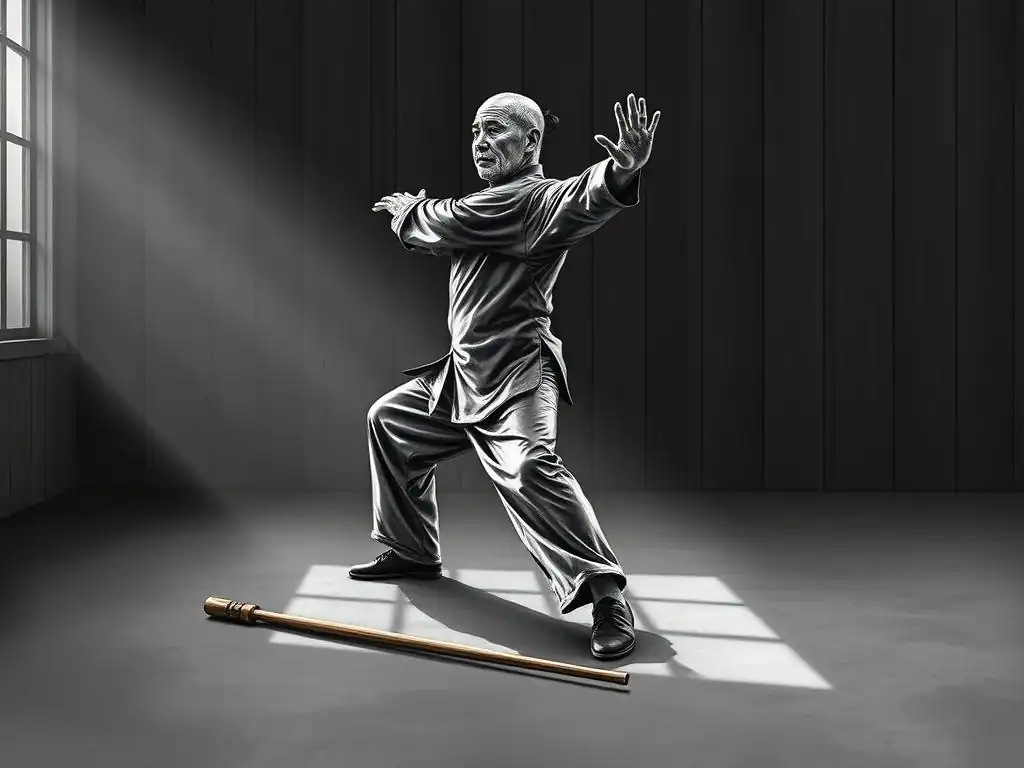
Beyond their self-defense applications, traditional martial arts offer a wealth of physical benefits, transforming the body through rigorous and varied training methodologies. These arts engage the entire physical system, promoting not just strength but also flexibility, balance, and coordination. Unlike many modern fitness regimes that might isolate muscle groups, traditional training often involves complex, full-body movements that enhance functional fitness. The physical conditioning is a fundamental layer of the traditional martial arts holistic benefits.
From the low stances of Karate to the fluid movements of Kung Fu or the dynamic throws of Judo, each discipline employs specific exercises and techniques that build a resilient and capable physique. Regular practice improves cardiovascular health, increases muscular endurance, and enhances overall physical conditioning. This systematic approach to physical development lays the groundwork for a healthier, more energetic life, supporting the mental and spiritual growth fostered by the art.
Enhancing Physical Fitness: Improved Strength, Flexibility, and Endurance in Traditional Martial Arts Training
Consistent engagement in traditional martial arts significantly enhances physical fitness across multiple dimensions. Strength is built through bodyweight exercises, resistance from movements like stances and blocks, and dynamic tension inherent in techniques. Flexibility is improved through dedicated stretching routines and the large range of motion required for many kicks, blocks, and joint locks. Endurance is developed through sustained practice sessions, repetitive drills, and dynamic sparring or randori.
Consider the training regimen in disciplines like Taekwondo or Shaolin Kung Fu. Taekwondo practitioners spend considerable time on stretching to achieve high, powerful kicks, developing remarkable flexibility in the hamstrings and hips. Shaolin Kung Fu training often involves demanding stances held for extended periods, building incredible leg strength and endurance. Judo players develop immense core and grip strength through grappling and throwing techniques, while also building cardiovascular endurance through continuous movement in randori (sparring). These specific training methods contribute tangibly to measurable improvements in physical capabilities.
Developing Coordination and Agility: The Physical Prowess Gained from Traditional Disciplines
Traditional martial arts are masters at cultivating coordination and agility. The intricate sequences of movements in forms (kata, forms, poomsae), the precise timing required for effective techniques, and the need to react swiftly and appropriately in dynamic situations all contribute to developing superior body control and spatial awareness. This enhanced coordination is a key physical aspect contributing to the traditional martial arts holistic benefits.
For instance, executing a complex Karate kata requires coordinating breath, balance, muscle tension, and movement timing perfectly. Learning throwing techniques in Aikido demands precise body positioning, timing, and sensitivity to an opponent's balance. Sparring across various disciplines necessitates rapid assessment of distance, timing, and angle, followed by coordinated offensive or defensive actions. These activities train the neuromuscular system to work efficiently and harmoniously, resulting in improved reaction time, balance, and overall physical grace and efficiency.
Injury Prevention and Rehabilitation: The Body Awareness and Recovery Aspects of Traditional Arts
While demanding, traditional martial arts training also fosters deep body awareness, which can be crucial for injury prevention. Learning proper posture, alignment, and movement mechanics reduces strain and the risk of injury during practice and in daily life. Furthermore, many traditional systems incorporate elements of traditional medicine, stretching, and conditioning that aid in recovery and can even assist in rehabilitation from previous injuries.
Many traditional schools emphasize specific warm-up and cool-down routines that include dynamic stretching, static stretching, and joint mobility exercises, all designed to prepare the body for rigorous activity and promote recovery. Some disciplines, like Tai Chi, are explicitly used for their gentle, flowing movements that improve circulation, balance, and joint health, often recommended for rehabilitation or maintaining physical function in older age. The focus on controlled movement and understanding the body's limits, rather than simply pushing through pain, is a hallmark of responsible traditional training that contributes to long-term physical well-being.
The Mental Benefits: Sharpening the Mind Through Traditional Practice
The mental discipline required in traditional martial arts is as significant as the physical. Training demands focus, concentration, and the ability to learn complex sequences and strategies. This rigorous mental engagement sharpens cognitive abilities and builds mental resilience, contributing significantly to the traditional martial arts holistic benefits.
The constant feedback loop of practice and correction teaches students to be attentive to detail, patient with the learning process, and persistent in the face of difficulty. Mastering a technique requires not just physical repetition but deep mental engagement – understanding the principles behind the movement, visualizing its execution, and refining it through conscious effort. This active mental process has profound positive effects on cognitive function.
Improving Focus and Concentration: The Mental Discipline of Traditional Martial Arts
Focus and concentration are not merely desirable traits in traditional martial arts; they are essential for safety, effectiveness, and progress. Whether practicing a form, performing a drill, or engaging in sparring, the mind must be fully present and attentive. This constant demand for mental engagement naturally trains the ability to concentrate and maintain focus for extended periods.
In many traditional dojos or kwoons, the atmosphere is one of focused intensity. Students are expected to pay close attention to instruction, observe demonstrations carefully, and execute techniques with mindful intent. Techniques like Zazen (seated meditation) often accompany Budo arts like Zen Karate or Aikido, explicitly training the mind to quiet distractions and achieve a state of heightened awareness. This deliberate practice of controlling attention translates directly into improved focus in academic work, professional tasks, and everyday activities.
Boosting Self-Esteem and Confidence: The Psychological Impact of Mastering Traditional Techniques
Achieving proficiency in traditional martial arts is a powerful builder of self-esteem and confidence. As students progress through the ranks, mastering increasingly complex techniques and overcoming physical and mental challenges, they gain a tangible sense of accomplishment. This progress is often marked by belt promotions or rank advancements, providing clear milestones of achievement.
The confidence gained is not based on inflated ego but on earned competence. Knowing that one can perform demanding physical tasks, apply learned techniques effectively (even in controlled practice), and persevere through difficult training instills a deep-seated belief in one's capabilities. This quiet confidence, grounded in real-world achievement, is a significant component of the traditional martial arts holistic benefits and empowers individuals to face challenges outside the training environment with greater assurance.
Stress Reduction and Mental Clarity: Finding Peace Through Traditional Martial Arts Practice
The physical exertion and focused mental engagement of traditional martial arts practice provide a powerful outlet for stress and a pathway to mental clarity. The demands of training require students to be fully present, pushing aside the worries and distractions of daily life. The rhythmic nature of forms, the physical release of energy, and the meditative aspects inherent in disciplined movement all contribute to reducing tension and promoting a sense of calm.
Many practitioners report that the dojo or kwoon becomes a sanctuary, a place where they can leave their stress at the door. The combination of intense physical activity and focused mental discipline acts as a moving meditation, clearing the mind and providing perspective. Finishing a training session often leaves practitioners feeling refreshed, centered, and with a renewed sense of mental clarity, highlighting the profound traditional martial arts holistic benefits for psychological well-being.
The Spiritual Benefits: Nurturing the Spirit Through Traditional Practice
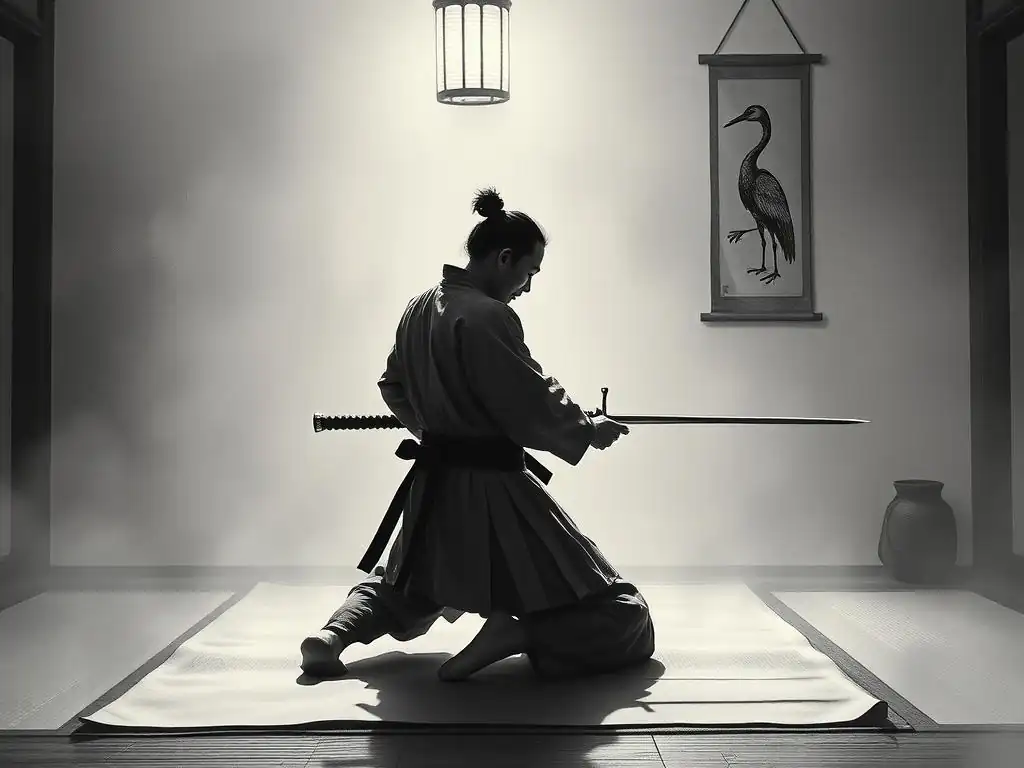
Beyond the physical and mental, traditional martial arts touch upon a deeper, spiritual dimension. They are not just about fighting techniques or physical fitness; they are pathways for cultivating character, understanding oneself, and connecting with something larger than the individual. This spiritual aspect is arguably the most unique and profound of the traditional martial arts holistic benefits.
Many traditional systems are deeply intertwined with philosophical or religious traditions (like Zen Buddhism, Taoism, or Confucianism), emphasizing virtues such as humility, respect, compassion, and integrity. The training process itself becomes a metaphor for life's journey – facing challenges, learning from mistakes, striving for perfection, and understanding the interconnectedness of all things.
Cultivating Respect and Discipline: The Moral Compass of Traditional Martial Arts
Respect (Rei in Japanese arts, Li in Chinese arts) and discipline are fundamental pillars of traditional martial arts training. From bowing upon entering the training space to showing deference to instructors and senior students, these arts instill a deep appreciation for hierarchy, tradition, and mutual respect. Discipline is not just about following rules; it's about cultivating self-control, perseverance, and commitment.
In most traditional schools, the first lessons taught are often about etiquette and behavior, not physical techniques. Students learn to arrive on time, maintain cleanliness, listen attentively, and treat others with courtesy. The uniform discipline of practice – repeating movements precisely, following instructions without question (in the learning phase), and maintaining composure – builds a strong internal locus of control. This focus on character development and moral grounding is a core aspect of the traditional martial arts holistic benefits, shaping individuals into responsible and ethical members of society.
Developing Mindfulness and Self-Awareness: The Inner Journey of Traditional Practice
Traditional martial arts practice is inherently a form of mindfulness. To execute techniques effectively and safely, one must be fully present in the moment, aware of one's own body, the environment, and (if applicable) a partner or opponent. This heightened state of awareness extends beyond the physical to encompass one's thoughts and emotions.
Through consistent training, practitioners become acutely aware of their physical capabilities and limitations, their emotional responses under pressure, and their mental habits (like impatience or frustration). This self-awareness is crucial for personal growth, allowing individuals to identify areas for improvement and develop strategies for managing their inner landscape. The meditative aspects of forms practice or the quiet focus required in arts like Iaido (Japanese sword drawing) are explicit methods for cultivating this deep connection with the present moment and one's inner state, contributing significantly to the traditional martial arts holistic benefits.
Connecting with History and Tradition: The Cultural Significance of Ancient Martial Arts
Training in traditional martial arts is also a way of connecting with history, culture, and a lineage of practitioners that stretches back centuries. Each technique, form, and principle is steeped in the history and philosophy of its origin, offering a window into the values and wisdom of past generations. This connection provides a sense of continuity and belonging.
Learning about the founders of a style, the historical context in which it developed, and the philosophical underpinnings that guided its evolution enriches the practice and provides a deeper appreciation for the art. Students become part of a living tradition, responsible for upholding its standards and passing on its knowledge. This cultural and historical connection adds a layer of meaning to the physical practice, fostering respect for heritage and contributing to a well-rounded sense of self that includes one's place within a larger historical narrative.
Traditional Martial Arts for Overall Well-being: A Holistic Approach to Self-Improvement
Bringing together the physical, mental, and spiritual dimensions, traditional martial arts offer a truly holistic pathway to overall well-being and self-improvement. They provide a structured framework for developing a strong, capable body, a focused and resilient mind, and a grounded, ethical spirit. This integrated approach is what makes the traditional martial arts holistic benefits so powerful and enduring.
Unlike fragmented approaches to self-improvement that might focus solely on physical fitness or mental exercises, traditional martial arts weave these elements together seamlessly. The physical training supports mental discipline, the mental focus enhances physical execution, and the spiritual principles guide both physical and mental effort. This synergy creates a powerful engine for personal transformation.
Integrating Mind, Body, and Spirit: The Harmony Achieved Through Traditional Practice
The core principle behind the traditional martial arts holistic benefits is the integration of mind, body, and spirit. Training is designed to harmonize these aspects, recognizing that weakness in one area impacts the others. A strong body supports a clear mind; a disciplined mind can push the body beyond perceived limits; and a grounded spirit provides the motivation and ethical framework for practice.
Consider the concept of "Mushin" (no mind) in Zen-influenced martial arts, where techniques are executed spontaneously and effectively without conscious thought, a state achieved through rigorous physical repetition and mental discipline. Or the emphasis on "Qi" (vital energy) in many Chinese martial arts, where physical movements are coordinated with breath and mental intent to cultivate internal power and health. These concepts illustrate how traditional arts deliberately seek to unify the individual's physical, mental, and energetic dimensions, leading to a state of harmony and peak performance.
The Enduring Relevance of Traditional Martial Arts in Modern Life
In a world often characterized by stress, fragmentation, and a disconnect between physical and mental well-being, the holistic approach of traditional martial arts offers a much-needed antidote. They provide a structured, supportive environment for individuals to develop resilience, find focus, and cultivate inner peace. The skills learned – discipline, respect, perseverance, self-awareness – are universally applicable and highly valuable in navigating the complexities of modern life.
Whether facing challenges at work, managing personal relationships, or simply seeking a path to greater health and fulfillment, the lessons and practices of traditional martial arts offer practical tools and profound insights. The demand for authentic experiences and holistic approaches to wellness ensures that the traditional martial arts holistic benefits remain highly relevant and sought after today.
Preserving the Legacy: Why Traditional Martial Arts Matter
The preservation of traditional martial arts is crucial not only for maintaining historical and cultural heritage but also for ensuring that their profound holistic benefits remain accessible to future generations. In an age of rapid change and commercialization, the integrity of these ancient practices is sometimes challenged. Supporting authentic traditional schools and practitioners is vital.
These arts represent a vast repository of human knowledge regarding physical conditioning, mental discipline, ethical development, and effective self-defense. Their value extends far beyond combat, offering a proven path to a balanced and fulfilling life. Ensuring their continuity is an investment in individual well-being and the richness of global culture.
Passing Down Knowledge and Values: The Importance of Preserving Traditional Practices
Traditional martial arts are living legacies, passed down from teacher to student through direct instruction and dedicated practice. This transmission involves not just techniques but also the underlying principles, philosophy, and etiquette that define the art. Preserving these practices ensures that the cumulative wisdom of centuries remains available.
Authentic traditional schools emphasize lineage, adherence to established forms and principles, and the cultivation of character alongside physical skill. This commitment to passing down the full scope of the art, including its ethical and spiritual dimensions, is what maintains the integrity of the traditional martial arts holistic benefits. Supporting these schools helps safeguard these valuable traditions from dilution or loss.
Embark on Your Journey: Finding a Traditional Martial Arts School
If you are seeking a path to comprehensive self-improvement that addresses mind, body, and spirit, exploring traditional martial arts is a worthwhile endeavor. Look for schools that emphasize discipline, respect, and the philosophical underpinnings of the art, not just physical combat. Visit different dojos or kwoons, speak with instructors and students, and observe classes to find a style and environment that resonates with you.
Beginning your journey in traditional martial arts is an investment in yourself. It's a commitment to growth, challenge, and the pursuit of excellence on multiple levels. The traditional martial arts holistic benefits are profound and life-changing, offering a pathway to greater physical health, mental resilience, and spiritual depth. Step onto the mat, and discover the unseen benefits that await.
Frequently Asked Questions
What are the main holistic benefits of practicing traditional martial arts?
Traditional martial arts provide benefits beyond physical fitness. They cultivate mental discipline, promote emotional regulation, and foster a stronger sense of self.
How do traditional martial arts contribute to mental well-being?
Traditional martial arts training emphasizes focus and concentration, leading to improved cognitive function and reduced stress levels. Meditation and mindfulness are often incorporated.
What is the role of philosophy in traditional martial arts training?
Many traditional martial arts are rooted in philosophies like Buddhism or Confucianism. These philosophies instill values of respect, discipline, and self-improvement.
How can traditional martial arts be used for practical self-defense?
While emphasizing respect and avoidance, traditional martial arts teach effective self-defense techniques. These skills empower individuals to protect themselves in dangerous situations.
What makes traditional martial arts different from modern combat sports?
Traditional martial arts focus on holistic development, encompassing physical fitness, mental discipline, and spiritual growth. Modern combat sports are often more focused on competition and athletic performance.
Final Reflection: Embracing the Holistic Path
The exploration of traditional martial arts reveals more than just physical prowess; it unveils a profound journey of self-discovery and holistic well-being. The true power of these disciplines lies not solely in combat techniques, but in their ability to cultivate a harmonious balance between mind, body, and spirit, a need increasingly relevant in our fragmented modern world. This integrated approach offers a sanctuary from the stresses of contemporary life, providing tools for resilience, focus, and inner peace.
The enduring influence of traditional martial arts on individuals and communities is undeniable. Witnessing the transformation of students, from hesitant beginners to confident practitioners, underscores the profound impact these disciplines have on self-esteem, discipline, and respect. The ultimate aim of martial arts is not to win battles, but to avoid fighting altogether.
This ancient wisdom reminds us that the true strength gained through martial arts extends far beyond the dojo, shaping our character and guiding our actions in all aspects of life.
Now, as you reflect on the unseen benefits of traditional martial arts, consider how you might integrate these principles into your own life. Embrace the pursuit of balance, cultivate mindfulness, and strive for continuous self-improvement. The path to holistic well-being is a lifelong journey, and the lessons learned from traditional martial arts can serve as a powerful guide, empowering you to navigate life's challenges with grace, strength, and unwavering spirit.
Unlock Your Inner Potential: Embrace the Martial Arts Journey!
Thank you for exploring the unseen benefits of traditional martial arts. We hope this article has illuminated how these practices can cultivate a stronger mind, body, and spirit. Now, it's time to take the next step on your personal journey!
Here are a few ways to dive deeper:
- Find a local dojo that resonates with your values and offers a trial class. Don't be afraid to try different styles until you find the right fit!
- Share this article with friends and family who might benefit from discovering the holistic benefits of martial arts.
- Consider starting a journal to document your martial arts experiences, recording your progress and insights as you learn and grow.
What's one small step you can take today to begin experiencing the transformative power of martial arts?