
The Hidden Meanings in Your Dojo's Layout: A Symbolic Tour

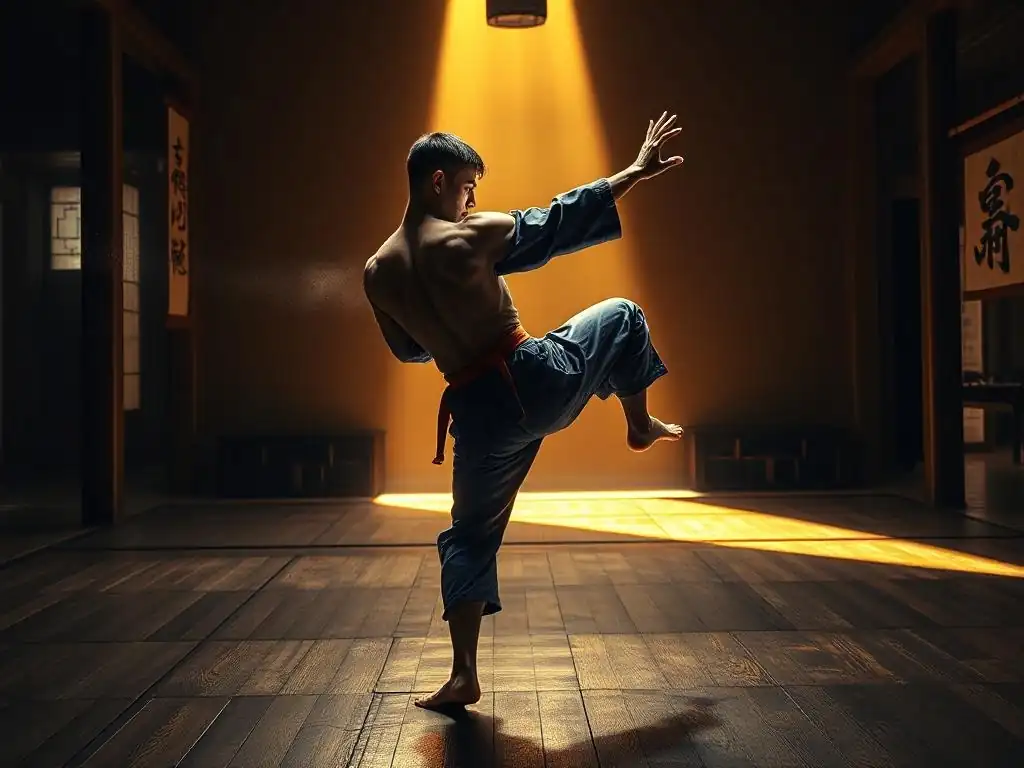
Welcome to Martial Arts Mastery, where we delve into the profound history and intricate techniques of combat traditions worldwide. Ever walked into a dojo and felt a sense of reverence, without quite understanding why? This article, " The Hidden Meanings in Your Dojo's Layout: A Symbolic Tour", unlocks the secrets behind the Dojo layout symbolism meaning, revealing how every element, from the kamiza to the training space, is steeped in philosophical significance. Prepare to see your dojo, and perhaps your entire practice, in a completely new light. What secrets will you uncover?
- Understanding Dojo Layout Symbolism and its Significance in Martial Arts
- The Spiritual and Practical Design of a Traditional Dojo
- Key Elements of Dojo Layout Symbolism: A Detailed Exploration
- Dojo Layout Symbolism Meaning: A Deeper Dive into Specific Elements
- Dojo Layout Variations Across Different Martial Arts
- Modern Dojo Design: Balancing Tradition and Functionality
- Preserving the Symbolic Heritage of the Dojo
- Conclusion: The Enduring Power of Dojo Layout Symbolism in Martial Arts Training
-
Frequently Asked Questions
- What is the significance of Dojo layout in martial arts training?
- Why is understanding the Dojo layout symbolism meaning important?
- How can the placement of the Shomen (front of the dojo) impact training?
- What role do kamiza (altar) and shimoza (lower seating area) play in Dojo layout symbolism meaning?
- Does the physical arrangement of training mats in a dojo carry any Dojo layout symbolism meaning?
- Final Reflection: Unveiling the Dojo's Silent Language
- Ignite Your Inner Warrior: Begin Your Dojo Transformation!
Understanding Dojo Layout Symbolism and its Significance in Martial Arts
The physical space where martial arts training takes place, commonly known as the dojo, is far more than just a room with mats. Its layout is steeped in tradition and symbolism, reflecting the philosophical underpinnings and practical necessities of the art practiced within its walls.
Understanding the dojo layout symbolism meaning is crucial for any serious practitioner, as it provides insights into the history, etiquette, and core values of the training environment. Every element, from the direction faced during practice to the placement of specific items, carries weight and contributes to the overall atmosphere of respect, discipline, and focus essential for effective martial arts training.
The significance of the dojo layout symbolism meaning extends beyond mere aesthetics; it actively shapes the behavior and mindset of those training there. The arrangement dictates movement patterns, reinforces hierarchy, and serves as a constant reminder of the lineage and principles being upheld. By adhering to the traditional layout and understanding its purpose, students learn humility, respect for seniors and the art itself, and the importance of mindful presence. This deliberate structuring of the space ensures that the dojo remains a sanctuary for dedicated practice and personal growth, rather than just a gymnasium.
The Spiritual and Practical Design of a Traditional Dojo
The design of a traditional dojo is a careful balance between spiritual reverence and practical functionality. On one hand, it is a sacred space intended to foster a connection to the lineage, founders, and philosophical ideals of the martial art. Elements like the kamiza serve as focal points for respect and meditation. On the other hand, the layout must facilitate safe and effective training, providing adequate space for movement, clear lines of sight, and a logical flow for practice drills and ceremonies. The integration of these spiritual and practical aspects is key to the dojo's unique atmosphere.
This dual nature ensures that the dojo is not only a place of physical exertion but also a crucible for mental and spiritual development. The practical considerations, such as the type of flooring (often tatami mats in many Japanese arts) or the available space for throws or strikes, directly impact training methods. Simultaneously, the spiritual elements, embedded in the dojo layout symbolism meaning, cultivate qualities like perseverance, humility, and respect, which are just as vital to martial mastery as physical technique.
The Historical Evolution of Dojo Design Principles
The concept of a dedicated training space evolved over centuries, particularly in Japan. Early dojo were often temporary spaces or even outdoor areas. As martial arts became more formalized, influenced by Zen Buddhism and samurai culture, the need for a structured, dedicated indoor space grew. The layout began to incorporate elements found in temples and traditional Japanese homes, emphasizing simplicity, cleanliness, and a connection to nature or spiritual ideals. For instance, the orientation towards the north or east became common, aligning with cosmological beliefs and honoring significant figures or deities.
Over time, specific elements like the kamiza (seat of honor) became standard, reflecting the hierarchical structure of feudal society and the importance of lineage in martial arts transmission. The seating arrangement (shimoseki) formalized the relationship between teacher and students, and between senior and junior practitioners. While specific layouts might vary slightly between different ryuha (schools) or arts, the core principles of respect, hierarchy, and a focus point for reverence solidified, shaping the fundamental dojo layout symbolism meaning we recognize today.
Dojo Layout and its Influence on Training Effectiveness
The layout of a dojo directly impacts the effectiveness of training by influencing movement, safety, and the learning environment. A well-designed dojo provides ample space for practitioners to move freely without collision, crucial for arts involving throws, sparring, or weapons. The placement of the instructor (sensei) and students within the space facilitates clear instruction and observation, ensuring techniques are learned correctly and safely. For example, in a typical karate dojo, the large open space allows for lines of students practicing kata or basic techniques simultaneously, with the instructor positioned to oversee everyone.
Beyond physical safety and instruction, the dojo layout symbolism meaning fosters a focused and disciplined atmosphere conducive to learning. The designated areas for bowing, the structured seating arrangements, and the presence of the kamiza all reinforce the seriousness of the practice. This environment minimizes distractions and encourages practitioners to be present and mindful, enhancing concentration during training. A cluttered or poorly organized dojo, conversely, can impede movement, increase the risk of injury, and detract from the mental discipline required for mastery.
Key Elements of Dojo Layout Symbolism: A Detailed Exploration
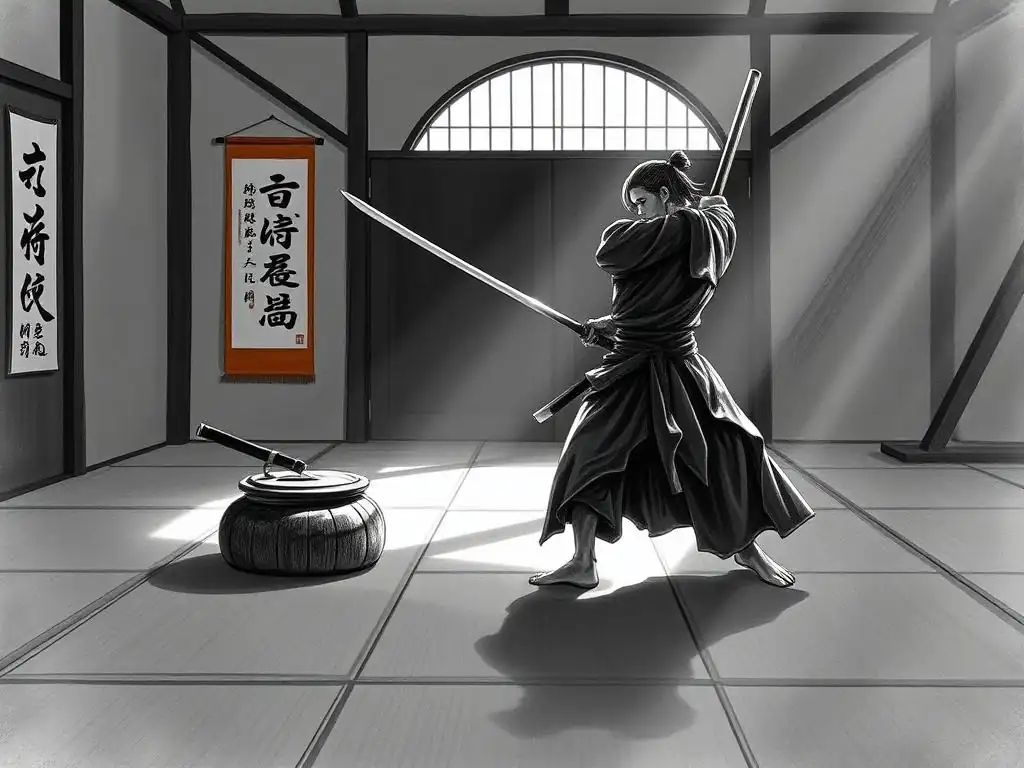
Understanding the key elements of a dojo's layout is essential to grasping the full dojo layout symbolism meaning. Each part of the space has a specific function and symbolic significance that contributes to the overall training experience and the preservation of tradition.
The Kamiza (Shomen): Honoring Lineage and Tradition
The kamiza, or shomen (front), is arguably the most sacred and important area in a traditional dojo. It is typically located at the front of the dojo, often facing north or east, and serves as the focal point for respect and reverence.
This area usually contains symbols representing the lineage of the art, such as portraits of the founder or past masters, calligraphy scrolls (kakemono) with inspirational phrases or the name of the art, or a small shrine (kamidana) dedicated to a deity or the spirit of the art. The kamiza embodies the history, philosophy, and spiritual core of the training.
Practitioners bow towards the kamiza upon entering and exiting the dojo and at the beginning and end of practice. This act of bowing (rei) is not worship, but a profound expression of respect for the art's heritage, the masters who developed and preserved it, and the space itself. It serves as a reminder that the individual practitioner is part of a larger tradition and that their training is built upon the efforts and sacrifices of those who came before. The kamiza reinforces the dojo layout symbolism meaning by anchoring the present practice in the rich history of the art.
The Placement and Symbolic Meaning of the Kamiza
The strategic placement of the kamiza at the front of the dojo holds significant symbolic meaning. Facing it during practice or ceremonies signifies aligning oneself with the principles and lineage of the art. In many Japanese traditions, facing north or east is associated with honor, direction, and auspiciousness. The elevated position or distinct area dedicated to the kamiza visually emphasizes its importance as the spiritual heart of the dojo. It is a constant, immovable point of reference that represents the unchanging ideals and foundation of the martial art.
The objects placed at the kamiza are carefully chosen for their symbolic value. A portrait of the founder connects current practitioners directly to the source of the art. Calligraphy scrolls often contain maxims or principles central to the art's philosophy, serving as visual affirmations of the path being followed.
The presence of a kamidana, even a simple one, links the practice to broader cultural and spiritual beliefs, reinforcing the idea that martial arts are not just physical techniques but a way of life. This detailed dojo layout symbolism meaning around the kamiza underscores its role as the repository of the art's spirit.
Rituals Performed at the Kamiza
Various rituals are performed at the kamiza before and after training sessions. The most common is the formal bow (rei) towards the kamiza, often accompanied by a moment of silent meditation (mokuso). This ritual serves to clear the mind, leave outside distractions behind, and focus on the practice ahead. It is a moment to show gratitude for the opportunity to train and to acknowledge the legacy of the art. In some dojo, a brief seated meditation may also be performed facing the kamiza.
Following the bow to the kamiza, practitioners typically bow to the instructor(s) and then to their fellow students. This sequence of bows – to the lineage (kamiza), to the teacher (sensei), and to fellow students (otagai) – reinforces the hierarchical structure and the spirit of mutual respect and support within the dojo community. These rituals, centered around the kamiza, are fundamental to understanding the dojo layout symbolism meaning and are integral to the discipline and etiquette of martial arts training.
The Shimoseki: Seating Arrangements and Hierarchy
The shimoseki, or lower side, refers to the area of the dojo where students typically sit during formal occasions, such as lectures, demonstrations, or the beginning/end of class ceremonies. This area is usually opposite the kamiza, and the seating arrangement within it reflects the hierarchy of the dojo. This strict ordering is a visual representation of the respect for experience, dedication, and rank within the martial arts community.
Understanding the shimoseki and its seating rules is vital to proper dojo etiquette. It teaches humility, respect for seniors, and the importance of finding one's place within the group structure. The specific dojo layout symbolism meaning embedded in the shimoseki reinforces the traditional master-student relationship and the system of progression through ranks.
Understanding Seating Order and Respect in the Dojo
Seating order in the shimoseki is typically determined by rank and seniority. The most senior students (sempai) sit closest to the instructor or at the head of the student rows, often along the shimoza (lower seat) side wall if it's opposite the kamiza. Junior students (kohai) sit further down the rows, closer to the entrance or the less privileged side. This arrangement ensures that senior students are positioned to assist the instructor and set an example for less experienced practitioners.
This structured seating arrangement is not merely about status; it's a practical way to manage the training space and reinforce the learning hierarchy. Senior students are expected to guide and support juniors, and the seating order facilitates this interaction. Bowing to fellow students often follows the order of seniority, further emphasizing the respect due to those with more experience. Adhering to this seating protocol is a fundamental aspect of dojo etiquette and understanding the dojo layout symbolism meaning.
The Role of Senior and Junior Students in the Dojo Layout
Senior students play a crucial role within the dojo layout, particularly in the shimoseki. They are positioned to lead by example, assist the instructor with demonstrations or corrections, and help maintain order and discipline. Their seating near the front or head of the rows makes them visible models for junior students. For instance, during seated meditation or bowing ceremonies, juniors follow the lead of the seniors.
Junior students, while seated further down, learn the importance of observing, listening, and respecting the guidance of both the instructor and their seniors. Their position is a visual reminder of their place in the learning journey and the path ahead. The dynamic between seniors and juniors, facilitated by the dojo layout, fosters a sense of community and mutual responsibility. Seniority is earned through dedication and perseverance, and the seating arrangement acknowledges this achievement, adding another layer to the dojo layout symbolism meaning.
The Dojo Entrance (Shimoza): Respect and Transition
The dojo entrance, often referred to as the shimoza (lower seat, though sometimes used more broadly for the entrance area), is a critical threshold that marks the transition from the outside world to the sacred training space. It is the point where practitioners leave behind their daily concerns and enter an environment dedicated to discipline, focus, and self-improvement. The design and etiquette associated with the entrance emphasize respect for the dojo and the practice within.
Bowing upon entering and exiting is a universal practice in traditional dojo, signifying respect for the space, the people inside, and the art itself. This simple act is a powerful ritual that mentally prepares the practitioner for training and acknowledges the value of the time spent within the dojo walls. The entrance area often includes space for removing shoes, further separating the clean training area from the outside. This attention to detail at the threshold is integral to the dojo layout symbolism meaning.
The Significance of Entering and Exiting the Dojo
The act of entering the dojo is a deliberate step into a different state of mind. The bow performed at the entrance is a conscious decision to shed external distractions and adopt the mindset required for serious training – one of humility, focus, and readiness to learn. It is a moment of respect for the history held within the dojo's walls and the energy of the practitioners who have trained there. The direction of the bow is usually towards the kamiza, even from the entrance, reinforcing the connection to the lineage.
Exiting the dojo is equally significant. The final bow upon leaving is an expression of gratitude for the training received, the lessons learned, and the opportunity to practice. It is also a commitment to carry the principles and discipline cultivated within the dojo back into the outside world. This ritualistic transition highlights the dojo as a special, distinct environment, separate from everyday life, where personal transformation occurs. The careful handling of this transition point adds depth to the dojo layout symbolism meaning.
Maintaining Proper Etiquette at the Dojo Entrance
Maintaining proper etiquette at the dojo entrance is a fundamental aspect of dojo discipline. This includes removing shoes neatly before stepping onto the training floor, bowing upon entry and exit, and often waiting respectfully if the class is already in session before joining. Arriving on time is also considered part of respecting the dojo and fellow practitioners, avoiding disruption upon entry.
In some dojo, a specific mat or area is designated just inside the entrance for bowing. Students pause here, adjust their gi (training uniform) if necessary, and perform a standing or seated bow before fully entering the training space. This specific ritual reinforces the boundary between the outside and the inside and emphasizes the importance of mindfulness from the moment one arrives until the moment one leaves. This adherence to specific entrance etiquette is a tangible manifestation of the dojo layout symbolism meaning.
The Training Space (Jo): Harmony and Flow
The main training area, often called the 'jo', is the heart of the dojo where techniques are practiced, forms are performed, and sparring takes place. While seemingly just an open space, its design and maintenance are crucial for both practical training and embodying the dojo's symbolic values. The quality of the flooring (such as tatami mats for grappling arts or polished wood for striking arts), the amount of clear space, and the overall cleanliness contribute significantly to the training environment.
The training space is where the principles represented by the kamiza and the hierarchy defined by the shimoseki are put into action. It's where physical effort meets mental discipline, and where the community of practitioners interacts. A well-designed training space facilitates harmonious movement, prevents injuries, and allows the energy (ki or chi) of the practice to flow freely. Understanding the importance of this space is key to appreciating the overall dojo layout symbolism meaning.
Optimizing the Training Area for Movement and Practice
Optimizing the training area involves ensuring sufficient clear space for the specific movements of the martial art practiced. For example, an Aikido dojo requires significant open space for circular movements and falls, while a Kendo dojo needs a long, unobstructed area for striking drills. The surface must be appropriate for the art – shock-absorbent mats for judo or jiu-jitsu, or a firm, level floor for striking arts like karate or taekwondo. Proper lighting is also essential for visibility and safety.
Layout considerations also include ensuring that obstacles are minimized and that the flow of movement during drills or class transitions is smooth. Designated areas for warm-ups, cool-downs, or waiting can help manage traffic within the space. The practical arrangement of the training area directly supports the physical demands of the art, allowing practitioners to focus on technique and effort without unnecessary constraints or hazards. This functional design is interwoven with the dojo layout symbolism meaning, as effective practice is itself a form of respect for the art.
The Importance of a Clean and Organized Dojo Space
Maintaining a clean and organized dojo space is not merely about hygiene; it is a deeply ingrained aspect of dojo etiquette and symbolism. A clean dojo reflects the discipline and respect of its practitioners. It signifies that the space is valued and cared for. Cleaning the dojo (soji) is often a communal activity, undertaken by students, and is considered a form of meditation and character development.
An organized dojo minimizes distractions and creates a calm environment conducive to focused training. Equipment is stored neatly, personal belongings are kept out of the training area, and the space feels uncluttered. This attention to cleanliness and organization embodies the principle of mindfulness and respect for the training environment and fellow practitioners. The immaculate state of the training space is a powerful element of the dojo layout symbolism meaning, representing purity of intent and dedication to the path.
Dojo Layout Symbolism Meaning: A Deeper Dive into Specific Elements
Beyond the major areas like the kamiza and training floor, other specific elements within the dojo contribute to its symbolic depth and practical function. Mirrors, lighting, and the choice of colors and materials all play a role in shaping the training environment and reinforcing the dojo layout symbolism meaning.
Mirrors and Their Symbolic Representation in the Dojo
Mirrors in a dojo serve both a practical and a symbolic purpose. Practically, they allow students to observe their own posture, technique, and movement, enabling self-correction under the guidance of the instructor. This immediate visual feedback is invaluable for refining physical execution, especially in solo practice or forms (kata). Many modern dojo incorporate mirrors along one or more walls for this reason.
Symbolically, mirrors can represent self-reflection and introspection. They force the practitioner to confront their own image, both physically and metaphorically. Training is a journey of self-discovery and improvement, and the mirror serves as a constant reminder to look inward, acknowledge one's strengths and weaknesses, and strive for authenticity in movement and character. While not universally present in traditional dojo, where the emphasis might be more on feeling the technique, mirrors add a layer of self-awareness to the modern dojo layout symbolism meaning.
The Significance of Lighting in a Dojo Environment
The lighting in a dojo significantly impacts the atmosphere and training experience. Traditional dojo often utilized natural light, emphasizing a connection to the time of day and the outside world, albeit filtered to maintain focus. Modern dojo use artificial lighting, but its quality is important. Bright, even lighting is essential for safety, allowing practitioners to see clearly during fast movements, sparring, or intricate techniques.
Beyond functionality, lighting can influence mood and concentration. While some dojo favor bright, functional lighting, others might use softer, more diffused light, particularly in areas designated for meditation or philosophical discussion. The play of light and shadow can also subtly define different areas of the dojo. The careful consideration of how light illuminates the training space contributes to the overall ambiance and supports the focused, disciplined environment central to the dojo layout symbolism meaning.
Colors and Materials: Their Symbolic Importance in the Dojo
The colors and materials used in a dojo are often chosen for their durability, practicality, and symbolic meaning. Natural materials like wood, tatami mats (made from woven straw), and sometimes stone are common, reflecting a connection to nature and simplicity. These materials are often robust and age gracefully, symbolizing the enduring nature of the martial art itself. The natural textures can also add to the calm, grounded feeling of the space.
Colors are typically subdued and natural, such as browns, beiges, and whites. These colors promote calmness, focus, and a sense of purity, avoiding the distractions of bright or garish hues. White walls are common, symbolizing cleanliness and a blank slate for the practitioner's journey. The simplicity of the color palette and materials reinforces the dojo's purpose as a place of serious training and self-cultivation, stripping away unnecessary adornments to focus on the essence of the practice. This deliberate choice of materials and colors enhances the dojo layout symbolism meaning, promoting a serene and focused training environment.
Dojo Layout Variations Across Different Martial Arts
While core principles of respect and hierarchy are often shared, the specific dojo layout can vary significantly depending on the martial art practiced. These variations are driven by the distinct physical requirements, philosophical emphasis, and historical context of each discipline. Understanding these differences highlights how the dojo layout symbolism meaning is adapted to suit the specific needs of the art.
Judo Dojo Layout: Traditional Elements and Practices
Judo dojo are characterized by their large, often blue or green, tatami mats covering the entire training area. These mats are essential for safe throwing and grappling practice. The layout prioritizes open space, free from obstacles, to allow for dynamic movement and falls. The kamiza is typically present, often with a portrait of Jigoro Kano, the founder of Judo, and sometimes calligraphy.
Seating during formal occasions follows the traditional shimoseki arrangement by rank. The entrance area is designed for easy removal of shoes and bowing onto the mats. While the emphasis is heavily on the practical needs of grappling, the presence of the kamiza and adherence to bowing rituals maintain the connection to traditional dojo layout symbolism meaning, emphasizing respect for the founder, the art, and fellow practitioners.
Karate Dojo Layout: Spatial Considerations and Etiquette
Karate dojo layouts often feature a smooth, level floor surface, which can be wood, specialized matting, or even polished concrete, suitable for striking, stances, and fast footwork. While tatami may be used, it's typically firmer than that found in judo dojo. The space needs to accommodate lines of students practicing techniques or kata simultaneously, often requiring a wide, open area. The kamiza is a central feature, frequently displaying the kanji for the specific karate style or a portrait of its founder.
Etiquette is highly structured in a karate dojo, with specific lines for students based on rank during formal bows at the beginning and end of class. The dojo layout facilitates this structure, with clear areas for lining up (often facing the kamiza). The emphasis on precision in movement is mirrored in the precise arrangement of the space. The dojo layout symbolism meaning in karate highlights discipline, respect for the lineage, and the importance of collective training while maintaining individual focus.
Aikido Dojo Layout: Circular Movements and Energy Flow
Aikido dojo are typically characterized by large, open spaces covered in tatami mats, similar to judo dojo, but often softer to accommodate frequent falls (ukemi). The layout is designed to facilitate the fluid, circular movements that are central to Aikido techniques. Obstacles are minimized to allow for unimpeded movement in all directions. The kamiza is always present, often featuring a portrait of Aikido founder Morihei Ueshiba and calligraphy related to peace and harmony.
The layout supports the philosophical emphasis on harmony and non-resistance. While hierarchy is present, reflected in seating arrangements and bowing, the focus on blending with an opponent's energy is subtly supported by the open, flowing nature of the training space. The dojo layout symbolism meaning in Aikido emphasizes the connection between physical movement, internal energy (ki), and the principles of harmony and peace embodied by the art.
Kendo Dojo Layout: Swordmanship and Respect
Kendo dojo, known as dojo or keikojo, feature a sprung wooden floor, which is essential for the specific footwork (surikashi) used in Kendo. The layout is typically long and rectangular, providing ample length for striking practice (suburi) and duels (shiai). A designated area at one end serves as the kamiza, often displaying calligraphy or items related to swordsmanship tradition.
The layout supports the rigorous and disciplined nature of Kendo training. The clear, open floor allows for unrestricted movement with the shinai (bamboo sword). Strict etiquette governs movement within the dojo, particularly concerning crossing in front of the kamiza or between practitioners during practice. The dojo layout symbolism meaning in Kendo is strongly tied to the samurai tradition, emphasizing discipline, respect for the sword, the opponent, and the spirit of Kendo, all facilitated by the structured and purposeful design of the training space.
Modern Dojo Design: Balancing Tradition and Functionality
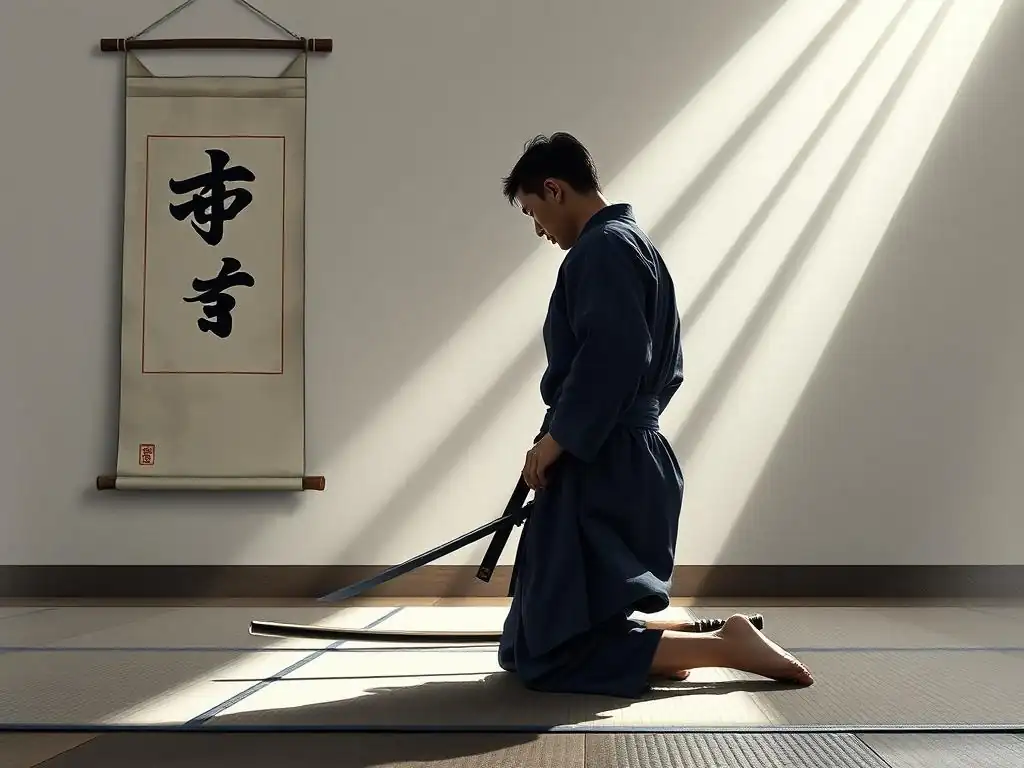
As martial arts spread globally and training needs evolve, modern dojo design faces the challenge of balancing traditional dojo layout symbolism meaning with contemporary practical requirements. This involves incorporating modern amenities and design principles while preserving the core elements that make a dojo a sacred and effective training space.
Incorporating Modern Design Elements while Respecting Tradition
Modern dojo often incorporate features not found in traditional settings, such as specialized shock-absorbent subflooring, advanced climate control systems, and improved lighting. Some may include dedicated areas for weight training, changing rooms with showers, or viewing areas for spectators. The use of durable, low-maintenance materials is also common. The challenge lies in integrating these modern elements without sacrificing the traditional atmosphere and the symbolic meaning embedded in the layout.
Successful modern dojo designs find ways to blend functionality with respect for tradition. For example, while using modern materials, they might maintain the traditional color palette. The kamiza remains the focal point, even if the overall architecture is contemporary. Separate, distinct areas for modern amenities ensure they do not intrude upon the main training space, preserving its sanctity. This careful integration ensures the dojo remains practical for modern training while upholding the essential dojo layout symbolism meaning.
Creating a Functional and Symbolic Training Space
Creating a modern dojo that is both functional and symbolic requires thoughtful planning. The layout must prioritize the needs of the specific martial art while incorporating the key elements that carry symbolic weight. This means ensuring ample, appropriate training space, placing the kamiza in a prominent and respected position, and designing the entrance to facilitate the transition into the training mindset.
The use of subtle design cues, such as natural materials, appropriate lighting, and a clean, uncluttered aesthetic, can help evoke the traditional dojo atmosphere even in a modern building. Educating students about the dojo layout symbolism meaning is also crucial; understanding the 'why' behind the layout helps them appreciate and respect the space, regardless of its architectural style. A well-designed modern dojo proves that functionality and deep symbolic meaning can coexist, providing an optimal environment for contemporary martial arts training.
Preserving the Symbolic Heritage of the Dojo
Preserving the symbolic heritage of the dojo is vital for maintaining the integrity of martial arts traditions. The dojo is more than just a building; it is a living embodiment of the art's history, philosophy, and values. Understanding and upholding the dojo layout symbolism meaning ensures that practitioners connect with this rich heritage and that the training environment continues to foster the necessary discipline and respect.
This preservation is not about rigidly adhering to outdated practices for their own sake, but about recognizing the profound impact the environment has on the practitioner's journey. The dojo's layout is a physical manifestation of the principles being taught, and maintaining its symbolic integrity helps transmit these principles effectively across generations.
The Importance of Understanding and Maintaining Dojo Traditions
Understanding dojo traditions, particularly those related to the layout and etiquette, is fundamental to becoming a complete martial artist. It provides context for the physical techniques and connects the practitioner to the lineage and community. Maintaining these traditions, such as bowing to the kamiza, respecting seating order, and keeping the space clean, reinforces discipline, humility, and respect – qualities essential for mastery both inside and outside the dojo.
Failure to understand and maintain these traditions can dilute the essence of the training. If the dojo is treated merely as a gym, the deeper philosophical and spiritual aspects of the martial art may be lost. Upholding the dojo layout symbolism meaning ensures that the training environment remains a sacred space dedicated to serious self-cultivation, fostering not just physical skill but also character development.
Educating Students on the Meaning of Dojo Layout Symbolism
Educating students, especially beginners, on the meaning behind the dojo layout symbolism is crucial for their development. Instructors should explain the significance of the kamiza, the seating arrangement, the entrance rituals, and the importance of maintaining the space. This education helps new students understand the unique culture of the dojo and why certain rules and customs are followed.
This process can involve verbal explanations, demonstrations, and requiring adherence to etiquette from the first day. Some dojo provide written guides or hold introductory sessions specifically covering dojo etiquette and the dojo layout symbolism meaning. By instilling this understanding early, students develop a deeper appreciation for the training environment and become active participants in preserving its symbolic heritage, ensuring the traditions are passed down accurately and respectfully.
Conclusion: The Enduring Power of Dojo Layout Symbolism in Martial Arts Training
Frequently Asked Questions
What is the significance of Dojo layout in martial arts training?
The layout of a dojo is rarely arbitrary. It often incorporates symbolic elements that reinforce the values and principles of the martial art practiced there, and can influence the student's mindset during training.
Why is understanding the Dojo layout symbolism meaning important?
Grasping the symbolism inherent in a dojo's design enhances the training experience. It fosters a deeper connection to the martial art's history and philosophy, promoting respect and understanding.
How can the placement of the Shomen (front of the dojo) impact training?
The Shomen, or front of the dojo, is often oriented toward a specific direction or features an image or scroll that represents the school's founder or core principles. This serves as a focal point for respect and meditation.
What role do kamiza (altar) and shimoza (lower seating area) play in Dojo layout symbolism meaning?
The kamiza is the place of honor, often holding objects representing the dojo's lineage and guiding principles. The shimoza is where students sit and train, signifying their position relative to the masters and traditions.
Does the physical arrangement of training mats in a dojo carry any Dojo layout symbolism meaning?
The configuration of tatami mats, or training surfaces, can symbolize various aspects of the martial art. For example, a circular arrangement might represent harmony and unity, while a linear setup could emphasize discipline and structure.
Final Reflection: Unveiling the Dojo's Silent Language
The exploration of dojo layout symbolism, as we've seen, isn't merely an academic exercise; it's a vital key to unlocking a deeper understanding of martial arts philosophy and tradition. The arrangement of space within a dojo directly impacts the learning experience, fostering respect, discipline, and a connection to the art's lineage. By recognizing the hidden meanings embedded in the dojo's design, we can cultivate a more profound appreciation for the principles that guide our practice.
The enduring power of the dojo's layout lies in its ability to silently shape our behavior and mindset. This silent influence, often overlooked, is precisely what makes understanding dojo layout symbolism so crucial for both instructors and students. It's a reminder that every element, from the placement of the kamiza to the orientation of the training floor, contributes to the overall atmosphere and reinforces the values of the martial art. The dojo is not just a place to train; it is a microcosm of the universe, reflecting the principles of harmony, balance, and respect.
As you step back into your dojo, I encourage you to look beyond the familiar. Contemplate the arrangement of the space, the placement of key elements, and the subtle messages they convey. Let the dojo's layout serve as a constant reminder of the rich history, profound philosophy, and unwavering commitment to self-improvement that lie at the heart of your martial arts journey. Embrace the silent language of the dojo, and allow it to guide you towards a deeper understanding of yourself and the art you practice.
Ignite Your Inner Warrior: Begin Your Dojo Transformation!
Thank you for exploring the hidden meanings within your dojo's layout. Now that you understand the profound symbolism, it's time to bring that knowledge to life! Here are a few actionable steps you can take:
- Reimagine your dojo's layout! Start small by focusing on one key area that resonates with you, like the Kamiza or training space, and let your intuition guide you.
- Share this article with fellow martial artists on social media and spark a conversation about the symbolic importance of dojo design.
- Meditate on the significance of each element in your dojo, allowing the deeper meanings to enhance your training and personal growth.
What is one small change you can make to your dojo this week to honor its symbolism and elevate your practice?