
The Unique Ceremonies of Sumo: A World of Ancient Ritual

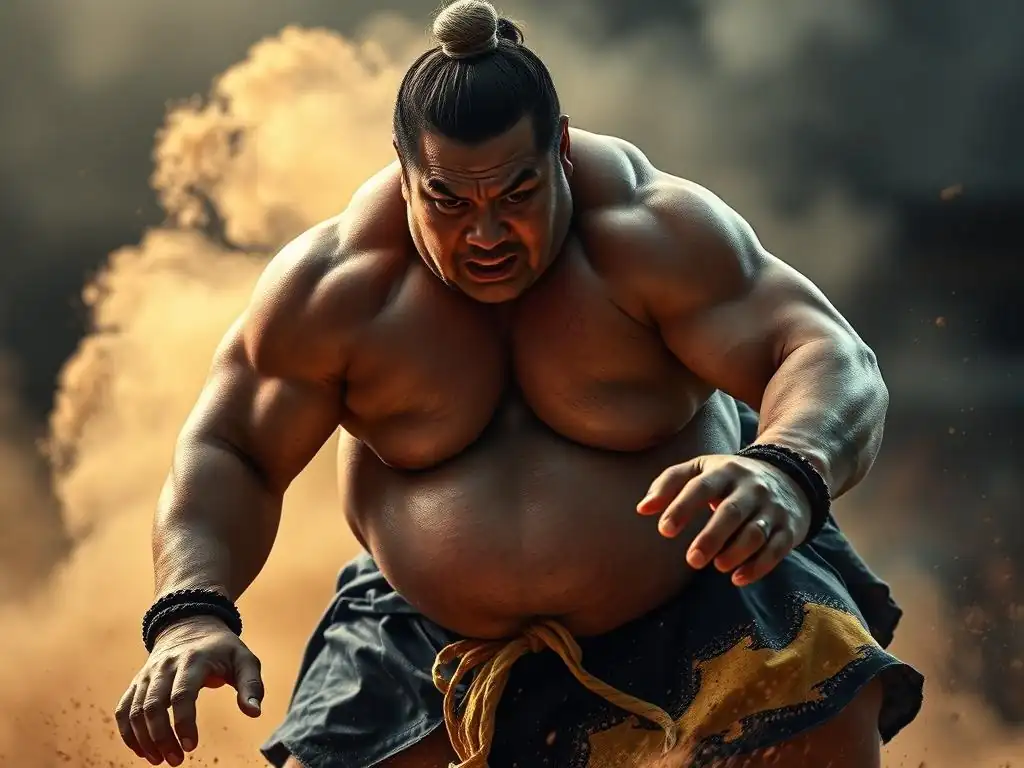
Welcome to Martial Arts Mastery, where we delve into the fascinating world of combat traditions. Beyond the strikes and stances, lies a rich tapestry of history and culture. Today, we invite you to step into the ring and explore the captivating world of Sumo wrestling, where ancient rituals are not just tradition, but the very essence of the sport. What secrets do these time-honored ceremonies hold, and how do they shape the spirit of the rikishi? Prepare to uncover a world of tradition unlike any other...
- Sumo Wrestling Ancient Rituals: An Introduction to Tradition
- The Dohyo: Sacred Ring and Ritual Space
- Shikiri: The Pre-Match Ritual of Sumo Wrestlers
- The Gyoji: The Referee as a Ceremonial Figure
- Post-Match Ceremonies: Respect and Gratitude in Sumo
- The Sumo Stable: A Community Steeped in Tradition
- Preserving Sumo's Ancient Rituals in the Modern Era
-
Frequently Asked Questions
- What are some of the ancient rituals central to Sumo wrestling?
- How does the dohyo, or Sumo ring, relate to ancient rituals?
- Why is salt throwing such a prominent ritual in Sumo?
- Does the ritualistic nature of Sumo impact its standing as a modern sport?
- What is the significance of the mawashi (Sumo belt) in relation to the ancient rituals?
- Final Reflection: Echoes of Ancient Strength
- Unveil Your Inner Strength: Embrace Sumo's Wisdom!
Sumo Wrestling Ancient Rituals: An Introduction to Tradition
The Enduring Significance of Ritual in Sumo
Sumo wrestling is far more than just a sport; it is a living embodiment of ancient Japanese tradition, deeply interwoven with ritual and ceremony. These Sumo wrestling ancient rituals are not mere formalities but are considered essential components of the practice, imbuing each match and aspect of a wrestler's life with spiritual meaning and historical weight. The rituals serve to purify the space, honor the deities, and prepare the competitors mentally and spiritually for combat. They are a constant reminder of the sport's sacred origins and its connection to the natural world and the divine.
The adherence to these rituals is paramount, dictating everything from the construction of the wrestling ring (dohyo) to the specific movements before a bout. For centuries, these practices have been passed down, largely unchanged, emphasizing continuity and respect for the past. Even in the modern era, where Sumo is a professional sport followed globally, the ancient ceremonies remain central, distinguishing it from contemporary athletic competitions and highlighting its unique status as a cultural treasure.
Sumo's Deep Roots in Shintoism and Japanese Culture
The origins of Sumo wrestling are inextricably linked to Shinto, Japan's indigenous religion. Early forms of Sumo were performed as rituals dedicated to the kami (deities) to pray for bountiful harvests and national prosperity. This foundational connection to Shintoism explains the strong emphasis on purification and the sacred nature of the dohyo. Elements such as the scattering of salt, the elaborate roof structure above the ring resembling a Shinto shrine, and the presence of a Shinto priest are direct legacies of this religious heritage.
Beyond Shinto, Sumo is deeply embedded in the broader tapestry of Japanese culture. It reflects core cultural values such as respect, discipline, perseverance, and hierarchy. The rigorous training regimen, the strict stable system, and the elaborate etiquette observed by wrestlers both inside and outside the ring are all manifestations of these cultural norms. Understanding Sumo wrestling ancient rituals provides crucial insight into the historical, religious, and cultural forces that have shaped this unique martial art.
The Dohyo: Sacred Ring and Ritual Space
Purification Rituals of the Dohyo
The dohyo, the elevated clay ring where Sumo bouts take place, is considered a sacred space, akin to the grounds of a Shinto shrine. Before and during a tournament, elaborate purification rituals are performed to cleanse the dohyo and ensure it is free from evil spirits. The most visible of these is the scattering of salt (shio-maki), performed repeatedly by wrestlers before their matches. Large quantities of salt are used throughout a tournament – hundreds of kilograms might be scattered over a 15-day basho (tournament) – symbolizing purification and inviting blessings.
Another significant purification ceremony is the Dohyo Matsuri, a Shinto ritual performed by Shinto priests and Sumo officials before the start of a tournament. During this ceremony, offerings such as rice, sake, salt, and dried squid are buried in the center of the dohyo. This act is a prayer for the safety of the wrestlers and the success of the tournament, reinforcing the dohyo's status as consecrated ground where Sumo wrestling ancient rituals are performed.
The Dohyo-iri: Ring-Entering Ceremony Explained
The dohyo-iri is a spectacular ring-entering ceremony performed by the top two divisions of Sumo wrestlers (Makuuchi and Juryo) before the day's matches begin. Wrestlers, wearing elaborate ceremonial aprons called kesho-mawashi, parade into the dohyo one by one, forming a large circle. The Makuuchi ceremony is particularly grand, featuring around 40 wrestlers adorned in richly embroidered kesho-mawashi that can cost millions of yen and weigh up to 10 kilograms.
After forming a circle, the wrestlers perform a synchronized ritual: they face the audience, clap their hands together twice (a Shinto purification gesture), raise their right hands, and then lift their kesho-mawashi in unison. This ceremony not only introduces the wrestlers to the crowd but also serves as a collective purification and a demonstration of unity and respect for the sacred dohyo. The Yokozuna (Grand Champion) has his own, even more elaborate dohyo-iri, accompanied by a sword-bearer and a dew-sweeper, highlighting his supreme status and the depth of these ancient Sumo wrestling ancient rituals.
Shikiri: The Pre-Match Ritual of Sumo Wrestlers
The Meaning Behind the Salt Throwing Ritual
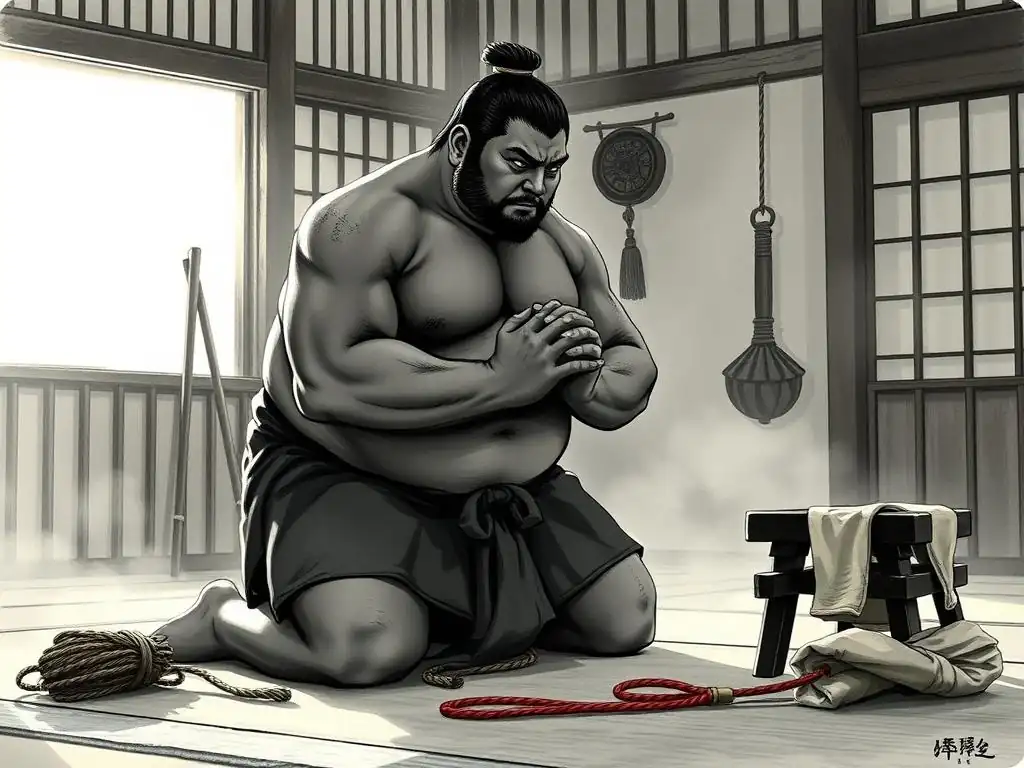
One of the most recognizable Sumo wrestling ancient rituals is the shio-maki, or salt throwing, performed by wrestlers during the shikiri phase before a bout. As mentioned earlier, the primary purpose of scattering salt is purification, cleansing the dohyo of any impurities or negative energy. Wrestlers will grab a handful of salt from a box at the side of the ring and dramatically toss it into the dohyo. This act is repeated multiple times during the shikiri period.
Beyond purification, the salt throwing also serves as a psychological preparation for the wrestler. It's a moment to focus, clear the mind, and enter the proper mental state for combat. The act itself is powerful and symbolic, warding off evil and praying for good fortune and a safe match. The amount and vigor with which a wrestler throws salt can sometimes be an indicator of their mental state or their intent to emphasize the ritualistic aspect of the upcoming contest.
Psychological Warfare and Ritualistic Stance
The shikiri is not solely about purification; it is also a crucial period of psychological engagement between the two wrestlers. Facing each other across the dohyo, they perform a series of ritualistic movements: squatting low ( sonkyo), staring each other down, and returning to their corners to throw more salt. This back-and-forth process, repeated over several minutes, is a battle of wills and intimidation. Each wrestler attempts to gauge their opponent's readiness and project their own strength and confidence.
The ritualistic stance ( sonkyo) involves squatting low with hands on knees, a posture that allows wrestlers to maintain eye contact and size each other up. It is a pose of respect and readiness. This protracted period of non-physical engagement, filled with intense psychological tension and ancient Sumo rituals, builds anticipation for the explosive physical clash that will follow. It’s a unique blend of spiritual preparation, mental combat, and physical readiness.
The Time Limit and the Intensification of the Shikiri
The shikiri is governed by a time limit, which varies depending on the wrestlers' division. For the top Makuuchi division, the time limit is four minutes. This duration allows for multiple cycles of facing off, squatting, and scattering salt. As the time limit approaches, the intensity of the shikiri increases. The wrestlers will crouch lower and stare more intently, preparing for the final crouch at the shikiri-sen (starting lines).
The final moments of the shikiri are critical. Both wrestlers must place their fists on the dohyo simultaneously at the shikiri-sen to signal their readiness. Failure to do so results in a false start. The pressure builds as the referee ( gyoji) calls out the remaining time. This structured, time-limited ritual ensures that the physical confrontation begins only when both competitors are mentally and ritually prepared, underscoring the importance of these Sumo wrestling ancient rituals in the sport's execution.
The Gyoji: The Referee as a Ceremonial Figure
The Gyoji's Traditional Attire and Symbolism
The gyoji, the Sumo referee, is far more than just an official; they are integral participants in the Sumo wrestling ancient rituals, acting as intermediaries and guardians of tradition. Their attire is deeply symbolic and reflects historical court dress. Gyoji wear elaborate silk robes that change color and style depending on their rank, starting with simple cotton robes for lower ranks and progressing to intricately embroidered silk for higher ranks, culminating in the magnificent, multi-layered robes worn by senior tate-gyoji (chief referees).
A distinctive element of the gyoji's attire is the gunbai, a war fan carried in their right hand. Historically, war fans were used by samurai commanders. In Sumo, the gunbai is used to indicate the winner of a bout.
The gyoji also wears zori (straw sandals) and, for higher ranks, carries a short sword ( tanto) tucked into their sash. The sword symbolizes the gyoji's readiness to commit seppuku (ritual suicide) if they make a grave error in judging a match, a stark reminder of the seriousness and high stakes associated with their role in upholding the integrity of Sumo wrestling ancient rituals.
The Gyoji's Role in Maintaining Ritual Purity
The gyoji plays a crucial role in maintaining the ritual purity and order of the dohyo and the Sumo wrestling ancient rituals. They oversee the shikiri, ensuring wrestlers adhere to the time limits and perform the necessary actions correctly. During the bout, the gyoji not only calls the match but also offers encouragement and instructions to the wrestlers, often using traditional, almost sing-song calls.
Following a match, the gyoji performs the gunbai-dashi, presenting the gunbai to the winning wrestler. In cases where prize money ( kensho) is awarded, the gyoji receives envelopes of money from attendants and presents them to the winner, fanning them with the gunbai as a symbolic gesture of prosperity. The gyoji's presence and actions throughout the tournament are a constant affirmation of the sacred nature of the dohyo and the enduring importance of the Sumo wrestling ancient rituals.
Post-Match Ceremonies: Respect and Gratitude in Sumo
The Bow Twirling Ceremony (Yumitori-shiki)
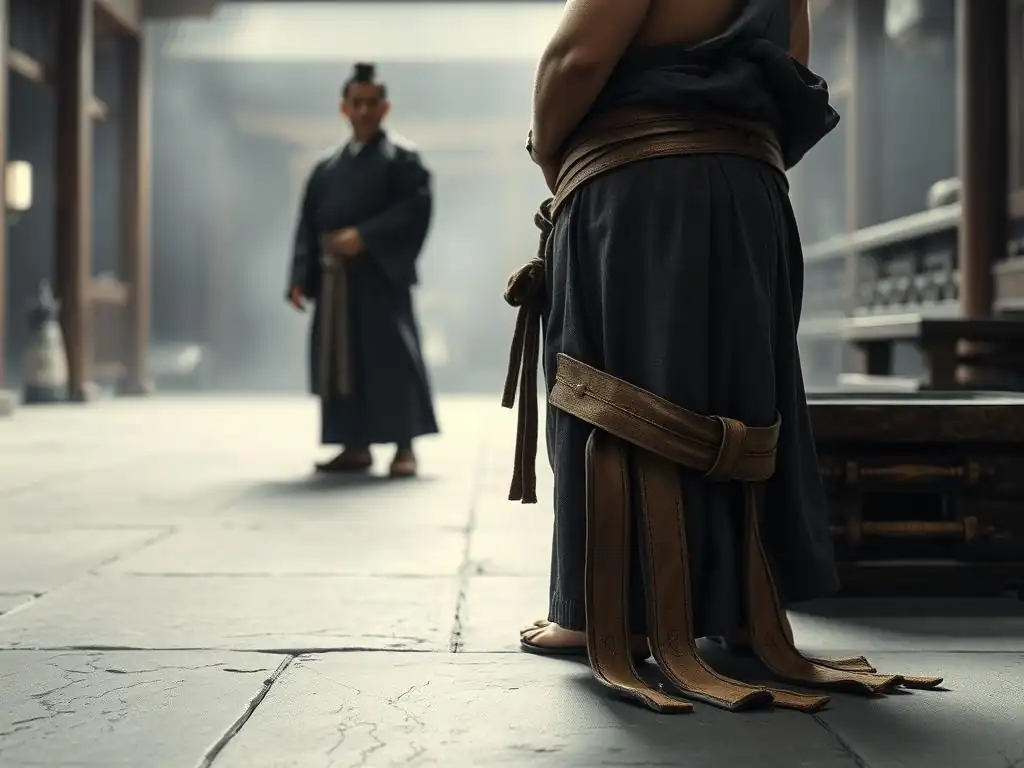
At the end of each day's competition in a basho, a special ceremony called the Yumitori-shiki (bow twirling ceremony) is performed. This ritual is carried out by a designated wrestler from the Makuuchi division, typically a lower-ranked one, who is skilled in the movements. The wrestler enters the dohyo carrying a bow, which symbolizes victory.
The ceremony involves a series of stylized movements and flourishes with the bow, performed to the rhythm of traditional drumming. It is said to have originated centuries ago when the winner of a tournament would be presented with a bow. The Yumitori-shiki is a beautiful and graceful demonstration, serving as a closing ritual for the day's events and a symbolic offering of peace and gratitude after the intense competition, reinforcing the ceremonial aspect of Sumo wrestling ancient rituals.
The Significance of the Winner's Demeanor
After a bout concludes, the winner's demeanor is as important as their victory. According to Sumo wrestling ancient rituals and etiquette, the victorious wrestler should maintain a humble and respectful posture. They do not overtly celebrate or show excessive emotion. After the gyoji declares the winner and presents the gunbai, the winning wrestler performs a silent, respectful bow to their opponent and to the gyoji.
This subdued reaction reflects the deep respect inherent in Sumo – respect for the opponent, the dohyo, the gyoji, and the spirit of the sport itself. Even after receiving prize money envelopes from the gyoji, the winner simply accepts them with a slight nod or bow. This emphasis on humility in victory is a cornerstone of Sumo's philosophy and differentiates it from many modern sports, highlighting its roots in ancient Japanese martial and cultural traditions.
The Sumo Stable: A Community Steeped in Tradition
Daily Rituals and Training in the Sumo Stable
Life in a Sumo stable ( heya) is a rigid daily routine steeped in tradition and ritual. Wrestlers live together communally, adhering to a strict hierarchy and schedule dictated by the stablemaster ( oyakata). The day begins early, often before sunrise, with training sessions ( keiko) that last for several hours. These sessions involve intense physical drills, sparring, and conditioning, all performed under the watchful eye of the stablemaster and senior wrestlers.
Beyond physical training, the stable is where wrestlers learn and internalize the Sumo wrestling ancient rituals and etiquette. Junior wrestlers serve senior ones, performing chores and assisting in training preparation. Meals are also ritualistic, with a strict pecking order determining who eats first (senior wrestlers) and who serves (junior wrestlers). This communal living and strict routine are designed to build discipline, reinforce the hierarchy, and ensure the seamless transmission of Sumo's traditions from one generation to the next.
The Hierarchy and Respect within the Sumo Community
Hierarchy is a fundamental principle governing life within a Sumo stable and the broader Sumo world. Rank dictates everything: training partners, seating order at meals, sleeping arrangements, and even daily tasks. Junior wrestlers ( deshi) must show absolute respect and obedience to senior wrestlers ( sekitori) and the stablemaster. This system is not merely about control but is seen as essential for teaching humility, discipline, and the proper way to conduct oneself according to Sumo wrestling ancient rituals and customs.
Respect extends beyond the stable walls. Wrestlers must show respect to their opponents, the gyoji, the dohyo, and the sport's history. This is evident in the post-match bows, the careful handling of their mawashi (belt), and their overall conduct in public. The hierarchical structure and emphasis on respect are vital components of the traditional Sumo lifestyle, ensuring that the ancient Sumo wrestling ancient rituals and values are preserved and upheld by all practitioners.
Preserving Sumo's Ancient Rituals in the Modern Era
Challenges to Tradition and Maintaining Authenticity
In the 21st century, Sumo faces challenges in preserving its ancient rituals and traditions while adapting to the demands of a modern, globalized world. Issues such as recruitment, the increasing influence of media, and the need for financial viability can sometimes clash with the sport's deeply conservative nature and strict adherence to historical practices. Maintaining the authenticity of centuries-old Sumo wrestling ancient rituals requires constant effort and commitment from the Japan Sumo Association, stablemasters, and wrestlers alike.
There have been instances where the strict rules or traditional lifestyle have been questioned or come under scrutiny. However, the core belief within the Sumo world is that the rituals are not optional embellishments but are integral to the sport's identity and spiritual foundation. While minor adaptations might occur over time, the major ceremonies and daily routines rooted in Sumo wrestling ancient rituals are fiercely protected as the essence of what makes Sumo unique.
The Future of Sumo and the Importance of Ritual Preservation
The future of Sumo depends significantly on its ability to balance tradition with necessary evolution. While attracting new fans and talent globally is important, the custodians of Sumo understand that its distinctiveness lies in its rich history and adherence to Sumo wrestling ancient rituals. These ceremonies provide a sense of continuity, connect contemporary practitioners to their ancestors, and offer a profound cultural experience for both participants and spectators.
Efforts are made to educate the public, both in Japan and internationally, about the meaning and importance of these rituals. Maintaining the sacred nature of the dohyo, upholding the dignity of the gyoji, and ensuring the proper execution of the shikiri and other ceremonies are seen as vital tasks. As long as the commitment to preserving Sumo wrestling ancient rituals remains strong, Sumo will continue to stand as a powerful and unique martial art, a living link to Japan's ancient past.
Frequently Asked Questions
What are some of the ancient rituals central to Sumo wrestling?
Sumo wrestling is steeped in tradition. Key rituals include the dohyo-iri (ring-entering ceremony), the shiko (leg stomping), and the purification of the ring with salt. These rituals are believed to ward off evil spirits and ensure a fair contest.
How does the dohyo, or Sumo ring, relate to ancient rituals?
The dohyo is more than just a ring; it's a sacred space. Its construction involves ancient Shinto rituals, symbolizing a connection to the gods and the natural world. The earth used and the canopy above are all imbued with significance.
Why is salt throwing such a prominent ritual in Sumo?
The act of throwing salt is a purification ritual. It's believed to cleanse the dohyo of impurities and protect the wrestlers from injury. The amount of salt thrown often reflects a wrestler's rank and commitment.
Does the ritualistic nature of Sumo impact its standing as a modern sport?
Yes, the ancient rituals give Sumo a unique cultural significance. While it's a competitive sport, the emphasis on tradition and respect sets it apart, maintaining a strong connection to its historical roots.
What is the significance of the mawashi (Sumo belt) in relation to the ancient rituals?
While not directly tied to a specific ritual, the mawashi is deeply symbolic. Its proper wearing and handling are treated with great respect. The mawashi represents a wrestler's discipline and commitment to the art of Sumo.
Final Reflection: Echoes of Ancient Strength
The enduring power of Sumo wrestling lies not just in the physical prowess of its athletes, but in the sacred rituals that bind it to a rich and ancient past. From the purification of the dohyo to the symbolic scattering of salt, these ceremonies are not mere formalities; they are the very essence of Sumo, a living testament to traditions passed down through generations. Their continued practice in the modern era speaks volumes about humanity's need to connect with its heritage, even amidst rapid change.
The impact of these rituals extends far beyond the Sumo ring, influencing our understanding of Japanese culture and the importance of preserving traditions. Witnessing these ceremonies firsthand evokes a profound sense of connection to something larger than oneself, a feeling of being part of a continuous narrative that stretches back centuries. Sumo is not just a sport; it is a living cultural heritage, a window into the soul of Japan.
This quote encapsulates the profound significance of these rituals, reminding us that they are not relics of the past, but vibrant threads woven into the fabric of the present.
As we reflect on the unique ceremonies of Sumo, let us consider the rituals that shape our own lives. What traditions do we cherish? What values do we uphold? Let us strive to preserve the beauty and meaning of these practices, ensuring that future generations can also experience the profound connection to the past that they offer. Embrace the spirit of Sumo – the respect, the discipline, and the unwavering commitment to tradition – and allow it to guide you towards a deeper understanding of yourself and the world around you.
Unveil Your Inner Strength: Embrace Sumo's Wisdom!
Thank you for exploring the fascinating world of sumo and its time-honored traditions! Now that you've glimpsed its ancient rituals, it's time to connect with the spirit of this powerful martial art.
Here's how you can take the next step:
- Delve deeper: Research a specific sumo ritual, like the shiko (leg stomping), and uncover its symbolic meaning.
- Explore related martial arts: Discover similar rituals in other disciplines, like Aikido or Judo, and compare their cultural significance.
- Share the spirit: Spark a conversation! Share this article with fellow martial arts enthusiasts and discuss which aspect of sumo tradition resonates most with you.
Ready to integrate the dedication and discipline of sumo into your own life, even off the dohyo?