
WarmUps and CoolDowns for Weapon Training: Injury Prevention Essentials

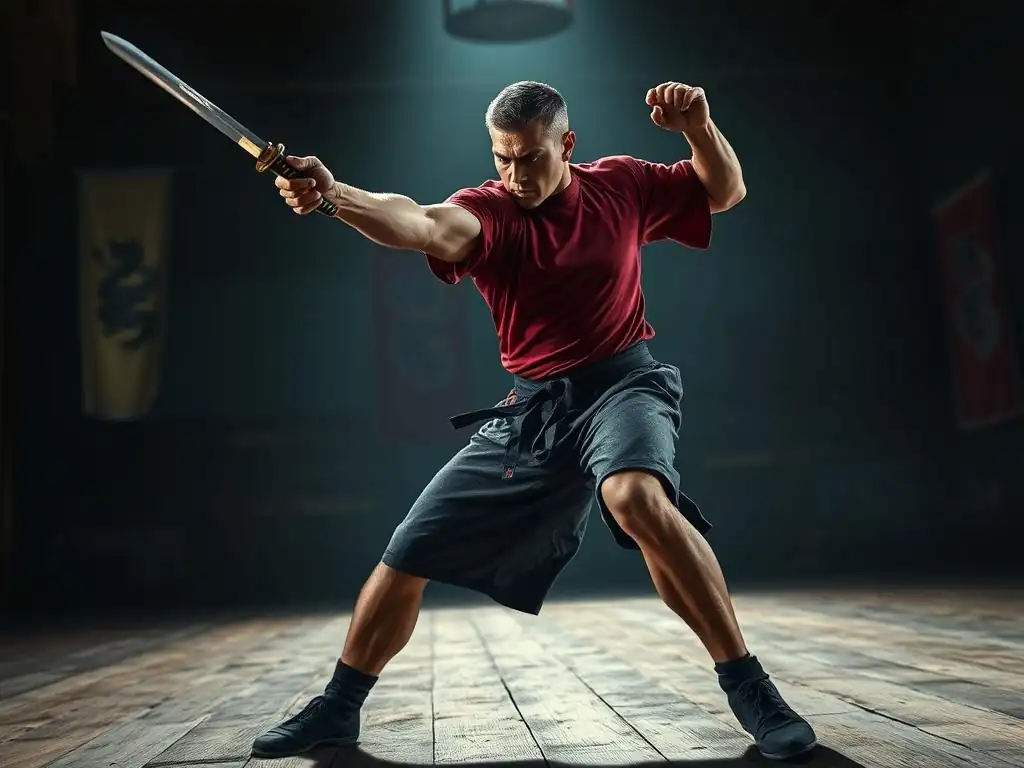
Welcome to Martial Arts Mastery, where we delve into the rich tapestry of combat traditions! Ever wondered how the pros prepare their bodies for the demanding art of wielding weapons? In this detailed study, we unlock the secrets of effective weapon training warm up cool down routines. Discover how these crucial practices not only enhance performance but also drastically minimize the risk of injury. Are you ready to elevate your weapon mastery and safeguard your body? Let's begin!
- Introduction to Weapon Training Warm-Ups and Cool-Downs
- Understanding the Risks of Neglecting Proper Warm-Up and Cool-Down in Weaponry
- The Ultimate Guide to Effective Weapon Training Warm-Ups
- The Power of Cool-Downs in Weapon Training Recovery
- Weapon-Specific Warm-Up and Cool-Down Examples
- Common Mistakes to Avoid During Weapon Training Warm-Ups and Cool-Downs
- Integrating Warm-Ups and Cool-Downs into Your Weapon Training Routine
- Conclusion: Prioritizing Injury Prevention for Long-Term Weapon Training Success
-
Frequently Asked Questions
- What is the primary goal of incorporating warm-ups and cool-downs into weapon training?
- Why are warm-ups especially important before weapon training?
- What are some examples of effective warm-up exercises for weapon training?
- What is the purpose of a cool-down after weapon training?
- What types of cool-down exercises are recommended after weapon training?
- Final Reflection: Embracing Preparation, Ensuring Longevity
- Ignite Your Mastery: Take Action Now!
Introduction to Weapon Training Warm-Ups and Cool-Downs
The Importance of Pre- and Post-Training Routines in Martial Arts Weapons
Engaging in weapon training, whether with a bokken, bo staff, escrima sticks, or any other martial arts weapon, demands a high level of physical readiness and control. The dynamic movements, rapid strikes, and precise forms inherent in disciplines like Kendo, Bojutsu, or Kali put significant stress on the body's joints, muscles, and connective tissues. A well-structured weapon training warm up cool down routine is not merely a suggestion but a fundamental component of safe and effective practice, setting the stage for peak performance during drills and forms while safeguarding against potential harm.
Neglecting these essential pre- and post-training phases can severely hinder progress and increase the likelihood of setbacks. Studies in sports science indicate that proper warm-ups can increase muscle temperature by 2-3 degrees Celsius, significantly improving elasticity and reducing stiffness.
Similarly, a dedicated cool-down aids the body's transition back to a resting state, helping to dissipate metabolic waste products like lactic acid and reducing post-exercise muscle soreness, often referred to as DOMS (Delayed Onset Muscle Soreness). For practitioners serious about long-term engagement in martial arts weaponry, integrating a consistent weapon training warm up cool down strategy is as critical as mastering the techniques themselves.
Why Warm-Up and Cool-Down Are Crucial for Weapon Training Safety
Safety is paramount in weapon training, where even minor errors in control or technique can have serious consequences. A proper warm-up elevates heart rate and blood flow, delivering oxygen and nutrients to working muscles and preparing the nervous system for the demands of handling weapons, which often require fine motor control and explosive power. This preparation reduces the risk of sudden muscle pulls or tears during dynamic movements like a powerful overhead staff strike or a rapid sword cut.
Furthermore, the specific joint mobility required for effective weapon handling – fluid wrist rotations for knife work, strong shoulder stability for sword swings, or flexible hips for low staff stances – is optimized through targeted warm-up exercises. Following training, a cool-down allows the body to gradually lower heart rate and body temperature.
Static stretching during the cool-down phase can help maintain or improve flexibility, which is crucial for executing complex weapon forms and preventing stiffness that could lead to injury in subsequent sessions. A comprehensive weapon training warm up cool down protocol directly contributes to a safer training environment and supports continuous skill development.
Understanding the Risks of Neglecting Proper Warm-Up and Cool-Down in Weaponry
Increased Risk of Injuries: Sprains, Strains, and Tears
Skipping a proper warm-up before weapon training significantly elevates the risk of acute injuries. Cold muscles and connective tissues are less elastic and more prone to damage when subjected to sudden, forceful contractions or extensions. Common injuries in weapon arts due to inadequate preparation include hamstring strains from deep stances or lunges, shoulder impingement or rotator cuff strains from repetitive overhead or powerful swinging motions with swords or staffs, and wrist sprains from impact or awkward angles during blocking or striking drills.
For instance, a kendo practitioner who foregoes dynamic stretches before suburi (practice swings) might experience a pectoral or shoulder muscle strain during a powerful men strike. Similarly, someone practicing escrima without warming up their wrists and elbows could easily suffer a sprain during rapid stick drills. The statistics in general sports medicine highlight this risk: studies suggest that athletes who perform a proper warm-up can reduce their injury incidence by up to 20% compared to those who do not. This principle applies directly to the demanding physical nature of weapon training, where precision and power are key.
Reduced Performance and Flexibility
Beyond outright injury, neglecting the essential weapon training warm up cool down routine directly impacts performance. A body that hasn't been adequately prepared will exhibit reduced range of motion, decreased power output, and slower reaction times. Stiff muscles and joints cannot execute techniques with the same fluidity, speed, or precision as those that are warm and mobile. This can manifest as slower strikes, less stable stances, or difficulty achieving the full extension or rotation required for effective weapon manipulation.
Furthermore, the cumulative effect of skipping cool-downs is a gradual decline in flexibility. Muscles that remain tight after intense exertion become shorter and less pliable over time. This reduced flexibility restricts movement, making advanced weapon forms and techniques harder or impossible to perform correctly. For example, a bojutsu practitioner with tight hamstrings may struggle to maintain a low shiko-dachi (horse stance), impacting their stability and power generation. Over months and years, this neglect can plateau a practitioner's skill development and limit their ability to progress to more complex weapon training methodologies.
Potential for Chronic Pain and Long-Term Damage
The repeated stress on unprepared or poorly recovered tissues can lead to chronic pain and long-term musculoskeletal issues. Conditions like tendonitis (inflammation of tendons), bursitis (inflammation of bursae, fluid-filled sacs that cushion joints), and chronic muscle tightness can develop from consistently pushing the body without proper preparation and recovery. These conditions can be debilitating, making even basic weapon handling painful and potentially forcing a practitioner to reduce or cease training altogether.
Consider a practitioner of naginata who repeatedly performs powerful sweeping movements without proper shoulder warm-up and cool-down. They might develop chronic shoulder pain or tendonitis.
Similarly, the repetitive wrist movements in kali or arnis without adequate preparation can lead to carpal tunnel-like symptoms or chronic wrist pain. While specific long-term data on martial arts weapon training injuries is less publicized than mainstream sports, general orthopedic research confirms that chronic overuse injuries are strongly linked to insufficient warm-up, inadequate recovery, and poor flexibility, underscoring the critical role of a consistent weapon training warm up cool down protocol in preventing lasting harm.
The Ultimate Guide to Effective Weapon Training Warm-Ups
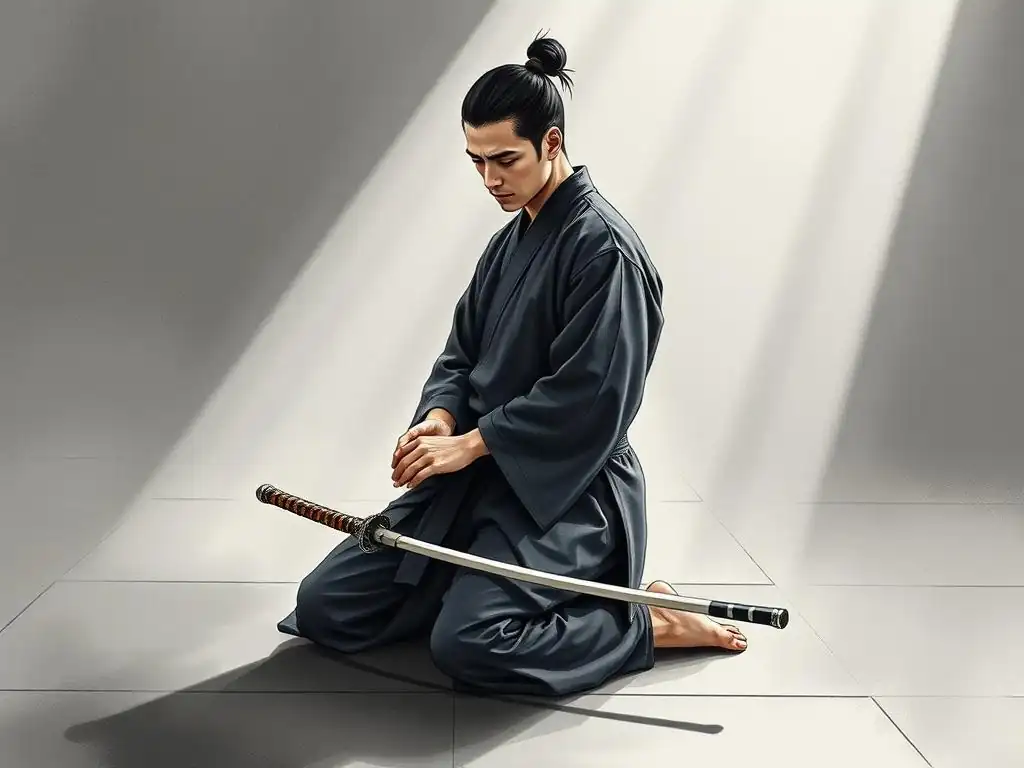
Dynamic Stretching for Weapon Training: Preparing Your Body
Dynamic stretching involves controlled, fluid movements that take your joints and muscles through a full range of motion. Unlike static stretching, which is held for a period, dynamic stretches are active and prepare the body for the specific movements it will perform during weapon training. This type of stretching increases blood flow to muscles, raises core body temperature, and activates the nervous system, improving coordination and muscle elasticity – all vital for safe and effective weapon handling.
A typical dynamic warm-up for weapon training might last 10-15 minutes and progressively increase in intensity. It should focus on movements that mimic the actions you'll perform with your chosen weapon. For example, someone training with a staff will need significant shoulder and hip mobility, while someone using a knife will prioritize wrist and finger flexibility. Incorporating dynamic stretches tailored to your specific weapon style is a cornerstone of an effective weapon training warm up cool down strategy.
Arm Circles and Shoulder Rotations for Sword and Staff Training
Arm circles and shoulder rotations are fundamental dynamic stretches for weapon training, particularly for arts involving swords (like Kendo or Iaido) or staffs (like Bojutsu or Jojutsu). These movements warm up the shoulder joint, rotator cuff muscles, and surrounding tissues, which are heavily utilized in powerful swings, blocks, and parries. Perform 10-15 forward circles and 10-15 backward circles with each arm, starting small and gradually increasing the range of motion.
Following arm circles, incorporate shoulder rotations by placing fingertips on shoulders and rotating elbows forward and backward. This further mobilizes the shoulder girdle. These exercises increase synovial fluid production within the shoulder joint, improving lubrication and reducing friction during the complex, high-velocity movements often seen in sword or staff forms. Studies show that dynamic shoulder warm-ups can improve shoulder range of motion by an average of 10-15 degrees, directly translating to smoother and safer weapon manipulation.
Leg Swings and Hip Mobility Drills for Nunchaku and Bo Staff
Leg swings and hip mobility drills are crucial for weapon training styles that involve low stances, deep lunges, or dynamic footwork, such as Nunchakujutsu or Bojutsu. Disciplines like Bojutsu frequently utilize stances like zenkutsu-dachi (forward stance) or kiba-dachi (horse stance), which require flexible hips and strong, mobile legs. Nunchaku training, while sometimes stationary, often incorporates footwork for power generation and evasion.
Perform front-to-back leg swings (10-15 per leg) while holding onto a stable support for balance, focusing on controlled movement through the hip joint. Then, perform side-to-side leg swings (10-15 per leg). Follow this with hip circles or torso twists in a low stance to further activate the hip flexors, glutes, and core. These drills increase the range of motion in the hip joint and warm up the large muscle groups of the legs and core, reducing the risk of strains during powerful stance transitions or low-level techniques common in weapon training.
Torso Twists and Spinal Mobility for All Weapon Styles
Torso twists and spinal mobility exercises are essential for virtually all weapon training disciplines, as rotational power and core stability are critical for generating force and maintaining balance. Whether delivering a sword cut, a staff strike, or a knife thrust, the power originates from the core and is transferred through the torso. A mobile and warm spine is also vital for absorbing impact and maintaining good posture during long training sessions.
Standing with feet shoulder-width apart, perform controlled torso twists, rotating from the waist side to side (15-20 repetitions). Keep the hips relatively stable and focus the movement in the upper back and core. Include exercises like cat-cow stretches on hands and knees to mobilize the spine through flexion and extension, and thread the needle for thoracic rotation. These movements ensure the core muscles and spine are ready for the demands of weapon handling, improving rotational power and reducing the risk of lower back strain, a common issue in many physical activities, including weapon training.
Joint Mobilization Exercises for Weapon Handling
Joint mobilization specifically prepares the joints for the repetitive or high-impact movements involved in weapon training. Unlike dynamic stretching which focuses on muscle groups, mobilization targets the joint capsules and surrounding ligaments and tendons. Gentle, controlled rotations and movements through the joint's full range of motion increase synovial fluid, improve joint stability, and prepare the proprioceptors (sensory receptors that help with spatial awareness and balance) for action.
These exercises are crucial for the smaller, more intricate joints heavily used in weapon manipulation, such as the wrists, fingers, and ankles. Incorporating these into your weapon training warm up cool down routine ensures that the joints most vulnerable to stress during weapon practice are adequately prepared, significantly reducing the risk of sprains, strains, or dislocations that can occur from awkward movements or impacts.
Wrist Rotations and Flexions for Knife and Sai Training
Wrist health is paramount in weapon training, especially for disciplines involving smaller handheld weapons like knives (e.g., Kali, Silat) or Sai. These arts often require rapid, intricate wrist movements for striking, blocking, and manipulating the weapon. Unprepared wrists are highly susceptible to sprains and tendonitis due to the high forces transmitted through the joint.
Perform gentle wrist rotations (15-20 in each direction) with open and closed fists. Follow this with wrist flexions and extensions, gently bending the wrist up and down (15-20 repetitions). You can also incorporate ulnar and radial deviation (side-to-side wrist movement). These simple exercises warm the wrist joint, increase synovial fluid, and prepare the tendons and ligaments for the dynamic forces they will encounter. Ignoring this step is a common oversight that leads to wrist pain and injury among practitioners of knife or sai weapon training.
Ankle Rotations and Dorsiflexion for Kendo and Naginata
Ankle mobility and stability are critical in weapon training styles that involve dynamic footwork, sliding movements, or maintaining low stances, such as Kendo or Naginata. The rapid forward and backward sliding steps (known as surashi-ashi in Kendo) put significant stress on the ankles. Maintaining stability in deep stances also relies heavily on ankle strength and flexibility, particularly dorsiflexion (lifting the foot upwards).
Perform ankle rotations (15-20 in each direction) with each foot, both clockwise and counter-clockwise. Then, practice ankle pumps (dorsiflexion and plantarflexion) and calf raises to activate the lower leg muscles supporting the ankle joint. These exercises prepare the ankle for the lateral and forward/backward forces experienced during movement and help prevent sprains that can occur from sudden stops, changes in direction, or uneven footing, which are all potential hazards in weapon training.
Finger Stretches for Grip Strength in Weaponry
Effective weapon handling requires significant grip strength and dexterity. Holding, manipulating, and controlling a weapon like a sword, staff, or even smaller items like escrima sticks or nunchaku places considerable demand on the muscles and tendons of the hands and fingers. While often overlooked, preparing the fingers and hands is a vital part of a complete weapon training warm up cool down routine.
Perform simple finger extensions, spreading the fingers wide and then making a tight fist (10-15 repetitions). Gently stretch each finger individually backward to extend the flexor tendons. You can also interlock your fingers and stretch palms outward. These exercises warm the small muscles of the hands and forearms, improving dexterity and reducing the risk of strains or cramps in the fingers and hands during prolonged or intense weapon practice. A strong, prepared grip is essential for both safety and control.
Cardiovascular Warm-Up for Weapon Training Endurance
A brief cardiovascular warm-up is essential to elevate the heart rate, increase blood flow throughout the body, and raise overall body temperature. This prepares the circulatory and respiratory systems for the physical demands of weapon training, which can be surprisingly aerobic, especially during sparring drills or practicing long, complex forms. A general cardio warm-up should last 5-10 minutes and be followed by dynamic stretching and joint mobilization.
This initial phase of the weapon training warm up cool down routine ensures that muscles receive adequate oxygenated blood, improving their ability to perform work and delaying the onset of fatigue. It also helps to loosen up major muscle groups and prepare the body for more dynamic movements.
Light Cardio: Jumping Jacks, High Knees, Butt Kicks
Simple, low-impact cardiovascular exercises are perfect for the initial phase of a weapon training warm-up. Activities like jumping jacks, high knees (marching or light jogging in place while bringing knees towards the chest), or butt kicks (light jogging in place while kicking heels towards the buttocks) effectively raise the heart rate and warm the major muscle groups like the legs, core, and shoulders.
Perform each exercise for 30-60 seconds, or cycle through them for 5-10 minutes until you feel slightly breathless and have broken a light sweat. This indicates that your cardiovascular system is engaged and your body temperature is rising, preparing you for the more specific dynamic movements and weapon drills that follow in your weapon training warm up.
Weapon-Specific Drills at Reduced Intensity
After general cardio and dynamic stretching, incorporating weapon-specific movements at a reduced intensity is the final stage of the warm-up. This allows you to rehearse the patterns of movement you will use during the main training session and further activate the specific muscle groups and neural pathways involved in handling your weapon.
For example, a sword practitioner might perform basic cuts ( kirioroshi, do, tsuki) slowly and deliberately, focusing on form and smooth motion rather than speed or power. A staff practitioner could practice stance transitions or simple striking patterns ( chudan-tsuki, jodan-uchi) at half speed. This phase bridges the gap between general physical preparation and the specific demands of weapon training, fine-tuning coordination and reinforcing proper technique while the body is warm and mobile.
The Power of Cool-Downs in Weapon Training Recovery
Cool-downs are just as vital as warm-ups in a comprehensive weapon training warm up cool down protocol. The cool-down phase allows the body to gradually return to its resting state, preventing blood pooling, aiding in the removal of metabolic waste products, and promoting muscle recovery. It typically involves a period of light activity followed by static stretching.
A proper cool-down can help reduce muscle soreness experienced in the hours and days following intense weapon training. It also provides an opportunity to work on flexibility, which can be improved when muscles are warm and pliable after exercise. Neglecting the cool-down is a missed opportunity for recovery and can contribute to stiffness and reduced performance in subsequent training sessions.
Static Stretching for Improved Flexibility and Reduced Muscle Soreness
Static stretching involves holding a stretch for a period, typically 20-30 seconds, targeting specific muscles. This type of stretching is best performed when muscles are warm, such as during the cool-down phase after weapon training. Static stretching helps to lengthen muscles and improve range of motion, counteracting the shortening that can occur during intense muscular contractions.
Improved flexibility gained through static stretching is beneficial for executing the full range of motion required in many weapon techniques and forms. It can also help alleviate muscle tightness and reduce the severity of Delayed Onset Muscle Soreness (DOMS), making recovery faster and more comfortable. Focus on stretching the major muscle groups used extensively during your specific weapon training.
Holding Stretches for 20-30 Seconds
When performing static stretches during your weapon training cool down, hold each stretch for a minimum of 20 seconds, and ideally 30 seconds, without bouncing. Stretching should be felt as a gentle pull, not pain. If you feel sharp pain, ease out of the stretch. Holding the stretch allows the muscle to relax and lengthen effectively.
Breathing deeply and rhythmically throughout the stretch can enhance its effectiveness. As you exhale, try to relax deeper into the stretch. Perform each stretch 1-3 times. This consistent practice over time will lead to measurable improvements in flexibility, which is crucial for maintaining fluid movement and preventing injury in weapon training.
Targeting Major Muscle Groups Used in Weapon Techniques
Focus your static stretching on the muscle groups that were most active during your weapon training session. For example, after sword training (Katana, Jian), prioritize stretches for the shoulders, chest, forearms, and back. After staff training (Bo, Jo), target the shoulders, core, back, hips, and legs. After knife or sai training, focus on forearms, wrists, and hands.
Include stretches like chest stretches in a doorway, triceps stretches, shoulder stretches (across the body), hamstring stretches (seated or standing), quad stretches, calf stretches, and stretches for the forearms and wrists. Tailoring your cool down stretches to the specific demands of your weapon training is key to effective recovery and injury prevention.
Myofascial Release Techniques for Muscle Recovery
Myofascial release techniques, such as using a foam roller or massage ball, can complement static stretching during the cool-down. These techniques target the fascia, the connective tissue that surrounds muscles, helping to release knots, adhesions, and trigger points that can cause pain and restrict movement. Incorporating this into your weapon training cool down can significantly enhance recovery.
By applying pressure to tight or tender areas, myofascial release can improve blood circulation, reduce muscle stiffness, and promote tissue repair. While it can sometimes be uncomfortable, the benefits in terms of reduced soreness and improved mobility make it a valuable addition to any serious weapon training recovery routine.
Foam Rolling for Legs, Back, and Shoulders
Foam rolling is an effective way to perform self-myofascial release on larger muscle groups frequently stressed during weapon training, such as the legs, back, and shoulders. Roll slowly over the muscle group, pausing on tender spots (trigger points) for 20-30 seconds until the discomfort lessens.
Target areas like the quadriceps, hamstrings, calves, glutes, upper back (thoracic spine), and lats. Be cautious when rolling the lower back or neck and avoid rolling directly over joints. Foam rolling helps to break up adhesions in the fascia and muscle tissue, improving range of motion and reducing post-training soreness, making your body feel better prepared for the next weapon training session.
Targeting Trigger Points and Areas of Tension
Beyond general foam rolling, use a smaller ball (like a lacrosse ball or tennis ball) to target specific trigger points – localized areas of tightness or knots within a muscle that can cause referred pain. Common areas for trigger points after weapon training include the shoulders (rotator cuff), upper back (rhomboids, traps), forearms, and hips.
Apply pressure to the trigger point using the ball against a wall or the floor. Hold the pressure until the tension releases, usually within 30 seconds to 1 minute. Deep tissue massage techniques like this, when incorporated into your weapon training cool down, can significantly alleviate persistent areas of tightness that static stretching alone might not address, restoring muscle function and reducing pain.
Active Recovery for Enhanced Blood Flow and Tissue Repair
Active recovery involves performing low-intensity movement after your main training session. This helps to maintain elevated blood flow without causing further muscle fatigue, aiding in the removal of metabolic byproducts and delivering nutrients essential for repair. It's a gentle way to transition from intense activity back to rest and is a component of a well-rounded weapon training warm up cool down.
Light active recovery immediately following your training session can improve recovery rates compared to complete inactivity. It keeps the body moving and helps prevent stiffness from setting in quickly after the muscles have been heavily worked during weapon handling.
Light Walking or Gentle Movement
Simple activities like a leisurely walk for 5-10 minutes immediately after your weapon training session are excellent forms of active recovery. This low-impact movement helps to keep blood circulating, which aids in flushing out waste products like lactic acid that can accumulate during intense exercise.
Alternatively, gentle, fluid movements similar to those performed in Tai Chi or Qigong can serve as active recovery, promoting relaxation and blood flow without stressing the muscles. The goal is gentle movement that keeps the body warm and the blood flowing, facilitating the initial stages of recovery before static stretching or myofascial release.
Low-Intensity Weapon Forms
Performing a low-intensity version of a weapon form or basic drills can also serve as active recovery. This allows you to move through the patterns and ranges of motion used in your training but at a much slower pace and with minimal power. For example, a sword practitioner could slowly walk through the movements of a basic kata without striking forcefully.
This type of active recovery reinforces technique at a relaxed pace and helps the muscles relax from the tension of high-intensity work. It's a mindful way to conclude your physical training session and transition towards the static flexibility work of your weapon training cool down.
Weapon-Specific Warm-Up and Cool-Down Examples
Tailoring your weapon training warm up cool down routine to the specific weapon you are using is crucial. While general principles apply, the unique movements and stresses of each weapon require targeted preparation and recovery. These examples provide a template; adjust them based on your specific style and physical needs.
Remember that these are examples, and the duration and intensity should be adjusted based on the length and intensity of your main training session. A short, light practice might require a shorter warm-up and cool-down (e.g., 5-7 minutes each), while a long, intense session might warrant 15-20 minutes for each phase of the weapon training warm up cool down.
Sword Training Warm-Up and Cool-Down (Katana, Jian)
Sword training involves powerful, dynamic movements, requiring mobile shoulders, strong forearms, and a stable core.
Warm-Up: Arm swings, wrist rotations, light kata practice.
Begin with 5 minutes of light cardio (e.g., jumping jacks). Follow with 5-7 minutes of dynamic stretching focusing on shoulder mobility (arm circles, rotations), torso twists, and wrist rotations/flexions. Conclude the warm-up with 5 minutes of practicing basic cuts ( suburi) or the first few movements of a kata at a slow, controlled pace, focusing on form and smooth transitions. This prepares the specific muscles and joints for the demands of sword handling.
Cool-Down: Static stretches targeting forearms, shoulders, and back.
Perform 5 minutes of light walking or gentle movement. Follow with 10 minutes of static stretching, holding each stretch for 20-30 seconds. Focus on stretching the forearms (wrist flexor/extensor stretches), shoulders (cross-body stretch, overhead triceps stretch), chest (doorway stretch), and back (seated spinal twist, child's pose). These areas bear significant load during sword training and benefit greatly from post-exercise lengthening.
Staff Training Warm-Up and Cool-Down (Bo, Jo)
Staff training utilizes large ranges of motion, requiring flexible hips, strong shoulders, and a mobile spine.
Warm-Up: Shoulder rotations, torso twists, leg swings, stance transitions.
Start with 5-7 minutes of light cardio (high knees, butt kicks). Transition to 7-10 minutes of dynamic stretching including arm circles, shoulder rotations, torso twists, leg swings (front-to-back, side-to-side), and hip circles. Conclude the warm-up by practicing stance transitions ( zenkutsu-dachi to kiba-dachi, etc.) and basic staff movements (e.g., chudan-tsuki) at a low intensity for 5 minutes, emphasizing smooth, controlled motion.
Cool-Down: Static stretches for shoulders, back, core, and legs.
After staff training, engage in 5-7 minutes of light active recovery (walking, gentle movement). Follow with 10-15 minutes of static stretching. Prioritize stretches for the shoulders (various stretches), back (cat-cow, child's pose, seated twist), core (cobra stretch, lying knee-to-chest), and legs (hamstring, quadriceps, calf stretches), as these muscle groups are heavily engaged in staff techniques and stances.
Knife Training Warm-Up and Cool-Down (tanto, kunai)
Knife training often involves rapid, intricate hand and wrist movements, requiring high dexterity and control in the smaller joints.
Warm-Up: Finger stretches, wrist rotations, shadow strikes with focus on form.
Begin with 5 minutes of light cardio. Follow with 5-7 minutes of specific joint mobilization and dynamic stretching for the hands, wrists, and forearms (finger extensions, wrist rotations, flexions, ulnar/radial deviation). Include light arm circles and shoulder rotations. Conclude with 5 minutes of practicing basic knife movements or shadow strikes at a slow, controlled pace, focusing on grip, transitions, and form without speed or power.
Cool-Down: Static stretches for forearms, wrists, and shoulders.
Perform 5 minutes of light active recovery. Follow with 10 minutes of static stretching focusing heavily on the forearms (wrist flexor/extensor stretches), wrists (gentle stretches), and shoulders (cross-body, overhead stretches). These are the primary areas of stress in knife weapon training and require dedicated attention during the cool down phase.
Nunchaku Training Warm-Up and Cool-Down
Nunchaku training demands significant wrist and shoulder mobility, as well as coordination.
Warm-Up: Wrist rotations, figure-eight movements, light swinging.
Start with 5 minutes of light cardio. Follow with 5-7 minutes of dynamic stretching and joint mobilization emphasizing wrist rotations, shoulder circles, and gentle torso twists. Conclude the warm-up by practicing basic nunchaku movements like figure-eights, striking motions, or transitions at a very slow, controlled speed, focusing on fluidity and wrist control rather than speed. Use padded nunchaku if available for safety during the warm-up phase.
Cool-Down: Static stretches for wrists, shoulders, and back.
Engage in 5 minutes of light active recovery. Follow with 10 minutes of static stretching targeting the wrists (gentle stretches), forearms (flexor/extensor stretches), shoulders (various stretches), and upper back. These areas are particularly stressed by the dynamic and sometimes erratic movements of the nunchaku and benefit from focused stretching during the cool down.
Common Mistakes to Avoid During Weapon Training Warm-Ups and Cool-Downs
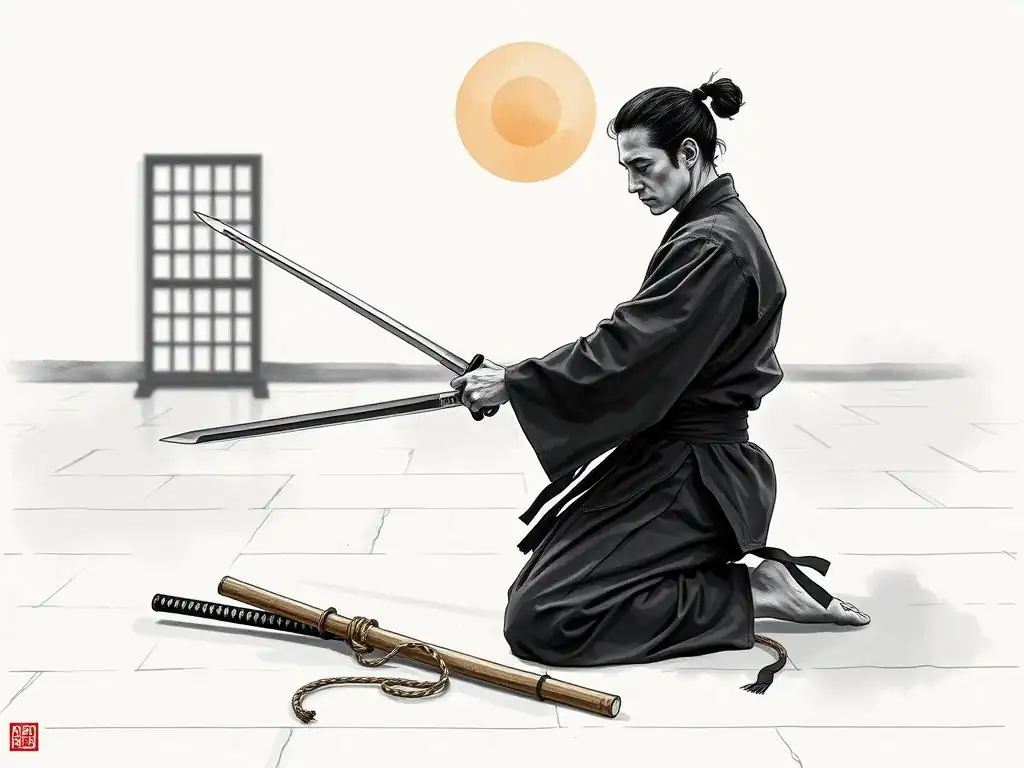
Even with good intentions, practitioners can make mistakes in their weapon training warm up cool down routines that reduce effectiveness or even increase risk. Being aware of these pitfalls is crucial for maximizing the benefits of these essential training phases. Avoiding these errors ensures that your preparation and recovery efforts are truly supporting your weapon training goals.
Proper execution of both warm-up and cool-down is not just about doing the exercises, but doing them correctly and at the appropriate time. Small adjustments can make a significant difference in injury prevention and performance enhancement when practicing with martial arts weapons.
Skipping Warm-Up or Cool-Down Altogether
The most common and detrimental mistake is skipping the weapon training warm up cool down phases entirely. This is often due to time constraints, impatience to get to the main training, or simply underestimating their importance. As discussed, skipping the warm-up leaves the body unprepared for the physical demands of weapon handling, dramatically increasing the risk of acute injuries like muscle pulls, sprains, or tears.
Similarly, skipping the cool-down hinders recovery, contributes to stiffness and soreness, and over time can lead to reduced flexibility and chronic pain. While a 5-minute warm-up is better than none, dedicating 10-15 minutes before and after training is a minimal investment that pays significant dividends in terms of safety, performance, and longevity in weapon training. Prioritizing these routines should be non-negotiable.
Performing Static Stretches Before Dynamic Movements
Another common mistake is performing static stretches (holding a stretch for a period) as the primary component of a warm-up. While static stretching is beneficial for improving flexibility, research indicates that performing it before dynamic activity can actually reduce muscle power and may not effectively prevent dynamic injuries. Cold muscles are also more susceptible to damage during static stretching itself if pushed too far.
The correct approach in a weapon training warm up cool down sequence is to use dynamic movements and joint mobilization to prepare the body for activity, and then use static stretching during the cool-down when muscles are warm and receptive to lengthening. Save the deep, held stretches for after your weapon training session.
Overstretching and Pushing Beyond Your Limits
Whether during the warm-up or cool-down, pushing your body too hard during stretching can be counterproductive and lead to injury. Overstretching cold muscles during a warm-up or forcing a stretch during a cool-down can cause muscle strains or damage connective tissues. Stretching should feel like a gentle pull or tension, not sharp or intense pain.
Listen carefully to your body's signals. Flexibility improves gradually over time with consistent practice, not by forcing extreme ranges of motion in a single session. Avoid bouncing into stretches (ballistic stretching) unless specifically instructed in a dynamic warm-up context, and even then, controlled movements are preferred. Gentle, consistent effort in your weapon training warm up cool down is more effective than aggressive, infrequent attempts.
Neglecting Proper Breathing Techniques
Breathing often gets overlooked during both warm-up and cool-down phases. Holding your breath or shallow breathing can increase tension in the muscles and hinder the body's ability to relax and recover. Deep, controlled breathing enhances the effectiveness of both dynamic and static stretching and promotes relaxation during the cool-down.
During dynamic warm-up movements, breathe naturally and rhythmically. During static stretches in the cool-down, focus on deep inhalations and long, slow exhalations. As you exhale, consciously try to relax the muscle being stretched and deepen into the stretch slightly if comfortable. Proper breathing supports muscle function, aids in oxygen delivery and waste removal, and helps regulate the nervous system, making your weapon training warm up cool down routines more effective.
Integrating Warm-Ups and Cool-Downs into Your Weapon Training Routine
Making weapon training warm up cool down an integral part of your practice requires conscious effort and planning. It shouldn't be an afterthought but a scheduled component of every training session. Consistency and mindfulness are key to reaping the full benefits of these routines.
Think of your warm-up and cool-down as the 'bookends' of your weapon training – essential components that frame the main activity and ensure it is performed safely and effectively. Just as you wouldn't skip sharpening your sword or maintaining your staff, you shouldn't skip preparing and recovering your body.
Consistency is Key: Make it a Habit
The benefits of weapon training warm up cool down routines are cumulative. Performing them inconsistently will yield minimal results. Aim to perform a warm-up before every training session, no matter how short, and a cool-down after every session. Even a 5-minute routine is better than none.
Schedule your warm-up and cool-down time into your training plan. Arrive a bit early to the dojo or practice space to allow time for your warm-up before the main class or solo practice begins. Plan your cool-down before you pack up and leave. Over time, these routines will become automatic habits, just like bowing onto the training floor or performing a basic stance.
Listen to Your Body and Adjust Accordingly
While general guidelines exist, your weapon training warm up cool down routine should be adaptable. Pay attention to how your body feels each day. If you feel particularly stiff, you might spend a little extra time on dynamic mobility drills. If you feel sore from a previous session, focus more on gentle stretching and myofascial release during the cool-down.
If you experience pain during any exercise, stop immediately. Your warm-up and cool-down should prepare and recover your body, not cause further stress. As you progress in your weapon training, your needs may change, and your warm-up and cool-down should evolve with you. This personalized approach ensures maximum effectiveness and safety.
Consult with a Qualified Instructor or Healthcare Professional
For personalized guidance on your weapon training warm up cool down, consult with a qualified martial arts instructor who understands the specific demands of your weapon style. They can provide insights into the most relevant exercises and proper form.
If you have pre-existing injuries or medical conditions, or if you experience persistent pain, consult with a healthcare professional, such as a physical therapist or sports medicine doctor. They can assess your condition and recommend specific warm-up, cool-down, and recovery strategies tailored to your individual needs, ensuring you can continue your weapon training safely and effectively for years to come.
Conclusion: Prioritizing Injury Prevention for Long-Term Weapon Training Success
The Benefits of a Dedicated Warm-Up and Cool-Down Routine
Incorporating a dedicated weapon training warm up cool down routine into every practice session offers a multitude of benefits that extend far beyond simply feeling less stiff. Physically, it significantly reduces the risk of acute injuries like sprains and strains, prevents chronic issues like tendonitis, improves flexibility and range of motion, enhances muscle power and coordination, and aids in faster recovery by reducing muscle soreness. Mentally, the warm-up serves as a transition, helping to focus the mind on the training ahead, while the cool-down promotes relaxation and mindfulness, allowing for reflection on the session.
For practitioners of martial arts weaponry, where precision, power, and safety are paramount, these routines are not optional add-ons but foundational elements. They prepare the body to handle the unique stresses of wielding weapons and help it recover efficiently, ensuring that progress is steady and setbacks due to injury are minimized. A consistent weapon training warm up cool down protocol is an investment in both your physical well-being and your technical development.
Investing in Your Body for Optimal Performance and Longevity in Martial Arts Weaponry
Ultimately, dedicating time and effort to your weapon training warm up cool down is an investment in your ability to practice martial arts weaponry safely and effectively for the long term. Your body is your primary tool in martial arts, and like any tool, it requires proper preparation and maintenance to perform optimally and endure over time. Neglecting this crucial aspect of training can lead to pain, injury, and ultimately, may cut short your journey in the martial arts.
By prioritizing a comprehensive weapon training warm up cool down, you are not just preventing injuries; you are actively enhancing your performance, improving your flexibility, and building resilience. This commitment ensures that you can continue to explore the depth and complexity of martial arts weapons, refine your techniques, and enjoy the physical and mental benefits of training for many years to come. Make the weapon training warm up cool down a non-negotiable part of your dedication to martial arts mastery.
Frequently Asked Questions
What is the primary goal of incorporating warm-ups and cool-downs into weapon training?
The primary goal is injury prevention by preparing the muscles for activity and helping them recover afterward. This ensures safe and effective training sessions.
Why are warm-ups especially important before weapon training?
Weapon training often involves complex and repetitive movements, placing stress on specific joints and muscles. A proper warm-up increases blood flow and joint mobility, reducing the risk of strains and sprains.
What are some examples of effective warm-up exercises for weapon training?
Examples include dynamic stretches like arm circles, leg swings, and torso twists, focusing on the muscles used for wielding the weapon. Light cardio such as jogging or jumping jacks is also beneficial.
What is the purpose of a cool-down after weapon training?
Cool-downs help to gradually lower the heart rate and reduce muscle soreness by removing metabolic waste products. This aids in muscle recovery and flexibility.
What types of cool-down exercises are recommended after weapon training?
Static stretching, holding each stretch for 20-30 seconds, is ideal for cool-downs. Focus on stretching the muscles used during training, such as the shoulders, arms, back, and legs, promoting long-term flexibility.
Final Reflection: Embracing Preparation, Ensuring Longevity
The principles of proper warm-up and cool-down, often overlooked in the heat of training, are absolutely critical for the long-term health and effectiveness of any weapon practitioner. Just as a finely crafted blade requires meticulous care, so too does the body that wields it. Ignoring these essential practices is akin to forging a sword without tempering it – a recipe for eventual breakage and regret.
The impact of consistent warm-up and cool-down routines extends far beyond mere injury prevention; it fosters a deeper connection with one's body and enhances overall performance. This understanding has profoundly shaped my own approach to training, shifting the focus from solely achieving immediate results to cultivating sustainable progress. The journey of a thousand miles begins with a single step.
This ancient proverb reminds us that consistent, mindful practice, including proper preparation and recovery, is the key to unlocking true mastery in any discipline, especially one as demanding as weapon training.
Now, consider the lessons we've explored. How can you integrate these principles into your own training regimen? Take a moment to reflect on your current practices. Are you truly prioritizing your body's needs, or are you pushing yourself to the point of diminishing returns? Embrace the power of preparation and recovery, and you'll not only minimize the risk of injury but also unlock a new level of strength, resilience, and longevity in your weapon training journey.
Ignite Your Mastery: Take Action Now!
Thank you for investing your time in understanding the crucial role of warm-ups and cool-downs in your martial arts journey. You've now got the knowledge to significantly reduce your risk of injury and enhance your performance. It's time to put that knowledge into action!
- Implement a dedicated 10-15 minute warm-up routine before every weapon training session. Focus on dynamic stretching and movements specific to your chosen weapon.
- Share this article with your fellow martial artists! Help create a safer and more effective training environment for everyone.
- Experiment with different cool-down techniques. Try foam rolling or static stretching to find what works best for your body and weapon style.
What specific warm-up drill will you incorporate into your next weapon training session to maximize its benefits?