The Unstoppable Ground Game: Why Brazilian JiuJitsu Still Dominates in the UFC
🇧🇷 Witness the enduring reign of Brazilian Jiu-Jitsu in the UFC. Explore the strategic brilliance and submission artistry that solidify its unparalleled…
Read article
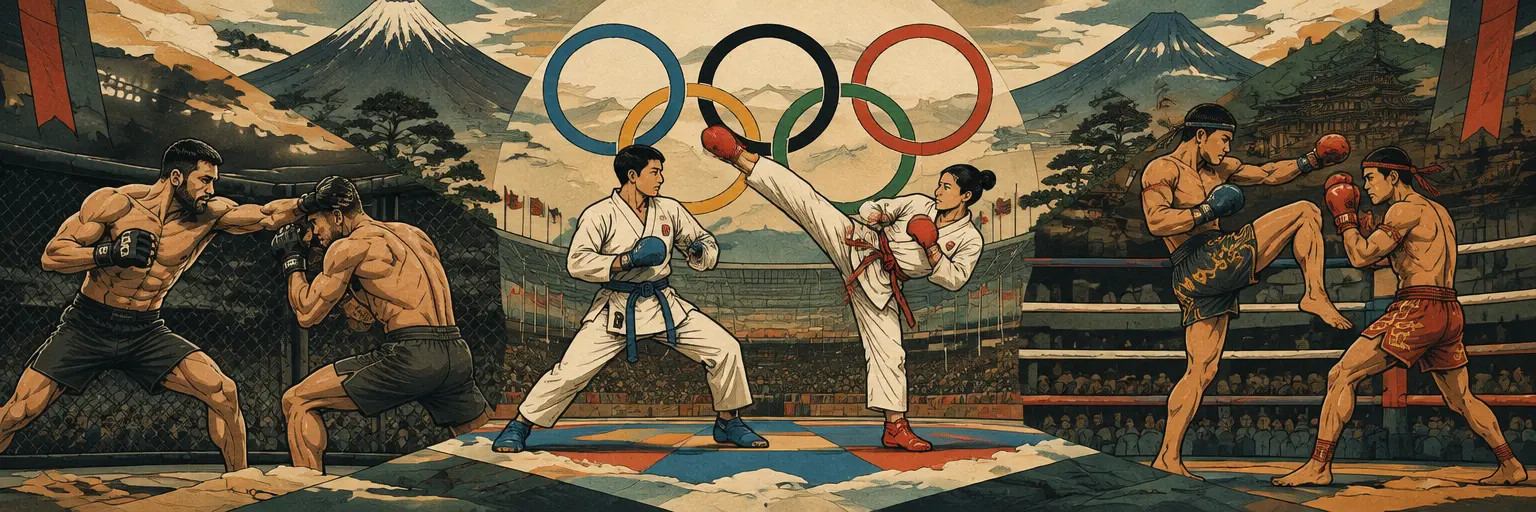
Step into the global arena where legends are forged and styles collide—this is the electrifying world of major martial arts tournaments and organizations like the Olympics, UFC, and K-1. From the disciplined precision of Olympic judo and taekwondo to the raw, high-octane drama of UFC’s octagon and the explosive striking showcases of K-1 kickboxing, these platforms define the pinnacle of competitive combat. They aren’t just events; they are cultural phenomena that showcase the evolution of martial arts, blending ancient tradition with modern athleticism and global spectacle. Whether you’re a passionate fan tracking championship belts or an aspiring fighter dreaming of walking out to a roaring crowd, understanding these organizations reveals the highest standards of skill, strategy, and sportsmanship. Explore how each tournament brings unique rules, scoring systems, and star athletes who push human limits, while also shaping the very techniques and training methods practiced in dojos and gyms worldwide.
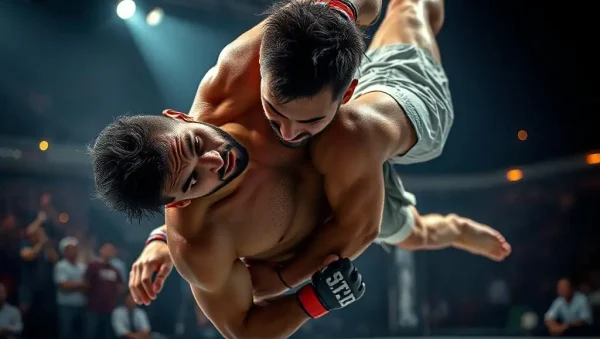
🇧🇷 Witness the enduring reign of Brazilian Jiu-Jitsu in the UFC. Explore the strategic brilliance and submission artistry that solidify its unparalleled…
Read article
🏆 Witness the incredible martial artist rise to fame, from humble dojo beginnings to global superstardom across premier organizations. This champion's journey…
Read article
🤔 Does the modern pursuit of sport tradition martial arts competition honor or erode the ancient essence? Explore the critical debate on…
Read article
🥊 AIBA boxing governance challenges threaten its Olympic future. MartialArtsMastery.org dissects these issues, exploring how resolving AIBA's structural problems is crucial for…
Read article
💥 K1's explosive impact redefined combat sports, sparking an evolution in striking techniques that forged a new breed of powerful, adaptable fighters,…
Read article
🏆 Dive deep into the UFC heavyweight division challenges, where unparalleled power and elite skill collide. Discover why this stacked roster represents…
Read article
💥 K1 techniques have undeniably reshaped modern MMA striking. Discover how these powerful methods, rooted in global martial arts, are dominating the…
Read articleWelcome to the ultimate hub for the world’s most prestigious martial arts competitions and governing bodies. Whether you’re a practitioner dreaming of gold, a fan chasing knockout highlights, or a coach seeking strategic insights, this subcategory breaks down the Olympics, UFC, and K-1 into actionable knowledge. We’ll explore rule sets, historical moments, organizational structures, and the pathways that turn athletes into legends. Expect in-depth analyses of scoring systems, weight classes, and the cultural impact of these tournaments—all tailored to help you master the competitive landscape.
The Olympics represent the pinnacle of amateur martial arts, where disciplines like judo, taekwondo, and freestyle wrestling collide every four years. For martial artists, understanding Olympic qualification is crucial—each sport has distinct weight divisions, point systems, and penalties. Judo rewards ippons for clean throws, while taekwondo uses electronic scoring for head kicks and body shots. Wrestling emphasizes takedowns and control time, making it a test of endurance and tactical mat awareness.
Beyond the rules, the Olympics offer unmatched prestige and national pride. Athletes train for years in national teams, balancing strict dietary regimes and psychological conditioning. This section also covers Olympic history, from judo’s debut in 1964 to taekwondo’s inclusion in 2000, and how rule changes continually evolve to enhance spectator appeal. For coaches, we break down periodization cycles and sparring drills that mirror Olympic competition intensity. Expect practical tips on scoring strategies, referee interpretation, and podium preparation based on insights from former Olympians.
The UFC transformed mixed martial arts (MMA) from a niche spectacle into a billion-dollar industry. Founded in 1993, it unified martial arts under one rule set—boxing, Brazilian Jiu-Jitsu, wrestling, Muay Thai, and more—creating a true test of all-around combat. This subcategory examines the UFC’s organizational hierarchy, including weight classes from flyweight to heavyweight, the ranking system, and the controversial judging criteria that prioritize effective striking, grappling, and aggression.
For aspiring fighters, we detail the path from amateur circuits to Dana White’s Contender Series, plus the physical and mental demands of a 12-week fight camp. We dissect signature champions like Jon Jones, Amanda Nunes, and Khabib Nurmagomedov, analyzing their stylistic blueprints and how they neutralize opponents. Additionally, we cover the business side: fight promotion, pay-per-view economics, and athlete contracts. Whether you’re a fan betting on matchups or a practitioner seeking to adapt UFC techniques to self-defense, this section provides comprehensive breakdowns of fight analysis, injury prevention, and recovery protocols used by elite competitors.
K-1, founded in 1993, revolutionized kickboxing by mixing Muay Thai, karate, taekwondo, and boxing into a high-intensity stand-up tournament. Its annual World Grand Prix became legendary for its single-night, four-fight format where the winner claims the heavyweight title. Understanding K-1 requires mastering its unique rule set: three-minute rounds, no elbows, and a focus on knockouts—judges reward aggression, effective defense, and ring control. This subcategory explores the tournament’s evolution, from the dominance of Dutch champions like Ernesto Hoost to the explosive style of Mirko Cro Cop.
We also break down the technical toolkit that wins in K-1: low kicks that chop away leg bases, front kicks to manage distance, and devastating knee strikes in the clinch. For coaches, we provide training programs that emphasize cardio, shin conditioning, and combinations under fatigue. Historical moments, such as the 2002 upset of Mike Tyson’s potential crossover, are covered to show how K-1’s openweight format created Cinderella stories. Whether you’re a striker looking to cross-train or a fan of classic fights, this section offers a tactical and historical deep dive into the sport’s most explosive arena.
Each major tournament operates under a distinct governance model. The Olympics rely on international federations like the IJF (judo) and World Taekwondo, which set uniform rules for 200+ countries. The UFC functions as a single private corporation, controlling matchmaking, rankings, and athlete licensing globally. K-1, after bankruptcy in 2006, revived under new management but struggled with fragmented regional events. This section compares these models, highlighting the pros and cons of centralized promotion versus decentralized governance, including doping policies, judging certifications, and athlete safety standards.
For practitioners, knowing the organizational landscape affects your career path: Olympic sports offer national funding and Olympic solidarity grants, while UFC and K-1 offer direct prize money and sponsorship. We also delve into the controversial aspects—UFC’s lack of unionization, Olympic judging controversies, and K-1’s historical use of tournament brackets that favor aggressive fighters. Understanding these structures helps you navigate rule changes, qualifying events, and potential career opportunities. We include insights from referees and officials on how scoring criteria are applied, plus how technology, like instant replay and VAR, is shaping fair outcomes.
What separates podium finishers from also-rans? This section extracts commonality across all three arenas: fight IQ, adaptability, and recovery. Olympic judoka drill explosive throws and grip fighting; UFC fighters periodize wrestling, striking, and jiu-jitsu inside a single camp; K-1 athletes focus on shin conditioning and cardio to survive multiple fights in one night. We provide sample weekly training schedules, conditional sparring drills, and film study techniques—like breaking down an opponent’s footwork patterns or predictable counters.
We also tackle the psychological side: handling pre-match nerves, visualization routines, and maintaining focus during high-stakes rounds. Nutritional advice includes weight cutting strategies (safe versus dangerous) and carbohydrate loading for event peaks. Recovery tactics—cold therapy, massage, and sleep hygiene—are covered to prevent injuries. For coaches, we share periodization frameworks that align with specific tournament timelines, whether a four-year Olympic cycle or a three-month UFC camp. Real-world case studies from champions show how they adapted after losses, turning weaknesses into defensive assets. This is your blueprint for building a winning mindset and physical edge in any major martial arts competition.
Olympic judo focuses on throws and pins, with matches won by ippon (instant win) or points via waza-ari. Ground fighting is limited, and strikes are forbidden. MMA grappling allows full striking, submissions, and ground control under cage rules. Judo emphasizes a specific rule set for sport scoring, while MMA grappling blends multiple disciplines for effectiveness in real-time combat. Practitioners cross-train to enhance takedown entries, but the strategies differ significantly.
UFC rankings are curated by a panel of media members and fighters, based on recent results, strength of opponents, and title contention. There is no formulaic seed—it’s subjective and updated weekly. Olympic fighters earn spots through continental qualifying events and world rankings points over a four-year cycle. In judo and taekwondo, each victory adds points, and top-ranked athletes receive favorable bracket placements. The UFC lacks a transparent point system, making it more promotional and debate-driven.
K-1 prohibits elbows, limits clinching to a single warning, and uses three-minute rounds with a standing eight-count if a knockdown occurs. Judges score for clean strikes, knockdowns, and aggressive pressure. Muay Thai allows elbows, extended clinch fighting, and emphasizes traditional scoring on technique over power. K-1’s focus on knockouts encourages wider, long-range combinations, while Muay Thai rewards precision and technical body work. Fighters often transition between both, but rule adaptation is critical.
Yes, but it’s rare due to time constraints and different rule sets. Olympic sports like judo or taekwondo require amateur eligibility and anti-doping compliance under WADA. The UFC allows pros but has its own drug-testing program. A few athletes, like Ronda Rousey (judo bronze medalist) and Henry Cejudo (Olympic wrestling gold), transitioned successfully after their Olympic careers ended. Cross-competing simultaneously is impractical because training camps and qualifying schedules conflict, but transferable skills are highly valued in MMA.
Begin by mastering the fundamental rules and technique of your chosen sport, then train 3-5 times per week with a qualified coach. For Olympics, focus on the specific scoring criteria and competition drills. For UFC, build a broad base in striking and grappling, then specialize in your strengths. For K-1, develop low kicks and cardio. Enter local amateur events to gain experience, watch professional fights for strategy, and gradually increase intensity. Periodization—alternating hard and easy weeks—prevents burnout and optimizes performance on tournament day.