From Ancient Discipline to Global Spectacle: The Evolution of Martial Arts as Sports
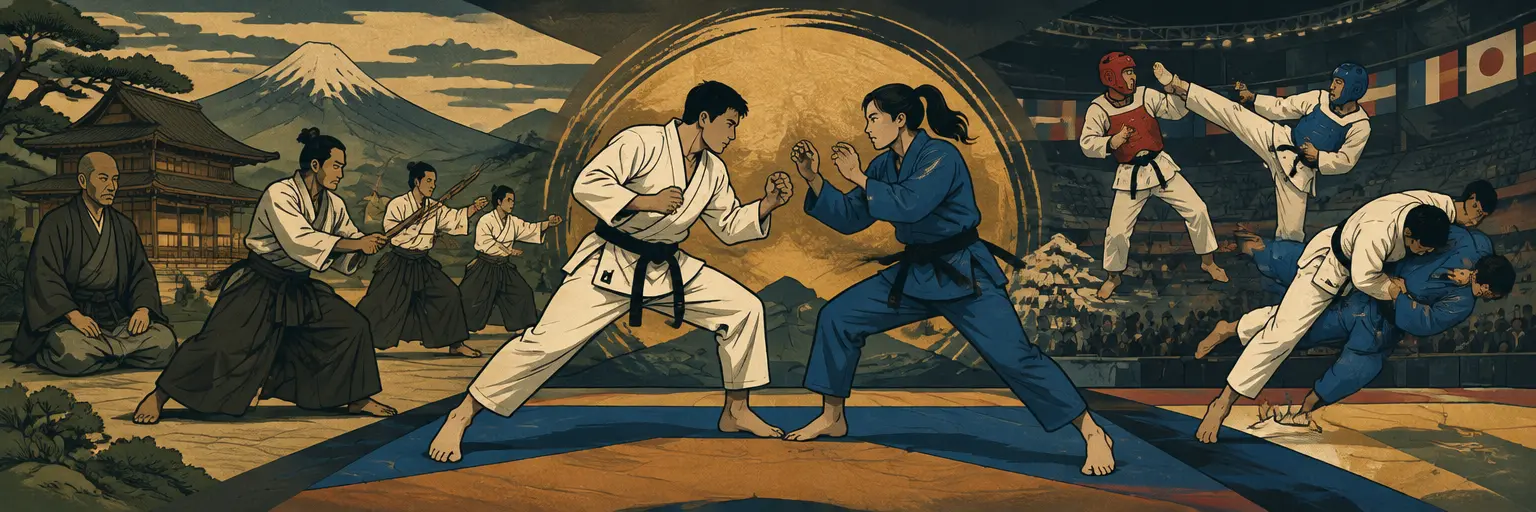
Welcome to the intersection of tradition and athleticism. This subcategory explores how centuries-old combat systems transformed into regulated, competitive sports while retaining their cultural roots. You’ll learn how forms (kata, poomsae, taolu) became scoring criteria, how sparring rules ensure safety, and how Olympic inclusion changed public perception. Expect deep dives into governance, scoring systems, and the philosophical debates that continue to shape modern martial sports.
🥋 The Historical Shift: From Self-Defense to Organized Rules
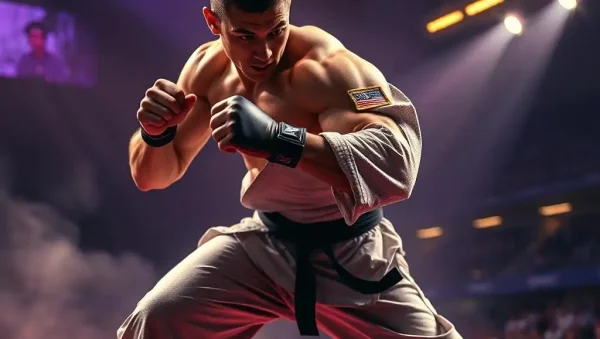
Martial arts began as survival systems, but the 20th century saw a paradigm shift. Japan’s judo (created by Jigoro Kano in 1882) pioneered the removal of lethal techniques to allow safe sparring. Similarly, karate and taekwondo adopted point-based scoring to reward controlled strikes rather than lethal force. This transition made training accessible to all ages and genders, turning warrior skills into athletic disciplines.
Modern competitions now follow universal safety protocols—protective gear, weight classes, and prohibited techniques—while preserving the core ethics of respect and discipline. Governing bodies like the World Karate Federation or International Judo Federation standardize rules, enabling cross-cultural rivalries and international rankings. Understanding this shift helps practitioners appreciate why certain moves are penalized, bridging old-school technique with new-age sport.
🏅 Scoring Systems and Judging Criteria Explained
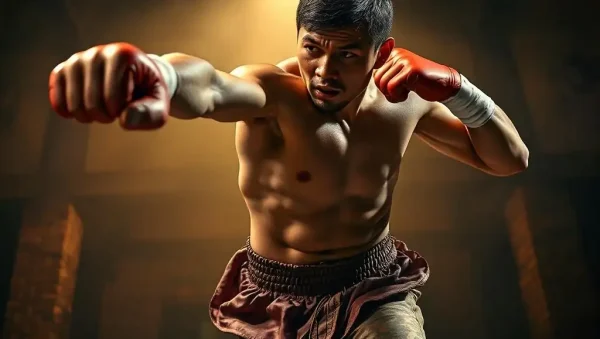
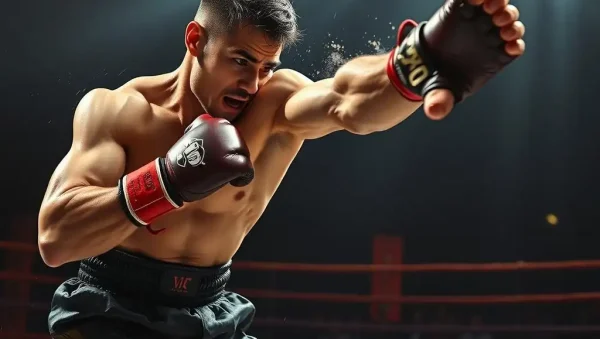
Each sport martial art uses distinct scoring logic. In taekwondo, electronic hogu (chest protectors) track impact force, rewarding flashy head kicks with more points. Boxing and Muay Thai rely on round-based judging, rewarding effective aggression and defense. Meanwhile, grappling arts like Brazilian Jiu-Jitsu use submission and positional dominance as points. Learning these systems is crucial for spectators and athletes who want tactical insight.
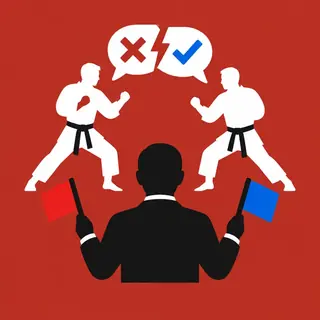
Judging often blends objective metrics (landed strikes, takedowns) with subjective criteria like “fighting spirit.” Olympic karate’s “senso” (initiative) awards the first clean strike, encouraging fast starts. These rules not only dictate winners but also shape training—athletes drill specific techniques that score well. By mastering the scoring book, you can plan fight strategies and avoid common disqualifications, making your competitive journey more strategic.
🥇 Olympic Inclusion and Its Global Impact
Judo (1964), taekwondo (2000), karate (2020, Tokyo), and boxing have all graced the Olympic stage. This recognition boosted funding, media coverage, and youth participation, but also introduced pressures to simplify rules for TV audiences. For example, karate’s Olympic format excluded certain traditional techniques to make matches faster and easier to follow. Critics argue this dilutes art; supporters counter it secures longevity.
The Olympic effect has also fostered national federations that standardize training, coaching, and athlete development. Countries invest in sport-specific martial arts as medal potential grows, leading to professional leagues and athlete scholarships. As a student, this creates more competition opportunities—from local qualifiers to national trials—while giving you a clear pathway from hobbyist to high-performance athlete, all under the umbrella of historical practice.
⚔️ Traditional Arts vs. Sport Versions: Key Debates
Purists argue that sportification strips martial arts of self-defense and lethal techniques. For instance, many karate dojos never teach throat strikes or groin kicks that are banned in sport. Conversely, sports science brings strength conditioning, periodization, and injury prevention—benefits absent in traditional classes. The debate isn’t about superiority but purpose: self-defense vs. athletic achievement.
Many modern schools adopt a hybrid curriculum, for example, teaching BJJ self-defense alongside competition drilling, or Krav Maga’s practical edge supplemented with sport sparring. Understanding these debates helps you choose your path—whether you chase trophies or personal survival. It also fosters respect for different lineages, as you realize every style evolves under societal pressures, and competition is just one expression of a timeless art.
🏆 Professional Leagues and the Rise of MMA
The emergence of the UFC in 1993 revolutionized combat sports by pitting styles against each other, spawning mixed martial arts (MMA). Today, MMA combines boxing, wrestling, Muay Thai, and Jiu-Jitsu under unified rules, creating a meta-sport that constantly adapts. Professional leagues (One Championship, PFL) now produce full-time athletes, with multi-million dollar contracts and global fanbases.
For martial artists, MMA offers a real-world testing ground where ineffective techniques are quickly exposed. However, it also prioritizes efficiency over tradition, often dropping ceremonial stances or kata-like drills. Following this evolution helps you understand why certain classical moves persist (they work) while others fade (they don’t), giving you a practical lens to evaluate your own training—whether for sport, fitness, or self-defense.
Frequently Asked Questions
What is the main difference between traditional martial arts and sport martial arts?
Traditional arts emphasize self-defense, history, and character development, often with no scoring. Sport versions add regulated competition, safety rules, and point systems to determine winners. Both share roots, but their goals differ—sport focuses on athletic wins, while tradition prioritizes survival and personal growth.
Can I learn self-defense from sport martial arts?
Yes, but with limitations. Sport training teaches timing, distance, and reflexes, which are transferable. However, banned techniques (eye gouges, small joint locks) are rarely drilled. Many schools supplement sport sparring with situational self-defense drills to cover gaps, so check a gym’s curriculum if that’s your priority.
How are judges trained for martial arts competitions?
Judges undergo certification courses by governing bodies, learning rulebooks, video analysis, and live mock judging. They must pass written and practical exams, then accumulate refereeing hours. Regular re-certification keeps them updated on rule changes, ensuring consistency across international competitions.
Why did karate get dropped from the 2024 Olympics?
The International Olympic Committee limited Paris 2024 to 32 sports, rotating to include newer disciplines like breaking. Karate missed selection based on criteria like global participation and television appeal. It remains recognized by the IOC, and efforts are ongoing for potential inclusion in future Games (e.g., 2028 Los Angeles).
What should a beginner choose: traditional dojo or sport-focused gym?
Decide by your goals. If you want structured competition, fitness, and clear progression, a sport gym offers sparring, tournaments, and ranking. If you prefer philosophy, forms, and practical self-defense, a traditional dojo is better. Many start with sport for fitness, then integrate traditional classes for depth—both are valid journeys.