
Why Ancient Forms Still Dominate Modern Dojos: The Enduring Value

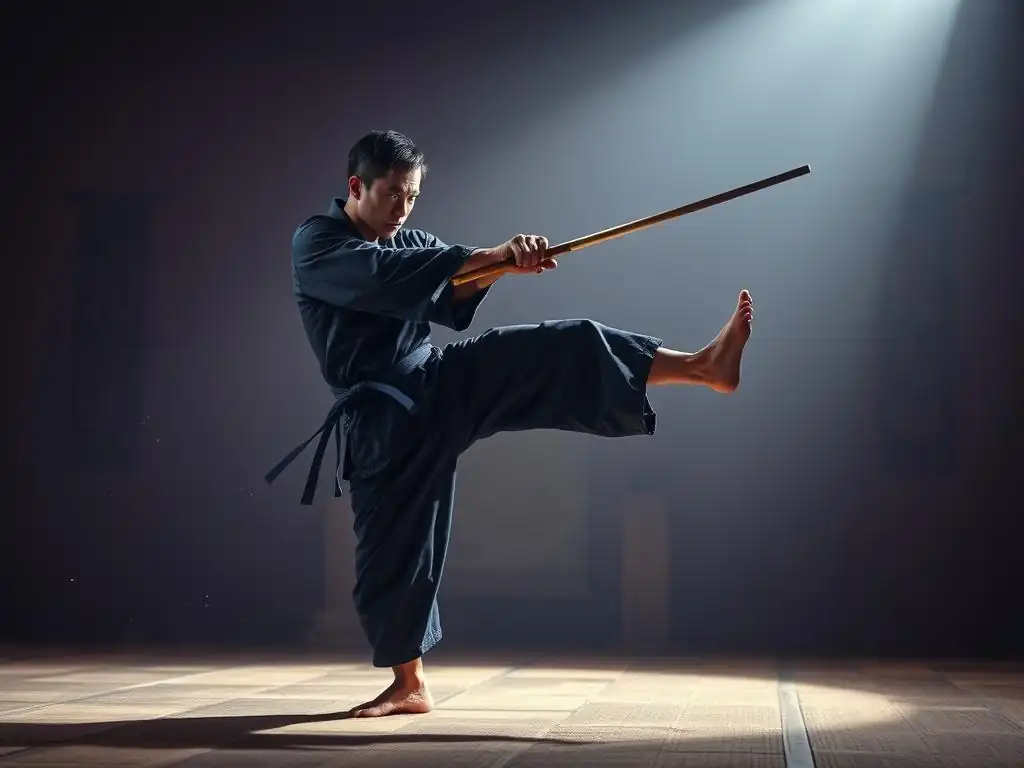
Welcome to Martial Arts Mastery, your gateway to the profound world of combat disciplines!
Delve into the captivating secrets of martial arts, from the ancient battlefields to the modern dojo. Ever wondered why time-tested methods continue to shape today's training? Our in-depth exploration of ancient martial arts techniques reveals the enduring value that lies within these historical forms, offering insights you won't find anywhere else. Prepare to unlock a deeper understanding of the traditions that underpin your practice and inspire your journey.
- Why Traditional Forms Still Dominate Modern Dojos: The Enduring Value
- Introduction: The Unwavering Relevance of Traditional Martial Arts Techniques
- The Historical Roots of Martial Arts Forms
- Core Principles Embedded in Traditional Forms
- The Practical Applications of Traditional Techniques in Modern Self-Defense
- Developing Muscle Memory and Precision Through Repetitive Practice
- Traditional Forms as a Vehicle for Cultural Transmission
- Common Misconceptions About Traditional Forms
- The Role of the Instructor in Preserving and Adapting Traditional Forms
- Case Studies: Modern Dojos That Successfully Integrate Traditional Forms
- Conclusion: The Timeless Value of Traditional Martial Arts Techniques in the Modern Dojo
-
Frequently Asked Questions
- What are some key reasons why ancient martial arts techniques are still relevant in modern dojos?
- How do ancient martial arts techniques contribute to self-defense in contemporary scenarios?
- What is the historical significance of preserving ancient martial arts techniques?
- Are ancient martial arts techniques suitable for all body types and fitness levels?
- How do ancient martial arts techniques enhance mental discipline and focus?
- Final Reflection: The Enduring Echoes of Tradition
- Embrace the Ancient Path: Begin Your Transformation Today!
Why Traditional Forms Still Dominate Modern Dojos: The Enduring Value
Introduction: The Unwavering Relevance of Traditional Martial Arts Techniques
In the dynamic world of combat sports and self-defense, where emphasis often falls on sparring and practical application, the quiet, disciplined practice of traditional forms might seem anachronistic. Yet, walk into many modern martial arts dojos, dojangs, or kwoons, and you'll find students diligently practicing sequences of movements passed down through generations.
These ancient martial arts techniques, codified in forms known as kata in Japanese arts like Karate, poomsae in Taekwondo, and taolu in Chinese Kung Fu, represent a living link to the past, embodying centuries of combat wisdom and philosophical insight. Far from being mere relics, these traditional forms remain a cornerstone of training, offering profound benefits that extend beyond physical prowess, shaping practitioners mentally, spiritually, and culturally.
The enduring value of practicing these structured sequences lies in their multifaceted nature. They are not just choreographed dances but comprehensive training tools that simultaneously develop fundamental techniques, physical conditioning, mental discipline, and a deep connection to the art's heritage.
Understanding why these ancient martial arts techniques persist requires examining their historical context, the principles they encode, their practical utility, and their role in preserving the rich tapestry of martial arts history. This exploration reveals that the dominance of traditional forms in modern training environments is not accidental, but a testament to their deep and lasting impact on the martial artist's journey.
The Historical Roots of Martial Arts Forms
Tracing the Origins of Kata in Karate, Poomsae in Taekwondo, and Taolu in Kung Fu
The practice of codified movement sequences, or forms, is deeply rooted in the history of various Asian martial arts. In Okinawa, the birthplace of Karate, early forms known as kata developed as a primary method for transmitting fighting techniques and principles in secrecy, often under oppressive political regimes where open weapons or combat training was forbidden.
Masters would embed entire combat strategies, including strikes, blocks, throws, and joint locks, within these seemingly ritualistic patterns. It's estimated that many foundational kata trace their lineage back several centuries, evolving through the synthesis of indigenous Okinawan fighting methods ( Te) and Chinese martial arts influences ( Quanfa or Kung Fu), particularly from the Fuzhou region.
Similarly, Chinese martial arts boast a vast and diverse repertoire of taolu, or forms, which serve as comprehensive encyclopedias of techniques, footwork, and body conditioning specific to different styles (e.g., Shaolin, Tai Chi, Wing Chun). Some taolu are said to be hundreds, even thousands, of years old, developed in monasteries, military camps, or by individual masters.
Taekwondo's poomsae (or hyung/ tuls in some traditions) are more recent, largely systematized in the 20th century as the art solidified its identity, drawing upon Korean traditional martial arts ( Taekkyon, Soobak) and influences from Karate. While younger than many kata or taolu, poomsae still serve the ancient purpose of preserving and transmitting core techniques and philosophical principles of the art, ensuring the continuity of its ancient martial arts techniques adapted for a modern context.
The Evolution and Preservation of Traditional Fighting Systems
Traditional forms were not static creations; they were living documents of combat knowledge that evolved over time, adapted by masters to suit changing circumstances, integrate new insights, or reflect the specific strengths of their lineage. However, the primary function of forms remained preservation – safeguarding the accumulated wisdom of generations of warriors and practitioners. Before widespread literacy or standardized manuals, forms were the most reliable way to ensure that the intricate details of blocking, striking, joint manipulation, and body mechanics were passed down accurately.
The process of preservation was often rigorous, involving countless repetitions and detailed instruction from master to student. This ensured that the subtle nuances – the precise angle of a block, the timing of a body shift, the generation of power from the core – embedded within the ancient martial arts techniques were not lost.
While some argue that forms have become overly stylized or removed from practical application in modern times, their fundamental role as repositories of technical knowledge remains undeniable. They are the libraries of traditional fighting systems, ensuring that the core principles and techniques survive, even as the methods of application might be debated or adapted for contemporary needs.
Core Principles Embedded in Traditional Forms
Understanding the Biomechanics of Traditional Movements
Traditional forms are intricate blueprints for efficient movement and power generation. Each stance, block, strike, and transition within a form is designed to teach fundamental biomechanical principles essential for effective combat. For example, the deep, rooted stances found in many kata and taolu are not merely for show; they train leg strength, stability, and the ability to generate power from the ground up, channeling force through the body to the point of impact. The precise hip rotation emphasized in Karate kata like Heian Shodan or Taekwondo poomsae like Taegeuk Il Jang is crucial for adding rotational power to strikes.
Practicing these ancient martial arts techniques through forms helps students internalize proper body alignment, weight distribution, and kinetic chain sequencing. They learn how to move their center of gravity effectively, how to use their entire body in concert for maximum efficiency and power, and how to recover balance quickly after executing a technique. This deep understanding of body mechanics, honed through the repetitive and precise execution of forms, forms the physical foundation upon which practical application and free-style techniques are built.
Cultivating Mental Discipline Through Form Practice
Beyond the physical, traditional forms are powerful tools for developing mental discipline. The demanding nature of learning and perfecting a form requires focus, patience, and perseverance. Students must memorize complex sequences, pay meticulous attention to detail in posture and execution, and strive for continuous improvement through diligent practice. This process cultivates concentration, improves memory, and builds mental fortitude.
The meditative aspect of performing forms, especially at an advanced level, further enhances mental discipline. The repetitive, rhythmic movements, combined with focused breathing and visualization, can induce a state of flow, quieting the 'monkey mind' and fostering a sense of calm control. This mental resilience and focus, trained through the disciplined practice of ancient martial arts techniques in form, are invaluable not only in self-defense situations but also in navigating the challenges of daily life.
Preserving the Philosophical Underpinnings of Martial Arts
Forms are not just collections of techniques; they often embody the philosophical principles and ethical values of the martial art. The sequence of movements, the emphasis on courtesy and respect (often demonstrated through bowing at the beginning and end), the focus on self-improvement rather than competition – these elements reflect the deeper meaning of the art beyond mere fighting. For instance, the flow and yielding principles of Tai Chi taolu embody Taoist philosophy, while the sharp, decisive movements of Karate kata often reflect a philosophy of decisive action and mental clarity.
Many forms have names that refer to philosophical concepts, historical events, or natural phenomena, serving as mnemonic devices that link the physical movements to the art's heritage and worldview. By practicing these ancient martial arts techniques in their traditional form, students connect with the history, culture, and ethical framework that shaped the art. This connection helps prevent the art from becoming merely a physical exercise or sport, ensuring that its roots in character development, self-mastery, and respect for others are preserved.
The Practical Applications of Traditional Techniques in Modern Self-Defense
Bridging the Gap Between Form and Function
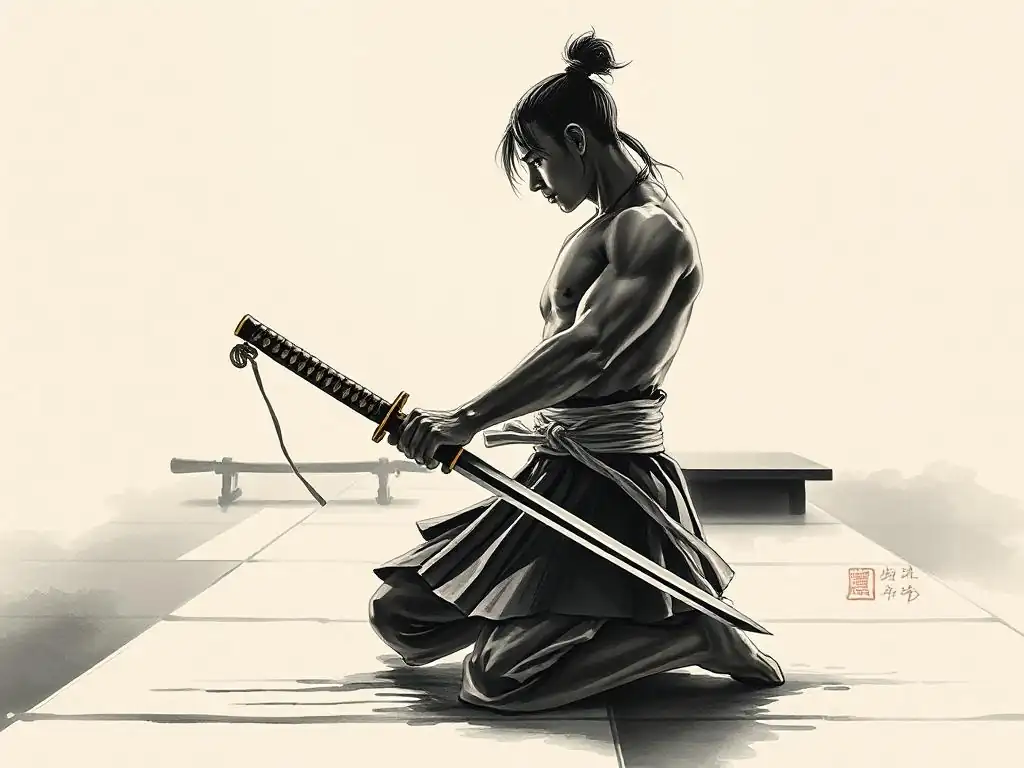
A common criticism of traditional forms is their perceived lack of practicality in modern self-defense or sport combat. However, this view often stems from a misunderstanding of what forms are designed to teach. Forms do not typically depict a single, linear fight; rather, they are repositories of principles and techniques that can be applied in myriad situations. The movements within a form are often abstracted or condensed representations of more complex actions, such as joint locks, throws, or grappling entries, alongside the more obvious strikes and blocks.
The key to bridging the gap between form and function lies in bunkai (Japanese for 'analysis' or 'application'), the study of how the movements within a form can be applied against an opponent. Dedicated bunkai training reveals the practical utility of seemingly impractical movements. A block might also be a joint lock, a punch might be followed immediately by a throw setup, or a seemingly defensive posture might be an offensive trap. Understanding and practicing bunkai transforms forms from abstract sequences into dynamic libraries of ancient martial arts techniques applicable to real-world scenarios.
Adapting Traditional Methods for Contemporary Scenarios
While the principles embedded in ancient forms remain timeless, their direct application may need adaptation for contemporary self-defense challenges, which can involve different types of attacks (e.g., grabs, shoves, common street fighting tactics) and environments. A perfect traditional stance might be less practical on slippery pavement, or a complex joint lock might be difficult to execute against a larger, untrained aggressor.
Experienced instructors and practitioners learn to adapt the core principles and techniques from forms to suit modern contexts. This doesn't mean abandoning the forms but rather understanding the underlying mechanics and strategic intent behind the movements. For example, the evasive footwork practiced in forms can be adapted to avoid a lunge, or a blocking sequence can be modified to deal with multiple attackers. The forms provide the foundational vocabulary of movement and power generation; intelligent application adapts this vocabulary to speak the language of modern self-defense.
Mae Geri (Front Kick) in Taekwondo: Application in Distance Management and Interception
Consider the Mae Geri (front kick), a fundamental technique found in countless Taekwondo poomsae (e.g., Taegeuk Ee Jang, Taegeuk Sam Jang). In the context of a form, it is practiced with precise chambering, extension, and retraction, often from a specific stance. While this exact execution might look stiff in a dynamic sparring match, the form practice builds the essential components: balance on one leg, core stability, hip thrust for power, and rapid retraction to avoid having the leg caught.
In a modern self-defense scenario, the principle of the Mae Geri trained in forms becomes highly practical. It is an excellent tool for maintaining distance, interrupting an attacker's forward movement (interception), or striking vulnerable targets at close range. The form training develops the necessary muscle memory, balance, and power generation. The practitioner then learns to apply this ancient martial arts technique fluidly and adaptively in real-time, perhaps using a smaller chamber or kicking to a different target depending on the situation, but relying on the foundational skill built through countless form repetitions.
Developing Muscle Memory and Precision Through Repetitive Practice
The Science Behind Motor Skill Acquisition
The repetitive practice of traditional forms is a highly effective method for developing motor skills. Neuroscientific research shows that repeating a movement sequence strengthens neural pathways in the brain (particularly in the cerebellum and basal ganglia) responsible for coordinating movement. This process, known as motor skill acquisition, allows complex actions to become automatic, requiring less conscious thought and effort.
When a student practices a form dozens, hundreds, or even thousands of times, the intricate sequence of blocks, strikes, stances, and transitions becomes deeply ingrained in their muscle memory. Their body learns to perform the movements efficiently and powerfully without needing to consciously think about each step. This automaticity is crucial in self-defense, where split-second reactions are necessary. The ancient martial arts techniques embedded in forms become instinctive responses through sheer repetition.
Enhancing Reaction Time and Coordination
Regular form practice significantly enhances reaction time and overall body coordination. By executing complex sequences that require simultaneous movements of different body parts (e.g., stepping while blocking and striking), practitioners develop improved proprioception (awareness of their body in space) and kinesthetic sense. The rapid transitions between techniques within a form train the body to switch between different actions smoothly and quickly.
This heightened coordination and improved reaction time, honed through the disciplined execution of ancient forms, translate directly to practical situations. Whether reacting to an unexpected attack or coordinating complex movements in sparring, the body is better prepared to respond effectively and efficiently thanks to the neural programming established through repetitive form training.
Long-Term Benefits of Regular Form Training
The long-term benefits of consistent form training extend throughout a practitioner's martial arts journey and beyond. It builds a resilient physical foundation, improving balance, flexibility, strength, and endurance over time. It fosters a deep understanding of the art's techniques and principles, providing a reference library that can be revisited and reinterpreted throughout one's life.
Furthermore, the mental discipline, focus, and perseverance cultivated through form practice are lifelong skills applicable to any endeavor. Even as physical abilities may change with age, the mental clarity and understanding of movement principles gained through decades of practicing ancient martial arts techniques in forms remain. Forms provide a framework for continuous learning and refinement, ensuring that the martial arts journey is one of perpetual growth.
Traditional Forms as a Vehicle for Cultural Transmission
Passing Down Knowledge Through Generations
Traditional forms are perhaps the most vital vehicle for cultural transmission within martial arts. They are the primary method by which the technical knowledge, strategic principles, and even the spirit of a style are passed down from one generation of practitioners to the next. Each form represents a chapter in the art's history, containing the insights and innovations of masters who lived decades or centuries ago.
The process of learning a form is an act of connecting with this lineage. Students are not just learning movements; they are learning how their predecessors fought, thought, and trained. This direct physical and mental engagement with ancient martial arts techniques creates a powerful link to the past, ensuring that the art's heritage is not lost but actively embodied by each new generation.
Maintaining the Integrity of Martial Arts Heritage
In an era of rapid change and the blending of different styles, traditional forms play a crucial role in maintaining the integrity and distinctiveness of a specific martial art heritage. While innovation and cross-training are valuable, forms serve as the anchor that keeps a style grounded in its historical roots and core principles. They provide a standard against which technical execution can be measured and ensure that the fundamental characteristics of the art are preserved.
By adhering to the established patterns and precise execution required by traditional forms, practitioners help safeguard the unique legacy of their style. This preservation is not about rigid adherence for its own sake, but about respecting and understanding the historical context and technical wisdom that the forms contain. It ensures that the ancient martial arts techniques that define the art are accurately transmitted, preventing dilution or distortion over time.
Forms as a Living Record of Combat Strategies
Think of traditional forms as living, breathing historical documents – records of combat strategies developed and refined over centuries. While they may not always represent a linear fight, they encode principles of positioning, timing, defense against specific attacks, and methods for offensive action. For example, a sequence involving simultaneous block and counter-strike teaches the principle of combining defense and offense. A series of rapid movements followed by a strong, decisive final technique might represent a strategy of overwhelming an opponent before finishing the encounter.
Studying and interpreting forms (bunkai) is akin to deciphering these historical records. It allows practitioners to uncover the strategic intent behind the movements and understand the combat logic that informed the creation of the form. This makes forms invaluable for understanding the tactical thinking of past masters and applying those timeless strategies, based on ancient martial arts techniques, to modern combat scenarios.
Common Misconceptions About Traditional Forms
Debunking the Myth of Impracticality
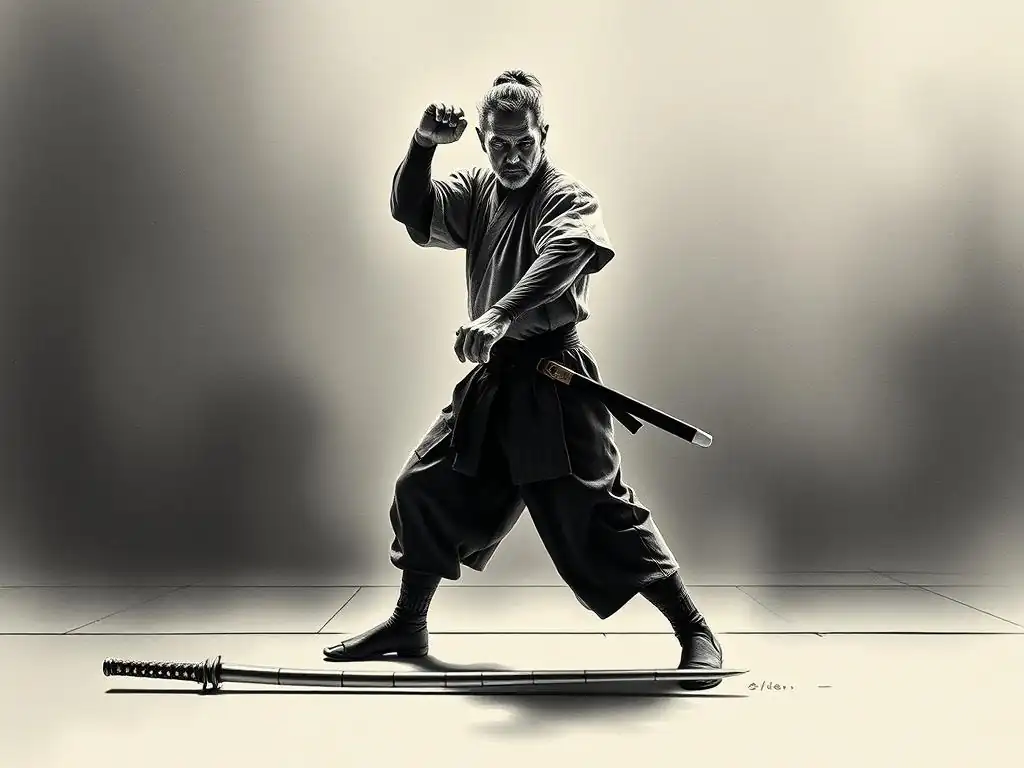
One of the most persistent misconceptions about traditional forms is that they are impractical or useless in a real fight. This myth often arises from observing stylized form performance in demonstrations or competitions, which may prioritize aesthetics or athletic flair over combative application. However, as discussed earlier, forms are not meant to be performed exactly as they appear against a resisting opponent. They are training tools and repositories of techniques and principles.
The 'impractical' appearance often comes from condensed movements, abstract representations of techniques, or sequences designed to train multiple principles simultaneously rather than mimic a single real-time interaction. When analyzed and practiced with bunkai, the movements within forms reveal powerful and practical applications for self-defense, including effective strikes, blocks, joint manipulations, throws, and evasions. The impracticality lies not in the forms themselves, but in a superficial understanding or execution of them.
Addressing Concerns About Stagnation and Rigidity
Another concern is that reliance on traditional forms can lead to stagnation and rigidity in training, hindering adaptability and creativity. Critics argue that rigid adherence to fixed patterns prevents students from developing the fluidity and spontaneity needed in dynamic combat. While excessive focus on rote memorization without understanding application can indeed be limiting, this is a failure of pedagogy, not of the forms themselves.
Proper form training encourages precision and discipline, but it should be complemented by other training methods like drills, sparring, and application practice (bunkai) that promote adaptability. The forms provide the foundation and the vocabulary of the art; other training methods teach how to use that vocabulary flexibly and creatively in conversation (i.e., combat). A well-rounded curriculum uses forms as a tool for building fundamental skills and understanding principles, not as the sole method of training. The ancient martial arts techniques are the building blocks, not the finished structure.
Forms Evolve Through Interpretation and Application, While Retaining Core Biomechanical and Strategic Principles
It is important to recognize that while the names and general sequences of traditional forms may remain constant for generations, the interpretation and application of the movements can and do evolve. Masters throughout history have adapted the bunkai of forms to suit their understanding, their physical attributes, or the changing nature of combat. This ongoing process of interpretation keeps the forms relevant and prevents them from becoming truly stagnant.
However, this evolution typically occurs within the framework of the form's core biomechanical and strategic principles. A front kick in a form might be applied in different ways (to the knee, groin, or solar plexus), but the underlying principle of generating power from the hip and ground remains constant. This balance between preserving core principles and allowing for adaptive interpretation ensures that forms remain valuable tools for both tradition and practical application, safeguarding the essence of ancient martial arts techniques while allowing for their continued relevance.
The Role of the Instructor in Preserving and Adapting Traditional Forms
The Importance of Qualified Instruction
The value derived from practicing traditional forms is heavily dependent on the quality of instruction. A qualified instructor does more than just teach the sequence of movements; they impart the meaning behind the movements, explaining the historical context, the biomechanical principles, the philosophical connections, and, crucially, the practical applications (bunkai). Without this deeper understanding, forms can indeed become mere performance or rote exercise.
A skilled instructor acts as a bridge between the ancient wisdom embedded in the forms and the modern student. They possess the knowledge, gained through years of dedicated practice and study under their own teachers, to accurately transmit the ancient martial arts techniques and their intended purpose. They can correct subtle errors in posture or movement that affect power generation or stability, and they can guide students in exploring the practical applications of each technique within the form.
Balancing Tradition and Innovation in Training
A key challenge for modern martial arts instructors is finding the right balance between preserving tradition and embracing innovation. While the historical forms are invaluable for transmitting core knowledge, a curriculum that only focuses on forms practice without sufficient application, drilling, and sparring is unlikely to produce well-rounded practitioners capable of effective self-defense.
Successful instructors integrate forms practice into a broader training methodology. They dedicate time to analyzing and drilling bunkai, showing students how the movements translate to real-world scenarios. They may incorporate modern training methods like scenario-based training, pad work, and controlled sparring to help students develop the timing, distance, and adaptability needed to apply the ancient martial arts techniques learned in forms. This balanced approach honors the art's heritage while preparing students for contemporary challenges.
A Karate Instructor Modifying Bunkai (Application) Drills to Reflect Modern Self-Defense Scenarios
Consider a Karate instructor teaching the kata Heian Shodan. This form contains several gedan barai (low block) movements. Traditionally, bunkai might show this as blocking a low kick or punch. However, a modern instructor might also show how a slight modification of the gedan barai principle – a downward deflection or parry combined with forward pressure – can be used to defend against a common street attack like a shove or a grab attempt towards the lower body.
The instructor doesn't change the kata itself but adapts the drill for practicing the bunkai. Instead of just blocking a prearranged low punch from a partner, the drill might involve the partner initiating a realistic shove, requiring the student to use the principle of the gedan barai movement, perhaps combined with a step or body shift taught elsewhere in the form, to regain balance, deflect the force, and counter. This demonstrates how the ancient martial arts techniques from the form provide the fundamental skill (strong downward force, stable posture) which is then applied adaptively to a modern threat.
Case Studies: Modern Dojos That Successfully Integrate Traditional Forms
Seido Karate - Illustrating Practical Application
Seido Juku Karate, founded by Tadashi Nakamura (a former student of Mas Oyama), is an example of a style that places significant emphasis on traditional forms (kata) while being renowned for its practical application and rigorous full-contact sparring. In Seido, kata are not just performed; they are studied intensely for their bunkai. Students are constantly challenged to understand why a movement is done a certain way and how it can be used against an opponent.
Training includes extensive drills breaking down kata movements into practical self-defense sequences, pressure testing techniques against resistance, and incorporating principles learned in kata into sparring. This approach demonstrates that dedicated study of ancient martial arts techniques through forms can directly enhance practical fighting ability, proving that forms are not mutually exclusive from effective self-defense but are foundational to it. The emphasis on jissen (practical application) within the framework of traditional forms is a hallmark of Seido's success.
Shaolin Temple - Emphasizing Cultural Preservation
The Shaolin Temple in China, often considered the birthplace of many Chinese martial arts, exemplifies the role of forms (taolu) in cultural preservation. While modern Shaolin monks and students train for physical prowess and performance, the core of their training involves mastering a vast repertoire of traditional taolu. These forms are seen as direct links to the temple's history, philosophy, and the legendary martial skills developed over centuries.
Training at Shaolin emphasizes precise execution of these ancient martial arts techniques as they have been passed down, viewing the forms as a living embodiment of the Shaolin legacy. While practical application is also taught, the performance and mastery of the traditional taolu hold immense cultural and historical significance. This case highlights how forms serve as powerful vehicles for maintaining identity, transmitting history, and embodying the spirit of a martial tradition, even in the modern world.
Key Takeaways from Successful Integration Strategies
Successful dojos that effectively integrate traditional forms share several common strategies:
- Emphasis on Bunkai: They prioritize teaching the practical application of form movements, not just the sequence.
- Forms as Foundation: They view forms as building blocks for developing fundamental skills and understanding principles, which are then applied in other training contexts.
- Qualified Instructors: They have instructors with deep knowledge of both the forms and their practical utility.
- Balanced Curriculum: Forms practice is integrated with drills, sparring, and self-defense scenarios.
- Connection to Philosophy/Culture: They link the physical practice of forms to the art's deeper meaning and heritage.
These examples demonstrate that the enduring value of ancient martial arts techniques within traditional forms is unlocked when they are taught and practiced not as isolated rituals, but as dynamic tools for physical mastery, mental discipline, and cultural connection, directly applicable to the demands of modern martial arts.
Conclusion: The Timeless Value of Traditional Martial Arts Techniques in the Modern Dojo
Embracing Tradition for a Stronger Future in Martial Arts
The continued prominence of traditional forms in modern martial arts dojos is a testament to their profound and multifaceted value. Far from being outdated relics, these ancient martial arts techniques, codified in kata, poomsae, and taolu, serve as comprehensive training systems that simultaneously develop physical prowess, mental fortitude, and a deep connection to the art's history and philosophy. They are the foundational language of many styles, teaching essential biomechanical principles, cultivating discipline, and preserving the strategic wisdom of past masters.
While the landscape of martial arts evolves, with the rise of sport combat and mixed martial arts, the core benefits derived from dedicated forms practice remain indispensable. They provide the muscle memory, precision, balance, and underlying understanding of movement that enhance performance in any martial context, including modern self-defense. Embracing the tradition of forms practice does not mean rejecting modernity; rather, it means building upon a rich, proven foundation for a stronger, more complete martial arts journey.
The Enduring Legacy of Kata, Poomsae, and Taolu
The legacy of kata, poomsae, and taolu is one of resilience, adaptability, and enduring wisdom. These ancient forms have survived centuries because they work – not just as fight simulators, but as holistic training methodologies that shape the practitioner from the inside out. They are living archives of ancient martial arts techniques, waiting to be studied, understood, and applied by each new generation.
As modern dojos continue to teach these traditional forms, they ensure that the valuable lessons learned over centuries of combat and self-cultivation are not lost. The quiet practice of a form, performed with focus and intent, connects the student to a lineage stretching back through time, empowering them with the knowledge and discipline to face the challenges of the present. The enduring value of these traditional practices guarantees their place at the heart of martial arts training for generations to come.
Frequently Asked Questions
What are some key reasons why ancient martial arts techniques are still relevant in modern dojos?
Ancient techniques provide a strong foundation in fundamental movements and core principles. They often offer a deeper understanding of the martial art's history and philosophy, which enhances overall training.
How do ancient martial arts techniques contribute to self-defense in contemporary scenarios?
While some techniques may need adaptation, the principles of leverage, balance, and timing taught through ancient forms are universally applicable in self-defense. Adaptation and contextual understanding are key.
What is the historical significance of preserving ancient martial arts techniques?
Preserving these techniques maintains a connection to the past, honoring the lineage of the martial art. It allows practitioners to appreciate the evolution of the discipline and understand its origins.
Are ancient martial arts techniques suitable for all body types and fitness levels?
Many ancient techniques can be modified to suit different individuals. Instructors can adapt stances, movements, and intensity to accommodate varying fitness levels and physical limitations.
How do ancient martial arts techniques enhance mental discipline and focus?
The precise movements and complex forms of ancient techniques require intense concentration, fostering mental discipline and improved focus. This mental training benefits all aspects of life.
Final Reflection: The Enduring Echoes of Tradition
The exploration of ancient martial arts techniques reveals more than just historical practices; it underscores their unwavering relevance in the modern dojo. The principles of discipline, respect, and self-improvement, forged in the crucible of ancient training, continue to shape practitioners today, providing a foundation for physical prowess and mental fortitude that transcends mere combat skills. These techniques are not relics of the past, but living blueprints for a more mindful and capable future.
The enduring influence of these ancient forms profoundly shapes the cultural landscape of martial arts. The dedication required to master these techniques fosters a deep respect for tradition and a commitment to personal growth that extends far beyond the training mat. The best fighter is never angry,
a saying often attributed to various martial arts traditions, encapsulates the profound emotional and mental discipline cultivated through these practices, reminding us that true strength lies not just in physical power, but in inner control.
Now, as you reflect on the enduring value of ancient martial arts techniques, consider how their underlying principles can be applied to your own life. Embrace the discipline, cultivate respect, and strive for continuous self-improvement. The lessons learned in the dojo, whether ancient or modern, offer a pathway to a more balanced, resilient, and ultimately, more fulfilling existence.
Embrace the Ancient Path: Begin Your Transformation Today!
Thank you for diving into the enduring wisdom of traditional martial arts! We hope this exploration has sparked a deeper appreciation for the roots of your practice. Now, it's time to translate that knowledge into action.
- Recommit to your foundation: Dedicate extra time in your next session to the core techniques discussed, focusing on precision and intent.
- Share this article with fellow martial artists and spark a discussion about the relevance of tradition in modern training.
- Explore the history of your specific style and discover how ancient masters shaped the art you practice today.
How will you integrate the lessons of the past into your present training to forge a stronger future in martial arts?