
The Legal Hurdles: How Western Laws Impacted Martial Arts Practice and Weaponry


Welcome to Martial Arts Mastery, your gateway to understanding the intricate world of combat traditions! Delve into the fascinating history of martial arts and their evolution across cultures. But did you know that legal systems have also significantly shaped their practice? In this article, we uncover " The Legal Hurdles: How Western Laws Impacted Martial Arts Practice and Weaponry," exploring the surprising impact of legislation on Western martial arts legal issues.
Discover how laws influenced training, weaponry, and even the survival of these ancient disciplines, sparking a debate that continues to this day. Intrigued? Read on to unlock the secrets!
-
Western Martial Arts Legal Issues: Navigating Laws & Weaponry in the West
- Introduction: The Clash Between Martial Arts and Western Legal Systems
- The History of Legal Restrictions on Martial Arts in the West
- Impact of Western Laws on Martial Arts Weaponry
- Self-Defense Laws and the Use of Martial Arts Techniques
- Case Studies: Western Martial Artists and the Law
- Adapting Martial Arts Practice to Western Legal Frameworks
- The Future of Martial Arts and Western Law: Finding Common Ground
- Conclusion: Balancing Tradition, Self-Defense, and Legal Compliance
-
Frequently Asked Questions
- What are some of the primary legal challenges faced by practitioners of Western Martial Arts (WMA) regarding weaponry?
- How have Western laws historically impacted the teaching and practice of WMA techniques?
- What is the potential legal risk involved in using WMA techniques for self-defense in a modern context?
- Do current Western laws differentiate between practicing WMA as a sport/hobby versus for self-defense purposes?
- How can WMA practitioners ensure they are compliant with local laws regarding training and weapon ownership?
- Final Reflection: The Enduring Spirit of Martial Arts
- Unleash Your Inner Warrior: Take Action Now!
Introduction: The Clash Between Martial Arts and Western Legal Systems
The journey of martial arts from their diverse origins to integration within Western societies has been marked by significant cultural exchange and adaptation. However, this process has not been without its challenges, particularly when tradition intersects with established legal frameworks.
Western legal systems, often rooted in common law or civil law traditions, have specific regulations regarding public conduct, self-defense, and the ownership and use of weapons, which can create complex Western martial arts legal issues for practitioners and instructors. Understanding these legal landscapes is crucial for anyone involved in martial arts in the West, ensuring compliance while preserving the essence of the art.
Historically, many martial arts developed in contexts vastly different from modern Western nations, often involving societal structures, norms around conflict resolution, and relationships with authority figures that contrast sharply with contemporary Western legal thought. This divergence necessitates a careful examination of how techniques, training methods, and the philosophical underpinnings of martial arts are perceived and regulated under Western law. The adaptation required to navigate Western martial arts legal issues goes beyond mere translation of techniques; it involves a fundamental understanding of legal rights, responsibilities, and potential liabilities inherent in practicing and applying martial arts skills.
The History of Legal Restrictions on Martial Arts in the West
Early Perceptions and Concerns: Concerns Over Street Brawls and Gang Activity
As various forms of martial arts began to appear in Western countries, particularly in urban centers during the late 19th and early 20th centuries, they were sometimes viewed with suspicion by authorities. Public displays of fighting skills, even in controlled environments, could be perceived as precursors to or instigators of public disorder.
Concerns were often raised about potential links between martial arts training and street brawls or organized criminal activities, particularly among immigrant communities where certain martial arts were practiced. This led to instances where public sparring or demonstrations faced scrutiny or even prohibition under laws aimed at maintaining public peace, highlighting early Western martial arts legal issues.
For example, in some historical accounts from the early 20th century in parts of the United States or the United Kingdom, groups practicing combat sports or martial arts in public parks or meeting halls were occasionally dispersed by police under vagrancy acts or laws against disturbing the peace. While not always directly targeting "martial arts" by name, these laws effectively created hurdles for public practice and demonstration.
The lack of widespread understanding of the disciplined nature of these arts contributed to a perception among some law enforcement and policymakers that they were primarily about fighting, rather than discipline, self-improvement, or cultural preservation, exacerbating potential Western martial arts legal issues.
Public Safety vs. Self-Defense: A Legal Balancing Act
Western legal systems consistently grapple with the tension between ensuring public safety by restricting potentially harmful activities and upholding the individual's right to self-defense. Martial arts exist precisely in this complex intersection. While training in martial arts is broadly recognized as a legitimate pursuit for fitness, discipline, and self-improvement, the application of these skills, particularly in confrontational situations, is strictly regulated by self-defense laws. The legal system seeks to prevent vigilantism or excessive force, while acknowledging that individuals may need to use force to protect themselves or others from harm.
This balancing act is evident in court cases where individuals who have used martial arts techniques in self-defense are judged not just on whether they were attacked, but on whether the force used was reasonable and proportionate to the threat faced. A trained martial artist using a technique that results in severe injury when only minor force was necessary to stop the threat may face criminal charges, even if they were initially the victim.
Navigating these Western martial arts legal issues requires practitioners to understand that their enhanced physical capabilities come with increased legal scrutiny regarding the appropriateness of their response in a conflict.
Impact of Western Laws on Martial Arts Weaponry
The Legality of Traditional Martial Arts Weapons: Swords, Staffs, and More
Traditional martial arts often incorporate the use of various weapons, ranging from swords (like katanas or European longswords) and staffs (like bo or jo) to smaller items like nunchaku or sai. The legality of possessing, carrying, and training with these items varies significantly across Western jurisdictions.
In many countries, items traditionally used as weapons, even within a martial arts context, are classified under weapons laws. For instance, swords might be considered offensive weapons or regulated based on blade length, while items like nunchaku are explicitly banned in some places (e.g., certain US states, the UK) due to their association with crime or perceived lack of legitimate purpose outside combat.
Possession of these traditional weapons is often permissible only under specific conditions, such as being part of a registered collection, being used in a licensed martial arts school during supervised training, or being transported directly to and from such training or events, typically unloaded or secured. Public carry is almost universally restricted or prohibited, even if the individual is a trained martial artist. These regulations present significant Western martial arts legal issues for schools wanting to teach traditional weapon forms and for practitioners wishing to train with authentic tools, requiring careful adherence to local statutes.
Concealed Carry Laws and Martial Arts Tools: Knives, Kubatons, and Tactical Pens
Beyond traditional weapons, some martial arts or self-defense systems incorporate modern tools that can be used for defense, such as small knives, kubatons (small defense keychains), or tactical pens. The legality of carrying these items, particularly concealed, is governed by specific concealed carry laws, which differ widely.
A small folding knife legal to own might become illegal if carried concealed depending on local laws regarding blade length or intent. Similarly, items like kubatons or tactical pens occupy a grey area; while designed for utility, their potential use as weapons can lead to legal scrutiny, depending on the situation and local definitions of "weapon."
Many jurisdictions have laws prohibiting the carrying of any item with the intent to use it unlawfully as a weapon, which can make even innocuous objects problematic if that intent is perceived. For martial artists who train with such items for self-defense purposes, understanding the nuances of concealed carry laws and the potential for legal interpretation based on intent is vital. These are common Western martial arts legal issues that require practitioners to be well-informed about the specific regulations in their city, state, or country before carrying any item intended for defensive use.
Import and Ownership Restrictions: Navigating International and Local Laws
Acquiring certain martial arts weapons often involves navigating complex import regulations and local ownership laws. Importing items like swords, certain types of knives, or specific training devices may be subject to customs restrictions, tariffs, or outright bans depending on the item's classification and the destination country's laws. For example, importing a functional katana into the UK requires adherence to strict regulations regarding curved blades with a cutting edge, often necessitating proof of legitimate use (like martial arts training) and potentially involving specific licensing or certification processes.
Furthermore, even once an item is legally imported, local laws dictate who can own it, how it must be stored, and where it can be used. Some areas might require registration of certain weapons, impose age restrictions on ownership, or mandate specific storage requirements (e.g., locked cabinets). These layers of international and local regulations pose significant Western martial arts legal issues for practitioners and schools seeking to acquire traditional training tools, demanding thorough research and compliance at multiple levels to avoid legal penalties.
Self-Defense Laws and the Use of Martial Arts Techniques
Reasonable Force and Proportionality: Understanding Legal Limits in Self-Defense
A cornerstone of Western self-defense law is the principle of reasonable force and proportionality. This means that the amount of force used to defend oneself must be reasonable in the circumstances and proportionate to the threat faced. A martial artist, due to their training, is often held to a higher standard in evaluating the force they use.
While a layperson might reasonably panic and use excessive force, a trained individual is expected to have better control and judgment. Using advanced striking techniques or joint locks that cause severe injury against a threat that could have been neutralized with less force (e.g., pushing away a non-violent aggressor) can lead to criminal charges.
Legal analysis in such cases often involves examining the imminence of the threat, the nature of the force used by the aggressor, and the availability of alternatives to using force. A martial artist must be able to articulate why the specific techniques used were necessary to stop the threat and why less force would have been insufficient. This underscores the importance of training not just in techniques, but also in de-escalation and understanding the legal framework surrounding the application of force, crucial aspects of navigating Western martial arts legal issues.
"Stand Your Ground" Laws and Their Implications for Martial Artists
"Stand Your Ground" laws, present in some US states, remove the duty to retreat before using deadly force in self-defense if one is legally in a place where they have a right to be and reasonably believe that deadly force is necessary to prevent death or great bodily harm. These laws can impact martial artists by potentially broadening the circumstances in which they can use force, including techniques that might be considered deadly force. However, these laws do not negate the requirement for the force used to be reasonable and proportionate to the perceived threat.
For a martial artist, the application of "Stand Your Ground" can be complex. While they may not have a duty to retreat, using advanced or potentially lethal techniques still requires a reasonable belief that such force was necessary.
If a martial artist uses deadly force (or force resulting in death or severe injury) under a "Stand Your Ground" law, the legal scrutiny will focus heavily on the objective reasonableness of their fear and the necessity of the force applied, particularly given their training. Understanding the specifics of "Stand Your Ground" versus traditional "duty to retreat" laws is vital for martial artists dealing with potential Western martial arts legal issues in relevant jurisdictions.
Criminal Charges and Legal Defenses for Martial Artists: Assault, Battery, and Self-Defense Claims
Martial artists involved in altercations can potentially face criminal charges such as assault or battery, depending on the nature of the physical contact and the resulting injury. Assault typically involves the threat of harm or an act that causes apprehension of harm, while battery involves actual physical contact causing harm. If a martial artist uses their skills in a situation deemed not to meet the legal criteria for self-defense, they could be charged. For instance, engaging in a consensual fight (even under a mistaken belief of mutual consent) or using excessive force can lead to charges.
The primary legal defense for a martial artist using force is typically self-defense. This defense requires demonstrating that the individual reasonably believed they were in imminent danger of unlawful force, and that the force used was necessary and proportionate to repel that danger. Other potential defenses might include defense of others or defense of property, each with its own legal requirements. Successfully navigating criminal charges involves presenting a clear case that the actions taken were a necessary and legally justifiable response to a threat, highlighting the critical nature of understanding Western martial arts legal issues related to conflict.
Case Studies: Western Martial Artists and the Law
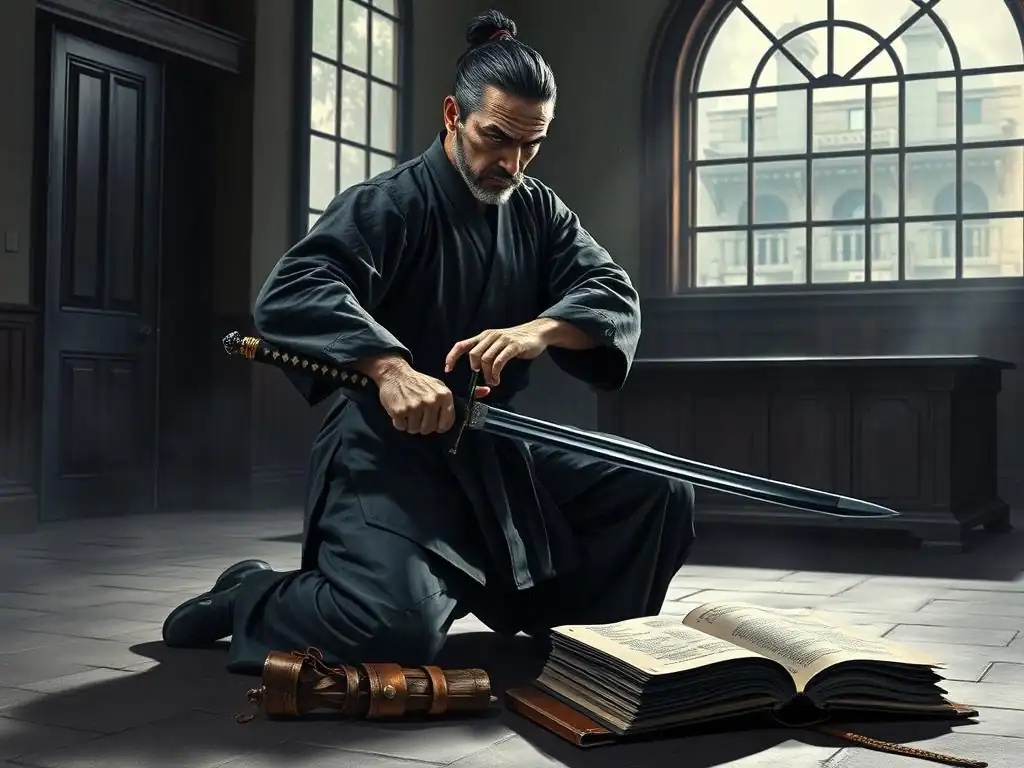
Case Study 1: Castle Doctrine Application in a Home Invasion Scenario Involving a Martial Artist
Consider a scenario in a US state with a strong Castle Doctrine law, which often presumes that a person has a reasonable fear of imminent peril of death or great bodily harm when an intruder unlawfully enters their dwelling. Suppose a homeowner, trained in a striking art like Karate, is confronted by an intruder inside their home late at night. Fearing for their safety and that of their family, the homeowner uses several powerful strikes, incapacitating the intruder and causing severe injury.
Under the Castle Doctrine, the homeowner typically does not have a duty to retreat and is presumed to be justified in using deadly force. However, the legal inquiry would still examine the reasonableness of the force used after the initial threat was neutralized or if the intruder was clearly retreating and no longer posed an imminent threat. If the martial artist continued to apply force beyond what was necessary to stop the invasion, even under the Castle Doctrine, they could potentially face legal challenges, demonstrating the nuances of Western martial arts legal issues even in clear-cut self-defense scenarios.
Case Study 2: Use of Force Continuum and a Martial Artist's Response in a Public Altercation
Imagine a martial artist trained in Judo or Aikido is confronted in a public space by an aggressor who is verbally abusive and makes threats, but has not yet initiated physical contact. The aggressor then shoves the martial artist. The martial artist responds by using a throw or joint lock, resulting in the aggressor falling and suffering a broken limb.
Law enforcement and legal proceedings would likely evaluate this using a "Use of Force Continuum" concept, which suggests escalating responses should match escalating threats. A shove is typically considered non-deadly force.
While a defensive technique was warranted, the proportionality of using a technique resulting in a broken bone against a shove would be closely examined. The martial artist would need to argue that given the circumstances (e.g., disparity of size, multiple attackers, location), the throw/lock was the necessary and reasonable force to immediately neutralize the threat and prevent further harm, illustrating the complexities of Western martial arts legal issues in dynamic situations.
Adapting Martial Arts Practice to Western Legal Frameworks
Modifying Training Methods to Minimize Legal Risk
Martial arts schools operating in the West often adapt their training methods to acknowledge and mitigate potential Western martial arts legal issues. This includes emphasizing control, de-escalation techniques, and the concept of using minimum necessary force in self-defense drills. Sparring rules are designed with safety and legal liability in mind, often prohibiting strikes to vulnerable areas or requiring protective gear. Some schools also integrate legal awareness into their curriculum, discussing self-defense laws, the concept of reasonable force, and the potential consequences of using techniques outside of a legitimate self-defense context.
Furthermore, training might include scenarios that specifically test students' judgment in applying force proportionate to varying levels of threat. For instance, a drill might involve responding differently to a verbal threat, a shove, or an attempted strike, emphasizing that a highly effective technique should only be deployed when the situation legally warrants it. This proactive approach in training helps instill a responsible mindset in practitioners, crucial for navigating Western martial arts legal issues should they ever need to use their skills.
Understanding Local Laws and Regulations: A Responsibility for Martial Arts Schools
For martial arts schools, understanding and adhering to local laws and regulations is not just advisable, but a fundamental responsibility. This includes ensuring the dojo or training space meets safety codes, complying with business licensing requirements, and being aware of any specific ordinances related to physical training or combat sports. Crucially, schools must be knowledgeable about weapons laws if their curriculum involves traditional or modern self-defense tools, ensuring that possession, storage, and training with these items are conducted legally.
Many schools also provide guidance to students regarding the legal implications of using martial arts outside the school setting. This might involve workshops, recommended reading, or guest speakers (like legal professionals). A responsible school actively educates its community on Western martial arts legal issues, empowering students to make informed decisions about when and how to apply their skills, thereby reducing the likelihood of unintended legal consequences.
Legal Considerations for Martial Arts Instructors: Liability and Insurance
Martial arts instructors face specific legal considerations, particularly concerning liability. Instructors have a duty of care to their students, meaning they must take reasonable steps to prevent foreseeable harm during training. This involves providing competent instruction, ensuring a safe training environment, using appropriate safety equipment, and supervising students adequately. Injuries occurring due to instructor negligence can lead to civil lawsuits.
Consequently, obtaining comprehensive liability insurance is essential for martial arts schools and instructors in the West. This insurance can cover legal fees and damages resulting from injury claims. Additionally, many instructors require students to sign waivers acknowledging the inherent risks of martial arts training. While waivers do not typically protect against gross negligence or intentional harm, they can provide some level of legal protection against claims arising from risks inherent in the activity itself, addressing key Western martial arts legal issues related to professional practice.
The Future of Martial Arts and Western Law: Finding Common Ground
Advocacy and Education: Shaping Legal Perceptions of Martial Arts
The perception of martial arts within Western legal and governmental spheres is constantly evolving. Advocacy groups and educational initiatives play a vital role in this process. By engaging with policymakers, law enforcement, and the public, these efforts aim to highlight the positive aspects of martial arts – discipline, physical fitness, self-control – rather than solely focusing on their combat applications. Providing accurate information about different martial arts disciplines, their historical context, and their modern practice helps to counter negative stereotypes and fosters a more informed understanding.
Educating legal professionals, such as judges and lawyers, about the nuances of martial arts can also be beneficial when cases involving self-defense arise. Understanding the difference between a controlled technique and a wild attack, or the training involved in assessing threats, can influence legal outcomes. Continued advocacy and education are key to ensuring that Western martial arts legal issues are addressed fairly, balancing public safety with the legitimate practice of these arts.
Responsible Practice and Community Engagement
Ultimately, the future relationship between martial arts and Western law relies heavily on the responsible conduct of practitioners and schools. Adhering strictly to legal regulations regarding weapons, self-defense, and public conduct is paramount. Moreover, engaging positively with the community helps build trust and dispels misconceptions. Demonstrations focused on discipline and cultural aspects, participation in local events, and offering programs that benefit the community (like anti-bullying workshops) can improve public perception.
A commitment to ethical conduct and responsible training within the martial arts community itself is the most powerful tool for navigating Western martial arts legal issues. By prioritizing safety, legal compliance, and positive community relations, martial arts can continue to thrive and be respected within the diverse legal landscapes of the West.
Conclusion: Balancing Tradition, Self-Defense, and Legal Compliance
Frequently Asked Questions
What are some of the primary legal challenges faced by practitioners of Western Martial Arts (WMA) regarding weaponry?
Many jurisdictions have strict regulations on owning and using historical weapons like swords and daggers. These laws often differentiate between display pieces and functional training tools, impacting practice.
How have Western laws historically impacted the teaching and practice of WMA techniques?
Historically, laws restricting public displays of weaponry and fighting skills forced WMA underground. This led to the loss of knowledge and fragmentation of traditions until their modern revival.
What is the potential legal risk involved in using WMA techniques for self-defense in a modern context?
Using WMA techniques for self-defense can lead to legal repercussions if the force used is deemed excessive or disproportionate to the threat. Knowing self-defense laws is crucial.
Do current Western laws differentiate between practicing WMA as a sport/hobby versus for self-defense purposes?
Yes, laws often distinguish between organized martial arts activities and using techniques for personal safety. The context of use significantly affects legal liability.
How can WMA practitioners ensure they are compliant with local laws regarding training and weapon ownership?
Practitioners should research and understand local laws regarding weapon ownership, transportation, and use. Consult with legal professionals or WMA organizations for specific guidance in their area.
Final Reflection: The Enduring Spirit of Martial Arts
The journey through the legal landscape that has shaped Western martial arts practice and weaponry reveals a fascinating interplay between cultural expression and societal control. The restrictions and regulations imposed over time, while often intended to maintain order, have inadvertently fostered resilience and innovation within the martial arts community. This historical context is crucial for understanding the present-day challenges and opportunities facing practitioners and enthusiasts alike.
The impact of these legal hurdles extends far beyond the training dojo. It has shaped the very identity of Western martial arts, forcing practitioners to adapt, innovate, and, at times, conceal their practices. This constant negotiation with legal boundaries has instilled a deep respect for tradition alongside a pragmatic approach to modern challenges. The art of war teaches us to rely not on the likelihood of the enemy's not coming, but on our own readiness; not on the chance of his not attacking, but rather on the fact that we have made our position unassailable.
- Sun Tzu, The Art of War. This quote, though ancient, resonates deeply with the spirit of adaptation and preparedness that these legal challenges have instilled.
As we conclude this exploration, let us not simply dwell on the restrictions of the past, but rather embrace the spirit of ingenuity and perseverance that has defined Western martial arts. Consider how you can contribute to a future where these arts are both respected and protected, where tradition thrives alongside responsible practice. Reflect on how you can advocate for informed legislation, promote ethical training, and ensure that the rich heritage of Western martial arts continues to inspire and empower generations to come.
Unleash Your Inner Warrior: Take Action Now!
Thank you for exploring the complex intersection of martial arts and legal history with us. We hope you've gained valuable insights into the challenges and adaptations faced by martial arts traditions. Now, let's translate that knowledge into action!
- Reconnect with your roots: Research how the laws in your region have historically impacted martial arts practice. Discover hidden histories and gain a deeper appreciation for the resilience of these traditions.
- Share this article with fellow martial artists to spark conversation and encourage a wider understanding of these issues.
- Consider attending a local martial arts history workshop or seminar to delve even deeper into the subject.
What overlooked aspect of legal history has most significantly shaped your martial arts journey?