
Setting and Achieving Goals in Your Shotokan Training

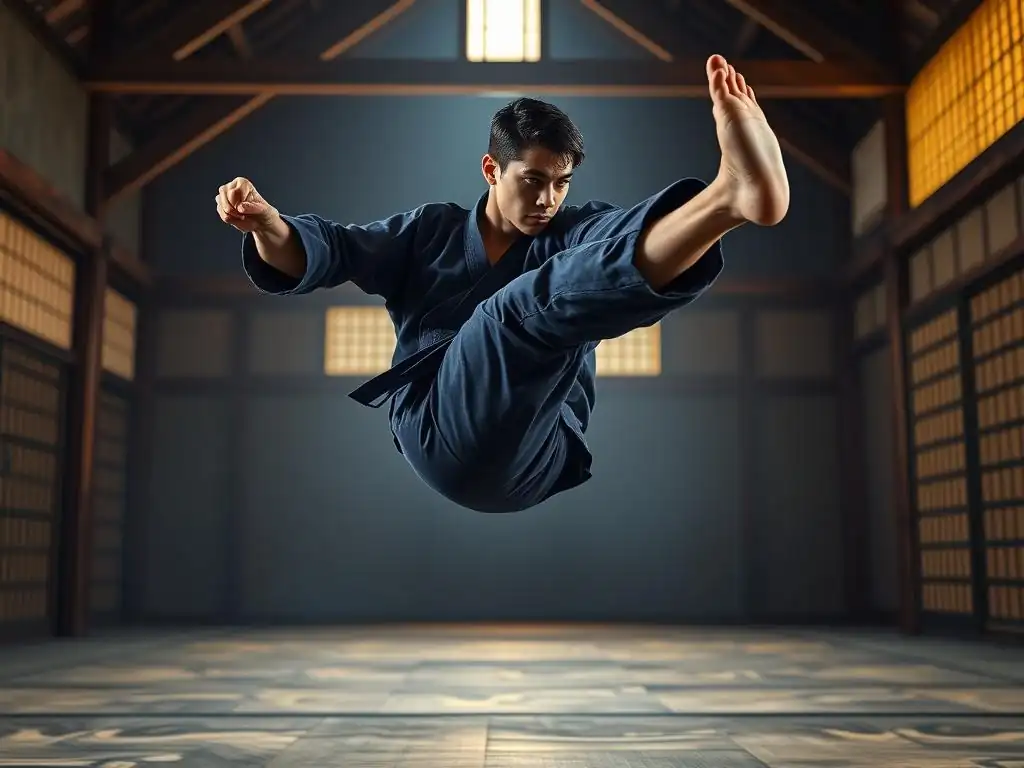
Welcome to Martial Arts Mastery, your gateway to unlocking the secrets of combat and self-improvement. Ever wondered how legendary Shotokan practitioners achieved their mastery? This article delves into Shotokan goal setting techniques training, providing a practical framework to elevate your own practice and achieve your personal martial arts aspirations. Discover the strategies and insights that can transform your training from routine to remarkable. Let's begin!
- Understanding Your Current Shotokan Skill Level
-
Frequently Asked Questions
- How important is goal setting in Shotokan training?
- What are some examples of short-term goals for a Shotokan student?
- How can I ensure my Shotokan goals are realistic and attainable?
- What role does mental fortitude play in achieving Shotokan training goals?
- How can I measure my progress towards my Shotokan goal setting techniques training?
- Final Reflection: Embracing the Path of Continuous Improvement
- Ignite Your Potential: Transform Your Shotokan Journey Now!
Understanding Your Current Shotokan Skill Level
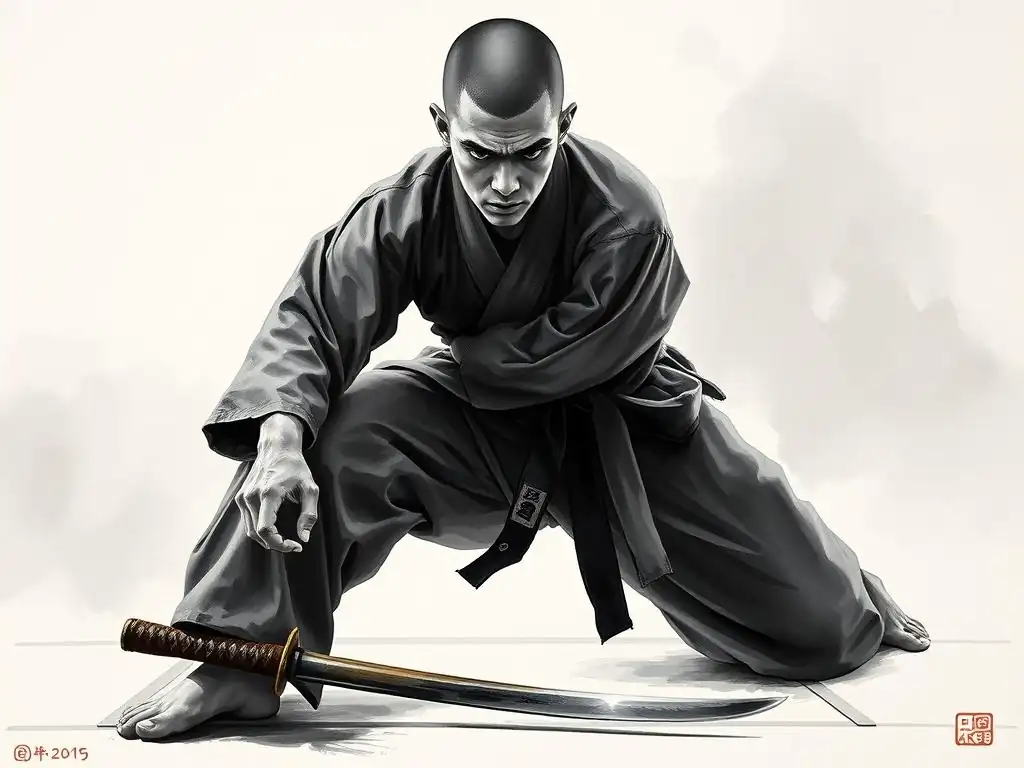
Self-Assessment: Identifying Your Strengths and Weaknesses in Shotokan
Before embarking on the journey of setting effective goals for your Shotokan training, a crucial first step is conducting an honest and thorough self-assessment of your current abilities. This process involves looking critically at the core components of Shotokan: kihon (basics), kata (forms), and kumite (sparring).
For instance, in kihon, you might evaluate the stability of your stances (like Zenkutsu-dachi or Kiba-dachi), the power and snap of your techniques (such as Oi-zuki or Gyakuzuki), and the correct hip rotation ( Koshi kaiten) necessary for generating force. A detailed self-assessment is fundamental to personalized Shotokan goal setting techniques training, helping you pinpoint specific areas requiring focused attention rather than general improvement.
This self-evaluation should extend beyond just technical execution. Consider your understanding of Shotokan principles, your physical conditioning (strength, flexibility, endurance relevant to training), and your mental focus during practice. Are you struggling with maintaining balance during complex movements? Do you lose focus during longer kata?
Is your timing off in kumite? Identifying these specific points of weakness, alongside acknowledging your strengths (perhaps you have a strong front snap kick or excellent memory for kata sequences), provides a clear roadmap for where your training efforts should be directed. Without this foundational understanding of your current standing, any Shotokan goal setting techniques training will lack the necessary precision to be truly effective.
Benchmarking Your Shotokan Skills Against Established Standards
Once you have a clear picture of your internal strengths and weaknesses through self-assessment, the next step is to benchmark your skills against the established standards of Shotokan karate. These standards are typically defined by your dojo's curriculum, belt rank requirements, and the generally accepted technical criteria within the Shotokan style, often guided by organizations like the JKA (Japan Karate Association) or similar associations.
For example, progressing from 6th Kyu (Green Belt) to 5th Kyu (Purple Belt) might require demonstrating proficiency in specific kihon techniques, performing Heian Sandan kata, and executing basic pre-arranged sparring ( Gohon Kumite). Understanding these specific requirements provides concrete benchmarks for your progress.
Comparing your current abilities to these benchmarks allows you to set realistic and relevant goals within the structured progression of Shotokan. If your self-assessment revealed difficulty with hip rotation, and the standard for your next belt rank requires powerful hip drive in techniques, you know exactly where to focus your efforts. Similarly, if a competition standard rewards strong, focused techniques, you can benchmark your power and stability against that requirement.
This benchmarking process is integral to effective Shotokan goal setting techniques training, transforming vague aspirations into measurable objectives tied to recognized levels of proficiency within the art. It ensures that your goals are not only personal but also align with the path of mastery in Shotokan.
Frequently Asked Questions
How important is goal setting in Shotokan training?
Goal setting is crucial for progress in Shotokan. It provides direction and motivation, preventing aimless practice and fostering consistent improvement in your skill.
What are some examples of short-term goals for a Shotokan student?
Short-term goals could include mastering a specific kata, improving your stance stability, or increasing the power of your punches within a month. These goals should be achievable and focused.
How can I ensure my Shotokan goals are realistic and attainable?
Break down large goals into smaller, manageable steps. Focus on consistent effort and track your progress regularly. This helps you stay motivated and adjust your approach if needed.
What role does mental fortitude play in achieving Shotokan training goals?
Mental fortitude is essential for overcoming challenges and setbacks. It involves developing discipline and perseverance, allowing you to stay focused and committed to your training goals even when progress seems slow.
How can I measure my progress towards my Shotokan goal setting techniques training?
Track your performance in training sessions, such as the number of repetitions, the speed of your movements, or the accuracy of your kicks. Also, seek feedback from your instructor to identify areas for improvement and gauge your progress.
Final Reflection: Embracing the Path of Continuous Improvement
The journey of Shotokan, like life itself, is one of continuous striving. The principles of goal setting, so integral to effective training, resonate far beyond the dojo walls. They offer a framework for navigating challenges, celebrating small victories, and ultimately, achieving a deeper understanding of oneself. This isn't just about mastering techniques; it's about cultivating the discipline and focus necessary to excel in all aspects of life.
The impact of consistent goal setting in Shotokan extends beyond physical prowess; it shapes character and fosters resilience. Witnessing the dedication of students, both young and old, as they meticulously work towards their next belt or perfecting a kata, underscores the profound influence of structured ambition. A black belt is nothing more than a belt that covers your waist. The real belt is the one that goes around your mind.
- Takuan Soho. This quote encapsulates the essence of Shotokan: it's not about the external accolades, but the internal transformation that occurs through dedicated practice and purposeful goal setting.
Now, consider how you can apply these Shotokan goal setting techniques training principles to your own life. Reflect on your aspirations, both big and small. Break them down into manageable steps, celebrate your progress, and never lose sight of the ultimate vision. Embrace the path of continuous improvement, and you will find that the discipline and focus cultivated in the dojo will empower you to achieve anything you set your mind to.
Ignite Your Potential: Transform Your Shotokan Journey Now!
Thank you for diving into the world of Shotokan goal-setting with us. You've unlocked strategies to sharpen your focus and accelerate your progress. Now, it's time to translate knowledge into action.
Here's how you can continue your journey:
- Define your Ultimate Kata Challenge: Commit to mastering one specific Kata within the next 90 days. Break it down into weekly, achievable milestones.
- Share your goals with a training partner: Accountability is key. Discuss your progress and offer support to each other.
- Explore resources available at Martial Arts Mastery to deepen your understanding of Shotokan techniques and principles.
What single, immediate step will you take today to move closer to your Shotokan aspirations?