
The Silence Between Strikes: Finding Philosophical Meaning in Kendo's Pauses

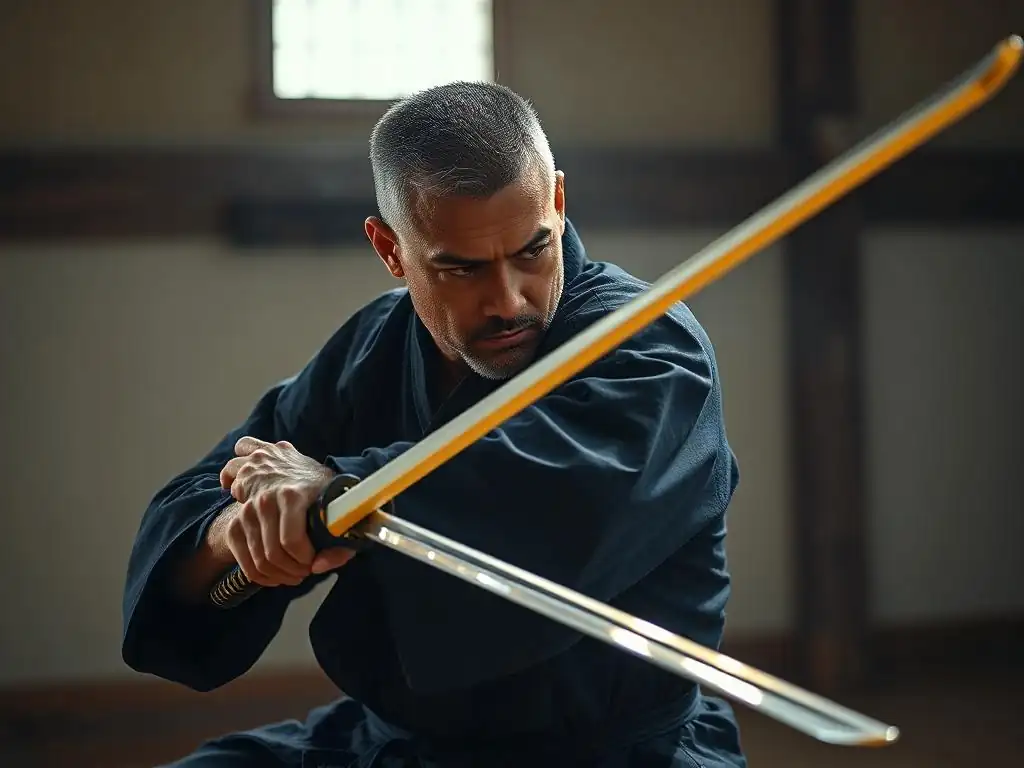
Welcome to Martial Arts Mastery, your gateway to unlocking the depth and breadth of global martial arts traditions. Dive into the nuanced world of Kendo, where the silence between strikes speaks volumes. Ever wondered how a momentary pause can hold profound philosophical meaning? Join us as we explore the fascinating intersection of discipline, technique, and inner peace in "The Silence Between Strikes: Finding Philosophical Meaning in Kendo's Pauses" and discover the secrets hidden within the art of the sword.
- The Silence Between Strikes: Finding Meaning in Kendo's Pauses
- Introduction: Kendo, More Than Just Swordsmanship
- Understanding the Concept of "Ma" in Kendo
- The Strategic Significance of Kendo's Pauses
- The Pause Before the Strike: Opportunity and Intention
- The Pause After the Strike: Reflection and Adaptation
- Kendo's Pauses: A Reflection of Strategic Thinking
- Integrating Pauses into Your Kendo Practice
- Conclusion: The Enduring Value of Strategic Pauses in Kendo
-
Frequently Asked Questions
- What is the significance of pauses in Kendo?
- How does Kendo's emphasis on pauses connect to philosophical concepts?
- Can anyone learn to appreciate the philosophical meaning behind Kendo's pauses?
- How does understanding the philosophical meaning of Kendo's pauses improve a practitioner's skill?
- What are some practical ways to cultivate mindfulness during Kendo pauses?
- Final Reflection: The Echo of Stillness
- Embrace the Pause: Ignite Your Kendo Journey Now!
The Silence Between Strikes: Finding Meaning in Kendo's Pauses
Introduction: Kendo, More Than Just Swordsmanship
Exploring the Deeper Significance of Kendo Beyond Technique
Kendo, often perceived solely as the physical clash of bamboo swords (shinai), holds a profound depth that extends far beyond mere technique and athleticism. While the rapid, explosive strikes are undeniably central, a significant part of Kendo's richness lies in the moments between these actions – the deliberate pauses, the stance, the breath. These intervals are not simply downtime; they are active, strategic spaces where the true battle of wills and minds unfolds.
Understanding these Kendo pauses is crucial for appreciating the art's comprehensive approach to personal development and combat strategy. It is in these quiet moments that a kenshi (Kendo practitioner) demonstrates awareness, control, and strategic foresight, embodying the philosophical underpinnings of this ancient discipline.
The pursuit of mastery in Kendo involves cultivating a heightened state of presence and perception, particularly during these seemingly inactive periods. A seasoned kenshi might spend 60-70% of a typical 3-minute match in kamae (stance), observing, feinting, and waiting for the opportune moment. This time is not wasted; it is a critical phase of information gathering and mental preparation.
The ability to remain calm, focused, and perceptive during these Kendo pauses allows a practitioner to read their opponent's intentions, anticipate their movements, and execute techniques with precision and timing. This strategic use of stillness is a cornerstone of advanced Kendo, revealing its nature as a sophisticated mental and physical art.
Delving into Kendo's Strategic and Mental Aspects
The strategic and mental dimensions of Kendo are inextricably linked to the effective utilization of pauses. A Kendo match is a dynamic interplay of action and stillness, where each element serves a purpose. The strategic pause, for instance, can be used to disrupt an opponent's rhythm, create tension, or bait an attack. Consider a scenario where a kenshi maintains a strong, unwavering kamae for several seconds longer than expected; this unexpected stillness can pressure the opponent into making a premature move, creating an opening that the patient kenshi can exploit.
Moreover, the mental discipline required during these Kendo pauses is immense. It demands suppressing the urge to rush, maintaining intense focus despite physical exertion, and managing anxiety. Practitioners train rigorously to develop zanshin, a state of continued awareness and readiness even after a technique is executed. This mental state extends to the pauses, ensuring that the kenshi remains alert and prepared for any counter-attack or sudden shift in the opponent's strategy. The philosophical meaning of Kendo pauses thus intersects deeply with the development of mental resilience, patience, and strategic thinking, elements vital both inside and outside the dojo.
Understanding the Concept of "Ma" in Kendo
Ma: The Japanese Concept of Space, Time, and Silence
The concept of "Ma" (間) is fundamental to Japanese aesthetics, arts, and philosophy, encompassing the idea of negative space, interval, or pause. It is not merely an absence, but an active presence – the space between things, the time between events, the silence between sounds. In traditional Japanese music, the silence between notes is as important as the notes themselves, shaping the rhythm and emotional impact.
In architecture, "Ma" refers to the deliberate empty spaces within a structure, which contribute to its overall harmony and flow. Understanding "Ma" requires appreciating that emptiness and stillness are not voids to be filled, but essential components that give definition and meaning to the surrounding elements.
"Ma" represents a dynamic interval where potential resides. It is the moment of anticipation, the space for reflection, the gap where possibilities emerge. In the context of performance arts like Noh theatre, the deliberate slowness and pauses are crucial for building dramatic tension and allowing the audience to absorb the emotional weight of the scene. This emphasis on the meaningfulness of intervals is a core aspect of Japanese cultural perception, influencing everything from tea ceremonies to garden design. Recognizing "Ma" is key to grasping the philosophical meaning embedded within the deliberate Kendo pauses.
Applying "Ma" to Kendo: The Pause as an Active Element
Applying the concept of "Ma" to Kendo transforms the understanding of pauses from passive breaks into active, strategic elements. In a Kendo match, "Ma" is the dynamic space and time between techniques, between movements, and between the kenshi and their opponent. It is the distance ( kyori), the timing, and the mental state that exists in the interval before, during, and after an action. A skilled kenshi actively manipulates "Ma" to gain an advantage. This could involve adjusting the physical distance, controlling the rhythm of the engagement, or using mental pressure within the pause to influence the opponent.
Consider the moment before launching an attack. The kenshi is not just standing still; they are actively engaged in perceiving the opponent's "Ma" – their timing, their readiness, their openings. This active observation within the pause is a direct application of the "Ma" concept. Similarly, the pause after a strike, before returning to kamae, is critical for maintaining zanshin and assessing the situation. These Kendo pauses, informed by the concept of "Ma," are not empty moments but loaded with strategic intent and mental activity, embodying a deep philosophical meaning about presence, timing, and opportunity.
The Strategic Significance of Kendo's Pauses
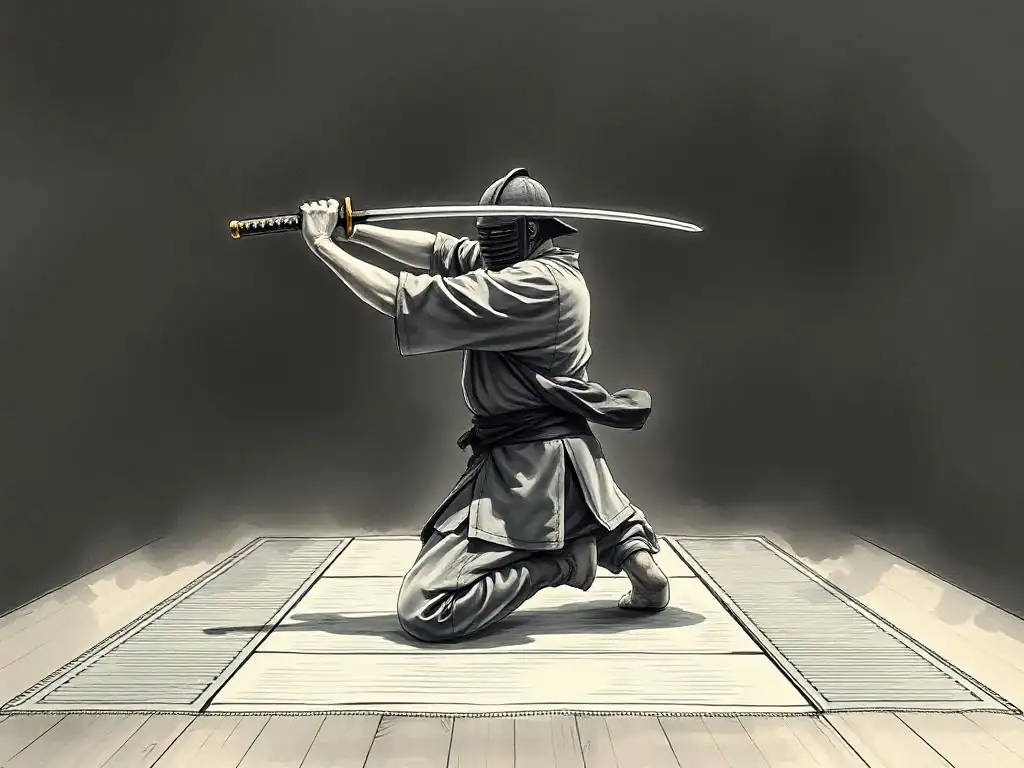
Kendo Pauses: A Pathway to Strategic Advantage
The strategic significance of Kendo pauses lies in their ability to create, exploit, or deny opportunities. A well-timed pause can disrupt an opponent's rhythm, breaking their concentration and making them vulnerable. Conversely, rushing into an attack without sufficient observation during the pause often leads to failure.
A common scenario involves two kenshi in kamae, neither committing to an immediate attack. This pause allows both to analyze the opponent's posture, breathing, and subtle shifts in weight or expression. The kenshi who can maintain composure and focus during this interval is better positioned to identify the precise moment when the opponent's guard is momentarily lowered or their focus wavers.
Furthermore, Kendo pauses are essential for managing distance ( kyori). By subtly adjusting their position during a pause, a kenshi can move into optimal striking distance or draw the opponent into an unfavorable range. For example, taking a small step back during a pause might bait an opponent into extending too far, creating an opening for a counter-attack. The strategic pause allows for these micro-adjustments and assessments without telegraphing intent, making it a powerful tool in the kenshi's arsenal. Mastering the use of these strategic Kendo pauses is often the difference between a successful point and a missed opportunity.
The Empty Space: Cultivating Awareness and Control
The "empty space" created by Kendo pauses is not merely physical distance but also mental and temporal space. Cultivating awareness within this space is paramount. This involves being fully present, observing not just the opponent but also one's own physical and mental state. Are you tense? Is your breathing shallow? Are you anticipating too much? The pause provides an opportunity for this internal check. Simultaneously, the kenshi is acutely aware of the opponent's every subtle movement, their breathing patterns, the tension in their shoulders – all potential indicators of their next move.
Control during the pause extends to controlling the rhythm of the match. A kenshi can slow down or speed up the engagement through the duration and intensity of their pauses. A prolonged, intense pause can build pressure, forcing the opponent to act. A shorter, sharper pause might precede a sudden, explosive attack.
This control over the temporal "Ma" is a sophisticated strategic element. Developing this level of awareness and control during Kendo pauses requires extensive training, focusing not just on physical technique but on mental discipline and perceptual acuity. This cultivation of presence and control in the stillness is a key aspect of the philosophical meaning found in Kendo practice.
The Pause Before the Strike: Opportunity and Intention
Strategic Importance: Gathering Information and Assessing the Opponent
The pause immediately preceding a strike is a critical moment of strategic importance. It is during this brief interval that the kenshi makes a final assessment of the opponent and the situation, confirming or adjusting their target and timing. Think of it as the final data-gathering phase before execution.
The kenshi is looking for the slightest opening – a shift in weight, a momentary lapse in guard, a flicker of doubt in the opponent's eyes. A skilled kenshi can process an immense amount of information in a fraction of a second during this pause. For instance, observing a slight leaning forward might indicate an imminent attack, prompting a defensive strategy or a timely counter-attack.
Furthermore, this pre-strike pause is where the kenshi confirms the optimal timing. Is the opponent's rhythm predictable? Is there a pattern in their movements? The pause allows the kenshi to synchronize their intended action with the opponent's state, maximizing the chance of success. Executing a strike at the peak of an opponent's inhale, for example, can catch them off guard when they are momentarily vulnerable. The strategic Kendo pauses before an attack are thus intensely active periods of rapid assessment and decision-making, vital for seizing the opportunity that "Ma" presents.
The Pause as a Moment of Refinement: Focusing Intent
Beyond external assessment, the pause before the strike is also a crucial moment for internal refinement and focusing intent. This is where the kenshi mentally prepares for the explosive action to follow. It involves aligning their physical readiness with their mental resolve. The breath is controlled, the body is coiled, and the mind is cleared of distraction, focusing solely on the intended target and the execution of the technique. This mental centering during the pause ensures that the subsequent strike is delivered with maximum power, precision, and conviction.
This internal focus is often described as gathering kiai (spirit energy) or achieving a state of mushin (no mind). The pause provides the necessary temporal space for this internal alignment. It's the moment where raw intention is distilled into focused action. Without this pause for refinement, the strike might lack the necessary spirit or precision, becoming merely a physical movement rather than a true Kendo technique. The philosophical meaning of Kendo pauses before a strike lies in this synthesis of external perception and internal resolve, turning potential into purposeful action.
The Pause After the Strike: Reflection and Adaptation
Reflecting on the Execution: Analyzing Strengths and Weaknesses
The pause immediately following a strike, particularly if it was unsuccessful or not awarded a point, is a critical moment for rapid reflection. The kenshi quickly analyzes what happened: Was the distance correct? Was the timing off? Was the target missed? Was the strike lacking kiai or zanshin? This instant feedback loop during the pause is essential for learning and improvement within the dynamic context of a match. For example, if a men strike was blocked, the kenshi might analyze if they telegraphed the attack too early or if their follow-through was weak.
This post-strike pause allows the kenshi to process the outcome and identify the reasons behind it, even if only subconsciously at high speed. It's a moment of self-assessment under pressure. The ability to critically evaluate one's own performance during these brief Kendo pauses is a hallmark of experienced practitioners. It prevents repeating the same mistakes and facilitates adaptation to the opponent's defenses and counter-strategies. This reflective aspect of the pause underscores the educational nature of Kendo, where every action and the subsequent pause offer lessons.
Adapting to the Outcome: Adjusting Strategy Based on Results
Based on the reflection during the post-strike pause, the kenshi must quickly adapt their strategy. If a particular technique was unsuccessful, should they try it again with better timing? Should they switch to a different target, like kote or do?
Should they change their approach, perhaps using more feints or focusing on creating different types of openings? The pause provides the brief window necessary to make these strategic adjustments before the engagement resumes. For instance, if repeated men attacks are being effectively blocked, the kenshi might decide during the pause to focus on low kote strikes to draw the opponent's guard down.
This adaptive process during the Kendo pauses is a continuous cycle of action, reflection, and adjustment. It highlights the dynamic nature of Kendo strategy, which is not rigid but fluid and responsive. The ability to quickly analyze the outcome of an action and modify one's plan in the heat of the moment is a crucial skill honed through practice. The philosophical meaning of Kendo pauses after a strike lies in this capacity for immediate learning and strategic evolution, demonstrating resilience and flexibility.
Kendo's Pauses: A Reflection of Strategic Thinking
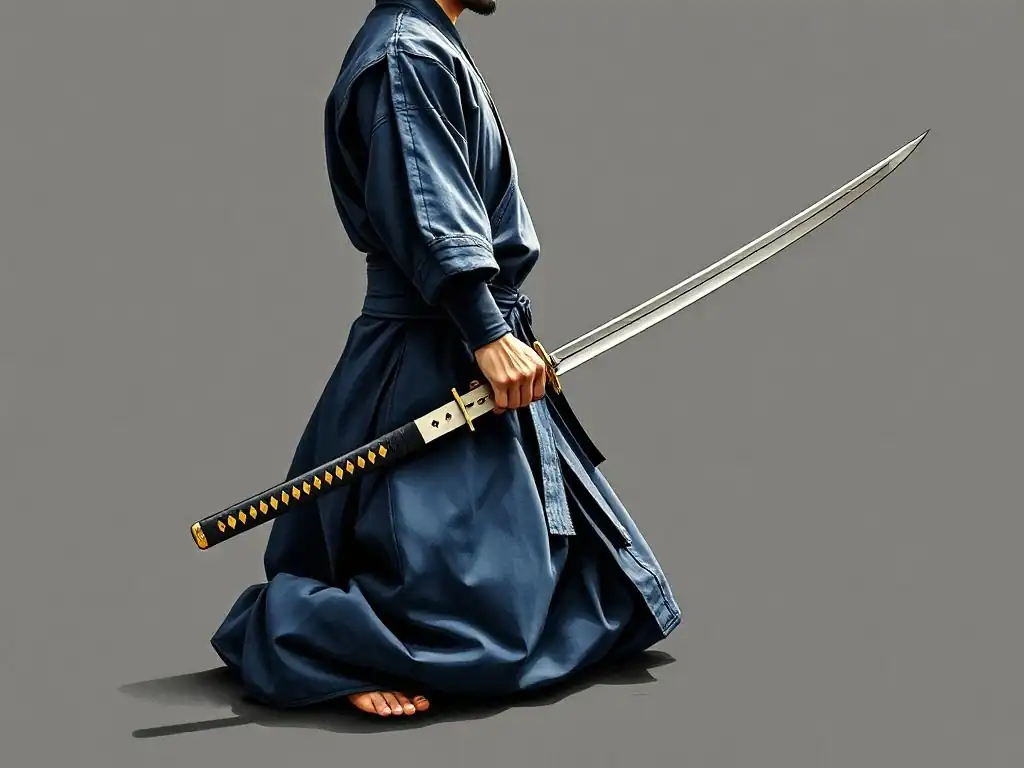
Applying the Lessons of "Ma" to Strategic Decision-Making
The lessons learned from mastering "Ma" and strategic Kendo pauses extend far beyond the dojo. The ability to find meaning in the silence, to utilize the space between actions, and to make calculated decisions during moments of stillness are valuable skills applicable to strategic thinking in any domain. Whether in business negotiations, problem-solving, or personal planning, the principle of not rushing, of taking a moment to observe and assess before acting, is paramount. Kendo training instills this discipline.
By practicing patience and observation during Kendo pauses, practitioners train their minds to look for underlying patterns and hidden opportunities. They learn that the most effective action is often taken not in a frenzy of activity, but after a period of careful consideration and timing. This strategic mindset, cultivated through the deliberate use of pauses in Kendo, encourages a more thoughtful and effective approach to challenges. It highlights the deep philosophical meaning that connects the physical practice of Kendo to broader principles of strategic action and decision-making.
Cultivating Patience and Calculated Action Through Kendo Training
Kendo training, with its inherent emphasis on strategic pauses, is an excellent method for cultivating patience and the ability to take calculated action. Beginners often struggle with impatience, wanting to attack constantly. Through rigorous practice and guidance, they learn the value of waiting, observing, and choosing the right moment. This process builds mental fortitude and discipline. The repetitive practice of maintaining kamae and engaging in strategic waiting games teaches the kenshi to control their impulses and act deliberately rather than reactively.
The physical demands of Kendo also reinforce the need for calculated action. Attempting to maintain a high pace of attack without strategic pauses is physically exhausting and often ineffective. Learning to conserve energy and deploy it strategically during opportune moments, identified during the pauses, is a key part of becoming an effective kenshi. This training in patience and calculated action, deeply rooted in the practice of strategic Kendo pauses, provides a framework for approaching challenges in life with greater composure and effectiveness.
Integrating Pauses into Your Kendo Practice
Practical Exercises for Enhancing Awareness During Pauses
Integrating a focus on pauses into your Kendo practice requires specific drills designed to enhance awareness and control during these moments. One simple exercise involves practicing kamae for extended periods (e.g., 30 seconds to a minute) with a partner, focusing solely on maintaining correct posture, controlling breath, and observing the partner's subtle movements without attacking. Another involves kirikaeshi or uchikomi-geiko drills performed at a significantly slower pace, deliberately incorporating short pauses between cycles or strikes to emphasize timing and zanshin.
- Extended Kamae Drill: Hold kamae with a partner for 30-60 seconds. Focus on:
- Maintaining correct posture and balance.
- Controlling breathing (deep, low breaths).
- Observing the opponent's posture, eyes, and breathing.
- Clearing the mind of unnecessary thoughts.
- Slow Uchikomi/Kirikaeshi: Perform standard drills but with deliberate pauses (2-3 seconds) between sequences or individual strikes. Focus on:
- Maintaining zanshin during the pause.
- Confirming target and intent before the next action.
- Returning to a state of readiness.
- Observation Pairs: Stand in kamae with a partner. One person makes subtle movements (e.g., slight shift in weight, change in eye focus). The other person's goal during the pause is to identify these changes without reacting physically.
These exercises help develop the sensitivity and mental discipline needed to make Kendo pauses active and meaningful components of one's practice.
Observation Drills: Analyzing Opponent's Movements
Specific observation drills can sharpen the kenshi's ability to read their opponent during the strategic Kendo pauses. Standing at issoku itto no maai (one step, one strike distance) with a partner, the focus is entirely on observing. The partners might agree not to strike for a set period (e.g., 2 minutes), dedicating the time to intense observation of each other's kamae, breathing, and seme (pressure). The goal is to identify tells or openings that would inform an attack if striking were allowed.
Another drill involves one partner initiating very slow, deliberate seme (pressure) through subtle movements or changes in kamae. The other partner's job during the pause is to perceive and react internally to this pressure, without necessarily moving or striking. This trains the kenshi to recognize and respond to the psychological and physical cues that occur during the pauses. These observation drills are fundamental for developing the perceptual acuity that makes Kendo pauses strategically valuable.
Feinting Techniques: Creating Openings Through Deception
Feinting techniques are a direct application of using strategic Kendo pauses to create openings through deception. A feint involves initiating a movement that looks like the beginning of an attack but stopping short, creating a pause. This pause, following the initial deceptive movement, is designed to elicit a reaction from the opponent. If the opponent reacts defensively (e.g., raising their hands to block a potential men strike), this creates a momentary opening elsewhere (e.g., kote or do) that the feinting kenshi can then exploit with a real attack.
- Men Feint to Kote: Start a strong men attack motion, creating a brief pause after the initial step and swing. Observe if the opponent raises their guard. If they do, immediately pivot to a kote strike during the pause.
- Kote Feint to Men: Initiate a kote attack, pausing slightly after the initial movement. If the opponent drops their hands to defend kote, use the pause to transition into a men strike.
These techniques rely entirely on the effective use of the pause to read the opponent's reaction to the feint and execute the follow-up attack before they can recover. Mastering feinting requires precise timing and the ability to react quickly and decisively during the pause, highlighting the active role of these strategic Kendo pauses in offensive strategy.
Conclusion: The Enduring Value of Strategic Pauses in Kendo
Kendo's Pauses: A Journey of Strategic Mastery
The journey towards mastery in Kendo is intimately connected with understanding and utilizing strategic pauses. These moments of stillness and silence are not merely interludes between actions but are fertile ground for strategic thinking, mental discipline, and philosophical insight. From the critical assessment before a strike to the rapid reflection after one, Kendo pauses are integral to the dynamic flow of engagement. They embody the concept of "Ma," transforming empty space and time into opportunities for perception, control, and decisive action.
Developing proficiency in Kendo pauses requires dedicated training that goes beyond physical technique, focusing on cultivating awareness, patience, and the ability to read the opponent and oneself. This strategic mastery, honed through the deliberate practice of pauses, is what distinguishes a competent kenshi from a truly skilled one. It is a continuous process of learning to navigate the interplay of action and stillness, finding meaning and advantage in the silence between strikes.
Mastering the Silence: Achieving a Deeper Understanding of Kendo Strategy
Mastering the silence – the strategic Kendo pauses – is key to achieving a deeper understanding of Kendo strategy and its philosophical meaning. It is in these quiet moments that the kenshi connects with the core principles of timing, distance, and mental fortitude. The ability to remain calm and perceptive under pressure during a pause allows for clearer thinking and more effective action when the opportunity arises. This mastery is not about doing nothing; it is about active observation, internal preparation, and strategic positioning within the "Ma."
Ultimately, the philosophical meaning of Kendo pauses lies in their reflection of life's broader rhythms – the importance of reflection before action, adaptation after outcomes, and finding strength and opportunity in moments of quiet. By focusing on the pauses, kenshi develop not only better swordsmanship but also a more profound understanding of themselves and the strategic landscape of conflict and resolution. Embracing the silence between strikes is essential for anyone seeking true mastery in the art and way of Kendo.
Frequently Asked Questions
What is the significance of pauses in Kendo?
Pauses in Kendo are not simply moments of inactivity. They are crucial opportunities for mental preparation and strategic assessment, allowing practitioners to refine their focus and anticipate their opponent's movements.
How does Kendo's emphasis on pauses connect to philosophical concepts?
The pauses in Kendo reflect the Zen Buddhist concept of mu (emptiness) and the Taoist principle of wu wei (effortless action). These pauses encourage mindfulness and intuitive action rather than forced movements.
Can anyone learn to appreciate the philosophical meaning behind Kendo's pauses?
Yes, while understanding the philosophical depth requires practice and introspection, anyone can begin to appreciate the importance of stillness and mental clarity in Kendo through dedicated training and study.
How does understanding the philosophical meaning of Kendo's pauses improve a practitioner's skill?
By understanding the philosophy, the practitioner develops a deeper connection to the art. This leads to more effective techniques and a greater sense of inner peace and control during combat.
What are some practical ways to cultivate mindfulness during Kendo pauses?
Practitioners can focus on their breathing, observe their opponent's body language, and mentally rehearse their next move. These techniques help cultivate present moment awareness and strategic thinking during the pauses.
Final Reflection: The Echo of Stillness
The pursuit of perfection in Kendo, as we've explored, isn't solely found in the explosive clash of steel, but profoundly within the pregnant silence between strikes. This understanding resonates deeply today, in a world saturated with constant noise and relentless activity, offering a powerful counterpoint to our ingrained need for perpetual motion.
The impact of these pauses extends far beyond the dojo. Learning to embrace and understand the "maai," the space and time between actions, allows us to cultivate mindfulness and intention in all aspects of life. It encourages a deeper appreciation for the present moment, fostering patience and clarity in our interactions and decisions. The ultimate aim of martial arts is not having to use them.
This quote, often attributed to Miyamoto Musashi, underscores the profound wisdom of Kendo's pauses – a testament to the power of restraint and the potential for peace within conflict.
Now, take a moment to consider the silences in your own life. Where can you find the "maai" amidst the chaos? Embrace the pauses, not as voids to be filled, but as opportunities for reflection, growth, and a deeper understanding of yourself and the world around you. Let the echo of stillness guide your actions, transforming them from reactive impulses into deliberate expressions of intention.
Embrace the Pause: Ignite Your Kendo Journey Now!
Thank you for exploring the profound philosophy hidden within Kendo's silent moments. Now, let's translate that understanding into action and deepen your practice.
- Recommit to your next practice with renewed focus, visualizing and embodying the maai (distance) before each strike. Make the pause as purposeful as the action.
- Reflect on a recent Kendo practice: identify moments where embracing the pause could have altered the outcome. Jot down your insights and share them with a Kendo peer for discussion.
- Explore the historical context of maai and zanshin by researching their origins in Zen Buddhism and Bushido. Consider how these concepts relate to other aspects of your life.
What specific aspect of maai will you consciously integrate into your next Kendo session, and how do you anticipate it will impact your performance?