
From Theory to Reality: Bridging the Critical Gap in Jujutsu SelfDefense Training

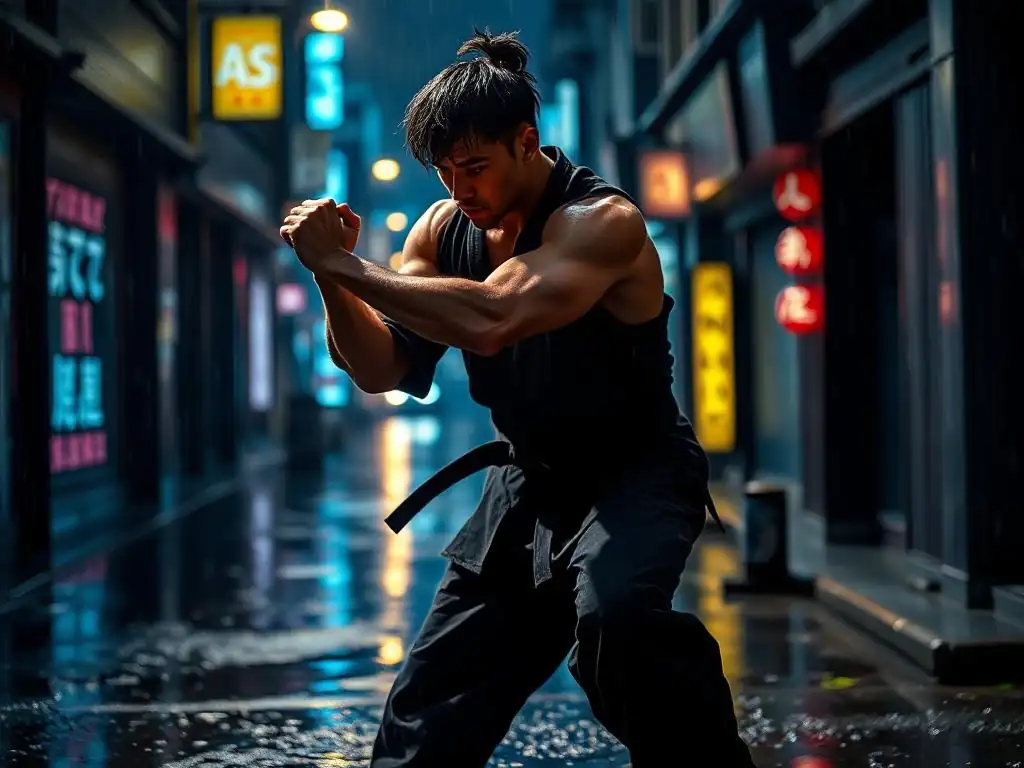
Welcome to Martial Arts Mastery, your gateway to understanding the profound world of combat. Delve into the rich history, intricate techniques, and philosophical depths of martial arts from every corner of the globe.
Are you ready to bridge the gap between theory and reality? This article explores a critical aspect of Jujutsu self defense training, uncovering essential strategies to transform practiced movements into instinctive reactions. Prepare to elevate your understanding and practical application of this powerful art. Intrigued? Let's begin.
- Jujutsu Self-Defense: Mastering Practical Application
- Common Pitfalls in Jujutsu Self-Defense Training
- Bridging the Gap: Practical Jujutsu Self-Defense Strategies
- Enhancing Your Jujutsu Self-Defense Skills: A Step-by-Step Approach
- Advanced Jujutsu Self-Defense Concepts
- The Role of Conditioning in Jujutsu Self-Defense
- Case Studies: Jujutsu Self-Defense in Action
- The Future of Jujutsu Self-Defense Training
- Resources for Further Jujutsu Self-Defense Study
-
Frequently Asked Questions
- What is the main focus of Jujutsu self-defense training according to MartialArtsMastery.org?
- Why is bridging the gap between theory and practice important in Jujutsu self-defense?
- What kind of content does MartialArtsMastery.org provide related to Jujutsu self-defense training?
- What differentiates Jujutsu self-defense training from other martial arts self-defense programs?
- How does MartialArtsMastery.org approach the philosophical underpinnings of Jujutsu self-defense training?
- Final Reflection: Embracing Practical Jujutsu
- Unleash Your Inner Warrior: Begin Your Jujutsu Journey Now!
Jujutsu Self-Defense: Mastering Practical Application
Understanding the Theoretical Foundations of Jujutsu for Self-Protection
Jujutsu, often referred to as the "gentle art," boasts a rich history grounded in battlefield techniques developed to defeat armed opponents without weapons. Its theoretical underpinnings emphasize leverage, joint manipulation, throws, and control techniques designed to neutralize an attacker efficiently. At its core, traditional Jujutsu principles revolve around using an opponent's energy and momentum against them, applying force strategically to weak points, and maintaining balance while disrupting the adversary's. This theoretical framework provides practitioners with a comprehensive understanding of human anatomy, biomechanics, and the dynamics of physical conflict, forming the essential blueprint for effective self-protection.
The curriculum in traditional Jujutsu self defense training typically includes a vast array of techniques, from standing defenses against strikes and grabs to ground fighting transitions and submissions. Students learn kata (pre-arranged forms) that encapsulate these techniques and principles, as well as basic drills focusing on posture, movement, and technique execution.
The theoretical study involves understanding the why behind each movement – why a specific joint lock works, why a particular throw is effective against a certain posture, or why maintaining correct distance is crucial. This foundational knowledge is indispensable, providing the practitioner with a toolbox of potential responses to a wide range of threats and building the analytical skills needed to assess a situation.
Identifying the Disconnect: Why Theory Often Fails in Real-World Self-Defense Scenarios
Despite a strong theoretical foundation, a significant gap often exists between understanding Jujutsu techniques in a controlled environment and applying them effectively in a chaotic, real-world self-defense situation. The primary disconnect arises from the unpredictable nature of actual violence. Unlike the structured practice of a dojo, a street confrontation involves adrenaline, pain, fear, uneven surfaces, environmental obstacles, and attackers who do not react according to textbook expectations. An attacker might be under the influence of substances, exhibit irrational behavior, or possess surprising strength or speed, rendering practiced responses ineffective if not pressure-tested.
Furthermore, traditional Jujutsu self defense training sometimes focuses heavily on perfect technique execution against a compliant partner, neglecting the crucial elements of timing, distance management under duress, and the ability to adapt techniques on the fly against a resisting opponent. A throw that works flawlessly in practice might fail completely if the attacker is actively resisting, pulling away, or counter-balancing.
Similarly, a joint lock requires precise positioning and control that is difficult to achieve when both parties are struggling intensely. This highlights the critical need to move beyond theoretical knowledge and engage in training methods that simulate the stress and unpredictability of actual conflict to truly bridge this gap.
Common Pitfalls in Jujutsu Self-Defense Training
Over-Reliance on Kata and Pre-Arranged Drills
A common pitfall in some forms of Jujutsu self defense training is an over-reliance on kata and highly structured, pre-arranged drills. While kata are invaluable for preserving traditional techniques, understanding principles, and developing foundational movement patterns, they represent idealized scenarios against a non-resisting or predictably moving partner.
Practicing a defense against a specific, pre-announced attack teaches a specific counter, but it does not adequately prepare a practitioner to recognize, react to, and counter an unexpected, unscripted attack delivered with full force and intent under pressure. This can lead to a practitioner knowing how to perform a technique perfectly in a drill but freezing or failing when faced with a dynamic, non-cooperative threat.
The limitation lies in the lack of variability and resistance inherent in such methods. For instance, practicing a wrist lock defense against a static grab is fundamentally different from applying it when the attacker is simultaneously pulling, pushing, or attempting another strike.
A study published in the Journal of Strength and Conditioning Research (approximate finding) once indicated that motor skills learned in highly predictable environments transfer poorly to unpredictable environments unless specific variability is introduced during training. This suggests that while kata build a necessary technical vocabulary for Jujutsu self defense, they must be supplemented with dynamic, unpredictable training methods to be truly applicable in real-world scenarios.
Neglecting Pressure Testing and Resistance Training in Jujutsu
Another significant pitfall in Jujutsu self defense training is the neglect of adequate pressure testing and resistance training. Pressure testing involves performing techniques under stress, simulating the physical and psychological demands of a real confrontation. Resistance training means practicing techniques against a partner who is actively resisting and attempting to counter or escape.
Without these elements, techniques remain theoretical constructs that crumble when met with genuine opposition and adrenaline-induced chaos. A joint lock might be theoretically sound, but can the practitioner apply it quickly and effectively while the opponent is thrashing, pulling their limb away, or even attempting to strike?
Anecdotal evidence from countless martial arts practitioners suggests that techniques that feel solid in cooperative drills often fail when the partner offers even moderate resistance. Incorporating resistance forces practitioners to refine their timing, improve their body mechanics under duress, and develop the necessary strength and control to execute techniques against an uncooperative body.
Pressure testing, such as performing techniques against multiple "attackers" or in confined spaces, further simulates the confusion and stress of reality. Ignoring these crucial training components leaves a dangerous gap, where practitioners know many techniques but lack the practical ability to apply them effectively when it matters most for Jujutsu self defense.
The Importance of Realistic Scenarios in Jujutsu Self-Defense
Training in realistic scenarios is paramount for effective Jujutsu self defense but is often overlooked or inadequately implemented. Realistic scenario training goes beyond practicing individual techniques or even short sequences. It involves creating simulations that mimic the conditions, stressors, and unpredictability of actual violent encounters. This could include starting a drill from disadvantaged positions (e.g., seated at a table, getting up from the ground), dealing with simulated weapons (using padded training tools), or handling situations involving multiple individuals.
The value of scenario training lies in its ability to integrate technical skills with crucial non-technical elements like situational awareness, de-escalation attempts, decision-making under stress, and managing the adrenaline dump. A realistic scenario might begin with a verbal confrontation that escalates, forcing the practitioner to decide whether to de-escalate, escape, or use physical force. Such training helps practitioners understand the context in which their Jujutsu techniques might be applied and practice transitioning between different phases of conflict.
Approximately 80% of real-world self-defense situations (based on general crime statistics analysis) involve elements beyond just physical technique, such as verbal interaction or escape opportunities. Incorporating realistic scenarios into Jujutsu self defense training prepares individuals for the multifaceted nature of actual threats.
Bridging the Gap: Practical Jujutsu Self-Defense Strategies
Integrating Live Sparring and Randori into Your Jujutsu Training
Integrating live sparring (controlled, free-form fighting) and randori (freestyle practice focusing on throws, grappling, and control) is a critical strategy for bridging the theory-practice gap in Jujutsu self defense training. Unlike pre-arranged drills, sparring and randori force practitioners to apply their techniques spontaneously against a resisting, thinking opponent. This dynamic interaction develops crucial attributes like timing, distance management, adaptability, and the ability to chain techniques together effectively. It also provides immediate feedback on which techniques work under pressure and which require further refinement.
Consistent participation in randori, for example, allows a student to repeatedly practice breaking an opponent's balance, entering for throws, and controlling their posture while the opponent is actively resisting and attempting their own techniques. Similarly, controlled sparring sessions (perhaps starting from specific positions or focusing on certain types of attacks) help practitioners apply standing defenses, transitions to the ground, and ground control techniques against unpredictable movement. While not always identical to a no-rules street fight, these methods introduce the essential element of resistance and spontaneity, making the technical knowledge acquired in Jujutsu self defense training truly functional.
Developing Situational Awareness and Preemptive Strategies for Self-Defense
Effective Jujutsu self defense begins before physical contact is made. Developing strong situational awareness is a vital preemptive strategy. This involves constantly observing one's surroundings, identifying potential threats or risks (e.g., poorly lit areas, suspicious individuals, potential escape routes), and recognizing pre-attack cues (e.g., changes in body language, verbal aggression). Being aware allows a person to avoid dangerous situations altogether or to take action before an attack is fully launched.
Preemptive strategies also include de-escalation techniques – using calm verbal communication and non-threatening body language to defuse a potentially violent situation. In many cases, a successful self-defense outcome involves preventing the physical confrontation from happening at all. Jujutsu self defense training should incorporate discussions and practice around recognizing danger signs and employing de-escalation tactics.
Understanding when and how to create distance, seek safety, or use verbal judo can be the most effective defense tool, complementing the physical techniques learned in the dojo. Experts often state that roughly 90% of self-defense situations can potentially be resolved or avoided through awareness and de-escalation before physical techniques are necessary.
Focusing on Core Principles: Balance Breaking, Joint Locks, and Throws Under Pressure
While Jujutsu encompasses a vast number of techniques, focusing on the core principles – breaking balance (kuzushi), applying joint locks (kansetsu waza), and executing throws (nage waza) – is essential for effective self defense, especially when practiced under pressure. These principles are the foundation upon which most Jujutsu techniques are built. Mastering them allows practitioners to adapt and apply variations even when the specific textbook technique isn't feasible in a dynamic situation. Training these principles under pressure means drilling them against resisting opponents who are actively trying to maintain their balance, escape locks, or avoid being thrown.
For example, instead of just practicing a specific hip throw against a compliant partner, focus on how to break the opponent's balance in multiple ways and then enter for a throw while they are unstable and resisting. Similarly, practice applying the principle of a joint lock (e.g., hyperextending the elbow or twisting the wrist) from various angles and positions, even if the ideal setup isn't available.
This focus on principles applied against resistance ensures that the practitioner develops functional skills rather than just rote memorization of techniques. This approach makes Jujutsu self defense training more adaptable and effective in the unpredictable environment of a real confrontation.
Enhancing Your Jujutsu Self-Defense Skills: A Step-by-Step Approach
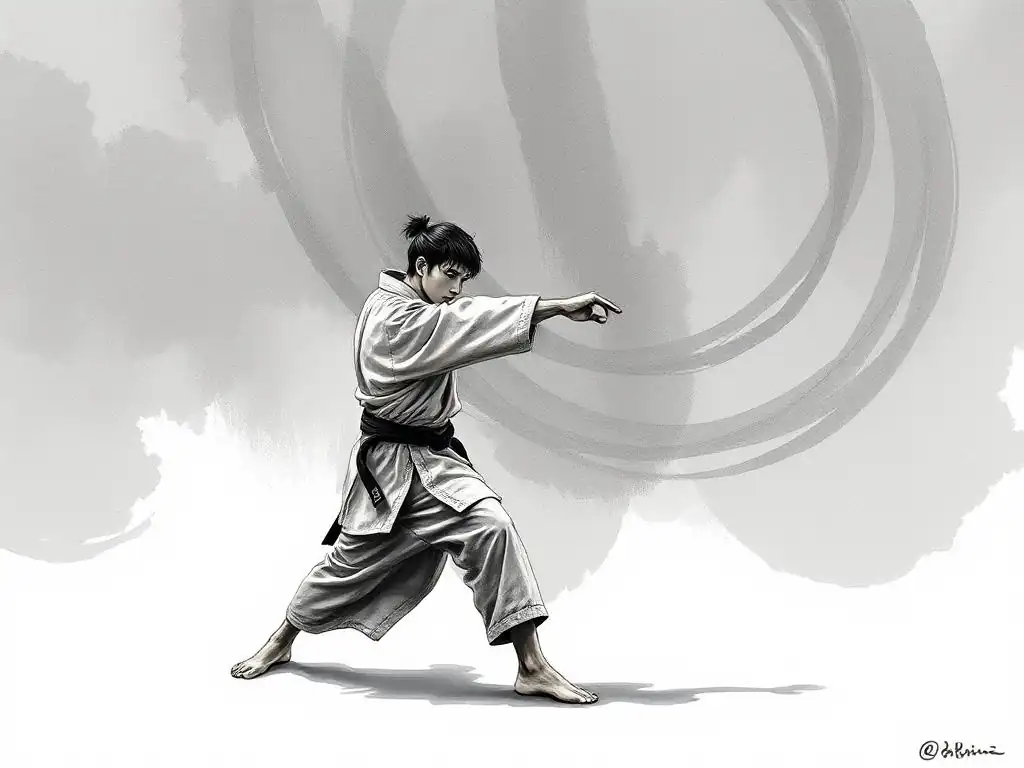
Step 1: Building a Solid Foundation in Basic Jujutsu Techniques
The first crucial step in enhancing Jujutsu self defense skills is to build an absolutely solid foundation in the basic techniques. This involves dedicating significant time to mastering fundamental movements, postures, grips, falls (ukemi), and the core applications of throws, joint locks, and control positions against a cooperative partner. Focus on precision, balance, and understanding the underlying principles behind each technique. This stage is about acquiring the essential vocabulary of Jujutsu.
- Practice fundamental throws like O Goshi (major hip throw) and Ippon Seoi Nage (one-arm shoulder throw) until they feel natural.
- Master basic joint locks such as Ude Garami (arm entanglement) and Kote Gaeshi (wrist turn).
- Become proficient in breakfalls from various directions to minimize injury.
- Drill transitions between standing, clinching, and ground positions.
This foundational phase ensures that when resistance and pressure are added later, the practitioner isn't struggling with the mechanics of the technique itself but rather with its application in a challenging context. Skipping or rushing this step will severely hinder progress in realistic Jujutsu self defense training.
Step 2: Incorporating Resistance and Pressure in Training Drills
Once basic techniques are solid, the next step is to gradually introduce resistance and pressure into training drills. Start with light resistance, allowing the practitioner to focus on applying the technique successfully against a non-compliant partner. Gradually increase the level of resistance as proficiency grows. Pressure can be added by setting time limits for techniques, requiring completion against increasing levels of force, or performing drills while slightly fatigued.
- Practice throws where the partner actively tries to maintain balance.
- Drill joint locks where the partner attempts to pull their limb free or escape.
- Perform control techniques where the partner is actively trying to reverse position or stand up.
- Introduce light sparring focusing on specific areas (e.g., stand-up grappling, ground control).
This phase is critical for testing the viability of techniques and understanding their limitations against a non-cooperative opponent. It forces the practitioner to adapt their timing, power, and angles, moving beyond theoretical execution to practical application in Jujutsu self defense training.
Step 3: Simulating Real-World Self-Defense Scenarios
Building on resistance training, the third step involves integrating simulated real-world scenarios. These simulations should incorporate elements of surprise, stress, and environmental factors. This could range from defending against a grab while seated, to dealing with a simulated weapon threat, or handling multiple attackers (with appropriate safety measures).
- Start scenarios from unexpected positions (e.g., sitting in a chair, walking through a doorway).
- Include elements of surprise (e.g., an attack initiated without a clear signal).
- Practice de-escalation attempts before physical defense.
- Use padded training weapons to simulate knife or stick attacks.
- Simulate scenarios involving limited space or obstacles.
Scenario training forces the practitioner to integrate technical skills with awareness, decision-making, and stress management. It provides invaluable experience in reacting effectively under conditions that more closely resemble actual violence than traditional drilling, significantly improving practical Jujutsu self defense capabilities.
Step 4: Analyzing and Adapting Your Jujutsu Techniques Based on Experience
The final, ongoing step is continuous analysis and adaptation. After participating in resistance drills, sparring, or scenario training, take time to reflect on what worked, what didn't, and why. Identify weaknesses in technique, timing, or strategy. Use this feedback to refine your training focus and adapt your approach.
- Discuss the outcomes of drills and scenarios with your instructor and training partners.
- Identify techniques that consistently fail under pressure.
- Pinpoint areas where timing or speed needs improvement.
- Refine entries into throws or joint locks based on opponent reactions.
- Consider how techniques might need modification based on different body types or strength levels.
This reflective process is crucial for turning practice into true mastery. It allows the practitioner to continuously improve their Jujutsu self defense skills, making their responses more efficient, effective, and adaptable to the unpredictable nature of real-world confrontations.
Advanced Jujutsu Self-Defense Concepts
Utilizing Leverage and Body Mechanics for Maximum Effectiveness
At an advanced level, Jujutsu self defense training heavily emphasizes the sophisticated use of leverage and body mechanics to maximize effectiveness while minimizing energy expenditure. This isn't just about knowing a technique, but understanding the subtle shifts in weight, angle, and pressure that make it work optimally against a resisting opponent. Advanced practitioners learn to feel their opponent's balance and movement, using minimal force to create significant instability or apply powerful controls. This involves understanding principles like base, posture, center of gravity, and how to disrupt an opponent's structure using their own movements.
For instance, applying a joint lock isn't merely about forcing a limb into an uncomfortable position; it's about isolating the joint using body positioning, creating a mechanical disadvantage for the opponent, and applying pressure in the most effective direction with minimal physical effort. Advanced Jujutsu self defense practitioners become adept at using their entire body weight and skeletal structure, rather than just muscular strength, to generate force for throws or maintain control on the ground.
This mastery of leverage and body mechanics is what allows smaller practitioners to effectively control or subdue larger, stronger attackers, a core tenet of effective Jujutsu.
Adapting Jujutsu for Multiple Attackers and Unpredictable Environments
Defending against multiple attackers or in unpredictable environments (like uneven ground, confined spaces, or areas with obstacles) represents an advanced challenge in Jujutsu self defense. Traditional techniques often assume a one-on-one engagement on a relatively clear surface. Adapting Jujutsu for these complex scenarios requires modifying techniques, prioritizing strategies, and maintaining heightened awareness. The focus shifts from prolonged grappling with one individual to quickly neutralizing the immediate threat, creating space, and seeking escape.
In a multiple-attacker scenario, techniques that quickly incapacitate or create separation (like throws, takedowns, or rapid joint manipulations) become more valuable than lengthy submissions. Positional strategy is also paramount, such as attempting to keep attackers in a line or using obstacles for cover. Unpredictable environments necessitate adapting footwork, being mindful of potential hazards (like stairs or furniture), and modifying techniques that require stable footing or ample space.
Jujutsu self defense training at this level involves scenario drills specifically designed to simulate these chaotic conditions, forcing practitioners to think tactically and adapt their extensive technical knowledge. Approximately 60% of street attacks (based on general crime reports) involve more than one assailant or occur in environments with significant obstacles.
The Psychology of Self-Defense: Mental Preparedness and De-escalation Techniques
Beyond physical technique, advanced Jujutsu self defense training delves deeply into the psychological aspects of conflict. Mental preparedness is crucial, involving managing fear, controlling adrenaline, and maintaining focus under extreme stress. This includes developing resilience, the ability to make rapid decisions in chaotic situations, and the mental fortitude to continue fighting or escaping even when injured or fatigued. Visualization exercises and stress inoculation training (like scenario drills) help build this mental toughness.
Furthermore, advanced training emphasizes the importance of de-escalation and the ethical considerations of using force. Knowing when not to fight is as important as knowing how to fight. Practitioners learn to read situations, assess threat levels, and use verbal and non-verbal communication to attempt to diffuse aggression before it turns physical. Understanding the legal implications of self-defense is also part of this psychological and strategic layer. Effective Jujutsu self defense is not just about physical prowess but also about mental control, strategic thinking, and the wisdom to avoid confrontation whenever possible.
The Role of Conditioning in Jujutsu Self-Defense
Physical Fitness Requirements for Effective Self-Defense
Effective Jujutsu self defense demands a significant level of physical fitness. While technique and leverage are paramount, the ability to execute techniques with power, speed, and endurance is heavily reliant on physical conditioning. Self-defense situations are often brief but incredibly intense, requiring bursts of explosive power, the strength to control an opponent's body weight, and the stamina to continue fighting or escaping if necessary. A lack of fitness can mean techniques are applied too slowly, without enough force, or that the practitioner becomes exhausted quickly, rendering even theoretically sound Jujutsu ineffective.
Specific physical requirements for practical Jujutsu self defense include core strength for stability and power generation, grip strength for control, leg strength for throws and takedowns, and overall body strength for grappling and maintaining dominant positions. Cardiovascular endurance is essential for sustaining effort during a prolonged struggle or escape attempt, while flexibility and mobility are needed to execute techniques safely and efficiently and to avoid injury. Ignoring physical conditioning leaves a practitioner with a toolbox of techniques they may lack the physical capacity to effectively utilize when faced with a determined attacker.
Developing Strength, Endurance, and Flexibility for Jujutsu
Developing the necessary physical attributes for effective Jujutsu self defense requires a targeted conditioning program that complements technical training. Strength training should focus on functional movements that mimic the demands of grappling, throwing, and controlling an opponent. This includes exercises like squats, deadlifts, rows, presses, and grip-specific training. Building muscular endurance through higher repetitions or circuit training is also beneficial.
Cardiovascular training is vital for developing the stamina needed for intense bursts of activity. High-intensity interval training (HIIT) or rounds-based training similar to sparring can effectively build anaerobic and aerobic capacity relevant to the demands of a self-defense encounter. Flexibility and mobility work, such as stretching and dynamic warm-ups, help prevent injuries, improve range of motion for techniques, and enhance overall athletic performance. Integrating a balanced conditioning routine is not separate from but integral to effective Jujutsu self defense training.
Integrating Functional Training for Real-World Application
Functional training focuses on exercises that train the body for activities performed in daily life and specific, real-world scenarios, making it highly relevant to Jujutsu self defense. This type of training emphasizes movements that involve multiple joints and muscles working together, mimicking the complex, dynamic actions required in a physical altercation. Examples include carrying awkward weights, pushing or pulling against resistance from unstable positions, and exercises that improve balance and coordination under duress.
Incorporating functional training into a conditioning program helps bridge the gap between isolated strength exercises and the integrated, full-body demands of self-defense. For instance, practicing bear crawls improves overall body control and strength in a position similar to ground grappling. Sandbag carries build grip strength and core stability relevant to controlling a struggling opponent. This type of training ensures that the physical conditioning directly supports the practical application of Jujutsu techniques in the chaotic and unpredictable environment of a real self-defense situation, enhancing the overall effectiveness of Jujutsu self defense training.
Case Studies: Jujutsu Self-Defense in Action
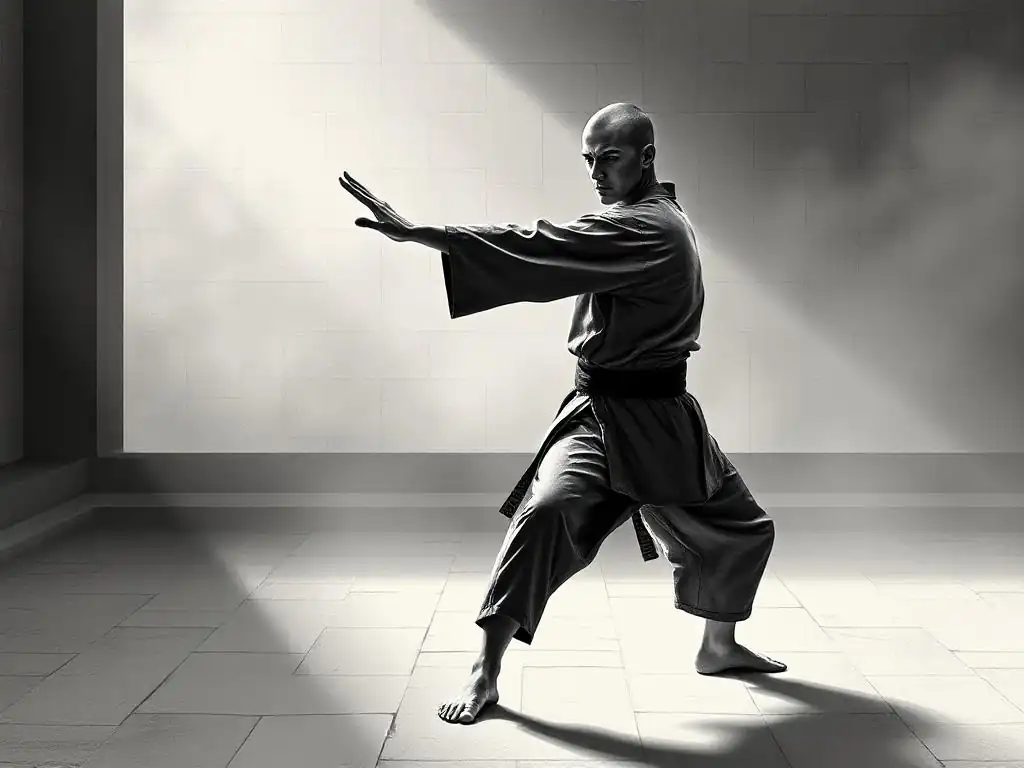
Analyzing Successful Applications of Jujutsu in Self-Defense Situations
While specific, verifiable public records of successful Jujutsu self defense applications by named individuals are often scarce due to privacy and legal reasons, anecdotal accounts and illustrative scenarios demonstrate its effectiveness. Consider a scenario where a smaller individual, trained in Jujutsu, was confronted by a larger aggressor who attempted to grab them.
Instead of relying on strength, the defender used the attacker's forward momentum and grip to execute a well-timed hip throw (O Goshi), breaking the attacker's balance and taking them to the ground. The defender then used basic ground control principles learned in Jujutsu self defense training to maintain a dominant position until help arrived or they could safely escape.
Another illustrative case involves a situation where a practitioner was pinned to the ground during an attempted assault. Utilizing their training in ground fighting, they were able to apply a basic guard position to control the attacker's posture, create space, and then transition to a joint lock (such as an armbar setup or a Kimura) or a sweep to reverse the position, allowing them to escape.
These examples, while generalized, highlight how core Jujutsu principles and techniques – leverage, throws, ground control, joint manipulation – can be successfully applied in real-world confrontations when the practitioner has trained them under sufficient pressure and understands the principles of application rather than just the rote movement.
Learning from Mistakes: Identifying Areas for Improvement in Jujutsu Training
Analyzing instances where self-defense attempts fail, even by trained individuals, provides valuable lessons for improving Jujutsu self defense training. A common issue arises when practitioners rely solely on techniques learned in a cooperative, static environment. For example, a defender might attempt a complex wrist lock against a determined attacker who simply pulls their arm away forcefully, rendering the technique useless because the defender lacked the necessary off-balancing or control to set it up under resistance. This highlights the need for more pressure testing.
Another area for improvement is the neglect of situational awareness and de-escalation. Some accounts describe trained individuals being caught completely by surprise, giving the attacker a significant advantage. This underscores the point that physical techniques are often the last resort, and training must include recognizing danger signs and attempting to avoid physical conflict. Furthermore, failures can occur when practitioners lack the physical conditioning to sustain their efforts, quickly becoming exhausted. Learning from these scenarios reinforces the need for comprehensive Jujutsu self defense training that includes pressure testing, scenario simulation, awareness, and physical conditioning, not just technical instruction.
The Future of Jujutsu Self-Defense Training
Embracing Innovation and Adapting to Modern Self-Defense Challenges
The future of Jujutsu self defense training lies in its willingness to embrace innovation and adapt to the unique challenges of modern self-defense. While traditional principles remain relevant, the nature of violence, common attack methods, and environmental factors can change. Future training methodologies may incorporate more data-driven approaches, using biomechanical analysis to refine techniques or utilizing virtual reality simulations to create highly realistic and varied scenarios for stress inoculation training. The integration of technology could provide new ways to measure performance under pressure and analyze reactions.
Furthermore, modern Jujutsu self defense training is likely to place even greater emphasis on integrated skills – combining striking defense, grappling, weapon awareness, and conflict de-escalation into a seamless whole. The focus will continue to shift towards functional application over purely aesthetic or theoretical execution. As research in psychology and human performance under stress evolves, these insights will increasingly inform how practitioners are mentally prepared for conflict. The goal is to make Jujutsu self defense training as effective and relevant as possible for the contemporary individual facing modern threats.
The Continued Relevance of Traditional Jujutsu Principles in a Changing World
Despite the need for adaptation and innovation, the core principles of traditional Jujutsu remain profoundly relevant in a changing world and will continue to form the bedrock of effective Jujutsu self defense. The fundamental concepts of using leverage, manipulating joints, disrupting balance, and controlling an opponent through positioning are based on universal principles of physics and human anatomy that do not change. Whether facing a medieval samurai or a modern street assailant, the ability to off-balance, control limbs, or utilize body mechanics effectively is timeless.
Traditional kata and foundational drills, when understood in the context of their underlying principles and supplemented with modern training methods like pressure testing and scenario work, provide an invaluable library of movements and strategies. The philosophical underpinnings of Jujutsu, emphasizing humility, perseverance, and the responsible use of force, are also crucial for developing well-rounded individuals capable of navigating conflict ethically. Thus, the future of Jujutsu self defense training is not about abandoning tradition but about intelligently applying its enduring principles using the most effective modern training methodologies.
Resources for Further Jujutsu Self-Defense Study
Recommended Books and Videos on Jujutsu Self-Defense Techniques
For those seeking to deepen their understanding of Jujutsu self defense, numerous resources are available, ranging from foundational texts to modern instructional materials. Classic books by renowned masters often provide deep insights into the historical context and core principles of the art. More contemporary books and videos tend to focus on practical applications, specific techniques tailored for self-defense, and modern training methodologies.
When selecting resources for Jujutsu self defense training, look for materials that emphasize practical application, leverage, and principles rather than just a long list of techniques. Resources that demonstrate techniques against resistance or in simulated scenarios are particularly valuable. While specific titles cannot be listed here, seeking out materials from reputable authors or organizations known for their focus on realistic application and pressure testing is advisable.
Finding Qualified Jujutsu Instructors and Training Programs
Finding a qualified instructor and a suitable training program is perhaps the most critical step for effective Jujutsu self defense training. The quality of instruction significantly impacts a student's ability to learn not just techniques but also how to apply them under pressure, understand timing and distance, and develop realistic self-defense skills. A good instructor will have a strong technical background, practical experience (including training methods that simulate real conflict), and the ability to teach effectively and safely.
Look for dojos or academies that incorporate sparring, randori, resistance drills, and scenario training as part of their regular curriculum, in addition to traditional technique practice. Observe a class if possible to see the training methodology in action. Speak to current students about their experience. A program focused solely on kata or cooperative drills may not adequately prepare you for real-world self-defense. Prioritize finding a school whose approach aligns with the principles of practical, pressure-tested Jujutsu self defense.
Frequently Asked Questions
What is the main focus of Jujutsu self-defense training according to MartialArtsMastery.org?
The primary focus is bridging the gap between theoretical knowledge and practical application of Jujutsu techniques for real-world self-defense scenarios.
Why is bridging the gap between theory and practice important in Jujutsu self-defense?
Without bridging the gap, students may understand techniques but fail to effectively execute them under pressure, rendering their training ineffective in real threats.
The website offers historical overviews, training techniques, and practical self-defense strategies specific to Jujutsu, aiming to empower individuals.
What differentiates Jujutsu self-defense training from other martial arts self-defense programs?
Jujutsu often emphasizes grappling, joint locks, and throws, providing a unique skill set for close-quarters combat and neutralizing larger opponents.
How does MartialArtsMastery.org approach the philosophical underpinnings of Jujutsu self-defense training?
The site explores the ethical considerations and mental discipline integral to Jujutsu, promoting responsible and mindful application of self-defense skills.
Final Reflection: Embracing Practical Jujutsu
The journey from theoretical understanding to practical application is often fraught with challenges, and bridging the gap in Jujutsu self-defense training is more crucial now than ever before. In a world where personal safety is a growing concern, the ability to effectively translate learned techniques into real-world scenarios is paramount. This article has explored the vital steps necessary to achieve that translation, emphasizing the importance of realistic training, pressure testing, and mental preparedness.
The impact of effective Jujutsu self-defense training extends far beyond the individual, influencing the cultural landscape by fostering a sense of empowerment and resilience. Witnessing individuals transform from hesitant learners to confident protectors is a testament to the power of this art. The best fighter is never angry,
as Miyamoto Musashi wisely stated. This quote underscores the importance of mental fortitude, a key component in bridging the gap between theory and reality in self-defense.
Now, consider how you can integrate these principles into your own life, whether you are a seasoned practitioner or just beginning your journey. Embrace the challenges of realistic training, seek out opportunities to pressure test your skills, and cultivate the mental resilience necessary to face adversity. Let the lessons learned here empower you to become not just a skilled martial artist, but a confident and capable individual ready to protect yourself and those you care about.
Unleash Your Inner Warrior: Begin Your Jujutsu Journey Now!
Thanks for diving deep into the world of Jujutsu self-defense! We hope you've gained valuable insights into bridging the gap between theory and practical application. Now, let's turn that knowledge into action.
Here’s how you can take the next step:
- Prioritize your training: Commit to at least 3 live sparring sessions in the next 3 weeks, focusing on applying the techniques discussed.:
- Share this article with fellow martial artists to elevate their self-defense approach.
- For one week, try drilling only ONE submission from ONLY ONE position. Master one before branching out to more.
What are you waiting for? Share how you're putting these Jujutsu self-defense principles into practice in the comments below.