
Keiko Fukuda: Judo's "First Lady" and Her Unwavering Journey to 10th Dan

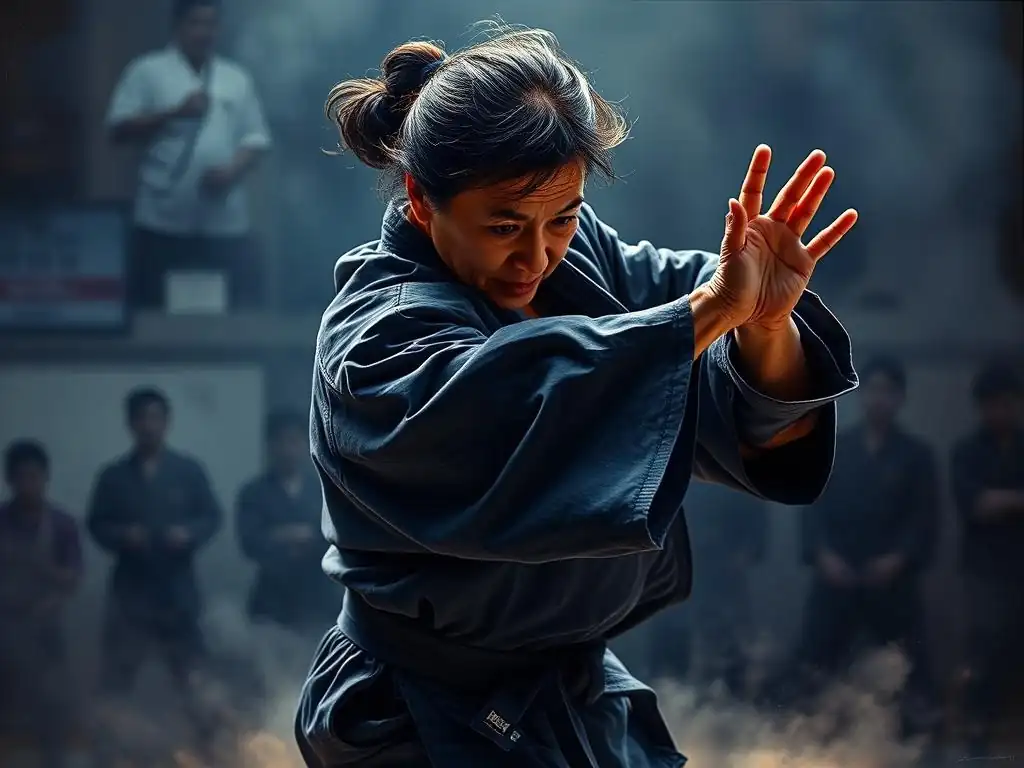
Welcome to Martial Arts Mastery, where we delve into the rich tapestry of combat traditions worldwide. But what does it truly take to reach the pinnacle of martial arts excellence? In this profile, we explore the extraordinary life and legacy of Keiko Fukuda, 10th Dan Judo, a trailblazer whose unwavering dedication shattered barriers and redefined the art of Judo. Discover her remarkable journey and the principles that guided her to become Judo's "First Lady." Prepare to be inspired.
- Introduction: Honoring Keiko Fukuda's Legacy in Judo
- Early Life and Judo Beginnings of Keiko Fukuda
- Overcoming Obstacles: Fukuda's Fight for Recognition in Judo
- Fukuda's Judo Techniques and Contributions to the Art
- Teaching and Global Influence: Spreading Judo Worldwide
- The Historic 10th Dan Promotion: A Landmark Achievement
- Keiko Fukuda's Philosophical Underpinnings: More Than Just Technique
- Keiko Fukuda's Enduring Impact on Judo and Martial Arts
- Remembering Keiko Fukuda: Tributes and Memorials
- Conclusion: Keiko Fukuda - An Icon of Judo Mastery and Determination
-
Frequently Asked Questions
- What is Keiko Fukuda best known for in the world of Judo?
- How did Keiko Fukuda's lineage connect her to the founder of Judo?
- What were some of the challenges Keiko Fukuda faced as a woman in Judo?
- Beyond her rank, what was Keiko Fukuda's lasting impact on Judo?
- Where can I find more information about Keiko Fukuda's life and teachings?
- Final Reflection: The Enduring Spirit of Judo
- Claim Your Judo Legacy: Step onto the Mat!
Introduction: Honoring Keiko Fukuda's Legacy in Judo
Judo, a martial art founded by Jigoro Kano in 1882, has produced countless masters, but few have left an indelible mark quite like Keiko Fukuda. Known affectionately as "Judo's First Lady," Fukuda Sensei dedicated her entire life to the practice, teaching, and preservation of this discipline. Her journey was not merely one of technical mastery but also a testament to unwavering perseverance in the face of significant societal and institutional barriers. This article explores the life and monumental achievements of Keiko Fukuda, culminating in her historic achievement of the 10th Dan Judo rank.
Keiko Fukuda's story is a powerful narrative of passion meeting purpose. Born in Tokyo, Japan, in 1913, she became a direct student of Jigoro Kano and would continue his legacy for nearly eight decades. Her path was unique from the start, stepping into a world predominantly defined by men. Yet, she carved her own space, ultimately shattering long-standing limitations within the global judo community and becoming a beacon of inspiration for generations of practitioners, particularly women, aspiring to reach the pinnacle of martial arts excellence.
Keiko Fukuda: Breaking Barriers in a Male-Dominated World
From her early days at the Kodokan Institute in Tokyo, the birthplace of Judo, Keiko Fukuda navigated a landscape where women were often relegated to secondary roles and lower ranks. While Jigoro Kano himself was relatively progressive for his time, establishing a women's section at the Kodokan, the higher echelons of judo leadership and recognition remained overwhelmingly male. Fukuda Sensei chose to dedicate her life to judo instead of marrying, a decision that allowed her to pursue her martial art with singular focus but also placed her outside traditional societal expectations for women of her era.
Her commitment was extraordinary. She trained relentlessly, mastered complex kata, and began teaching judo when opportunities for women instructors were scarce. Despite her direct connection to the founder and her evident skill, the institutional barriers to women advancing in rank were formidable. For many years, the Kodokan had an unofficial ceiling for women's ranks, often limiting them significantly below their male counterparts, regardless of skill or dedication. Keiko Fukuda's journey challenged these norms simply through her persistent presence, her undeniable skill, and her lifelong devotion to the art.
The Significance of 10th Dan in Judo: A Rare Achievement
The 10th Dan (Judan) is the highest rank attainable in Kodokan Judo, signifying not only unparalleled technical mastery but also profound understanding, lifelong dedication, and significant contributions to the art's development and spread. It is an extraordinarily rare honor, typically bestowed upon only a handful of the most esteemed masters who have dedicated their lives to preserving and evolving judo. Before Keiko Fukuda, all recipients of the Kodokan 10th Dan had been men, predominantly Japanese.
Achieving the 10th Dan Judo rank places a practitioner in an elite group, often revered as living legends. It represents the culmination of decades of rigorous training, teaching, and philosophical immersion. Keiko Fukuda's promotion to this rank, particularly as the first woman ever recognized at this level by the Kodokan, was a landmark moment that transcended personal achievement. It sent a powerful message globally about the potential and contributions of women in judo and other martial arts, redefining what was possible within the traditional structures of the art.
Early Life and Judo Beginnings of Keiko Fukuda
Keiko Fukuda's entry into the world of judo was deeply rooted in her family history and influenced by the very origins of the art itself. Born into a prominent family, her path was set to follow a traditional Japanese upbringing, but a connection to judo's past would steer her towards an extraordinary future on the mat.
Despite societal expectations for women in early 20th-century Japan, Fukuda Sensei was drawn to judo through her family's legacy. She began training at the Kodokan in 1935, a time when few women participated, and even fewer pursued it as a lifelong path. Her dedication was immediate and profound, quickly distinguishing her among the small group of women practitioners at the time and setting the stage for her remarkable, decades-long career in the art.
Fukuda's Lineage: Granddaughter of Judo Pioneer Hachinosuke Fukuda
Keiko Fukuda's connection to judo was not coincidental; she was the granddaughter of Hachinosuke Fukuda, one of Jigoro Kano's earliest jujutsu teachers. Hachinosuke Fukuda taught Kano the Tenjin Shinyo-ryu style of jujutsu, which was a crucial influence on Kano's development of Judo. This direct link to one of judo's foundational figures provided Keiko Fukuda with a unique perspective and a sense of historical connection to the art from the very beginning of her training.
This lineage likely played a role in her initial acceptance into the Kodokan and perhaps even garnered her attention from Jigoro Kano himself. However, it was her own talent, discipline, and passion, not just her name, that allowed her to progress. While her grandfather's legacy opened the door, Keiko Fukuda walked through it with her own strength and determination, forging a path that would eventually lead her to become a 10th Dan Judo master, honoring her family's connection to the art's origins in a way previously unimaginable for a woman.
Influences and Mentors Shaping Fukuda's Judo Path
Keiko Fukuda was fortunate to begin her judo journey under the tutelage of Jigoro Kano, the founder of Judo, himself. Kano recognized her potential and dedication, inviting her to train directly under him. This was an exceptional opportunity, as Kano was meticulous in selecting his students, and training with him provided an unparalleled understanding of the art's principles and philosophy directly from its source. She was one of the very few women to receive such personal instruction from the founder.
Beyond Kano, Fukuda Sensei was also influenced by other masters at the Kodokan who specialized in kata, the formal exercises of judo. Her deep passion for kata, particularly Ju no Kata (Forms of Gentleness) and Kime no Kata (Forms of Decision), was nurtured by these early mentors. This focus on kata became a hallmark of her teaching and a significant part of her contribution to preserving traditional judo forms throughout her life, a commitment that reinforced her standing as a dedicated and knowledgeable judoka long before she achieved the Keiko Fukuda 10th Dan Judo rank.
Overcoming Obstacles: Fukuda's Fight for Recognition in Judo
Keiko Fukuda's journey to becoming a 10th Dan Judo master was marked by persistent dedication in the face of significant challenges, most notably the pervasive gender bias within the judo world. Her fight for recognition was not aggressive but a quiet, determined push against the limitations placed upon women practitioners for decades.
Despite her exceptional skill, profound understanding of judo, and direct connection to the founder, her rank progression was historically slow compared to male counterparts of similar tenure and contribution. This disparity highlighted the systemic barriers that existed, making her eventual achievement of the highest rank even more monumental and inspiring.
Gender Bias in Judo: Challenges Faced by Women Practitioners
Throughout much of the 20th century, traditional martial arts, including judo, were heavily male-dominated, and institutional structures often reflected this. At the Kodokan and in many judo organizations globally, women were frequently limited in the ranks they could attain, regardless of their technical ability or years of practice. This bias was not always explicitly stated but was deeply embedded in the culture and promotion systems. For instance, for many years, the highest rank a woman could officially receive from the Kodokan was 5th Dan.
Keiko Fukuda faced this reality directly. While she was promoted through the initial dan ranks, her progression stalled significantly at levels where equally accomplished men would continue to advance. She received her 5th Dan in the 1950s, a significant rank for a woman at the time, but remained at that level for many years while her male colleagues surpassed her. This disparity was a constant reminder of the systemic gender bias she had to navigate, making her eventual ascent to the Keiko Fukuda 10th Dan Judo rank a powerful victory against these historical limitations.
Fukuda's Dedication and Perseverance: A Lifelong Commitment
Keiko Fukuda's response to the obstacles she faced was not one of resignation but of intensified dedication. Rather than being discouraged by the slower pace of her rank promotion, she redoubled her efforts in training, teaching, and promoting judo. Her commitment was absolute; she lived and breathed judo for over 80 years.
She continued to refine her techniques, particularly in kata, and became an internationally renowned expert in this area. She traveled extensively, teaching seminars and clinics, sharing her knowledge and passion with thousands of students around the world. This unwavering perseverance, focusing on her love for judo and her mission to share it, ultimately proved more powerful than the barriers she faced. Her lifelong commitment was the foundation upon which her eventual, historic Keiko Fukuda 10th Dan Judo achievement was built.
Fukuda's Judo Techniques and Contributions to the Art
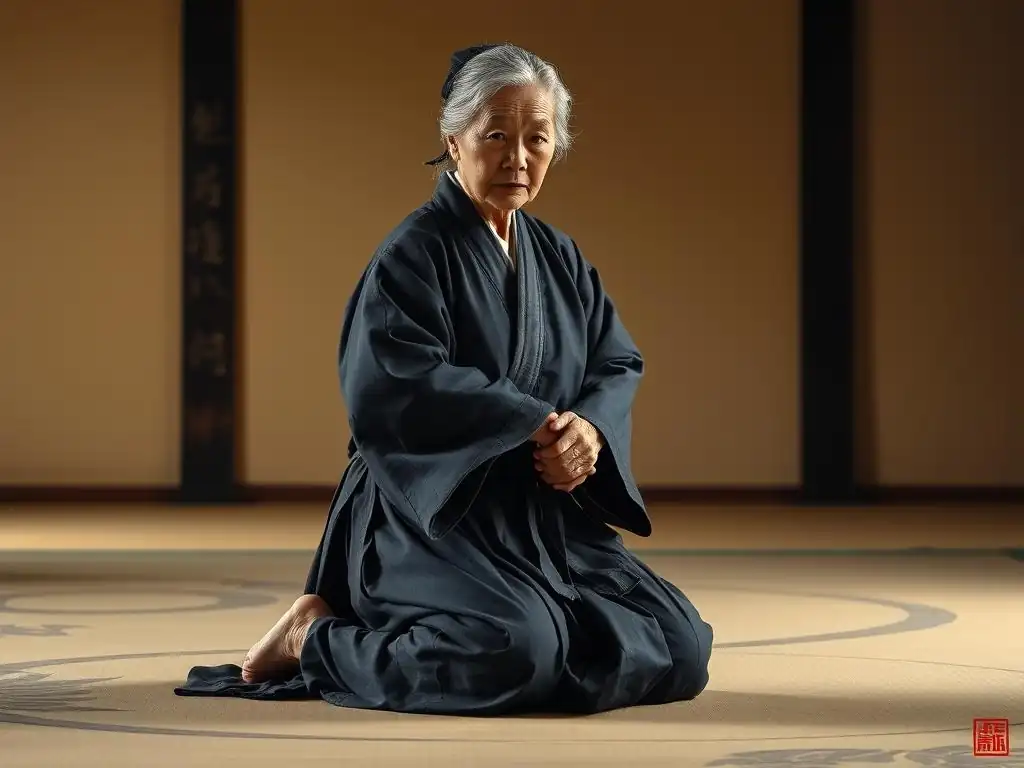
While Keiko Fukuda was a skilled all-around judoka, her most significant technical contributions and focus lay in the preservation and teaching of judo kata. She recognized the vital importance of kata not just as historical forms but as essential tools for understanding the fundamental principles and applications of judo techniques.
Her technical expertise was refined over decades of dedicated practice and study, much of it under the direct guidance of Jigoro Kano and other high-ranking Kodokan instructors. She didn't invent new techniques but instead deepened the understanding and teaching of existing ones, ensuring the traditional forms of judo were accurately passed down to future generations.
Preserving Traditional Judo: Fukuda's Emphasis on Kata
Keiko Fukuda became one of the world's foremost authorities on Kodokan Kata. She specialized particularly in Ju no Kata and Kime no Kata, performing and teaching them with exceptional precision, grace, and depth of understanding. She saw kata as the "grammar" of judo, providing the underlying structure and principles for effective technique and movement.
Her dedication to kata preservation led her to travel internationally, conducting countless seminars and clinics specifically focused on these formal exercises. She authored books and created instructional materials to ensure the accurate transmission of kata globally. This commitment to preserving the traditional heart of judo was a core part of her legacy and a significant factor in her recognition as a master of the art, contributing substantially to the reputation that would eventually lead to her Keiko Fukuda 10th Dan Judo promotion.
Key Judo Techniques Mastered and Taught by Keiko Fukuda
While specializing in kata, Keiko Fukuda possessed a comprehensive understanding of judo's throwing (nage-waza), grappling (katame-waza), and striking (atemi-waza, primarily within kata contexts) techniques. Her teaching emphasized fundamental principles such as Kuzushi (breaking balance), Tsukuri (preparation for entry), and Kake (execution).
She was known for her ability to explain complex techniques and principles with clarity, making them accessible to students of all levels. Her focus was often on the subtle details – the angle of a foot, the timing of a pull, the direction of weight transfer – that make techniques effective. Through her teaching, thousands of students gained a deeper appreciation for the nuances of judo techniques, solidifying her reputation as a master instructor long before she was recognized with the 10th Dan Judo rank.
Teaching and Global Influence: Spreading Judo Worldwide
Beyond her personal practice and technical mastery, Keiko Fukuda's impact on judo was magnified by her tireless efforts to teach and spread the art globally. She was not confined to the dojo but actively traveled and taught, bringing her unique perspective and deep knowledge to practitioners across continents.
Her teaching career spanned over 70 years, influencing countless students directly and indirectly. She established her own dojo and contributed significantly to the growth of judo, particularly in the United States, where she spent the latter half of her life.
Fukuda's Judo Schools and Students Across the Globe
After moving to the United States in the 1950s (initially for research purposes, later residing permanently), Keiko Fukuda established her primary dojo, the Soko Joshi Judo Club (later renamed the Keiko Fukuda Judo Academy), in San Francisco, California. This dojo became a hub for serious judoka, particularly women, seeking high-level instruction.
Her influence, however, extended far beyond her own dojo. She was a highly sought-after instructor for national and international seminars. She taught across the U.S., Canada, Europe, Australia, and other parts of the world. Thousands of students attended her clinics, learning not just techniques but also the spirit and philosophy of judo. Many of her students went on to become instructors themselves, further spreading her teachings and contributing to the global reach that underpinned her eventual Keiko Fukuda 10th Dan Judo recognition.
Promoting Judo for Women: Fukuda's Vision for Inclusivity
Recognizing the historical disparities and limited opportunities for women in judo, Keiko Fukuda became a quiet but powerful advocate for women's participation and advancement. She provided a welcoming and supportive environment at her dojo and actively encouraged women to pursue judo seriously, challenging the notion that it was primarily a male activity.
She played a key role in advocating for the inclusion of women's judo in competitive arenas and ensuring that women had access to quality instruction and opportunities for rank progression. Her own presence as a highly-ranked female instructor was, in itself, a powerful statement and inspiration. Through her teaching and advocacy, she helped pave the way for greater inclusivity in judo, contributing significantly to the landscape that made her own achievement of the Keiko Fukuda 10th Dan Judo rank possible as a symbol of breaking barriers.
The Historic 10th Dan Promotion: A Landmark Achievement
The achievement of the 10th Dan (Judan) by Keiko Fukuda in 2011 marked a pivotal moment in judo history. It was the culmination of a lifetime of dedication, mastery, and quiet perseverance against systemic barriers. This promotion was not just a personal honor but a symbolic victory for women in martial arts worldwide.
While she had achieved high ranks previously – receiving her 9th Dan from the Kodokan in 1990, making her the highest-ranked woman at the time – the 10th Dan was the ultimate recognition, a level previously exclusive to a small group of male masters.
The Road to 10th Dan: Fukuda's Decades of Dedication
Keiko Fukuda's path to the 10th Dan Judo rank was paved with over 70 years of continuous practice and teaching. She began judo in 1935 and never stopped. Her progression through the ranks reflected not just her technical skill but her profound understanding of judo's principles and her unwavering commitment to its preservation and dissemination.
After receiving her 9th Dan from the Kodokan in 1990, she continued her relentless schedule of teaching and promoting judo, well into her 90s. Her dedication was extraordinary; even in her late years, she was present at her dojo, offering guidance and demonstrating techniques. This unparalleled longevity, combined with her technical expertise and global influence, made her an undeniable candidate for the highest honor, leading to her historic Keiko Fukuda 10th Dan Judo recognition.
Reactions and Recognition: The Judo World Celebrates Fukuda
When Keiko Fukuda was promoted to 10th Dan by USA Judo in 2010 and subsequently by the Kodokan in 2011 at the age of 98, the judo world erupted in celebration. This was not just recognition for an individual but for the breaking of a significant barrier. News of the first woman achieving the 10th Dan Judo rank from the Kodokan spread rapidly through the martial arts community.
Tributes poured in from around the globe, acknowledging her lifelong dedication and her role as a pioneer. Her promotion was seen as long overdue by many, a testament to her enduring spirit and undeniable contributions that had, for too long, been undervalued by the traditional ranking system. Her achievement inspired countless female judoka and martial artists, signaling a shift towards greater recognition for women at the highest levels of these disciplines.
Keiko Fukuda's Philosophical Underpinnings: More Than Just Technique
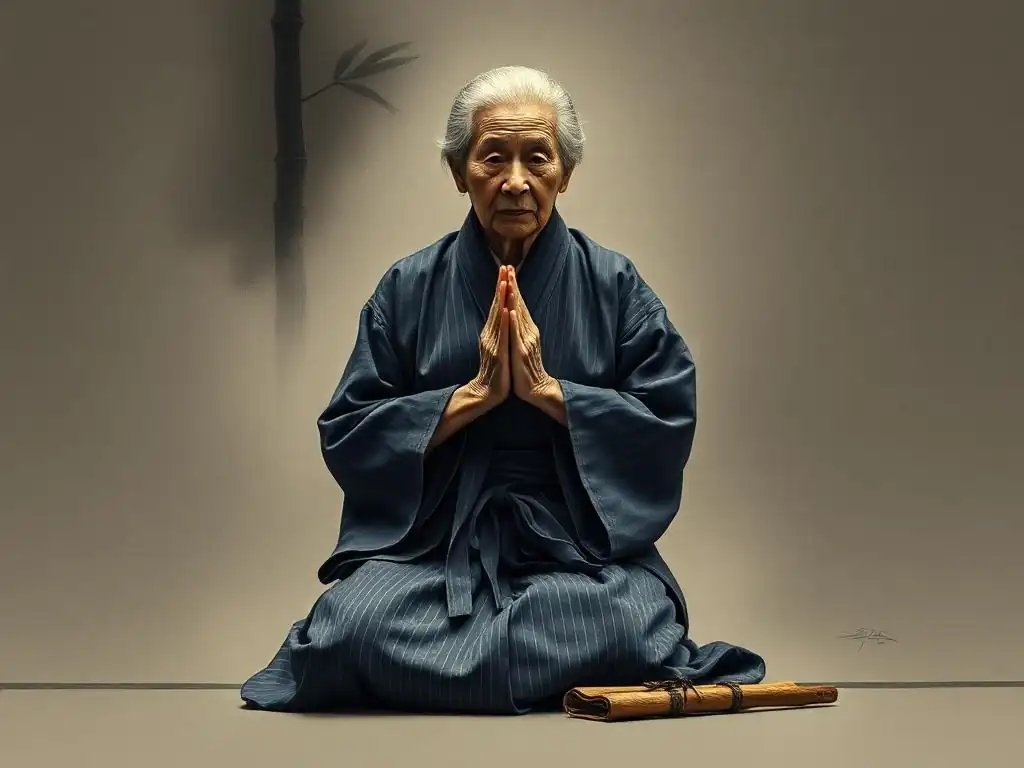
For Keiko Fukuda, judo was far more than just throwing and grappling; it was a path to self-improvement and a philosophy for life. Her teaching always incorporated the deeper principles espoused by Jigoro Kano, emphasizing the development of character alongside technical skill.
Her philosophy was embodied in her own life – one of humility, respect, perseverance, and a gentle strength. She taught that the mat was a microcosm of life, where challenges provided opportunities for growth and understanding.
Judo Principles Embodied: Humility, Respect, and Perseverance
Keiko Fukuda lived the core principles of judo: Seiryoku Zen'yo (Maximum Efficiency, Minimum Effort) and Jita Kyoei (Mutual Welfare and Benefit). While these principles are often discussed in a technical context, she applied them to daily life and human interaction. Her demeanor was consistently humble and respectful, regardless of the rank or experience of the person she was interacting with.
Her entire career was a testament to perseverance, facing discrimination and physical challenges with quiet determination. She taught her students that true strength lay not just in physical power but in mental fortitude and the ability to adapt and persist. These principles were the bedrock of her character and teaching, fundamental aspects of the master who achieved the Keiko Fukuda 10th Dan Judo rank.
Fukuda's Philosophy on Self-Improvement Through Judo
A central tenet of Keiko Fukuda's philosophy was that judo is a continuous journey of self-improvement. She believed that the challenges faced on the mat – learning new techniques, overcoming opponents, recovering from defeat – mirrored the challenges of life and provided valuable lessons in resilience, discipline, and problem-solving.
She encouraged her students to view judo practice as a means to develop not only physical prowess but also mental and moral strength. Her personal motto, "Be Strong, Be Gentle, Be Beautiful," encapsulated this holistic view, suggesting that true mastery involved the harmonious development of physical strength, compassionate spirit, and inner beauty. This philosophy guided her teaching and inspired her students to pursue excellence both on and off the judo mat, embodying the spirit of a Keiko Fukuda 10th Dan Judo master.
Keiko Fukuda's Enduring Impact on Judo and Martial Arts
Keiko Fukuda's legacy extends far beyond her personal achievement of the 10th Dan Judo rank. Her impact on the art of judo, particularly in the areas of kata preservation and the promotion of women in martial arts, is profound and lasting.
She didn't just practice judo; she shaped its future by ensuring its traditional forms were maintained and by breaking down barriers that limited participation. Her influence continues to be felt in dojos and organizations around the world.
Inspiring Future Generations of Judo Practitioners
As the first woman to achieve the Kodokan 10th Dan, Keiko Fukuda became an immediate and powerful role model for aspiring judoka, especially girls and women. Her story demonstrated that with sufficient dedication and skill, the highest levels of achievement were attainable, regardless of gender.
Her perseverance in the face of decades of systemic bias provided a compelling example of quiet strength and determination. Her legacy encourages future generations to pursue their passions relentlessly and to challenge limitations, whether on the judo mat or in any other field. The image of Keiko Fukuda 10th Dan Judo master serves as a powerful symbol of what is possible through lifelong commitment.
Influence on Kodokan Judo and Kata Preservation
Keiko Fukuda's unwavering dedication to the accurate performance and teaching of Kodokan Kata had a significant influence on the preservation of these fundamental forms globally. Her international seminars and instructional materials helped standardize kata performance outside of Japan and reinforced their importance within the overall practice of judo.
Her status as a 10th Dan Judo master lent immense authority to her work in kata, ensuring that traditional practices were respected and continued. Her influence helped maintain the integrity of kata as a vital component of judo training, countering any tendency to focus solely on competitive aspects. The Kodokan itself recognized her as a preeminent authority, solidifying her role in safeguarding this crucial part of judo's heritage.
Remembering Keiko Fukuda: Tributes and Memorials
Even after her passing in 2013 at the age of 100, Keiko Fukuda's spirit and legacy continue to live on. Efforts have been made to honor her memory and ensure that her contributions to judo, particularly her groundbreaking achievement of the Keiko Fukuda 10th Dan Judo rank, are never forgotten.
Various initiatives, including foundations and memorials, work to preserve her teachings, support her students, and continue her mission of promoting judo for all, especially women.
The Keiko Fukuda Judo Foundation and its Work
Established to continue her legacy, the Keiko Fukuda Judo Foundation is dedicated to supporting the art and science of judo, particularly focusing on the principles and philosophy taught by Fukuda Sensei. The foundation aims to preserve her teachings, promote judo education, and support judoka who embody her spirit of dedication and perseverance.
The foundation provides resources, organizes events, and supports initiatives that keep Keiko Fukuda's memory and teachings alive. It serves as a central point for those who were inspired by her and wish to contribute to the future of judo in the spirit she exemplified, ensuring the story of the first woman to achieve the Keiko Fukuda 10th Dan Judo rank continues to inspire.
Continuing Fukuda's Legacy: Ensuring Her Contributions are Remembered
Efforts to remember Keiko Fukuda extend beyond formal organizations. Her students and fellow judoka worldwide share stories of her kindness, strength, and dedication. Dojos display her picture, and her name is spoken with reverence.
Memorial tournaments, seminars dedicated to her kata teachings, and biographical works help to ensure that her remarkable life story and her pivotal role in breaking barriers in judo are passed down. Remembering Keiko Fukuda is not just about acknowledging her technical skill or her rank; it is about honoring a life lived fully in service of a martial art and a philosophy that she loved deeply, culminating in her historic Keiko Fukuda 10th Dan Judo achievement.
Conclusion: Keiko Fukuda - An Icon of Judo Mastery and Determination
Keiko Fukuda's life was a century-long testament to the power of dedication, perseverance, and passion for a martial art. From her early days training under Jigoro Kano to her final years as a revered master, she embodied the highest ideals of judo. Her journey was not easy, marked by societal expectations and institutional limitations, yet she navigated them with grace and unwavering resolve.
She was a master technician, a dedicated teacher, a philosopher, and a pioneer. Her influence stretched across continents and generations, shaping the lives of countless students and contributing significantly to the global landscape of judo.
The Lasting Significance of Keiko Fukuda's 10th Dan Judo Achievement
The achievement of the Keiko Fukuda 10th Dan Judo rank holds immense and lasting significance. It shattered a long-standing barrier, proving that the highest levels of mastery in traditional martial arts were not exclusive to men. Her promotion by both USA Judo and the Kodokan was a powerful, albeit belated, acknowledgment of her unparalleled dedication, technical skill, and lifelong contributions to the art.
Her 10th Dan stands as a symbol of perseverance against discrimination and an inspiration for women in judo and all martial arts to pursue their goals without limitation. It cemented her place in history not just as a high-ranking judoka, but as a true icon who helped redefine the possibilities within the martial arts world.
Celebrating the Life and Work of Judo's "First Lady"
Celebrating Keiko Fukuda means recognizing a life lived fully in pursuit of excellence and dedicated to the service of others through judo. It means appreciating her technical mastery, her philosophical depth, and her quiet strength in overcoming adversity. Judo's "First Lady" left an indelible mark on the art she loved.
Her legacy is not just in the history books or the ranks she achieved, but in the countless students she inspired and the barriers she broke. The story of Keiko Fukuda 10th Dan Judo master is a powerful reminder that dedication, skill, and an unwavering spirit can overcome even the most entrenched obstacles, leaving a legacy that continues to shape the future of martial arts.
Frequently Asked Questions
What is Keiko Fukuda best known for in the world of Judo?
Keiko Fukuda is best known as the first woman to be awarded the 10th Dan in Judo. She dedicated her life to the preservation and teaching of the art.
How did Keiko Fukuda's lineage connect her to the founder of Judo?
Fukuda was a direct student of Jigoro Kano, the founder of Judo. This provided her with a unique perspective on the art's core principles.
What were some of the challenges Keiko Fukuda faced as a woman in Judo?
Fukuda encountered gender bias and limited opportunities for advancement. She persevered despite these obstacles, becoming a pioneer for women in martial arts.
Beyond her rank, what was Keiko Fukuda's lasting impact on Judo?
Her legacy lies in her devotion to teaching, particularly women, and her commitment to preserving traditional Judo techniques. She inspired generations of martial artists.
Where can I find more information about Keiko Fukuda's life and teachings?
Resources available include documentaries, books, and articles dedicated to her. Websites like MartialArtsMastery.org also offer historical overviews and profiles of legendary practitioners.
Final Reflection: The Enduring Spirit of Judo
The story of Keiko Fukuda, a pioneer who shattered barriers in the male-dominated world of Judo, resonates powerfully today. Her unwavering dedication and pursuit of excellence serve as a potent reminder that passion and perseverance can overcome even the most deeply entrenched societal norms. Fukuda's journey to 10th Dan, a rank she earned through decades of relentless training and teaching, continues to inspire generations of martial artists and anyone striving to achieve their dreams against the odds.
Fukuda's legacy extends far beyond the Judo mat. Her commitment to empowering women and promoting Judo as a path to self-discovery and personal growth has profoundly shaped the cultural landscape of martial arts. Her influence is a testament to the transformative power of dedication and the importance of challenging conventional limitations. Be strong, be gentle, be beautiful,
Fukuda often said, encapsulating her philosophy of Judo as a holistic practice that cultivates both physical and spiritual strength.
As we reflect on Keiko Fukuda's extraordinary life and achievements, let us be inspired to embrace her spirit of unwavering dedication in our own lives. What barriers are you facing? What passions burn within you? Let Fukuda's journey remind you that with perseverance and a commitment to excellence, you too can achieve the seemingly impossible and leave a lasting legacy on the world.
Claim Your Judo Legacy: Step onto the Mat!
Thank you for exploring Keiko Fukuda's inspiring journey with us. Now, it's your turn to embody her unwavering spirit and dedication!
Here's how you can take action and connect with the art of Judo:
- Commit to one extra Judo class this week to honor Fukuda Sensei’s dedication to continuous improvement.
- Explore Judo’s history: Research a female figure in martial arts history and share her story with our community.
- Practice the spirit of "Ju": Focus on flexibility and yielding in your daily interactions, both on and off the mat.
What small adjustment will you make today to live out the principles you've learned from Keiko Fukuda?