
One of Kano's Pillars: The Strength, Skill, and Spirit of Yamashita Yoshitsugu

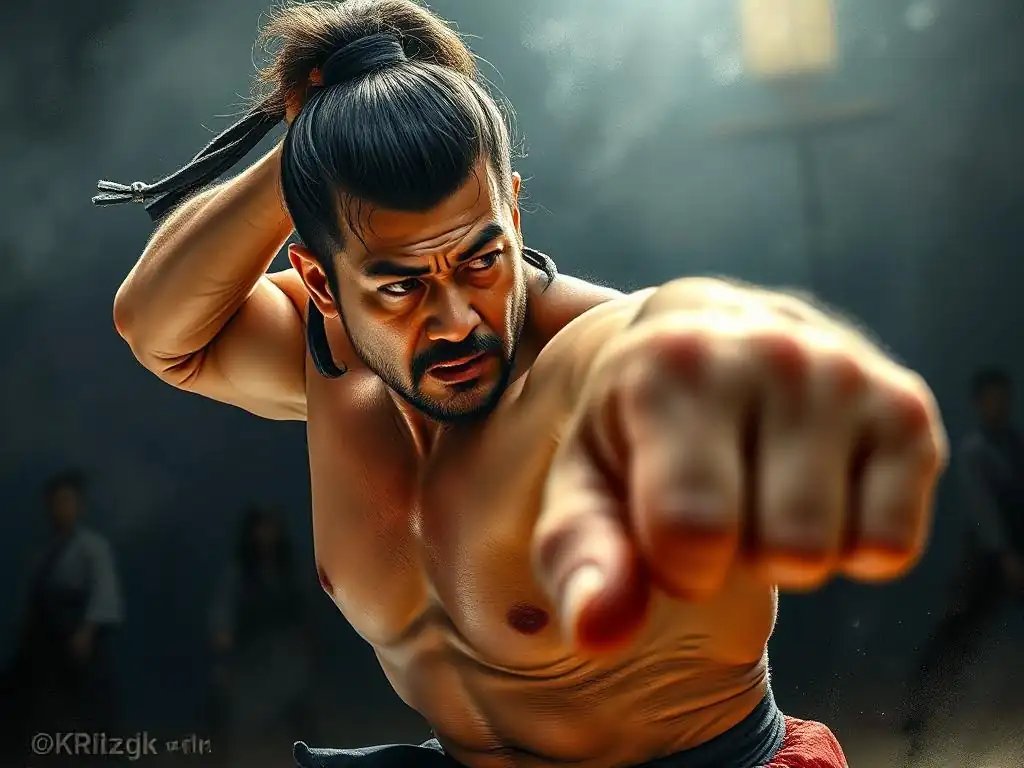
Welcome to Martial Arts Mastery, where we delve into the rich tapestry of combat traditions worldwide. Ever wondered how the principles of Judo influenced the evolution of other martial arts? In this article, we explore the profound legacy of Yamashita Yoshitsugu, a pivotal figure who bridged the gap between Judo and Karate.
Discover the Yamashita Yoshitsugu Karate technique details that shaped his unique approach, and how his dedication to both physical and mental discipline continues to inspire martial artists today. Prepare to unlock the secrets of a true legend and understand his enduring impact on the world of martial arts.
- Introduction: Yamashita Yoshitsugu - A Judo and Karate Pioneer
- Yamashita Yoshitsugu's Impact on Judo Development
- Yamashita Yoshitsugu and the Introduction of Atemi-waza (Striking Techniques) to Judo
- Yamashita Yoshitsugu's Atemi-waza: Bridging Judo and Striking Arts
- Yamashita Yoshitsugu's Legacy: A Lasting Influence on Martial Arts
- Yamashita Yoshitsugu: More Than Just Judo - A Holistic Martial Artist
- Conclusion: Remembering Yamashita Yoshitsugu's Martial Arts Mastery
-
Frequently Asked Questions
- What role did Yamashita Yoshitsugu play in the development of Judo, and how did it influence his later Karate practice?
- How did Yamashita Yoshitsugu's Judo background contribute to his unique approach to Karate?
- Where can I find detailed information on the specific Karate techniques Yamashita Yoshitsugu emphasized?
- What are some of the philosophical underpinnings that connected Yamashita Yoshitsugu's Judo and Karate practices?
- Besides Karate technique details, what other aspects of Yamashita Yoshitsugu's life and career are important to consider for a comprehensive understanding of his contributions to martial arts?
- Final Reflection: The Enduring Legacy of Mastery
- Unleash Your Inner Warrior!
Introduction: Yamashita Yoshitsugu - A Judo and Karate Pioneer
The Early Life and Judo Foundations of Yamashita Yoshitsugu
Born in 1860, Yamashita Yoshitsugu emerged from a period of significant transition in Japan, witnessing the decline of the samurai era and the rise of modernization. Like many young men of his time with a background in traditional martial arts, he was drawn to the innovative system being developed by Kano Jigoro: Judo. Yamashita began his training at the Kodokan, the dojo founded by Kano, in the early 1880s. His dedication and natural aptitude for grappling and throws quickly set him apart from his peers, earning him recognition within the burgeoning Judo community.
Yamashita's early training was rigorous, focusing heavily on the core principles of jū (gentleness or yielding) and seiryoku zen'yō (maximum efficiency with minimum effort). He immersed himself in the practice of nage-waza (throwing techniques) and katame-waza (grappling techniques), demonstrating exceptional proficiency. By 1893, he had already achieved the rank of 6th dan, a testament to his rapid progression and mastery of Kodokan Judo's fundamental techniques. His commitment to the art extended beyond mere physical practice; he deeply absorbed Kano's philosophy, which emphasized not just physical skill but also moral and intellectual development.
Yamashita Yoshitsugu's Role as One of Kano Jigoro's Key Disciples
Yamashita Yoshitsugu was not just a student but one of Kano Jigoro's most trusted and influential disciples. He belonged to an elite group of early Kodokan practitioners who were instrumental in shaping and disseminating Judo both within Japan and internationally. Kano recognized Yamashita's exceptional technical skill, pedagogical ability, and unwavering loyalty, entrusting him with significant responsibilities. This included representing the Kodokan in important demonstrations and educational initiatives.
Kano Jigoro relied on pillars like Yamashita to propagate his vision for Judo as more than just a sport or fighting method, but as a comprehensive system for physical education and character building. Yamashita's deep understanding of Kano's principles and his own formidable skill made him an ideal ambassador. He was often called upon to teach high-ranking individuals and demonstrate Judo's effectiveness and principles, solidifying his position as a pivotal figure in the Kodokan's early history and expansion.
Yamashita Yoshitsugu's Impact on Judo Development
Contributions to Kodokan Judo Techniques and Curriculum
Yamashita Yoshitsugu played a significant role in the technical evolution and standardization of Kodokan Judo. While Kano Jigoro formulated the core system, disciples like Yamashita refined and popularized specific techniques through countless hours of practice and application. Yamashita was particularly known for his powerful throwing techniques, embodying the principle of leveraging an opponent's weight and movement against them. He contributed to the practical application and teaching methodology of many fundamental throws and grappling techniques that remain central to the Kodokan curriculum today.
His expertise wasn't limited to execution; Yamashita also helped in the systematization of techniques into kata (pre-arranged forms) and randori (free practice). His insights gained from extensive practice informed the structure and emphasis of the Kodokan's training regimen. As a high-ranking instructor, his teaching directly influenced generations of Judo practitioners, ensuring the accurate transmission of techniques and principles as envisioned by Kano. His contributions were vital in transforming Judo from Kano's personal project into a widely recognized and structured martial art.
Yamashita's Influence on Judo in the United States
Perhaps one of Yamashita Yoshitsugu's most significant contributions was his pivotal role in introducing Judo to the United States. In 1902, at the invitation of President Theodore Roosevelt, Yamashita traveled to Washington D.C. to teach Judo. Roosevelt, known for his interest in physical culture and martial arts, had heard about Judo's effectiveness and sought to learn it personally. Yamashita became the first person to teach Judo to the US President, conducting sessions directly in the White House.
This historic residency, which lasted for several years, had a profound impact. Yamashita taught not only President Roosevelt but also members of the military, government officials, and the wider public. He established the first Judo dojo in the United States and conducted numerous demonstrations, captivating American audiences with the art's unique blend of technique and philosophy. His efforts laid the groundwork for the growth of Judo in America, inspiring early practitioners and establishing a foundation for the sport's future development across the country.
Yamashita Yoshitsugu and the Introduction of Atemi-waza (Striking Techniques) to Judo
Early Exposure to Striking Arts
While primarily known as a Judo master, Yamashita Yoshitsugu's martial arts background was likely broader than just Kodokan Judo. In the late 19th century, many individuals who trained in Judo had prior experience in older forms of jūjutsu, some of which included a more prominent use of striking techniques ( atemi-waza). It is plausible that Yamashita, like many early Kodokan students, brought some knowledge or exposure to striking methods from his pre-Judo training or through his interactions with practitioners of other martial disciplines common during the Meiji era.
Furthermore, Kano Jigoro himself acknowledged the importance of atemi-waza within the broader scope of Judo, particularly for self-defense purposes. While atemi were de-emphasized in the sport aspect of Judo, they remained part of the Kodokan's curriculum, especially in certain kata like Kime no Kata (Kata of Decision). Yamashita's deep understanding of Kano's complete system would have naturally included a recognition of the role and application of striking techniques, even if not as central as throws and grappling in competitive Judo.
The Integration of Atemi-waza Principles into Yamashita's Judo Approach
Yamashita Yoshitsugu understood that while Judo excelled in throws and ground control, a complete self-defense system required methods to deal with threats at a distance or when grappling was not immediately feasible. He recognized that striking techniques, when used strategically, could create openings for throws, break an opponent's balance, or serve as disabling actions in a self-defense scenario. His approach likely integrated the principles of atemi within the Judo framework, emphasizing timing, distance, and targeting vulnerable points.
This integration wasn't about turning Judo into a striking art, but rather about incorporating effective striking elements as supplementary tools. For instance, a well-timed strike could stun an attacker, making a throw easier to execute, or a defensive block could transition directly into a throw or joint lock. Yamashita's teaching, therefore, would have presented atemi-waza not as a separate system, but as an integral component of comprehensive self-defense within the Judo context, highlighting how striking complements grappling.
Yamashita Yoshitsugu's Atemi-waza: Bridging Judo and Striking Arts
Analyzing Yamashita Yoshitsugu's Unique Atemi-waza Techniques
Analyzing the specific atemi-waza techniques emphasized by Yamashita Yoshitsugu requires looking at historical accounts and the atemi elements retained within Kodokan Judo's self-defense kata. While there isn't a dedicated historical manual titled "Yamashita Yoshitsugu Karate technique details," his approach to striking within Judo offers insights. His focus would have been on practical, efficient strikes targeting vulnerable areas, consistent with the seiryoku zen'yō principle. These techniques were not meant for sport but for immediate effect in a combative situation.
Examples likely included strikes to the head, neck, solar plexus, and joints. The power generated wouldn't necessarily come from large, wind-up movements but from body mechanics, hip rotation, and focusing energy, similar to how power is generated in Judo throws. Understanding Yamashita Yoshitsugu's Atemi-waza technique details involves appreciating their context within Judo's overall strategy: setting up grappling techniques, creating distance, or incapacitating an opponent when throws or locks aren't immediately viable.
Te-gatana (Hand Sword) and its Application in Judo
One striking technique often associated with traditional jūjutsu and retained in Judo's atemi repertoire is Te-gatana, or "Hand Sword." This technique typically involves using the edge of the hand (like a knife hand or shuto) or the wrist bone as a striking surface. While not a core technique in sport Judo, its application in self-defense scenarios is significant. Yamashita Yoshitsugu's approach to such strikes would emphasize precision and targeting.
The Te-gatana could be applied in various ways: as a block that transitions into a strike, a strike to the side of the neck or collarbone, or even used defensively to check or parry an incoming attack. In the context of Yamashita's Judo, mastering the Te-gatana meant understanding its potential to disrupt an opponent's balance (kuzushi) or create a momentary opening, allowing the Judo practitioner to then apply a throw or grappling technique. The Yamashita Yoshitsugu Atemi-waza technique details for Te-gatana would likely focus on proper wrist alignment, body weight transfer, and targeting sensitive areas for maximum effect.
Shuto-uchi (Knife Hand Strike) and its Defensive Use
The Shuto-uchi, or knife hand strike, is another fundamental atemi technique with roots in older martial arts, including those that influenced Karate. It involves striking with the outer edge of the open hand. While commonly associated with Karate, the Shuto-uchi also exists within the atemi-waza of Kodokan Judo's self-defense forms. Yamashita Yoshitsugu's understanding and potential teaching of this technique would have focused on its practical application in close-quarters combat or as a defensive maneuver.
In a defensive context within Judo, the Shuto-uchi could be used to block or deflect incoming strikes, simultaneously creating an opportunity for a counter-grappling technique. A sharp Shuto-uchi to the side of the neck or temple, if applied with sufficient force and precision (key Yamashita Yoshitsugu Atemi-waza technique details), could be incapacitating. Its defensive use also includes striking vulnerable points on an opponent's arm or leg during an attack to weaken or disrupt their movement, setting them up for a Judo counter.
The Application of Atemi-waza Principles in Judo Self-Defense by Yamashita
Yamashita Yoshitsugu's comprehensive approach to Judo for self-defense inherently included the strategic application of atemi-waza principles. He understood that real-world confrontations are unpredictable and require a wider range of tools than just throws and grappling. His teaching would have emphasized how to use striking techniques not in isolation, but in conjunction with Judo's core principles of balance, leverage, and control.
For example, Yamashita would likely have taught how a quick strike to the face or solar plexus could momentarily distract or stun an attacker, making them susceptible to a throw like O soto gari (major outer reaping) or Ippon seoi nage (one-arm shoulder throw). Conversely, establishing a dominant grip (kumikata) could facilitate setting up an atemi strike by controlling the opponent's posture and distance.
This integrated approach, where atemi and grappling flow seamlessly, represents the practical core of Yamashita Yoshitsugu's Atemi-waza technique details within his Judo framework, highlighting the bridge he formed between grappling and striking arts for effective self-defense.
Yamashita Yoshitsugu's Legacy: A Lasting Influence on Martial Arts
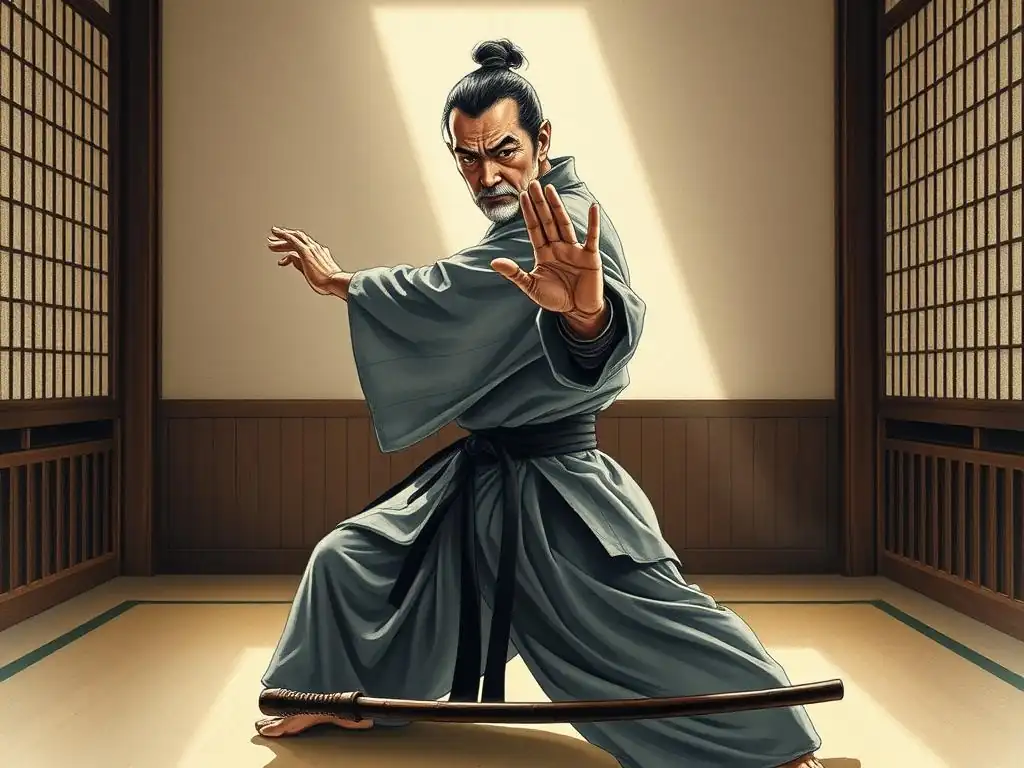
Yamashita's Students and Their Contributions to Martial Arts
Yamashita Yoshitsugu's legacy is significantly carried forward by the students he taught throughout his career, both in Japan and the United States. In the US, his teaching directly influenced early American Judo pioneers, helping to establish the art on foreign soil. While specific prominent students comparable to those who founded entire new styles might be less documented than, say, Kano's direct successors who stayed in Japan, his impact on the foundational generation of American judoka was undeniable.
Back in Japan, as a senior instructor at the Kodokan, Yamashita shaped countless students who would go on to become high-ranking masters and teachers themselves. While it's challenging to isolate the direct technical contributions of every student influenced by Yamashita, his emphasis on fundamental techniques, physical conditioning, and the integrated application of atemi within a self-defense context would have permeated his teaching. His influence is perhaps best seen in the overall quality and understanding of Judo displayed by those who trained under him during his tenure as one of Kano's most trusted instructors.
The Enduring Relevance of Yamashita Yoshitsugu's Teachings
The teachings of Yamashita Yoshitsugu remain relevant today, particularly his emphasis on the holistic nature of martial arts and the importance of atemi-waza for practical self-defense. In an era where martial arts are often specialized into distinct disciplines (like sport Judo focusing purely on grappling, or sport Karate focusing purely on striking), Yamashita's approach reminds us of the interconnectedness of techniques for real-world application. His integration of striking elements into Judo offers valuable lessons for modern practitioners looking to develop a more complete self-protection skill set.
Moreover, his role in introducing Judo to the West highlights the global impact of pioneering masters. The principles he taught – efficiency, balance, control, and the strategic use of force – are universal to effective martial arts. Studying Yamashita Yoshitsugu's Atemi-waza technique details, even through the lens of historical Kodokan practices, provides insight into the practical evolution of martial arts and reinforces the idea that mastery involves understanding multiple facets of combat, not just excelling in one narrow area.
Yamashita Yoshitsugu: More Than Just Judo - A Holistic Martial Artist
Yamashita's Philosophy on Martial Arts Training and Self-Discipline
Yamashita Yoshitsugu embodied Kano Jigoro's philosophy that Judo was not merely a fighting technique but a path to self-improvement and contribution to society. His approach to training emphasized rigorous physical conditioning, meticulous technical refinement, and the cultivation of mental discipline. He believed that the challenges faced on the dojo floor built character, fostering perseverance, humility, and respect – qualities essential both in martial arts and in life.
For Yamashita, true mastery involved controlling not only one's opponent but also oneself. This self-discipline was paramount, enabling practitioners to train consistently, overcome obstacles, and apply their skills ethically and responsibly. His teaching would have instilled in students the importance of dedicated practice ( keiko), continuous learning, and the pursuit of jita kyōei (mutual welfare and benefit), reflecting the higher purpose Kano envisioned for Judo.
Lessons from Yamashita Yoshitsugu's Life for Modern Martial Artists
Yamashita Yoshitsugu's life offers several key lessons for modern martial artists. Firstly, his willingness to embrace both grappling and striking elements underscores the value of cross-training and developing a broad skill set for comprehensive self-defense. His example encourages practitioners to look beyond the confines of a single style and explore complementary techniques. His practical approach to Yamashita Yoshitsugu Atemi-waza technique details reminds us that effectiveness in real situations often requires a blend of skills.
Secondly, his dedication to spreading Judo internationally highlights the importance of sharing knowledge and building bridges between cultures through martial arts. His pioneering efforts in the United States demonstrate the impact one individual can have in shaping the global landscape of martial disciplines. Finally, his unwavering commitment to Kano's principles of self-improvement and mutual welfare serves as a powerful reminder that the journey of martial arts mastery is ultimately about becoming a better person and contributing positively to the world.
Conclusion: Remembering Yamashita Yoshitsugu's Martial Arts Mastery
Yamashita's Place in the History of Japanese Martial Arts
Yamashita Yoshitsugu holds a distinguished place in the history of Japanese martial arts, particularly as a key figure in the early propagation and development of Kodokan Judo. As one of Kano Jigoro's most senior and trusted disciples, he was instrumental in refining techniques, establishing teaching methodologies, and representing the Kodokan on the world stage. His journey from a student in the nascent Kodokan to a high-ranking master and international ambassador solidified his status as a pioneering master.
His unique contribution, often less highlighted than his Judo expertise, was his practical understanding and integration of atemi-waza principles within the Judo framework, providing valuable Yamashita Yoshitsugu Atemi-waza technique details within a grappling context. This holistic view of self-defense, combining striking and grappling, reflects the deeper roots of Judo in older jūjutsu systems and remains a relevant aspect of his legacy. Yamashita's life and work exemplify the transition from traditional martial arts to modern systems and his efforts were crucial in establishing Judo as a globally recognized discipline.
Frequently Asked Questions
What role did Yamashita Yoshitsugu play in the development of Judo, and how did it influence his later Karate practice?
Yamashita Yoshitsugu was a key figure in early Judo development, being one of Jigoro Kano's most prominent students. This Judo foundation significantly informed his understanding and application of Karate techniques.
How did Yamashita Yoshitsugu's Judo background contribute to his unique approach to Karate?
His Judo experience provided him with a deep understanding of grappling and throwing, which he integrated into his Karate practice. This created a more well-rounded and practical self-defense system.
Where can I find detailed information on the specific Karate techniques Yamashita Yoshitsugu emphasized?
MartialArtsMastery.org offers insights into his approach, though direct, detailed technique breakdowns from Yamashita himself are scarce. Research into his students' teachings and related styles may provide further clues.
What are some of the philosophical underpinnings that connected Yamashita Yoshitsugu's Judo and Karate practices?
Both disciplines emphasized principles like mutual welfare and benefit, as well as the development of self-discipline and respect. Yamashita saw these shared values as crucial.
Besides Karate technique details, what other aspects of Yamashita Yoshitsugu's life and career are important to consider for a comprehensive understanding of his contributions to martial arts?
His role as an educator and his efforts to promote martial arts internationally are also vital. Understanding his broader impact highlights his commitment to spreading the benefits of martial arts.
Okay, here's a final reflection designed to fit your article "One of Kano's Pillars: The Strength, Skill, and Spirit of Yamashita Yoshitsugu" and its focus on Yamashita Yoshitsugu's Karate technique details, while also adhering to the specified Markdown format:
Final Reflection: The Enduring Legacy of Mastery
The exploration of Yamashita Yoshitsugu's karate techniques reveals more than just historical methods; it illuminates the timeless principles of martial arts mastery that continue to resonate within modern practice. Understanding his dedication and innovative approach offers invaluable insights for practitioners seeking to deepen their own understanding and skill.
The profound impact of Yamashita Yoshitsugu extends far beyond the dojo. His influence on the development of karate, particularly his focus on practical application and adaptation, has shaped the art we know today. His legacy reminds us that true mastery lies not just in replicating techniques, but in understanding their underlying principles and adapting them to our own strengths and circumstances. The ultimate aim of Karate lies not in victory nor defeat, but in the perfection of the character of its participants.
- Gichin Funakoshi
As we conclude this examination of Yamashita Yoshitsugu's contributions, let us carry forward his spirit of dedication and innovation. Consider how his approach to technique, his emphasis on practical application, and his unwavering commitment to improvement can inspire your own journey, not just in karate, but in all aspects of your life. Embrace the challenge of continuous learning, and strive to embody the strength, skill, and spirit of a true master.
Unleash Your Inner Warrior!
Thank you for exploring the remarkable journey of Yamashita Yoshitsugu with us. We hope you've found inspiration in his dedication and the profound principles he embodied. Now, it's your turn to embrace the martial arts spirit!
Here are some actionable steps to continue your journey:
- Commit to a consistent training schedule. Even 15 minutes a day can make a difference!
- Research other influential martial artists and explore different styles to broaden your understanding.
- Share this article with a fellow martial arts enthusiast and spark a discussion about dedication and discipline.
What specific aspect of Yamashita Yoshitsugu's philosophy resonates most with you, and how can you integrate it into your own training?