
Exploring Ancient Wisdom: The Philosophical Roots of Martial Arts Stances

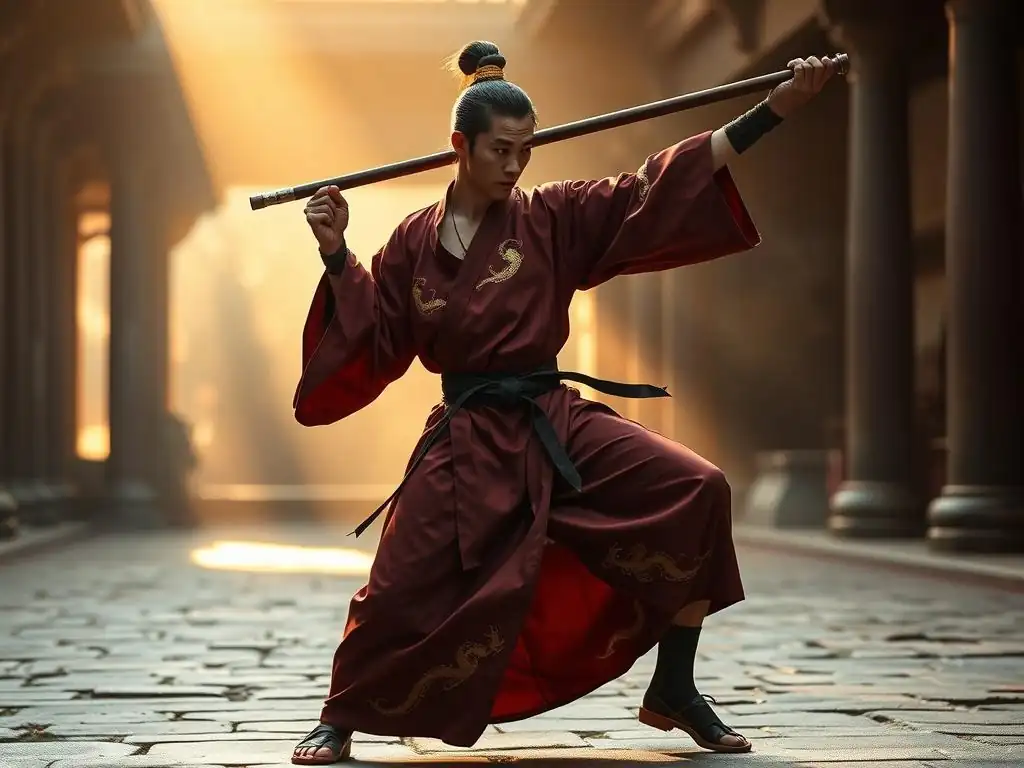
Welcome to Martial Arts Mastery, where tradition meets technique! Dive into the rich tapestry of martial arts, exploring disciplines from around the world. Ever wondered how seemingly simple stances hold centuries of wisdom? This week, we delve into the fascinating world of Ancient martial arts philosophy stances. Prepare to uncover the profound philosophical roots embedded within each posture, unlocking a deeper understanding of both the art and yourself. What secrets do these age-old positions hold? Let's find out!
- Introduction: Unveiling the Connection Between Ancient Philosophy and Martial Arts Stances
- The Philosophical Foundations of Stance: A Historical Perspective
- Specific Martial Arts Stances and Their Philosophical Underpinnings
- Integrating Ancient Philosophy into Modern Martial Arts Training: Practical Applications
- Conclusion: The Enduring Legacy of Ancient Philosophy in Martial Arts Stances
-
Frequently Asked Questions
- How deeply are martial arts stances connected to ancient philosophies?
- Which ancient philosophies most heavily influenced martial arts stances?
- Can understanding the philosophy behind a stance improve its effectiveness?
- Are there specific stances that are more directly linked to philosophical concepts?
- How does focusing on the philosophical aspects of stances contribute to personal growth?
- Final Reflection: Embracing Wisdom in Motion
- Unleash Your Inner Warrior: Embrace the Path of Philosophical Stance!
Introduction: Unveiling the Connection Between Ancient Philosophy and Martial Arts Stances
The Significance of Stance in Martial Arts and Beyond
In the intricate world of martial arts, the stance is far more than merely a starting position; it is the fundamental platform from which all movement, power, and technique originate. A well-executed stance provides stability, allows for efficient generation and transfer of force, and ensures readiness for both offense and defense.
Consider the foundational stances found across various disciplines – from the low, wide bases of traditional Chinese martial arts to the dynamic, higher postures in Korean styles or the rooted structures in Japanese Budo. Each carries specific physical requirements and strategic implications, influencing everything from the speed of a transition to the impact of a strike.
For example, the percentage of body weight distributed in a stance, such as the typical 60-70% forward weight in Karate's Zenkutsu Dachi (Forward Stance), dictates immediate mobility options. Mastery of these fundamental structures is universally acknowledged as critical to a practitioner's development, underpinning physical prowess and tactical acumen.
Beyond its physical mechanics, the ancient martial arts philosophy stances embody principles that resonate deeply with human experience. They are physical manifestations of mental and spiritual states. The discipline required to hold a challenging stance for an extended period, like the endurance test of a prolonged Kiba Dachi (Horse Stance) in some Kung Fu systems, builds not just leg strength but also mental fortitude and perseverance.
The awareness needed to maintain perfect alignment and balance in a seemingly simple posture cultivates mindfulness and presence. Thus, the study and practice of stances connect the practitioner to a lineage of knowledge that acknowledges the holistic nature of martial training, where the physical form is inseparable from inner cultivation and philosophical understanding.
Bridging the Gap: How Philosophy Shapes Physical Practice
The profound connection between ancient philosophy and the physical practice of martial arts stances is a cornerstone of traditional training methodologies. Philosophical principles did not exist in isolation from martial development; rather, they informed and guided it, shaping not only how techniques were performed but also why they were practiced in a particular way. Ancient masters were often scholars, monks, or individuals deeply rooted in philosophical traditions like Taoism, Confucianism, and Zen Buddhism. They saw the martial path as a microcosm of the greater journey of life, applying the same principles of balance, discipline, awareness, and resilience to both.
This integration meant that physical exercises, including stance training, became vehicles for embodying philosophical ideals. For instance, the Taoist principle of non-resistance (Wu Wei) might influence the way a practitioner uses an opponent's force by shifting their weight subtly within a stance rather than meeting force head-on. Confucian emphasis on propriety and ritual could translate into the meticulous attention to detail and respectful performance of kata (prearranged forms) which often begin and end with specific, formal stances.
Zen Buddhist focus on mindfulness would encourage practitioners to be fully present in their stance, aware of their body, breath, and environment. This philosophical depth elevates the practice of martial arts stances from mere physical exercise to a form of embodied wisdom and self-cultivation.
The Philosophical Foundations of Stance: A Historical Perspective
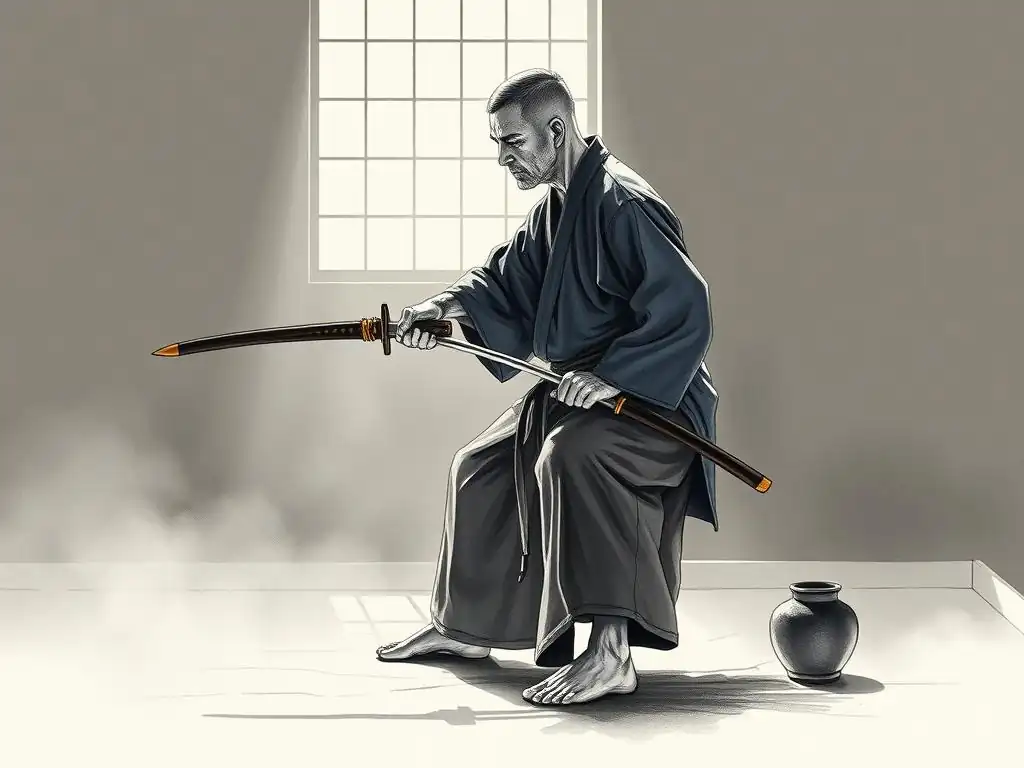
Taoism and the Principle of Balance in Martial Arts Stances
Finding Harmony: How Taoist Principles Influence Weight Distribution
Taoism, with its emphasis on harmony with the natural world and the flow of the Tao (The Way), profoundly influences the concept of balance within ancient martial arts philosophy stances. The physical manifestation of balance in a stance—the distribution of weight, the alignment of the spine, the rootedness of the feet—is seen as a reflection of inner equilibrium. Taoist philosophy teaches that true strength lies not in rigidity, but in adaptability and yielding, much like water flowing around obstacles.
This principle translates into stances that, while appearing solid, possess an inherent readiness to shift and adapt. For example, the "empty" or "live" leg in many stances (like the rear leg in Zenkutsu Dachi or the front leg in Neko Ashi Dachi, Cat Stance) is not merely supporting weight, but is poised for immediate movement, embodying the Taoist concept of potentiality and readiness for change.
The Yin and Yang concept, central to Taoism, is directly applicable to weight distribution in stances. Yin represents stability, rootedness, and receptiveness, while Yang represents mobility, dynamism, and assertiveness. A balanced stance embodies both. Consider the Sanchin Dachi (Hourglass Stance), often associated with internal power development. While appearing stable (Yin), it simultaneously generates internal tension and readiness for explosive movement (Yang). The constant, subtle adjustments a practitioner makes within a stance to maintain equilibrium against internal or external forces reflect the Taoist understanding of the universe as a dynamic interplay of opposing yet complementary forces. Achieving optimal weight distribution (often cited in specific styles, e.g., 50/50 in Kiba Dachi or 70/30 in Zenkutsu Dachi) is not just a mechanical goal, but a pursuit of this dynamic harmony – a state of being both grounded and fluid, stable yet ready to move, embodying the principle of finding harmony through dynamic balance.
The Yin and Yang of Stance: Achieving Stability and Flexibility
The Yin and Yang duality is perhaps most clearly expressed in the physical structure and purpose of ancient martial arts philosophy stances. Every stance, no matter how static it may appear, must possess both stability (Yin) and flexibility (Yang). Stability is provided by the connection to the ground, the skeletal alignment, and the engagement of core muscles, allowing the practitioner to absorb force and maintain their base.
Flexibility, on the other hand, comes from the readiness of the limbs to move, the ability to shift weight rapidly, and the looseness in the joints that permits smooth transitions and dynamic actions. A stance that is purely stable but lacks flexibility is rigid and easily broken; one that is purely flexible but lacks stability is weak and easily unbalanced.
Different stances might emphasize one aspect slightly more than the other, reflecting their primary strategic purpose, but the underlying principle of Yin and Yang balance remains crucial. Kiba Dachi (Horse Stance), with its wide base and low center of gravity, strongly emphasizes Yin (stability and rootedness), but a skilled practitioner maintains Yang readiness in their upper body and the potential for explosive lateral movement.
Neko Ashi Dachi (Cat Stance), with most weight on the rear leg, emphasizes Yang (flexibility and readiness to spring forward or retreat), but still requires sufficient Yin rootedness in the rear leg to prevent being easily pushed over. Mastering the Yin and Yang of stance involves cultivating both unwavering stability and effortless fluidity simultaneously, allowing the practitioner to adapt instantly to changing circumstances, a direct physical application of Taoist philosophical principles.
Confucianism and the Emphasis on Discipline and Form in Martial Arts Posture
Respect for Tradition: Confucian Values Reflected in Classical Stances
Confucianism places a strong emphasis on ritual (Li), social harmony, respect for elders and tradition, and the cultivation of moral character through diligent practice. These values are deeply embedded in the traditional approach to training ancient martial arts philosophy stances.
The precise, almost ritualistic, execution of classical stances in many martial arts, particularly those with strong historical ties to China and cultures influenced by Confucianism, is a direct reflection of the importance placed on form and propriety. Learning a stance correctly, paying meticulous attention to the angle of the feet, the bend of the knees, the position of the hips and spine, is not just about physical mechanics; it is an act of respecting the lineage of masters who developed and passed down these forms.
The adherence to prescribed forms in stances and kata (or tàolù in Chinese martial arts) is a form of physical ritual that instills discipline and connects the practitioner to the historical and cultural roots of their art. This echoes the Confucian value of Xiao (filial piety) and respect for authority and tradition.
Deviating from the established form is often seen not just as a technical error, but as a lack of discipline and respect for the art's heritage. For example, in many traditional Karate dojos, the exact height and width of a Zenkutsu Dachi or Kiba Dachi are taught with specific, almost uniform, measurements, and practitioners strive for years to perfect these forms, seeing it as a necessary step in their journey of self-cultivation and adherence to the Way (Dao) of their specific martial art.
The Importance of Correct Form: Cultivating Virtue Through Physical Training
Confucianism views self-cultivation ( Xiūshēn) as a lifelong process aimed at developing moral character and becoming a virtuous person. The rigorous practice of correct form in ancient martial arts philosophy stances is seen as a powerful method for achieving this.
The discipline required to maintain a challenging stance, such as holding a deep Kiba Dachi for several minutes, builds not only physical strength but also mental fortitude, patience, and perseverance – qualities highly valued in Confucian ethics. The focus on precision and detail in executing each element of a stance trains the mind to be attentive and meticulous, fostering a sense of responsibility and commitment.
Furthermore, the structured nature of stance training and the emphasis on correcting errors by instructors mirror the Confucian approach to education and moral guidance. The master (sensei, sifu) serves as a guide, correcting the student's form, which is analogous to correcting moral shortcomings.
The student's willingness to accept correction and strive for perfection in their stance reflects their commitment to self-improvement and the cultivation of virtue ( De). Through the disciplined practice of correct form in stances, the practitioner embodies Confucian ideals of diligence, respect, propriety, and the continuous pursuit of excellence, viewing physical training as a path towards moral and personal betterment.
Zen Buddhism and the Concept of Mindfulness in Martial Arts Positioning
Being Present: Achieving Focus and Awareness in Every Stance
Zen Buddhism, with its emphasis on meditation (Zazen), mindfulness, and the direct experience of reality, profoundly influences the internal aspects of practicing ancient martial arts philosophy stances. The core principle here is being present in the moment, fully aware of one's body, breath, and surroundings. When holding a stance, a Zen-influenced approach encourages the practitioner to go beyond the physical mechanics and become deeply aware of their internal state – the tension in their muscles, the rhythm of their breath, the flow of energy (Qi/Ki). This heightened awareness allows for subtle adjustments to maintain perfect balance and readiness.
This focus on mindfulness transforms stance practice into a form of moving meditation. Instead of merely enduring the physical discomfort of a low stance, the practitioner observes the sensations without judgment, cultivating resilience and equanimity. The goal is to achieve a state of focused relaxation, where the body is rooted and stable, yet the mind is calm and alert, ready to respond instantly.
This state, often referred to as Mushin (empty mind) in Japanese martial arts, is cultivated through the disciplined practice of being fully present in each stance, letting go of distracting thoughts and focusing solely on the here and now. For instance, the simple act of standing in a fundamental stance like Heiko Dachi (Parallel Stance) becomes an exercise in focused awareness, observing posture, breath, and the connection to the ground.
The Empty Mind: Letting Go of Tension and Embracing Fluidity
The Zen concept of Mushin (empty mind) is central to achieving true mastery in ancient martial arts philosophy stances and subsequent movement. It refers to a state where the mind is free from fear, anger, overthinking, and ego – a state of pure, unadulterated awareness and spontaneity. In the context of stances, cultivating the empty mind means letting go of unnecessary physical and mental tension. Excess tension in a stance makes the body rigid, reduces flexibility, and hinders the smooth flow of movement and power. It also clouds judgment and reaction speed.
Embracing fluidity while maintaining structural integrity is the physical manifestation of the empty mind in stance. The practitioner is rooted and stable, but not stiff. They are ready to move in any direction without conscious thought, reacting instinctively and effectively.
This is achieved through dedicated practice that goes beyond mere physical repetition, incorporating mindful awareness to identify and release tension points. A perfectly executed stance, viewed through a Zen lens, is one that is structurally sound yet possesses an underlying readiness for dynamic, spontaneous action, embodying the paradox of rootedness and fluidity, stability and adaptability – a physical state born from a calm and empty mind, allowing the true potential of the stance to manifest effortlessly.
Specific Martial Arts Stances and Their Philosophical Underpinnings
Zenkutsu Dachi (Forward Stance): The Philosophy of Forward Momentum and Commitment
The Pursuit of Progress: Embracing Impermanence and Continuous Improvement in Zenkutsu Dachi
Zenkutsu Dachi, or Forward Stance, a cornerstone in many Karate styles and other martial arts, physically embodies the philosophy of forward momentum, commitment, and the pursuit of progress. In this stance, the majority of the weight (often cited as 60-70%) is placed on the front leg, with the rear leg straight and providing stability and drive. This structure inherently biases movement forward, suggesting an active engagement with the environment or opponent.
Philosophically, this can be interpreted through the lens of dynamic principles found in various ancient traditions, including the idea of continuous change and impermanence. Just as life is a constant flow, Zenkutsu Dachi is not a static endpoint but a transient position, a point of readiness for the next action – a step, a strike, a block.
The commitment required to maintain a low, deep Zenkutsu Dachi for extended periods reflects the philosophical virtue of perseverance and dedication to the path of improvement. It demands physical strength and mental resolve. The forward inclination signifies confronting challenges directly rather than retreating.
This aligns with the idea of embracing the journey of continuous improvement ( Kaizen in Japanese philosophy), recognizing that mastery is not a destination but an ongoing process. The structure of Zenkutsu Dachi, poised for forward action, serves as a physical reminder that growth and progress require active engagement, forward movement, and unwavering commitment, embodying the philosophical drive towards self-betterment and confronting obstacles head-on.
Utilizing Zenkutsu Dachi for Offensive and Defensive Transitions
Zenkutsu Dachi is strategically designed for powerful forward movement and stability in engaging an opponent. Its structure, with the strong front leg and rooted rear leg, allows for significant linear power generation for punches, strikes, and forward driving techniques. This offensive capability is clear: a practitioner in Zenkutsu Dachi is primed to close distance and deliver force. However, the stance is equally crucial for defensive transitions. The stability it provides allows the practitioner to absorb incoming force or maintain balance while blocking or evading.
Furthermore, the stance is a platform for rapid transitions. From Zenkutsu Dachi, a practitioner can instantly shift weight back for a retreat (e.g., into Kokutsu Dachi), pivot, or change direction. The "live" rear leg, while straight and rooted, is also coiled, ready to propel the body forward or facilitate a shift.
This dynamic capability within a seemingly stable stance reflects the philosophical principle of adaptability and readiness for change. For instance, in a sparring scenario, a practitioner might use Zenkutsu Dachi to pressure an opponent, transitioning instantly to a defensive posture or evasive movement based on the opponent's reaction. The effective use of Zenkutsu Dachi relies on understanding its inherent bias towards forward action while simultaneously cultivating the ability to transition smoothly, embodying the strategic wisdom of being both committed and adaptable.
Kiba Dachi (Horse Stance): The Philosophy of Grounding and Inner Strength
The Value of Perseverance: Cultivating Unwavering Stability and Focus in Kiba Dachi
Kiba Dachi, or Horse Stance, is ubiquitous in various martial arts, from Okinawan Karate to numerous styles of Kung Fu, and is renowned for building foundational strength and stability. Physically, it involves a wide base with feet parallel or slightly angled, knees deeply bent, and the back straight. Holding a low Kiba Dachi for an extended period is physically taxing, demanding significant strength in the legs and core.
Philosophically, this stance is a powerful embodiment of perseverance, resilience, and the cultivation of inner strength. The physical challenge forces the practitioner to confront discomfort and fatigue, pushing their limits and building mental toughness.
The unwavering stability of a well-executed Kiba Dachi symbolizes being deeply rooted, both physically and metaphorically. It represents an unshakeable core and the ability to stand firm against external pressures. This resonates with philosophical ideas about developing inner resilience and maintaining one's center amidst chaos.
The focus required to maintain correct posture and depth while the muscles burn cultivates concentration and mental discipline. For example, traditional training might involve holding Kiba Dachi for several minutes, sometimes with added exercises like punching or blocking from the stance, specifically to build this physical and mental tenacity. The value derived from mastering Kiba Dachi lies not just in the physical strength gained, but in the profound cultivation of perseverance and an unshakeable inner core.
Kiba Dachi and the Development of Core Strength and Stability
Kiba Dachi is a fundamental stance for developing powerful legs, hips, and particularly, core strength. The low, wide base and upright torso necessitate significant engagement of the abdominal muscles, lower back, and glutes to maintain posture and prevent collapsing. This core engagement is vital for generating power in techniques originating from the stance, such as punches or blocks, and for maintaining stability when struck. The isometric hold required to maintain the stance builds muscular endurance and static strength throughout the lower body and trunk.
The physical stability developed through Kiba Dachi practice translates directly into improved balance and rootedness in all other stances and movements. A strong core, cultivated by this stance, acts as the central pillar connecting the upper and lower body, allowing for efficient transfer of power and greater control.
Many traditional martial arts emphasize Kiba Dachi training precisely because it builds this fundamental physical foundation. While specific data on muscle engagement percentages is complex and varies by individual, the anatomical demands of maintaining this low posture clearly target the major muscle groups responsible for core stability and lower body power, demonstrating its critical role in developing the physical attributes necessary for effective martial application and embodying the philosophical principle of building strength from a solid foundation.
Sanchin Dachi (Hourglass Stance): The Philosophy of Internal Power and Resilience
The Importance of Self-Control: Harnessing Internal Energy and Maintaining Composure in Sanchin Dachi
Sanchin Dachi, or Hourglass Stance, prominent in Okinawan Karate and some Southern Chinese martial arts, is deeply associated with the philosophy of internal power ( Qi/Ki) and resilience. This stance is characterized by a narrow, pigeon-toed front foot and an angled rear foot, creating internal tension and a sense of being 'locked in'. The practice of Sanchin Kata, performed in this stance, often involves controlled breathing (Ibuki) and muscular tension.
Philosophically, Sanchin Dachi embodies the principle of self-control and the harnessing of internal energy. The physical tension maintained throughout the body is not mere stiffness, but a controlled engagement designed to unify the body's structure and focus internal power.
Maintaining composure and correct form under the physical and mental demands of Sanchin practice requires significant self-control. The controlled breathing helps regulate the nervous system and maintain focus, even when exerting intense physical effort or receiving conditioning strikes (common in some traditional Sanchin training methods). This aligns with philosophical ideals of maintaining equanimity and inner stability amidst external pressure.
The internal energy cultivated is not just physical strength, but a focused intent and internal 'rootedness' that makes the practitioner resilient to both physical blows and psychological challenges. The practice of Sanchin Dachi is therefore a direct exercise in mastering one's internal state, embodying the philosophical importance of self-control and the cultivation of inner power as the source of true strength and resilience.
Sanchin Dachi and the Development of Body Armor and Mental Fortitude
Sanchin Dachi practice is renowned for developing what is often referred to as "body armor" and significant mental fortitude. The physical structure of the stance, combined with controlled tension and breathing, is designed to create a unified, strong structure that can absorb impact. In traditional training, practitioners in Sanchin Dachi might receive conditioning strikes from their instructor to test and improve their ability to absorb force while maintaining posture and internal connection. This process physically toughens the body and trains the practitioner to maintain composure and expel energy upon impact.
Beyond the physical conditioning, the rigorous practice of Sanchin Dachi and its associated kata builds immense mental fortitude. The ability to maintain intense physical and mental focus, control breathing, and withstand discomfort or impact cultivates resilience and willpower. The internal tension and focus required leave little room for external distractions or fear.
This psychological conditioning is as important as the physical. The stance becomes a physical anchor for mental toughness, embodying the philosophical principle that true resilience comes from within, forged through disciplined practice and the integration of body and mind. The development of this 'body armor' is not just about physical hardness, but about creating an integrated, resilient structure – a physical manifestation of profound internal strength and mental fortitude cultivated through dedicated practice of this ancient martial arts philosophy stances.
Integrating Ancient Philosophy into Modern Martial Arts Training: Practical Applications
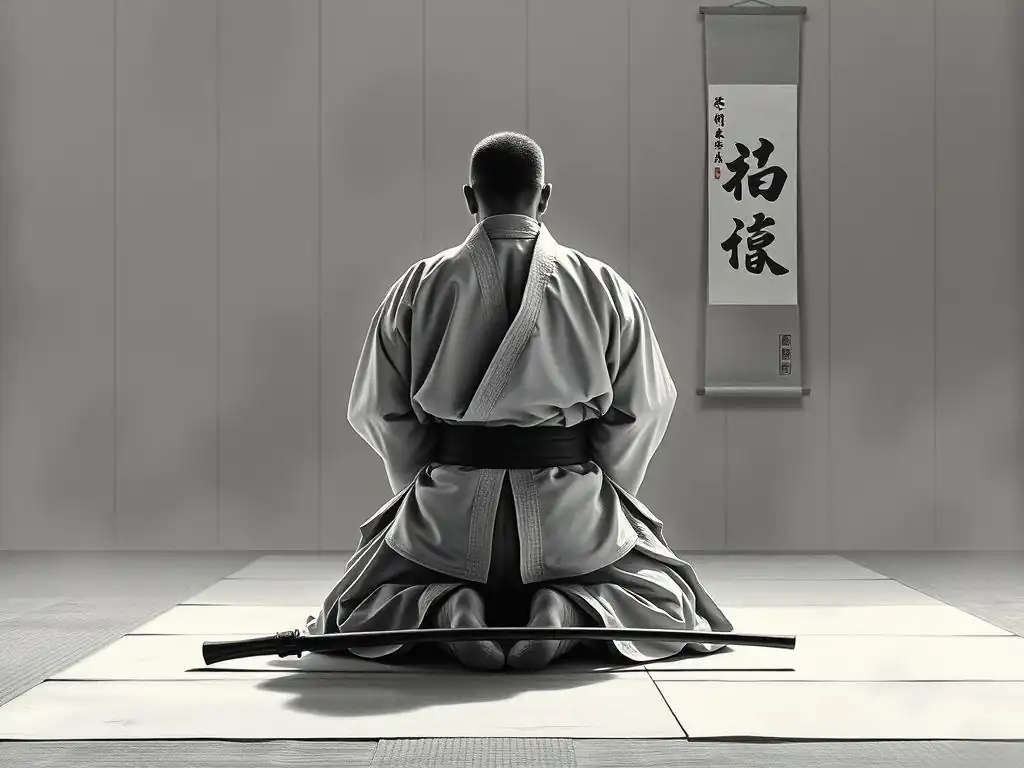
Cultivating a Deeper Understanding of Stance Through Philosophical Study
Integrating ancient philosophy into modern martial arts training enriches the practice of stances immeasurably. Simply learning the physical form of a stance is akin to learning the alphabet without understanding language. By studying the philosophical roots – Taoism's balance, Confucianism's discipline, Zen's mindfulness – practitioners gain a deeper appreciation for why stances are structured as they are and how they function beyond mere mechanics.
This understanding moves training from rote memorization to meaningful embodiment. For example, knowing the Taoist principle of fluidity within stability can change how a practitioner feels and adjusts their weight in a Kiba Dachi, making it less rigid and more adaptable.
This philosophical study can be integrated in practical ways:
- Discussion Sessions: Dedicating time in class to discuss the philosophical principles behind specific stances.
- Reading Assignments: Recommending texts on relevant philosophies (e.g., excerpts from the Tao Te Ching, Analects of Confucius, or Zen Buddhist sutras) and discussing their application to physical training.
- Guided Meditation/Mindfulness: Incorporating short mindfulness exercises before or during stance practice to encourage internal awareness.
- Journaling: Encouraging students to reflect on their physical sensations and mental state while practicing stances, connecting them to philosophical concepts.
This approach transforms stance training from a purely physical drill into a holistic practice that engages the mind and spirit, leading to a more profound connection with the ancient martial arts philosophy stances.
Applying Philosophical Principles to Improve Technique and Performance
Applying philosophical principles directly enhances physical technique and overall performance in martial arts. Understanding the Yin/Yang balance from Taoism, for instance, helps a practitioner optimize weight distribution in stances for both stability and mobility, leading to more effective transitions and techniques. Recognizing the Confucian emphasis on correct form encourages meticulous attention to detail in posture and alignment, which is crucial for generating maximum power and preventing injury. Applying Zen mindfulness improves focus, reaction time, and the ability to remain calm under pressure.
Practical applications include:
- Mindful Stance Checks: Instructors guiding students to internally check their balance, tension levels, and alignment while holding a stance, linking physical sensations to mental states.
- Focus on Breath: Integrating controlled breathing techniques (like the Ibuki breathing of Sanchin Kata) into other stances to cultivate internal energy and composure, as emphasized in some philosophical traditions.
- Intent (Yi) vs. Brute Force (Li): Teaching students to move from a stance with focused intent rather than just muscular effort, drawing on concepts of internal power found in Taoism and Zen.
- Adaptability Drills: Practicing transitioning between stances rapidly and smoothly, emphasizing the Taoist principle of responding naturally to changing circumstances rather than relying on rigid patterns.
By consciously applying these ancient martial arts philosophy stances principles, practitioners can refine their techniques, increase their efficiency, and perform at a higher level, demonstrating that philosophy is not just abstract thought but a practical tool for physical mastery.
The Mind-Body Connection: Enhancing Martial Arts Practice with Philosophical Awareness
The strongest practical application of integrating ancient philosophy into martial arts stance training is the cultivation and strengthening of the mind-body connection. Traditional philosophies universally acknowledge the interconnectedness of the physical and mental realms. Stances, as physical postures imbued with philosophical meaning, serve as powerful vehicles for unifying these aspects. When a practitioner understands the philosophical 'why' behind a stance, their physical execution becomes more informed, more intentional, and more powerful. The body holds the posture, but the mind understands its purpose and embodies its underlying principle.
Developing this connection through philosophical awareness in stance practice leads to:
- Increased Proprioception: A heightened awareness of the body's position and movement in space, crucial for balance and coordination.
- Improved Focus and Concentration: The ability to maintain mental clarity and single-pointed focus during demanding physical activity.
- Greater Emotional Regulation: Learning to control reactions to physical discomfort or stress through mindful awareness cultivated in challenging stances.
- Enhanced Power Generation: Understanding how correct alignment and internal connection (as emphasized in philosophies linking mind, body, and energy) unlock greater physical power.
Ultimately, approaching ancient martial arts philosophy stances with philosophical awareness transforms the practice from a series of physical exercises into a path of holistic self-mastery, where the body and mind work in concert, guided by timeless wisdom.
Conclusion: The Enduring Legacy of Ancient Philosophy in Martial Arts Stances
The Importance of Preserving and Understanding Philosophical Roots
The enduring legacy of ancient philosophy in martial arts stances is undeniable and profoundly important. These philosophical roots provide the 'soul' of the physical practice, offering layers of meaning and purpose that go far beyond mere combat effectiveness. Preserving and understanding these roots is crucial for several reasons. Firstly, it honors the history and cultural heritage of these disciplines, connecting contemporary practitioners to the wisdom and dedication of past masters. Without this understanding, martial arts risk becoming purely physical exercises, losing the depth and transformative potential that has characterized them for centuries.
Secondly, understanding the philosophical underpinnings enhances the effectiveness of the physical training itself. As discussed, principles like balance, discipline, and mindfulness, drawn from Taoism, Confucianism, and Zen, directly inform and improve the execution of stances and subsequent techniques. Ignoring these principles can lead to superficial practice and limit a practitioner's growth.
Furthermore, the philosophical dimension provides a moral and ethical framework for martial arts, emphasizing self-control, respect, and perseverance over aggression or violence. This aspect is vital for ensuring that these powerful skills are used responsibly. Therefore, dedicated effort must be made to pass down not just the techniques, but also the philosophical wisdom embedded within ancient martial arts philosophy stances.
Further Exploration: Continuing the Journey of Philosophical Discovery in Martial Arts
The journey into the philosophical roots of ancient martial arts philosophy stances is a continuous process of discovery. It requires ongoing study, reflection, and dedicated practice. Practitioners are encouraged to delve deeper into the philosophical traditions that influenced their specific style, exploring texts, engaging in discussions with instructors and peers, and, most importantly, applying these principles mindfully during their physical training. The dojo or kwoon becomes not just a place for physical exercise, but a laboratory for exploring the mind-body connection and cultivating virtue through embodied practice.
Areas for further exploration could include:
- Investigating how other philosophical traditions (e.g., Shinto, Legalism, or specific regional philosophies) may have influenced martial arts in different cultures.
- Comparing and contrasting the philosophical interpretations of similar stances across different martial arts styles.
- Exploring the connection between philosophical concepts and other aspects of martial arts training, such as breathing techniques, meditation, and kata/forms.
- Reflecting on how the challenges and lessons learned in stance training, informed by philosophy, can be applied to navigating challenges in daily life.
By continuing to explore and integrate the ancient wisdom embedded in martial arts stances, practitioners can deepen their understanding of themselves and the art, ensuring that the legacy of these profound practices continues to thrive, offering a path not just to physical prowess, but to holistic self-mastery.
Frequently Asked Questions
How deeply are martial arts stances connected to ancient philosophies?
Martial arts stances are deeply intertwined with ancient philosophies, serving as physical embodiments of concepts like balance, mindfulness, and harmony. These philosophies influenced the development and application of various stances.
Which ancient philosophies most heavily influenced martial arts stances?
Philosophies such as Taoism, Buddhism, and Confucianism have profoundly impacted martial arts stances. These philosophies emphasize inner peace, ethical conduct, and understanding the natural world, all reflected in stance development.
Can understanding the philosophy behind a stance improve its effectiveness?
Yes, understanding the philosophy behind a stance can significantly improve its effectiveness. It allows the practitioner to connect mind and body, leading to increased power, stability, and strategic advantage.
Are there specific stances that are more directly linked to philosophical concepts?
Certain stances, like the horse stance (related to grounding) and the cat stance (related to adaptability), are more directly linked to philosophical concepts. They represent core principles within the martial art's philosophical framework.
How does focusing on the philosophical aspects of stances contribute to personal growth?
Focusing on the philosophical aspects encourages self-reflection, discipline, and ethical awareness. This fosters holistic development beyond physical prowess, contributing to personal growth and character building.
Final Reflection: Embracing Wisdom in Motion
The exploration of ancient martial arts philosophy stances reveals more than just fighting techniques; it unveils a profound connection between physical discipline and spiritual understanding. This synthesis of mind, body, and spirit, once central to these ancient practices, remains incredibly relevant today, offering a pathway to mindfulness and self-mastery in a world often dominated by distraction and superficiality. The principles embedded within each stance, from the grounded stability of the horse stance to the fluid adaptability of the cat stance, provide a tangible framework for navigating the challenges of modern life with grace and resilience.
The enduring influence of these philosophical roots is undeniable, shaping not only martial arts but also influencing broader cultural perceptions of strength, balance, and inner peace. Personally, understanding these stances has shifted my perspective on movement, transforming it from a purely physical act into a conscious expression of intention and awareness. The journey of a thousand miles begins with a single step.
This ancient proverb perfectly encapsulates the essence of martial arts philosophy, reminding us that even the most complex achievements are built upon a foundation of fundamental principles and consistent effort.
As we conclude this exploration, I invite you to reflect on the wisdom embedded within these ancient martial arts philosophy stances. Consider how the principles of balance, focus, and adaptability can be applied to your own life, fostering greater self-awareness and resilience in the face of adversity. Embrace the opportunity to cultivate inner strength, not just through physical practice, but through a deeper understanding of the philosophical roots that underpin all meaningful movement. Let the wisdom of the ancients guide you towards a more balanced, purposeful, and fulfilling existence.
Unleash Your Inner Warrior: Embrace the Path of Philosophical Stance!
Thank you for delving into the philosophical depths of martial arts stances. We hope you’ve gained a deeper appreciation for the connection between mind, body, and spirit. Ready to put wisdom into action?
Here’s how you can take the next step:
- Embrace the Essence: Dedicate 15 minutes daily to visualizing the philosophical principles behind your favorite stance before practicing.:
- Share your insights: Discuss your newfound understanding with fellow martial artists or teachers.
- Dive deeper: Explore philosophical texts related to your martial art's origins.
What philosophical insight resonated most with you, and how will you integrate it into your martial arts practice today?