
Grandmaster Anciong Bacon: The Visionary Founder of Balintawak Eskrima

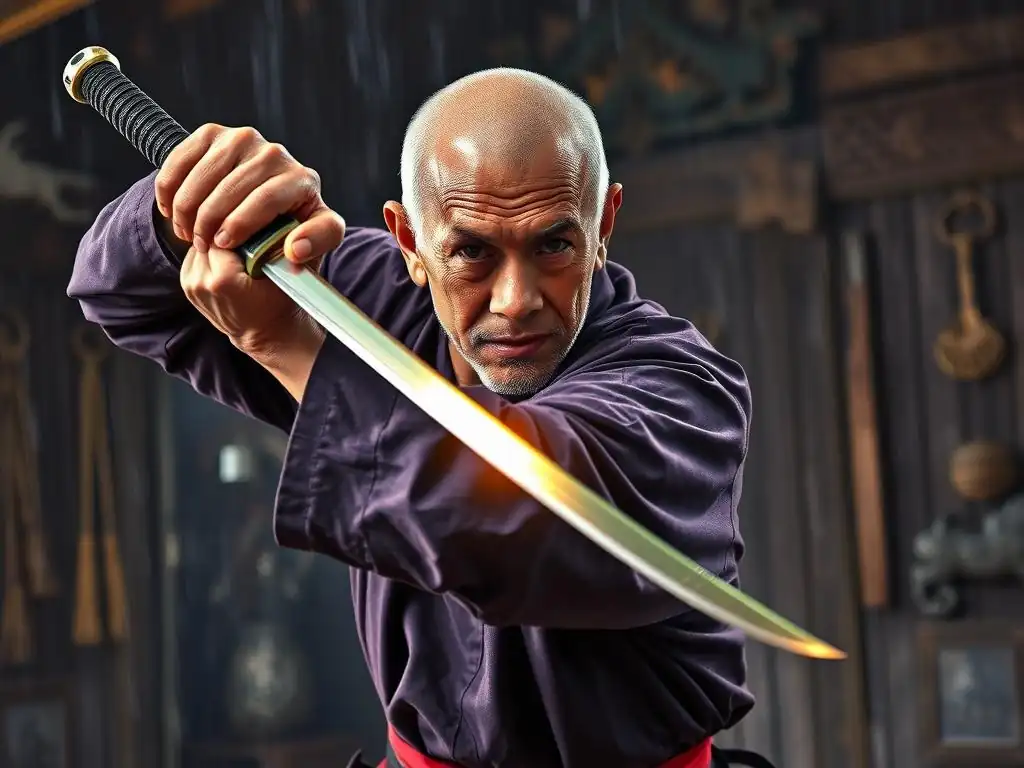
Welcome to Martial Arts Mastery, where we delve into the rich tapestry of combat traditions worldwide. What secrets lie hidden within the movements of legendary martial artists? Today, we begin to unravel one such enigma as we explore the life and legacy of Balintawak Eskrima Grandmaster Anciong Bacon, a visionary whose impact on Filipino martial arts continues to resonate. Prepare to discover the innovative spirit and profound influence of this true master.
- Introduction to Balintawak Eskrima and Grandmaster Anciong Bacon
- The Early Life and Martial Arts Training of Anciong Bacon
- Founding Balintawak Eskrima: A New Approach to Fighting
- Anciong Bacon's Revolutionary Training Methodology
- Key Figures and Successors in Balintawak Eskrima
- Balintawak Eskrima vs. Other Eskrima Styles: A Comparison
- The Enduring Impact of Grandmaster Anciong Bacon on Martial Arts
- Learning Balintawak Eskrima: Finding a Reputable School
- Frequently Asked Questions
- Final Reflection: The Enduring Legacy of Balintawak
- Ignite Your Inner Balintawak Warrior!
Introduction to Balintawak Eskrima and Grandmaster Anciong Bacon
The Legacy of Anciong Bacon in Philippine Martial Arts
Grandmaster Venancio "Anciong" Bacon stands as a monumental figure in the rich tapestry of Philippine martial arts, particularly for his pioneering role in establishing Balintawak Eskrima. Born in 1912 in San Nicolas, Cebu City, Bacon dedicated his life to the study, refinement, and propagation of eskrima, the indigenous Filipino art of stick fighting and self-defense.
His legacy is not merely that of a skilled practitioner but of a visionary who distilled complex martial principles into a highly effective, combat-oriented system. The impact of Anciong Bacon reverberates through generations of Eskrima practitioners, solidifying his place as a true master and innovator in the Filipino martial arts community.
His contributions extended beyond technique; he fostered a specific training methodology and philosophy centered on practical application and instinctual response. Unlike some contemporaries who focused on elaborate forms or weapon variations, Anciong Bacon emphasized efficiency and directness, primarily utilizing the single stick. This focus allowed practitioners to develop deep proficiency in core principles, making Balintawak Eskrima a formidable system renowned for its close-quarters effectiveness and practical self-defense applications. The distinct approach championed by Balintawak Eskrima Grandmaster Anciong Bacon continues to influence martial artists worldwide.
Understanding Balintawak Eskrima: A Unique Fighting System
Balintawak Eskrima is characterized by its focus on close-range combat, economy of motion, and rapid, decisive strikes. Developed by Anciong Bacon, it emerged from a desire to create a more direct and efficient fighting method compared to some of the broader, multi-weapon systems prevalent at the time in Cebu. The system is built upon fundamental principles of positioning, timing, and flow, emphasizing the ability to defend against and counter attacks simultaneously. While practitioners often train with a single stick, the principles are designed to be applicable to empty hands, bladed weapons, and improvised tools.
A key aspect that defines Balintawak Eskrima is its intricate footwork and body mechanics, which allow practitioners to generate significant power and maintain balance in confined spaces. The system teaches sensitivity and awareness, enabling students to "feel" the opponent's intentions through contact. This tactile feedback is crucial for executing quick, appropriate responses. The unique approach developed by Balintawak Eskrima Grandmaster Anciong Bacon prioritized effectiveness in real-world confrontation over performance or complex choreography.
The Early Life and Martial Arts Training of Anciong Bacon
Anciong Bacon's Formative Years in Cebu
Venancio "Anciong" Bacon was born into a time and place where eskrima was not just a martial art but a vital skill for self-preservation. Growing up in Cebu, a hotbed of Filipino martial arts development, he was exposed to various fighting traditions from a young age. The environment was one where personal protection was paramount, and proficiency in eskrima offered a significant advantage. Details about his earliest childhood training are somewhat sparse, but it is widely accepted that he began his martial arts journey under the tutelage of respected masters of the era.
His upbringing in Cebu City, a bustling port city, likely exposed him to diverse influences and practical needs for self-defense. This practical necessity shaped his perspective on martial arts, instilling in him a focus on functional effectiveness. The cultural context of Cebu, with its strong tradition of eskrima, provided a fertile ground for a talent like Bacon to emerge and eventually develop his own distinct system, Balintawak Eskrima.
Influences on Anciong Bacon's Eskrima Development
Anciong Bacon's martial arts foundation was significantly influenced by Lorenzo Saavedra, a prominent figure in Cebuano eskrima and one of the founders of the Doce Pares Club. Bacon was a key member of the original Doce Pares group, which brought together many of Cebu's top eskrimadors in the 1930s. Training under Saavedra and alongside other skilled practitioners provided Bacon with a solid grounding in traditional eskrima principles and techniques. This period was crucial for him to absorb a wide range of knowledge and hone his skills against diverse sparring partners.
While he learned from the established masters, Bacon also possessed a keenly analytical mind and a desire to refine and improve upon existing methods. He observed that some traditional approaches, while effective, could be streamlined for greater efficiency in live combat. This critical perspective, combined with his exceptional natural ability and relentless dedication to practice, led him to question and ultimately adapt the techniques he learned, laying the groundwork for what would eventually become Balintawak Eskrima. His time among the leading eskrimadors of Cebu was formative, but it was his independent thought that defined his later path.
Founding Balintawak Eskrima: A New Approach to Fighting
The Origins of Balintawak Self-Defense Club
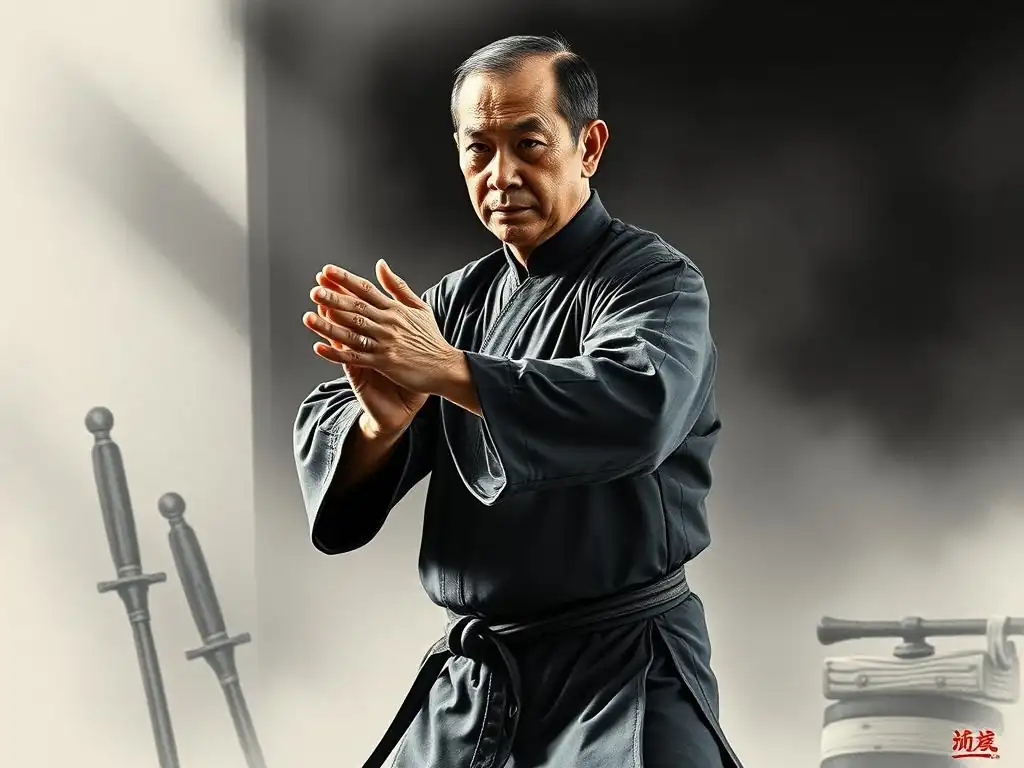
The establishment of the Balintawak Self-Defense Club in 1952 marked a pivotal moment in the history of Filipino martial arts. Anciong Bacon, along with a core group of dedicated students, founded the club in the backyard of a watch shop on Balintawak Street in Cebu City. This location gave the new system its name and became the birthplace of Balintawak Eskrima. The founding of the club signaled a departure from the larger, more politically complex martial arts organizations of the time. Bacon sought to create a training environment focused purely on developing highly skilled, practical fighters.
The initial members were drawn to Bacon's reputation as a formidable fighter and his distinct teaching methodology. The club started small, emphasizing intensive, one-on-one training and sparring. This intimate setting allowed Bacon to personally guide each student, ensuring they grasped the core principles and developed the necessary attributes. The Balintawak Self-Defense Club quickly gained a reputation for producing exceptionally capable eskrimadors, distinct from other styles prevalent in Cebu.
Balintawak Eskrima's Core Principles and Techniques
Balintawak Eskrima is fundamentally built around the concept of "sumbrada," a continuous flow drill that develops timing, distance, and reflexive defense-and-countering. The system emphasizes a high level of proficiency with a single stick, believing that mastery of one weapon translates effectively to others and empty hands. Core principles include maintaining proper distance (largely close-range), utilizing angles for attack and defense, and exploiting openings quickly. Techniques are direct and economical, focusing on vital targets.
The technical repertoire includes various strikes (forehand, backhand, thrusts), blocks, checks, disarms, and follow-up techniques. Unlike some styles that might catalog hundreds of distinct techniques, Balintawak focuses on applying a smaller set of principles and movements with fluidity and adaptability. The emphasis is on understanding the 'why' behind the movement and developing the ability to react spontaneously under pressure. This practical, principle-based approach is a hallmark of the system created by Balintawak Eskrima Grandmaster Anciong Bacon.
Anciong Bacon's Revolutionary Training Methodology
Emphasis on Single Stick Training in Balintawak
One of the most distinctive aspects of Balintawak Eskrima, as developed by Anciong Bacon, is its primary focus on single-stick training. While many other eskrima styles incorporate double sticks, knife, and empty hands from the outset, Bacon believed that mastering the dynamics of the single stick provided the most efficient path to developing essential martial attributes applicable across all weapons and ranges. He argued that the principles of timing, distance, power generation, and defense learned with one stick are foundational and transfer directly.
Training typically begins and heavily emphasizes the single stick, with empty hands and other weapons often introduced later as extensions of these core principles. This deep dive into single-stick mechanics allows students to build a strong foundation in footwork, body mechanics, and the ability to read an opponent's movements. The logic was that if you could effectively defend and counter a single stick attack, adapting to other weapons became significantly easier. This specialized focus was a departure from the norm and a key innovation of Anciong Bacon.
Developing Reflexes and Instinct in Balintawak Eskrima
Anciong Bacon's training methodology was heavily geared towards cultivating instinctive, reflexive responses rather than relying on memorized sequences. This was achieved through dynamic, often unpredictable drills and sparring. The famous "grouping" or "circle" method, where a student faces multiple attackers consecutively or simultaneously, is a prime example of this approach. These drills force the student to react instantaneously to varied attacks from different angles, developing peripheral vision, adaptability, and the ability to function under pressure.
Another crucial element was the emphasis on sensitivity and "feeling" the opponent's stick or body. Through contact drills, students learn to interpret slight pressures or shifts in weight to anticipate the next action. This intuitive understanding, combined with constant live application (sparring), hones reflexes to a high degree. Bacon's teaching wasn't about teaching a fixed set of moves but about training the body and mind to react effectively to any given situation, embodying the practical self-defense ethos of Balintawak Eskrima Grandmaster Anciong Bacon.
Key Figures and Successors in Balintawak Eskrima
Notable Students: Venancio Bacon, Delfin Lopez, Timoteo Maranga
Grandmaster Anciong Bacon produced many highly skilled practitioners who went on to propagate Balintawak Eskrima. Among the most prominent are figures like Delfin Lopez, Teofilo Velez, Jose Villasin, and Timoteo Maranga. These individuals were part of Bacon's inner circle and were instrumental in developing the system further and spreading it both within the Philippines and internationally. Delfin Lopez, for instance, was known for his speed and precision, while Teofilo Velez played a significant role in organizing and formalizing some aspects of the training structure, including the ranking system.
Jose Villasin, another top student, collaborated closely with Bacon and Velez. Timoteo Maranga founded his own branch, "Ting" Maranga Balintawak. These pioneers, along with others like Isidro Casio and Bobby Taboada (a student of Velez and Villasin who popularized the style in the US), carried the torch passed down by Anciong Bacon. While each successor might have added their own nuances, they remained fundamentally rooted in the core principles and methodology taught by the founder of Balintawak Eskrima.
Preserving and Promoting Balintawak Eskrima's Legacy
The preservation and promotion of Balintawak Eskrima after Grandmaster Anciong Bacon's passing have been largely the responsibility of his senior students and their successors. Various organizations and schools have emerged, each representing a lineage tracing back to Bacon. While some minor variations in teaching methods or emphasis might exist between different lineages (e.g., Taboada, Velez, Villasin, Maranga lines), the fundamental techniques, principles, and the unique training methodology remain consistent.
Efforts to promote the style include establishing schools globally, conducting seminars, and publishing instructional materials. The structured ranking systems developed by successors like Teofilo Velez helped standardize progression through the art. Today, Balintawak Eskrima is practiced in many countries, a testament to the effectiveness and appeal of the system created by Grandmaster Anciong Bacon. Instructors often emphasize the importance of understanding the history and lineage to maintain the integrity of the art as it was intended by its founder.
Balintawak Eskrima vs. Other Eskrima Styles: A Comparison
Distinguishing Features of Balintawak Eskrima
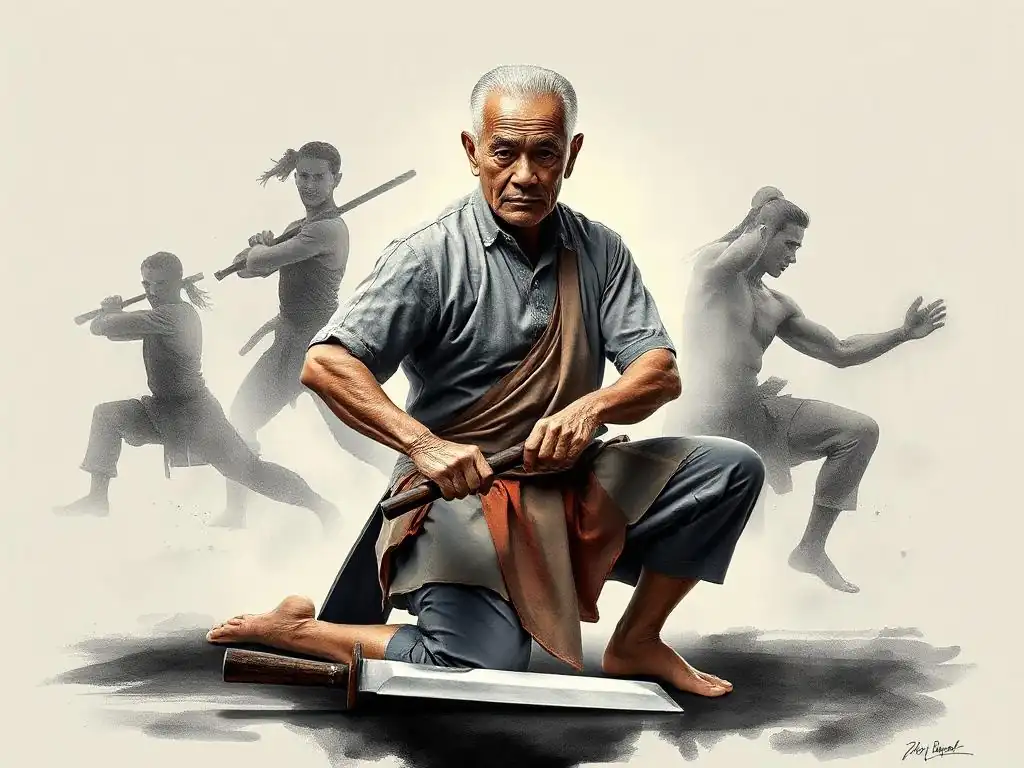
Compared to many other Filipino martial arts, Balintawak Eskrima is often distinguished by its extreme focus on close-quarters fighting, its emphasis on a single stick as the primary training tool, and its dynamic, reactive training methodology aimed at developing instinct. While styles like Doce Pares might incorporate twelve different weapons and ranges, Balintawak hones in on the "corto" (close) range and the single stick, believing mastery there provides universal applicability. The training process is less about learning pre-arranged forms and more about spontaneous, reflexive responses to dynamic input.
Another distinguishing feature is the intensity of its core drills, particularly the continuous sparring known as sumbrada and the group training method. These drills are designed to overwhelm the student initially, forcing them to develop speed, timing, and the ability to find openings under pressure. The system also places a strong emphasis on checking the opponent's weapon or limb with the free hand, integrating the non-weapon hand actively in defense and control. These characteristics set the system developed by Balintawak Eskrima Grandmaster Anciong Bacon apart.
Balintawak Eskrima's Emphasis on Close-Quarters Combat
Balintawak Eskrima is renowned for its effectiveness in close-range engagements. The footwork is designed to facilitate rapid entry and exit from close distance, enabling powerful strikes even in confined spaces. Techniques often involve simultaneous blocking and countering, minimizing the time the practitioner is vulnerable. The system trains practitioners to work inside the typical range of longer sticks or weapons, neutralizing their reach advantage.
The focus on sensitivity and tactile feedback is particularly crucial in close combat, where visual cues may be limited. By feeling the opponent's movements through contact, a Balintawak practitioner can anticipate and respond effectively. Disarms and follow-up techniques are integral parts of the close-range repertoire. This specialized focus on fighting in tight quarters makes Balintawak Eskrima a highly practical system for self-defense in common confrontation scenarios, a direct result of the functional philosophy instilled by Anciong Bacon.
The Enduring Impact of Grandmaster Anciong Bacon on Martial Arts
Balintawak Eskrima's Influence on Modern Self-Defense
The principles and training methods of Balintawak Eskrima have significantly influenced modern self-defense training. Its emphasis on developing natural reflexes, adaptability, and effective close-range tactics aligns well with the realities of many self-defense situations. The idea of training reactions under stress, as practiced in Balintawak's dynamic drills, is a concept adopted by many contemporary self-defense systems.
Furthermore, the focus on using everyday objects or empty hands based on weapon principles is highly practical. While training might use a stick, the underlying mechanics of striking, blocking, and movement translate directly to using an umbrella, rolled-up magazine, or simply one's hands and arms. This practical adaptability, central to the teachings of Balintawak Eskrima Grandmaster Anciong Bacon, makes the system's core concepts valuable even for those not specifically studying eskrima but interested in effective personal protection.
Grandmaster Anciong Bacon: A True Filipino Martial Arts Legend
Grandmaster Anciong Bacon's contributions extend far beyond the techniques of Balintawak Eskrima; he provided a template for how a martial art could be taught and developed with a relentless focus on practical effectiveness and the cultivation of core attributes. His legacy is cemented not just by the system he created but by the caliber of practitioners he produced, who have carried his teachings forward. He is remembered as a master who prioritized skill over flash, substance over form, and the development of the individual fighter over rigid adherence to tradition for its own sake.
His vision for Balintawak Eskrima as a streamlined, highly efficient combat system has stood the test of time. Even decades after his passing, the principles he espoused remain highly relevant and effective. Anciong Bacon is rightfully regarded as one of the most important figures in the history of Filipino martial arts, a true legend whose innovative approach continues to shape the practice of eskrima worldwide. His impact on Balintawak Eskrima is profound and undeniable.
Learning Balintawak Eskrima: Finding a Reputable School
Importance of Lineage and Qualified Instruction
When seeking to learn Balintawak Eskrima, understanding lineage and finding qualified instruction are paramount. Because the art is highly principle-based and emphasizes developing feel and timing through hands-on correction, learning from an instructor who has a direct, verifiable lineage back to Grandmaster Anciong Bacon or one of his recognized successors is crucial. Different lineages exist (e.g., Taboada, Velez, Villasin, Maranga), each with its own senior instructors carrying on the tradition.
A qualified instructor will not only teach the techniques but also embody the spirit and methodology of the art. They understand the nuances of the drills, how to safely and effectively conduct sparring, and how to guide a student's development of reflexes and sensitivity. Learning from someone whose training can be traced through a reputable lineage ensures that you are receiving authentic Balintawak Eskrima as intended by its founder.
Resources for Further Study of Balintawak Eskrima
For those interested in delving deeper into Balintawak Eskrima, various resources are available, though direct, in-person instruction is always recommended as the primary method. Many senior instructors and organizations offer seminars and workshops globally. Books and instructional videos exist, though they should be seen as supplementary tools rather than replacements for qualified teaching.
Researching the different lineages and their senior practitioners can help prospective students find a school that aligns with their goals and location. Websites of major Balintawak organizations often provide directories of affiliated schools and instructors. Engaging with the community through forums or social media can also provide valuable insights and connections. Exploring these resources can help aspiring practitioners connect with the living legacy of Balintawak Eskrima Grandmaster Anciong Bacon.
Frequently Asked Questions
What is Balintawak Eskrima?
Balintawak Eskrima is a Filipino martial art that emphasizes close-quarters combat and single stick fighting. It's known for its dynamic movements and practical self-defense applications.
Who was Grandmaster Anciong Bacon?
Grandmaster Anciong Bacon was the founder of Balintawak Eskrima. He is revered as a visionary and innovator who developed a highly effective and distinctive fighting style.
What is the key focus of Balintawak Eskrima training?
The main focus is on developing reflexes, speed, and precision. Students learn to efficiently neutralize threats in close-range encounters using a single stick.
Where did Grandmaster Anciong Bacon develop Balintawak Eskrima?
He developed it in Cebu City, Philippines. He founded the Balintawak Self-Defense Club in 1952, which became the birthplace of the style.
What makes Balintawak Eskrima different from other Eskrima styles?
Balintawak emphasizes close-range fighting and rapid strikes. It focuses on deflection and counter-attack. Other styles may have different ranges and techniques.
Final Reflection: The Enduring Legacy of Balintawak
The story of Grandmaster Anciong Bacon and Balintawak Eskrima is not just a historical account; it's a living testament to the power of innovation and dedication. His relentless pursuit of efficiency and effectiveness in self-defense continues to resonate deeply within the martial arts community today. The principles he established, emphasizing close-quarters combat and intuitive response, remain highly relevant in a world that demands adaptability and resilience.
The impact of Balintawak Eskrima extends far beyond the dojo, shaping the character and discipline of its practitioners. Witnessing the dedication of those who continue to train in this art form is a powerful reminder of the importance of preserving cultural heritage and honoring the vision of its founders. The essence of Balintawak is not just about fighting; it's about developing character, discipline, and respect.
This quote, often attributed to Grandmaster Bacon's students, encapsulates the profound influence of his teachings on the lives of those who embrace Balintawak.
As we reflect on the life and legacy of Grandmaster Anciong Bacon, let us consider how his principles of innovation, discipline, and respect can be applied to our own lives. Embrace the challenge of continuous improvement, cultivate unwavering dedication to your goals, and always strive to honor the traditions that have shaped you. The spirit of Balintawak, the spirit of Grandmaster Anciong Bacon, lives on in each of us.
Ignite Your Inner Balintawak Warrior!
Thank you for exploring the legacy of Grandmaster Anciong Bacon. We hope you’ve gained a deeper appreciation for the art and philosophy of Balintawak Eskrima. Now, it’s time to translate that inspiration into action.
Here's how you can continue your journey:
- Start researching Balintawak schools or instructors near you. This is your opportunity to experience the art firsthand and connect with a community of dedicated practitioners.
- Explore online resources and historical accounts of Balintawak Eskrima to further deepen your understanding of its origins and principles.
- Share this article with fellow martial arts enthusiasts to spread awareness of Grandmaster Anciong Bacon's incredible contribution to the world of Eskrima.
What's one key principle of Balintawak Eskrima you plan to integrate into your own martial arts practice or life?