
From Dojo to Global Stage: The Popularization of Specific Martial Arts Styles via Film

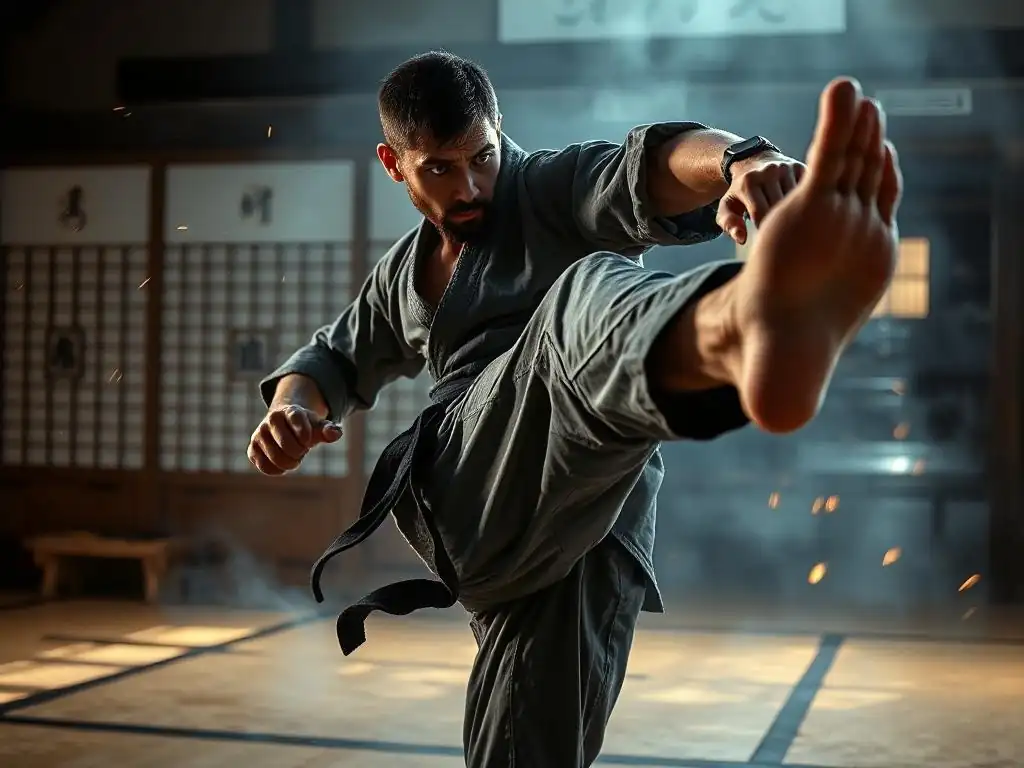
Welcome to Martial Arts Mastery, your ultimate resource for delving into the fascinating world of combat disciplines! Have you ever wondered how a specific martial art catapulted from ancient tradition to global phenomenon? Our journey begins here, exploring how the silver screen has profoundly shaped the perception and popularity of various fighting styles. Dive into our latest article, " From Dojo to Global Stage: The Popularization of Specific Martial Arts Styles via Film," and uncover the surprising impact film has had on the history and culture of martial arts. Prepare to be enlightened!
Bruce Lee: The Catalyst for Kung Fu's Global Recognition
Before Bruce Lee, martial arts, particularly Kung Fu, were largely confined to regional pockets, known and practiced primarily within Asian communities. Lee's revolutionary approach to filmmaking and his dynamic, philosophical portrayal of martial arts shattered these geographical and cultural barriers. His films didn't just showcase fighting; they presented a compelling narrative, often infused with themes of justice, identity, and self-mastery, which resonated deeply with audiences worldwide.
Lee's unique blend of traditional Chinese martial arts with Western boxing and fencing, which he termed Jeet Kune Do, offered a faster, more fluid, and seemingly practical style compared to the often highly choreographed and stylized forms seen in earlier Asian cinema. This innovation, combined with his charisma and physical prowess, made him an international superstar and ignited a global curiosity about martial arts, making him the undeniable catalyst for the popularization of film influenced martial arts styles.
The impact of Bruce Lee's work on popularizing film influenced martial arts styles cannot be overstated. Films like Fist of Fury (1972) and Way of the Dragon (1972), culminating in the posthumously released Enter the Dragon (1973), achieved unprecedented international success for martial arts films. Enter the Dragon, for instance, reportedly grossed over $200 million worldwide against a modest budget of around $850,000-$1 million, making it one of the most profitable films of its time and a cultural phenomenon. This financial success demonstrated a massive global appetite for martial arts content. Lee's fighting philosophy, emphasizing practicality and adaptability ("Be water, my friend"), appealed to a generation seeking self-improvement and empowerment. His intensity and authenticity on screen inspired millions to seek out martial arts training, leading to a significant surge in enrollment in dojos and schools across North America, Europe, and beyond, fundamentally changing the landscape of martial arts practice globally.
- How has film contributed to the popularization of specific martial arts styles?
- Which martial arts styles have seen the most significant boost in popularity due to film?
- Does film accurately represent the techniques and philosophy of martial arts?
- How does the portrayal of martial arts in film impact training and expectations?
- What are some potential downsides of film's influence on martial arts?
Frequently Asked Questions
How has film contributed to the popularization of specific martial arts styles?
Film has dramatically increased awareness and interest. It showcases the visual appeal and effectiveness of different styles, driving many to seek out training. This exposure leads to increased popularity and accessibility.
Which martial arts styles have seen the most significant boost in popularity due to film?
Styles like Kung Fu, particularly Wing Chun after Ip Man films, and Karate, especially after The Karate Kid, have experienced massive surges. Judo's inclusion in early action cinema also significantly broadened its reach.
Does film accurately represent the techniques and philosophy of martial arts?
Often, film takes creative liberties for entertainment. While it can introduce concepts, it's important to remember that the portrayal is often stylized and exaggerated, not necessarily reflecting real-world application.
How does the portrayal of martial arts in film impact training and expectations?
Film can create unrealistic expectations about the speed of learning and the ease of mastering techniques. It's crucial for instructors to manage these expectations and emphasize the discipline and dedication required for true proficiency.
What are some potential downsides of film's influence on martial arts?
Over-commercialization and dilution of traditional values are concerns. Also, the focus on spectacle can overshadow the deeper philosophical and ethical aspects of martial arts training.
Final Reflection: The Enduring Power of Cinematic Influence
The journey from the dojo to the global stage, as we've explored, is inextricably linked to the silver screen. Film's ability to amplify and transform martial arts styles is undeniable, shaping perceptions and inspiring generations. The styles we've discussed, from Kung Fu to Karate, owe a significant portion of their modern popularity to their cinematic portrayals, proving that the power of storytelling can transcend cultural boundaries and ignite global passions.
The influence of film on martial arts extends far beyond mere entertainment; it has profoundly impacted the cultural landscape, shaping how we perceive strength, discipline, and even morality. My own fascination with martial arts began with watching classic Kung Fu films as a child, a testament to the enduring power of visual storytelling. The screen is a magic medium. It has such power that it can retain interest as it conveys emotions and moods which no other art form can capture.
- Federico Fellini. This quote perfectly encapsulates the transformative potential of film, its ability to not only entertain but also to deeply resonate with audiences and inspire lasting change.
Now, as you reflect on the styles we've explored and the films that brought them to life, consider the power of influence in your own life. What passions have been ignited by the stories you've witnessed? How can you harness the power of inspiration to pursue your own goals with the same dedication and discipline showcased on the screen? Let the cinematic journey of these martial arts styles remind you that anything is possible with passion, perseverance, and a little bit of movie magic.
Thank you for diving into the fascinating journey of how film has shaped the popularity of martial arts. Now that you've discovered the power of cinematic influence, it's time to take action and connect with the art on a deeper level.
- Embark on a New Training Journey: Choose a martial art highlighted in the article and begin exploring introductory classes or online tutorials. Unlock your potential!
- Share Your Cinematic Martial Arts Favourites: Create a social media post discussing which films inspired your interest in martial arts, tagging @MartialArtsMastery.
- Rediscover a classic: revisit an old Kung Fu movie and think about how well it represents the art portrayed.
What classic martial arts film will you be revisiting this weekend?